Scored using Smartphones Methodology v3.0
Smartphones Methodology v3.0
Mathematical & Unbiased Scoring
Products in this category are scored under Frontum Smartphones Methodology v3.0: the technical score from the specifications is the base, and independent expert and video reviews (up to ±0.5 points), owner opinions (up to ±0.3) and best-of lists (up to +0.3) move it up or down.
Explore Smartphones Methodology v3.0

ZTE Nubia Red Magic 8 Pro (12GB + 256GB) review: 196 specs compared

Avg. price:~£570RAM capacity:12 GBInternal storage:256 GBScreen size:6.8 inchesMain camera megapixels:50 MP & 8 MP & 2 MP

ZTE Nubia Red Magic 8 Pro (12GB + 256GB) Review: Compare 196 technical specifications and 50 expert and video reviews to see how this product ranks in the Smartphones category and whether it is worth buying.

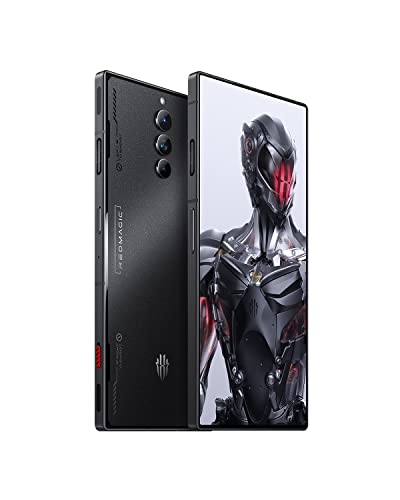
ZTE Nubia Red Magic 8 Pro (12GB + 256GB)
7.8/10

Overall score

Score
7.8/ 10
✕
What it is
Our main score for this model, 1–10. It combines specs, best-of lists, expert reviews and owners.
How we count it
Parts: Technical score 35%, List score 30%, Reviews score 25%, Sentiment score 10%
Marks: Each part gets a mark out of 10. For reviews, lists and owners, a typical model in this category gets about 8 and the best one gets 10.
No data yet: A part with no data shows "?". It counts as the mark of a weaker model in this category (4 in 5 models with data score higher). This way, models with reviews, lists and owners usually come out ahead.
Score distribution
â–¼
<55-66-77-88-99-10
Score components

35%

7.7

Technical score

30%

?

List scoreNot enough data yet, so we use 7.5, the mark of a weaker model in this category

25%

8.3

Reviews score

10%

7.7

Sentiment score

â–²Better than 79% of smartphones
7.7

Value for money

Value for money
7.7/ 10
✕
What it is
An indicator that combines the smartphone's overall rating with its cost.
When it matters
When you are looking for a smartphone with a good balance between quality and price.
Score distribution
â–¼
<55-66-77-88-99-10
Score components

70%

7.8

Overall score

30%

7.5

Price

â–¼Worse than 52%
7.7

Technical score

Technical score
7.7/ 10
✕
What it is
How good the specs are compared with the other models in this category, 1–10.
How we count it
Areas: We rate the specs in each area against the other models in this category.
Weighting: The areas that matter most to buyers count more. The shares are shown under Score components.
Share: The technical score is 35% of the overall score.
Score distribution
â–¼
<55-66-77-88-99-10
Score components

25%

8.4

Performance

18%

7.3

Camera

15%

6.8

Display

15%

7.0

Battery

10%

8.4

Software

10%

7.8

Connectivity

4%

9.0

Audio

3%

7.5

Design

â–²Better than 78%
8.3

Reviews score

Reviews score
8.3/ 10
✕
What it is
Average grade from independent test sites, magazines and video reviewers, 1–10.
How we count it
Grades: Each review's own score is converted to 1–10; without one, we grade the review ourselves. Big test sites count more, short reviews half as much as full tests. A video review counts half.
Score: The average grade is 80% of the review mark; the number of reviews is the other 20% (1 review = 5, the typical number in this category = 8, the most-reviewed model = 10).
Enough data: With few reviews, the average grade is pulled toward the typical grade of this category. No reviews yet: 7.5 for now.
Share: Reviews count 25% of the overall score.
Score distribution
â–¼
<55-66-77-88-99-10

80%

8.1

Average grade

20%

8.8

Popularity

Grades by review (50)
34 reviews: 23 with a printed score, 11 estimated from the review. 16 video reviews, each counting half as much as a written test. Reviews count 25% of the overall score.
User ratings collected online are not part of this score.
â–²Better than 75%
?

List score

List score
7.5/ 10
✕
What it is
How often independent test sites, magazines and video reviewers put this model in their best-of lists for this category.
How we count it
Points: The model in the most lists of this category gets 10; the others get 8 to 10 in proportion. In no list yet: 7.5. Lists count 30% of the overall score.
Enough data: Every list counts, even a single one. With fewer than 5 best-of lists in the category, this part is left out.
Lists with this model (0)
Not in any best-of list yet, so this part counts as 7.5. Models in a list get 8 to 10.
Not in any best-of list yet

What reviewers say about the ZTE Nubia Red Magic 8 Pro (12GB + 256GB)

Based on 34 · 17

Reviewers praise the strong performance, bright screen and long battery life, but agree both cameras are weak.
Praised
Mixed views
Criticised
Pick a topic to see who said what

What owners say about the ZTE Nubia Red Magic 8 Pro (12GB + 256GB)

Based on 80 owners sharing their experience in online comments

49%positive16%mixed35%negative

Owners praise powerful gaming performance and striking design, while software bugs, camera limitations, and fan or connectivity problems frustrate them.

What owners dislike

  • Owners report buggy software, certain apps becoming glitchy after a few uses, and some Chinese translations left in the interface.6
  • Owners say the rear camera outputs only about 12.5 megapixels in photos, and night mode and autofocus are weak.5
  • Owners say the fan vents collect dust, hair and lint quickly, and there is no way to clean them out easily.5
  • Owners report the USB port often only charges and fails to work for video or accessories, and some phones charge slowly or not at all.5
  • Owners report Wi-Fi and mobile data that drop out or run slowly, especially when gaming, on some carriers.4
  • Owners notice screen flicker at medium and high brightness and some color shifts, with white text taking on the tint of the wallpaper.4
  • Owners say software updates arrive late, and support may last only about two years.3
  • Owners say the speaker is quiet and weak at high volume in speaker mode, quieter than some rival phones.3
  • Owners say the front camera ring is often visible on screen, and selfie quality is poor.3
  • Owners report touch latency is higher than rival phones, and the shoulder triggers sometimes make the touchscreen stop responding for a few seconds.3

Points mentioned by at least 3 owners, most mentioned first.

Loading...
Loading category ranking...

Smartphones model ranking

Ranked #965 of 2,069 models in Smartphones (Overall score)

Technical Specifications of smartphone ZTE Nubia Red Magic 8 Pro (12GB + 256GB)

Technical score
Technical score
7.7/ 10
✕
What it is
How good the specs are compared with the other models in this category, 1–10.
How we count it
Areas: We rate the specs in each area against the other models in this category.
Weighting: The areas that matter most to buyers count more. The shares are shown under Score components.
Share: The technical score is 35% of the overall score.
Score distribution
â–¼
<55-66-77-88-99-10
Score components:

25%

8.4

Performance

18%

7.3

Camera

15%

6.8

Display

15%

7.0

Battery

10%

8.4

Software

10%

7.8

Connectivity

4%

9.0

Audio

3%

7.5

Design

7.7
Reviews score
8.3
List score
?
Value for money
Value for money
7.7/ 10
✕
What it is
An indicator that combines the smartphone's overall rating with its cost.
When it matters
When you are looking for a smartphone with a good balance between quality and price.
Score distribution
â–¼
<55-66-77-88-99-10
Score components:

70%

7.8

Overall score

30%

7.5

Price

7.7
Processor model
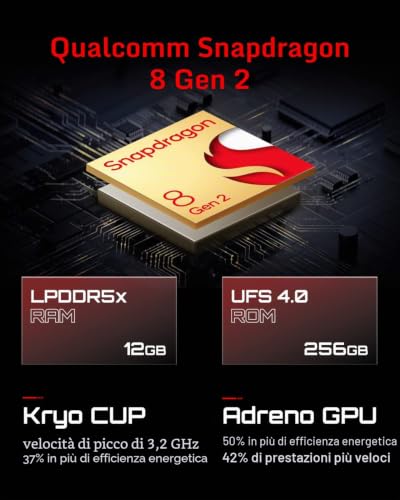
Qualcomm Snapdragon 8 Gen 2
This smartphone uses the Qualcomm Snapdragon 8 Gen 2 processor which is faster than processors in 86.5% of smartphones and equal to processors in 2.4% of smartphones.
Storage type
UFS 4.0
This smartphone uses UFS 4.0 storage, which is faster than the storage in 73.7% of smartphones and the same as in 16.4% of smartphones.
RAM capacity
12 GB
This smartphone has a RAM capacity of 12 GB which is larger than the RAM capacity of 59.3% of smartphones and equal to that of 24.3% of smartphones.
Internal storage
256 GB
This smartphone has an internal storage capacity of 256 GB which is larger than the storage of 38.9% of smartphones and equal to that of 38.4% of smartphones.
CPU boost clock speed
3.2 GHz
The CPU boost clock speed of this smartphone is 3.2 GHz which is higher than the boost speed of 81.3% of smartphones and equal to that of 7% of smartphones.
Show more
What reviewers say
Operating system
Android
This smartphone runs Android, which is more mainstream than the system in 4.8% of smartphones and the same as in 95.2% of smartphones.
Android 13
Android version
Android 13
This smartphone runs Android version Android 13 which is older than that found in 50.6% of smartphones and equal to that in 16.5% of smartphones.
Direct OS updates
no
This smartphone does not support direct OS updates. 20.1% of smartphones offer this.
Promised software updates
?
Open-source OS
yes
This smartphone runs an open-source operating system. 5.2% of smartphones offer this.
Show more
What reviewers say
Multi-lens main camera
yes
This smartphone includes a multi-lens main camera system. 93.7% of smartphones include multi-lens setups.
Main camera megapixels
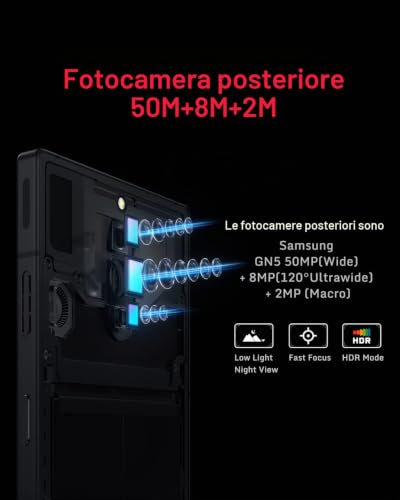
50 MP & 8 MP & 2 MP
This smartphone has a main camera resolution of 50 MP & 8 MP & 2 MP which is higher than that of 52.5% of smartphones and equal to that of 4.1% of smartphones.
Main camera aperture
f/1.88 & f/2.2 & f/2.4
This smartphone has a main camera aperture of f/1.88 & f/2.2 & f/2.4 which is narrower than that of 77.6% of smartphones and equal to that of 0.7% of smartphones.
Main camera sensor area
50 mm²
This smartphone has a main camera sensor area of 50 mm² which is larger than the main camera sensor area of 65.4% of smartphones and equal to that of 16.5% of smartphones.
Main camera pixel size
1 µm
This smartphone has a main camera pixel size of 1 µm which is larger than in 57.7% of smartphones and equal to the size in 20% of smartphones.
2 binned
Show more
What reviewers say
Number of SIM slots
2
This smartphone has 2 SIM slots, which is more than in 3.7% of smartphones and equal to the number in 96.2% of smartphones.
Cellular module
yes
This smartphone includes a cellular module. 100% of smartphones include cellular modules.
eSIM support
no
This smartphone does not have eSIM support. 19.9% of smartphones offer this.
5G connectivity
yes
This smartphone supports 5G connectivity. 66.6% of smartphones support 5G.
LTE support
yes
This smartphone supports LTE. 99.7% of smartphones include LTE connectivity.
Show more
What reviewers say
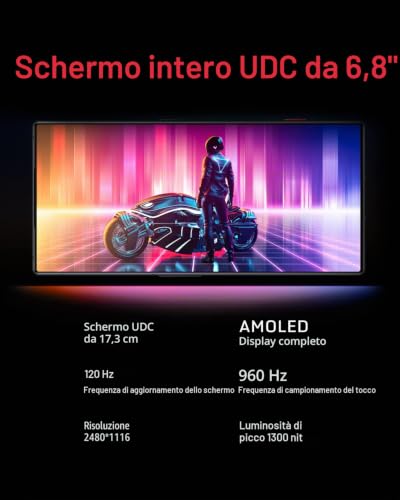
Screen size
6.8 inches
This smartphone has a screen size of 6.8 inches which is larger than the screens of 83.8% of smartphones and equal to those of 4.6% of smartphones.
Screen resolution
1116x 2480 px
This smartphone has a screen resolution of 1116x2480 px which is higher than that of 71.2% of smartphones and equal to that of 0.4% of smartphones.
Pixel density
400 ppi
This smartphone has a pixel density of 400 ppi which is higher than that of 56.4% of smartphones and equal to that of 2.3% of smartphones.
Display type
OLED/AMOLED
This smartphone uses a OLED/AMOLED display type. 58.4% of smartphones use this display technology.
Refresh rate
120 Hz
This smartphone supports a refresh rate of 120 Hz which is higher than in 34.4% of smartphones and equal to that in 55.6% of smartphones.
Show more
What reviewers say
Battery capacity
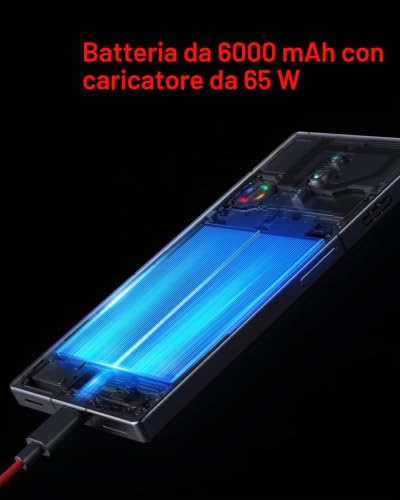
6,000 mAh
This smartphone has a battery capacity of 6,000 mAh which is larger than the batteries in 73.2% of smartphones and equal to those in 6.8% of smartphones.
Charging speed
65 W
This smartphone supports charging speeds of 65 W which is faster than in 65.2% of smartphones and equal to speeds in 2.6% of smartphones.
Fast charging
yes
This smartphone supports fast charging. 93.2% of smartphones support fast charging.
GSMArena full wired charge time
?
Wireless charging
no
This smartphone does not support wireless charging. 25.1% of smartphones support wireless charging.
Show more
What reviewers say
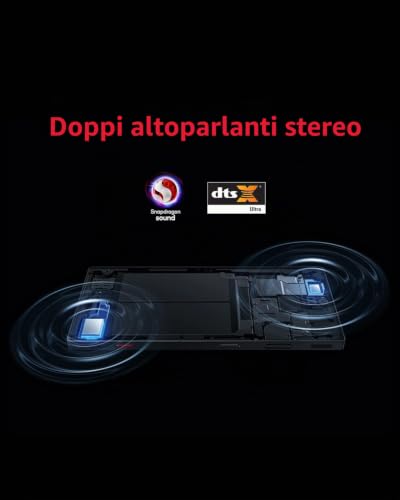
Stereo speakers
yes
This smartphone includes stereo speakers. 64.3% of smartphones provide stereo audio.
3.5 mm headphone jack
yes
This smartphone includes a 3.5 mm headphone jack. 45.1% of smartphones offer this port.
Number of microphones
?
FM radio
no
This smartphone does not have an FM radio. 34.3% of smartphones offer this.
aptX Lossless
yes
This smartphone supports aptX Lossless. 12.5% of smartphones provide aptX Lossless.
Show more
What reviewers say
Height
164 mm
This smartphone has a height of 164 mm which is taller than 56.7% of smartphones and equal to that of 2% of smartphones.
Width
76.4 mm
This smartphone has a width of 76.4 mm which is wider than 60% of smartphones and equal to that of 2.1% of smartphones.
Thickness
8.9 mm
This smartphone has a thickness of 8.9 mm which is thicker than 75.4% of smartphones and equal to that of 4.1% of smartphones.
Weight
228 g
This smartphone weighs 228 g which is heavier than 85.1% of smartphones and equal to the weight of 0.5% of smartphones.
Device volume
112 cm³
This smartphone has a device volume of 112 cm³ which is larger than 76.6% of smartphones and equal to that of 2% of smartphones.
Show more
What reviewers say

ZTE Nubia Red Magic 8 Pro (12GB + 256GB) vs the average smartphone

246810TotalPerformanceSoftwareCameraConnectivityDisplayBatteryAudioDesign
  • 4.3x higher 3DMark Wild Life benchmark
    This smartphone scores higher in 3DMark Wild Life than the average smartphone (13,388 vs 3,115). The average smartphone scores 3,115.
    13,388 vs 3,115
  • 20% larger battery capacity
    This smartphone has a larger battery capacity than the average smartphone (6,000 mAh vs 5,000 mAh). The average smartphone battery is 5,000 mAh.
    6,000 mAh vs 5,000 mAh
  • 31.5 more endurance points
    This smartphone has a higher GSMArena battery life endurance score than the average smartphone (131 vs 99.5). The average endurance score is 99.5.
    131 vs 99.5
  • 2.03x higher Geekbench 6 single-core benchmark score
    This smartphone scores better in Geekbench 6 single-core than the average smartphone (1916 vs 942). The average smartphone scores 942 in single-core.
    1,916 vs 942
  • Better main camera video
    This smartphone records better main camera video than the average smartphone. 44.20x of smartphones support 4K or higher.
    4320x30 fps vs 2160x30 fps
  • 33.3% higher CPU boost clock speed
    This smartphone has a higher CPU boost clock speed than the average smartphone (3.2 GHz vs 2.4 GHz). The average smartphone has a boost clock speed of 2.4 GHz.
    3.2 GHz vs 2.4 GHz
  • 4 GB more RAM
    This smartphone has more RAM capacity than the average smartphone (12 GB vs 8 GB). The average smartphone has 8 GB of RAM.
    12 GB vs 8 GB
  • 56.3% larger main camera sensor area
    This smartphone has a larger main camera sensor area than the average smartphone (50 mm² vs 32 mm²). The average main camera sensor area is 32 mm².
    50 mm² vs 32 mm²
  • 13.7% higher review score
    Reviews score
    8.3/ 10
    ✕
    What it is
    Average grade from independent test sites, magazines and video reviewers, 1–10.
    How we count it
    Grades: Each review's own score is converted to 1–10; without one, we grade the review ourselves. Big test sites count more, short reviews half as much as full tests. A video review counts half.
    Score: The average grade is 80% of the review mark; the number of reviews is the other 20% (1 review = 5, the typical number in this category = 8, the most-reviewed model = 10).
    Enough data: With few reviews, the average grade is pulled toward the typical grade of this category. No reviews yet: 7.5 for now.
    Share: Reviews count 25% of the overall score.
    Score distribution
    â–¼
    <55-66-77-88-99-10

    80%

    8.1

    Average grade

    20%

    8.8

    Popularity

    Grades by review (50)
    34 reviews: 23 with a printed score, 11 estimated from the review. 16 video reviews, each counting half as much as a written test. Reviews count 25% of the overall score.
    User ratings collected online are not part of this score.
    8.3 vs 7.3
  • 4.3x higher 3DMark Wild Life benchmark
    This smartphone scores higher in 3DMark Wild Life than the average smartphone (13,388 vs 3,115). The average smartphone scores 3,115.
    13,388 vs 3,115
  • 2.03x higher Geekbench 6 single-core benchmark score
    This smartphone scores better in Geekbench 6 single-core than the average smartphone (1916 vs 942). The average smartphone scores 942 in single-core.
    1,916 vs 942
  • 33.3% higher CPU boost clock speed
    This smartphone has a higher CPU boost clock speed than the average smartphone (3.2 GHz vs 2.4 GHz). The average smartphone has a boost clock speed of 2.4 GHz.
    3.2 GHz vs 2.4 GHz
  • 4 GB more RAM
    This smartphone has more RAM capacity than the average smartphone (12 GB vs 8 GB). The average smartphone has 8 GB of RAM.
    12 GB vs 8 GB
  • 6x more shader units
    This smartphone features more shader units than the average smartphone (1,536 vs 256). The average smartphone has 256 shader units.
    1,536 vs 256
  • 33.3% smaller process node
    This smartphone uses a smaller process node than the average smartphone (4 nm vs 6 nm). The average process node size is 6 nm.
    4 nm vs 6 nm
  • 3.66x higher 3DMark Wild Life Unlimited benchmark
    This smartphone scores higher in 3DMark Wild Life Unlimited than the average smartphone (14,015 vs 3,827). The average smartphone scores 3,827.
    14,015 vs 3,827
  • Higher CPU base clock speed
    This smartphone has a higher CPU base clock speed than the average smartphone (1x3.2 GHz & 4x2.8 GHz & 3x2 GHz vs 2x2.2 GHz & 6x2 GHz). The average smartphone has a base clock speed of 2x2.2 GHz & 6x2 GHz.
    1x3.2 GHz & 4x2.8 GHz & 3x2 GHz vs 2x2.2 GHz & 6x2 GHz
  • 2.5x higher memory bandwidth
    This smartphone has higher memory bandwidth than the average smartphone (64 GB/s vs 25.6 GB/s). The average memory bandwidth is 25.6 GB/s.
    64 GB/s vs 25.6 GB/s
  • Better processor
    This smartphone features a better processor than the average smartphone (Qualcomm Snapdragon 8 Gen 2 vs Qualcomm Snapdragon 7 Gen 3).
    Qualcomm Snapdragon 8 Gen 2 vs Qualcomm Snapdragon 7 Gen 3
  • Newer DDR memory version
    This smartphone supports a newer DDR version than the average smartphone (5 vs 4). The average DDR version is 4.
    5 vs 4
  • 2.01x higher Geekbench 6 multi-core benchmark score
    This smartphone scores better in Geekbench 6 multi-core than the average smartphone (5,089 vs 2,533). The average smartphone scores 2,533 in multi-core.
    5,089 vs 2,533
  • 3.02x higher 3DMark Wild Life Extreme benchmark
    This smartphone performs better in 3DMark Wild Life Extreme than the average smartphone (3,701 vs 1,224.5). The average smartphone scores 1,224.5.
    3,701 vs 1,224.5
  • 2x more L3 cache
    This smartphone has more L3 cache than the average smartphone (8,192 KB vs 4,096 KB). The average L3 cache is 4,096 KB.
    8,192 KB vs 4,096 KB
  • 2 more memory channels
    This smartphone has more memory channels than the average smartphone (4 vs 2). The average smartphone has 2 memory channels.
    4 vs 2
  • 52.7% faster memory speed
    This smartphone supports faster memory speed than the average smartphone (4,200 MHz vs 2,750 MHz). The average smartphone supports 2,750 MHz memory speed.
    4,200 MHz vs 2,750 MHz
  • Faster storage type
    This smartphone has faster storage than the average smartphone (UFS 4 vs UFS 3.1).
    UFS 4.0 vs UFS 3.1
  • 82.1% higher 3DMark Steel Nomad benchmark
    This smartphone performs better in 3DMark Steel Nomad benchmark than the average smartphone (1,107 vs 608). The average score is 608.
    1,107 vs 608
  • 2.1% faster GPU clock
    This smartphone has a higher GPU frequency than the average smartphone (970 MHz vs 950 MHz). The average smartphone GPU frequency is 950 MHz.
    970 MHz vs 950 MHz
  • 14.3% higher maximum RAM
    This smartphone supports more maximum RAM than the average smartphone (16 GB vs 14 GB). The average smartphone supports 14 GB RAM.
    16 GB vs 14 GB
  • Includes cross-site tracking protection
    This smartphone supports cross-site tracking prevention, the average smartphone does not. 31.9% of smartphones include this feature.
  • Better main camera video
    This smartphone records better main camera video than the average smartphone. 44.20x of smartphones support 4K or higher.
    4320x30 fps vs 2160x30 fps
  • 56.3% larger main camera sensor area
    This smartphone has a larger main camera sensor area than the average smartphone (50 mm² vs 32 mm²). The average main camera sensor area is 32 mm².
    50 mm² vs 32 mm²
  • Supports RAW photo capture
    This smartphone supports RAW photo capture, the average smartphone does not. 37.3% of smartphones allow RAW files.
  • Uses a BSI sensor
    This smartphone uses a BSI sensor, the average smartphone does not. 40% of smartphones include BSI sensors.
  • Has an under-display front camera
    This smartphone has an under-display front camera, the average smartphone does not. 1.3% of smartphones feature this technology.
  • Supports HDR10 video recording
    This smartphone supports HDR10 video recording, the average smartphone does not. 35.7% of smartphones support HDR10.
  • 0.2 µm larger main camera pixel size
    This smartphone has a larger main camera pixel size than the average smartphone (1 µm vs 0.8 µm). The average pixel size is 0.8 µm.
    2 binned
    1 µm vs 0.8 µm
  • Wider front camera aperture
    This smartphone has a wider front camera aperture than the average smartphone (f/2 vs f/2.2). The average aperture is f/2.2.
    f/2.0 vs f/2.2
  • Newer Wi-Fi version
    This smartphone has more advanced Wi-Fi than the average smartphone (Wi-Fi 7 (802.11be), Wi-Fi 6E (802.11ax), Wi-Fi 6 (802.11ax), Wi-Fi 5 (802.11ac), Wi-Fi 4 (802.11n) vs Wi-Fi 5 (802.11ac), Wi-Fi 4 (802.11n)).
    Wi-Fi 7 (802.11be), Wi-Fi 6E (802.11ax), Wi-Fi 6 (802.11ax), Wi-Fi 5 (802.11ac), Wi-Fi 4 (802.11n) vs Wi-Fi 5 (802.11ac), Wi-Fi 4 (802.11n)
  • Newer USB version
    This smartphone supports a newer USB version than the average smartphone (3.2 vs 2). The average version is USB 2.
    3.2 vs 2
  • Newer Bluetooth version
    This smartphone supports a newer Bluetooth version than the average smartphone (5.3 vs 5.2). The average version is Bluetooth 5.2.
    5.3 vs 5.2
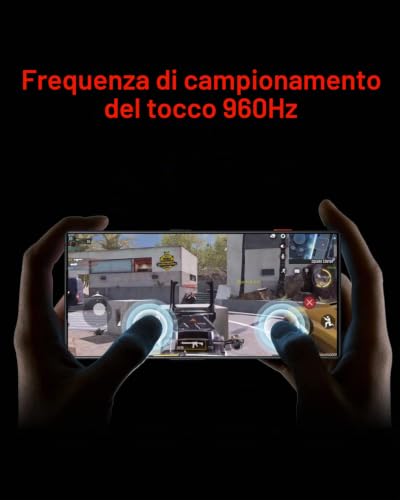
  • 4x higher touch sampling rate
    This smartphone has a higher touch sampling rate than the average smartphone (960 Hz vs 240 Hz). The average touch sampling rate is 240 Hz.
    960 Hz vs 240 Hz
  • 0.13 inches inch larger screen size
    This smartphone has a larger screen size than the average smartphone (6.8 inches vs 6.67 inches). The average smartphone screen is 6.67 inches.
    6.8 inches vs 6.67 inches
  • Has an always-on display
    This smartphone features an always-on display, the average smartphone does not. 49.1% of smartphones offer always-on functionality.
  • Higher screen resolution
    This smartphone has a higher screen resolution than the average smartphone (1116x2480 px vs 1080x2400 px). The average smartphone resolution is 1080x2400 px.
    1116x2480 px vs 1080x2400 px
  • 300 nits higher peak brightness
    This smartphone has a higher peak brightness than the average smartphone (1,300 nits vs 1,000 nits). The average peak brightness is 1,000 nits.
    1,300 nits vs 1,000 nits
  • 1.3% higher pixel density
    This smartphone has a higher pixel density than the average smartphone (400 ppi vs 395 ppi). The average smartphone has a pixel density of 395 ppi.
    400 ppi vs 395 ppi
  • 20% larger battery capacity
    This smartphone has a larger battery capacity than the average smartphone (6,000 mAh vs 5,000 mAh). The average smartphone battery is 5,000 mAh.
    6,000 mAh vs 5,000 mAh
  • 31.5 more endurance points
    This smartphone has a higher GSMArena battery life endurance score than the average smartphone (131 vs 99.5). The average endurance score is 99.5.
    131 vs 99.5
  • 97% faster charging speed
    This smartphone supports a faster charging speed than the average smartphone (65 W vs 33 W). The average charging speed is 33 W.
    65 W vs 33 W
  • Supports aptX Adaptive
    This smartphone supports aptX Adaptive, the average smartphone does not. 33.7% of smartphones include aptX Adaptive support.
  • Supports aptX Lossless
    This smartphone supports aptX Lossless, the average smartphone does not. 12.5% of smartphones include aptX Lossless support.
  • Has a 3.5 mm headphone jack
    This smartphone features a 3.5 mm headphone jack, the average smartphone does not. 45.1% of smartphones include a standard headphone jack.
  • Narrower main camera aperture
    This smartphone has a narrower main camera aperture than the average smartphone (f/1.88 & f/2.2 & f/2.4 vs f/1.8 & f/2.2 & f/2.4 & f/2.4). The average smartphone aperture is f/1.8 & f/2.2 & f/2.4 & f/2.4.
    f/1.88 & f/2.2 & f/2.4 vs f/1.8 & f/2.2 & f/2.4 & f/2.4
  • No live text recognition
    This smartphone does not support live text recognition, the average smartphone does. 51.3% of smartphones offer real-time text recognition.
  • No memory card slot
    This smartphone does not have a memory card slot, the average smartphone does. 53.7% of smartphones feature expandable storage.
  • No reverse wired charging
    This smartphone does not support reverse wired charging, the average smartphone does. 61.5% of smartphones support reverse wired charging.
  • 24.2% lower screen brightness
    This smartphone has a lower screen brightness than the average smartphone (500 nits vs 660 nits). The average smartphone has a brightness of 660 nits.
    500 nits vs 660 nits
  • 16.2% heavier
    This smartphone is heavier than the average smartphone (228 g vs 196.2 g). The average smartphone weighs 196.2 g.
    228 g vs 196.2 g
  • 2 year/s older release date
    This smartphone is an older model than the average smartphone (2022 vs 2024). 2.00% of smartphones were released more recently.
    December 2022
    2022 vs 2024
  • 2.19x more expensive
    ZTE Nubia Red Magic 8 Pro (12GB + 256GB) is more expensive than the average smartphone (£570 vs £260).
    £570 vs £260
  • 2.19x more expensive
    ZTE Nubia Red Magic 8 Pro (12GB + 256GB) is more expensive than the average smartphone (£570 vs £260).
    £570 vs £260
  • 2 year/s older release date
    This smartphone is an older model than the average smartphone (2022 vs 2024). 2.00% of smartphones were released more recently.
    December 2022
    2022 vs 2024
  • 5% higher TDP (less efficient)
    This smartphone has a higher TDP than the average smartphone (6.3 W vs 6 W). The average smartphone has a TDP of 6 W.
    6.3 W vs 6 W
  • 2.3% less L2 cache
    This smartphone has a smaller L2 cache than the average smartphone (1,000 KB vs 1,024 KB). The average smartphone has an L2 cache of 1,024 KB.
    1,000 KB vs 1,024 KB
  • No live text recognition
    This smartphone does not support live text recognition, the average smartphone does. 51.3% of smartphones offer real-time text recognition.
  • Older Android version
    This smartphone runs an older Android version than the average smartphone (Android 13 vs Android 14). The average smartphone runs Android version Android 14.
    Android 13 vs Android 14
  • Narrower main camera aperture
    This smartphone has a narrower main camera aperture than the average smartphone (f/1.88 & f/2.2 & f/2.4 vs f/1.8 & f/2.2 & f/2.4 & f/2.4). The average smartphone aperture is f/1.8 & f/2.2 & f/2.4 & f/2.4.
    f/1.88 & f/2.2 & f/2.4 vs f/1.8 & f/2.2 & f/2.4 & f/2.4
  • No memory card slot
    This smartphone does not have a memory card slot, the average smartphone does. 53.7% of smartphones feature expandable storage.
  • 24.2% lower screen brightness
    This smartphone has a lower screen brightness than the average smartphone (500 nits vs 660 nits). The average smartphone has a brightness of 660 nits.
    500 nits vs 660 nits
  • No reverse wired charging
    This smartphone does not support reverse wired charging, the average smartphone does. 61.5% of smartphones support reverse wired charging.
  • 16.2% heavier
    This smartphone is heavier than the average smartphone (228 g vs 196.2 g). The average smartphone weighs 196.2 g.
    228 g vs 196.2 g
  • 0.6 mm thicker
    This smartphone is thicker than the average smartphone (8.9 mm vs 8.3 mm). The average smartphone has a thickness of 8.3 mm.
    8.9 mm vs 8.3 mm
  • 9.8% larger volume
    This smartphone has a larger volume than the average smartphone (112 cm³ vs 102 cm³). The average smartphone volume is 102 cm³.
    112 cm³ vs 102 cm³
  • 0.4 mm wider
    This smartphone is wider than the average smartphone (76.4 mm vs 76 mm). The average smartphone has a width of 76 mm.
    76.4 mm vs 76 mm

Video reviews

Hands-on testing, unboxing, and real-world video evaluations

9.0
Techusiast
≈ estimated
04/03/2023
Hands-on review · gaming, battery and camera tests
Verdict
ZTE Nubia Red Magic 8 Pro is an excellent gaming phone with a long-lasting battery, but weaker as an everyday phone.
9.5
TechNick
≈ estimated
20/01/2023
Hands-on review · gaming performance and external display tests
Verdict
ZTE Nubia Red Magic 8 Pro is the most capable gaming phone available, with the selfie camera as its main compromise.
9.0
Tech Spurt
≈ estimated
16/01/2023
Unboxing and gaming review · benchmarks and battery tests
Verdict
ZTE Nubia Red Magic 8 Pro is a strong gaming phone with some clever features, though the selfie camera and charging port disappoint.
9.0
GSMArena Official
≈ estimated
16/01/2023
Hands-on review · performance, thermals, battery and camera tests
Verdict
ZTE Nubia Red Magic 8 Pro is a solid gaming phone worth recommending, with a weaker ultrawide camera and some software issues.
9.0
gizmochina
≈ estimated
15/01/2023
Hands-on review · gaming, cooling, cameras and tests
Verdict
ZTE Nubia Red Magic 8 Pro remains the best gaming phone we have tested, despite a few small drawbacks.
7.0
CNET
≈ estimated
27/05/2023
Hands-on review · gaming, cameras and software
Verdict
ZTE Nubia Red Magic 8 Pro is good value for gamers who upgrade often, but short software support limits it.
Not graded
Not graded

Expert reviews

In-depth analysis and verdict from leading tech publications

8.0
tomsguide.com
✓ explicit
16/01/2023
Hands-on review · Gaming phone
Verdict
The RedMagic 8 Pro is a powerful, slimmer gaming phone with strong battery life, but weak photos and poor menu translations limit it to dedicated gamers.
8.0
pocket-lint.com
✓ explicit
16/01/2023
Few-weeks test · Gaming phone
Verdict
The RedMagic 8 Pro is the fastest gaming phone you can buy, but it has a poor selfie camera and frequent software glitches.
8.5
pocketnow.com
✓ explicit
23/01/2023
Hands-on test · Gaming phone
Verdict
The RedMagic 8 Pro is a top gaming phone with fast performance and two-day battery life, but its ultrawide and selfie cameras and software need work.
10
expertreviews.co.uk
✓ explicit
23/02/2023
Hands-on review · Gaming phone
Verdict
The RedMagic 8 Pro is strong value for a fast gaming phone with a near-edge-to-edge screen and huge battery, though its selfie camera is dreadful.
7.0
androidcentral.com
✓ explicit
05/03/2023
Hands-on review · Gaming phone
Verdict
The RedMagic 8 Pro is a fast gaming phone with a bright, notch-free screen and two-day battery, but an unclear software update promise makes it hard to recommend.
7.0
sypnotix.com
≈ estimated
23/03/2023
Hands-on review · Gaming phone
Verdict
The RedMagic 8 Pro suits mobile gamers and retro fans, with strong PS2-era emulation and a battery that lasts days, but it is bulky.
8.0
stuff.tv
✓ explicit
12/04/2023
Hands-on test · Gaming phone
Verdict
The RedMagic 8 Pro is an astonishingly good value gaming phone with strong frame rates, but it's not the best all-rounder.
6.0
cnet.com
✓ explicit
31/05/2023
Hands-on test · Gaming phone
Verdict
The RedMagic 8 Pro offers a bright, big screen and strong gaming power at a lower price than rivals, but short software support and mixed photos hold it back.
8.0
trustedreviews.com
✓ explicit
23/06/2023
Hands-on review · Gaming phone
Verdict
The RedMagic 8 Pro is a good-value gaming phone with excellent performance and battery life, but its software glitches and limited update promise hold it back.
6.0
laptopmag.com
✓ explicit
19/02/2023
Hands-on test · Gaming phone
Verdict
The RedMagic 8 Pro is a gaming-first phone with fast performance, good battery life and a smooth screen, but its cameras are poor and it lacks wireless charging.
8.0
makeuseof.com
✓ explicit
06/03/2023
Hands-on review · Gaming phone
Verdict
The RedMagic 8 Pro is a stylish gaming phone that can game all day without slowing down, though its cameras and some interface glitches hold it back.
8.0
hothardware.com
✓ explicit
19/04/2023
Long-term review · Gaming phone
Verdict
The RedMagic 8 Pro is a fast, good-value gaming phone with a striking design and outstanding battery life, but its cameras and software let it down.
8.4
gsmarena.com
✓ explicit
01/10/2023
First look · Gaming phone
Verdict
The RedMagic 8 Pro adds a bigger 6,000 mAh battery and brighter screen, but its 165W charging is limited to a Pro+ model unlikely to leave China.
8.6
notebookcheck.net
✓ explicit
18/02/2023
Lab test · Display and Wi-Fi
Verdict
The RedMagic 8 Pro is a well-built gaming phone with a bright display and fast 6GHz Wi-Fi, but its security patches were already out of date at testing.
8.0
bgr.com
≈ estimated
30/01/2023
Hands-on test · Gaming phone
Verdict
The RedMagic 8 Pro is a fast, long-lasting gaming phone with a good main camera, but its selfie camera and fingerprint sensor are weak.
8.0
smartworld.it
✓ explicit
16/01/2023
Hands-on review · Gaming phone
Verdict
The RedMagic 8 Pro is a very powerful gaming phone with a notch-free screen, but its cameras are only adequate and its software needs work.
9.0
tuttoandroid.net
≈ estimated
16/01/2023
Hands-on test · Gaming phone
Verdict
The RedMagic 8 Pro is a flashy gaming phone with a powerful Snapdragon 8 Gen 2 and a wide feature set, but its software is still rough.
6.0
evosmart.it
≈ estimated
16/01/2023
Month-long test · Gaming phone
Verdict
The RedMagic 8 Pro is a fast, long-lasting gaming phone whose battery often lasts two days, but its software and front camera remain weak.
8.0
today.it
≈ estimated
19/01/2023
Hands-on test · Gaming phone
Verdict
The RedMagic 8 Pro suits gamers who want a stylish phone with a near-borderless screen, long battery life and good value for money.
8.0
multiplayer.it
✓ explicit
24/01/2023
Full review · Gaming phone
Verdict
The RedMagic 8 Pro tops every benchmark for gaming, with a big battery and an under-screen selfie camera, but its photos are only average.

Third-party reviews

What customers like about ZTE Nubia Red Magic 8 Pro (12GB + 256GB)

  • Blazing fast performance thanks to the Snapdragon 8 Gen 2 chipset and UFS 4.0 storage, handling all games with ease.
  • Outstanding battery life (6,000mAh) easily lasting one to two days with heavy use and offering excellent longevity.
  • Immersive 6.8-inch AMOLED display with a 120Hz refresh rate, minimal bezels, and no camera cutout for an uninterrupted viewing experience.
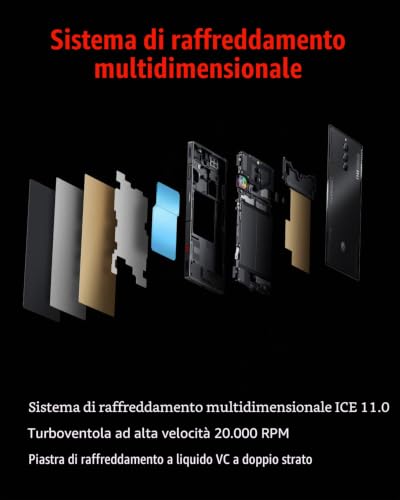
  • Efficient cooling system, including a built-in fan and vapor chamber, which effectively manages heat during intense gaming sessions.
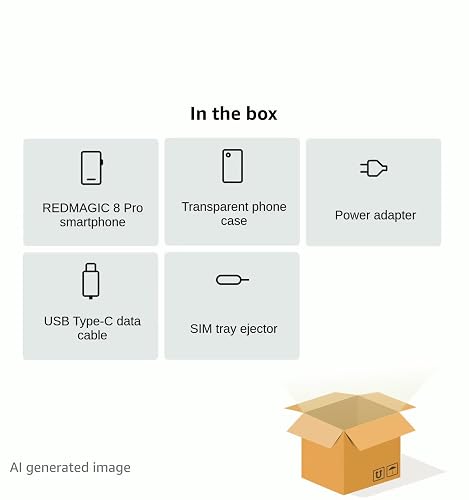
  • Fast 65W wired charging (charger included in the box) that recharges the phone quickly.
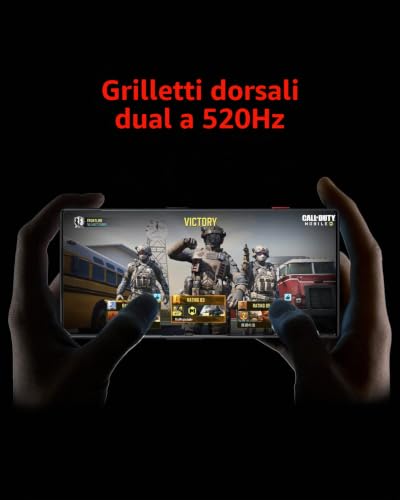
  • Responsive, physical shoulder triggers (520Hz touch sampling rate) that provide a competitive edge in games.
  • Solid, high-quality build and sleek, industrial design that is both unique and subtle enough for everyday use.
  • Competitive price point, offering flagship-level gaming hardware at a lower cost than many competitors.
  • Good quality main rear camera that is adequate for general daytime photography.
  • Inclusion of a 3.5mm headphone jack, a feature often missing in modern flagships.
  • Loud and clear stereo speakers with DTS:X Ultra audio support.

What customers don't like about ZTE Nubia Red Magic 8 Pro (12GB + 256GB)

  • Poor software experience with buggy, partially translated menus, occasional crashes, and an unintuitive user interface.
  • Extremely poor quality front-facing (under-display) camera, with images often appearing soft, overprocessed, and lacking detail.
  • Limited and short software support, with only one major Android version update and about two years of security updates promised.
  • Lackluster auxiliary cameras (ultrawide and macro) that produce low-detail, soft images.
  • Absence of official IP rating for dust or water resistance, which is a concern due to the open cooling vents.
  • Square, sharp edges can make the phone uncomfortable to hold during long sessions or one-handed operation.
  • Internal fan can accumulate dust over time, which may require disassembly for cleaning.
  • No wireless charging support, a feature found on many competing flagship phones.
  • Connectivity issues reported, including a lack of support for some key US 5G bands (Sub6 and mmWave) and specific carrier bands.
  • No HDR video support on the display, despite the panel quality.

Verdict

The ZTE Nubia Red Magic 8 Pro (12GB + 256GB) is a high-performance gaming smartphone powered by the Snapdragon 8 Gen 2 processor, paired with 12GB of RAM and 256GB of storage. Its standout feature is the 6.8-inch, 120Hz AMOLED display with an innovative under-display camera for an uninterrupted, full-screen experience, complemented by dedicated physical shoulder triggers for enhanced gameplay. Key pros include its robust cooling system (built-in fan), massive 6000mAh battery offering excellent endurance, and distinctive, futuristic design. A notable con often cited is the software experience, which can be less refined than mainstream competitors, and the camera system is functional but generally considered average compared to non-gaming flagships.

Compare ZTE Nubia Red Magic 8 Pro (12GB + 256GB) with other smartphones

1Product to compare no. 1
VS
2Product to compare no. 2
VS
3Product to compare no. 3 (optional)

Graphic comparison of ZTE Nubia Red Magic 8 Pro (12GB + 256GB) and other smartphones

No results found