Scored using Smartphones Methodology v3.0
Smartphones Methodology v3.0
Mathematical & Unbiased Scoring
Products in this category are scored under Frontum Smartphones Methodology v3.0: the technical score from the specifications is the base, and independent expert and video reviews (up to ±0.5 points), owner opinions (up to ±0.3) and best-of lists (up to +0.3) move it up or down.
Explore Smartphones Methodology v3.0

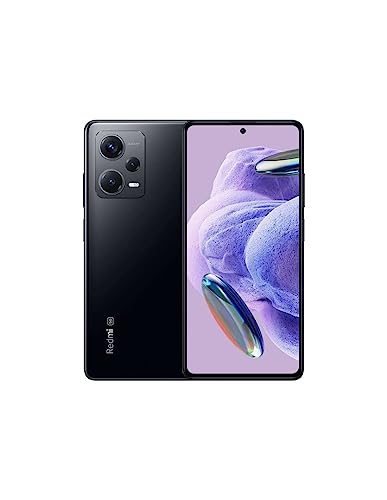
Xiaomi Redmi Note 12 Pro+ 5G (8GB + 256GB) review: 196 specs compared

Avg. price:~£240RAM capacity:8 GBInternal storage:256 GBScreen size:6.67 inchesMain camera megapixels:50 MP & 8 MP & 2 MP

Xiaomi Redmi Note 12 Pro+ 5G (8GB + 256GB) Review: Compare 196 technical specifications and 44 expert and video reviews to see how this product ranks in the Smartphones category and whether it is worth buying.

Xiaomi Redmi Note 12 Pro+ 5G (8GB + 256GB)
6.9/10

Overall score

Score
6.9/ 10
✕
What it is
Our main score for this model, 1–10. It combines specs, best-of lists, expert reviews and owners.
How we count it
Parts: Technical score 35%, List score 30%, Reviews score 25%, Sentiment score 10%
Marks: Each part gets a mark out of 10. For reviews, lists and owners, a typical model in this category gets about 8 and the best one gets 10.
No data yet: A part with no data shows "?". It counts as the mark of a weaker model in this category (4 in 5 models with data score higher). This way, models with reviews, lists and owners usually come out ahead.
Score distribution
▼
<55-66-77-88-99-10
Score components

35%

6.6

Technical score

30%

?

List scoreNot enough data yet, so we use 7.5, the mark of a weaker model in this category

25%

6.6

Reviews score

10%

6.6

Sentiment score

▼Worse than 70% of smartphones
7.6

Value for money

Value for money
7.6/ 10
✕
What it is
An indicator that combines the smartphone's overall rating with its cost.
When it matters
When you are looking for a smartphone with a good balance between quality and price.
Score distribution
▼
<55-66-77-88-99-10
Score components

70%

6.9

Overall score

30%

9.3

Price

▼Worse than 61%
6.6

Technical score

Technical score
6.6/ 10
✕
What it is
How good the specs are compared with the other models in this category, 1–10.
How we count it
Areas: We rate the specs in each area against the other models in this category.
Weighting: The areas that matter most to buyers count more. The shares are shown under Score components.
Share: The technical score is 35% of the overall score.
Score distribution
▼
<55-66-77-88-99-10
Score components

25%

6.1

Performance

18%

6.5

Camera

15%

7.5

Display

15%

6.0

Battery

10%

7.8

Software

10%

7.3

Connectivity

4%

4.7

Audio

3%

6.3

Design

▼Worse than 54%
6.6

Reviews score

Reviews score
6.6/ 10
✕
What it is
Average grade from independent test sites, magazines and video reviewers, 1–10.
How we count it
Grades: Each review's own score is converted to 1–10; without one, we grade the review ourselves. Big test sites count more, short reviews half as much as full tests. A video review counts half.
Score: The average grade is 80% of the review mark; the number of reviews is the other 20% (1 review = 5, the typical number in this category = 8, the most-reviewed model = 10).
Enough data: With few reviews, the average grade is pulled toward the typical grade of this category. No reviews yet: 7.5 for now.
Share: Reviews count 25% of the overall score.
Score distribution
▼
<55-66-77-88-99-10

6.6

Mark 7.8 is below the typical mark 7.9 of this category, so it cannot lift the score above the technical score

80%

7.6

Average grade

20%

8.7

Popularity

Grades by review (44)
10 reviews: 8 with a printed score, 2 estimated from the review. 34 video reviews, each counting half as much as a written test. Reviews count 25% of the overall score.
User ratings collected online are not part of this score.
▼Worse than 70%
?

List score

List score
7.5/ 10
✕
What it is
How often independent test sites, magazines and video reviewers put this model in their best-of lists for this category.
How we count it
Points: The model in the most lists of this category gets 10; the others get 8 to 10 in proportion. In no list yet: 7.5. Lists count 30% of the overall score.
Enough data: Every list counts, even a single one. With fewer than 5 best-of lists in the category, this part is left out.
Lists with this model (0)
Not in any best-of list yet, so this part counts as 7.5. Models in a list get 8 to 10.
Not in any best-of list yet

What reviewers say about the Xiaomi Redmi Note 12 Pro+ 5G (8GB + 256GB)

Based on 10 · 34

Reviewers love the battery, fast charging and display, but criticize the cluttered software and weak secondary cameras.
Praised
Mixed views
Criticised
Pick a topic to see who said what

What owners say about the Xiaomi Redmi Note 12 Pro+ 5G (8GB + 256GB)

Based on 155 owners sharing their experience in online comments

48%positive7%mixed45%negative

Owners praise rapid charging, cameras, smooth performance and value, while battery drain, overheating, software bugs and poor gaming disappoint.

What owners dislike

  • Some owners say the battery drains unpredictably, sometimes losing 30% in 15 minutes of use, and does not last a full day with normal work.15
  • Owners say the phone gets hot during long gaming, GPS use or even light apps, and some report heat while charging.13
  • Owners say photos look soft and lack detail, with no RAW option and the 200 MP mode unavailable in Pro mode. Highlights often burn out.13
  • Owners report random freezes, lag and self-restarts, and some say the phone stalls more after the forced HyperOS update.11
  • Owners report touch lag near the screen edges, and the display sometimes flickers or goes dark and does not wake when tapped.9
  • Owners say games feel laggy, aiming reacts late in shooters, and some graphics settings such as very high are not available.6
  • Owners say selfies look pale and washed out with poor detail, and the front camera is weaker than on earlier Redmi models.5
  • Some owners say it connects only to certain carriers and stays on 4G or LTE instead of 5G.4
  • Owners report the hotspot drops internet for several minutes at a time, and Wi-Fi range is weaker than on their previous phone.4
  • Owners say calls sound quiet and distorted, with the other person hard to hear and the voice breaking up, worse than their previous phone.4

Points mentioned by at least 3 owners, most mentioned first.

Loading...
Loading category ranking...

Technical Specifications of smartphone Xiaomi Redmi Note 12 Pro+ 5G (8GB + 256GB)

Technical score
Technical score
6.6/ 10
✕
What it is
How good the specs are compared with the other models in this category, 1–10.
How we count it
Areas: We rate the specs in each area against the other models in this category.
Weighting: The areas that matter most to buyers count more. The shares are shown under Score components.
Share: The technical score is 35% of the overall score.
Score distribution
▼
<55-66-77-88-99-10
Score components:

25%

6.1

Performance

18%

6.5

Camera

15%

7.5

Display

15%

6.0

Battery

10%

7.8

Software

10%

7.3

Connectivity

4%

4.7

Audio

3%

6.3

Design

6.6
Reviews score
6.6
List score
?
Value for money
Value for money
7.6/ 10
✕
What it is
An indicator that combines the smartphone's overall rating with its cost.
When it matters
When you are looking for a smartphone with a good balance between quality and price.
Score distribution
▼
<55-66-77-88-99-10
Score components:

70%

6.9

Overall score

30%

9.3

Price

7.6
Processor model
MediaTek Dimensity 1080
This smartphone uses the MediaTek Dimensity 1080 processor which is faster than processors in 57% of smartphones and equal to processors in 0.5% of smartphones.
Storage type
?
RAM capacity
8 GB
This smartphone has a RAM capacity of 8 GB which is larger than the RAM capacity of 28.7% of smartphones and equal to that of 30.5% of smartphones.
Internal storage
256 GB
This smartphone has an internal storage capacity of 256 GB which is larger than the storage of 38.9% of smartphones and equal to that of 38.4% of smartphones.
CPU boost clock speed
2.6 GHz
The CPU boost clock speed of this smartphone is 2.6 GHz which is higher than the boost speed of 57.3% of smartphones and equal to that of 3.8% of smartphones.
Show more
What reviewers say
Operating system
Android
This smartphone runs Android, which is more mainstream than the system in 4.8% of smartphones and the same as in 95.2% of smartphones.
Android 12
Android version
Android 12
This smartphone runs Android version Android 12 which is older than that found in 67.1% of smartphones and equal to that in 13.1% of smartphones.
Direct OS updates
no
This smartphone does not support direct OS updates. 20.1% of smartphones offer this.
Promised software updates
?
Open-source OS
yes
This smartphone runs an open-source operating system. 5.2% of smartphones offer this.
Show more
What reviewers say
Multi-lens main camera
yes
This smartphone includes a multi-lens main camera system. 93.7% of smartphones include multi-lens setups.
Main camera megapixels
50 MP & 8 MP & 2 MP
This smartphone has a main camera resolution of 50 MP & 8 MP & 2 MP which is higher than that of 52.5% of smartphones and equal to that of 4.1% of smartphones.
Main camera aperture
f/1.65 & f/2.2 & f/2.4
This smartphone has a main camera aperture of f/1.65 & f/2.2 & f/2.4 which is wider than that of 89.7% of smartphones and equal to that of 0.5% of smartphones.
Main camera sensor area
15.7 mm²
This smartphone has a main camera sensor area of 15.7 mm² which is smaller than the main camera sensor area of 97.1% of smartphones and equal to that of 1% of smartphones.
Main camera pixel size
0.56 µm
This smartphone has a main camera pixel size of 0.56 µm which is smaller than in 97.6% of smartphones and equal to the size in 2.1% of smartphones.
2.24 binned
Show more
What reviewers say
Number of SIM slots
2
This smartphone has 2 SIM slots, which is more than in 3.7% of smartphones and equal to the number in 96.2% of smartphones.
Cellular module
yes
This smartphone includes a cellular module. 100% of smartphones include cellular modules.
eSIM support
no
This smartphone does not have eSIM support. 19.9% of smartphones offer this.
5G connectivity
yes
This smartphone supports 5G connectivity. 66.6% of smartphones support 5G.
LTE support
yes
This smartphone supports LTE. 99.7% of smartphones include LTE connectivity.
Show more
What reviewers say
Screen size
6.67 inches
This smartphone has a screen size of 6.67 inches which is larger than the screens of 38.3% of smartphones and equal to those of 13% of smartphones.
Screen resolution
1080x 2400 px
This smartphone has a screen resolution of 1080x2400 px which is higher than that of 36.3% of smartphones and equal to that of 20.4% of smartphones.
Pixel density
395 ppi
This smartphone has a pixel density of 395 ppi which is higher than that of 42.2% of smartphones and equal to that of 8.6% of smartphones.
Display type
OLED/AMOLED
This smartphone uses a OLED/AMOLED display type. 58.4% of smartphones use this display technology.
Refresh rate
120 Hz
This smartphone supports a refresh rate of 120 Hz which is higher than in 34.4% of smartphones and equal to that in 55.6% of smartphones.
Show more
What reviewers say
Battery capacity
5,000 mAh
This smartphone has a battery capacity of 5,000 mAh which is larger than the batteries in 28.2% of smartphones and equal to those in 29% of smartphones.
Charging speed
67 W
This smartphone supports charging speeds of 67 W which is faster than in 72.8% of smartphones and equal to speeds in 4.1% of smartphones.
Fast charging
yes
This smartphone supports fast charging. 93.2% of smartphones support fast charging.
GSMArena full wired charge time
?
Wireless charging
no
This smartphone does not support wireless charging. 25.1% of smartphones support wireless charging.
Show more
What reviewers say
Stereo speakers
yes
This smartphone includes stereo speakers. 64.3% of smartphones provide stereo audio.
3.5 mm headphone jack
yes
This smartphone includes a 3.5 mm headphone jack. 45.1% of smartphones offer this port.
Number of microphones
2
This smartphone includes 2 microphones, which is more than in 10.3% of smartphones and equal to the number in 66.9% of smartphones.
FM radio
yes
This smartphone includes an FM radio. 34.3% of smartphones offer FM radio functionality.
aptX Lossless
no
This smartphone does not support aptX Lossless Bluetooth audio. 12.5% of smartphones offer this.
Show more
What reviewers say
Height
162.9 mm
This smartphone has a height of 162.9 mm which is shorter than 59.1% of smartphones and equal to that of 1.3% of smartphones.
Width
76 mm
This smartphone has a width of 76 mm which is narrower than 47.8% of smartphones and equal to that of 3.1% of smartphones.
Thickness
9 mm
This smartphone has a thickness of 9 mm which is thicker than 79.8% of smartphones and equal to that of 1.2% of smartphones.
Weight
208.4 g
This smartphone weighs 208.4 g which is heavier than 71.5% of smartphones.
Device volume
111 cm³
This smartphone has a device volume of 111 cm³ which is larger than 74.6% of smartphones and equal to that of 1.9% of smartphones.
Show more
What reviewers say

Xiaomi Redmi Note 12 Pro+ 5G (8GB + 256GB) vs the average smartphone

246810TotalPerformanceSoftwareCameraConnectivityDisplayBatteryAudioDesign
  • Has optical image stabilization
    This smartphone has optical image stabilization (OIS), the average smartphone does not. 48.4% of smartphones feature OIS.
  • 2.03x faster charging speed
    This smartphone supports a faster charging speed than the average smartphone (67 W vs 33 W). The average charging speed is 33 W.
    67 W vs 33 W
  • Supports Dolby Vision support
    This smartphone supports Dolby Vision, the average smartphone does not. 17.2% of smartphones are Dolby Vision compatible.
  • Supports HDR10+ support
    This smartphone supports HDR10+, the average smartphone does not. 22.4% of smartphones include HDR10+ support.
  • Supports HDR10 support
    This smartphone supports HDR10, the average smartphone does not. 42.6% of smartphones are HDR10 compatible.
  • Higher contrast ratio
    This smartphone has a higher contrast ratio than the average smartphone (5000000:1 vs 1000000:1). The average smartphone contrast ratio is 1000000:1.
    AMOLED/OLED displays have an effectively infinite contrast ratio
    5,000,000:1 vs 1,000,000:1
  • Newer DDR memory version
    This smartphone supports a newer DDR version than the average smartphone (5 vs 4). The average DDR version is 4.
    5 vs 4
  • 2x more L2 cache
    This smartphone has more L2 cache than the average smartphone (2048 KB vs 1,024 KB). The average L2 cache is 1,024 KB.
    2,048 KB vs 1,024 KB
  • 2 more memory channels
    This smartphone has more memory channels than the average smartphone (4 vs 2). The average smartphone has 2 memory channels.
    4 vs 2
  • 2x higher memory bandwidth
    This smartphone has higher memory bandwidth than the average smartphone (51.2 GB/s vs 25.6 GB/s). The average memory bandwidth is 25.6 GB/s.
    51.2 GB/s vs 25.6 GB/s
  • 16.7% lower TDP
    This smartphone has a lower TDP than the average smartphone (5 W vs 6 W). The average TDP for smartphones is 6 W.
    5 W vs 6 W
  • Higher CPU base clock speed
    This smartphone has a higher CPU base clock speed than the average smartphone (4x2.6 GHz & 4x2 GHz vs 2x2.2 GHz & 6x2 GHz). The average smartphone has a base clock speed of 2x2.2 GHz & 6x2 GHz.
    4x2.6 GHz & 4x2 GHz vs 2x2.2 GHz & 6x2 GHz
  • 8.3% higher CPU boost clock speed
    This smartphone has a higher CPU boost clock speed than the average smartphone (2.6 GHz vs 2.4 GHz). The average smartphone has a boost clock speed of 2.4 GHz.
    2.6 GHz vs 2.4 GHz
  • 9.3% higher PCMark Work 3.0 Performance benchmark
    This smartphone has a higher PCMark Work 3.0 performance score than the average smartphone (11,793 vs 10,791). The average score is 10,791.
    11,793 vs 10,791
  • 14.3% higher maximum RAM
    This smartphone supports more maximum RAM than the average smartphone (16 GB vs 14 GB). The average smartphone supports 14 GB RAM.
    16 GB vs 14 GB
  • 16.4% faster memory speed
    This smartphone supports faster memory speed than the average smartphone (3,200 MHz vs 2,750 MHz). The average smartphone supports 2,750 MHz memory speed.
    3,200 MHz vs 2,750 MHz
  • Has optical image stabilization
    This smartphone has optical image stabilization (OIS), the average smartphone does not. 48.4% of smartphones feature OIS.
  • 1 more flash LEDs
    This smartphone has more flash LEDs than the average smartphone (2 vs 1). The average smartphone has 1 flash LEDs.
    2 vs 1
  • Has a dual-tone LED flash
    This smartphone features a dual-tone LED flash, the average smartphone does not. 40.8% of smartphones include dual-tone flash.
  • Wider main camera aperture
    This smartphone has a wider main camera aperture than the average smartphone (f/1.65 & f/2.2 & f/2.4 vs f/1.8 & f/2.2 & f/2.4 & f/2.4). The average smartphone has a main camera aperture of f/1.8 & f/2.2 & f/2.4 & f/2.4.
    f/1.65 & f/2.2 & f/2.4 vs f/1.8 & f/2.2 & f/2.4 & f/2.4
  • Newer Wi-Fi version
    This smartphone has more advanced Wi-Fi than the average smartphone (Wi-Fi 6 (802.11ax), Wi-Fi 5 (802.11ac), Wi-Fi 4 (802.11n) vs Wi-Fi 5 (802.11ac), Wi-Fi 4 (802.11n)).
    Wi-Fi 6 (802.11ax), Wi-Fi 5 (802.11ac), Wi-Fi 4 (802.11n) vs Wi-Fi 5 (802.11ac), Wi-Fi 4 (802.11n)
  • Has an infrared sensor
    This smartphone includes an infrared sensor, the average smartphone does not. 33.4% of smartphones feature an IR blaster.
  • Supports Dolby Vision support
    This smartphone supports Dolby Vision, the average smartphone does not. 17.2% of smartphones are Dolby Vision compatible.
  • Supports HDR10+ support
    This smartphone supports HDR10+, the average smartphone does not. 22.4% of smartphones include HDR10+ support.
  • Higher contrast ratio
    This smartphone has a higher contrast ratio than the average smartphone (5000000:1 vs 1000000:1). The average smartphone contrast ratio is 1000000:1.
    AMOLED/OLED displays have an effectively infinite contrast ratio
    5,000,000:1 vs 1,000,000:1
  • Supports HDR10 support
    This smartphone supports HDR10, the average smartphone does not. 42.6% of smartphones are HDR10 compatible.
  • 2.03x faster charging speed
    This smartphone supports a faster charging speed than the average smartphone (67 W vs 33 W). The average charging speed is 33 W.
    67 W vs 33 W
  • Has a 3.5 mm headphone jack
    This smartphone features a 3.5 mm headphone jack, the average smartphone does not. 45.1% of smartphones include a standard headphone jack.
  • Has FM radio
    This smartphone features an FM radio, the average smartphone does not. 34.3% of smartphones include an FM tuner.
  • 50.9% smaller main camera sensor area
    This smartphone has a smaller main camera sensor area than the average smartphone (15.7 mm² vs 32 mm²). The average smartphone sensor area is 32 mm².
    15.7 mm² vs 32 mm²
  • No live text recognition
    This smartphone does not support live text recognition, the average smartphone does. 51.3% of smartphones offer real-time text recognition.
  • Lacks multithreading support
    This smartphone does not support multithreading, the average smartphone does. 81.4% of smartphones support multithreading.
  • No LDAC support
    This smartphone does not support LDAC, the average smartphone does. 60.1% of smartphones support LDAC.
  • No memory card slot
    This smartphone does not have a memory card slot, the average smartphone does. 53.7% of smartphones feature expandable storage.
  • Lacks app tracking protection
    This smartphone does not have app tracking protection, the average smartphone does. 71.1% of smartphones include app tracking protection.
  • Lower IP rating
    This smartphone has a lower IP rating than the average smartphone (IP53 vs IP67). 0.00% of smartphones have a higher IP rating.
    IP53 vs IP67
  • 0.24 µm smaller main camera pixel size
    This smartphone has a smaller main camera pixel size than the average smartphone (0.6 µm vs 0.8 µm). The average smartphone has a pixel size of 0.8 µm.
    2.24 binned
    0.56 µm vs 0.8 µm
  • 9.6% lower review score
    Reviews score
    6.6/ 10
    ✕
    What it is
    Average grade from independent test sites, magazines and video reviewers, 1–10.
    How we count it
    Grades: Each review's own score is converted to 1–10; without one, we grade the review ourselves. Big test sites count more, short reviews half as much as full tests. A video review counts half.
    Score: The average grade is 80% of the review mark; the number of reviews is the other 20% (1 review = 5, the typical number in this category = 8, the most-reviewed model = 10).
    Enough data: With few reviews, the average grade is pulled toward the typical grade of this category. No reviews yet: 7.5 for now.
    Share: Reviews count 25% of the overall score.
    Score distribution
    ▼
    <55-66-77-88-99-10

    6.6

    Mark 7.8 is below the typical mark 7.9 of this category, so it cannot lift the score above the technical score

    80%

    7.6

    Average grade

    20%

    8.7

    Popularity

    Grades by review (44)
    10 reviews: 8 with a printed score, 2 estimated from the review. 34 video reviews, each counting half as much as a written test. Reviews count 25% of the overall score.
    User ratings collected online are not part of this score.
    6.6 vs 7.3
  • 15.4% lower sentiment score
    6.6 vs 7.8
  • 1.1% worse value for money
    Xiaomi Redmi Note 12 Pro+ 5G (8GB + 256GB) has worse value for money than the average smartphone (7.58 vs 7.7).
    7.58 vs 7.66
  • Lacks multithreading support
    This smartphone does not support multithreading, the average smartphone does. 81.4% of smartphones support multithreading.
  • 50% less L3 cache
    This smartphone has a smaller L3 cache than the average smartphone (2048 KB vs 4,096 KB). The average smartphone has an L3 cache of 4,096 KB.
    2,048 KB vs 4,096 KB
  • Worse processor
    This smartphone uses a worse processor than the average smartphone (MediaTek Dimensity 1080 vs Qualcomm Snapdragon 7 Gen 3).
    MediaTek Dimensity 1,080 vs Qualcomm Snapdragon 7 Gen 3
  • Lacks NX Bit security
    This smartphone does not support NX Bit, the average smartphone does. 94.8% of smartphones support NX Bit.
  • Lacks ARM TrustZone
    This smartphone does not support ARM TrustZone, the average smartphone does. 98.1% of smartphones support ARM TrustZone.
  • 62.8% lower 3DMark Steel Nomad benchmark
    This smartphone performs worse in 3DMark Steel Nomad than the average smartphone (226 vs 608). The average smartphone scores 608.
    226 vs 608
  • 48.6% lower 3DMark Wild Life Extreme benchmark
    This smartphone scores lower in 3DMark Wild Life Extreme than the average smartphone (629 vs 1,224.5). The average smartphone scores 1,224.5.
    629 vs 1,224.5
  • 27.4% lower 3DMark Wild Life benchmark
    This smartphone performs worse in the 3DMark Wild Life benchmark than the average smartphone (2,260 vs 3,115). The average smartphone scores 3,115 in this benchmark.
    2,260 vs 3,115
  • 1 year/s older release date
    This smartphone is an older model than the average smartphone (2023 vs 2024). 1.00% of smartphones were released more recently.
    January 2023
    2023 vs 2024
  • No live text recognition
    This smartphone does not support live text recognition, the average smartphone does. 51.3% of smartphones offer real-time text recognition.
  • Lacks app tracking protection
    This smartphone does not have app tracking protection, the average smartphone does. 71.1% of smartphones include app tracking protection.
  • Older Android version
    This smartphone runs an older Android version than the average smartphone (Android 12 vs Android 14). The average smartphone runs Android version Android 14.
    Android 12 vs Android 14
  • 50.9% smaller main camera sensor area
    This smartphone has a smaller main camera sensor area than the average smartphone (15.7 mm² vs 32 mm²). The average smartphone sensor area is 32 mm².
    15.7 mm² vs 32 mm²
  • 0.24 µm smaller main camera pixel size
    This smartphone has a smaller main camera pixel size than the average smartphone (0.6 µm vs 0.8 µm). The average smartphone has a pixel size of 0.8 µm.
    2.24 binned
    0.56 µm vs 0.8 µm
  • Narrower front camera aperture
    This smartphone has a narrower front camera aperture than the average smartphone (f/2.4 vs f/2.2). The average smartphone front aperture is f/2.2.
    f/2.4 vs f/2.2
  • No memory card slot
    This smartphone does not have a memory card slot, the average smartphone does. 53.7% of smartphones feature expandable storage.
  • 18.9% lower screen brightness
    This smartphone has a lower screen brightness than the average smartphone (535 nits vs 660 nits). The average smartphone has a brightness of 660 nits.
    535 nits vs 660 nits
  • 11.5 fewer endurance points
    This smartphone has a lower GSMArena battery endurance score than the average smartphone (88 vs 99.5). The average smartphone scores 99.5.
    88 vs 99.5
  • No LDAC support
    This smartphone does not support LDAC, the average smartphone does. 60.1% of smartphones support LDAC.
  • No aptX HD
    This smartphone does not support aptX HD, the average smartphone does. 50.2% of smartphones support aptX HD.
  • Lower IP rating
    This smartphone has a lower IP rating than the average smartphone (IP53 vs IP67). 0.00% of smartphones have a higher IP rating.
    IP53 vs IP67
  • 6.2% heavier
    This smartphone is heavier than the average smartphone (208.4 g vs 196.2 g). The average smartphone weighs 196.2 g.
    208.4 g vs 196.2 g
  • 0.7 mm thicker
    This smartphone is thicker than the average smartphone (9 mm vs 8.3 mm). The average smartphone has a thickness of 8.3 mm.
    9 mm vs 8.3 mm
  • 8.8% larger volume
    This smartphone has a larger volume than the average smartphone (111 cm³ vs 102 cm³). The average smartphone volume is 102 cm³.
    111 cm³ vs 102 cm³
  • 5% lower French repairability index
    This smartphone has a lower French repairability index than the average smartphone (7.6 vs 8). The average smartphone scores 8.
    7.6 vs 8

Video reviews

Hands-on testing, unboxing, and real-world video evaluations

7.0
RAHUL ZIMARE
≈ estimated
19/08/2023
Long-term review · three months of use and camera tests
Verdict
Xiaomi Redmi Note 12 Pro+ 5G is worth buying only at its festival-sale price; otherwise skip it, given limited updates and photo issues.
9.0
• 𝐭𝐞𝐜𝐡-𝑖𝑠ℎ
≈ estimated
02/05/2023
Hands-on review · build, cameras, charging and software tests
Verdict
Xiaomi Redmi Note 12 Pro+ 5G is a well-built, smooth daily phone the reviewer really likes, apart from portrait photo issues.
7.0
YugaTech
✓ explicit
29/04/2023
Hands-on review · daily use, benchmarks and battery tests
Verdict
Xiaomi Redmi Note 12 Pro+ 5G is a decent mid-range phone with good performance, camera and display, priced fairly for its class.
9.0
Jung Films
≈ estimated
13/04/2023
Full review · camera samples, battery and design
Verdict
Xiaomi Redmi Note 12 Pro+ 5G is a strong overall package, with a good camera, battery and design that make it worth the price.
8.0
Oscarmini
≈ estimated
01/04/2023
Hands-on review · camera, display and gaming tests
Verdict
Xiaomi Redmi Note 12 Pro+ 5G has a strong display, camera and charging, but older software and short update support are real drawbacks.
9.0
GSMArena Official
≈ estimated
29/03/2023
Full review · cameras, charging and battery tests
Verdict
Xiaomi Redmi Note 12 Pro+ 5G is a strong mid-range phone with a good camera and is worth recommending for its price range.
5.0
Praiz Tech
≈ estimated
28/03/2023
Unboxing and quick review · camera and software tests
Verdict
Xiaomi Redmi Note 12 Pro+ 5G has plenty of good hardware, but the software disappoints and the price is hard to justify.
9.0
a moment with rosa
≈ estimated
28/03/2023
Unboxing · camera tests and customisation
Verdict
Xiaomi Redmi Note 12 Pro+ 5G is a quite good mid-range phone and worth considering as a non-mainstream alternative to big brands.
9.0
Tech Guru 2.0
≈ estimated
09/02/2023
One-month review · camera, battery, display and software
Verdict
Xiaomi Redmi Note 12 Pro+ 5G is well liked, and a good value thanks to its 200MP camera and fast charging.
9.0
TecworkZ
≈ estimated
19/01/2023
Detailed camera review · 90+ photo and video samples
Verdict
Xiaomi Redmi Note 12 Pro+ 5G's main 200 MP camera performs well in daylight and indoors, with some video and portrait weaknesses.
8.0
Pratima Adhikari
≈ estimated
17/12/2022
Unboxing · first impressions with thermal and camera tests
Verdict
Xiaomi Redmi Note 12 Pro+ 5G is a well-balanced mid-range phone for 2023, with strong cooling and a sharper 200 MP camera.
Hands-on video, no verdict

Expert reviews

In-depth analysis and verdict from leading tech publications

6.5
androidcentral.com
✓ explicit
2023
Hands-on review · Midrange phone
Verdict
The Redmi Note 12 Pro+ looks like the most elegant Redmi Note yet, but Android 12 and no in-screen fingerprint reader make it a hard sell.
8.5
notebookcheck.net
✓ explicit
17/06/2023
Benchmark test · Midrange 5G
Verdict
The Redmi Note 12 Pro+ 5G browses quickly and scrolls smoothly, but its graphics fall far behind the Pixel 6a in 3D and gaming tests.
8.0
allround-pc.com
✓ explicit
02/09/2023
Hands-on test · Midrange phone
Verdict
The Redmi Note 12 Pro+ is a strong midrange phone with a sharp camera and long-lasting battery, but its cluttered MIUI software and Android 12 let it down.
8.5
tomsguide.fr
✓ explicit
28/04/2023
Hands-on test · Midrange phone
Verdict
The Redmi Note 12 Pro+ is a fast-charging midranger with a bright OLED screen and 200MP camera, but it is not waterproof and has no microSD slot.
6.0
lesnumeriques.com
✓ explicit
23/03/2023
Lab test · Midrange phone
Verdict
The Redmi Note 12 Pro+ is a bright, quick-charging phone whose 200MP camera works well by day, but its night photos and battery life disappoint.
7.5
multiplayer.it
✓ explicit
18/04/2023
Hands-on review · Midrange phone
Verdict
The Redmi Note 12 Pro+ is a solid midrange phone with a good screen and 200MP main camera, but its design is plain and it is bulky.
8.2
andreagaleazzi.com
✓ explicit
26/03/2023
Hands-on review · Midrange phone
Verdict
The Redmi Note 12 Pro+ is a strong all-rounder whose performance and battery life stand out, though it is hard to justify over the cheaper Redmi Note 12 5G.
7.7
smartworld.it
✓ explicit
29/03/2023
Hands-on review · Midrange phone
Verdict
The Redmi Note 12 Pro+ offers fast charging, a good screen and a headphone jack, but Android 12 and its launch price hold it back.
9.0
techprincess.it
≈ estimated
29/03/2023
Hands-on review · Midrange phone
Verdict
The Redmi Note 12 Pro+ is a dependable all-rounder with long battery life and very fast charging, though its photos look flat on grey days.
8.0
hardware.info
≈ estimated
16/08/2023
Benchmark review · Midrange phone
Verdict
The Redmi Note 12 Pro+ is a well-built phone with excellent charging and battery life, but rivals with better software may suit many buyers more.

Third-party reviews

What customers like about Xiaomi Redmi Note 12 Pro+ 5G (8GB + 256GB)

  • Astounding 200MP main camera with OIS, delivering detailed and vibrant photos in good light conditions.
  • Incredibly fast 120W wired charging, which can charge the phone to full in under 25 minutes.
  • Brilliant, fluid 120Hz AMOLED display with good brightness and color reproduction, ideal for media consumption.
  • Solid all-day battery life, with many users finding it can last up to 1.5 to 2 days with moderate use.
  • Snappy and reliable day-to-day performance with the MediaTek Dimensity 1080 processor, handling multitasking and most games well.
  • Excellent audio experience thanks to stereo speakers with Dolby Atmos support and the retention of a 3.5mm headphone jack.
  • Premium-feeling design and solid build quality with Gorilla Glass 5 protection on the front and back.
  • Good value for money, offering high-end specifications at a competitive mid-range price point.
  • Useful additional features such as an IR blaster and NFC connectivity.

What customers don't like about Xiaomi Redmi Note 12 Pro+ 5G (8GB + 256GB)

  • The 2MP macro and 8MP ultrawide cameras are considered poor, producing low-detail, noisy images and feeling like an afterthought.
  • The phone was released running on the older Android 12 with MIUI 13/14, and only promised two major OS updates, which is less than competitors.
  • MIUI software includes pre-installed bloatware and some users experience occasional minor stutters or inconsistencies in the user interface.
  • Performance can have minor stutters when rapidly scrolling through apps or during demanding tasks, not on par with true flagship processors.
  • Limited carrier support in some regions, such as the US, meaning it may need to be ordered online.
  • The device is large and can be difficult for one-handed use due to its size and weight.
  • The side-mounted fingerprint sensor can be overly sensitive, leading to accidental inputs.

Verdict

The Xiaomi Redmi Note 12 Pro Plus (8GB + 256GB) is a feature-rich mid-range smartphone defined by its impressive specifications, including a 6.67-inch 120Hz Flow AMOLED display with Dolby Vision and a MediaTek Dimensity 1080 processor. Its main selling points are the 200MP wide-angle main camera with OIS, which takes sharp and detailed photos, and the blazing-fast 120W HyperCharge, which can charge the 5,000mAh battery to 100% in around 20 minutes. While the main camera excels, the secondary 8MP ultrawide and 2MP macro cameras are less impressive, and some users may find the MIUI software frustrating due to bloatware and occasional bugs.

Compare Xiaomi Redmi Note 12 Pro+ 5G (8GB + 256GB) with other smartphones

1Product to compare no. 1
VS
2Product to compare no. 2
VS
3Product to compare no. 3 (optional)

Graphic comparison of Xiaomi Redmi Note 12 Pro+ 5G (8GB + 256GB) and other smartphones

No results found