Scored using Smartphones Methodology v3.0
Smartphones Methodology v3.0
Mathematical & Unbiased Scoring
Products in this category are scored under Frontum Smartphones Methodology v3.0: the technical score from the specifications is the base, and independent expert and video reviews (up to ±0.5 points), owner opinions (up to ±0.3) and best-of lists (up to +0.3) move it up or down.
Explore Smartphones Methodology v3.0

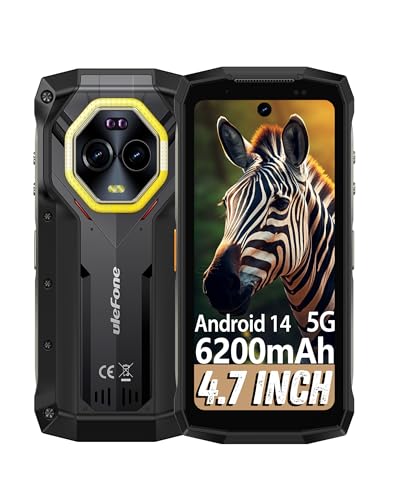
Ulefone Armor Mini 20T Pro (16GB + 256GB) review: 196 specs compared

Avg. price:~£320RAM capacity:16 GBInternal storage:256 GBScreen size:4.7 inchesMain camera megapixels:50 MP

Ulefone Armor Mini 20T Pro (16GB + 256GB) Review: Compare 196 technical specifications and 12 expert and video reviews to see how this product ranks in the Smartphones category and whether it is worth buying.
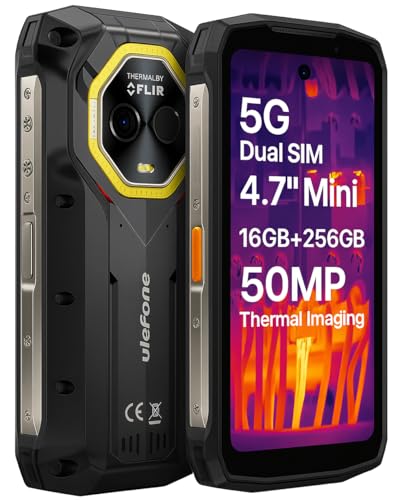
Ulefone Armor Mini 20T Pro (16GB + 256GB)
6.8/10

Overall score

Score
6.8/ 10
✕
What it is
Our main score for this model, 1–10. It combines specs, best-of lists, expert reviews and owners.
How we count it
Parts: Technical score 35%, List score 30%, Reviews score 25%, Sentiment score 10%
Marks: Each part gets a mark out of 10. For reviews, lists and owners, a typical model in this category gets about 8 and the best one gets 10.
No data yet: A part with no data shows "?". It counts as the mark of a weaker model in this category (4 in 5 models with data score higher). This way, models with reviews, lists and owners usually come out ahead.
Score distribution
â–¼
<55-66-77-88-99-10
Score components

35%

6.5

Technical score

30%

?

List scoreNot enough data yet, so we use 7.5, the mark of a weaker model in this category

25%

6.5

Reviews score

10%

6.5

Sentiment score

â–¼Worse than 71% of smartphones
7.4

Value for money

Value for money
7.4/ 10
✕
What it is
An indicator that combines the smartphone's overall rating with its cost.
When it matters
When you are looking for a smartphone with a good balance between quality and price.
Score distribution
â–¼
<55-66-77-88-99-10
Score components

70%

6.8

Overall score

30%

8.8

Price

â–¼Worse than 77%
6.5

Technical score

Technical score
6.5/ 10
✕
What it is
How good the specs are compared with the other models in this category, 1–10.
How we count it
Areas: We rate the specs in each area against the other models in this category.
Weighting: The areas that matter most to buyers count more. The shares are shown under Score components.
Share: The technical score is 35% of the overall score.
Score distribution
â–¼
<55-66-77-88-99-10
Score components

25%

6.7

Performance

18%

6.4

Camera

15%

3.9

Display

15%

7.5

Battery

10%

7.9

Software

10%

7.6

Connectivity

4%

5.2

Audio

3%

7.6

Design

â–¼Worse than 55%
6.5

Reviews score

Reviews score
6.5/ 10
✕
What it is
Average grade from independent test sites, magazines and video reviewers, 1–10.
How we count it
Grades: Each review's own score is converted to 1–10; without one, we grade the review ourselves. Big test sites count more, short reviews half as much as full tests. A video review counts half.
Score: The average grade is 80% of the review mark; the number of reviews is the other 20% (1 review = 5, the typical number in this category = 8, the most-reviewed model = 10).
Enough data: With few reviews, the average grade is pulled toward the typical grade of this category. No reviews yet: 7.5 for now.
Share: Reviews count 25% of the overall score.
Score distribution
â–¼
<55-66-77-88-99-10

6.5

Mark 7.7 is below the typical mark 7.9 of this category, so it cannot lift the score above the technical score

80%

7.8

Average grade

20%

7.5

Popularity

Grades by review (12)
8 reviews: 5 with a printed score, 3 estimated from the review. 4 video reviews, each counting half as much as a written test. Reviews count 25% of the overall score.
User ratings collected online are not part of this score.
â–¼Worse than 72%
?

List score

List score
7.5/ 10
✕
What it is
How often independent test sites, magazines and video reviewers put this model in their best-of lists for this category.
How we count it
Points: The model in the most lists of this category gets 10; the others get 8 to 10 in proportion. In no list yet: 7.5. Lists count 30% of the overall score.
Enough data: Every list counts, even a single one. With fewer than 5 best-of lists in the category, this part is left out.
Lists with this model (0)
Not in any best-of list yet, so this part counts as 7.5. Models in a list get 8 to 10.
Not in any best-of list yet

What reviewers say about the Ulefone Armor Mini 20T Pro (16GB + 256GB)

Based on 8 · 4

The thermal camera and battery life win wide praise, while the weak screen and poor image quality draw consistent complaints.
Praised
Mixed views
Criticised
Pick a topic to see who said what

What owners say about the Ulefone Armor Mini 20T Pro (16GB + 256GB)

Based on 30 owners sharing their experience in online comments

50%positive3%mixed47%negative

Owners praise the compact, rugged design and long battery, but recurring software, camera, connection, and support failures undermine confidence.

What owners dislike

  • Owners report that the phone stops background apps and gets no updates or support, and the problem stayed unfixed for over a year.4
  • Owners find the phone thick and heavy at about 300 grams, so it does not fit in normal pockets and feels like a brick.4
  • Background apps keep closing, so messages, calls, alarms and calendar reminders are missed, even after turning off battery optimisation.3
  • The thermal camera stops working after a few months for some owners, and one owner's unit failed within a month.3
  • Calls and connections drop or fail to come through until the phone is restarted, sometimes many times a week.3
  • The camera freezes and shows flickering lines when using 5G, and owners also report browser freezes and a slow processor.3

Points mentioned by at least 3 owners, most mentioned first.

Loading...
Loading category ranking...

Technical Specifications of smartphone Ulefone Armor Mini 20T Pro (16GB + 256GB)

Technical score
Technical score
6.5/ 10
✕
What it is
How good the specs are compared with the other models in this category, 1–10.
How we count it
Areas: We rate the specs in each area against the other models in this category.
Weighting: The areas that matter most to buyers count more. The shares are shown under Score components.
Share: The technical score is 35% of the overall score.
Score distribution
â–¼
<55-66-77-88-99-10
Score components:

25%

6.7

Performance

18%

6.4

Camera

15%

3.9

Display

15%

7.5

Battery

10%

7.9

Software

10%

7.6

Connectivity

4%

5.2

Audio

3%

7.6

Design

6.5
Reviews score
6.5
List score
?
Value for money
Value for money
7.4/ 10
✕
What it is
An indicator that combines the smartphone's overall rating with its cost.
When it matters
When you are looking for a smartphone with a good balance between quality and price.
Score distribution
â–¼
<55-66-77-88-99-10
Score components:

70%

6.8

Overall score

30%

8.8

Price

7.4
Processor model
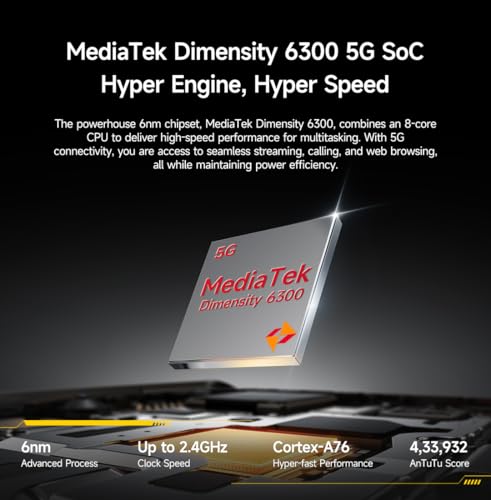
MediaTek Dimensity 6300
This smartphone uses the MediaTek Dimensity 6300 processor model which is slower than processors in 59.6% of smartphones and equal to processors in 4.3% of smartphones.
Storage type
UFS 2.2
Ulefone Armor Mini 20T Pro (16GB + 256GB) uses UFS 2.2 storage, which is slower than the storage in 54.9% of smartphones and the same as in 23.1% of smartphones.
RAM capacity
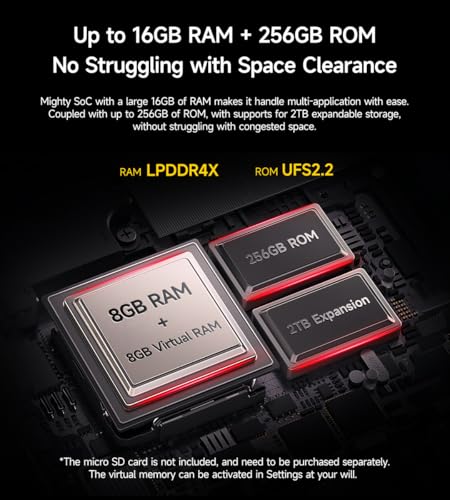
16 GB
This smartphone has a RAM capacity of 16 GB which is larger than the RAM capacity of 83.8% of smartphones and equal to that of 11.8% of smartphones.
Internal storage
256 GB
This smartphone has an internal storage capacity of 256 GB which is larger than the storage of 38.9% of smartphones and equal to that of 38.4% of smartphones.
CPU boost clock speed
2.4 GHz
The CPU boost clock speed of this smartphone is 2.4 GHz which is higher than the boost speed of 37.1% of smartphones and equal to that of 13.3% of smartphones.
Show more
What reviewers say
Operating system
Android
This smartphone runs Android, which is more mainstream than the system in 4.8% of smartphones and the same as in 95.2% of smartphones.
Android 14
Android version
Android 14
This smartphone runs Android version Android 14 which is newer than that found in 49.5% of smartphones and equal to that in 21% of smartphones.
Direct OS updates
no
This smartphone does not support direct OS updates. 20.1% of smartphones offer this.
Promised software updates
?
Open-source OS
yes
This smartphone runs an open-source operating system. 5.2% of smartphones offer this.
Show more
What reviewers say
Multi-lens main camera
yes
This smartphone includes a multi-lens main camera system. 93.7% of smartphones include multi-lens setups.
Main camera megapixels
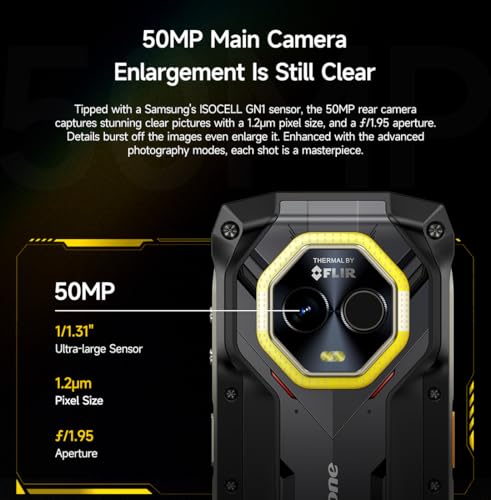
50 MP
This smartphone has a main camera resolution of 50 MP which is lower than that of 71.8% of smartphones and equal to that of 2.8% of smartphones.
Main camera aperture
f/2.0
This smartphone has a main camera aperture of f/2.0 which is narrower than that of 93.1% of smartphones and equal to that of 1.9% of smartphones.
Main camera sensor area
72 mm²
This smartphone has a main camera sensor area of 72 mm² which is larger than the main camera sensor area of 90.3% of smartphones and equal to that of 4.6% of smartphones.
Main camera pixel size
1.2 µm
This smartphone has a main camera pixel size of 1.2 µm which is larger than in 83.8% of smartphones and equal to the size in 5% of smartphones.
Show more
What reviewers say
Number of SIM slots
2
This smartphone has 2 SIM slots, which is more than in 3.7% of smartphones and equal to the number in 96.2% of smartphones.
Cellular module
yes
This smartphone includes a cellular module. 100% of smartphones include cellular modules.
eSIM support
no
Ulefone Armor Mini 20T Pro (16GB + 256GB) does not have eSIM support. 19.9% of smartphones offer this.
5G connectivity
yes
This smartphone supports 5G connectivity. 66.6% of smartphones support 5G.
LTE support
yes
This smartphone supports LTE. 99.7% of smartphones include LTE connectivity.
Show more
Screen size
4.7 inches
This smartphone has a screen size of 4.7 inches which is smaller than the screens of 99.3% of smartphones and equal to those of 0.4% of smartphones.
Screen resolution
720x 1600 px
This smartphone has a screen resolution of 720x1600 px which is lower than that of 87.8% of smartphones and equal to that of 8.7% of smartphones.
Pixel density
373 ppi
This smartphone has a pixel density of 373 ppi which is lower than that of 75.1% of smartphones and equal to that of 0.5% of smartphones.
Display type
IPS LCD
This smartphone uses a IPS LCD display type. 0% of smartphones use this display technology.
Refresh rate
90 Hz
This smartphone supports a refresh rate of 90 Hz which is lower than in 65.7% of smartphones and equal to that in 18.6% of smartphones.
Show more
What reviewers say
Battery capacity
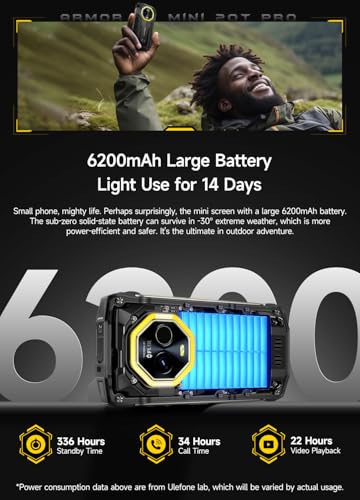
6,200 mAh
This smartphone has a battery capacity of 6,200 mAh which is larger than the batteries in 80.8% of smartphones and equal to those in 0.3% of smartphones.
Charging speed
33 W
This smartphone supports charging speeds of 33 W which is faster than in 38.9% of smartphones and equal to speeds in 12% of smartphones.
Fast charging
yes
This smartphone supports fast charging. 93.2% of smartphones support fast charging.
GSMArena full wired charge time
?
Wireless charging
yes
This smartphone supports wireless charging. 25.1% of smartphones support wireless charging.
Show more
What reviewers say
Stereo speakers
no
This smartphone does not have stereo speakers. 64.3% of smartphones offer this.
3.5 mm headphone jack
yes
This smartphone includes a 3.5 mm headphone jack. 45.1% of smartphones offer this port.
Number of microphones
2
This smartphone includes 2 microphones, which is more than in 10.3% of smartphones and equal to the number in 66.9% of smartphones.
FM radio
yes
This smartphone includes an FM radio. 34.3% of smartphones offer FM radio functionality.
aptX Lossless
no
This smartphone does not support aptX Lossless Bluetooth audio. 12.5% of smartphones offer this.
Show more
What reviewers say
Height
133.5 mm
This smartphone has a height of 133.5 mm which is shorter than 99.3% of smartphones and equal to that of 0.1% of smartphones.
Width
63.3 mm
This smartphone has a width of 63.3 mm which is narrower than 99.6% of smartphones and equal to that of 0.1% of smartphones.
Thickness
24.9 mm
This smartphone has a thickness of 24.9 mm which is thicker than 98.8% of smartphones and equal to that of 0.1% of smartphones.
Weight
301 g
This smartphone weighs 301 g which is heavier than 92.8% of smartphones and equal to the weight of 0.1% of smartphones.
Device volume
210 cm³
This smartphone has a device volume of 210 cm³ which is larger than 93.3% of smartphones and equal to that of 0.1% of smartphones.
Show more
What reviewers say

Ulefone Armor Mini 20T Pro (16GB + 256GB) vs the average smartphone

246810TotalPerformanceSoftwareCameraConnectivityDisplayBatteryAudioDesign
  • 8 GB more RAM
    This smartphone has more RAM capacity than the average smartphone (16 GB vs 8 GB). The average smartphone has 8 GB of RAM.
    16 GB vs 8 GB
  • 2.25x larger main camera sensor area
    This smartphone has a larger main camera sensor area than the average smartphone (72 mm² vs 32 mm²). The average main camera sensor area is 32 mm².
    72 mm² vs 32 mm²
  • 24% larger battery capacity
    This smartphone has a larger battery capacity than the average smartphone (6,200 mAh vs 5,000 mAh). The average smartphone battery is 5,000 mAh.
    6,200 mAh vs 5,000 mAh
  • Supports wireless charging
    This smartphone supports wireless charging, the average smartphone does not. 25.1% of smartphones are wireless charging compatible.
  • 2.28x higher Geekbench 6 single-core benchmark score
    This smartphone scores better in Geekbench 6 single-core than the average smartphone (2,146 vs 942). The average smartphone scores 942 in single-core.
    2,146 vs 942
  • 0.4 µm larger main camera pixel size
    This smartphone has a larger main camera pixel size than the average smartphone (1.2 µm vs 0.8 µm). The average pixel size is 0.8 µm.
    1.2 µm vs 0.8 µm
  • Supports reverse wireless charging
    This smartphone supports reverse wireless charging, the average smartphone does not. 23.4% of smartphones offer reverse wireless charging.
  • 2 m deeper water resistance
    This smartphone has a deeper water resistance rating than the average smartphone (2 m vs 0 m). The average depth rating is 0 m.
    2 m vs 0 m
  • 8 GB more RAM
    This smartphone has more RAM capacity than the average smartphone (16 GB vs 8 GB). The average smartphone has 8 GB of RAM.
    16 GB vs 8 GB
  • 2.28x higher Geekbench 6 single-core benchmark score
    This smartphone scores better in Geekbench 6 single-core than the average smartphone (2,146 vs 942). The average smartphone scores 942 in single-core.
    2,146 vs 942
  • Higher CPU base clock speed
    This smartphone has a higher CPU base clock speed than the average smartphone (2x2.4 GHz & 6x2 GHz vs 2x2.2 GHz & 6x2 GHz). The average smartphone has a base clock speed of 2x2.2 GHz & 6x2 GHz.
    2x2.4 GHz & 6x2 GHz vs 2x2.2 GHz & 6x2 GHz
  • 2.25x larger main camera sensor area
    This smartphone has a larger main camera sensor area than the average smartphone (72 mm² vs 32 mm²). The average main camera sensor area is 32 mm².
    72 mm² vs 32 mm²
  • 0.4 µm larger main camera pixel size
    This smartphone has a larger main camera pixel size than the average smartphone (1.2 µm vs 0.8 µm). The average pixel size is 0.8 µm.
    1.2 µm vs 0.8 µm
  • 1 more flash LEDs
    This smartphone has more flash LEDs than the average smartphone (2 vs 1). The average smartphone has 1 flash LEDs.
    2 vs 1
  • Has a dual-tone LED flash
    This smartphone features a dual-tone LED flash, the average smartphone does not. 40.8% of smartphones include dual-tone flash.
  • Higher front camera megapixels
    This smartphone has more front camera megapixels than the average smartphone (32 MP vs 16 MP). The average front camera has 16 MP megapixels.
    32 MP vs 16 MP
  • Has a barometer
    This smartphone features a barometer, the average smartphone does not. 19.7% of smartphones include a barometer.
  • Has an infrared sensor
    This smartphone includes an infrared sensor, the average smartphone does not. 33.4% of smartphones feature an IR blaster.
  • Better display glass type
    This smartphone features a better display glass type than the average smartphone (Corning Gorilla Glass Victus vs Corning Gorilla Glass 5). The average smartphone uses Corning Gorilla Glass 5 protection.
    Corning Gorilla Glass Victus vs Corning Gorilla Glass 5
  • 24% larger battery capacity
    This smartphone has a larger battery capacity than the average smartphone (6,200 mAh vs 5,000 mAh). The average smartphone battery is 5,000 mAh.
    6,200 mAh vs 5,000 mAh
  • Supports wireless charging
    This smartphone supports wireless charging, the average smartphone does not. 25.1% of smartphones are wireless charging compatible.
  • Supports reverse wireless charging
    This smartphone supports reverse wireless charging, the average smartphone does not. 23.4% of smartphones offer reverse wireless charging.
  • Supports aptX Adaptive
    This smartphone supports aptX Adaptive, the average smartphone does not. 33.7% of smartphones include aptX Adaptive support.
  • Has a 3.5 mm headphone jack
    This smartphone features a 3.5 mm headphone jack, the average smartphone does not. 45.1% of smartphones include a standard headphone jack.
  • Has FM radio
    This smartphone features an FM radio, the average smartphone does not. 34.3% of smartphones include an FM tuner.
  • 2 m deeper water resistance
    This smartphone has a deeper water resistance rating than the average smartphone (2 m vs 0 m). The average depth rating is 0 m.
    2 m vs 0 m
  • 18.8% higher French repairability index
    This smartphone has a higher French repairability index score than the average smartphone (9.5 vs 8). The average score is 8.
    9.5 vs 8
  • 12.7 mm narrower
    This smartphone is narrower than the average smartphone (63.3 mm vs 76 mm). The average smartphone width is 76 mm.
    63.3 mm vs 76 mm
  • 30.1 mm shorter
    This smartphone is shorter than the average smartphone (133.5 mm vs 163.6 mm). The average smartphone height is 163.6 mm.
    133.5 mm vs 163.6 mm
  • Has a rugged design
    This smartphone features a rugged design, the average smartphone does not. 7.9% of smartphones are built for durability.
  • Better IP rating
    This smartphone has a better IP rating than the average smartphone (IP68 vs IP67). The average IP rating is IP67.
    IP68 vs IP67
  • Inferior display type
    This smartphone has an inferior display type compared to the average smartphone (IPS LCD vs OLED/AMOLED). 0.00% of smartphones use the superior display type.
    IPS LCD vs OLED/AMOLED
  • Narrower main camera aperture
    This smartphone has a narrower main camera aperture than the average smartphone (f/2 vs f/1.8 & f/2.2 & f/2.4 & f/2.4). The average smartphone aperture is f/1.8 & f/2.2 & f/2.4 & f/2.4.
    f/2.0 vs f/1.8 & f/2.2 & f/2.4 & f/2.4
  • Worse processor
    This smartphone uses a worse processor than the average smartphone (MediaTek Dimensity 6300 vs Qualcomm Snapdragon 7 Gen 3).
    MediaTek Dimensity 6,300 vs Qualcomm Snapdragon 7 Gen 3
  • No ultrawide rear camera
    Ulefone Armor Mini 20T Pro (16GB + 256GB) does not have an ultrawide rear camera, while the average smartphone does. 62.6% of smartphones offer this.
  • 25% lower refresh rate
    This smartphone has a lower refresh rate than the average smartphone (90 Hz vs 120 Hz). The average smartphone has a refresh rate of 120 Hz.
    90 Hz vs 120 Hz
  • 1.97 inches inch smaller screen size
    This smartphone has a smaller screen size than the average smartphone (4.7 inches vs 6.67 inches). The average smartphone has a screen size of 6.67 inches.
    4.7 inches vs 6.67 inches
  • No stereo speakers
    This smartphone does not have stereo speakers, the average smartphone does. 64.3% of smartphones feature stereo speakers.
  • Lower screen resolution
    This smartphone has a lower screen resolution than the average smartphone (720x1600 px vs 1080x2400 px). The average smartphone has a resolution of 1080x2400 px.
    720x1600 px vs 1080x2400 px
  • 11.0% lower review score
    Reviews score
    6.5/ 10
    ✕
    What it is
    Average grade from independent test sites, magazines and video reviewers, 1–10.
    How we count it
    Grades: Each review's own score is converted to 1–10; without one, we grade the review ourselves. Big test sites count more, short reviews half as much as full tests. A video review counts half.
    Score: The average grade is 80% of the review mark; the number of reviews is the other 20% (1 review = 5, the typical number in this category = 8, the most-reviewed model = 10).
    Enough data: With few reviews, the average grade is pulled toward the typical grade of this category. No reviews yet: 7.5 for now.
    Share: Reviews count 25% of the overall score.
    Score distribution
    â–¼
    <55-66-77-88-99-10

    6.5

    Mark 7.7 is below the typical mark 7.9 of this category, so it cannot lift the score above the technical score

    80%

    7.8

    Average grade

    20%

    7.5

    Popularity

    Grades by review (12)
    8 reviews: 5 with a printed score, 3 estimated from the review. 4 video reviews, each counting half as much as a written test. Reviews count 25% of the overall score.
    User ratings collected online are not part of this score.
    6.5 vs 7.3
  • 16.7% lower sentiment score
    6.5 vs 7.8
  • 3.2% worse value for money
    Ulefone Armor Mini 20T Pro (16GB + 256GB) has worse value for money than the average smartphone (7.43 vs 7.7).
    7.43 vs 7.66
  • Worse processor
    This smartphone uses a worse processor than the average smartphone (MediaTek Dimensity 6300 vs Qualcomm Snapdragon 7 Gen 3).
    MediaTek Dimensity 6,300 vs Qualcomm Snapdragon 7 Gen 3
  • Slower storage type
    Ulefone Armor Mini 20T Pro (16GB + 256GB) has slower storage than the average smartphone (UFS 2.2 vs UFS 3.1).
    UFS 2.2 vs UFS 3.1
  • 50% less L3 cache
    This smartphone has a smaller L3 cache than the average smartphone (2048 KB vs 4,096 KB). The average smartphone has an L3 cache of 4,096 KB.
    2,048 KB vs 4,096 KB
  • 74.8% lower 3DMark Steel Nomad benchmark
    This smartphone performs worse in 3DMark Steel Nomad than the average smartphone (153 vs 608). The average smartphone scores 608.
    153 vs 608
  • 22.4% slower memory speed
    This smartphone has a lower memory speed than the average smartphone (2,133 MHz vs 2,750 MHz). The average smartphone has a memory speed of 2,750 MHz.
    2,133 MHz vs 2,750 MHz
  • 68.7% lower 3DMark Wild Life Extreme benchmark
    This smartphone scores lower in 3DMark Wild Life Extreme than the average smartphone (383 vs 1,224.5). The average smartphone scores 1,224.5.
    383 vs 1,224.5
  • 14.3% lower maximum RAM capacity
    This smartphone supports less maximum RAM than the average smartphone (12 GB vs 14 GB). The average smartphone supports 14 GB of RAM.
    12 GB vs 14 GB
  • 33.3% lower memory bandwidth
    This smartphone has lower memory bandwidth than the average smartphone (17.1 GB/s vs 25.6 GB/s). The average smartphone has a bandwidth of 25.6 GB/s.
    17.07 GB/s vs 25.6 GB/s
  • 15.3% lower Geekbench 6 multi-core benchmark score
    This smartphone performs worse in Geekbench 6 multi-core than the average smartphone (2,146 vs 2,533). The average smartphone scores 2,533 in the Geekbench 6 multi-core test.
    2,146 vs 2,533
  • Lacks focus mode
    This smartphone does not have a focus mode, the average smartphone does. 60.8% of smartphones include a dedicated focus mode.
  • No Wi-Fi password sharing
    This smartphone does not support Wi-Fi password sharing, the average smartphone does. 58.3% of smartphones allow easy Wi-Fi sharing.
  • Lacks instant markup
    This smartphone does not support instant markup, the average smartphone does. 52.5% of smartphones include instant markup tools.
  • Does not allow app offloading
    This smartphone does not support app offloading, the average smartphone does. 52.5% of smartphones support app offloading to save space.
  • Narrower main camera aperture
    This smartphone has a narrower main camera aperture than the average smartphone (f/2 vs f/1.8 & f/2.2 & f/2.4 & f/2.4). The average smartphone aperture is f/1.8 & f/2.2 & f/2.4 & f/2.4.
    f/2.0 vs f/1.8 & f/2.2 & f/2.4 & f/2.4
  • No ultrawide rear camera
    Ulefone Armor Mini 20T Pro (16GB + 256GB) does not have an ultrawide rear camera, while the average smartphone does. 62.6% of smartphones offer this.
  • Lower-resolution main camera
    This smartphone has a lower-resolution main camera than the average smartphone (50 MP vs 50 MP & 8 MP). The average smartphone has a 50 MP & 8 MP main camera.
    50 MP vs 50 MP & 8 MP
  • Narrower front camera aperture
    This smartphone has a narrower front camera aperture than the average smartphone (f/2.5 vs f/2.2). The average smartphone front aperture is f/2.2.
    f/2.5 vs f/2.2
  • Worse main camera video quality
    This smartphone records worse main camera video than the average smartphone. 15.40x of smartphones support 4K video recording.
    1440x30 fps vs 2160x30 fps
  • Inferior display type
    This smartphone has an inferior display type compared to the average smartphone (IPS LCD vs OLED/AMOLED). 0.00% of smartphones use the superior display type.
    IPS LCD vs OLED/AMOLED
  • 25% lower refresh rate
    This smartphone has a lower refresh rate than the average smartphone (90 Hz vs 120 Hz). The average smartphone has a refresh rate of 120 Hz.
    90 Hz vs 120 Hz
  • 1.97 inches inch smaller screen size
    This smartphone has a smaller screen size than the average smartphone (4.7 inches vs 6.67 inches). The average smartphone has a screen size of 6.67 inches.
    4.7 inches vs 6.67 inches
  • Lower screen resolution
    This smartphone has a lower screen resolution than the average smartphone (720x1600 px vs 1080x2400 px). The average smartphone has a resolution of 1080x2400 px.
    720x1600 px vs 1080x2400 px
  • 367 nits lower GSMArena max display brightness
    This smartphone has a lower GSMArena max display brightness than the average smartphone (527 nits vs 894 nits). The average smartphone scores 894 nits.
    527 nits vs 894 nits
  • 473 nits lower peak brightness
    This smartphone has a lower peak brightness than the average smartphone (527 nits vs 1,000 nits). The average smartphone peak brightness is 1,000 nits.
    527 nits vs 1,000 nits
  • 5.6% lower pixel density
    This smartphone has a lower pixel density than the average smartphone (373 ppi vs 395 ppi). The average smartphone has a pixel density of 395 ppi.
    373 ppi vs 395 ppi
  • 20.2% lower screen brightness
    This smartphone has a lower screen brightness than the average smartphone (527 nits vs 660 nits). The average smartphone has a brightness of 660 nits.
    527 nits vs 660 nits
  • 25% slower wireless charging speed
    This smartphone has a slower wireless charging speed than the average smartphone (15 W vs 20 W). The average smartphone wireless charging speed is 20 W.
    15 W vs 20 W
  • No stereo speakers
    This smartphone does not have stereo speakers, the average smartphone does. 64.3% of smartphones feature stereo speakers.
  • No aptX HD
    This smartphone does not support aptX HD, the average smartphone does. 50.2% of smartphones support aptX HD.
  • 53.4% heavier
    This smartphone is heavier than the average smartphone (301 g vs 196.2 g). The average smartphone weighs 196.2 g.
    301 g vs 196.2 g
  • 16.6 mm thicker
    This smartphone is thicker than the average smartphone (24.9 mm vs 8.3 mm). The average smartphone has a thickness of 8.3 mm.
    24.9 mm vs 8.3 mm
  • 2.06x larger volume
    This smartphone has a larger volume than the average smartphone (210 cm³ vs 102 cm³). The average smartphone volume is 102 cm³.
    210 cm³ vs 102 cm³

Video reviews

Hands-on testing, unboxing, and real-world video evaluations

Not graded yet
Not graded yet
Not graded yet
Not graded yet
Not graded yet
Not graded yet
Not graded yet
Not graded yet
Not graded yet
Not graded yet
Not graded yet

Expert reviews

In-depth analysis and verdict from leading tech publications

7.0
androidpolice.com
✓ explicit
25/12/2024
Hands-on review · Thermal rugged phone
Verdict
The Ulefone Armor Mini 20T Pro is a pocketable rugged phone whose FLIR thermal camera helps tradespeople spot heat faults, but its small screen and steep extra cost limit it.
7.0
gizmochina.com
≈ estimated
12/11/2024
Short review · Compact rugged phone
Verdict
The Ulefone Armor Mini 20T Pro is a compact rugged phone that lasts about 24 hours per charge, suiting buyers who value durability over raw power.
8.0
en.mobil.se
≈ estimated
17/01/2025
Review · Small rugged phone
Verdict
The Ulefone Armor Mini 20T Pro suits buyers who want a tough, small phone with long battery life, though its camera falls short.
7.4
gsmarena.com
✓ explicit
02/02/2026
Lab test · Display and battery
Verdict
The Ulefone Armor Mini 20T Pro lasts a day or more and charges quickly, but its dim, low-contrast screen holds it back.
7.0
gsmarena.com
≈ estimated
02/02/2026
Camera test · Thermal camera
Verdict
The Ulefone Armor Mini 20T Pro is a small, very tough phone whose FLIR thermal camera suits pros, but it is slow and built as a work tool.
8.1
smartzone.de
✓ explicit
26/11/2024
Lab test · Outdoor performance
Verdict
The Ulefone Armor Mini 20T Pro is a tiny outdoor phone with fast apps, a precise thermal camera and a two-to-three-day battery, but Android updates are unlikely.
9.0
heise.de
✓ explicit
08/01/2025
Hands-on test · Rugged thermal phone
Verdict
The Ulefone Armor Mini 20T Pro is a pocket-sized rugged phone whose thermal camera suits tradespeople, though it gets few updates.
8.0
android-mt.ouest-france.fr
✓ explicit
31/12/2024
Hands-on test · Compact rugged phone
Verdict
The Ulefone Armor Mini 20T Pro is a pocket-sized rugged phone whose thermal camera and multi-day battery suit tradespeople, though photos are unremarkable.

Third-party reviews

What customers like about Ulefone Armor Mini 20T Pro (16GB + 256GB)

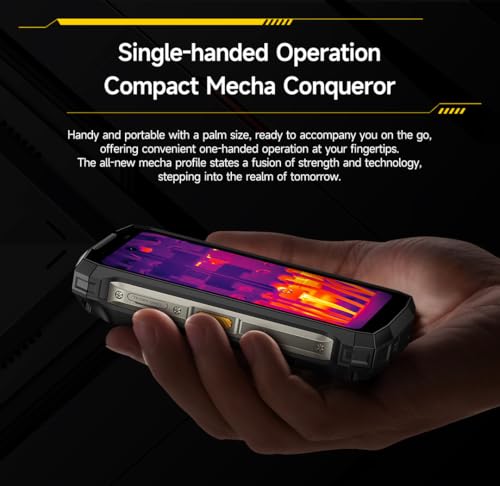
  • Compact, convenient size for one-handed operation and fitting in most pockets
  • Highly durable, waterproof (IP68/IP69K), dustproof, and drop-resistant (MIL-STD-810H rated)
  • Excellent battery life, with a large 6200 mAh capacity that can last for days with typical use
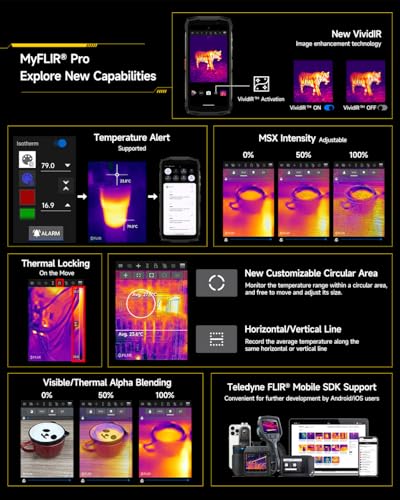
  • Integrated FLIR thermal imaging camera is very useful for professional tasks like fixing electrical faults or engine work
  • Decent overall performance due to the MediaTek Dimensity 6300 5G processor and 16GB RAM
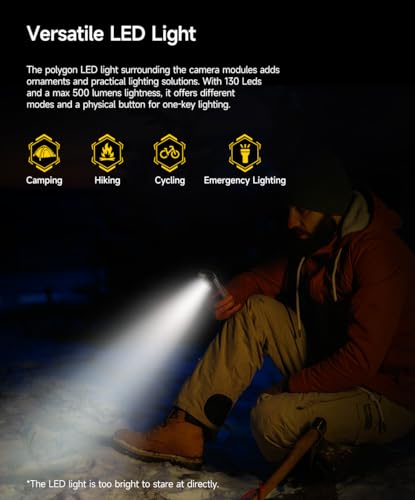
  • Features a versatile and powerful integrated camping/warning light
  • Runs a fairly clean version of Android 14 and includes useful features like a headphone jack and IR blaster
  • 90Hz screen refresh rate makes for a smooth visual experience on the small display
  • Good build quality that feels solid in the hand

What customers don't like about Ulefone Armor Mini 20T Pro (16GB + 256GB)

  • Significantly more expensive than the non-thermal version (Ulefone Armor Mini 20 Pro) despite being nearly identical otherwise
  • The camera is considered only decent, with grainy results in low lighting conditions unless night mode is activated
  • The small 4.7-inch screen size can make typing difficult and mobile gaming challenging for some users
  • Heavy compared to average small phones due to its large battery and rugged design
  • Wireless charging can be slow and sensitive, sometimes requiring fiddling to start
  • Pre-installed apps or system features can be restrictive (e.g., default note app is only Google Notes)
  • Mono speaker sound is loud but can be a bit tinny
  • The fingerprint sensor can be slow and unreliable

Verdict

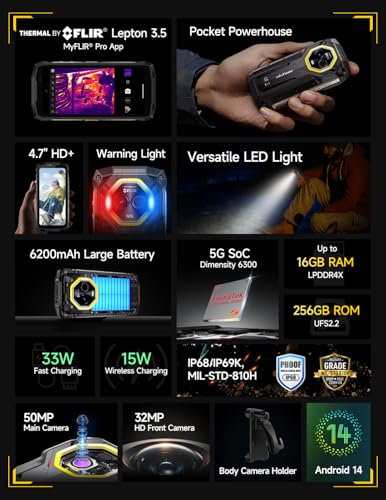
The Ulefone Armor Mini 20T Pro is a compact, rugged 5G smartphone designed for harsh environments, featuring IP68/IP69K and MIL-STD-810H certifications. It runs on a MediaTek Dimensity 6300 processor, has 16GB of RAM (expandable virtually), 256GB of UFS 2.2 storage (expandable via microSD), and operates on Android 14 or 15 depending on the market. A key feature is the integrated FLIR thermal imaging camera alongside a 50MP main camera and a 32MP selfie camera, powered by a 6200mAh battery with 33W wired and 15W wireless/reverse charging support. Pros include its highly durable, pocketable design, the unique thermal imaging function, solid battery life, NFC, and a very bright 500-lumen warning light. Cons are its relatively small 4.7-inch HD+ display which can be challenging for those with large hands, the camera system is not considered top-tier for general photography in low light, and the overall performance isn't suitable for demanding gaming.

Compare Ulefone Armor Mini 20T Pro (16GB + 256GB) with other smartphones

1Product to compare no. 1
VS
2Product to compare no. 2
VS
3Product to compare no. 3 (optional)

Graphic comparison of Ulefone Armor Mini 20T Pro (16GB + 256GB) and other smartphones

No results found