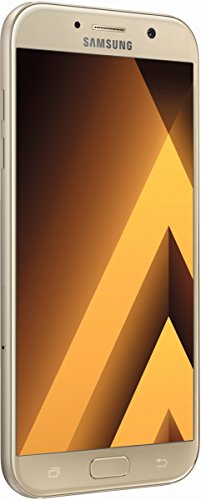
Samsung Galaxy A3 (2016) (2GB + 16GB) review. Compare 197 technical specifications and user reviews to see how this product ranks in the Smartphones category and whether it is worth buying.
Overall score
What it is: An overall evaluation of the smartphone's quality, based on technical analyses and user reviews.
When it matters: When you need a quick reference to identify the best smartphones on the market.
Score components:
90.0%
Technical Score
10.0%
User score
Technical Score
What it is: An assessment of the smartphone's technical performance, covering eight key areas: performance & hardware, software, camera, connectivity, display, battery, audio, and design.
When it matters: When you want to compare smartphones based on technical performance and available features.
Score components:
25.0%
Performance & Hardware
18.0%
Camera
15.0%
Display
15.0%
Battery
10.0%
Software
10.0%
Connectivity
4.0%
Audio
3.0%
Design
User score
What it is: A rating that combines user reviews and the total number of reviews received by the smartphone
When it matters: When you want to know how a smartphone handles daily tasks and how reliable it remains over time according to user feedback.
Score components:
70.0%
User reviews
30.0%
Popularity
Available: ranking among products currently available (including other versions of this product).
All: ranking among all products in the database.
#189 in Best Compact Smartphones
#230 in Best Samsung Phones
#1531 in Best Smartphones Under £300
#1867 in Best Smartphones Under £400
#2064 in Best Smartphones Under £500
#2293 in Best NFC Smartphones
#2601 in Best Android Smartphones
#2666 in Best Value Smartphones
#2744 in Best Smartphones
What it is: An assessment of the smartphone's technical performance, covering eight key areas: performance & hardware, software, camera, connectivity, display, battery, audio, and design.
When it matters: When you want to compare smartphones based on technical performance and available features.
Score components:
25.0%
Performance & Hardware
18.0%
Camera
15.0%
Display
15.0%
Battery
10.0%
Software
10.0%
Connectivity
4.0%
Audio
3.0%
Design
What it is: A rating that combines user reviews and the total number of reviews received by the smartphone
When it matters: When you want to know how a smartphone handles daily tasks and how reliable it remains over time according to user feedback.
Score components:
70.0%
User reviews
30.0%
Popularity
What it is: An indicator that combines the smartphone's overall rating with its cost.
When it matters: When you are looking for a smartphone with a good balance between quality and price.
Score components:
60.0%
Overall score
40.0%
Price
Importance: LOW
Importance: HIGH
Importance: HIGH
Good value: >12 GB
Importance: MEDIUM
Good value: >256 GB
Importance: MEDIUM
Good value: >3.2 GHz
Importance: LOW
Importance: MEDIUM
Good value: >1500
Importance: LOW
Good value: >4000
Importance: LOW
Good value: 8+
Importance: LOW
Importance: LOW
Good value: >950 MHz
Importance: LOW
Good value: >700
Importance: LOW
Good value: >1000
Importance: LOW
Good value: >2500
Importance: MEDIUM
Good value: >6000
Importance: LOW
Good value: >8000
Importance: MEDIUM
Good value: >12000
Importance: LOW
Good value: >5000
Importance: LOW
Good value: >1800
Importance: LOW
Good value: >3200 MHz
Importance: LOW
Good value: 5
Importance: LOW
Good value: > 50 GB/s
Importance: LOW
Good value: 4
Importance: LOW
Good value: >16 GB
Importance: MEDIUM
Good value: <6 nm
Importance: MEDIUM
Good value: >9 W
Importance: LOW
Importance: LOW
Good value: >8192 KB
Importance: LOW
Good value: >2048 KB
Importance: LOW
Good value: >512 KB
Importance: LOW
Good value: >100000 million
Importance: LOW
Good value: 3.3
Importance: LOW
Good value: 3.2
Importance: LOW
Good value: 2.0/3.0
Importance: LOW
Importance: LOW
Importance: LOW
Importance: MEDIUM
Importance: LOW
Importance: LOW
Importance: LOW
Importance: LOW
Importance: LOW
Importance: LOW
Importance: LOW
Importance: LOW
Importance: LOW
Importance: LOW
Importance: LOW
Importance: LOW
Importance: LOW
Importance: LOW
Importance: LOW
Importance: LOW
Importance: LOW
Importance: LOW
Importance: LOW
Importance: LOW
Importance: LOW
Importance: LOW
Importance: LOW
Importance: LOW
Importance: LOW
Importance: LOW
Importance: LOW
Importance: LOW
Importance: LOW
Importance: LOW
Importance: LOW
Importance: LOW
Importance: LOW
Importance: MEDIUM
Good value: >50 MP
Importance: MEDIUM
Importance: HIGH
Good value: >60
Importance: LOW
Good value: ≥1.2 µm
Importance: MEDIUM
Good value: >2.5x
Importance: MEDIUM
Importance: LOW
Importance: LOW
Importance: LOW
Importance: LOW
Good value: ≥2
Importance: LOW
Importance: LOW
Importance: LOW
Importance: LOW
Good value: >16 MP
Importance: LOW
Importance: LOW
Importance: LOW
Importance: LOW
Importance: MEDIUM
Importance: LOW
Importance: LOW
Importance: LOW
Importance: LOW
Importance: LOW
Importance: LOW
Importance: LOW
Importance: LOW
Importance: LOW
Importance: LOW
Importance: LOW
Importance: LOW
Importance: LOW
Importance: LOW
Importance: LOW
Importance: LOW
Importance: LOW
Importance: LOW
Importance: LOW
Importance: LOW
Importance: LOW
Good value: >130
Importance: LOW
Good value: >120
Importance: LOW
Good value: ≥2
Importance: LOW
Importance: LOW
Importance: LOW
Importance: LOW
Importance: LOW
Importance: LOW
Good value: >5.2
Importance: LOW
Importance: LOW
Importance: LOW
Importance: LOW
Good value: 3.1/3.2
Importance: LOW
Importance: LOW
Importance: LOW
Good value: ≥2
Importance: LOW
Importance: LOW
Importance: LOW
Importance: LOW
Importance: LOW
Importance: LOW
Importance: LOW
Importance: LOW
Importance: LOW
Importance: LOW
Importance: LOW
Importance: LOW
Importance: LOW
Importance: LOW
Importance: LOW
Importance: LOW
Good value: ≥6.6 inches
Importance: MEDIUM
Importance: LOW
Good value: >400 ppi
Importance: MEDIUM
Importance: MEDIUM
Good value: ≥120 Hz
Importance: LOW
Importance: LOW
Good value: >300 Hz
Importance: LOW
Good value: >800 nits
Importance: LOW
Good value: >1300 nits
Importance: LOW
Good value: >1000 nits
Importance: LOW
Importance: LOW
Importance: LOW
Importance: LOW
Importance: LOW
Importance: LOW
Importance: LOW
Importance: LOW
Importance: HIGH
Good value: >5000 mAh
Importance: MEDIUM
Good value: >60 W
Importance: LOW
Importance: LOW
Good value: <45 min
Importance: LOW
Importance: LOW
Good value: >40 W
Importance: LOW
Importance: LOW
Good value: >10 W
Importance: LOW
Importance: LOW
Importance: MEDIUM
Importance: LOW
Good value: >800
Importance: LOW
Importance: LOW
Importance: LOW
Importance: LOW
Importance: LOW
Good value: ≥3
Importance: LOW
Importance: LOW
Importance: LOW
Importance: LOW
Importance: LOW
Importance: LOW
Importance: LOW
Good value: <162 mm
Importance: LOW
Good value: <75 mm
Importance: LOW
Good value: <8 mm
Importance: LOW
Good value: <190 g
Importance: LOW
Good value: <98cm³
Importance: LOW
Importance: LOW
Importance: LOW
Importance: LOW
Importance: LOW
Importance: LOW
Good value: ≥1.5 m
Importance: LOW
Importance: LOW
Good value: >8
Importance: LOW
Importance: LOW
Importance: MEDIUM
Importance: LOW
Good value: ≥1.2 µm
Importance: LOW
Importance: LOW
Importance: LOW
Importance: LOW
Importance: LOW
Good value: <190 g
Importance: LOW
Good value: ≥1.5 m
Importance: HIGH
Importance: MEDIUM
Good value: ≥120 Hz
Importance: MEDIUM
Good value: >256 GB
Importance: MEDIUM
Importance: HIGH
Good value: >60
Importance: LOW
Importance: MEDIUM
Importance: MEDIUM
Good value: <6 nm
The original Samsung Galaxy A5 marked Samsung's shift toward an all-aluminum unibody design, offering a premium feel in a slim and lightweight handset aimed at the mid-range market. Pros included its durable metal build, vibrant 5-inch Super AMOLED display, and 5-megapixel front-facing camera. Cons comprised a modest processor, 720p HD resolution, and a sealed, non-removable battery.
Recombu's review identifies the Samsung Galaxy A3 as a premium-feeling, "new kind of mid-ranger" featuring a slim (6.9mm) and lightweight aluminum unibody that excels in one-handed usability. The 4.5-inch Super AMOLED display is praised for its vibrant colors and contrast, while the 1.2GHz Snapdragon 410 processor delivers a responsive experience for daily tasks. A key highlight is the excellent battery life, which can last up to two days. However, the 8-megapixel rear camera is identified as a major drawback, delivering noisy, low-detail results in poor lighting. Additional cons include the lack of a notification LED and a relatively high initial, launch-day price point of around £230, which faced stiff competition. Despite these limitations, the review concludes that the Galaxy A3 is an ideal choice for users prioritizing compact design and build quality over top-tier camera performance.
The Samsung Galaxy A3 (2017) is a compact, 4.7-inch mid-range device featuring a premium glass-and-metal design reminiscent of the Galaxy S7. Key advantages include its comfortable, small form factor, IP68 water/dust resistance, a sharp Super AMOLED display, and strong battery life. Functionally, the device provides snappy, everyday performance with an Exynos 7870 chip and modernizes connectivity with USB-C, according to the Tech Advisor review. However, the 16GB of internal storage is quite limited, making a microSD card necessary, and the 13MP camera lacks optical image stabilization (OIS), impacting low-light performance. Despite offering high-quality build and features, the device faces tough competition from brands offering better specifications at similar price points.
The Samsung Galaxy A3 (2017) is highlighted as a rare and successful entry in the compact smartphone market, blending a premium glass-and-metal design inspired by the Galaxy S7 with a comfortable 4.7-inch form factor. Its standout pros include an IP68 rating for water and dust resistance, exceptional battery life, and a vibrant Super AMOLED display with an Always On Display feature. However, the device makes clear concessions with limited internal hardware, specifically 2GB of RAM and 16GB of storage, which causes multitasking issues and storage limitations. Additionally, the 13MP rear camera lacks Optical Image Stabilization (OIS), resulting in poor low-light performance, while the device launched on an outdated Android Marshmallow version. Ultimately, the review concludes that the Galaxy A3 (2017) is a superior "mini" phone for users prioritizing portability and build quality over raw power. It serves as a refined, daily driver for those who find modern, larger smartphones too bulky.
The TechRadar review describes the Samsung Galaxy A3 (2017) as a compact, premium-feeling, and water-resistant (IP68) mid-range device with a vibrant 4.7-inch Super AMOLED screen. Key pros include excellent battery life, a high-quality metal-and-glass design, and an efficient performance for daily tasks. However, significant cons include the 720p display, limited 16GB storage, and 2GB RAM that struggles with intense gaming. Additionally, the 13MP camera lacks optical image stabilization, leading to poor low-light performance, and the speaker placement can be awkward. Ultimately, it is recommended for users prioritizing design and portability over high-end performance.
LaptopMedia's review of the Samsung Galaxy A3 notes its premium feel due to anodised aluminium edges, though the plastic, non-removable back is a drawback. Pros include excellent battery life, smooth performance despite modest RAM, a vivid Super AMOLED display, and useful software features. Cons include a low qHD display resolution that can show blue-ish whites, an underwhelming 8MP main camera, and a high price point relative to competitors.
The Tech Advisor review of the Samsung Galaxy A3 (2015/2016 model) highlights its premium aluminium unibody design as a significant pro, offering a compact and high-end feel. The 4.5-inch Super AMOLED screen provides vibrant colours, and a microSD slot is included. However, cons include its modest performance for demanding tasks, a low qHD screen resolution compared to rivals, the lack of a removable battery, and a high initial price relative to its specifications.
The Wired review highlights the Samsung Galaxy A3 as a budget-friendly phone with a premium, slimline metal body and a 5-megapixel front camera. It includes a microSD card slot and a "Wide Selfie" function. However, the device's underpowered 1.2GHz quad-core processor with 1.5GB of RAM can cause slowdowns, and its 4.5-inch Super AMOLED display has a sub-HD resolution that lacks fine detail. Despite adequate battery life and an acceptable 8-megapixel rear camera, the review questions if the mid-range price is justified due to these performance and screen quality compromises.
TechRadar reviewed the Samsung Galaxy A3 (2014), noting its premium metal build and portability as pros, while citing the underpowered internal hardware as a con. The review highlighted the vibrant Super AMOLED display as a pro, contrasted with the qHD resolution as a con, but praised the strong battery life. Camera performance was generally a con due to low-light struggles, although the software was considered snappy and expandable storage was a pro.
The Samsung Galaxy A3 is noted for its premium unibody metal design and compact size, offering solid build quality and excellent one-handed use, along with impressive battery life despite modest specifications. However, the review highlights significant drawbacks including disappointing camera performance in low light, a low-resolution qHD display, and a high price point for its features.
The Samsung Galaxy A3 is reviewed as a compact, 6.9mm thin, mid-range smartphone featuring a premium unibody metal design that offers a high-end, one-handed experience. Performance highlights include a vibrant Super AMOLED display and a 1900 mAh battery that provides good endurance, alongside a 5 MP front camera suitable for social media. However, the device is criticized for a poor price-to-performance ratio, featuring limited 1 GB RAM, a non-removable battery, and an 8 MP camera that struggles in low-light conditions.
The Samsung Galaxy A3 (2017) is a compact, 4.7-inch mid-range device featuring a premium 3D glass and metal design that mirrors the flagship Galaxy S7. Key advantages include IP68 water/dust resistance, a fast fingerprint sensor, and excellent battery life, making it a robust, comfortable device for one-handed use. However, the device is limited by a modest Exynos 7870 processor and 2 GB of RAM, which struggle with high-end gaming and heavy multitasking. Furthermore, the 16 GB internal storage is restrictive, with only roughly 9.8 GB available to the user, and the camera lacks Optical Image Stabilization (OIS).
The, reviewed on Curved.de, stands out as a stylish, entry-level smartphone featuring a premium unibody metallic design, which marks a shift toward high-quality, aluminum-feel construction in the mid-range market. -inch Super AMOLED display offers vibrant colors, despite a lower qHD resolution, g light frame ensures superior, one-handed portability. Key drawbacks include a non-removable battery and a price point that can feel high for its specs compared to rivals. GB of RAM, the device provides smooth, basic performance, although it may struggle with heavy multitasking, -megapixel rear camera proves adequate but produces noise in low-light situations. Conversely, -megapixel front-facing camera is highlighted as a strong, selfie-focused feature., mAh battery, the device offers reliable, all-day battery life, augmented by Samsung's Ultra Power Saving Mode and, significantly, 4G LTE and NFC capabilities. YouTube +4
The Samsung Galaxy A3 (2015) features a premium unibody metal design that offers a high-end, compact 4.5-inch feel, though it is held back by a low-resolution qHD Super AMOLED display. While the Snapdragon 410 provides adequate performance for daily tasks, the device is limited by 1GB to 1.5GB of RAM and lacks modern conveniences like a notification LED. Camera performance is mixed, featuring a solid 5-megapixel front-facing camera for selfies, contrasted with an 8-megapixel rear camera that struggles in low light, yet the 1,900 mAh battery delivers surprisingly good endurance.
The FOCUS Online review characterizes the 2015 Samsung Galaxy A3 as a compact, premium-feeling smartphone featuring a 6.9mm thin unibody metal construction, ideal for one-handed use. While it boasts a vivid Super AMOLED display, the 4.5-inch screen is limited to a "Quarter HD" resolution, which may appear slightly fuzzy compared to modern standards. Powered by a Snapdragon 410 processor, the device is sufficient for daily tasks and offers surprisingly good battery life, though it lacks 5GHz Wi-Fi support. Key cons include an 8MP main camera that struggles in low light, a non-removable battery, and stiff competition offering better hardware for the price.
The Samsung Galaxy A3 (2016) impresses with a premium design featuring a metal frame and Gorilla Glass 4, closely mirroring the high-end look of the Galaxy S6. Technical highlights include a highly bright 4.7-inch OLED display suitable for outdoor use and solid performance for its class, though it lacks a fingerprint sensor. While earning a "Very Good" rating for its build quality and ergonomics, drawbacks include a non-removable battery and HD-only resolution.
The Netzwelt review of the 2015 Samsung Galaxy A3 highlights a shift toward premium build quality in the mid-range sector, featuring a 6.9mm thin aluminum unibody that provides a luxurious feel and excellent grip. While the 4.5-inch Super AMOLED display offers impressive colors, its low qHD resolution (960 x 540) is noted as a drawback. Performance is driven by a 64-bit Snapdragon 410 processor and 1GB of RAM, which suffices for daily tasks but lags in demanding applications, and the 1900 mAh battery is aided by an "Ultra Power Saving Mode" but is non-removable. The device features an 8MP rear camera and a 5MP front-facing camera designed for "selfie" enthusiasts. While the front camera is considered a positive for social media, the rear camera suffers from poor color reproduction and lack of sharpness. Ultimately, the review concludes that despite its stylish design, the high launch price makes it a difficult recommendation compared to more powerful, cheaper alternatives.
The PC-WELT review of the Samsung Galaxy A3 (2016) highlights a premium, compact design with a metal frame and 2.5D glass, featuring a vibrant 4.7-inch Super AMOLED screen that is highly legible in sunlight. While the device offers strong, snappy performance for daily tasks, it lacks high-end features, notably missing a fingerprint sensor, notification LED, and 5 GHz Wi-Fi support. Despite these drawbacks, the handset stands out for its excellent battery life and, despite mixed low-light camera performance, is recommended as a stylish, comfortable, and functional option in the mid-range segment.
The Samsung Galaxy A3 is presented as a "fresh bet" bridging mid-range pricing with premium aesthetics, featuring a solid, metallic unibody construction and a slim, portable design. Its 4.5-inch Super AMOLED display offers vibrant contrast, while the Snapdragon 410 processor delivers snappy performance for everyday tasks. Key advantages include dual SIM functionality, expandable storage, and efficient battery management, despite the 16 GB internal capacity limitations. However, the review highlights drawbacks such as the non-removable battery and an 8 MP main camera that produces noisy images in low-light conditions. Furthermore, the device is considered relatively expensive compared to competitors offering higher specifications.
The Samsung Galaxy A3 (2017) is a compact, mid-range smartphone featuring a premium glass-and-metal design with IP68 water and dust resistance, highlighted by a vibrant 4.7-inch Super AMOLED display. Powered by an Exynos 7870 processor, the device delivers solid daily performance and exceptional battery life, complemented by a fast fingerprint sensor and modern USB-C connectivity. However, the device is limited by only 16GB of internal storage, mediocre low-light camera performance, and a slippery, smudge-prone body.
The Samsung Galaxy A3 features a premium metal unibody design with a 4.5-inch Super AMOLED display that delivers vibrant colors despite a low resolution. Powered by a Snapdragon 410 processor, the device offers snappy performance and excellent battery life, alongside a 5MP front-facing camera suitable for selfies. However, the device is hindered by an underwhelming 8MP main camera and a high launch price that, according to the review, makes it difficult to recommend over better-specced competitors.
The Samsung Galaxy A3 features a premium, compact unibody metal design, a significant departure from Samsung's previous plastic, mid-range construction, which provides a high-end, comfortable in-hand feel. However, the 4.5-inch Super AMOLED screen has a lower resolution, and the premium design means the battery is not removable. While the phone offers a snappy experience with its 64-bit Snapdragon 410 processor, the 1GB of RAM limits multitasking, and the display resolution is considered a drawback for intensive media consumption. Despite the 1,900 mAh battery being relatively small, it delivers excellent, all-day battery life. The camera performance is mixed, with an average 8-megapixel rear camera that struggles in low light, but a strong 5-megapixel front-facing camera for high-quality selfies. The device successfully balances a high-end feel with respectable, efficient performance for its class.
The LaptopMedia review highlights the original Samsung Galaxy A3 as a shift toward premium, mid-range design featuring a 6.9mm profile with aluminum chamfered edges. Pros include the premium, lightweight design and a vivid 4.5-inch Super AMOLED display, although it is limited to a qHD resolution. Powered by a Snapdragon 410 processor and 1GB of RAM, the device provides snappy performance despite its heavy interface, boasting excellent battery life with over 10 hours of web browsing. The inclusion of "Ultra Power Saving Mode" and advanced selfie features are noted as key advantages. Conversely, the 8MP main camera is criticized for lacking detail, and the lack of a removable battery is considered a notable drawback. While the device boasts a high-end feel, the review indicates that better-performing alternatives may exist at the same price point.
The Samsung Galaxy A35 is a budget-friendly 2024 smartphone featuring a vibrant 6.6-inch 120Hz Super AMOLED display, a glass back with Gorilla Glass Victus Plus, and IP67 water/dust resistance. Performance is driven by the Exynos 1380 chipset, which is adequate for daily tasks, while the 50MP main camera produces detailed images and supports 4K video. The device also offers4 years of OS updates and expandable storage, though it lacks Galaxy AI features. Key drawbacks include slow 25W charging, no included charger, and weaker performance from the 8MP ultra-wide and 5MP macro lenses. Additionally, the phone features thick display bezels, lacks wireless charging, and can run warm during heavy usage, despite a generally reliable battery.
The Samsung Galaxy A3 (2017) is a compact, mid-range smartphone with a premium glass-and-metal design that mimics the flagship S7. Key advantages include its IP68 water/dust resistance, reliable fingerprint sensor, and USB-C port. It also features a 4.7-inch Super AMOLED screen with Always-on Display, delivering a high-quality, bright display. Battery life is a major strength, capable of lasting up to two days thanks to the efficient Exynos 7870 processor. The device is user-friendly for one-handed operation. However, the 13MP camera lacks optical image stabilization, resulting in poor low-light performance, and limited storage (16GB) combined with 2GB of RAM hinders multitasking. The phone shipped with the outdated Android 6.0, limiting some functionality. Despite these drawbacks, the device is considered a solid, stylish compact option.
The Samsung Galaxy A3 (2017) review from Android Planet highlights the device as a premium, compact, and durable mid-range smartphone, featuring a stylish metal-and-glass design similar to the Galaxy S7 and IP68 water resistance. The 4.7-inch Super AMOLED screen delivers excellent contrast and vibrant colors, though it is limited to 720p resolution. A major advantage is its impressive battery life, which can last up to two days. Performance-wise, the Exynos 7870 processor and 2GB of RAM handle everyday tasks efficiently, but the device struggles with intensive gaming and heavy multitasking, notes the review. While the 13-megapixel rear camera produces high-quality, sharp photos in daylight, the lack of optical image stabilization (OIS) results in shaky video and average performance in low light. A significant drawback identified is the limited 16GB of internal storage, of which only about 10GB is accessible to the user, although this can be expanded via microSD. Despite these limitations, the device is recommended for those prioritizing a compact form factor, strong battery, and high-quality build.
The Techzine.nl review of the 2016 Samsung Galaxy A3 and A5 highlights a premium metal-and-glass design, offering a flagship feel with impressive battery life. Despite these pros, the devices, particularly the A3 with its limited 1.5GB RAM and lower-resolution screen, are criticized for modest performance that does not justify the price. The A5 emerges as the better option, featuring a 5.2-inch Full HD display, a fingerprint scanner, and Optical Image Stabilization (OIS), whereas the A3 relies on a 4.7-inch 720p screen and lacks these features. Both phones are hindered by launching with the outdated Android Lollipop and the absence of a notification LED. Ultimately, the analysis deems both phones aesthetically superior to their predecessors but lacking the raw performance to compete with rivals in their price bracket. While the A3 is praised as a compact, well-built device, the A5 is considered the superior choice for its better display and enhanced security features, despite both having cameras that struggle in low-light conditions.
The GalaxyClub review characterizes the Samsung Galaxy A3 (2016) as a compact, premium-designed smartphone featuring a glass-and-metal build, a vibrant 4.7-inch Super AMOLED display, and reliable, long-lasting battery life. Key advantages include its stylish aesthetics and, in particular, its manageable size, which makes it highly comfortable for one-handed operation. However, the device is criticized for being underpowered for its price point, offering only 1.5 GB of RAM and 16 GB of internal storage, which can result in performance lag. Additionally, the phone lacks a fingerprint sensor, notification LED, and 5 GHz Wi-Fi support, while the camera struggles with slow autofocus and poor low-light performance. Ultimately, the A3 (2016) is presented as a strong option for users prioritizing design and portability over high-end performance, provided it is purchased at a suitable price point. It offers a premium feel and solid, everyday functionality for those with less demanding, everyday needs.
The Tweakers.net review highlights the 2015 Samsung Galaxy A3 and A5 as a major design shift, introducing premium, all-metal unibody construction to the mid-range lineup. While providing a sturdy, high-end feel similar to the Galaxy Alpha, this construction results in non-removable batteries and a higher price point. TweakersBoth models feature Super AMOLED screens—a 5-inch 720p panel on the A5 and a smaller 4.5-inch qHD display on the A3—powered by the Snapdragon 410 chipset. Performance is generally smooth for daily tasks, with a lightweight TouchWiz interface acting as a pro, though hardware limitations arise with 3D gaming. TweakersCamera performance is decent in daylight with 13MP (A5) and 8MP (A3) sensors, but both lack optical image stabilization and struggle in low light. Despite small battery capacities, battery life is considered a pro, making these devices well-rounded, though their high launch price makes them difficult to recommend over more powerful, value-oriented competition. Tweakers

Compare