Scored using Smartphones Methodology v3.0
Smartphones Methodology v3.0
Mathematical & Unbiased Scoring
Products in this category are scored under Frontum Smartphones Methodology v3.0: the technical score from the specifications is the base, and independent expert and video reviews (up to ±0.5 points), owner opinions (up to ±0.3) and best-of lists (up to +0.3) move it up or down.
Explore Smartphones Methodology v3.0

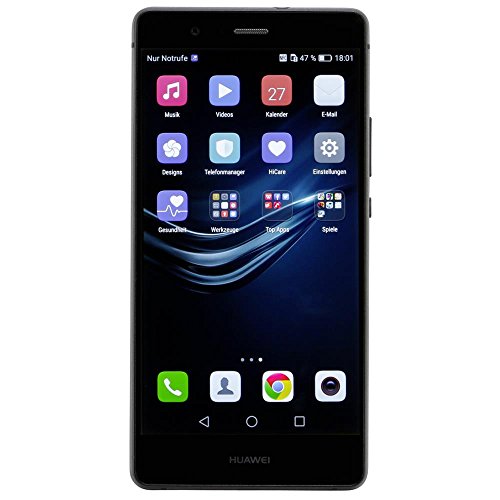
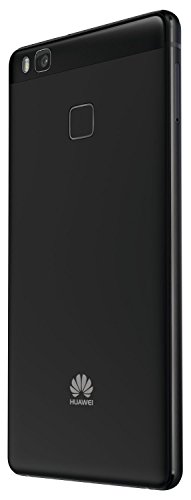
Huawei P9 Lite (3GB + 16GB) review: 196 specs compared

Avg. price:~£240RAM capacity:3 GBInternal storage:16 GBScreen size:5.2 inchesMain camera megapixels:13 MP

Huawei P9 Lite (3GB + 16GB) Review: Compare 196 technical specifications and 93 expert and video reviews to see how this product ranks in the Smartphones category and whether it is worth buying.

Huawei P9 Lite (3GB + 16GB)
7.0/10

Overall score

Score
7.0/ 10
✕
What it is
Our main score for this model, 1–10. It combines specs, best-of lists, expert reviews and owners.
How we count it
Parts: Technical score 35%, List score 30%, Reviews score 25%, Sentiment score 10%
Marks: Each part gets a mark out of 10. For reviews, lists and owners, a typical model in this category gets about 8 and the best one gets 10.
No data yet: A part with no data shows "?". It counts as the mark of a weaker model in this category (4 in 5 models with data score higher). This way, models with reviews, lists and owners usually come out ahead.
Score distribution
â–¼
<55-66-77-88-99-10
Score components

35%

4.8

Technical score

30%

?

List scoreNot enough data yet, so we use 7.5, the mark of a weaker model in this category

25%

8.5

Reviews score

10%

9.4

Sentiment score

â–¼Worse than 64% of smartphones
7.7

Value for money

Value for money
7.7/ 10
✕
What it is
An indicator that combines the smartphone's overall rating with its cost.
When it matters
When you are looking for a smartphone with a good balance between quality and price.
Score distribution
â–¼
<55-66-77-88-99-10
Score components

70%

7.0

Overall score

30%

9.3

Price

â–¼Worse than 52%
4.8

Technical score

Technical score
4.8/ 10
✕
What it is
How good the specs are compared with the other models in this category, 1–10.
How we count it
Areas: We rate the specs in each area against the other models in this category.
Weighting: The areas that matter most to buyers count more. The shares are shown under Score components.
Share: The technical score is 35% of the overall score.
Score distribution
â–¼
<55-66-77-88-99-10
Score components

25%

4.5

Performance

18%

5.6

Camera

15%

4.3

Display

15%

4.2

Battery

10%

4.0

Software

10%

5.7

Connectivity

4%

3.8

Audio

3%

8.4

Design

â–¼Worse than 99%
8.5

Reviews score

Reviews score
8.5/ 10
✕
What it is
Average grade from independent test sites, magazines and video reviewers, 1–10.
How we count it
Grades: Each review's own score is converted to 1–10; without one, we grade the review ourselves. Big test sites count more, short reviews half as much as full tests. A video review counts half.
Score: The average grade is 80% of the review mark; the number of reviews is the other 20% (1 review = 5, the typical number in this category = 8, the most-reviewed model = 10).
Enough data: With few reviews, the average grade is pulled toward the typical grade of this category. No reviews yet: 7.5 for now.
Share: Reviews count 25% of the overall score.
Score distribution
â–¼
<55-66-77-88-99-10

80%

8.3

Average grade

20%

9.4

Popularity

Grades by review (93)
35 reviews: 24 with a printed score, 11 estimated from the review. 58 video reviews, each counting half as much as a written test. Reviews count 25% of the overall score.
User ratings collected online are not part of this score.
â–²Better than 87%
?

List score

List score
7.5/ 10
✕
What it is
How often independent test sites, magazines and video reviewers put this model in their best-of lists for this category.
How we count it
Points: The model in the most lists of this category gets 10; the others get 8 to 10 in proportion. In no list yet: 7.5. Lists count 30% of the overall score.
Enough data: Every list counts, even a single one. With fewer than 5 best-of lists in the category, this part is left out.
Lists with this model (0)
Not in any best-of list yet, so this part counts as 7.5. Models in a list get 8 to 10.
Not in any best-of list yet

What reviewers say about the Huawei P9 Lite (3GB + 16GB)

Based on 35 · 68

Reviewers like the fast fingerprint sensor, good screen and solid battery, but complain about clunky software and poor low-light photos.
Praised
Mixed views
Criticised
Pick a topic to see who said what

What owners say about the Huawei P9 Lite (3GB + 16GB)

Based on 188 owners sharing their experience in online comments

62%positive14%mixed24%negative

Owners praise the phone’s smooth performance, battery and durability, while limited storage and aging batteries cause the most frustration.

What owners dislike

  • Owners say the 16 GB internal storage fills quickly, apps cannot be moved to the SD card, and updates take much of the free space.24
  • Battery drains or wears out quickly17
  • Owners report lag and freezing, with some videos failing to play and apps slowing down over time.10
  • Owners say the phone stopped receiving system updates after a while, and some updates slowed charging or worsened photos.7
  • Owners say the camera focuses slowly in some apps like Instagram, and photo quality got worse after later software updates.6
  • Owners say the phone gets noticeably hot during gaming and heavy use, and the charger also heats up while charging.4
  • Owners report touchscreen problems, including trembling while scrolling with a thumb resting on the screen and multi-touch failures in music games.4
  • Owners say photos in the gallery appear sideways or upside down, and auto-rotate sometimes fails to turn the screen.3
  • Owners report Wi-Fi that drops often and switches to mobile data, and some cannot connect at home while it works elsewhere.3
  • Owners say charging takes around three hours, and the charger gets very hot, with charging slowing further after updates.3

Points mentioned by at least 3 owners, most mentioned first.

Loading...
Loading category ranking...

Technical Specifications of smartphone Huawei P9 Lite (3GB + 16GB)

Technical score
Technical score
4.8/ 10
✕
What it is
How good the specs are compared with the other models in this category, 1–10.
How we count it
Areas: We rate the specs in each area against the other models in this category.
Weighting: The areas that matter most to buyers count more. The shares are shown under Score components.
Share: The technical score is 35% of the overall score.
Score distribution
â–¼
<55-66-77-88-99-10
Score components:

25%

4.5

Performance

18%

5.6

Camera

15%

4.3

Display

15%

4.2

Battery

10%

4.0

Software

10%

5.7

Connectivity

4%

3.8

Audio

3%

8.4

Design

4.8
Reviews score
8.5
List score
?
Value for money
Value for money
7.7/ 10
✕
What it is
An indicator that combines the smartphone's overall rating with its cost.
When it matters
When you are looking for a smartphone with a good balance between quality and price.
Score distribution
â–¼
<55-66-77-88-99-10
Score components:

70%

7.0

Overall score

30%

9.3

Price

7.7
Processor model
HiSilicon Kirin 650
This smartphone uses the HiSilicon Kirin 650 processor model which is slower than processors in 99.5% of smartphones.
Storage type
eMMC
Huawei P9 Lite (3GB + 16GB) uses eMMC storage, which is slower than the storage in 82.6% of smartphones and the same as in 17.4% of smartphones.
RAM capacity
3 GB
This smartphone has a RAM capacity of 3 GB which is smaller than the RAM capacity of 96.5% of smartphones and equal to that of 2% of smartphones.
Internal storage
16 GB
This smartphone has an internal storage capacity of 16 GB which is smaller than the storage of 99.3% of smartphones and equal to that of 0.5% of smartphones.
CPU boost clock speed
2 GHz
The CPU boost clock speed of this smartphone is 2 GHz which is lower than the boost speed of 83.9% of smartphones and equal to that of 8.3% of smartphones.
Show more
What reviewers say
Operating system
Android
This smartphone runs Android, which is more mainstream than the system in 4.8% of smartphones and the same as in 95.2% of smartphones.
Android 6 Marshmallow
Android version
Android 6 Marshmallow
This smartphone runs Android version Android 6 Marshmallow which is older than that found in 99.2% of smartphones and equal to that in 0.6% of smartphones.
Direct OS updates
no
This smartphone does not support direct OS updates. 20.1% of smartphones offer this.
Promised software updates
?
Open-source OS
yes
This smartphone runs an open-source operating system. 5.2% of smartphones offer this.
Show more
What reviewers say
Multi-lens main camera
no
This smartphone does not have a multi-lens main camera. 93.8% of smartphones offer this.
Main camera megapixels
13 MP
This smartphone has a main camera resolution of 13 MP which is lower than that of 91.8% of smartphones and equal to that of 2.4% of smartphones.
Main camera aperture
?
Main camera sensor area
16.3 mm²
This smartphone has a main camera sensor area of 16.3 mm² which is smaller than the main camera sensor area of 93.4% of smartphones and equal to that of 2.8% of smartphones.
Main camera pixel size
1.12 µm
This smartphone has a main camera pixel size of 1.12 µm which is larger than in 78.1% of smartphones and equal to the size in 5.6% of smartphones.
Show more
What reviewers say
Number of SIM slots
2
This smartphone has 2 SIM slots, which is more than in 3.7% of smartphones and equal to the number in 96.2% of smartphones.
Cellular module
yes
This smartphone includes a cellular module. 100% of smartphones include cellular modules.
eSIM support
no
Huawei P9 Lite (3GB + 16GB) does not have eSIM support. 19.9% of smartphones offer this.
5G connectivity
no
This smartphone does not have 5G connectivity. 66.7% of smartphones offer this.
LTE support
yes
This smartphone supports LTE. 99.7% of smartphones include LTE connectivity.
Show more
What reviewers say
Screen size
5.2 inches
This smartphone has a screen size of 5.2 inches which is smaller than the screens of 98.3% of smartphones and equal to those of 0.3% of smartphones.
Screen resolution
1080x 1920 px
This smartphone has a screen resolution of 1080x1920 px which is lower than that of 75.9% of smartphones and equal to that of 0.6% of smartphones.
Pixel density
424 ppi
This smartphone has a pixel density of 424 ppi which is higher than that of 72.7% of smartphones and equal to that of 0.2% of smartphones.
Display type
IPS LCD
This smartphone uses a IPS LCD display type. 0% of smartphones use this display technology.
Refresh rate
60 Hz
This smartphone supports a refresh rate of 60 Hz which is lower than in 84.3% of smartphones and equal to that in 15.7% of smartphones.
Show more
What reviewers say
Battery capacity
3,000 mAh
This smartphone has a battery capacity of 3,000 mAh which is smaller than the batteries in 97.5% of smartphones and equal to those in 1.1% of smartphones.
Charging speed
10 W
This smartphone supports charging speeds of 10 W which is slower than in 93.7% of smartphones and equal to speeds in 5.8% of smartphones.
Fast charging
no
This smartphone does not support fast charging. 93.3% of smartphones support fast charging.
GSMArena full wired charge time
?
Wireless charging
no
This smartphone does not support wireless charging. 25.1% of smartphones support wireless charging.
Show more
What reviewers say
Stereo speakers
no
This smartphone does not have stereo speakers. 64.3% of smartphones offer this.
3.5 mm headphone jack
yes
This smartphone includes a 3.5 mm headphone jack. 45.1% of smartphones offer this port.
Number of microphones
2
This smartphone includes 2 microphones, which is more than in 10.3% of smartphones and equal to the number in 66.9% of smartphones.
FM radio
yes
This smartphone includes an FM radio. 34.3% of smartphones offer FM radio functionality.
aptX Lossless
?
Show more
What reviewers say
Height
146.8 mm
This smartphone has a height of 146.8 mm which is shorter than 97.1% of smartphones.
Width
72.6 mm
This smartphone has a width of 72.6 mm which is narrower than 91.3% of smartphones and equal to that of 0.2% of smartphones.
Thickness
7.5 mm
This smartphone has a thickness of 7.5 mm which is thinner than 89.8% of smartphones and equal to that of 2.2% of smartphones.
Weight
147 g
This smartphone weighs 147 g which is lighter than 99% of smartphones.
Device volume
80 cm³
This smartphone has a device volume of 80 cm³ which is smaller than 97.8% of smartphones and equal to that of 0.3% of smartphones.
Show more
What reviewers say

Huawei P9 Lite (3GB + 16GB) vs the average smartphone

246810TotalPerformanceSoftwareCameraConnectivityDisplayBatteryAudioDesign
  • Has optical image stabilization
    This smartphone has optical image stabilization (OIS), the average smartphone does not. 48.4% of smartphones feature OIS.
  • 0.32 µm larger main camera pixel size
    This smartphone has a larger main camera pixel size than the average smartphone (1.1 µm vs 0.8 µm). The average pixel size is 0.8 µm.
    1.12 µm vs 0.8 µm
  • Supports RAW photo capture
    This smartphone supports RAW photo capture, the average smartphone does not. 37.3% of smartphones allow RAW files.
  • Uses a BSI sensor
    This smartphone uses a BSI sensor, the average smartphone does not. 40% of smartphones include BSI sensors.
  • 16.4% higher review score
    Reviews score
    8.5/ 10
    ✕
    What it is
    Average grade from independent test sites, magazines and video reviewers, 1–10.
    How we count it
    Grades: Each review's own score is converted to 1–10; without one, we grade the review ourselves. Big test sites count more, short reviews half as much as full tests. A video review counts half.
    Score: The average grade is 80% of the review mark; the number of reviews is the other 20% (1 review = 5, the typical number in this category = 8, the most-reviewed model = 10).
    Enough data: With few reviews, the average grade is pulled toward the typical grade of this category. No reviews yet: 7.5 for now.
    Share: Reviews count 25% of the overall score.
    Score distribution
    â–¼
    <55-66-77-88-99-10

    80%

    8.3

    Average grade

    20%

    9.4

    Popularity

    Grades by review (93)
    35 reviews: 24 with a printed score, 11 estimated from the review. 58 video reviews, each counting half as much as a written test. Reviews count 25% of the overall score.
    User ratings collected online are not part of this score.
    8.5 vs 7.3
  • Allows manual shutter speed
    This smartphone allows manual shutter speed control, the average smartphone does not. 29.5% of smartphones include this.
  • 7.3% higher pixel density
    This smartphone has a higher pixel density than the average smartphone (424 ppi vs 395 ppi). The average smartphone has a pixel density of 395 ppi.
    424 ppi vs 395 ppi
  • 25.1% lighter
    This smartphone is lighter than the average smartphone (147 g vs 196.2 g). The average smartphone weighs 196.2 g.
    147 g vs 196.2 g
  • 16.4% higher review score
    Reviews score
    8.5/ 10
    ✕
    What it is
    Average grade from independent test sites, magazines and video reviewers, 1–10.
    How we count it
    Grades: Each review's own score is converted to 1–10; without one, we grade the review ourselves. Big test sites count more, short reviews half as much as full tests. A video review counts half.
    Score: The average grade is 80% of the review mark; the number of reviews is the other 20% (1 review = 5, the typical number in this category = 8, the most-reviewed model = 10).
    Enough data: With few reviews, the average grade is pulled toward the typical grade of this category. No reviews yet: 7.5 for now.
    Share: Reviews count 25% of the overall score.
    Score distribution
    â–¼
    <55-66-77-88-99-10

    80%

    8.3

    Average grade

    20%

    9.4

    Popularity

    Grades by review (93)
    35 reviews: 24 with a printed score, 11 estimated from the review. 58 video reviews, each counting half as much as a written test. Reviews count 25% of the overall score.
    User ratings collected online are not part of this score.
    8.5 vs 7.3
  • 20.5% higher sentiment score
    9.4 vs 7.8
  • Has optical image stabilization
    This smartphone has optical image stabilization (OIS), the average smartphone does not. 48.4% of smartphones feature OIS.
  • 0.32 µm larger main camera pixel size
    This smartphone has a larger main camera pixel size than the average smartphone (1.1 µm vs 0.8 µm). The average pixel size is 0.8 µm.
    1.12 µm vs 0.8 µm
  • Supports RAW photo capture
    This smartphone supports RAW photo capture, the average smartphone does not. 37.3% of smartphones allow RAW files.
  • Uses a BSI sensor
    This smartphone uses a BSI sensor, the average smartphone does not. 40% of smartphones include BSI sensors.
  • Allows manual shutter speed
    This smartphone allows manual shutter speed control, the average smartphone does not. 29.5% of smartphones include this.
  • Wider front camera aperture
    This smartphone has a wider front camera aperture than the average smartphone (f/2 vs f/2.2). The average aperture is f/2.2.
    f/2.0 vs f/2.2
  • 7.3% higher pixel density
    This smartphone has a higher pixel density than the average smartphone (424 ppi vs 395 ppi). The average smartphone has a pixel density of 395 ppi.
    424 ppi vs 395 ppi
  • Has a 3.5 mm headphone jack
    This smartphone features a 3.5 mm headphone jack, the average smartphone does not. 45.1% of smartphones include a standard headphone jack.
  • Has FM radio
    This smartphone features an FM radio, the average smartphone does not. 34.3% of smartphones include an FM tuner.
  • 25.1% lighter
    This smartphone is lighter than the average smartphone (147 g vs 196.2 g). The average smartphone weighs 196.2 g.
    147 g vs 196.2 g
  • 3.4 mm narrower
    This smartphone is narrower than the average smartphone (72.6 mm vs 76 mm). The average smartphone width is 76 mm.
    72.6 mm vs 76 mm
  • 16.8 mm shorter
    This smartphone is shorter than the average smartphone (146.8 mm vs 163.6 mm). The average smartphone height is 163.6 mm.
    146.8 mm vs 163.6 mm
  • 0.8 mm thinner
    This smartphone is thinner than the average smartphone (7.5 mm vs 8.3 mm). The average smartphone thickness is 8.3 mm.
    7.5 mm vs 8.3 mm
  • 21.6% smaller volume
    This smartphone has a smaller device volume than the average smartphone (80 cm³ vs 102 cm³). The average smartphone volume is 102 cm³.
    80 cm³ vs 102 cm³
  • Worse processor
    This smartphone uses a worse processor than the average smartphone (HiSilicon Kirin 650 vs Qualcomm Snapdragon 7 Gen 3).
    HiSilicon Kirin 650 vs Qualcomm Snapdragon 7 Gen 3
  • Inferior display type
    This smartphone has an inferior display type compared to the average smartphone (IPS LCD vs OLED/AMOLED). 0.00% of smartphones use the superior display type.
    IPS LCD vs OLED/AMOLED
  • 50% lower refresh rate
    This smartphone has a lower refresh rate than the average smartphone (60 Hz vs 120 Hz). The average smartphone has a refresh rate of 120 Hz.
    60 Hz vs 120 Hz
  • 93.8% less storage
    This smartphone offers less internal storage than the average smartphone (16 GB vs 256 GB). The average smartphone includes 256 GB of internal storage.
    16 GB vs 256 GB
  • Slower storage type
    Huawei P9 Lite (3GB + 16GB) has slower storage than the average smartphone (eMMC vs UFS 3.1).
    eMMC vs UFS 3.1
  • 2.67x larger process node
    This smartphone is manufactured on a larger process node than the average smartphone (16 nm vs 6 nm). The average smartphone uses a 6 nm process.
    16 nm vs 6 nm
  • No ultrawide rear camera
    Huawei P9 Lite (3GB + 16GB) does not have an ultrawide rear camera, while the average smartphone does. 62.6% of smartphones offer this.
  • No 5G connectivity
    This smartphone does not support 5G connectivity, the average smartphone does. 66.6% of smartphones are 5G compatible.
  • Worse processor
    This smartphone uses a worse processor than the average smartphone (HiSilicon Kirin 650 vs Qualcomm Snapdragon 7 Gen 3).
    HiSilicon Kirin 650 vs Qualcomm Snapdragon 7 Gen 3
  • 93.8% less storage
    This smartphone offers less internal storage than the average smartphone (16 GB vs 256 GB). The average smartphone includes 256 GB of internal storage.
    16 GB vs 256 GB
  • Slower storage type
    Huawei P9 Lite (3GB + 16GB) has slower storage than the average smartphone (eMMC vs UFS 3.1).
    eMMC vs UFS 3.1
  • 2.67x larger process node
    This smartphone is manufactured on a larger process node than the average smartphone (16 nm vs 6 nm). The average smartphone uses a 6 nm process.
    16 nm vs 6 nm
  • 5 GB less RAM
    This smartphone has less RAM than the average smartphone (3 GB vs 8 GB). The average smartphone has 8 GB of RAM.
    3 GB vs 8 GB
  • 80.3% lower Geekbench 6 single-core benchmark score
    This smartphone performs worse in Geekbench 6 single-core than the average smartphone (186 vs 942). The average smartphone scores 942 in the Geekbench 6 single-core test.
    186 vs 942
  • Lacks multithreading support
    This smartphone does not support multithreading, the average smartphone does. 81.4% of smartphones support multithreading.
  • 16.7% lower CPU boost clock speed
    This smartphone has a lower CPU boost clock speed than the average smartphone (2 GHz vs 2.4 GHz). The average smartphone has a boost clock speed of 2.4 GHz.
    2 GHz vs 2.4 GHz
  • Lacks big.LITTLE architecture
    This smartphone does not use a big.LITTLE architecture, the average smartphone does. 98.4% of smartphones use a big.LITTLE architecture.
  • 8 year/s older release date
    This smartphone is an older model than the average smartphone (2016 vs 2024). 8.00% of smartphones were released more recently.
    April 2016
    2016 vs 2024
  • Lacks NX Bit security
    This smartphone does not support NX Bit, the average smartphone does. 94.8% of smartphones support NX Bit.
  • Lacks ARM TrustZone
    This smartphone does not support ARM TrustZone, the average smartphone does. 98.1% of smartphones support ARM TrustZone.
  • Older DDR memory version
    This smartphone uses an older DDR memory version than the average smartphone (3 vs 4). The average smartphone uses DDR version 4.
    3 vs 4
  • Lower CPU base clock speed
    This smartphone has a lower CPU base clock speed than the average smartphone (4x2 GHz & 4x1.7 GHz vs 2x2.2 GHz & 6x2 GHz). The average smartphone has a base clock speed of 2x2.2 GHz & 6x2 GHz.
    4x2 GHz & 4x1.7 GHz vs 2x2.2 GHz & 6x2 GHz
  • No live text recognition
    This smartphone does not support live text recognition, the average smartphone does. 51.3% of smartphones offer real-time text recognition.
  • Older Android version
    This smartphone runs an older Android version than the average smartphone (Android 6 Marshmallow vs Android 14). The average smartphone runs Android version Android 14.
    Android 6 Marshmallow vs Android 14
  • No location privacy controls
    This smartphone does not offer location privacy controls, the average smartphone does. 88.4% of smartphones include location privacy features.
  • No camera/mic privacy toggles
    This smartphone lacks camera and microphone privacy toggles, the average smartphone includes them. 87.5% of smartphones offer these toggles.
  • Lacks app tracking protection
    This smartphone does not have app tracking protection, the average smartphone does. 71.1% of smartphones include app tracking protection.
  • Lacks focus mode
    This smartphone does not have a focus mode, the average smartphone does. 60.8% of smartphones include a dedicated focus mode.
  • No Wi-Fi password sharing
    This smartphone does not support Wi-Fi password sharing, the average smartphone does. 58.3% of smartphones allow easy Wi-Fi sharing.
  • Lacks on-device AI
    This smartphone does not support on-device AI, the average smartphone does. 99.2% of smartphones include on-device AI processing.
    Limited to basic software processing; no dedicated NPU or OS-level AI suite
  • No battery health monitoring
    This smartphone lacks battery health monitoring, the average smartphone includes it. 67.2% of smartphones provide battery health stats.
  • Lacks dark mode
    This smartphone does not support dark mode, the average smartphone does. 95.9% of smartphones have dark mode.
  • Lacks instant markup
    This smartphone does not support instant markup, the average smartphone does. 52.5% of smartphones include instant markup tools.
  • No scrolling screenshot support
    This smartphone does not support scrolling screenshots, the average smartphone does. 81.7% of smartphones allow scrolling screenshots.
  • Does not allow app offloading
    This smartphone does not support app offloading, the average smartphone does. 52.5% of smartphones support app offloading to save space.
  • No theme customization
    This smartphone does not support theme customization, the average smartphone does. 91.3% of smartphones allow theme customization.
  • No split-screen support
    This smartphone does not support split-screen, while the average smartphone does. 96.3% of smartphones support split-screen.
  • No picture-in-picture mode
    This smartphone does not support Picture-in-Picture (PiP), the average smartphone does. 98% of smartphones offer PiP mode.
  • Does not allow play while downloading
    This smartphone cannot play games while downloading, the average smartphone can. 78.2% of smartphones support play-while-downloading.
  • No dynamic theme support
    This smartphone does not support dynamic themes, the average smartphone does. 82.5% of smartphones support dynamic theming.
  • Lacks extra dim mode
    This smartphone does not have extra dim mode, the average smartphone does. 83.1% of smartphones offer extra dimming features.
  • No ultrawide rear camera
    Huawei P9 Lite (3GB + 16GB) does not have an ultrawide rear camera, while the average smartphone does. 62.6% of smartphones offer this.
  • 49.1% smaller main camera sensor area
    This smartphone has a smaller main camera sensor area than the average smartphone (16.3 mm² vs 32 mm²). The average smartphone sensor area is 32 mm².
    16.3 mm² vs 32 mm²
  • Worse main camera video quality
    This smartphone records worse main camera video than the average smartphone. 11.80x of smartphones support 4K video recording.
    1080x30 fps vs 2160x30 fps
  • Lower-resolution main camera
    This smartphone has a lower-resolution main camera than the average smartphone (13 MP vs 50 MP & 8 MP). The average smartphone has a 50 MP & 8 MP main camera.
    13 MP vs 50 MP & 8 MP
  • Single-lens main camera
    This smartphone has a single-lens main camera, while the average smartphone has a multi-lens setup. 93.7% of smartphones use multiple lenses.
  • Lower front camera megapixels
    This smartphone has lower front camera megapixels than the average smartphone (8 MP vs 16 MP). The average smartphone has a 16 MP front camera.
    8 MP vs 16 MP
  • No slow-motion recording
    This smartphone does not support slow-motion recording, the average smartphone does. 90.4% of smartphones offer slow-mo features.
  • No timelapse video
    This smartphone does not support timelapse video, the average smartphone does. 92.5% of smartphones include timelapse modes.
  • No 5G connectivity
    This smartphone does not support 5G connectivity, the average smartphone does. 66.6% of smartphones are 5G compatible.
  • Older Bluetooth version
    This smartphone uses an older Bluetooth version than the average smartphone (4.1 vs 5.2). The average smartphone uses Bluetooth 5.2.
    4.1 vs 5.2
  • Lacks USB Type-C
    This smartphone lacks a USB Type-C port, the average smartphone includes one. 97% of smartphones use USB Type-C.
  • No gyroscope
    This smartphone does not have a gyroscope, the average smartphone does. 84.4% of smartphones feature a gyroscope.
  • No Galileo support
    This smartphone does not support Galileo, the average smartphone does. 98.8% of smartphones support the Galileo satellite system.
  • Older Wi-Fi version
    This smartphone has less advanced Wi-Fi than the average smartphone (Wi-Fi 4 (802.11n) vs Wi-Fi 5 (802.11ac), Wi-Fi 4 (802.11n)).
    Wi-Fi 4 (802.11n) vs Wi-Fi 5 (802.11ac), Wi-Fi 4 (802.11n)
  • Inferior display type
    This smartphone has an inferior display type compared to the average smartphone (IPS LCD vs OLED/AMOLED). 0.00% of smartphones use the superior display type.
    IPS LCD vs OLED/AMOLED
  • 50% lower refresh rate
    This smartphone has a lower refresh rate than the average smartphone (60 Hz vs 120 Hz). The average smartphone has a refresh rate of 120 Hz.
    60 Hz vs 120 Hz
  • 1.47 inches inch smaller screen size
    This smartphone has a smaller screen size than the average smartphone (5.2 inches vs 6.67 inches). The average smartphone has a screen size of 6.67 inches.
    5.2 inches vs 6.67 inches
  • 31.8% lower screen brightness
    This smartphone has a lower screen brightness than the average smartphone (450 nits vs 660 nits). The average smartphone has a brightness of 660 nits.
    450 nits vs 660 nits
  • Lower contrast ratio
    This smartphone has a lower contrast ratio than the average smartphone (1200:1 vs 1000000:1). The average smartphone has a contrast ratio of 1000000:1.
    1,200:1 vs 1,000,000:1
  • Lower screen resolution
    This smartphone has a lower screen resolution than the average smartphone (1080x1920 px vs 1080x2400 px). The average smartphone has a resolution of 1080x2400 px.
    1080x1920 px vs 1080x2400 px
  • 40% smaller battery capacity
    This smartphone has a smaller battery capacity than the average smartphone (3,000 mAh vs 5,000 mAh). The average smartphone has a capacity of 5,000 mAh.
    3,000 mAh vs 5,000 mAh
  • 69.7% slower charging speed
    This smartphone has a slower charging speed than the average smartphone (10 W vs 33 W). The average smartphone charges at 33 W.
    10 W vs 33 W
  • No fast charging support
    This smartphone does not support fast charging, the average smartphone does. 93.2% of smartphones feature fast charging.
  • No stereo speakers
    This smartphone does not have stereo speakers, the average smartphone does. 64.3% of smartphones feature stereo speakers.
  • No LDAC support
    This smartphone does not support LDAC, the average smartphone does. 60.1% of smartphones support LDAC.

Video reviews

Hands-on testing, unboxing, and real-world video evaluations

9.0
Digital Adventures!
≈ estimated
02/10/2016
Hands-on review · screen, battery and software use
Verdict
Huawei P9 Lite suits a wide range of buyers, with a great screen, long battery life and good software, though it is not perfect.
9.0
Digital Adventures!
≈ estimated
29/09/2016
Battery test · screen-on time in each power mode
Verdict
Huawei P9 Lite has excellent battery life for daily use with no problems, earning a strong recommendation from the battery tests.
9.0
Digital Adventures!
≈ estimated
27/09/2016
Feature walkthrough · five software features tried over several days
Verdict
Huawei P9 Lite has software that exceeds expectations for a mid-range phone, with useful features despite the crowded home screen.
7.0
PortalScript
≈ estimated
16/08/2016
Hands-on review · two days of use, camera and RAM test
Verdict
Huawei P9 Lite is good value for the price, but not the right choice if speed and gaming matter.
7.0
TechEdit
≈ estimated
12/08/2016
Hands-on review · one week of daily use and gaming
Verdict
Huawei P9 Lite is a good phone with real trade-offs, best bought if its price drops, though storage is limited.
9.0
Tech Trinkets
≈ estimated
02/08/2016
Hands-on review · gaming, camera and battery use
Verdict
Huawei P9 Lite offers strong value with few compromises, recommended if you can live with older software and slow charging.
9.5
Damir Franc
≈ estimated
30/07/2016
Revisited review · two months later, battery and camera tests
Verdict
Huawei P9 Lite is still a top phone for its price, and the reviewer would recommend it over most rivals despite known drawbacks.
9.0
GSMDome
≈ estimated
30/06/2016
Full review · speed, gaming, camera and software tests
Verdict
Huawei P9 Lite is an excellent mid-range phone, though gaming heat, bloatware and battery size are drawbacks.
9.5
Damir Franc
≈ estimated
08/06/2016
Full review · a week of daily use · comparison with bigger model
Verdict
Huawei P9 Lite is the best phone at its price, with everyday performance close to a flagship and little reason to upgrade.
9.0
XEETECHCARE
≈ estimated
27/05/2016
Hands-on review · camera comparison and daily use
Verdict
Huawei P9 Lite is a strong mid-range phone for everyday use, with minor drawbacks in fingerprint speed and speakers.
6.0
itechcenter
≈ estimated
08/03/2026
Retro test · everyday use in 2026
Verdict
Huawei P9 Lite is still usable for calls, messages and light apps, but heavy apps and games show its age.
Overview video

Expert reviews

In-depth analysis and verdict from leading tech publications

7.0
techradar.com
✓ explicit
13/02/2017
Full review · Budget phone
Verdict
The Huawei P9 Lite has a sleek design and bright Full HD screen, but it never pulls ahead of similarly priced rivals.
8.0
expertreviews.co.uk
✓ explicit
14/09/2018
Retrospective review · Budget phone
Verdict
The Huawei P9 Lite has a bright Full HD screen and quick performance, but its battery and dull camera let it down against rivals.
7.0
pctechmag.com
≈ estimated
02/08/2016
Hands-on review · Budget phablet
Verdict
The Huawei P9 Lite is a competitive budget phone with a sharp 1080p screen and long battery life, though its 16GB storage fills quickly.
7.0
me.pcmag.com
✓ explicit
05/10/2016
Review · Mid-range phone
Verdict
The Huawei P9 Lite is a well-built, affordable phone whose price is its main strength, though it lacks the P9's dual Leica cameras.
7.3
connect-testlab.com
✓ explicit
2016
Lab test · Mid-range phone
Verdict
The Huawei P9 Lite offers a sharp Full HD screen, long battery life and very good value for money, though its plastic design feels less premium.
8.5
notebookcheck.net
✓ explicit
30/05/2016
Lab test · Benchmark review
Verdict
The Huawei P9 Lite is fast for a mid-range phone with a bright screen readable outdoors, but slow storage writes and a glossy, low-contrast display hold it back.
8.0
hardwareluxx.de
≈ estimated
24/05/2016
Full review · Benchmarks and connectivity
Verdict
The Huawei P9 Lite beats its P8 predecessor in speed and screen, but its 2.4 GHz Wi-Fi and Micro-USB port trail the pricier P9.
8.6
connect.de
✓ explicit
10/08/2016
Full review · Mid-range value
Verdict
The Huawei P9 Lite is a strong mid-range phone whose battery lasts over eight hours in testing, but its plastic body and weaker software support hold it back.
8.0
kaiserkiwi.de
≈ estimated
10/11/2016
Long-term review · Battery and camera
Verdict
The Huawei P9 Lite lasts two days on light use and keeps Android pleasant to use, though its camera struggles in low light.
8.8
pcwelt.de
✓ explicit
13/05/2016
Full review · Screen and value
Verdict
The Huawei P9 Lite trades the metal back and Leica camera of the P9 for a sharp screen, long battery life and good value.
9.0
notebooks-und-mobiles.de
≈ estimated
29/09/2016
Full review · Everyday all-rounder
Verdict
The Huawei P9 Lite is a solid all-rounder whose display and battery suit everyday use, though Wi-Fi is limited to 2.4 GHz.
7.0
smartzone.de
✓ explicit
23/01/2017
Lab test · Mid-range phone
Verdict
The Huawei P9 Lite is a solid mid-range phone with long battery life and a sharp Full HD screen, but cheaper Xiaomi models offer better value.
8.4
smartweb.de
✓ explicit
Not Dated
Hands-on test · Mid-range phone
Verdict
The Huawei P9 Lite is a well-rounded mid-range phone with a sharp Full HD screen, but it has no fast charging and gets noisy photos in dim light.
7.4
netzwelt.de
✓ explicit
26/05/2016
Long-form test · Mid-range phone
Verdict
The Huawei P9 Lite offers a sharp Full HD screen, fast fingerprint scanner and smooth performance, but its voice calls sound tinny and charging is slow.
8.0
nextpit.de
✓ explicit
18/05/2016
Practical test · Mid-range phone
Verdict
The Huawei P9 Lite is solid, with a bright Full HD screen and very good battery life, but weak low-light photos and a busy software layer hold it back.
8.1
tariftip.de
✓ explicit
20/06/2016
Video test · Mid-range phone
Verdict
The Huawei P9 Lite is a good phone for the money, with a sharp, bright screen and a fast fingerprint sensor, but it lacks wireless and fast charging.
8.4
mobiflip.de
✓ explicit
19/06/2016
Month-long test · Mid-range phone
Verdict
The Huawei P9 Lite is a strong mid-range pick for everyday use, with long battery life and smooth performance, but its camera is only average.
9.0
wel-com.fr
✓ explicit
27/05/2016
Complete test · Mid-range smartphone
Verdict
The Huawei P9 Lite is a comfortable, well-rounded phone whose night shots and swipe-to-open Pro mode suit photo fans, though autofocus can struggle.
8.0
moovely.fr
≈ estimated
30/08/2016
Trade-offs test · Lite version
Verdict
The Huawei P9 Lite has no major faults and a long-lasting battery, but it blends into the mid-range crowd, with an ordinary camera and no fast charging.
9.0
top-for-phone.fr
≈ estimated
09/06/2016
Full review · Lite version
Verdict
The Huawei P9 Lite is good value, with a premium-feeling body, a good screen and strong battery life, though only 10.4GB of its 16GB storage is free.

Third-party reviews

What customers like about Huawei P9 Lite (3GB + 16GB)

  • Excellent value for money at its price point
  • Bright and sharp 5.2-inch Full HD display with good color accuracy
  • Fast and reliable rear-mounted fingerprint scanner
  • Slim, ergonomic design that feels premium and is easy to hold
  • Solid overall performance for daily tasks and mid-tier gaming
  • 3.5mm headphone jack is present
  • Front-facing 8MP camera delivers quality selfies

What customers don't like about Huawei P9 Lite (3GB + 16GB)

  • Limited 16GB internal storage fills up quickly with modern apps
  • Battery life is mediocre compared to rivals like the Moto G4
  • Rear camera performance is inconsistent, especially in low light
  • Plastic back is prone to fingerprints and can be slippery
  • EMUI software can feel bloated and lacks an app drawer
  • Lacks modern features like fast charging, USB-C, or water resistance
  • Occasional lag or freezing reported when switching to the camera app

Verdict

Huawei P9 Lite (3GB + 16GB) is a sleek and capable mid-range smartphone featuring a 5.2-inch Full HD IPS display for vibrant visuals. It is powered by the Octa-core Kirin 650 processor, paired with a generous 3GB of RAM for smooth multitasking and 16GB of internal storage (expandable via microSD). A key strength is its impressive 13MP main camera with a Sony IMX214 sensor and a wide f/2.0 aperture, capturing detailed photos even in decent lighting, alongside an 8MP front camera. It also includes a reliable rear-mounted fingerprint sensor and a solid 3000mAh battery. The main drawback is the limited 16GB storage capacity, which requires an immediate microSD card purchase for most users, and it utilizes the older micro-USB port instead of the more modern USB-C standard.

Compare Huawei P9 Lite (3GB + 16GB) with other smartphones

1Product to compare no. 1
VS
2Product to compare no. 2
VS
3Product to compare no. 3 (optional)

Graphic comparison of Huawei P9 Lite (3GB + 16GB) and other smartphones

No results found