LG Wing (8GB + 128GB) review. Compare 197 technical specifications and user reviews to see how this product ranks in the Smartphones category and whether it is worth buying.
Overall score
What it is: An overall evaluation of the smartphone's quality, based on technical analyses and user reviews.
When it matters: When you need a quick reference to identify the best smartphones on the market.
Score components:
90.0%
Technical Score
10.0%
User score
Technical Score
What it is: An assessment of the smartphone's technical performance, covering eight key areas: performance & hardware, software, camera, connectivity, display, battery, audio, and design.
When it matters: When you want to compare smartphones based on technical performance and available features.
Score components:
25.0%
Performance & Hardware
18.0%
Camera
15.0%
Display
15.0%
Battery
10.0%
Software
10.0%
Connectivity
4.0%
Audio
3.0%
Design
User score
What it is: A rating that combines user reviews and the total number of reviews received by the smartphone
When it matters: When you want to know how a smartphone handles daily tasks and how reliable it remains over time according to user feedback.
Score components:
70.0%
User reviews
30.0%
Popularity

(Reviews last updated: August 2026)
Available: ranking among products currently available (including other versions of this product).
All: ranking among all products in the database.
#6 in Best LG Smartphones
#93 in Best 7-Inch Smartphones
#253 in Best Mid-Range Smartphones
#481 in Best Smartphones Under £400
#549 in Best Smartphones Under £500
#640 in Best Large-Screen Smartphones
#648 in Best 5G Smartphones
#690 in Best NFC Smartphones
#710 in Best Android Smartphones
#747 in Best AI Smartphones
#750 in Best Smartphones
#846 in Best Value Smartphones
#877 in Best Battery Life Smartphones
What it is: An assessment of the smartphone's technical performance, covering eight key areas: performance & hardware, software, camera, connectivity, display, battery, audio, and design.
When it matters: When you want to compare smartphones based on technical performance and available features.
Score components:
25.0%
Performance & Hardware
18.0%
Camera
15.0%
Display
15.0%
Battery
10.0%
Software
10.0%
Connectivity
4.0%
Audio
3.0%
Design
What it is: A rating that combines user reviews and the total number of reviews received by the smartphone
When it matters: When you want to know how a smartphone handles daily tasks and how reliable it remains over time according to user feedback.
Score components:
70.0%
User reviews
30.0%
Popularity
(Reviews last updated: August 2026)
What it is: An indicator that combines the smartphone's overall rating with its cost.
When it matters: When you are looking for a smartphone with a good balance between quality and price.
Score components:
60.0%
Overall score
40.0%
Price
Importance: LOW
Importance: HIGH
Importance: HIGH
Good value: >12 GB
Importance: MEDIUM
Good value: >256 GB
Importance: MEDIUM
Good value: >3.2 GHz
Importance: LOW
Importance: MEDIUM
Good value: >1500
Importance: LOW
Good value: >4000
Importance: LOW
Good value: 8+
Importance: LOW
Importance: LOW
Good value: >950 MHz
Importance: LOW
Good value: >700
Importance: LOW
Good value: >1000
Importance: LOW
Good value: >2500
Importance: MEDIUM
Good value: >6000
Importance: LOW
Good value: >8000
Importance: MEDIUM
Good value: >12000
Importance: LOW
Good value: >5000
Importance: LOW
Good value: >1800
Importance: LOW
Good value: >3200 MHz
Importance: LOW
Good value: 5
Importance: LOW
Good value: > 50 GB/s
Importance: LOW
Good value: 4
Importance: LOW
Good value: >16 GB
Importance: MEDIUM
Good value: <6 nm
Importance: MEDIUM
Good value: >9 W
Importance: LOW
Importance: LOW
Good value: >8192 KB
Importance: LOW
Good value: >2048 KB
Importance: LOW
Good value: >512 KB
Importance: LOW
Good value: >100000 million
Importance: LOW
Good value: 3.3
Importance: LOW
Good value: 3.2
Importance: LOW
Good value: 2.0/3.0
Importance: LOW
Importance: LOW
Importance: LOW
Importance: MEDIUM
Importance: LOW
Importance: LOW
Importance: LOW
Importance: LOW
Importance: LOW
Importance: LOW
Importance: LOW
Importance: LOW
Importance: LOW
Importance: LOW
Importance: LOW
Importance: LOW
Importance: LOW
Importance: LOW
Importance: LOW
Importance: LOW
Importance: LOW
Importance: LOW
Importance: LOW
Importance: LOW
Importance: LOW
Importance: LOW
Importance: LOW
Importance: LOW
Importance: LOW
Importance: LOW
Importance: LOW
Importance: LOW
Importance: LOW
Importance: LOW
Importance: LOW
Importance: LOW
Importance: LOW
Importance: MEDIUM
Good value: >50 MP
Importance: MEDIUM
Importance: HIGH
Good value: >60
Importance: LOW
Good value: ≥1.2 µm
Importance: MEDIUM
Good value: >2.5x
Importance: MEDIUM
Importance: LOW
Importance: LOW
Importance: LOW
Importance: LOW
Good value: ≥2
Importance: LOW
Importance: LOW
Importance: LOW
Importance: LOW
Good value: >16 MP
Importance: LOW
Importance: LOW
Importance: LOW
Importance: LOW
Importance: MEDIUM
Importance: LOW
Importance: LOW
Importance: LOW
Importance: LOW
Importance: LOW
Importance: LOW
Importance: LOW
Importance: LOW
Importance: LOW
Importance: LOW
Importance: LOW
Importance: LOW
Importance: LOW
Importance: LOW
Importance: LOW
Importance: LOW
Importance: LOW
Importance: LOW
Importance: LOW
Importance: LOW
Importance: LOW
Good value: >130
Importance: LOW
Good value: >120
Importance: LOW
Good value: ≥2
Importance: LOW
Importance: LOW
Importance: LOW
Importance: LOW
Importance: LOW
Importance: LOW
Good value: >5.2
Importance: LOW
Importance: LOW
Importance: LOW
Importance: LOW
Good value: 3.1/3.2
Importance: LOW
Importance: LOW
Importance: LOW
Good value: ≥2
Importance: LOW
Importance: LOW
Importance: LOW
Importance: LOW
Importance: LOW
Importance: LOW
Importance: LOW
Importance: LOW
Importance: LOW
Importance: LOW
Importance: LOW
Importance: LOW
Importance: LOW
Importance: LOW
Importance: LOW
Importance: LOW
Good value: ≥6.6 inches
Importance: MEDIUM
Importance: LOW
Good value: >400 ppi
Importance: MEDIUM
Importance: MEDIUM
Good value: ≥120 Hz
Importance: LOW
Importance: LOW
Good value: >300 Hz
Importance: LOW
Good value: >800 nits
Importance: LOW
Good value: >1300 nits
Importance: LOW
Good value: >1000 nits
Importance: LOW
Importance: LOW
Importance: LOW
Importance: LOW
Importance: LOW
Importance: LOW
Importance: LOW
Importance: LOW
Importance: HIGH
Good value: >5000 mAh
Importance: MEDIUM
Good value: >60 W
Importance: LOW
Importance: LOW
Good value: <45 min
Importance: LOW
Importance: LOW
Good value: >40 W
Importance: LOW
Importance: LOW
Good value: >10 W
Importance: LOW
Importance: LOW
Importance: MEDIUM
Importance: LOW
Good value: >800
Importance: LOW
Importance: LOW
Importance: LOW
Importance: LOW
Importance: LOW
Good value: ≥3
Importance: LOW
Importance: LOW
Importance: LOW
Importance: LOW
Importance: LOW
Importance: LOW
Importance: LOW
Good value: <162 mm
Importance: LOW
Good value: <75 mm
Importance: LOW
Good value: <8 mm
Importance: LOW
Good value: <190 g
Importance: LOW
Good value: <98cm³
Importance: LOW
Importance: LOW
Importance: LOW
Importance: LOW
Importance: LOW
Importance: LOW
Good value: ≥1.5 m
Importance: LOW
Importance: LOW
Good value: >8
Importance: LOW
Importance: LOW
Importance: MEDIUM
Importance: LOW
Importance: LOW
Good value: ≥6.6 inches
Importance: MEDIUM
Good value: >50 MP
Importance: LOW
Importance: LOW
Importance: LOW
Importance: LOW
Importance: MEDIUM
Good value: ≥120 Hz
Importance: MEDIUM
Good value: >256 GB
Importance: HIGH
Good value: >5000 mAh
Importance: LOW
Importance: LOW
Good value: >950 MHz
Importance: LOW
Importance: HIGH
Importance: LOW
(Reviews last updated: August 2026)
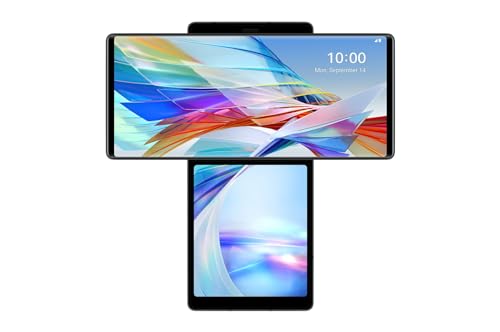
HotHardware describes the LG Wing as an ambitious device featuring a unique swivel mechanism that reveals a secondary display, highlighting dual-screen multitasking and innovative Gimbal Mode for video capture as key advantages. However, the review notes drawbacks including a 60Hz main display, a Snapdragon 765G processor that isn't flagship-level, the absence of a telephoto lens, and a weak mono speaker.
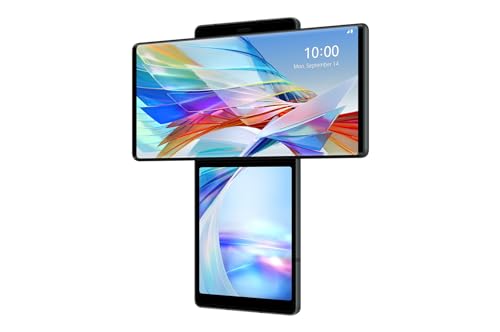
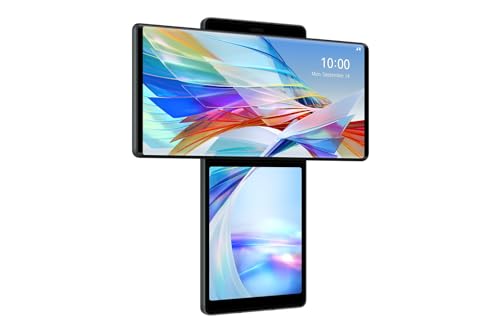
According to a Laptop Mag review, the LG Wing is presented as an innovative device for multitaskers, featuring a unique T-shaped swivel design that reveals a secondary 3.9-inch display beneath the main 6.8-inch OLED screen. Pros include bright, color-accurate displays, creative camera tools like Gimbal mode and Dual Recording, and excellent app juggling. Cons highlight its bulky build and underperforming mid-range processor, which lags behind competitors despite a high launch price.
According to a WIRED review, the LG Wing is a phone featuring a swiveling OLED display that reveals a secondary 3.9-inch screen, enabling practical multitasking like watching videos while using other apps. The phone includes a Gimbal Motion Camera with software-based stabilization, but this mode is limited to 1080p and performs poorly in low light, while the main camera lacks color accuracy. Significant drawbacks include its heavy weight, app optimization issues in landscape mode, a poor default keyboard, lack of a headphone jack, a weak speaker, and being often sold with carrier bloatware.
The LG Wing 5G is characterized as an innovative $999 "cult classic" featuring a unique, durable, swiveling T-shaped dual-screen design. Key pros include exceptional multitasking capabilities and a "magic" Gimbal mode for stable video creation. However, significant cons include its heavy 9.17-ounce weight, a mid-range Snapdragon 765G processor, and a limited app ecosystem. Hardware highlights include well-calibrated, though not high-refresh-rate, AMOLED displays. The device suffers from a weak 4,000mAh battery lasting only 9 hours and 15 minutes in tests, alongside subpar, "tinny" speaker performance. The 64MP camera delivers strong daylight detail but faces low-light focus issues, while the dedicated 12MP gimbal camera struggles in dark conditions. PCMag concludes the underpowered device is a creative, albeit flawed, alternative to traditional flagships.
The Counterpoint Research review highlights the LG Wing 5G as an innovative device featuring a "T" shape, dual-screen design with a 6.8-inch swivel display. While praised for its 12MP Gimbal Mode camera for professional-grade stabilization, the phone's 260g weight and 60Hz display are notable downsides. Despite limited third-party app support and awkward ergonomics in, the device offers functional multitasking for power users, according to Counterpoint Research.
The Consumer Reports review of the LG Wing 5G highlights a unique dual-screen swivel design featuring a high-resolution 6.8-inch P-OLED display with excellent brightness and a capable Snapdragon 765G processor. While the device offers a "good" 64-megapixel camera system with a standout Gimbal Mode for stabilization, it lacks a dedicated telephoto lens and falls short of top-tier competitors in raw performance. Significant drawbacks include heavy, bulky ergonomics, a short-lived 24.5-hour battery life, and only "Fair" durability, as the screen failed a 100-drop tumble test.
The Tom's Guide review describes the LG Wing as an experimental "conversation piece" -inch main OLED screen that swivels -inch secondary display. Key advantages include innovative multi-app pairing and a dedicated Gimbal Mode for stabilized video. However, the device is criticized for being bulky, measuring nearly half an inch ounces. Despite a $ price point, G processor offers only middling performance compared to flagship rivals. Additionally,, -mAh battery hours with both screens active, and the camera, while good for video, produces average, noisy photos. Ultimately, Tom's Guide concludes the high price and performance trade-offs make it hard to recommend for average users. Tom's Guide +1
In his review "LG Wing Review: Flying High!," Adam Doud highlights the LG Wing as a bold entry in the "Explorer Project," featuring a unique 90-degree swivel mechanism that reveals a 3.9-inch secondary screen. The design offers practical multitasking benefits, such as using a dedicated gimbal mode for video on the smaller screen while watching content on the main 6.8-inch P-OLED display. Pros include a high-quality build, impressive gimbal camera stabilization, and a notch-less, durable screen. However, cons involve the device's heavy, bulky design, a hard-to-reach fingerprint sensor, and average battery life. Additionally, the Snapdragon 765G processor is adequate but not flagship-tier, and the screen is limited to a 60Hz refresh rate.
The Counterpoint Research review highlights the LG Wing 5G as a unique "engineering marvel" featuring a 90-degree swiveling 6.8-inch P-OLED main screen and a 3.9-inch secondary display, offering a distinct alternative to conventional smartphones. Key advantages include the innovative T-shape design, a highly stable Gimbal Motion Camera with dedicated software, and notable durability with IP54 and MIL-STD-810G certifications. However, the device is heavy and bulky, with a mid-range Snapdragon 765G processor that underperforms at its price point, further hindered by limited app optimization for the dual-screen setup and difficult in-display sensor access.
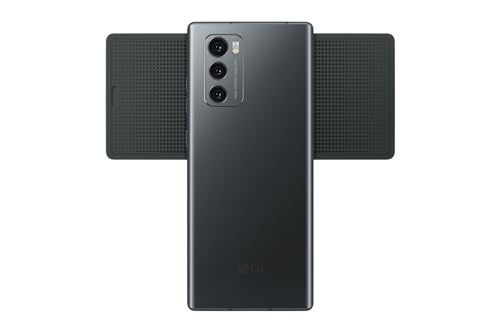
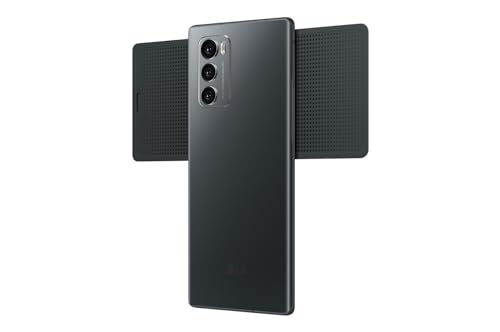
The LG Wing features a unique swiveling dual-screen design with a 6.8-inch main P-OLED display and a smaller 3.9-inch secondary OLED panel. Its innovative aspects include a seamless rotating mechanism and a gimbal camera mode for steady video, alongside a pop-up front camera for an uninterrupted full-screen view. However, the phone is heavy and thick, suffers from poor battery life due to the dual screens, and its swivel mechanism raises concerns about dust collection over time. The device is positioned for tech enthusiasts due to its distinctive form factor and a $999.99 price point, despite limitations like a basic single speaker and limited third-party app compatibility with the dual screen in landscape orientation.
Digital Trends describes the LG Wing as a unique but experimental device featuring a swivel design that reveals a secondary screen for multitasking, though the software struggles to find practical uses for this hardware novelty. While its Snapdragon 765G chip offers reliable performance and it boasts solid battery life, wireless charging, and an eye-catching finish, it is heavy, lacks a high refresh rate, and has awkward button and fingerprint sensor placement in its T mode. The camera includes a creative Gimbal mode but the wide-angle lens is noted as poor and there's no optical zoom, leading Digital Trends to view the Wing as a niche device limited by its price and software.
The LG Wing features a unique design with a 6.8-inch main display that swivels to reveal a secondary 3.9-inch screen, enabling new multitasking uses like watching video while messaging. Pros include a borderless design and solid main and ultrawide cameras, while cons highlight its heavy build, a 60Hz display, and a poorly performing "Gimbal mode". The software experience is also described as unintuitive, with many apps requiring manual configuration for the secondary display, leading the review to conclude that while a bold experiment, the Wing is an imperfect first-generation product compared to mainstream flagships at its price point.
The LG Wing features a unique "swivel" design with a 6.8-inch OLED screen that rotates to reveal a 3.9-inch secondary display, offering a T-shaped configuration for multitasking. The device boasts high build quality and a stable, satisfying swivel mechanism, though it is notably heavy at 260 grams and difficult to operate with one hand. A key feature is "Gimbal Mode," which uses the lower screen as a joystick for smooth video panning and includes "dual recording" via the 32MP pop-up camera and rear sensors. While the stabilization is impressive, the review notes inconsistent overall video quality and varying color tones between lenses. Compromises include a mid-range Snapdragon 765G processor, lack of a high refresh rate, no headphone jack, and only an IP54 splash-resistance rating for its ~1,000 CHF/USD price. The review positions the device as an innovative "engineering marvel" suitable for those prioritizing unique video features over raw performance.
The Heise review describes the LG Wing as a bold, experimental "Explorer Project" device that breaks from conventional smartphone design via a swivel mechanism that reveals a 3.9-inch screen beneath a 6.8-inch P-OLED display. Key advantages include the unique "Gimbal Motion Camera" for stable video, a durable, satisfying swivel mechanism, and practical features like IP54 rating and wireless charging. Conversely, the device is heavy and thick, utilizes a mid-range processor that can struggle with demanding tasks, and features a gimbal mode limited to 1080p, all while suffering from underutilized software for the dual-screen setup.
The TECHBOOK review identifies the LG Wing as an innovative "design wonder" featuring a 6.8-inch P-OLED main screen that swivels 90 degrees to reveal a 3.9-inch secondary display. Key advantages include its unique "T-shape" multitasking capability, which allows for specialized camera controls via "Gimbal Mode," and a durable, well-engineered hinge. Conversely, the device suffers from significant drawbacks, including a bulky 260-gram weight, mediocre battery life from the 4,000 mAh cell, and a mid-tier Snapdragon 765G processor that lacks flagship power. The review notes that the limited, though growing, third-party app support for the dual-screen interface hinders practical, daily usability. Ultimately deemed a "cult classic" for enthusiasts, the LG Wing is lauded as a bold attempt to provide a functional alternative to foldable smartphones within the Explorer Project. The device is recommended for users prioritizing unique, content-creation-focused features over high-end, top-tier specifications.
The LG Wing, analyzed by connect.de, introduces a unique "Explorer Project" design featuring a 6.8-inch main display that swivels to reveal a 3.9-inch secondary screen, praised for its solid build quality. The device is lauded for its innovative form factor, which allows for distinct, specialized app layouts, but it suffers from being quite heavy (260g) and thick (10.9mm). A standout feature is the Gimbal Motion Camera, which offers smooth stabilization, though it is limited to 1080p resolution and struggles in low light. Powered by a Snapdragon 765G processor, the Wing is characterized as a "sub-flagship" device that handles daily tasks well but lags behind true, top-tier competitors in raw performance and gaming. While the swivel mechanism is rated for 200,000 rotations, the lack of full optimization for the second screen in many apps and the absence of a headphone jack are noted as significant drawbacks. The 4,000mAh battery provides only average endurance, and the device has an IP54 splash-resistant rating.
The LG Wing is an experimental "Explorer Project" featuring a unique, high-quality swivel mechanism that reveals a 3.9-inch secondary display beneath a 6.8-inch main screen. While the "T-mode" offers innovative multitasking, such as watching videos while messaging, the device is criticized for its significant 260g weight and bulky form factor. Performance is driven by a mid-range Snapdragon 765G chipset with 8GB of RAM, which is functional but lags behind similarly priced competitors, further hampered by a 4,000mAh battery that drains quickly and a 60Hz-only screen limitation. The camera system's standout feature is a "Gimbal Mode," utilizing a 12MP ultra-wide sensor for exceptionally smooth video stabilization and on-screen joystick controls. However, this mode is restricted to 1080p resolution and suffers from mediocre low-light performance. Other drawbacks include the lack of a dedicated telephoto lens and an inconsistent, often slow, fingerprint sensor.
The LG Wing, analyzed by GizLogic, is recognized for its innovative swivel design, -inch main P-OLED -inch secondary screen that allows for unique multitasking, such as watching media while messaging. Key strengths include a sturdy, tactile hinge mechanism, a popup selfie camera that creates a notch-free display, MP ultra-wide gimbal camera for advanced video stabilization. GizLogic +4Despite its innovative nature, the device grams,, mAh battery struggles to support both screens for an extended period, leading to rapid drain. Performance is decent G, but the lack of a high refresh rate ( Hz/ Hz) and limited app optimization for the "T" orientation are notable drawbacks. GizLogic +4Ultimately, the device offers a unique user experience rating for basic protection, but it faces limitations in ergonomics and software optimization. GizLogic +3
The LG Wing is highlighted as a highly innovative 2020 device featuring a unique swivel mechanism that exposes a 3.9-inch secondary screen for enhanced multitasking, alongside a specialized 12MP Gimbal Mode camera for superior video stabilization. However, the device is criticized for being bulky at 260 grams, featuring inconveniently placed side buttons when open, and employing a mid-range Snapdragon 765G processor that sometimes lags under dual-screen usage. Despite limited app optimization and an awkward in-display fingerprint sensor, the device is considered a "fun," pioneering, and cult-classic smartphone that favors novelty over mainstream practicality.
The LG Wing is a unique, experimental device designed for multitasking, featuring a swiveling 6.8-inch P-OLED main display and a 3.9-inch secondary screen. Key advantages include the solid, high-quality swivel mechanism and a dedicated 12MP ultra-wide sensor for "Gimbal Mode" video stabilization. However, the device is heavy and thick (260 grams, 10.9 mm), lacks a high refresh rate screen, and uses a mid-range Snapdragon 765G processor rather than a top-tier chipset. Despite its innovative design, the review notes the device is a niche product limited by restricted third-party app support for the T-shaped configuration and occasional software lag. El Españ
The LG Wing features a unique 6.8-inch P-OLED display that rotates to reveal a 3.9-inch secondary screen, offering an innovative, high-quality build designed for enhanced multitasking and media consumption. While the Snapdragon 765G provides reliable 5G performance and the specialized "Gimbal Motion Camera" offers excellent stabilization, the device is heavy and lacks top-tier processing power. Despite, limited third-party app support and average low-light camera performance, the device stands out as a courageous, niche option for tech enthusiasts prioritizing unique design over raw, flagship specs.
The LG Wing features a unique 6.8-inch P-OLED swivel display designed for multitasking, offering a specialized "T-shape" configuration that functions as a dedicated gimbal grip for stable video recording. While praised for its innovative form factor and robust build quality, the device is notably heavy and thick at 260 grams, catering specifically to content creators rather than general users. Powered by a Snapdragon 765G, it balances 5G connectivity with optimized, dual-screen software, though it lacks the raw power of flagship processors and is limited to a 60Hz screen refresh rate.
The LG Wing features a unique T-shaped swivel design with a 6.8-inch POLED main display that rotates to reveal a 3.9-inch secondary screen, aiming to break the standard smartphone mold. Key pros include a solid build with a durable hinge, a specialized Gimbal Mode for stabilized video, and a pop-up camera that allows for a full-screen experience. However, cons involve its heavy 260g weight, high price tag, and a mid-range Snapdragon 765G processor, coupled with limited third-party app optimization for the dual-screen setup.
The LG Wing features a unique 90-degree swiveling 6.8-inch OLED screen, creating a "T-shape" that enables specialized multitasking, such as gaming with a dedicated controller or using the 3.9-inch secondary screen for navigation. Its standout pros include a durable hydraulic hinge, a "Gimbal Mode" for stable video recording, and a notch-free display owing to a pop-up camera. Conversely, the device is heavy (260g), uses a mid-range Snapdragon 765G processor, and suffers from a lack of app optimization for its unique form factor, rendering it a niche, high-priced device.
Andrea Galeazzi's review highlights the LG Wing's innovative swivel design, featuring a 6.8-inch main display that rotates to reveal a 3.9-inch screen, transforming the phone into a "T" shape for enhanced multitasking. While praising the solid build quality, the review notes the device is bulky, weighing 260g. The Snapdragon 765G processor ensures fluid performance for daily tasks. A key highlight is the "Gimbal Mode" for stable video via a dedicated 12MP ultra-wide sensor, although this is restricted to 1080p resolution. The 4,000mAh battery provides decent, though not exceptional, daily stamina. Key drawbacks include a 60Hz screen refresh rate, IP54 rating, and a high launch price that makes it a niche device, despite its innovative nature.
The LG Wing features a unique 90-degree swiveling 6.8-inch P-OLED display, revealing a 3.9-inch secondary screen for enhanced multitasking, such as navigating while controlling media. While the "T-shaped" design offers innovative usability and robust build quality with a hydraulic damper, it results in a heavy 260g device that operates at a standard 60Hz refresh rate. Powered by a Snapdragon 765G chipset, the device provides reliable 5G connectivity and introduces a unique Gimbal Motion Camera mode, allowing the secondary screen to act as a joystick for stable video recording. However, the camera system lacks a dedicated telephoto lens, and the mid-range processor does not match the performance of contemporary flagships. Pros include the versatile dual-screen multitasking, impressive gimbal stabilization, and a notch-less display, while cons include significant weight, the absence of a 3.5mm headphone jack, and a high price tag. The device is a niche, innovative option prioritizing content creation, though it may not appeal to those seeking mainstream functionality.
The LG Wing features an innovative swivel design with a 6.8-inch P-OLED display that rotates to reveal a 3.9-inch secondary screen, offering unique multitasking capabilities and a robust build, although the device is notably heavy and thick. Powered by a Snapdragon 765G processor, the phone is optimized for "Swivel Mode" to enable dual-screen functionality, but it faces challenges with limited app optimization and, despite the "Gimbal Motion Camera" feature, lacks a telephoto lens. The device's 4,000 mAh battery struggles under heavy usage, highlighting its role as a creative tool that prioritizes form over mainstream practicality. Pros include an innovative swivel design, exceptional video stability via Gimbal Mode, excellent multitasking, and high-quality displays. Cons include its heavy weight, mid-range processor, lack of a telephoto lens or headphone jack, and average battery life.
The LG Wing, pioneering the "Explorer Project," features a unique T-shape design with a 6.8-inch main display that swivels to reveal a 3.9-inch secondary screen. Despite its experimental nature, the device boasts solid build quality, incorporating a hydraulic damper for smooth rotation and a durable metal-and-glass construction. Key advantages include specialized software, such as "Gimbal Mode" for stable video via a dedicated 12MP ultra-wide sensor, and enhanced multitasking, allowing users to run navigation and media controls simultaneously. The device also offers excellent panel quality, 5G connectivity, and wireless charging, making it a functional, albeit niche, device. However, the phone is quite heavy at 260 grams and is powered by a mid-range Snapdragon 765G, which may struggle with intense tasks compared to its high launch price. Additionally, the device lacks a 90Hz refresh rate and suffers from limited app optimization for its dual-screen format.
The LG Wing introduces a unique T-shaped design featuring a 6.8-inch rotating P-OLED display, praised for its solid build quality and innovative "swiveling" mechanism, though it is heavy at 260g and lacks IP68 waterproofing. Powered by a Snapdragon 765G, the device excels in multitasking, allowing for distinct app usage on the main and 3.9-inch secondary screen. Camera capabilities are highlighted by a specialized "Gimbal Motion" mode that delivers exceptional video stabilization, despite the absence of a telephoto lens and limited 60Hz screen refresh rate. The software, while functional for multitasking, often lacks optimization for the niche form factor. As LG's final, innovative smartphone before exiting the market, the Wing is considered a collector's item rather than a practical daily driver. The review concludes that despite its courageous design, the device is held back by mid-range specs and niche utility.
The AD.nl review labels the LG Wing as an innovative "engineering marvel" that ultimately functions more as a gimmick than a practical smartphone. Its defining feature is a 6.8-inch P-OLED display that swivels 90 degrees to reveal a 3.9-inch secondary screen, creating a unique "T" shape with a durable, smooth, and MIL-STD-810G rated hinge. Pros include a full-screen, notch-less display via a pop-up camera, a specialized "Gimbal Mode" for stable, joystick-controlled video recording, and niche multitasking benefits, such as using navigation while messaging. However, significant cons render the device less practical, including a heavy 260-gram weight, poor third-party app optimization, a slow under-display fingerprint reader, and mid-range performance from its Snapdragon 765G processor at a high price point.
The LG Wing features a unique 6.8-inch P-OLED display that rotates to reveal a 3.9-inch secondary screen, offering a fresh, albeit heavy (260g) design, according to reports. The device includes a standout Gimbal Motion Camera with a 12MP sensor for enhanced stabilization and a notch-free display, with battery life reported as satisfactory for daily, dual-screen use. However, performance is hindered by a mid-range Snapdragon 765G chipset and limited third-party software optimization for the dual-screen form factor, compounded by the absence of a 3.5mm headphone jack. The full analysis can be found on Tweakers.
The LG Wing features a unique swivel design with a 6.8-inch OLED screen that rotates to reveal a 3.9-inch secondary display, enabling specialized multitasking and a specialized Gimbal Mode for stabilized video. While boasting a clean, notch-free display and a premium, fingerprint-resistant design, the device is notably heavy (260g) and suffers from poor button placement and an inaccessible fingerprint sensor when in swivel mode. Despite, decent, everyday battery life, the device falls short with a 60Hz refresh rate, a mid-range Snapdragon 765G chipset, limited third-party app support for the dual-screen layout, and relatively slow 25W charging, making it a niche, high-priced alternative to traditional flagships.
The Bright review characterizes the LG Wing as a bold design experiment featuring a robust swivel mechanism that creates a T-shaped dual-screen layout. While offering a premium, notch-free experience, the device is notably heavy and thick at roughly 260 grams. Key advantages include an innovative Gimbal Mode for stabilized video, effective multitasking capabilities, and a unique form factor that sets it apart from traditional smartphones. However, the review outlines significant drawbacks, particularly the high launch price paired with the underpowered Snapdragon 765G chipset. Battery life is deemed average for dual-screen usage, and limited third-party app support restricts daily utility.
The LG Wing features a unique swivel design that reveals a secondary screen, offering innovative multitasking capabilities like "Gimbal Mode" for stable video and the "T-mode" for dual-app usage, though the device is notably heavy and lacks an IP rating for water resistance. While the 6.8-inch P-OLED display is vibrant, the 60Hz refresh rate and the mid-range Snapdragon 765G processor fall short of top-tier, and the 4,000 mAh battery struggles to power both screens. Ultimately, the device is considered a niche, high-priced, and experimental product due to limited third-party app optimization and ergonomic trade-offs.
The FWD.nl review characterizes the LG Wing as a bold but impractical "cool gadget" rather than a daily driver, praising its robust, high-quality swivel mechanism and vibrant 6.8-inch P-OLED display. While the device, featuring a unique 3.9-inch secondary screen, offers impressive, smooth video recording via a "Gimbal Mode" and niche multitasking capabilities, its 260-gram weight and significant thickness make it cumbersome for daily use. Ultimately, the review cites underbaked software support, a mid-range Snapdragon 765G processor, and a lack of traditional features like a headphone jack to conclude the device is more of a, conversation starter than a polished productivity tool.
The LG Wing features a unique, high-quality "T-shape" swivel design, utilizing a 6.8-inch main P-OLED display and a 3.9-inch secondary screen for enhanced multitasking, such as controlling a dedicated gimbal camera mode. Despite its innovative hardware, the device is criticized for being exceptionally heavy and thick, with performance hindered by a mid-range Snapdragon 765G processor and dated 60Hz refresh rates on both screens. While boasting a 64MP main sensor and impressive gimbal-stabilized video, the phone's "underbaked" software, limited app support, and poor low-light performance make it an expensive, experimental product rather than a practical daily driver.
The Androidworld.nl review portrays the LG Wing as an innovative "anti-hero" featuring a unique Swivel Mode with a 6.8-inch P-OLED main display and a 3.9-inch secondary screen. Key pros include the creative hardware design, high-quality finish, and a specialized gimbal camera mode offering exceptional video stability. However, significant cons arise from a lack of third-party app support, creating an underutilized secondary screen and a clunky user experience. Furthermore, the in-display fingerprint scanner becomes difficult to access when the screen is rotated, and the high price tag is hard to justify against competitors like the Samsung Galaxy Z Fold 2. Ultimately, the review concludes that while the device is a bold, head-turning experiment ideal for niche video use cases, its ergonomic quirks and limited practical applications make it hard to recommend over more polished alternatives.

Compare