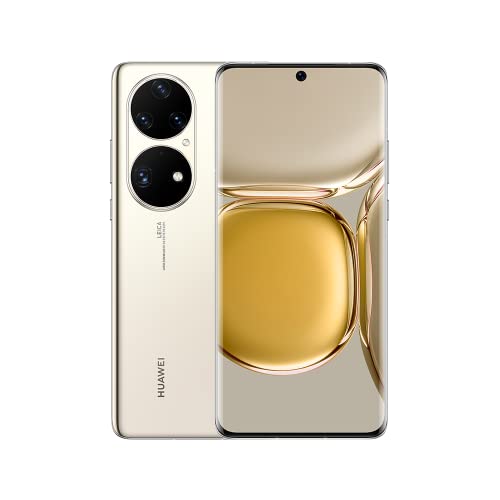
Huawei P50 Pro (8GB + 256GB) review. Compare 197 technical specifications and user reviews to see how this product ranks in the Smartphones category and whether it is worth buying.
Overall score
What it is: An overall evaluation of the smartphone's quality, based on technical analyses and user reviews.
When it matters: When you need a quick reference to identify the best smartphones on the market.
Score components:
90.0%
Technical Score
10.0%
User score
Technical Score
What it is: An assessment of the smartphone's technical performance, covering eight key areas: performance & hardware, software, camera, connectivity, display, battery, audio, and design.
When it matters: When you want to compare smartphones based on technical performance and available features.
Score components:
25.0%
Performance & Hardware
18.0%
Camera
15.0%
Display
15.0%
Battery
10.0%
Software
10.0%
Connectivity
4.0%
Audio
3.0%
Design
User score
What it is: A rating that combines user reviews and the total number of reviews received by the smartphone
When it matters: When you want to know how a smartphone handles daily tasks and how reliable it remains over time according to user feedback.
Score components:
70.0%
User reviews
30.0%
Popularity
No reviews for this version.
Check reviews from other versions.

Available: ranking among products currently available (including other versions of this product).
All: ranking among all products in the database.
#9 in Best Huawei Phones
#49 in Best Camera Smartphones
#122 in Best Smartphones Under £400
#129 in Best Mid-Range Smartphones
#154 in Best Smartphones Under £500
#167 in Best Chinese Smartphones
#248 in Best Value Smartphones
#255 in Best Large-Screen Smartphones
#282 in Best NFC Smartphones
#291 in Best AI Smartphones
#292 in Best Smartphones
#636 in Best Battery Life Smartphones
What it is: An assessment of the smartphone's technical performance, covering eight key areas: performance & hardware, software, camera, connectivity, display, battery, audio, and design.
When it matters: When you want to compare smartphones based on technical performance and available features.
Score components:
25.0%
Performance & Hardware
18.0%
Camera
15.0%
Display
15.0%
Battery
10.0%
Software
10.0%
Connectivity
4.0%
Audio
3.0%
Design
What it is: A rating that combines user reviews and the total number of reviews received by the smartphone
When it matters: When you want to know how a smartphone handles daily tasks and how reliable it remains over time according to user feedback.
Score components:
70.0%
User reviews
30.0%
Popularity
No reviews for this version.
Check reviews from other versions.
What it is: An indicator that combines the smartphone's overall rating with its cost.
When it matters: When you are looking for a smartphone with a good balance between quality and price.
Score components:
60.0%
Overall score
40.0%
Price
Importance: LOW
Importance: HIGH
Importance: HIGH
Good value: >12 GB
Importance: MEDIUM
Good value: >256 GB
Importance: MEDIUM
Good value: >3.2 GHz
Importance: LOW
Importance: MEDIUM
Good value: >1500
Importance: LOW
Good value: >4000
Importance: LOW
Good value: 8+
Importance: LOW
Importance: LOW
Good value: >950 MHz
Importance: LOW
Good value: >700
Importance: LOW
Good value: >1000
Importance: LOW
Good value: >2500
Importance: MEDIUM
Good value: >6000
Importance: LOW
Good value: >8000
Importance: MEDIUM
Good value: >12000
Importance: LOW
Good value: >5000
Importance: LOW
Good value: >1800
Importance: LOW
Good value: >3200 MHz
Importance: LOW
Good value: 5
Importance: LOW
Good value: > 50 GB/s
Importance: LOW
Good value: 4
Importance: LOW
Good value: >16 GB
Importance: MEDIUM
Good value: <6 nm
Importance: MEDIUM
Good value: >9 W
Importance: LOW
Importance: LOW
Good value: >8192 KB
Importance: LOW
Good value: >2048 KB
Importance: LOW
Good value: >512 KB
Importance: LOW
Good value: >100000 million
Importance: LOW
Good value: 3.3
Importance: LOW
Good value: 3.2
Importance: LOW
Good value: 2.0/3.0
Importance: LOW
Importance: LOW
Importance: LOW
Importance: MEDIUM
Importance: LOW
Importance: LOW
Importance: LOW
Importance: LOW
Importance: LOW
Importance: LOW
Importance: LOW
Importance: LOW
Importance: LOW
Importance: LOW
Importance: LOW
Importance: LOW
Importance: LOW
Importance: LOW
Importance: LOW
Importance: LOW
Importance: LOW
Importance: LOW
Importance: LOW
Importance: LOW
Importance: LOW
Importance: LOW
Importance: LOW
Importance: LOW
Importance: LOW
Importance: LOW
Importance: LOW
Importance: LOW
Importance: LOW
Importance: LOW
Importance: LOW
Importance: LOW
Importance: LOW
Importance: MEDIUM
Good value: >50 MP
Importance: MEDIUM
Importance: HIGH
Good value: >60
Importance: LOW
Good value: ≥1.2 µm
Importance: MEDIUM
Good value: >2.5x
Importance: MEDIUM
Importance: LOW
Importance: LOW
Importance: LOW
Importance: LOW
Good value: ≥2
Importance: LOW
Importance: LOW
Importance: LOW
Importance: LOW
Good value: >16 MP
Importance: LOW
Importance: LOW
Importance: LOW
Importance: LOW
Importance: MEDIUM
Importance: LOW
Importance: LOW
Importance: LOW
Importance: LOW
Importance: LOW
Importance: LOW
Importance: LOW
Importance: LOW
Importance: LOW
Importance: LOW
Importance: LOW
Importance: LOW
Importance: LOW
Importance: LOW
Importance: LOW
Importance: LOW
Importance: LOW
Importance: LOW
Importance: LOW
Importance: LOW
Importance: LOW
Good value: >130
Importance: LOW
Good value: >120
Importance: LOW
Good value: ≥2
Importance: LOW
Importance: LOW
Importance: LOW
Importance: LOW
Importance: LOW
Importance: LOW
Good value: >5.2
Importance: LOW
Importance: LOW
Importance: LOW
Importance: LOW
Good value: 3.1/3.2
Importance: LOW
Importance: LOW
Importance: LOW
Good value: ≥2
Importance: LOW
Importance: LOW
Importance: LOW
Importance: LOW
Importance: LOW
Importance: LOW
Importance: LOW
Importance: LOW
Importance: LOW
Importance: LOW
Importance: LOW
Importance: LOW
Importance: LOW
Importance: LOW
Importance: LOW
Importance: LOW
Good value: ≥6.6 inches
Importance: MEDIUM
Importance: LOW
Good value: >400 ppi
Importance: MEDIUM
Importance: MEDIUM
Good value: ≥120 Hz
Importance: LOW
Importance: LOW
Good value: >300 Hz
Importance: LOW
Good value: >800 nits
Importance: LOW
Good value: >1300 nits
Importance: LOW
Good value: >1000 nits
Importance: LOW
Importance: LOW
Importance: LOW
Importance: LOW
Importance: LOW
Importance: LOW
Importance: LOW
Importance: LOW
Importance: HIGH
Good value: >5000 mAh
Importance: MEDIUM
Good value: >60 W
Importance: LOW
Importance: LOW
Good value: <45 min
Importance: LOW
Importance: LOW
Good value: >40 W
Importance: LOW
Importance: LOW
Good value: >10 W
Importance: LOW
Importance: LOW
Importance: MEDIUM
Importance: LOW
Good value: >800
Importance: LOW
Importance: LOW
Importance: LOW
Importance: LOW
Importance: LOW
Good value: ≥3
Importance: LOW
Importance: LOW
Importance: LOW
Importance: LOW
Importance: LOW
Importance: LOW
Importance: LOW
Good value: <162 mm
Importance: LOW
Good value: <75 mm
Importance: LOW
Good value: <8 mm
Importance: LOW
Good value: <190 g
Importance: LOW
Good value: <98cm³
Importance: LOW
Importance: LOW
Importance: LOW
Importance: LOW
Importance: LOW
Importance: LOW
Good value: ≥1.5 m
Importance: LOW
Importance: LOW
Good value: >8
Importance: LOW
Importance: LOW
Importance: MEDIUM
Good value: >2.5x
Importance: MEDIUM
Importance: HIGH
Good value: >60
Importance: MEDIUM
Good value: >3.2 GHz
Importance: LOW
Good value: >400 ppi
Importance: LOW
Importance: MEDIUM
Good value: >60 W
Importance: LOW
Good value: 5
Importance: LOW
Importance: MEDIUM
Good value: ≥120 Hz
Importance: HIGH
Good value: >5000 mAh
Importance: LOW
Good value: ≥6.6 inches
Importance: MEDIUM
Importance: LOW
Importance: LOW
Good value: >2048 KB
Importance: LOW
The Huawei P50 Pro's camera system, which includes a 50 MP primary sensor and a 40 MP monochrome sensor, delivers outstanding still image quality and was ranked as a top smartphone camera benchmark at its release. The monochrome sensor significantly enhances fine detail and reduces noise, particularly in low-light environments, while also aiding depth estimation for a realistic bokeh effect. In photo mode, the device excels with a wide dynamic range, accurate white balance, and the best-to-date tele-zoom performance, offering exceptional detail at both medium and long ranges. While it did not set a new record for video, the P50 Pro remains a top performer in this category with effective stabilization, smooth autofocus tracking, and bright, accurate colors in most conditions. Video exposure is generally accurate and transitions are smooth, though texture preservation is slightly less impressive than in still photos because the monochrome sensor is not utilized during video recording. Its video autofocus is noted as being among the best in the DXOMARK ranking, though testers did observe some unwanted artifacts like judder and aliasing during pans. The review...
According to IT Pro, the Huawei P50 Pro features an elegant design, a 6.6-inch 120Hz OLED display, and a "Dual-Matrix" camera system capable of producing realistic images with impressive low-light detail. However, the device's key drawbacks include the absence of Google Mobile Services, the lack of 5G connectivity, and a "frustrating" AppGallery that requires workarounds for many common applications.
The Tech Advisor review describes the Huawei P50 Pro as a "frustratingly brilliant" flagship model, excelling in hardware such as its lightweight design, a 6.6-inch 120Hz OLED display, and a Dual Matrix camera system featuring a 50MP main sensor and 64MP periscope lens. Performance is provided by a Snapdragon 888 chipset, and the device supports fast 66W wired and 50W wireless charging. Key drawbacks highlighted include the absence of Google Mobile Services, requiring users to rely on Huawei's AppGallery with limited Western app availability and potentially "clunky" workarounds. Additionally, the phone is restricted to 4G connectivity due to sanctions. When considering its high launch price, lack of 5G, and the significant software limitations stemming from the lack of Google services, the P50 Pro is presented as a technically impressive device ultimately difficult to recommend for most users.
Digital Camera World describes the Huawei P50 Pro as a "megapixel fiend" and a photography powerhouse, featuring a premium design, a high-quality 120Hz OLED display, and flagship-level performance from its Snapdragon 888 chipset. Pros include its exceptional main camera, competitive telephoto lens, effective selfie camera, and fast wired and wireless charging. However, significant cons for Western users include the lack of 5G connectivity and Google Mobile Services, a cluttered interface with ads, and poor low-light performance from the ultra-wide camera.
The XDA-Developers review describes the Huawei P50 Pro as a "hardware masterpiece" with a striking design, premium feel, a 120Hz curved OLED display, and excellent build quality and stereo speakers, powered by a robust Snapdragon 888 chipset. Its camera system is highlighted as a "true point-and-shoot" capable of producing sharp images and accurate colors effortlessly, though it occasionally struggles with moving subjects and requires manual activation of night mode. Despite its hardware strengths, the device is significantly hindered by software limitations due to US sanctions, restricting it to 4G connectivity and, most critically, the absence of Google Mobile Services, making it difficult to recommend for most users.
T3 characterizes the Huawei P50 Pro as a "fantastic but flawed" flagship, featuring a stunning 6.6-inch 120Hz OLED display, a slim design, and a powerful camera system with 100x digital zoom capabilities. While offering solid performance via the Snapdragon 888 and 66W wired charging, its main drawbacks are the complete lack of Google apps and services, requiring reliance on Huawei's AppGallery, and the absence of 5G connectivity at a premium price point.
According to a ZDNet review, the Huawei P50 Pro is described as a "superbly designed flagship-class smartphone" with top-tier build quality and an exceptional curved OLED display. The device's primary strength is its innovative quad-camera system, which delivers outstanding color accuracy, dynamic range, and sharp zoom shots. However, the review notes significant drawbacks for Western buyers, including the absence of Google Mobile Services and lack of 5G connectivity, while battery life is deemed only "adequate".
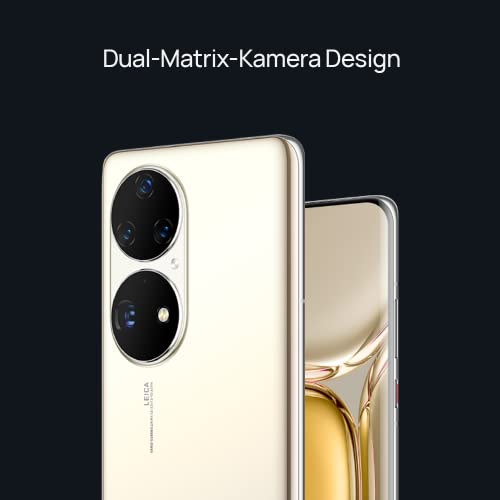
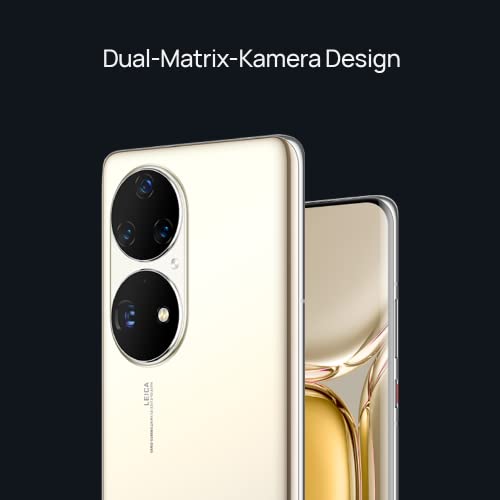
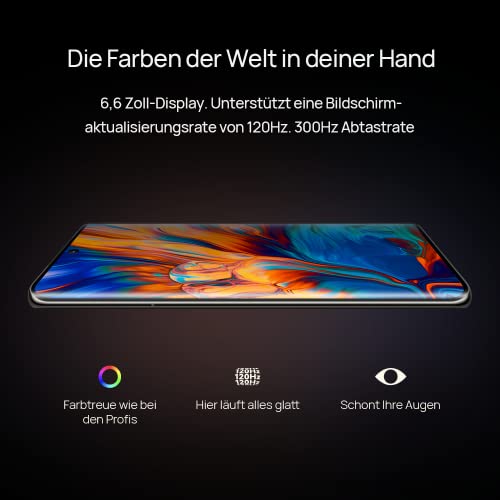
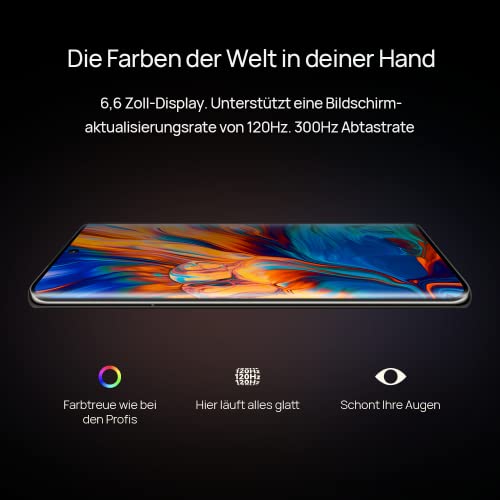
The Huawei P50 Pro is a hardware-focused flagship featuring a 6.6-inch 120Hz OLED display, Snapdragon 888 chipset, and a distinctive "Dual-Matrix" camera design. While offering top-tier photography, 66W wired charging, and ergonomic design, the device is limited to 4G connectivity and a 4,360mAh battery with only moderate endurance. Due to the lack of Google Mobile Services, the phone presents a challenging software experience for Western users, despite advancements in Huawei's AppGallery and Petal Search.
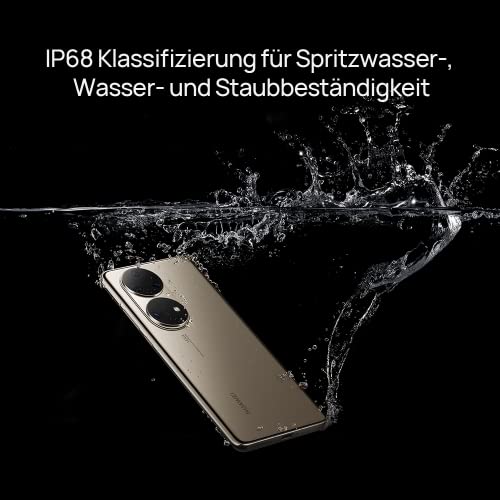
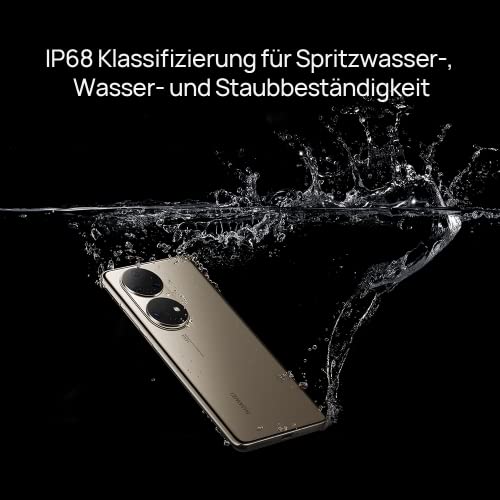
The Root-Nation review highlights the Huawei P50 Pro as a technically superior, premium device featuring a sleek design and an exceptional, camera-focused "Dual Matrix" design. Pros include an outstanding 120Hz OLED display, top-tier build quality with IP68 rating, and industry-leading photography capabilities. However, the device suffers from significant cons, specifically the absence of 5G connectivity and Google Mobile Services (GMS), alongside thermal throttling issues with the Snapdragon 888 4G chipset. Battery performance is considered mediocre, though partially offset by 66W fast charging, while the user experience is hampered by the reliance on Huawei’s AppGallery and EMUI 12, which lacks native Google apps. The review concludes that while the camera performance is stellar, the lack of 5G and GMS makes the high-priced flagship difficult to recommend for mainstream users. For the full, detailed analysis, visit Root-Nation.
The Android Central review describes the Huawei P50 Pro as a beautifully crafted, premium flagship featuring a 6.6-inch 120Hz OLED display and exceptionally fast 66W wired/50W wireless charging. The device excels in hardware design and photographic capabilities, utilizing a True-Chroma camera array and a 64MP periscope lens to produce detailed, high-quality images. Despite having a smaller 4,360mAh battery, the phone offers solid, all-day longevity through aggressive software management. However, the P50 Pro faces significant, "insurmountable" hurdles due to the lack of Google Mobile Services (GMS) and the absence of 5G connectivity. The review notes that for its €1,199 price, the reliance on a year-old Snapdragon 888 4G chipset makes it a difficult recommendation compared to modern 5G competitors. Ultimately, it is described as a "tough sell" that offers impressive hardware marred by software and connectivity limitations.
The HUAWEI P50 Pro is a high-end smartphone defined by a sharp contrast between its stellar imaging hardware and a deeply flawed user experience. On the hardware front, it features a unique "Dual-Matrix" design with an excellent Leica-branded quad-camera setup that excels in low-light photography and macro shots without requiring a dedicated night mode. The device boasts a 6.6-inch 120Hz OLED display and industry-leading 66W wired and 50W wireless charging capabilities. However, it is held back by outdated internal specifications, including a 4G-only Snapdragon 888 processor, a lack of 5G networking, and the absence of Wi-Fi 6E. The software experience is the device's primary drawback, as it continues to lack Google apps and services (GMS) due to ongoing trade restrictions. While HUAWEI’s EMUI 12 is visually polished, it is built on the older Android 11 and is described as being "ad-riddled" and bloated with intrusive marketing. Users face persistent full-screen ads in native apps, messy home screen suggestions, and a fragmented app installation process that requires jumping through multiple third-party hoops. Furthermore, HUAWEI has provided no quantifiable guarantee for long-term...
The Huawei P50 Pro is characterized by a refined, unique Dual-Matrix design featuring a 6.6-inch 120Hz OLED display that delivers exceptional color fidelity. Pros highlighted in the PhoneArena review include a stellar True-Chroma camera system, a highly capable 64MP periscope lens, and rapid 66W wired/50W wireless charging speeds. However, the device is severely constrained by the lack of 5G connectivity and Google Mobile Services due to sanctions. The 4G-only Snapdragon 888 chip runs warm, and the EMUI interface exhibits occasional performance, representing significant cons at a premium price point.
The Huawei P50 Pro is a high-end, premium-built flagship featuring a 6.6-inch 120Hz OLED display, an IP68 rating, and a Snapdragon 888 chipset that delivers excellent performance. Its camera system stands out with a 50MP main sensor, a 40MP monochrome lens, and a 64MP periscope telephoto, while supporting fast 66W wired and 50W wireless charging. However, the device is severely limited by a complete lack of Google Mobile Services, reliance on the AppGallery, and a 4G-only connection, making it a challenging recommendation despite its superior hardware.
According to the GSMArena review, Pro is a high-end, "frustratingly brilliant" Hz OLED display, -rated design, and a powerful camera system. While its photo quality, versatile zoom, and fast charging are major pros, it lacks Google G, chipset prone to thermal throttling., mAh battery offers only moderate endurance, making this premium-priced device a tough sell for users outside China despite its exceptional imaging performance.
The CNET review describes the Huawei P50 Pro as a hardware masterpiece with a stunning 6.6-inch 120Hz OLED display, a "luscious" design, and a top-tier camera system that excels in zoom performance. However, the device is severely crippled by the lack of Google services (no Gmail, Play Store) and 5G, with its App Gallery offering only limited options for Western users. Consequently, despite its excellent photography capabilities, CNET argues that the high cost, lack of 5G, and software limitations make the P50 Pro a device most users should not buy in favor of rivals like the Pixel 6 Pro.
AreaDVD describes the Huawei P50 Pro as a top-tier device featuring a 6.6-inch 120Hz OLED display, high-quality build with IP68 resistance, and a "Dual-Matrix" camera system. The quad-lens setup, powered by the True-Chroma Image Engine, delivers exceptional photographic performance with 3.5x optical zoom and detailed, natural colors. However, the review highlights significant limitations for Western users, specifically the lack of 5G connectivity and the absence of native Google Mobile Services, despite workarounds with AppGallery and Petal Search.
The IMTEST review of the Huawei P50 Pro highlights a device with a 6.6-inch 120Hz OLED display and a 50MP main camera, offering excellent photography but suffering from the lack of 5G and Google services. While the hardware is elegant and features IP68 protection, the camera system is the main highlight, delivering superb dynamic range and stabilization, though with minor, inconsistent color temperatures between lenses. Performance relies on a 4,360 mAh battery that charges quickly via 66W wired or 50W wireless, making it a powerful, albeit hampered, camera-focused flagship.
The Huawei P50 Pro is a high-end, 4G-only flagship boasting a 6.6-inch 120Hz OLED display and a premium, albeit slippery, design. Its camera system is considered top-tier, featuring a 64MP periscope lens that delivers excellent, high-detail imaging. Despite fast 66W charging, the device lacks 5G support and Google Mobile Services, limiting its usability outside of China. Key pros include exceptional, versatile camera performance and a premium build with an IP68 rating. Conversely, major cons are the absence of the Google Play Store and limited 4G connectivity at a high price point.
According to RP Online, the Huawei P50 Pro and P50 Pocket are top-tier hardware devices hindered by the lack of Google Mobile Services and 5G connectivity due to US sanctions. The P50 Pro shines with its "True-Form Dual-Matrix" camera system and 120Hz OLED display, while the P50 Pocket offers a superior clamshell design that folds completely flat. Despite their technical prowess, high price points—€1,199 for the Pro and up to €1,599 for the Pocket—combined with the reliance on alternative app services make them challenging to recommend to average consumers.
The Huawei P50 Pro features a 6.6-inch 120Hz OLED display, a Snapdragon 888 4G chipset, and a versatile quad-camera system (50MP main, 40MP mono, 13MP ultra-wide, 64MP telephoto). Key advantages include exceptional photo quality with realistic color reproduction, robust build quality with IP68 rating, and fast 66W wired/50W wireless charging. The device delivers loud stereo audio, though the Snapdragon 888 can face heating issues. Significant disadvantages stem from the lack of 5G connectivity and Google Mobile Services (GMS), necessitating reliance on Huawei's AppGallery or third-party workarounds for core apps. Furthermore, the 4,360mAh battery offers only average stamina compared to competing flagships. Despite these limitations, the P50 Pro remains a top choice for mobile photography enthusiasts. For a detailed breakdown of specifications, visit HUAWEI P50 Pro Specifications.
The Huawei P50 Pro stands out for its exceptional "Dual-Matrix" camera system, premium 6.6-inch 120Hz OLED display, and high-quality, lightweight design. Despite utilizing an older Snapdragon 888 processor, it provides competitive flagship-level performance. However, the device is significantly hindered by the lack of 5G connectivity and Google Mobile Services (GMS), relying instead on AppGallery, which requires navigating complex workarounds for standard apps. While the cameras offer stellar detail and fast 66W wired charging, the high price point makes it difficult to recommend in markets dependent on Google ecosystem services.
The Huawei P50 Pro is a high-end flagship that excels in hardware performance but faces significant regional software challenges. Featuring a 6.6-inch 120Hz OLED display, the device boasts a sleek design, Snapdragon 888 processor (limited to 4G), and very fast 66W wired/50W wireless charging. The quad-camera system is a primary highlight, offering top-tier color accuracy and a 64MP periscope lens with impressive 3.5x optical zoom. Despite these strengths, the absence of Google Mobile Services (GMS) is a major drawback, forcing reliance on the AppGallery, which results in a fragmented, ad-heavy experience. Furthermore, the lack of 5G support at a premium price point makes it difficult to recommend over competitors. Key pros include the exceptional camera, vibrant display, and fast charging, while the main cons are the missing GMS, lack of 5G, and high price.
The Huawei P50 Pro and P50 Pocket showcase exceptional, top-tier hardware, featuring advanced camera systems and premium designs, but are severely limited by the lack of Google Mobile Services (GMS). The P50 Pro shines as a photography powerhouse with a 50MP main sensor, while the P50 Pocket offers a unique foldable design that closes perfectly flat. Key advantages include 120Hz OLED displays, rapid 66W wired charging, and superior build quality. However, both devices are constrained to 4G connectivity despite using the Snapdragon 888 chipset. Critical drawbacks for both models include reliance on Huawei’s AppGallery, the P50 Pocket’s lack of wireless charging, and a high price point that makes them hard to recommend over competitors.
The Huawei P50 Pro is a "frustratingly brilliant" flagship featuring a premium design, a 6.6-inch 120Hz OLED display, and exceptional camera performance with a 50MP main sensor and 64MP periscope lens. While offering top-tier Snapdragon 888 performance, it is constrained by a lack of 5G and Google services, making it a difficult recommendation despite fast charging and a durable build. The device shines in photography, particularly in low light, but struggles with thermal management under heavy loads.
The Huawei P50 Pro is described as a hardware masterpiece featuring a stunning 6.6-inch 120Hz OLED display, exceptional build quality, and powerful Snapdragon 888 performance, yet it is hindered by the lack of 5G and Google Mobile Services. The camera system is lauded for its True-Chroma technology, delivering natural colors and excellent low-light photography, though the AI can sometimes over-process images. While supporting fast 66W wired and 50W wireless charging, the device suffers from only average battery life and heating issues under intense loads, paired with a reliance on AppGallery.
The La Tercera Mouse review highlights the Huawei P50 Pro as a technically superior device with an elegant, lightweight design and a standout 120Hz OLED display, though it is hampered by the lack of 5G connectivity and ongoing software restrictions. Its Leica-engineered camera system is described as exceptional, offering top-tier low-light performance and versatile, high-resolution zooming capabilities, despite occasionally inconsistent color fidelity. Ultimately, while the hardware is praised, the absence of native Google Mobile Services and reliance on AppGallery makes this, in the reviewer's opinion, a niche, high-cost option for photography enthusiasts.
The Pisapapeles review describes the Huawei P50 Pro as a "masterpiece of engineering" featuring a premium, lightweight design with a 6.6-inch 120Hz OLED display. Powered by a Snapdragon 888 4G chipset, the device provides flagship-level performance and supports rapid 66W wired and 50W wireless charging. The Dual Matrix camera system, co-engineered with Leica, is a highlight, producing vibrant, detailed images with a 50MP main sensor and 64MP periscope lens. However, noted cons include minor shutter lag, lack of a real-time HDR preview, and inconsistent, lower-quality performance from the ultra-wide lens in low light. While the battery life is solid, the lack of Google Mobile Services and 5G connectivity makes the phone a "frustratingly brilliant" but difficult recommendation for users outside China. The review concludes that despite top-tier hardware, the high price point is hard to justify without Google ecosystem support.
The Huawei P50 Pro stands out as a premium, ergonomic flagship featuring a sleek glass-and-metal design, IP68 water resistance, and a vibrant 6.6-inch 120Hz OLED display. Its core strengths include top-tier photography, powered by a Leica-engineered quad-camera system with a 50MP main sensor and 64MP periscope lens, alongside strong performance from the Snapdragon 888 4G chipset. However, the device is limited by the lack of 5G connectivity, underwhelming battery life, and the absence of Google Mobile Services (GMS), making it a high-performance, yet flawed, offering.
The Huawei P50 Pro is a high-end flagship that excels in industrial design and photography, featuring a 6.6-inch 120Hz OLED display, a Snapdragon 888 processor, and a Leica-partnered quad-camera system with 3.5x optical zoom. Pros include exceptional photo quality in various lighting conditions, fast 66W wired/50W wireless charging, and a premium, ergonomic, and slim design. However, significant cons include the lack of 5G connectivity and Google Mobile Services, along with a high price tag that makes it difficult to recommend outside of China despite its capable hardware.
The Huawei P50 Pro stands out for its exceptional 6.6-inch 120Hz OLED display, premium, ergonomic design, and top-tier camera system, according to the review. While the camera's Dual-Matrix setup and True-Chroma technology deliver outstanding, natural photos, the device suffers from being a 4G-only, Snapdragon 888-powered phone with no 5G. The lack of Google services and the reliance on Huawei’s ecosystem for apps, despite improvements to AppGallery and EMUI 12, make it a tough sell for Western users at its high price point.
The iGizmo.it review defines the Huawei P50 Pro as a "photographic spirit" hampered by geopolitical restrictions, noting its masterful design, 8.5mm profile, and 6.6-inch 120Hz OLED display. The sophisticated Dual-Matrix camera system features a 50MP main and 64MP periscope lens, offering exceptional low-light performance, though the ultra-wide lens displays inconsistent color temperatures. Despite its high-performance Snapdragon 888 4G chip, the €1,199 device is limited by a lack of 5G and Google Mobile Services, alongside only average battery life.
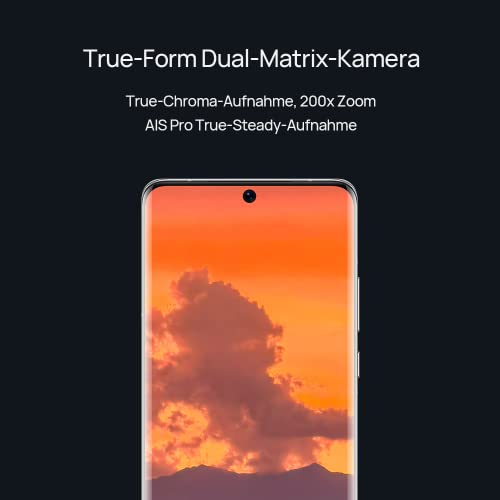
The Huawei P50 Pro features a Leica-engineered "True-Form Dual-Matrix" camera system, consisting of a 50MP main sensor, a 64MP periscope telephoto lens, a 13MP ultra-wide, and a 40MP monochrome sensor. The device is highly regarded for its exceptional image quality, particularly regarding dynamic range and low-light performance, alongside a versatile periscope lens that delivers superior, detailed zoom capabilities. However, the experience is hindered by significant limitations, including the lack of Google Mobile Services, 4G-only connectivity, and occasional color inconsistencies between the lenses. For more details, visit DXOMARK.
The Huawei P50 Pro, as reviewed by Saggiamente, offers a premium design with a 6.6-inch 120Hz OLED display that, while vibrant and comfortable to hold, can be difficult to read in direct sunlight. The Leica-engineered camera system is a key highlight, praised for its exceptional color accuracy, 50MP main sensor, and high-quality zoom capabilities. However, the experience is hindered by the lack of Google Mobile Services (GMS), no 5G, and a battery that, despite fast 66W charging, struggles under heavy use.
The Sky TG24 review highlights Huawei's P50 Pro, P50 Pocket, and Watch GT Runner as high-end hardware restricted by the lack of Google Mobile Services (GMS) and 5G. The P50 Pro shines with its "Dual-Matrix" camera system and 120Hz OLED screen, though it is limited by 4G, while the foldable P50 Pocket stands out for its gapless design and unique cover screen. The Watch GT Runner caters to runners with a lightweight 38.5g design, exceptional 14-day battery life, and accurate GNSS tracking, despite lacking third-party app support.
Corriere della Sera reviews the Huawei P50 Pro and P50 Pocket, highlighting top-tier photography, premium design, and 120Hz displays, but notes the absence of 5G and Google Mobile Services (GMS). The P50 Pro offers a superior camera system, while the P50 Pocket features a unique, stylish foldable design. The Huawei Watch GT Runner is highlighted as a lightweight (38.5g) device aimed at runners, featuring advanced TruSeen 5.0+ heart rate tracking and improved GPS via a "floating" antenna design. While praised for its 14-day battery life and comprehensive sports data, the watch has limited smart features compared to rivals. Despite "frustratingly brilliant" hardware, high launch prices (P50 Pro €1,199, P50 Pocket €1,299) make these devices hard to recommend, positioning them as tools for brand loyalists willing to use HarmonyOS and AppGallery. Corriere della Sera
The Huawei P50 Pro stands out for its exceptional industrial design, featuring a 6.6-inch 120Hz OLED display, premium build quality, and IP68 resistance. However, the global version is limited by the older Snapdragon 888 chipset, which is capped at 4G connectivity due to trade sanctions. The Leica-branded camera system is a major highlight, delivering top-tier photo quality with a 50MP main sensor and a highly capable 64MP telephoto lens, though the ultrawide camera underperforms in color fidelity. The most significant constraint is the lack of native Google Mobile Services (GMS), necessitating reliance on Huawei’s AppGallery, which often lacks essential banking and local apps. While the 4,360mAh battery offers average endurance, it is supported by fast 66W wired and 50W wireless charging. Due to the high price, lack of 5G, and software limitations, the device remains a hard sell despite its excellent hardware.
The Huawei P50 Pro is recognized for its premium design, featuring a slim, lightweight build and a 6.6-inch 120Hz OLED display. Key advantages include its exceptional color accuracy and a unique "dual-matrix" camera setup, though video quality is noted to lag slightly behind top competitors. Performance is driven by the Snapdragon 888 chipset, providing,, fast, flagship-level functionality, yet it is restricted to 4G connectivity. The device also delivers reliable battery life, supported by rapid 66W wired and 50W wireless charging. The primary limitations highlighted are the absence of 5G and the lack of Google Mobile Services (GMS), which represent significant,,drawbacks for many users. Despite these software,,constraints, the camera system is praised for its high-quality,,low-light,,photography and versatile zoom capabilities.
The Huawei P50 Pro is identified as a premier 'cameraphone' featuring advanced Huawei XD optics and a 10-channel multispectral sensor, paired with a 6.6-inch 120Hz OLED display. Key pros include exceptional day/night image quality, premium build with IP68 water resistance, and fast 66W wired charging. Performance is driven by a Snapdragon 888 processor, though the device suffers from major limitations due to trade restrictions, specifically the lack of 5G connectivity. Furthermore, the EMUI 12 interface lacks Google Mobile Services (GMS), requiring reliance on AppGallery and Petal Search for apps. Galeazzi concludes that while the camera hardware is exceptional, the €1,199 price is difficult to justify without GMS and 5G. The phone features good stereo sound and, despite being a 'frustratingly brilliant' device, remains a strong contender for existing, dedicated Huawei users.

Compare