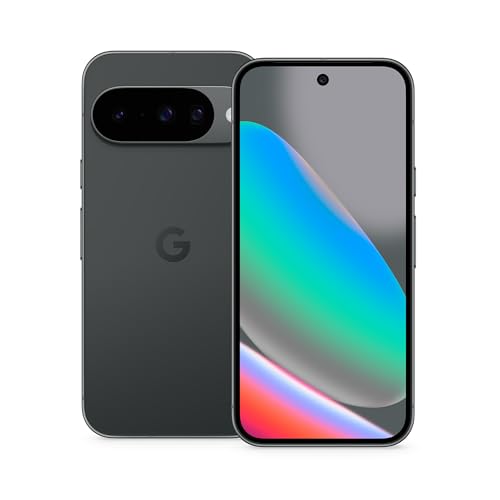
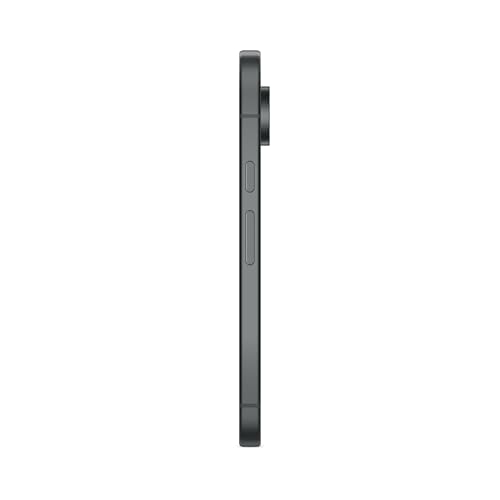
Google Pixel 10 (12GB + 128GB) review. Compare 197 technical specifications and user reviews to see how this product ranks in the Smartphones category and whether it is worth buying.
Overall score
What it is: An overall evaluation of the smartphone's quality, based on technical analyses and user reviews.
When it matters: When you need a quick reference to identify the best smartphones on the market.
Score components:
90.0%
Technical Score
10.0%
User score
Technical Score
What it is: An assessment of the smartphone's technical performance, covering eight key areas: performance & hardware, software, camera, connectivity, display, battery, audio, and design.
When it matters: When you want to compare smartphones based on technical performance and available features.
Score components:
25.0%
Performance & Hardware
18.0%
Camera
15.0%
Display
15.0%
Battery
10.0%
Software
10.0%
Connectivity
4.0%
Audio
3.0%
Design
User score
What it is: A rating that combines user reviews and the total number of reviews received by the smartphone
When it matters: When you want to know how a smartphone handles daily tasks and how reliable it remains over time according to user feedback.
Score components:
70.0%
User reviews
30.0%
Popularity







Available: ranking among products currently available (including other versions of this product).
All: ranking among all products in the database.
#8 in Best Google Phones
#35 in Best Mid-Range Smartphones
#58 in Best Android Smartphones
#64 in Best Smartphones
#64 in Best NFC Smartphones
#64 in Best 5G Smartphones
#64 in Best AI Smartphones
#184 in Best Camera Smartphones
#307 in Best Value Smartphones
#510 in Best Battery Life Smartphones
What it is: An assessment of the smartphone's technical performance, covering eight key areas: performance & hardware, software, camera, connectivity, display, battery, audio, and design.
When it matters: When you want to compare smartphones based on technical performance and available features.
Score components:
25.0%
Performance & Hardware
18.0%
Camera
15.0%
Display
15.0%
Battery
10.0%
Software
10.0%
Connectivity
4.0%
Audio
3.0%
Design
What it is: A rating that combines user reviews and the total number of reviews received by the smartphone
When it matters: When you want to know how a smartphone handles daily tasks and how reliable it remains over time according to user feedback.
Score components:
70.0%
User reviews
30.0%
Popularity
What it is: An indicator that combines the smartphone's overall rating with its cost.
When it matters: When you are looking for a smartphone with a good balance between quality and price.
Score components:
60.0%
Overall score
40.0%
Price
Importance: LOW
Importance: HIGH
Importance: HIGH
Good value: >12 GB
Importance: MEDIUM
Good value: >256 GB
Importance: MEDIUM
Good value: >3.2 GHz
Importance: LOW
Importance: MEDIUM
Good value: >1500
Importance: LOW
Good value: >4000
Importance: LOW
Good value: 8+
Importance: LOW
Importance: LOW
Good value: >950 MHz
Importance: LOW
Good value: >700
Importance: LOW
Good value: >1000
Importance: LOW
Good value: >2500
Importance: MEDIUM
Good value: >6000
Importance: LOW
Good value: >8000
Importance: MEDIUM
Good value: >12000
Importance: LOW
Good value: >5000
Importance: LOW
Good value: >1800
Importance: LOW
Good value: >3200 MHz
Importance: LOW
Good value: 5
Importance: LOW
Good value: > 50 GB/s
Importance: LOW
Good value: 4
Importance: LOW
Good value: >16 GB
Importance: MEDIUM
Good value: <6 nm
Importance: MEDIUM
Good value: >9 W
Importance: LOW
Importance: LOW
Good value: >8192 KB
Importance: LOW
Good value: >2048 KB
Importance: LOW
Good value: >512 KB
Importance: LOW
Good value: >100000 million
Importance: LOW
Good value: 3.3
Importance: LOW
Good value: 3.2
Importance: LOW
Good value: 2.0/3.0
Importance: LOW
Importance: LOW
Importance: LOW
Importance: MEDIUM
Importance: LOW
Importance: LOW
Importance: LOW
Importance: LOW
Importance: LOW
Importance: LOW
Importance: LOW
Importance: LOW
Importance: LOW
Importance: LOW
Importance: LOW
Importance: LOW
Importance: LOW
Importance: LOW
Importance: LOW
Importance: LOW
Importance: LOW
Importance: LOW
Importance: LOW
Importance: LOW
Importance: LOW
Importance: LOW
Importance: LOW
Importance: LOW
Importance: LOW
Importance: LOW
Importance: LOW
Importance: LOW
Importance: LOW
Importance: LOW
Importance: LOW
Importance: LOW
Importance: LOW
Importance: MEDIUM
Good value: >50 MP
Importance: MEDIUM
Importance: HIGH
Good value: >60
Importance: LOW
Good value: ≥1.2 µm
Importance: MEDIUM
Good value: >2.5x
Importance: MEDIUM
Importance: LOW
Importance: LOW
Importance: LOW
Importance: LOW
Good value: ≥2
Importance: LOW
Importance: LOW
Importance: LOW
Importance: LOW
Good value: >16 MP
Importance: LOW
Importance: LOW
Importance: LOW
Importance: LOW
Importance: MEDIUM
Importance: LOW
Importance: LOW
Importance: LOW
Importance: LOW
Importance: LOW
Importance: LOW
Importance: LOW
Importance: LOW
Importance: LOW
Importance: LOW
Importance: LOW
Importance: LOW
Importance: LOW
Importance: LOW
Importance: LOW
Importance: LOW
Importance: LOW
Importance: LOW
Importance: LOW
Importance: LOW
Importance: LOW
Good value: >130
Importance: LOW
Good value: >120
Importance: LOW
Good value: ≥2
Importance: LOW
Importance: LOW
Importance: LOW
Importance: LOW
Importance: LOW
Importance: LOW
Good value: >5.2
Importance: LOW
Importance: LOW
Importance: LOW
Importance: LOW
Good value: 3.1/3.2
Importance: LOW
Importance: LOW
Importance: LOW
Good value: ≥2
Importance: LOW
Importance: LOW
Importance: LOW
Importance: LOW
Importance: LOW
Importance: LOW
Importance: LOW
Importance: LOW
Importance: LOW
Importance: LOW
Importance: LOW
Importance: LOW
Importance: LOW
Importance: LOW
Importance: LOW
Importance: LOW
Good value: ≥6.6 inches
Importance: MEDIUM
Importance: LOW
Good value: >400 ppi
Importance: MEDIUM
Importance: MEDIUM
Good value: ≥120 Hz
Importance: LOW
Importance: LOW
Good value: >300 Hz
Importance: LOW
Good value: >800 nits
Importance: LOW
Good value: >1300 nits
Importance: LOW
Good value: >1000 nits
Importance: LOW
Importance: LOW
Importance: LOW
Importance: LOW
Importance: LOW
Importance: LOW
Importance: LOW
Importance: LOW
Importance: HIGH
Good value: >5000 mAh
Importance: MEDIUM
Good value: >60 W
Importance: LOW
Importance: LOW
Good value: <45 min
Importance: LOW
Importance: LOW
Good value: >40 W
Importance: LOW
Importance: LOW
Good value: >10 W
Importance: LOW
Importance: LOW
Importance: MEDIUM
Importance: LOW
Good value: >800
Importance: LOW
Importance: LOW
Importance: LOW
Importance: LOW
Importance: LOW
Good value: ≥3
Importance: LOW
Importance: LOW
Importance: LOW
Importance: LOW
Importance: LOW
Importance: LOW
Importance: LOW
Good value: <162 mm
Importance: LOW
Good value: <75 mm
Importance: LOW
Good value: <8 mm
Importance: LOW
Good value: <190 g
Importance: LOW
Good value: <98cm³
Importance: LOW
Importance: LOW
Importance: LOW
Importance: LOW
Importance: LOW
Importance: LOW
Good value: ≥1.5 m
Importance: LOW
Importance: LOW
Good value: >8
Importance: LOW
Importance: LOW
Importance: MEDIUM
Good value: >2.5x
Importance: MEDIUM
Importance: MEDIUM
Good value: <6 nm
Importance: MEDIUM
Good value: >3.2 GHz
Importance: LOW
Importance: LOW
Good value: >800 nits
Importance: LOW
Importance: LOW
Importance: MEDIUM
Good value: >256 GB
Importance: LOW
Good value: ≥6.6 inches
Importance: LOW
Importance: MEDIUM
Good value: >50 MP
Importance: LOW
Importance: HIGH
Good value: >60
Importance: LOW
Importance: LOW
(Reviews last updated: August 2026)
(Reviews last updated: August 2026)
According to Android Headlines, the Google Pixel 10 is the most significant year-over-year upgrade for a base model, highlighted by a new 5x telephoto lens, a 3,000-nit display, and Qi2 wireless charging. The device features the 3nm Tensor G5 chip, which improves efficiency and powers AI tools like Magic Cue, running on Android 16 with a seven-year update guarantee. Despite these advancements, cons include average battery life, slow 30W charging, and the removal of the physical SIM tray, though it remains a top-value flagship at $799.
The Google Pixel 10 is described as a "perfectly fine" flagship, featuring a 6.3-inch display with a 3,000-nit peak brightness and the addition of a dedicated telephoto lens and Qi2 magnetic charging. Powered by the Tensor G5 chip, the device offers improved multitasking, better thermals, and an upgraded ultrasonic fingerprint reader. However, compromises include a downgrade in main camera sensors compared to the Pro model, the removal of a physical SIM tray in the US, and a non-variable refresh rate.
The Google Pixel 10 is established as a new benchmark for standard-model flagships, offering a high-quality 5x telephoto camera, vibrant 6.3-inch screen, and polished design at a £799 price point. Powered by the Tensor G5 chip, the device delivers a snappy experience with new AI tools like Magic Cue and Camera Coach, alongside improved, long-lasting battery life. However, key drawbacks include the Tensor G5’s raw performance trailing competitors, less secure facial recognition, and the omission of a physical SIM card slot in the US model.
Paul Thurrott’s review identifies the Google Pixel 10 as the "sweet spot" of the lineup, balancing premium build quality, a versatile camera system, and integrated AI features. The device features a nearly perfect 6.3-inch display and, as a significant pro, introduces a 5x telephoto lens and Qi2 magnetic charging. While offering a high-end feel, the base model lacks advanced features like Video Boost and Night Sight Video, and is limited to 20x digital zoom. Powered by the Tensor G5 chip, the phone delivers smooth, responsive performance for daily tasks and gaming without major heat issues. However, the audio quality is less balanced than the Pro XL model, and the device has a slightly high $799 starting price, which Thurrott suggests offsetting with frequent sales. Overall, it is considered a strong, recommended option for those seeking a premium experience in a smaller form factor.
The Google Pixel 10 is characterized as a solid, iterative update offering notable hardware upgrades like a new telephoto lens on the base model and a larger battery that provides a full day of use. While performance is strong and AI tools run efficiently, the review notes that the device can get slightly warm during extended use. Key pros include the improved camera hardware, which maintains high-quality photo performance, and the inclusion of Qi2 wireless charging, according to the Mashable review. However, the review highlights cons such as the incremental nature of new AI features, which are described as often unnecessary, making the upgrade less compelling for recent model owners. Ultimately, the Pixel 10 delivers a strong, balanced experience but may not justify an upgrade for users of recent predecessors, per Mashable. The added telephoto lens is considered a major highlight, even if it comes with lower megapixels on other sensors.
According to a Galaxus review, the Google Pixel 10 is presented satirically as a "quantum leap" with a distinctive "Terminator-level" camera bump and a return of the indigo blue color. The review highlights Google's focus on AI and software integration to differentiate the device in a market where hardware innovation has plateaued. The Pixel 10 offers reliable battery life, seven years of software updates, a telephoto camera in the base model, and PixelSnap (Qi2) magnetic compatibility. However, drawbacks include an increasing price, potential hardware failure before software support ends, and the Tensor G5 chip lagging competitors in power and thermal efficiency, occasionally overheating.
The 9to5Google initial review characterizes the Pixel 10 as a refined yet "constrained" upgrade, highlighting a brighter Actua display and the introduction of a Pixelsnap magnetic accessory system. While offering solid daily performance with the Tensor G5 chip, the device faces criticism for its high $799 price point and the omission of a physical SIM slot in the US. Despite adding a 5x telephoto lens, the main and ultrawide sensors are noted as being identical to cheaper alternatives, and charging speeds remain slow.
According to an Engadget hands-on review, the base Google Pixel 10 closes the gap with its Pro counterparts by including a 5x optical zoom telephoto lens and features the new Tensor G5 chip, although real-world gaming performance trails some competitors. Notable improvements include the addition of Pixelsnap for magnetic wireless charging, a brighter 3,000 nits display, and a larger 4,970mAh battery, while downsides include the lack of LTPO display technology, 30W wired charging, and the removal of the physical SIM tray in US models.
Ars Technica reviewed the Google Pixel 10 series, describing it as the "iPhone of Androids" due to its polished user experience, moving away from traditional Android customization. The 2025 lineup includes the Pixel 10 ($799), Pixel 10 Pro ($999), and Pixel 10 Pro XL ($1,199), featuring the new TSMC-manufactured Tensor G5 chip and Qi2 magnetic charging. The series is praised for industry-leading photography, a clean "Material Expressive" interface without bloatware, and a guarantee of seven years of OS and security updates. Criticisms include the removal of the physical SIM card slot in U.S. models, the Tensor G5's performance lagging in high-end gaming, slower charging speeds, and perceived forced integration of AI features like Pixel Journal and Voice Translate. Aggressive AI use in photography now includes automatic C2PA labeling for AI-edited images.
PhoneArena reports that the Google Pixel 10 introduces a dedicated 5x telephoto camera and the new Tensor G5 chip, closing the gap with the Pro series. The device features a brilliant 6.3-inch OLED display with 3,000 nits peak brightness and runs Android 16 with a 7-year software update commitment. However, the review notes the Pixel 10 lags behind competitors in raw performance, struggles with overheating during heavy gaming, and offers a stingy 128GB base storage for its $799 price point.
IGN's review describes the Google Pixel 10 as a "good phone" that doesn't significantly advance the series, noting iterative internal upgrades and a Tensor G5 chip with modest gains but thermal issues during demanding tasks. While the camera system introduces a 5x telephoto lens to the base model, it uses lower-quality sensors than the Pixel 9, resulting in mixed low-light performance, and new AI features were found to be inconsistent. Pros include reliable battery life, a 120Hz OLED display, and 7 years of software updates, but cons like poor thermal management, lack of a physical SIM tray in the US, and a high price make it hard to recommend over alternatives.
According to a six-month review, the Google Pixel 10 is described as an iterative but highly polished device that serves as a brilliant daily driver, powered by the Tensor G5 chip and 12GB of RAM for a snappy experience. Key advantages highlighted include the addition of a 5x optical telephoto lens on the base model, making it a strong value proposition compared to competitors, its best-in-class hardware design with unique color options, a super-bright 6.3-inch Actua display with 3,000 nits peak brightness, and the introduction of PixelSnap magnetic charging. However, drawbacks include battery life that lags behind newer technologies and slower charging speeds compared to rival flagships, despite supporting 30W fast charging.
PCMag reviews as an "affordable flagship" bridging the gap between standard and Pro models, highlighting its top-class hardware, bright OLED display, MP x optical zoom as key pros. Cons include battery life that trails competitors, limited storage options, and the removal of the physical SIM tray in US models. Despite these drawbacks, the review an excellent alternative for users seeking core Google features without the Pro model's premium, retaining water resistance, Pixelsnap charging, and seven years of software updates.
CNN Underscored describes the Google Pixel 10 as a compelling choice with a sleek design, vibrant color options, and comfortable weight, highlighting its new Pixelsnap magnetic accessory support. The review praises its impressive battery life of over 19 hours and a camera system enhanced by a 5x telephoto lens and helpful AI tools like Camera Coach and Magic Cue. However, drawbacks include the Tensor G5 chip lagging behind competitors, slightly reduced megapixel counts in the primary and ultrawide cameras compared to its predecessor, lack of a physical SIM slot in US models, and slower 30W wired charging.
Connect.de's review of highlights a premium build with a matte glass back -inch OLED Actua display (3, nits). Key improvements include a new triple camera MP x optical zoom and the "Pixelsnap" magnetic charging., the device introduces enhanced on-device AI tools like "Camera Coach" and "Magic Cue". www.connect.deDespite these upgrades, the review lacks certain "Pro" features, x digital zoom, and Hz display, which is less power-efficient. While improves performance, it still lags behind competitors Elite in raw power. Additionally, wireless charging W, slower than the Pro XL model.
The Google Pixel 10 closes the gap with the Pro model by introducing a 5x telephoto camera, a brighter 3,000-nit OLED screen, and Pixelsnap magnetic charging. It features the 3nm Tensor G5 chip, which offers significant speed gains and enhanced AI features like Magic Cue and Camera Coach, supported by seven years of software updates. However, the device faces criticism for a downgraded 13MP ultrawide sensor, slower charging speeds, and a non-LTPO display that limits battery efficiency.
According to the Spiegel review, the Google Pixel 10 and 10 Pro XL are defined as "AI motherships," deeply integrating advanced artificial intelligence with refined internal hardware despite a largely familiar design. Key advantages include a stable, wide camera bar and the introduction of magnetic "Pixelsnap" charging, though the camera app's navigation may challenge some users. While the camera excels at color accuracy, the 100x zoom produces inferior results, requiring heavy AI processing. SpiegelThe Tensor G5 chip offers improved 3nm efficiency, boosting AI performance and battery life, with the Pro model achieving over 14 hours in testing. Displays now reach 3,300 nits, providing excellent outdoor visibility. However, the Tensor G5 still falls behind competitors in heavy gaming, and the lack of a physical SIM in some regions is a drawback.
The Google Pixel 10 Pro features the TSMC-manufactured Tensor G5 chip, delivering significant performance gains in speed and AI processing. The device introduces the Pixelsnap magnetic charging system, aligning it with Qi2 standards for improved accessory compatibility. Key strengths include a highly bright 6.3-inch Super Actua display, advanced 100x Pro Res Zoom, and the AI-driven Camera Coach for enhanced photography. However, the Tensor G5 still falls behind competitors like Apple and Qualcomm in intensive gaming, despite its improvements. Battery life is noted as solid but not class-leading, lagging behind the iPhone 16 Pro and Galaxy S25+ in tests. Additionally, the lack of physical SIM trays in certain regions and no expandable storage limit hardware flexibility.
The Google Pixel 10 introduces significant refinements, featuring the Tensor G5 chip, a 6.3-inch OLED display with 3,000 nits peak brightness, and Pixel Snap (Qi2) magnetic charging. Key advantages include advanced AI capabilities like Voice Translate and Magic Cue, a top-performing camera with a 50MP main sensor, and7 years of software support. While faster than its predecessor, the Tensor G5 lags behind competitors in raw performance, and the device faces criticism for only moderate battery life, high starting prices, and the lack of a physical SIM slot.
In a humorous review, Galaxus identifies the Google Pixel 10 as a highly polished device with a "Terminator-level" design, featuring a 6.3-inch OLED display and a 5x telephoto camera now included in the base model. Pros include the new 10.8 MP telephoto lens, the Pixelsnap magnetic system, and seven years of software support. However, cons involve the Tensor G5 chip trailing competitors in gaming performance, potential for "AI slop" in image generation, and a price increase.
The Capital.fr review describes the Google Pixel 10 as a compact 6.3-inch device priced around €900, focusing on a balance of improved, "smart" features rather than raw power. Key pros include the addition of a dedicated telephoto lens for better photography and a 60% efficiency boost in AI tasks from the new Tensor G5 chip. Conversely, cons include a thicker camera bar and a, perhaps, disappointing lack of raw, benchmark-breaking performance for enthusiasts. Ultimately, the review portrays the device as a polished, user-focused experience, though one that prioritizes everyday utility over top-tier technical specifications.
The Google Pixel 10 offers a refined, iterative update featuring a 6.3-inch OLED display with 3,000 nits peak brightness and a versatile camera system now including a 5x telephoto lens. Powered by the Tensor G5 chip, it introduces Qi2 magnetic charging, although battery endurance remains a weak point, with sluggish 30W charging requiring roughly 90 minutes for a full charge. While lauded for its clean Android 16 experience and seven years of updates, the device faces criticism for its lack of low-refresh-rate scaling and the removal of the physical SIM tray in some markets.
Frandroid's review rates the Google Pixel 10 an 8/10, highlighting it as a versatile flagship with a bright 3,000-nit, 6.3-inch display and new Qi2 magnetic charging. The phone features a 5x telephoto lens previously reserved for Pro models, though this comes with lower megapixel counts on other sensors. While the Tensor G5 chip powers advanced AI features, its raw performance lags behind competitors in heavy gaming. Despite offering 7 years of software updates, the device is held back by average battery life, slow 30W charging, and 128GB base storage using older, slower tech. It is recommended as a strong, compact option for, users focused on camera capabilities rather than extreme performance.
The Google Pixel 10 introduces the TSMC-manufactured Tensor G5 processor, boasting 34% faster CPU speeds, 60% better AI performance, a 3,000-nit 6.3-inch display, and new color options. It features a refined triple-camera setup with a 10.8MP 5x telephoto lens, introduces Magic Cue AI tools, and supports Qi2 magnetic charging. While offering a 7-year update guarantee, the device faces criticism for, among other things, battery life that lags behind competitors and a downgrade to Wi-Fi 6E. Read more details at The Guardian.
In his six-month review, Mark Ellis identifies the Google Pixel 10 as a compelling, minorly updated flagship featuring significant hardware upgrades like a 5x telephoto lens and Qi2-certified Pixelsnap magnetic charging. The device excels with a vibrant 3,000-nit Actua display and a smooth Android 16 experience driven by AI features such as Magic Cue and Camera Coach. Mark Ellis ReviewsPros highlighted include the stylish design, versatile camera system, and user-friendly, bloat-free software. Key cons, however, focus on the relatively modest battery life compared to newer, rival technologies and the stingy 128GB base storage. Furthermore, the Tensor G5 chip, while optimized for AI, lacks the raw power of Qualcomm’s flagship alternatives.
The Google Pixel 10 review from Andro4all highlights a significant shift, positioning the standard model with "Pro" capabilities, notably through the inclusion of a 5x telephoto lens and the TSMC-manufactured Tensor G5 chip. Key advantages include a highly bright 3,000-nit OLED display, the introduction of Qi2 magnetic charging, and a seven-year software support promise. However, the device faces criticism for its 128GB base storage, reliance on eSIM in certain regions, and performance that still trails the Snapdragon 8 Elite in raw benchmarks.
The Tom’s Hardware review characterizes the Google Pixel 10 as a refined flagship focusing on practical upgrades, featuring a TSMC-manufactured Tensor G5 chip that significantly improves thermal management and efficiency. The device boasts a premium design with a matte aluminium frame and durable Gorilla Glass Victus 2, marking a high-end feel. Key camera improvements include a 10.8MP telephoto lens with 5x optical zoom and new AI tools like Magic Cue and Camera Coach, while the addition of Qi2 magnetic charging enhances accessory compatibility. However, the review highlights drawbacks, such as the 128GB base storage being insufficient for a modern flagship and the display lacking 1Hz LTPO technology. While the Tensor G5 excels in AI tasks, its raw performance still trails behind competitors like the Snapdragon 8 Elite in gaming, notes the review. The screen is limited to a 60–120Hz range, falling short of the more advanced, battery-efficient panels on Pro models.
In a review for Galaxus, Michelle Brändle highlights the Google Pixel 10's "Terminator-level" design, featuring a 5x optical telephoto lens and the introduction of Pixelsnap, a Qi2-based magnetic charging system. While the Tensor G5 chip delivers smooth performance and solid battery life for daily use, it falls behind competitors in benchmarks and tends to heat up during gaming. Despite promising seven years of software updates, the device faces criticism for a roughly 100-euro price increase and inconsistent, heavily processed AI image generation.
The Altroconsumo review of the Google Pixel 10 highlights a high-performing 6.3-inch compact flagship powered by the Tensor G5 chip, featuring a bright 3,000-nit OLED display and robust AI capabilities. Key strengths include a refined build with Gorilla Glass Victus 2, the introduction of a triple-lens camera system with 5x optical zoom on a non-Pro model, and the addition of Qi2 magnetic charging. However, the review notes drawbacks, including a 128GB base storage option deemed insufficient for the price point and a 204g weight that makes it heavier than some rivals. While the 4,970 mAh battery provides reliable, all-day performance, it does not significantly outperform previous models, and the lack of an LTPO panel limits its power efficiency.
The anticipated Google Pixel 10, utilizing a 3nm Tensor G5 chip manufactured by TSMC, is projected to fix previous thermal issues and provide superior processing power and battery life. While the device maintains top-tier computational photography, it faces a significant disadvantage in slow charging speeds compared to Chinese competitors. The refined design and seven-year software support make it a strong contender for the "smartest" phone, although potential drawbacks include a higher premium price and limited, subscription-based AI features.
The Multiplayer.it review characterizes the Google Pixel 10 as a highly convincing, premium flagship that bridges the gap between standard and Pro models, highlighting the addition of a 10.8MP telephoto sensor for 5x optical zoom as a key upgrade. Performance is driven by the 3nm Tensor G5 chip and 12GB of RAM, enabling advanced on-device AI features like Magic Cue. While the 4970 mAh battery provides reliable daily endurance, the device lacks LTPO display technology and sees reduced pixel counts on sensors compared to its predecessor. Other compromises include the removal of reverse wireless charging and the lack of a physical SIM slot in certain regions.
According to the DDay.it review, the Google Pixel 10 offers a mixed experience with significant hardware improvements, such as the efficient TSMC-manufactured Tensor G5 chip, the addition of a 5x telephoto lens to the base model, and Qi2 charging. However, the device suffers from a notable downgrade in the ultrawide camera sensor (now 13MP) and underwhelming gaming performance, with titles like Fortnite struggling to hit 60 fps. While the 6.3-inch Actua display is bright, the lack of a 1Hz variable refresh rate and the absence of day-one software fixes represent missed opportunities. Ultimately, the device is characterized as an unpolished, AI-focused, "entry-level" flagship.
Andrea Galeazzi's review positions the Pixel 10 as a compact, premium flagship that bridges the gap with Pro models by introducing a 5x telephoto lens and the efficient Tensor G5 chip. The device features a refined design with a matte aluminum frame, a vibrant 6.3-inch OLED display reaching 3,000 nits, and Qi2 magnetic charging (Pixel Snap). Software longevity is guaranteed with 7 years of updates, while performance improvements over previous generations are noted, even if it falls short of top-tier gaming rivals.
The ITdaily.be review describes the Google Pixel 10 as a refined, solid entry-level flagship rather than a major innovation, highlighting its compact 6.3-inch AMOLED display with 3,000 nits peak brightness. While praising the premium feel and 120Hz refresh rate, the review notes the lack of an LTPO panel for better efficiency. Performance is driven by the new TSMC-manufactured Tensor G5 chip, which handles daily tasks well, but the review highlights a significant weakness in the Imagination Technologies GPU, which performs poorly in benchmarks compared to rivals. Key pros include the introduction of Pixelsnap (Qi2-based magnetic charging) and a 5x optical zoom camera, although the camera system takes a step back with a 13 MP wide-angle lens, down from 48 MP on the previous model. Wired charging remains slow at 30W, taking over 50 minutes to reach 80%. Ultimately, priced at €899 with 7 years of updates, the review concludes the Pixel 10 is a reliable but safe choice that falls behind in graphics and battery endurance compared to competitors.
The Google Pixel 10 series is described as a safe, iterative update for its 10th anniversary, featuring the more efficient TSMC-manufactured Tensor G5 chip and optimized Android 16, though many touted AI features remain limited or inconsistent. While the Pixel 10 Pro XL retains top-tier photography and a high-brightness display, the base model surprisingly features downgraded camera sensors compared to its predecessor. Key advantages include superior build quality, consistent camera performance, and a seven-year update policy, offset by disappointing battery life and high,,,, prices.
The Google Pixel 10 is characterized as a refined "entry-level" flagship featuring a triple-camera system with a 5x telephoto lens and the new Tensor G5 chip, which brings it closer to the Pro model's performance. The 6.3-inch Actua display offers 3,000 nits of brightness, and the phone supports Pixelsnap (Qi2) magnetic charging, providing a smooth user experience with a distinctive, compact design. However, the review highlights significant limitations, specifically the 128GB base storage and a display that lacks the LTPO technology found in the Pro, restricting refresh rates to between 60Hz and 120Hz. While the Tensor G5 is efficient, it does not match the raw performance of competitors like the Snapdragon 8 Elite, positioning it as a capable yet compromised option.
The Google Pixel 10 introduces significant hardware upgrades, including a 10.8MP 5x periscope telephoto lens on the base model and the TSMC-manufactured 3nm Tensor G5 chip for improved efficiency. The device boasts a 3,000-nit peak brightness display and adopts Qi2 magnetic charging ("Pixelsnap") for MagSafe-style accessory compatibility. Furthermore, users gain long-term support with seven years of software updates and on-device AI tools like Camera Coach. Despite these improvements, the Pixel 10 features a relatively slow 30W wired charging speed compared to competitors, and the 4,970mAh battery offers solid but not top-tier endurance. The 128GB base storage is considered limited for a flagship, and US models move to an eSIM-only design, removing the physical SIM tray. Key strengths include a versatile triple-camera system, a very bright display, and excellent software longevity. However, drawbacks like slow charging and, in certain regions, lack of a physical SIM slot may be considerations for buyers. DismissMore input optionsMicrophoneStopStartSendAsk about

Compare