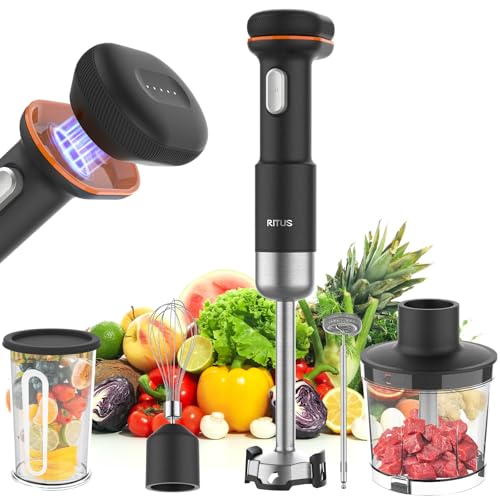
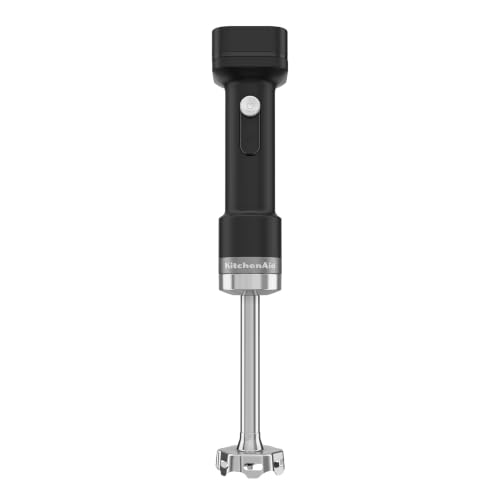
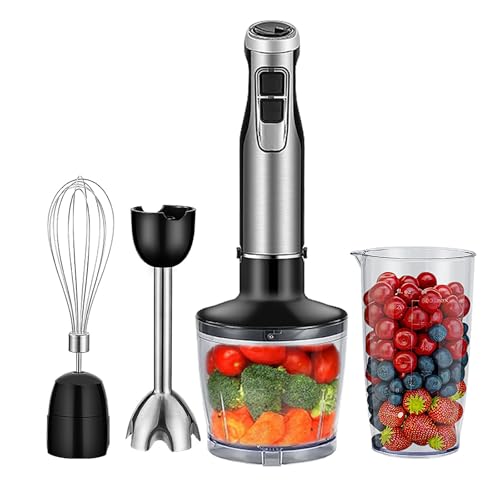
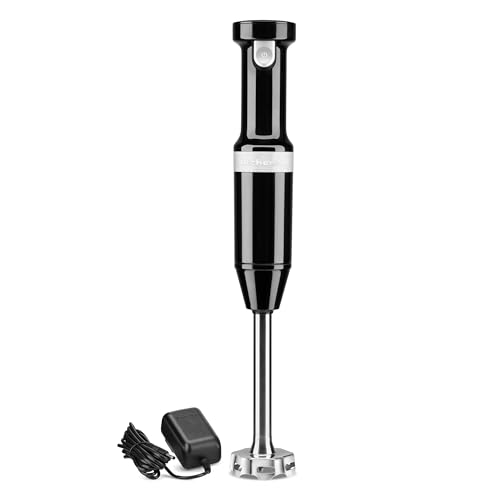
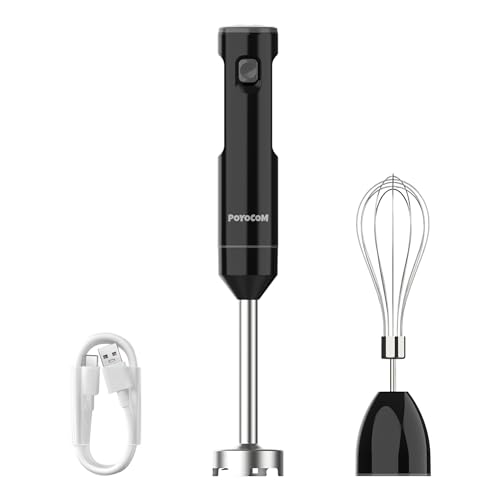
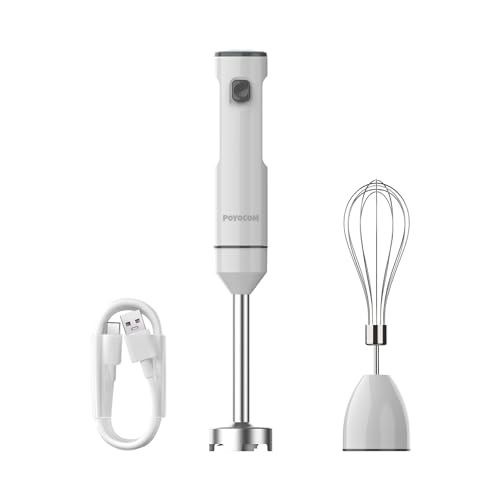
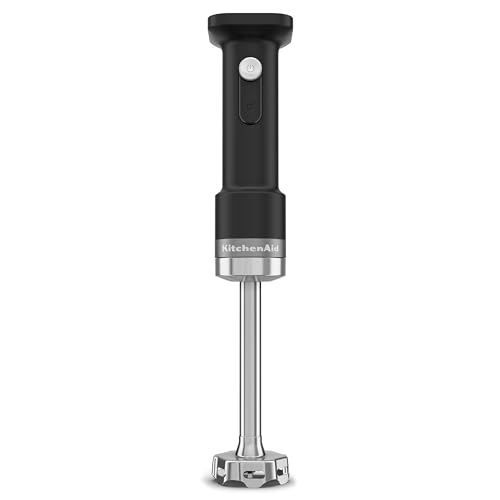
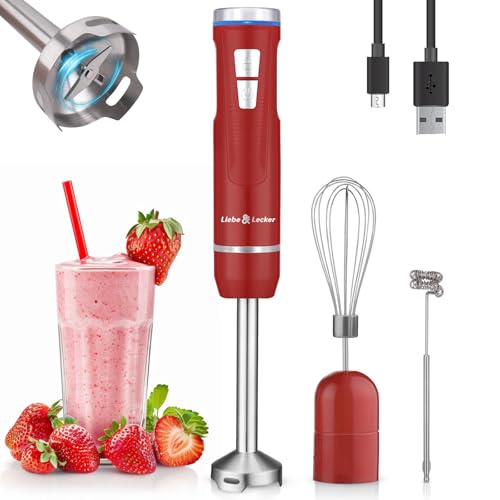
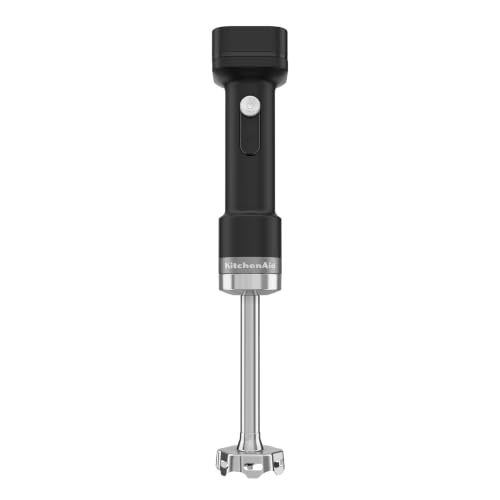
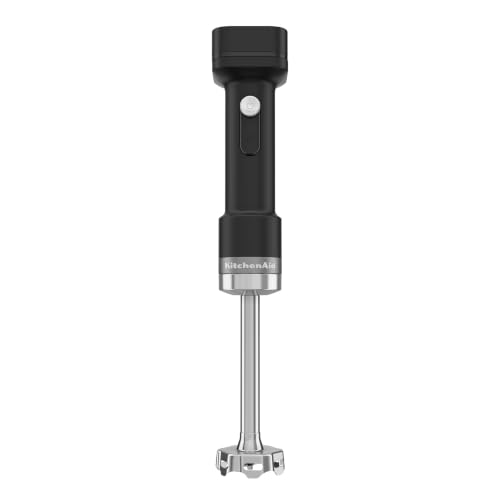
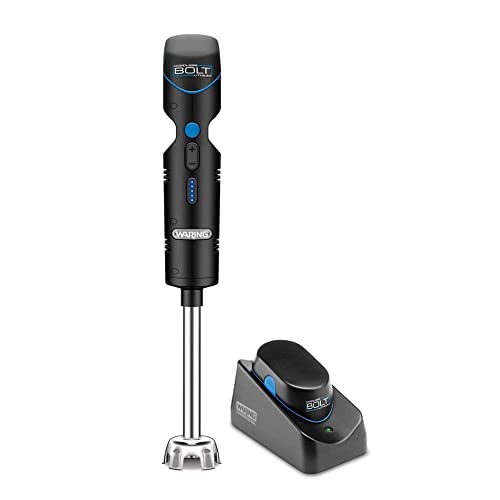
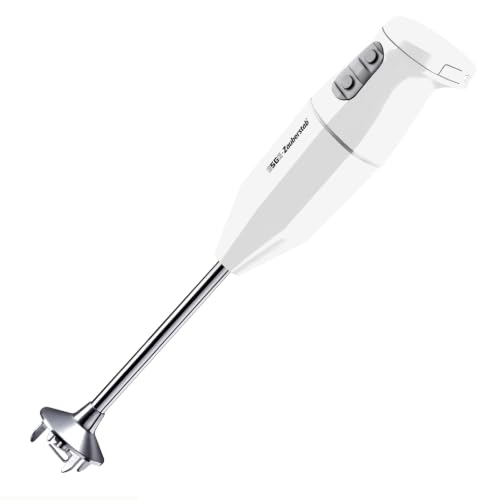
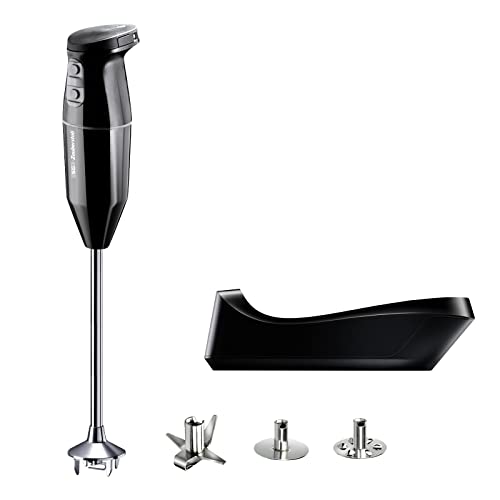
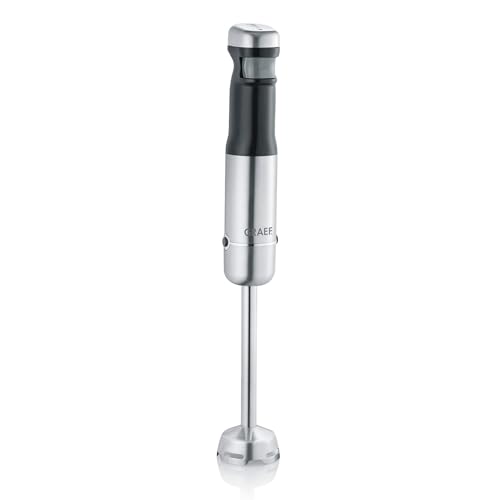
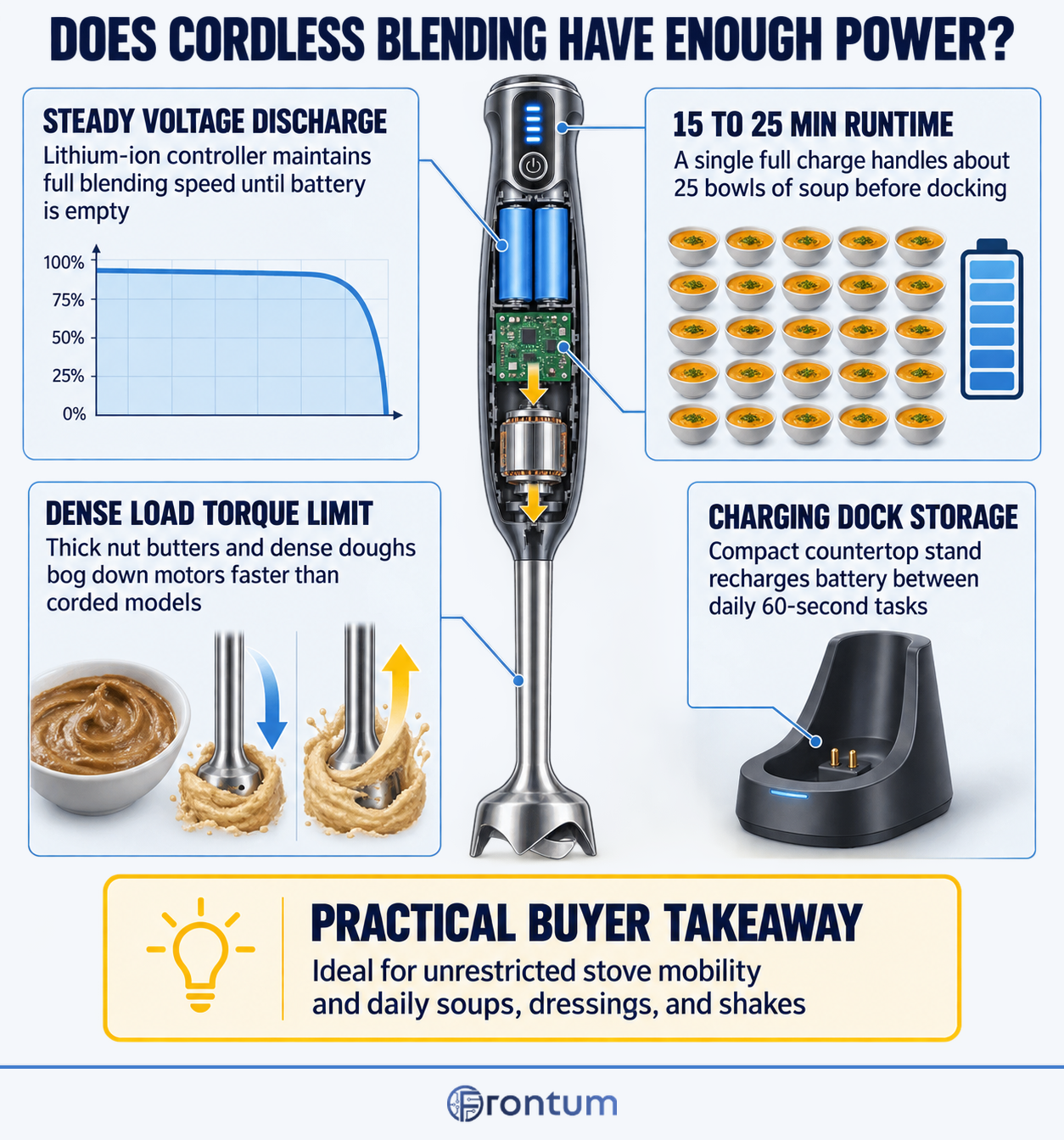
A cordless immersion blender makes sense when sockets are far from where you cook or the cable keeps getting in the way. Blending a soup straight on the hob, frothing milk at the table or making a smoothie on a camping trip all work without a lead. KitchenAid, for example, rates its cordless sticks at up to about 25 bowls of soup per charge.
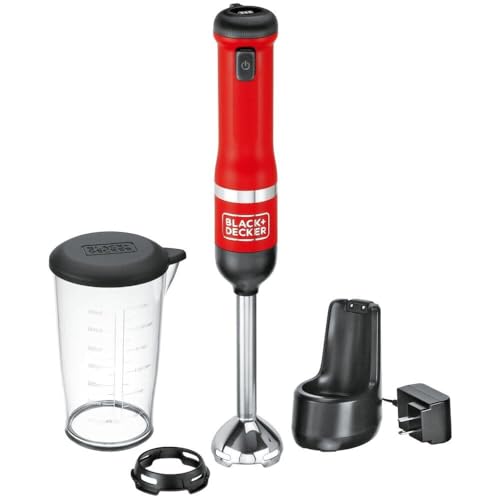
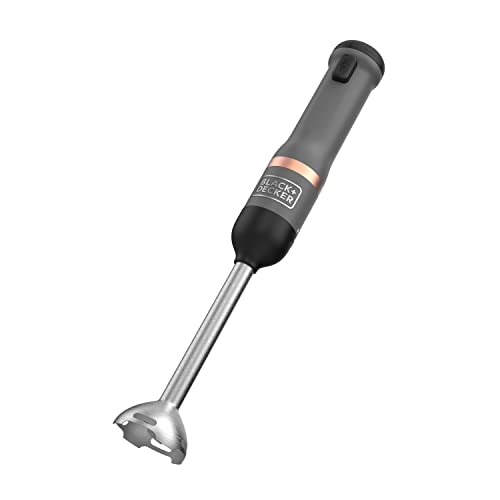
It also suits small kitchens with few free sockets and people who blend in short bursts. A 30-second purée for baby food or a quick sauce emulsion barely touches the battery. Models such as the Black+Decker BCKM1013KG-GB, with 250 W and 5 speeds, handle these jobs easily.
A corded model is still the better choice for heavy batches. Thick chickpea purée, nut butter or several litres of stock drain a 200 W battery motor fast and heat it up. Daily jam or chutney sessions longer than about 15 minutes also favour a cable.
How does rechargeable battery runtime affect cordless blending performance?
Battery runtime decides how much you blend per charge, and it also shapes power near the end of the charge. Most cordless sticks run about 25 minutes of actual blending, which is plenty for daily soups and smoothies because each job takes under a minute. Lithium-ion cells hold their voltage well, so the motor stays strong until the last 10–15% and then drops off quickly.
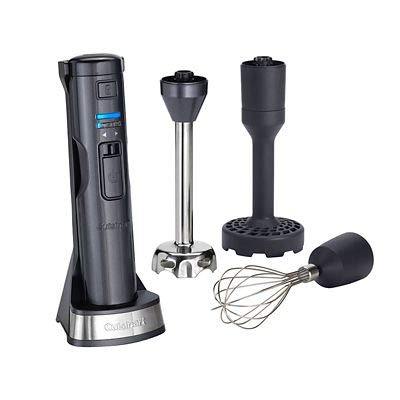
Thick loads shorten runtime sharply. Frozen fruit or cooked beans draw more current and turn a 25-minute rating into closer to 10–15 minutes. Keeping the blender on its dock, or charging after each heavy session, stops you running out mid-soup. Cells also lose capacity over a few hundred cycles, so a model with a replaceable battery pack lasts longer.