


Are KitchenAid immersion blenders good?
KitchenAid immersion blenders have an average overall score of 7.2, ranking #28 among all immersion blender brands, and an average review score of 8.6, placing them at #6 among brands graded by independent reviewers.
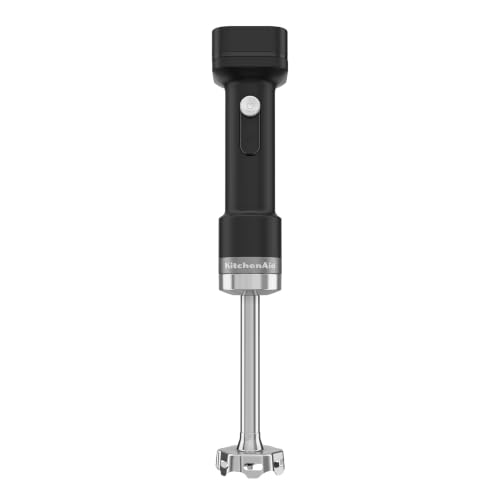
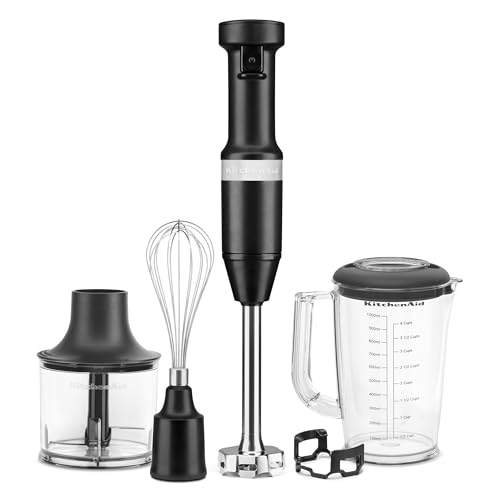
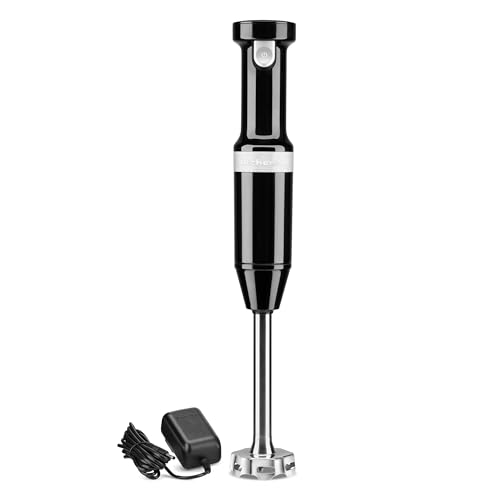
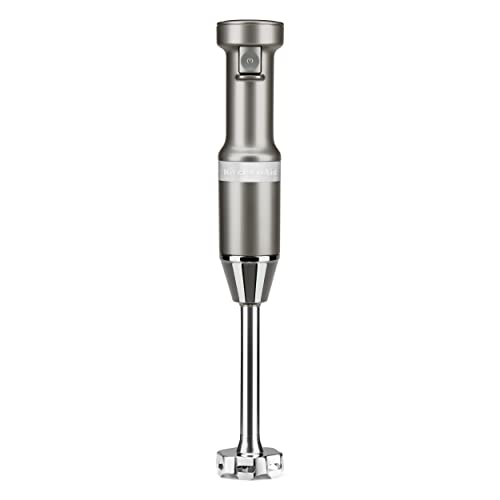
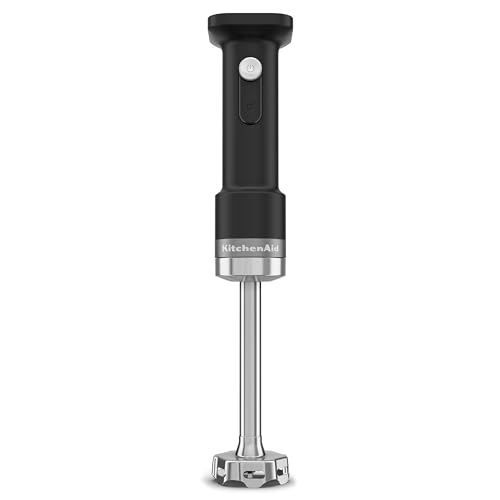
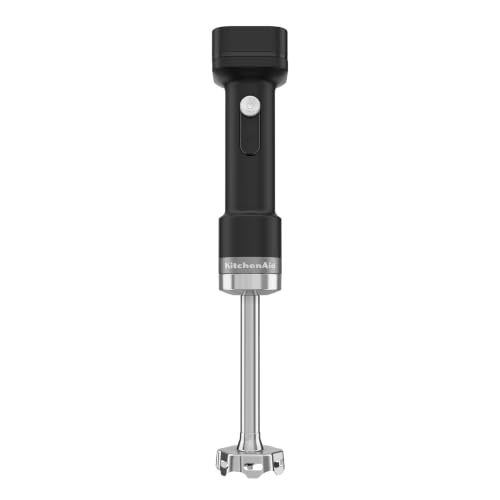
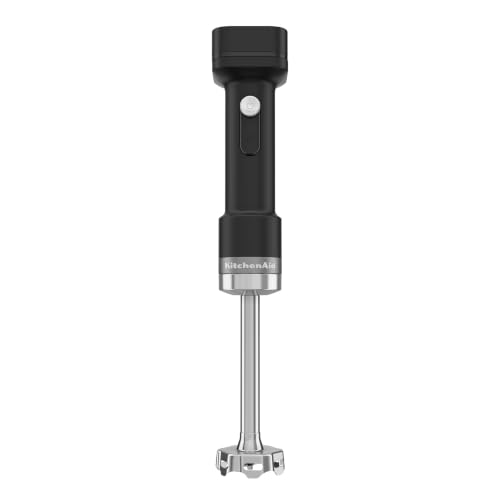
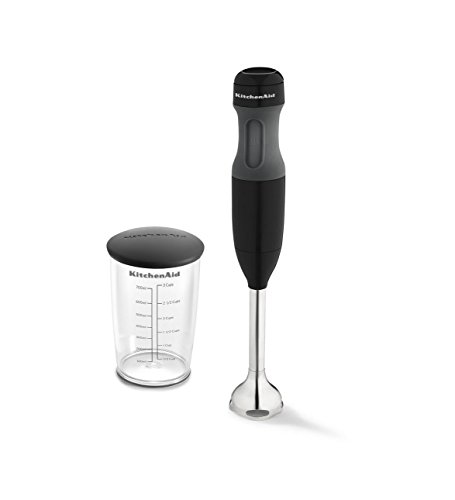
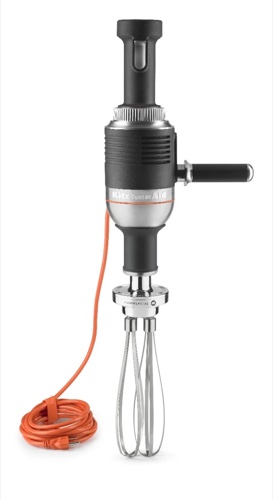
KitchenAid is known for solid, good-looking hand blenders that match its stand mixers. The corded KHBV53 and KHBV83 pair a 4-point stainless blade with a speed dial and a removable pan guard. The KitchenAid Go models, such as the KHBRV05, run on a removable 12 V battery shared with other Go tools. At the top, the KHBC412 is a commercial unit with a 750 W motor.
The honest limitation is power for the money. A KitchenAid at £90-£130 has a far smaller motor than many 800–1000 W rivals at half the price. For thin soups the gap hardly shows, but frozen fruit and nut butters take noticeably longer.
(Note: A total of 61 brands were evaluated in the comparison in the first paragraph. Only those with at least 3 immersion blender models in our database were included.)
The chart below ranks immersion blender brands by average overall score.
[horizontal-chart-01236393224515583485153992884091065572451810322944]What are the main advantages of KitchenAid immersion blenders?
The main advantages of KitchenAid immersion blenders are the following:
- Pan guard: The KHBV53 and KHBV83 come with a removable guard that clips over the blade. It stops the metal bell scratching non-stick and enamelled pots when you blend soup in the pan.
- Cordless choice: The KitchenAid Go KHBRV05 runs on a removable battery that also fits other Go appliances. The KHBRV00 is the same blender sold without a battery, which saves money if you own one already.
- High blade speed: Models such as the 5KHBRV71BM spin at up to 18,000 rpm. That speed gives smooth smoothies and sauces quickly despite the small motor.
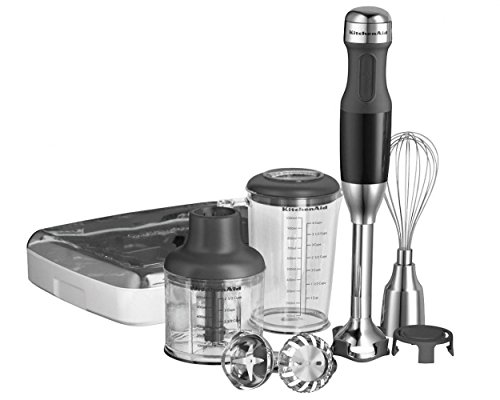
- Useful accessory sets: The KHBBV83 ships with a chopper, a whisk and a jar. You get one tool for purées, chopped herbs and whipped cream.
- Commercial step-up: The KHBC412 is built for restaurant kitchens. It handles big batches of stock and soup in deep pots.
- Matching design: The 5KHBRV75BM comes in finishes that match KitchenAid stand mixers. The look matters if your blender stays on the counter.
What are the main disadvantages of KitchenAid immersion blenders?
The main disadvantages of KitchenAid immersion blenders are as follows:
- Low wattage: The cordless KHBBV83 is rated at only 125 W. Frozen fruit and ice take longer than with a 1000 W corded rival.
- High prices: The KHB2561 costs £160, and the commercial KHBC412 reaches £520. Rival brands sell full accessory kits for far less.
- Basic entry model: The KHB1231 has just 2 speeds and a 2-point blade. It handles soup but leaves fibrous vegetables less smooth.
- Battery limits: Cordless models such as the KHBRV05 need recharging after a few long blends. A flat battery mid-soup means waiting, unless you own a spare Go battery.
- Bulky pro models: The KHBC312 is long and heavy for a home drawer. It suits big pots, not a quick smoothie in a cup.