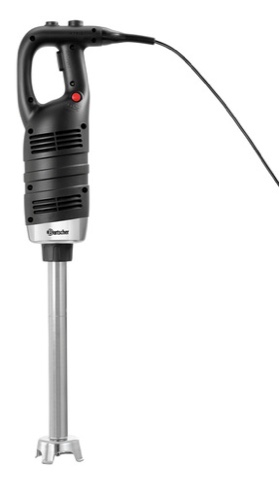
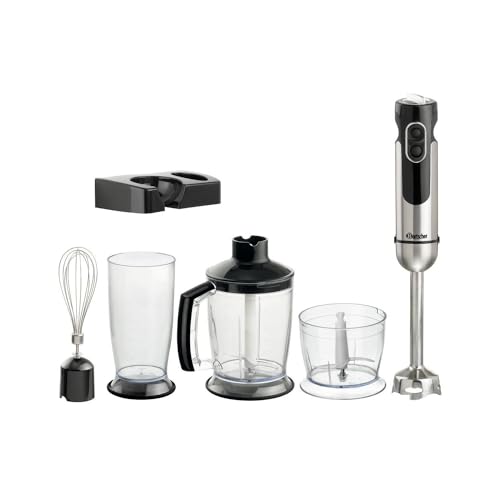
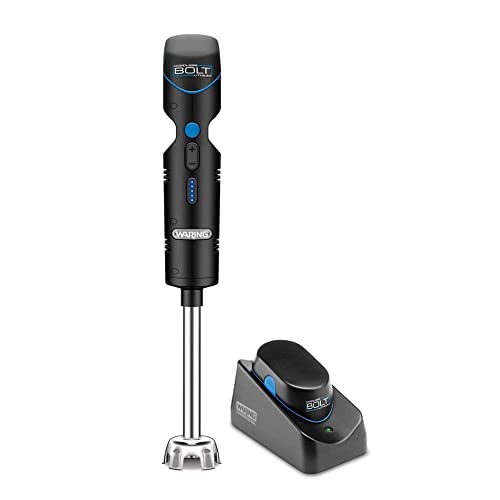
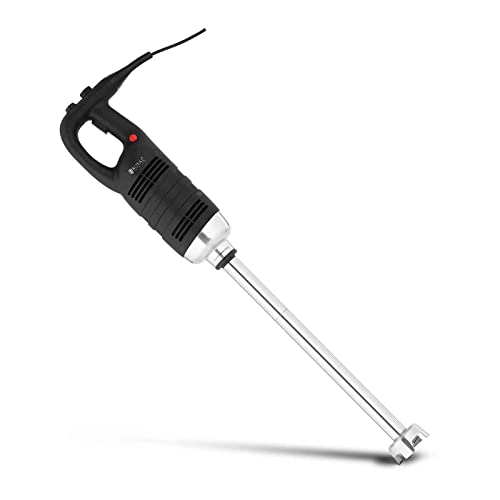
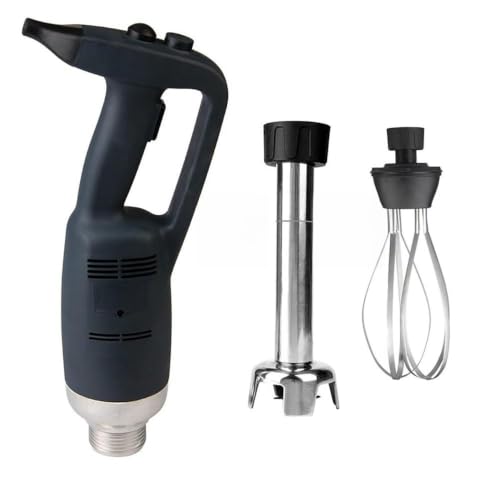
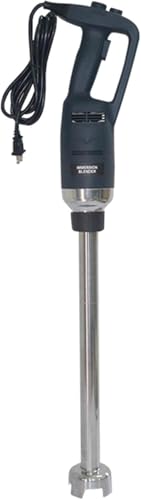
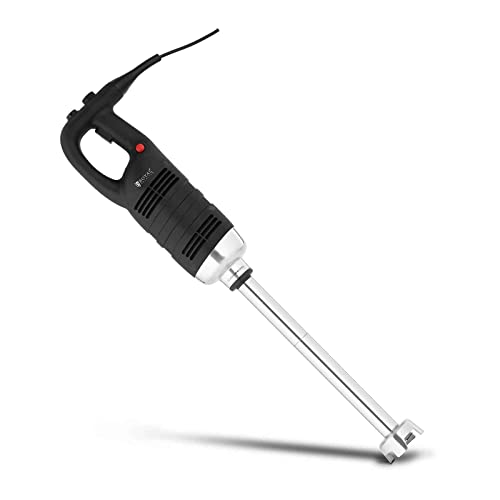
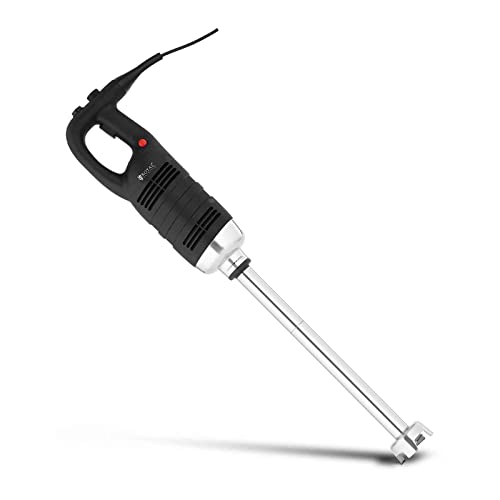
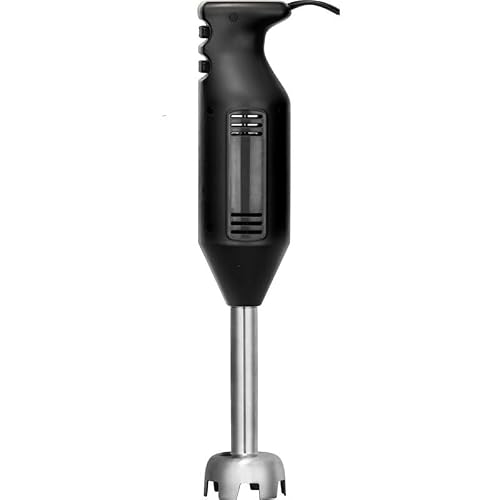
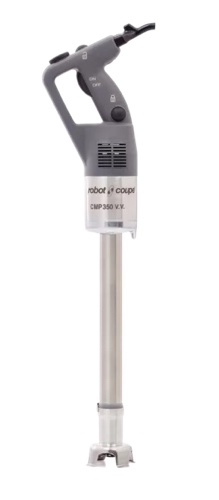
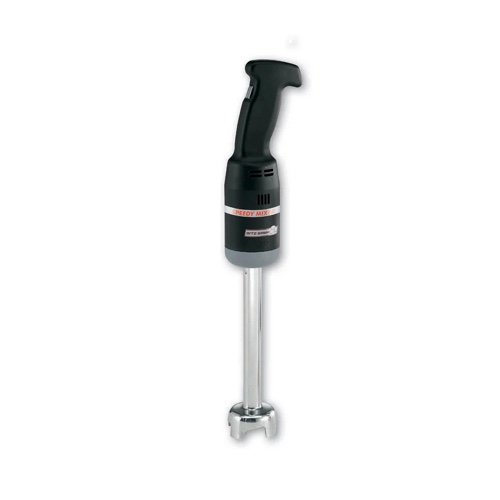
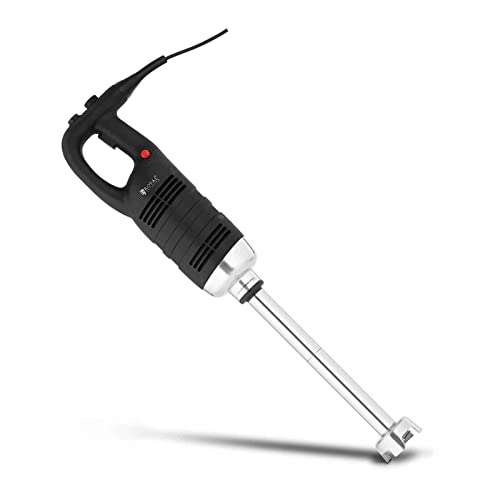
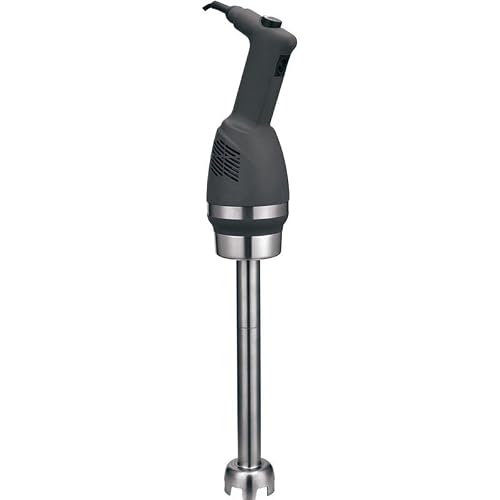
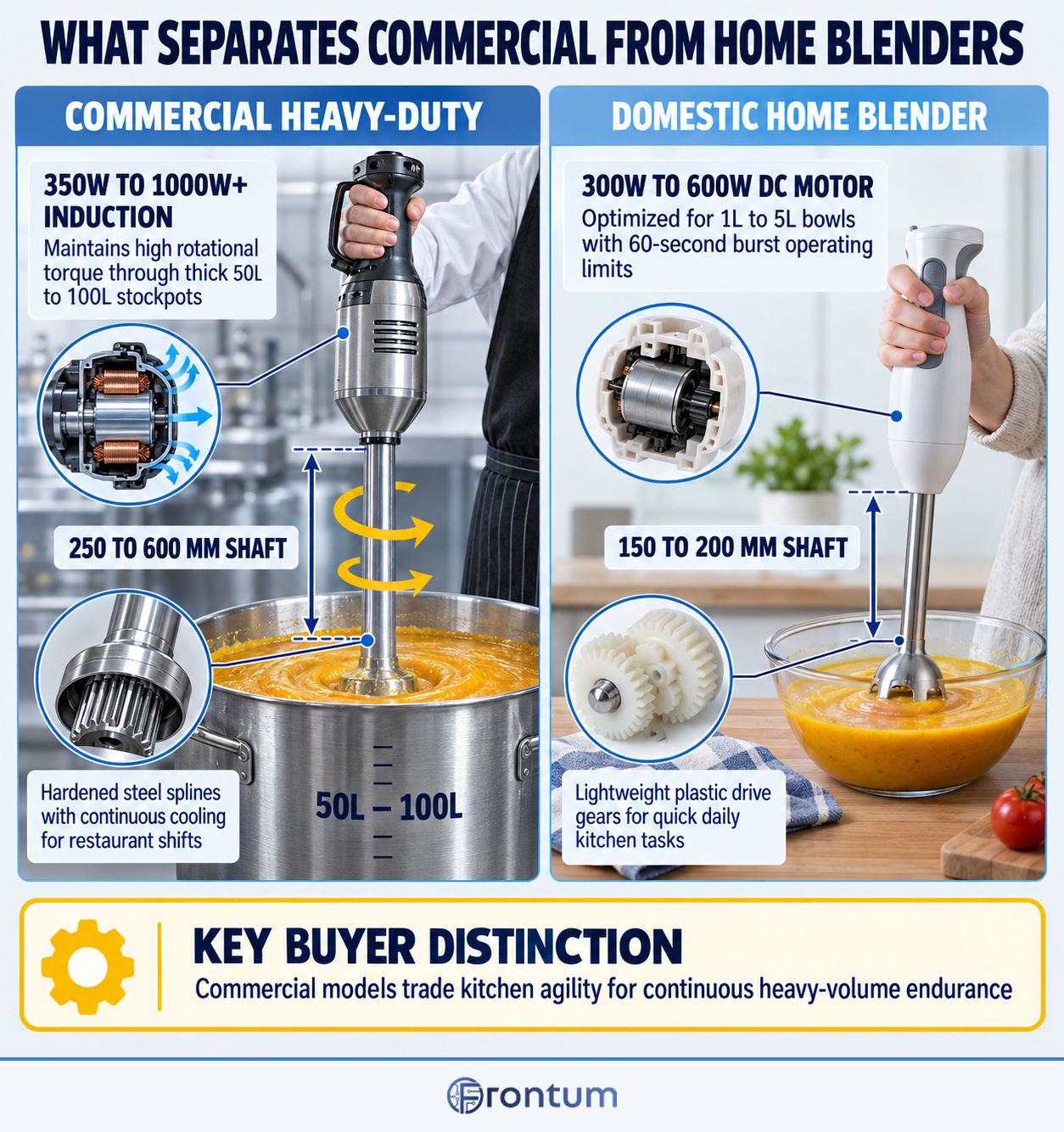
A commercial immersion blender is worth it when you blend more than about 10 litres at a time or use the blender for long stretches every day. Restaurant soups, sauces for a canteen line and large batches of jam all overwork a household stick rated for 1–3 minutes of continuous use. Commercial units are built to keep going until the pot is done.
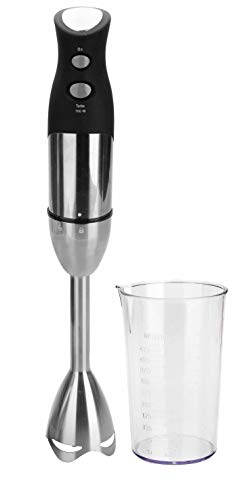
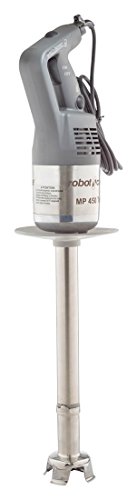
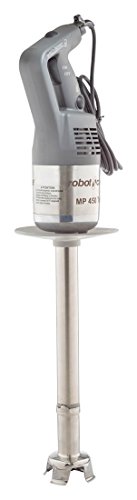
It also makes sense in a home kitchen with a 20-litre stockpot for preserving or batch cooking. Entry models such as the Lacor 61681 700W bring a pro-style build closer to household money, while a Robot Coupe MP 600 only pays off with daily professional use. For a few litres of soup a week, a good household blender is the better buy.
How do continuous duty cycles and thermal motor protection support heavy kitchen prep?
Continuous duty cycles and thermal protection let a commercial blender run for long stretches without burning out the motor. A household stick is often limited to about 1 minute on and several minutes off. Commercial units use larger windings, metal gears and fan cooling, so they keep going for 10–20 minutes or more in a thick soup.
Thermal protection is the safety net. A sensor in the motor cuts power when the windings get too hot and lets the blender restart once it has cooled. Instead of a burnt motor in the middle of service, you lose a few minutes and the expensive part survives.
For heavy prep, this changes how you work. You blend 40 litres of soup in one go instead of stopping every minute, and thick purées such as hummus or potato soup no longer put the motor at risk. Models such as the Robot Coupe MP 800 are built for exactly this kind of all-day load.