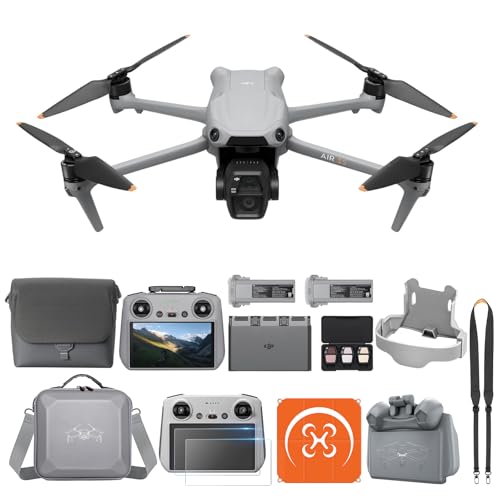
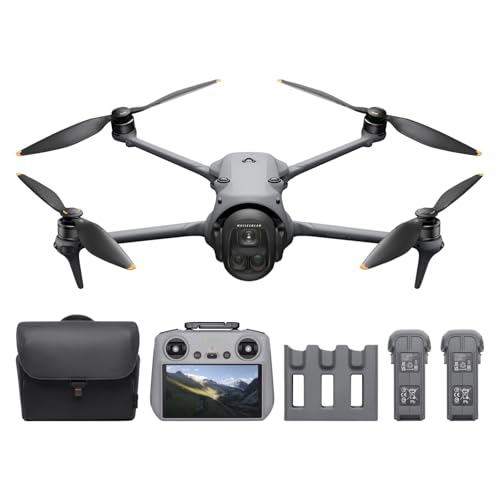
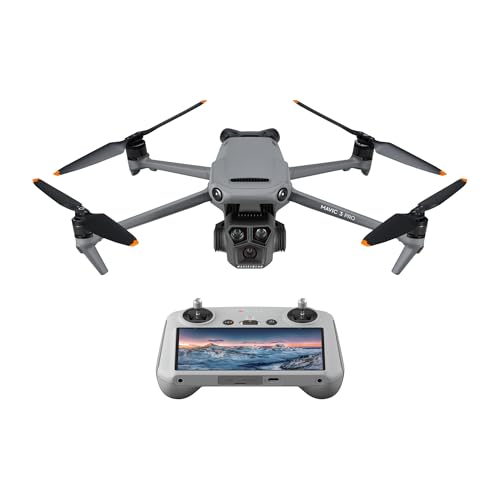
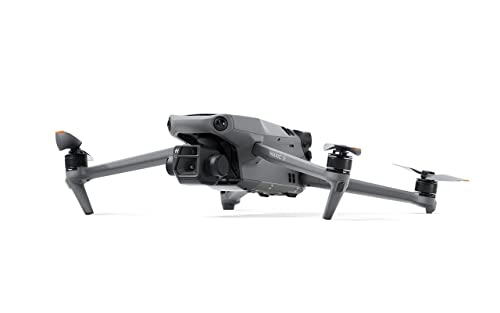
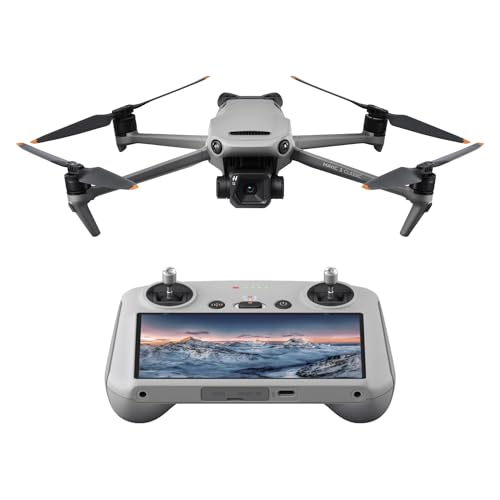
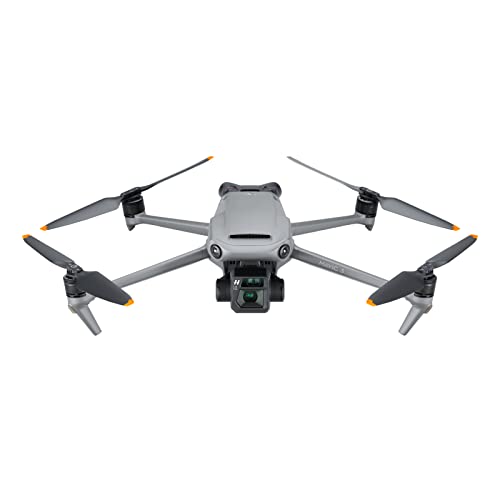
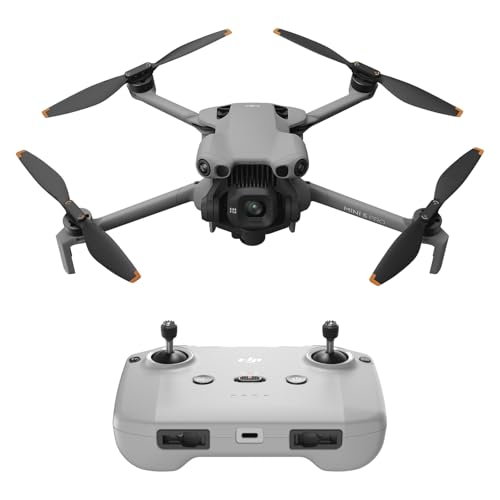
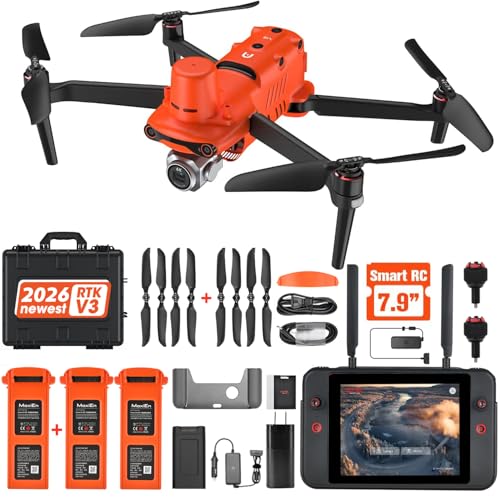
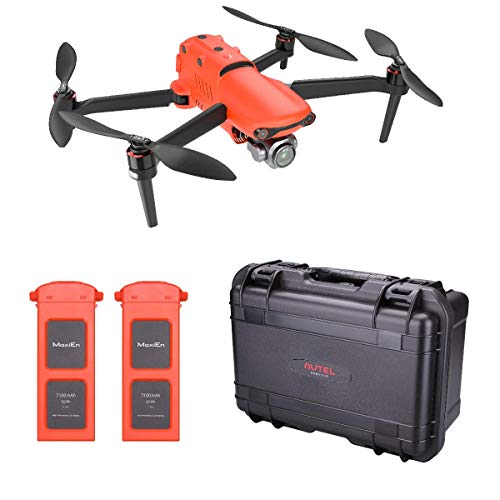
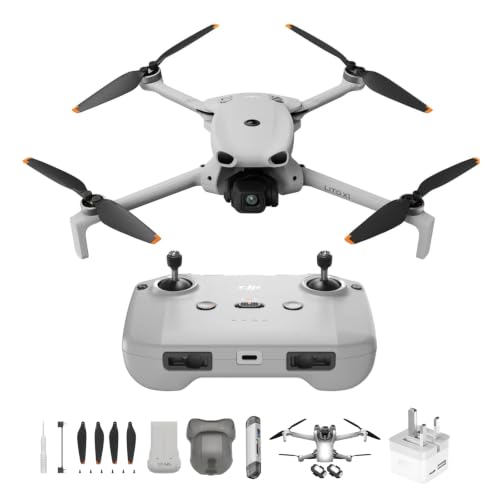
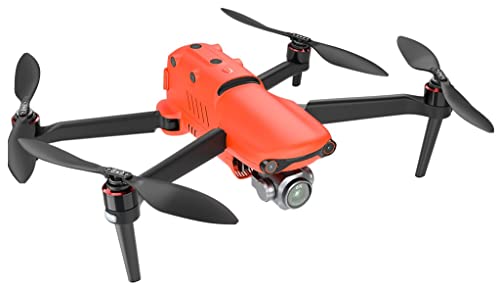
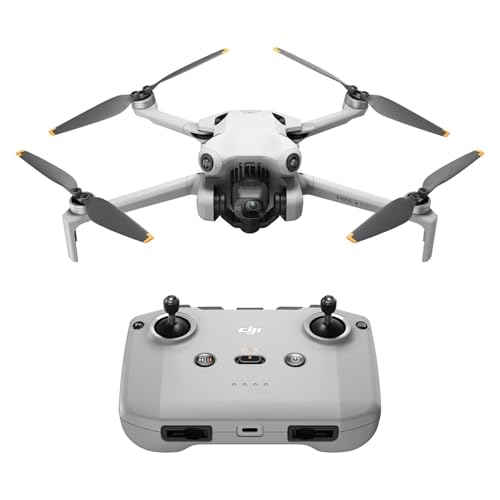
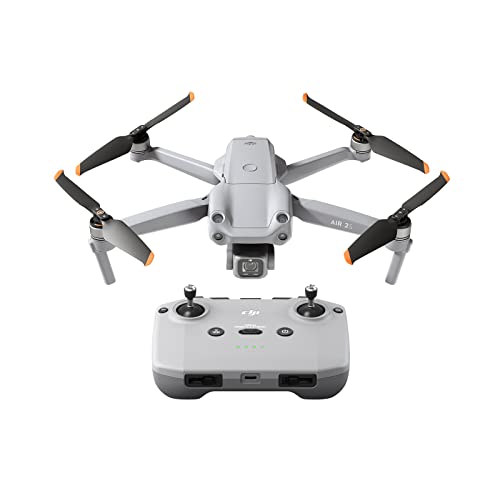
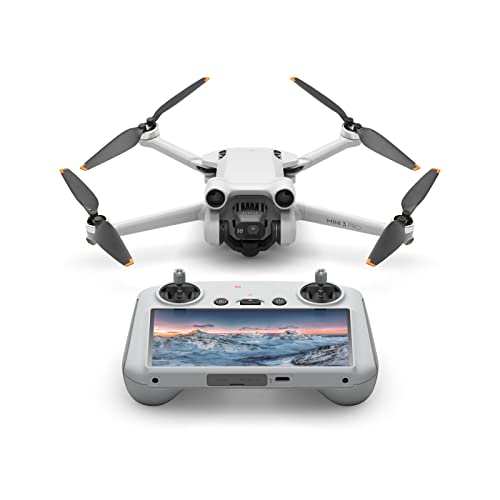
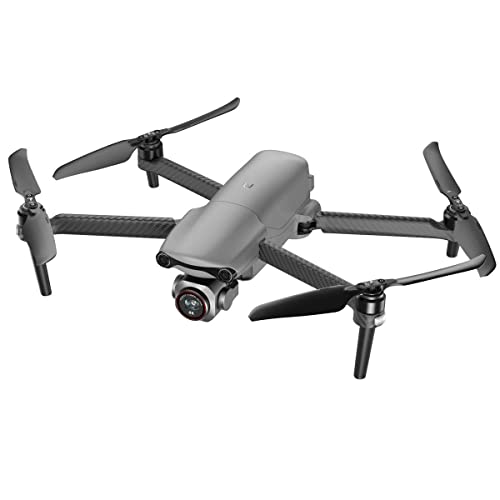
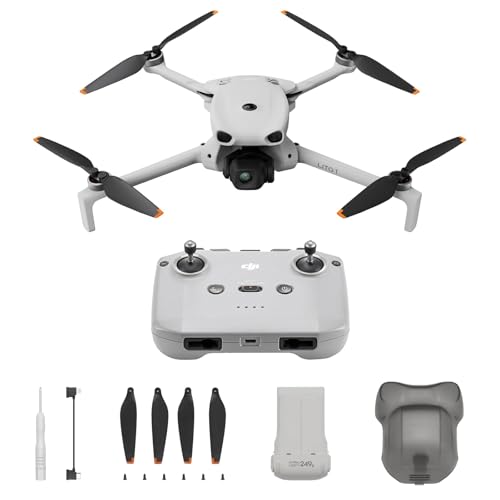
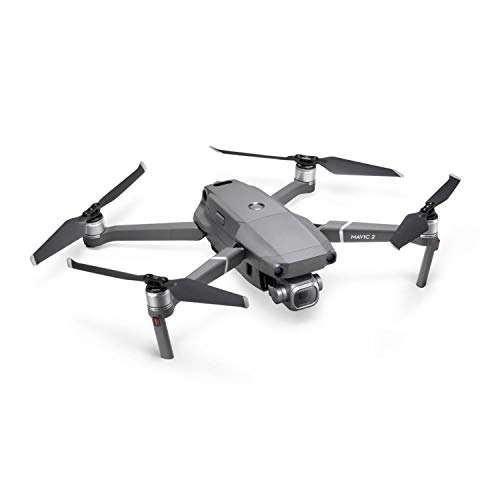
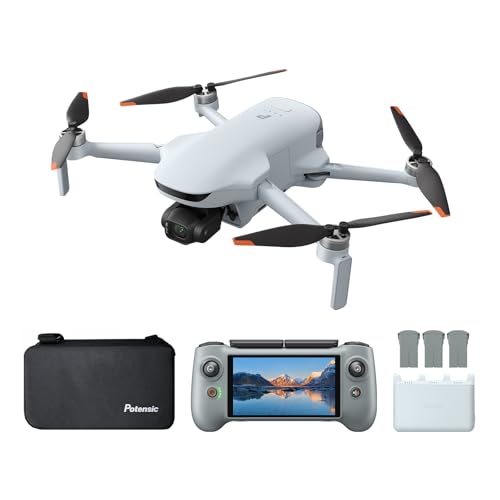
Follow me mode works by locking onto a person, controller, phone, or visual subject and then updating the drone position automatically as that target moves.
Some drones follow mainly through GPS coordinates from the controller or phone, which is simpler but less precise when the subject changes direction sharply or passes near trees and buildings. Better models combine GPS with visual recognition so the drone can keep the subject framed more naturally instead of just trailing behind it.
Once tracking is active, the drone keeps adjusting speed, distance, heading, and gimbal angle in real time. Return to Home, obstacle detection, and 3-axis stabilization matter because they keep the tracking path safer and the footage smoother when the subject changes pace or direction.
How accurate is follow me tracking in real use?
Follow me tracking is usually good enough for open-road cycling, jogging, hiking, and solo travel footage, but it is not equally reliable in every environment.
In real use, the stronger models can track subjects moving at roughly 10-20 m/s and hold the frame well when the subject remains visible and the light is stable. Tracking becomes less consistent when branches, crowds, low light, or fast side-to-side movement block the subject or break the visual lock.
Follow me drones are most dependable in open spaces with a clean background and a clear flight path. Dense urban areas, forests, and sudden elevation changes are where stronger obstacle sensing, cleaner transmission, and faster onboard processing make the biggest difference.
What sensors improve follow me tracking reliability?
The sensors and systems that improve follow me tracking reliability are GPS, dual GPS frequency support, obstacle detection, obstacle sensing directions, and 3-axis gimbal stabilization.
- GPS: Stable positioning is the base layer for reliable follow me behavior. Better GPS lock helps the drone keep distance and heading when the subject changes pace.
- Dual GPS frequency support: Dual-band positioning reduces drift in harder environments. It matters more near buildings, slopes, or partial signal blockage.
- Obstacle detection: Follow me is safer when the drone can recognize objects ahead, behind, or below. In this scope, about half of models include some obstacle detection, so this is still a meaningful separator.
- Obstacle sensing directions: Omnidirectional sensing is the safest option because the drone can react from more angles. Forward/backward/downward sensing still helps, but it leaves more blind spots during side tracking.
- Gimbal axes: A 3-axis gimbal keeps the subject framing steadier while the drone adjusts course. Models without it can still track, but the footage looks less stable and correction jolts are easier to see.