Which brands make the best drones with obstacle avoidance?
The best drone brands with obstacle avoidance are as follows:
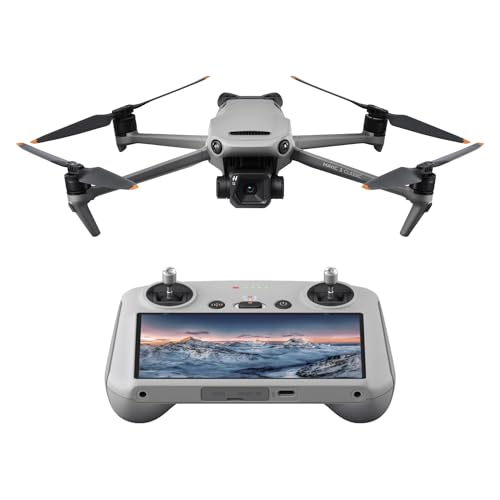
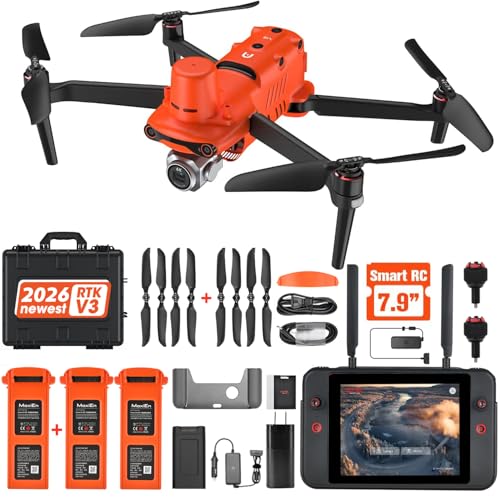
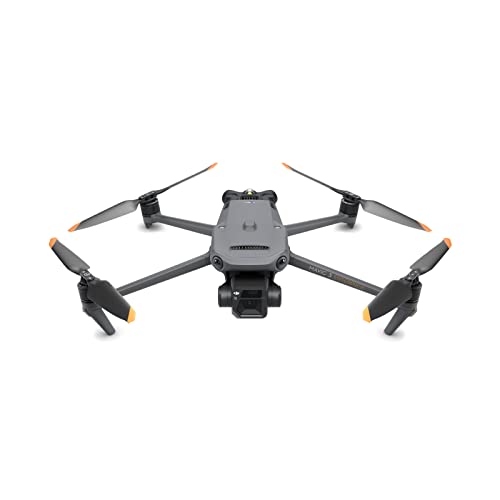
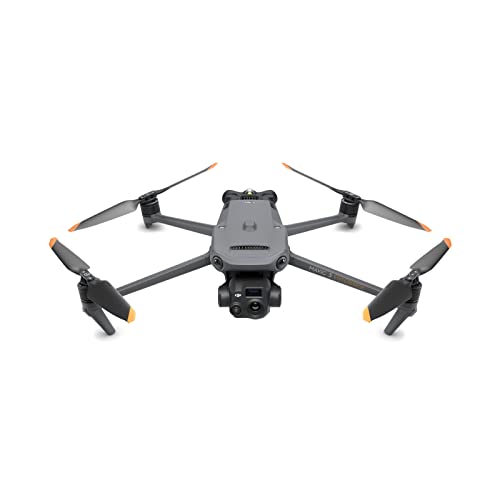
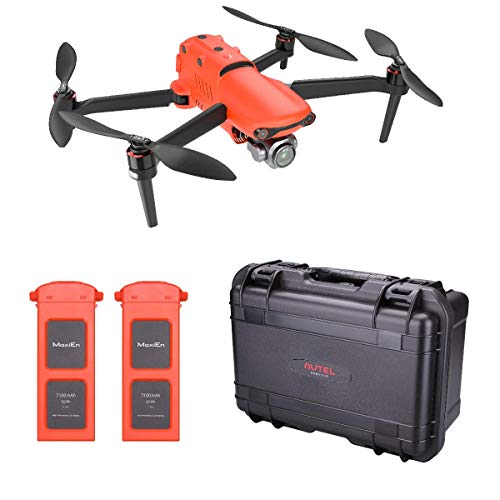
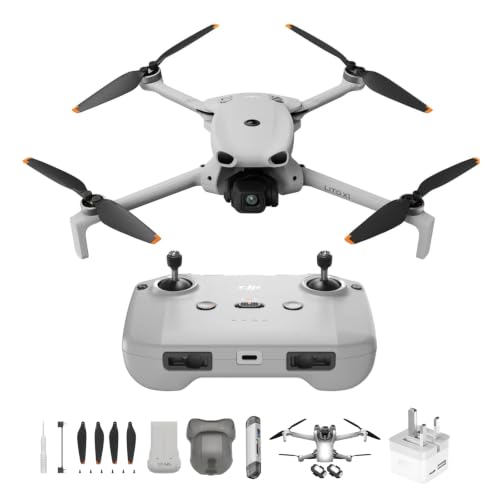
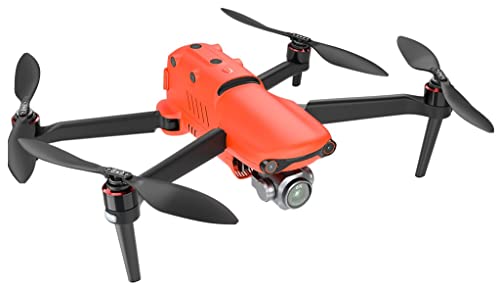
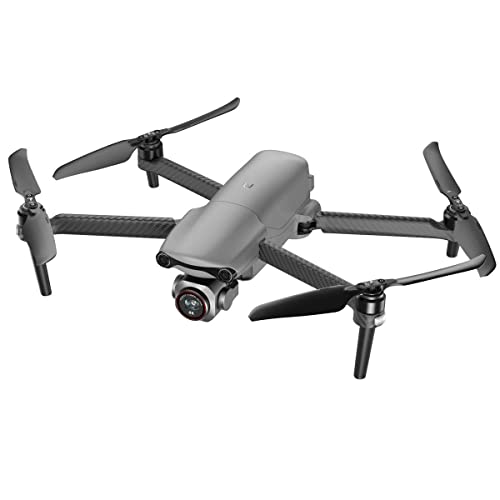
- Autel (Average overall score: 8.2)
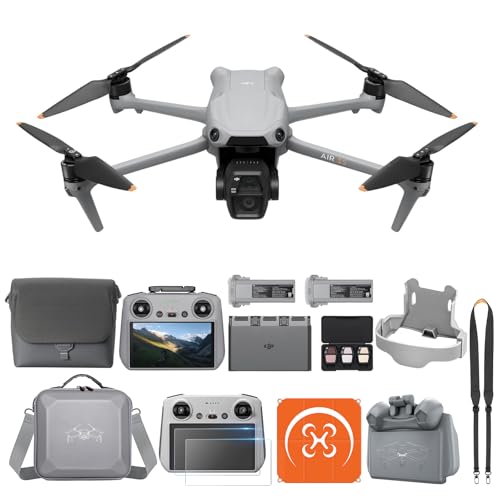
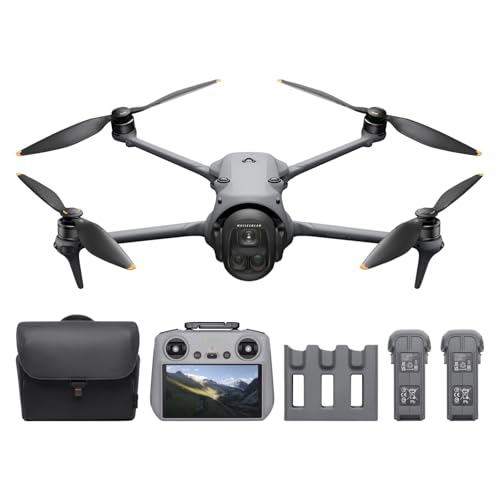
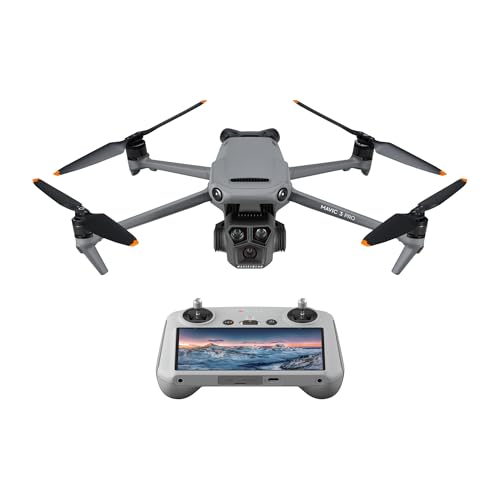
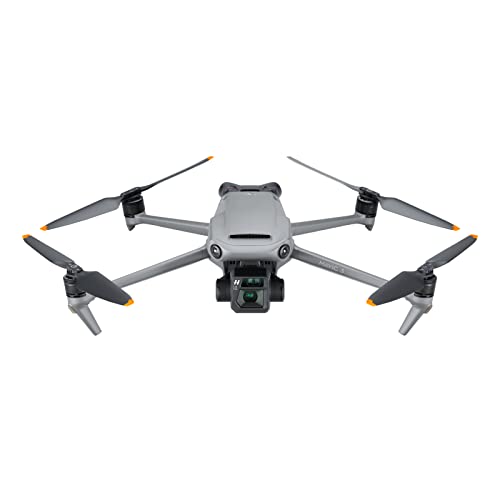
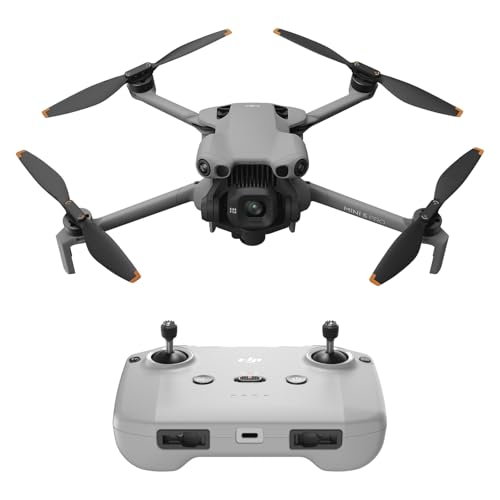
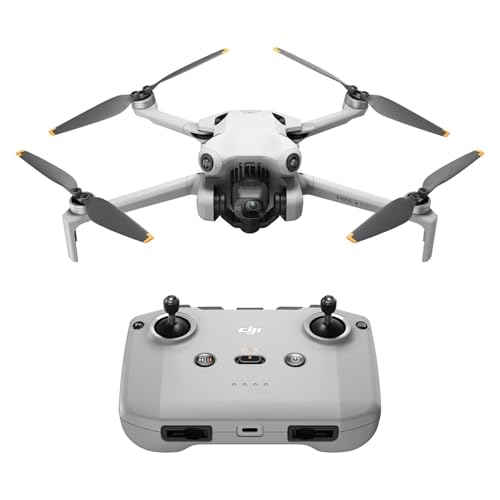
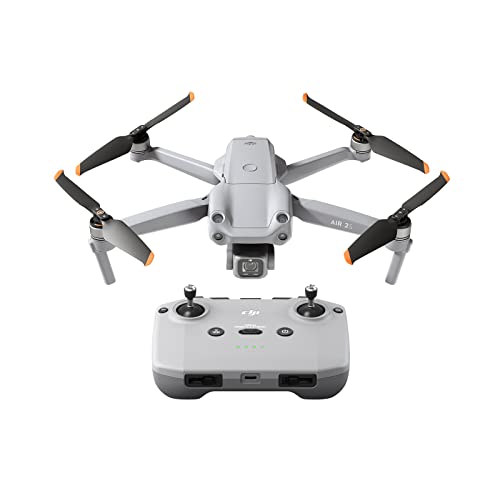
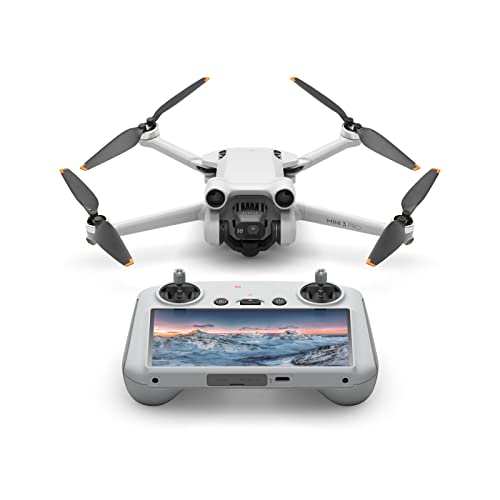
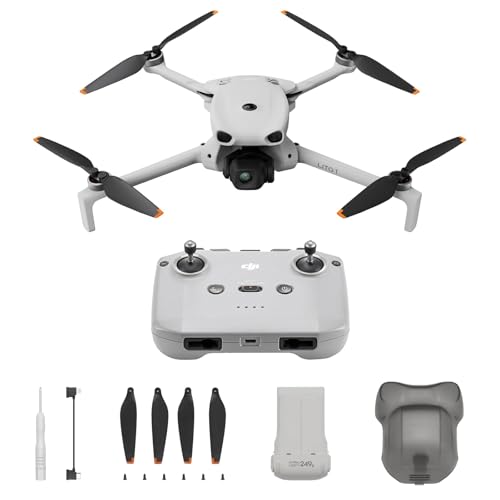
- DJI (Average overall score: 8.1)
- HYTOBP (Average overall score: 6.1)
The chart below ranks obstacle avoidance drone brands based on average overall score.
[horizontal-chart-01041108041230510904157349109812772600121404594401]
Who should consider buying a drone with obstacle avoidance?
A drone with obstacle avoidance is worth buying if you want an extra safety layer during forward flight, side moves, indoor navigation, or automated shots near trees, walls, and buildings.
In practice, this feature matters most for new pilots, travelers, and creators who fly in variable spaces rather than in wide-open empty fields. Drones with genuinely useful avoidance systems still sit above entry level in most of the market because the sensing hardware and processing demands are higher.
Obstacle avoidance is less critical if you mostly fly in open areas, keep the drone far from obstacles, and are comfortable controlling every path manually. It is much more useful when you depend on tracking, cinematic route changes, or frequent low-altitude flying near real-world obstacles.
How much do good drones with obstacle avoidance cost?
The best drones with obstacle avoidance cost about 300-£2,600, but most strong consumer options sit roughly in the 900-£1,700 range.
At the lower end, you usually get more limited sensing coverage, shorter transmission range, and simpler avoidance behavior that works best in straightforward forward flight. Around 2000-£2,600, the feature becomes much more useful because the drone often adds omnidirectional sensing, stronger video transmission, and better stabilization.
Above that level, the extra price usually pays for a more advanced camera system, longer endurance, stronger wind handling, and more reliable avoidance logic rather than just the presence of sensors alone.
How does obstacle avoidance work on drones?
Obstacle avoidance works by using vision sensors, depth sensing, or other proximity systems to detect objects in the drone path and then warn, brake, reroute, or stop before impact.
Basic systems usually cover only one direction, often forward or downward, so they help with simple movement but still leave major blind spots. Better drones add forward/backward/downward sensing or full omnidirectional coverage, which makes route corrections more useful during tracking, orbit shots, and complex cinematic flight.
The feature is only as good as the drone processing, sensing coverage, and lighting conditions around it. Thin branches, glass, low light, and fast diagonal moves can still reduce detection quality even on premium models.
How reliable is obstacle avoidance in real flight?
Obstacle avoidance is reliable enough to prevent many common pilot mistakes in open or moderately complex spaces, but it is not flawless in every flight condition.
In real flight, the better systems work well when the drone has clear light, a visible obstacle edge, and enough space to brake or reroute early. Reliability improves sharply when the drone has omnidirectional sensing and stronger processing, while forward-only systems are much easier to defeat with side approaches or tight maneuvering.
Tree branches, wires, reflective surfaces, fog, and aggressive sport-style moves remain problem areas. Obstacle avoidance should be treated as a safety aid rather than permission to fly carelessly near complex objects.
What sensors matter most for obstacle avoidance?
The sensors that matter most for obstacle avoidance are obstacle detection, obstacle sensing directions, GPS, Return to Home (RTH), and gimbal stabilization.
- Obstacle detection: The feature itself must be present, but quality varies widely. Stronger drones brake or reroute more cleanly, while simpler systems only warn or stop in limited situations.
- Sensing directions: Omnidirectional sensing is the strongest setup because it covers more real flight angles. Forward/backward/downward sensing is still useful, but it leaves side and diagonal gaps.
- GPS: Stable positioning helps the drone react more predictably when it slows, hovers, or changes path near an obstacle. It also helps the aircraft recover cleanly after an avoidance event.
- Return to Home (RTH): RTH becomes more useful when obstacle handling is good, because automatic return is safer around trees, roofs, or structures. A drone with both systems is much better for less experienced pilots.
- Gimbal axes: A 3-axis gimbal does not detect obstacles, but it keeps the footage stable while the drone brakes or adjusts route. In this scope, almost all serious obstacle avoidance models already use a 3-axis gimbal.
What should you check before buying a drone with obstacle avoidance?
The key things to check before buying a drone with obstacle avoidance are sensing coverage, flight behavior, camera stability, endurance, and budget.
Sensing: Look for omnidirectional coverage if you want the strongest protection in real-world flight. Forward-only or downward-only sensing is still useful, but it is much less complete in diagonal moves, orbit shots, and tracking.
Flight style: Match the system to how you fly. Slower cinematic flight is easier for avoidance systems, while fast manual flight at 19-27 m/s gives the drone less time to react.
Safety stack: GPS and Return to Home (RTH) should sit alongside obstacle avoidance, not instead of it. These systems work together when the drone brakes, reroutes, or needs to recover after a bad approach.
Camera: A 3-axis gimbal matters because the drone may brake or shift line abruptly when it sees an obstacle. Nearly all better models in this scope use one, and it makes the correction look much more controlled on video.
Flight time: Expect the best models to advertise roughly 30-50 minutes, but leave margin for real flying. Avoidance events, wind, and repeated route corrections all reduce real endurance.
Budget: Around 900-£1,700 is the range where obstacle avoidance becomes meaningfully useful for most buyers. Lower prices can still add the feature, but sensing coverage, braking behavior, and overall reliability are usually more limited.