
Are Bauknecht dishwashers good?
Bauknecht dishwashers have an average overall score of 8.3, ranking #8 among comparable dishwasher brands, and an average user rating of 8.8, placing them at #14 based on user reviews.
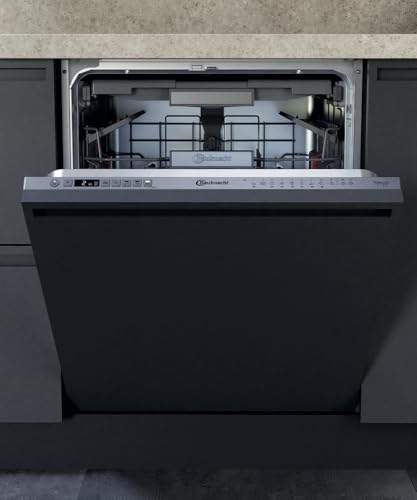
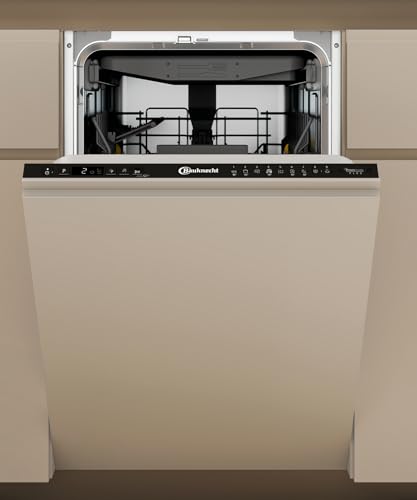
Bauknecht dishwashers are practical mid-range machines with 13–15-place capacity and selected features such as PowerClean Pro pot jets, ActiveDry automatic opening, MultiZone partial loading, flexible racks, and relatively quiet inverter operation.
Bauknecht dishwashers range from efficient 41 dB products to simpler noisier machines with higher consumption. Buyers should compare energy class, Eco duration, third-rack equipment, water protection, and local Whirlpool-group service because feature names vary by series.
The chart below compares Bauknecht with other dishwasher brands by average overall score.
[horizontal-chart-05146734171668731297071529236993497072053739813640]
What are the main advantages of Bauknecht dishwashers?
The main advantages of Bauknecht dishwashers are as follows:
- Quiet value: A large part of the range operates around 41–44 dB at mid-range prices.
- Automatic drying: Door opening appears on most models and improves moisture release.
- Targeted cleaning: PowerClean jets focus pressure on pans and heavily soiled cookware.
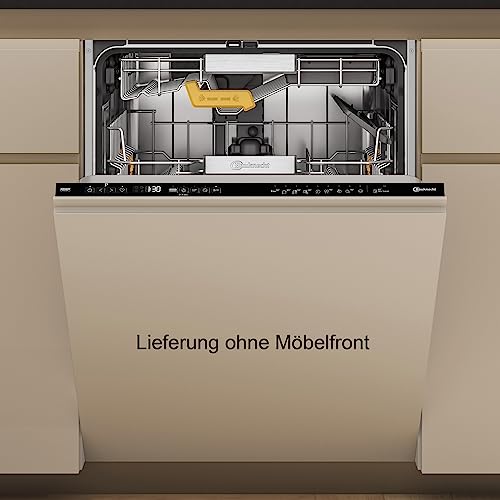
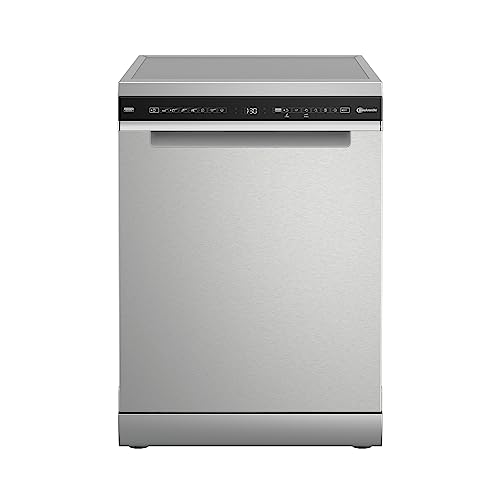
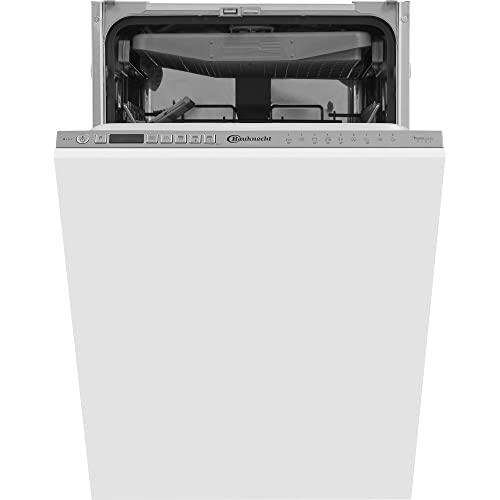
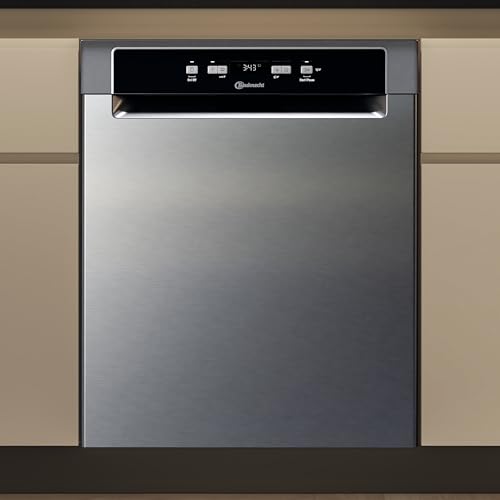
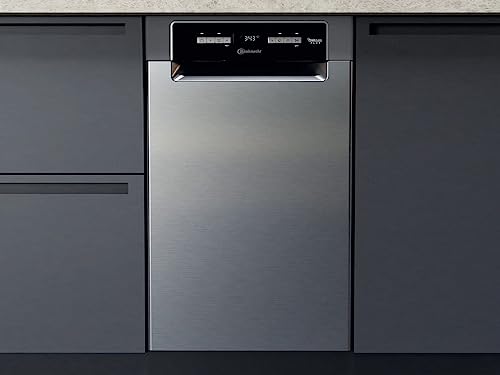
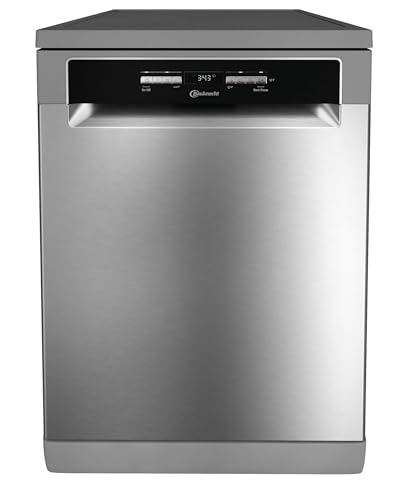
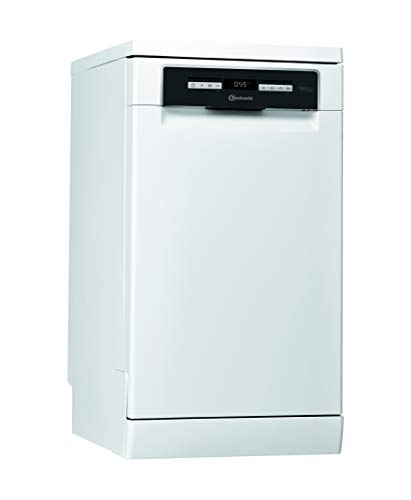
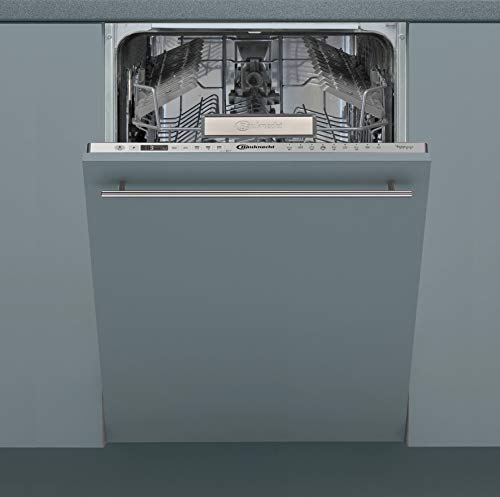
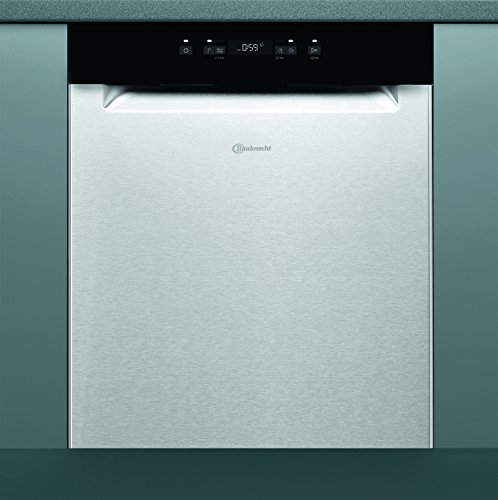
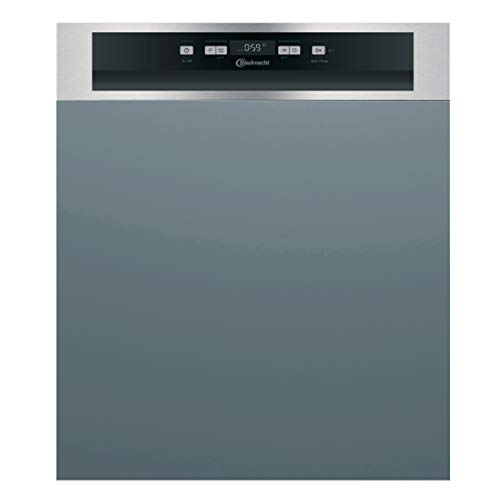
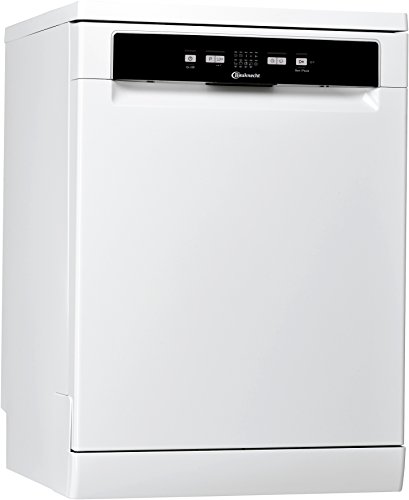
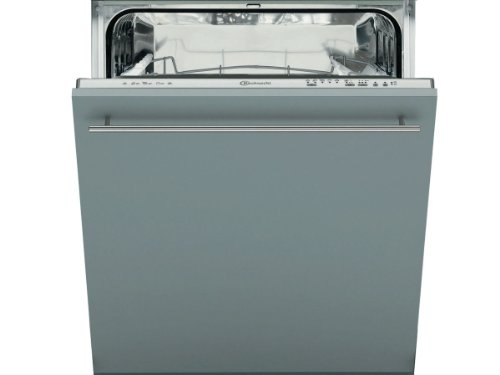
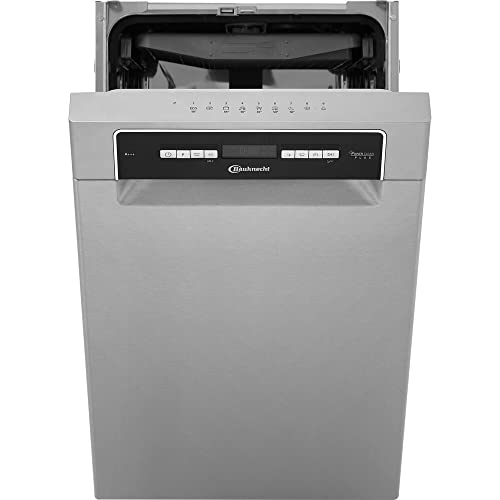
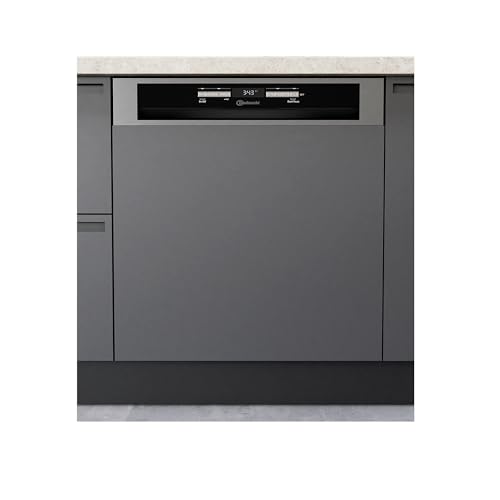
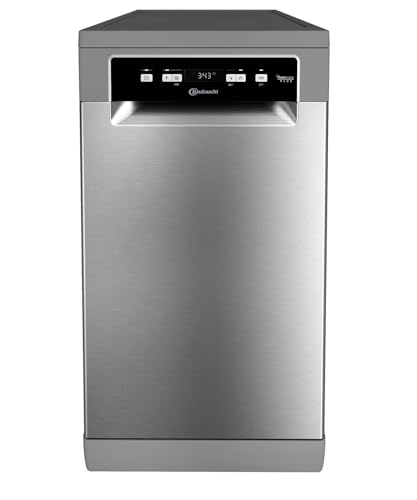
- Flexible formats: Slim, full-size, freestanding, built-under, and integrated designs are available.
- Practical programs: Sensor+, MultiZone, intensive, hygiene, rapid, and quiet options appear on selected machines.
What are the main disadvantages of Bauknecht dishwashers?
The main disadvantages of Bauknecht dishwashers are as follows:
- The efficiency spread is unusually broad: Bauknecht prices commonly fall around £310-£460, with a midpoint near £370, yet Eco use ranges approximately 0.54–1.03 kWh and energy classes span A–F. A class E product can therefore cost almost as much as a more efficient version while using substantially more electricity.
- Eco cycles vary by more than an hour: Typical durations run about 190–240 minutes, or 3 h 10 min to 4 h, with a midpoint near 210 minutes and outliers around 290 minutes. Rapid or Sensor+ programs alter time according to load and soil, but the result should not be assumed to match Eco consumption.
- Noise and water use depend on the exact code: Models range about 39–49 dB and 8.7–12 L per Eco cycle. A 46–49 dB, 12 L product is less attractive in an open-plan home than a 41–43 dB, 8.7–9.5 L alternative even when both carry PowerClean branding.
- The strongest equipment is not standard: PowerClean, ActiveDry, premium ProComfort racks, third-level storage, lighting, and the quietest inverter configurations vary by model. Buyers should inspect the assigned PowerClean zone because vertical pans can reduce flexible lower-rack space.
- Regional availability affects ownership: Bauknecht model names, service coverage, and spare parts are concentrated in selected European markets, and Wi-Fi is generally absent. The lack of an app has little effect on cleaning, but local access to pumps, racks, hinges, and authorized installation matters over a longer ownership period.

Who makes Bauknecht dishwashers?
Bauknecht is a German-founded appliance brand historically operated in Europe by Whirlpool Corporation and now supplied through Beko Europe after the 2024 combination of Whirlpool’s European major-appliance business with Arçelik’s regional operations.
Manufacturing country and responsible service company vary by model and market. Check the rating plate, complete product code, warranty issuer, and local parts documentation.
Which Bauknecht dishwasher features improve washing and drying?
The following Bauknecht dishwasher features can improve washing and drying:
- PowerClean: High-pressure rear jets concentrate water on pans, casserole dishes, and baked-on residue placed vertically in the assigned lower-rack zone. The layout can free flat rack space, but cookware must face the jets, remain stable, and avoid shielding ordinary dishes from the main spray arms.
- Sensor+: Soil or turbidity sensing changes time, temperature, and water as the load becomes cleaner instead of applying one fixed daily program. It can reduce unnecessary resources on light soil or extend treatment for dirtier loads, although the exact sensor inputs and permitted options vary by model.
- Automatic door opening: The door releases during the final phase so humid air leaves the tub and residual heat continues evaporation with limited extra heating. Plastics can dry better, but concave items still collect water and buyers should verify steam clearance, open-door projection, and whether the function can be disabled.
- MultiZone: Water can be directed mainly to the upper or lower rack when the machine is not full, reducing the need to wait for a complete load. It is convenient for urgent smaller loads, but a fully loaded Eco cycle can remain more efficient per item and the unused rack should follow the manual’s loading rules.
- ProComfort racks: Height adjustment, folding supports, cutlery storage, glass holders, and stable rails help expose surfaces to water while preventing items from touching. The benefit depends on the exact rack version, so buyers should test plate diameter, pan handles, stemware height, and whether the PowerClean area restricts flexible placement.
- Quiet program: Lower pump speed or gentler spray phases reduce operating sound, generally by extending the cycle to maintain cleaning exposure. It is useful beside living or sleeping areas, but it may not suit heavily soiled cookware and should be assessed separately from the declared Eco-cycle dB figure.
How much do Bauknecht dishwashers cost?
Bauknecht dishwashers generally cost about £300-£600. Width, installation, energy class, noise, PowerClean, racks, drying, and capacity explain most differences.
Around £300-£300, expect simpler 10-place slim or 13–14-place full-size machines, commonly classes D–E and approximately 43–49 dB. From £340-£470, 14 settings, automatic opening, PowerClean, better racks, classes B–D, and roughly 41–44 dB become more common.
Above about £470, look for classes A–B, approximately 39–42 dB, 15-place capacity, premium racks, interior lighting, or specialized integrated hardware. A 0.20 kWh-per-cycle saving equals about 56 kWh over 280 cycles.
The chart below shows the price distribution of Bauknecht dishwashers.
[vertical-chart-00739598359988967801095532134069417048163403471923]
What should you consider when choosing a Bauknecht dishwasher?
Before buying a Bauknecht dishwasher, consider the following factors:
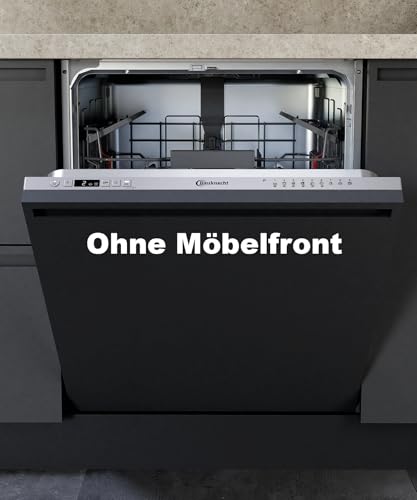
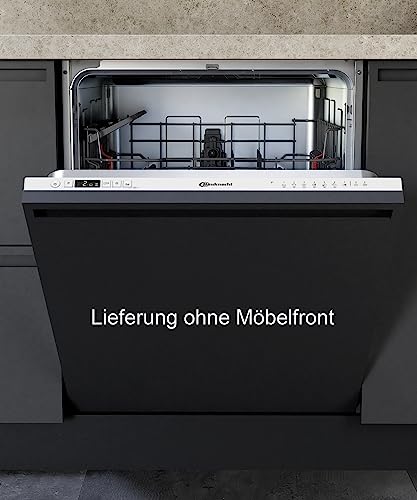
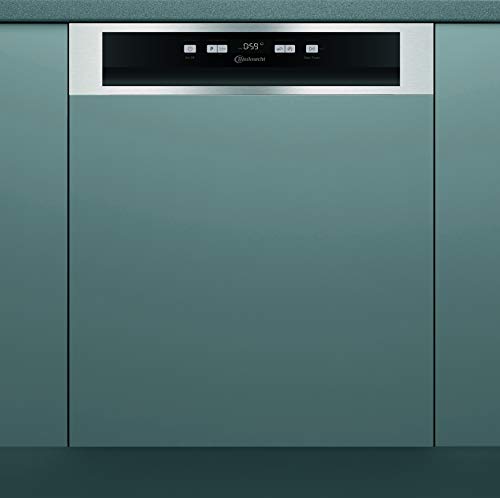
- Installation and furniture fit: Installation options include 45 or 60 cm width, niche height and depth, freestanding, built-under, semi-integrated, or fully integrated construction, panel weight, hinge movement, plinth clearance, hoses, and ventilation. Automatic-opening models need enough door and steam clearance, while concealed controls need a visible floor light or audible status system that suits the kitchen.
- Capacity and ProComfort racks: Capacity ranges from 10-place slim layouts for about 1–3 people to 13–14-place full-size layouts for 3–5 people and 15-place versions for larger loads; judge the choice using real cookware rather than the label alone. Inspect upper-rack adjustment, folding elements, cutlery tray or basket, glass supports, pan handles, plate diameter, and whether the PowerClean zone reduces flexible lower-rack space.
- PowerClean and sensor washing: The exact wash package may include rear high-pressure jets, Sensor+, MultiZone, Auto, Intensive, hygiene, rapid, and quiet functions. PowerClean is valuable for baked-on pans only when they fit vertically in the assigned zone, while MultiZone is useful for partial loads but may be less efficient per item than a full Eco cycle.
- Drying configuration: Drying equipment may include automatic door opening and extra-dry options, while plastic results, Eco duration, steam path, and disable controls still need attention. Compare the result with conventional condensation rather than assuming every Bauknecht uses the same drying hardware.
- Noise and program behavior: Approximately 41–44 dB is a strong range for open-plan use, while 46–49 dB is more intrusive. A dedicated quiet program may reduce pump or spray intensity and extend runtime, so compare its cleaning purpose separately from the declared Eco noise figure.
- Energy, water, and loading efficiency: For Bauknecht, about 0.63–0.75 kWh and 8.7–9.5 L per Eco cycle is good; more than 0.95 kWh or 12 L is relatively high. A 14-setting class B machine run full can still use fewer resources per item than a smaller model needing a second cycle, while intensive and extra-dry modes exceed label values.
- Leak protection and long-term support: Long-term ownership depends on inlet-hose protection, base-tray sensing, warranty responsibility, regional service, filter and spray-arm access, water-softener settings, rack replacements, and pump parts. Bauknecht availability is market-dependent, so parts and an authorized technician can matter more than one additional program.