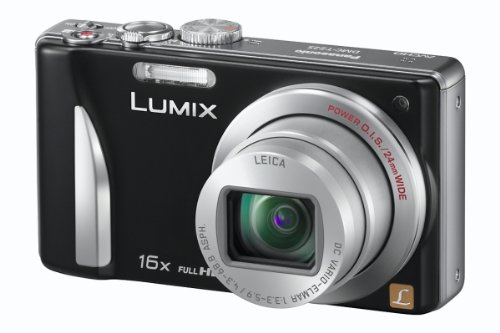
Panasonic LUMIX DMC TS30 Review | 108 Data compared

double-arrow
  • Avg. price in UK: ~£130
  • Avg. price in US: ~$180
  • Sensor size: 1/2.3"
  • Lens mount: N/A
  • Main camera pixel size: 1.33 µm
  • Weight: 144 g
  • Battery life (CIPA): 250 shots

Panasonic LUMIX DMC TS30 review. Compare 108 technical specifications and user reviews to see how it ranks among cameras and if it is worth buying.

4.3

Overall score

What it is: An overall evaluation of the camera's quality, based on technical analyses and user reviews.

When it matters: When you need a quick reference to identify the best cameras on the market.

Score components:

90.0%

3.8

Technical Score

10.0%

8.9

User score

Poor
3.8

Technical Score

What it is: An assessment of the camera's technical performance, covering eight key areas: image quality, autofocus, video features, stabilization, lens compatibility, connectivity, battery, and design.

When it matters: When you want to compare cameras based on technical performance and available features.

Score components:

28.0%

4.4

Sensor & Image

25.0%

3.7

Photo Features

18.0%

3.7

Video & Audio

14.0%

4.3

Display & Design

8.0%

3.1

Battery & Power

7.0%

2.2

Connectivity & Storage

Poor
8.9

User score

What it is: A rating that combines user reviews and the total number of reviews received by the camera.

When it matters: When real-world owner satisfaction and review volume matter to your decision.

Score components:

70.0%

8.4

User reviews

30.0%

10

Popularity

User score:
United Kingdom
amazon
4.2
(202)
amazon
4.2
(173)
United States
Amazon_logo.png
4.2
(805)
Amazon_logo.png
4.0
(23)
Amazon_logo.png
5.0
(1)

(Reviews last updated: July 2026)

Excellent
  • 3.3
    Professional photography

    Score components:

    25.0%

    5.8

    Sensor size

    20.0%

    5.7

    Main camera megapixels

    20.0%

    1.0

    Dual card slots

    15.0%

    1.9

    N. of focus points

    10.0%

    1.0

    RAW photo capture

    10.0%

    1.0

    Phase-detection autofocus (photos)

  • 4.6
    Travel

    Score components:

    35.0%

    10

    Weight

    30.0%

    2.5

    Battery life (CIPA)

    20.0%

    1.0

    Sensor-shift stabilization

    15.0%

    1.0

    GPS

  • 7.6
    Beginners

    Score components:

    30.0%

    9.8

    Price

    20.0%

    10

    Weight

    20.0%

    10

    AF tracking

    20.0%

    2.5

    Battery life (CIPA)

    10.0%

    1.0

    Touchscreen

  • 3.7
    Landscape photography

    Score components:

    30.0%

    5.7

    Main camera megapixels

    25.0%

    5.8

    Sensor size

    20.0%

    1.3

    Main camera pixel size

    15.0%

    1.0

    Sensor-shift stabilization

    10.0%

    1.0

    RAW photo capture

  • 7.4
    Street photography

    Score components:

    30.0%

    10

    Weight

    25.0%

    10

    Thickness

    20.0%

    ?

    AF low-light sensitivity

    15.0%

    1.0

    Sensor-shift stabilization

    10.0%

    1.0

    Eye detection AF (human)

  • 3.2
    Portraits

    Score components:

    30.0%

    5.8

    Sensor size

    25.0%

    1.3

    Main camera pixel size

    20.0%

    1.0

    Eye detection AF (human)

    15.0%

    5.7

    Main camera megapixels

    10.0%

    1.0

    Sensor-shift stabilization

  • 5.2
    Hiking

    Score components:

    30.0%

    10

    Weight

    25.0%

    2.5

    Battery life (CIPA)

    20.0%

    6.4

    Min operating temperature

    15.0%

    1.0

    Sensor-shift stabilization

    10.0%

    1.0

    GPS

  • panasonic-lumix-dmc-ts30
panasonic-lumix-dmc-ts30

Best prices in UK

Best rankings

?

Available: ranking among products currently available (including other versions of this product).
All: ranking among all products in the database.

Verdict

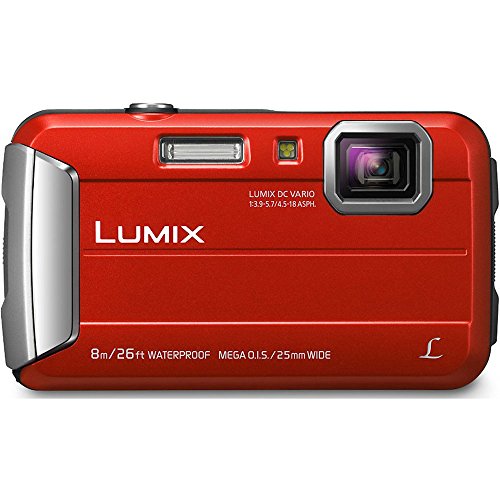
The Panasonic Lumix DMC-TS30 (also known as the FT30) is a rugged, ultra-compact point-and-shoot featuring a 16.1-megapixel 1/2.3" CCD sensor and a 4x optical zoom (25-100mm equivalent) lens with MEGA Optical Image Stabilisation. Built for extreme environments, it is waterproof down to 8m (26ft), shockproof from 1.5m (5ft), freezeproof to -10°C (14°F), and dustproof. Key pros include its highly portable 142g lightweight body, a dedicated 220MB internal memory for backup storage, and an Advanced Underwater mode with a built-in torch light to restore red hues in murky depths. However, its video capabilities are limited to 720p HD at 30fps with mono sound, and it lacks modern connectivity features like Wi-Fi, NFC, and GPS, while its small 2.7-inch 230k-dot LCD can be difficult to view in bright sunlight.

Technical Specifications of Panasonic LUMIX DMC TS30

Technical Score

What it is: An assessment of the camera's technical performance, covering eight key areas: image quality, autofocus, video features, stabilization, lens compatibility, connectivity, battery, and design.

When it matters: When you want to compare cameras based on technical performance and available features.

Score components:

28.0%

4.4

Sensor & Image

25.0%

3.7

Photo Features

18.0%

3.7

Video & Audio

14.0%

4.3

Display & Design

8.0%

3.1

Battery & Power

7.0%

2.2

Connectivity & Storage

3.8
Panasonic LUMIX DMC TS30 has a technical score of 3.8 points, which is lower than 91.4% of cameras.
User score

What it is: A rating that combines user reviews and the total number of reviews received by the camera.

When it matters: When real-world owner satisfaction and review volume matter to your decision.

Score components:

70.0%

8.4

User reviews

30.0%

10

Popularity

User score:
United Kingdom
amazon
4.2
(202)
amazon
4.2
(173)
United States
Amazon_logo.png
4.2
(805)
Amazon_logo.png
4.0
(23)
Amazon_logo.png
5.0
(1)

(Reviews last updated: July 2026)

8.9
Panasonic LUMIX DMC TS30 has a user score of 8.87 points, which is higher than 80.9% of cameras.
Popularity
What it is: An indicator based on the number of reviews received by the camera.
When it matters: When you want to see which cameras attract the most buyer attention and review activity.
10
Panasonic LUMIX DMC TS30 has a popularity of 10 points, which is higher than 66.1% of products in this category.
Ratio quality/price

What it is: An indicator that combines the camera's overall rating with its cost.

When it matters: When you want to know how much overall quality you get for the price.

Score components:

60.0%

4.3

Overall score

40.0%

9.8

Price

6.0
Panasonic LUMIX DMC TS30 has a quality-to-price ratio of 6 points, which is lower than 67.4% of products in this category.
Sensor size
What it is: The sensor format value describes the physical light-collecting area.
When it matters: When you shoot in more difficult lighting.

Importance: HIGH

Good value: Full frame or larger

1/2.3"
Panasonic LUMIX DMC TS30 uses a sensor classified as 1/2.3"; it is smaller than the sensor in 60.5% of cameras and the same size as the sensor in 38.1% of cameras.
Main camera megapixels
What it is: The effective resolution of the camera sensor, measured in megapixels (MP). Higher megapixels can capture more detail.
When it matters: When you want high-resolution photos that allow more cropping or larger prints.

Importance: HIGH

Good value: At least 20 MP

16.1 MP
Panasonic LUMIX DMC TS30 has a main camera resolution of 16.1 MP, which is lower than that of 53.1% of cameras and equal to that of 7.9% of cameras.
Main camera pixel size
What it is: The physical size of individual pixels on the camera sensor, measured in micrometers. Larger pixels typically capture more light for better low-light performance.
When it matters: When you shoot in low light and want reduced noise in your photos.

Importance: HIGH

Good value: At least 3.5 µm

1.33 µm
Panasonic LUMIX DMC TS30 has a main camera pixel size of 1.33 µm which is smaller than in 88.2% of cameras and equal to the size in 3.6% of cameras.
Base ISO
What it is: The native ISO setting that delivers the sensor’s standard balance of image quality and dynamic range.
When it matters: When you want the best native image quality and compare cameras at their most optimal sensitivity setting.

Importance: LOW

100
Panasonic LUMIX DMC TS30 has a base ISO of 100 which is higher than that of 20.3% of cameras and equal to that of 52% of cameras.
Max ISO
What it is: The ISO ceiling shows the highest sensor sensitivity available for darker scenes.
When it matters: When you shoot in more difficult lighting.

Importance: MEDIUM

Good value: At least ISO 25,600

1,600
Panasonic LUMIX DMC TS30 reaches a maximum sensitivity of ISO 1,600, which is lower than that of 85.9% of cameras and equal to that of 13.3% of cameras.
Show more
Lens mount
What it is: The mechanical and electronic interface that determines which interchangeable lenses the camera can use.
When it matters: When lens availability, upgrade options, and long-term system compatibility are central to your buying decision.

Importance: LOW

N/A
Built-in focus motor
What it is: Indicates whether the camera body includes an internal autofocus motor for driving compatible lenses.
When it matters: When you plan to use older or budget lenses that depend on the camera body for autofocus drive.

Importance: LOW

no
Panasonic LUMIX DMC TS30 does not have a built-in focus motor. 11% of cameras have a built-in focus motor.
N. of focus points
What it is: The total number of selectable autofocus points available for positioning and tracking focus.
When it matters: When you want more flexibility in placing focus precisely or tracking subjects across the frame.

Importance: HIGH

Good value: At least 200 points

23
Panasonic LUMIX DMC TS30 has 23 focus points, more than the number offered by 44.6% of cameras and equal to the number offered by 5.7% of cameras.
Phase-detection autofocus (photos)
What it is: Autofocus technology that measures phase differences to lock focus quickly and accurately for still photography.
When it matters: When you want faster and more reliable autofocus for still photos, especially with moving subjects.

Importance: HIGH

no
Panasonic LUMIX DMC TS30 does not support phase-detection autofocus for photos. 37.5% of cameras support phase-detection autofocus for photos.
AF tracking
What it is: An autofocus mode that continuously follows a moving subject to keep it sharp during shooting.
When it matters: When your subjects move unpredictably and you need the camera to keep focus on them automatically.

Importance: MEDIUM

yes
Panasonic LUMIX DMC TS30 supports AF tracking. This feature is available on 88% of cameras.
Show more
Max video resolution
What it is: The highest video resolution the camera can record, defining the maximum level of captured image detail.
When it matters: When you care about recording the highest level of detail for cropping, editing, or future-proof video work.

Importance: HIGH

Good value: At least 3840 px

1,280 px
Panasonic LUMIX DMC TS30 supports 1,280 px video recording which is lower quality than that of 71.4% of cameras and equal to that of 18.5% of cameras.
Video bitrate
What it is: The amount of video data recorded per second, which affects file size and potential recording quality.
When it matters: When you compare potential video quality and want fewer compression artifacts in demanding scenes.

Importance: MEDIUM

Good value: At least 200 Mbps

10 Mbps
Panasonic LUMIX DMC TS30 has a video bitrate of 10 Mbps which is lower than that of 90.9% of cameras and equal to that of 1.6% of cameras.
Video bit depth
What it is: The number of bits used per color channel in recorded video, affecting gradation smoothness and editing flexibility.
When it matters: When you color grade video and want smoother gradients with fewer banding issues.

Importance: MEDIUM

Good value: At least 10-bit

8 bit
Panasonic LUMIX DMC TS30 supports video at 8 bit, a bit depth higher than that of 7.8% of cameras and equal to that of 80.6% of cameras.
Video chroma subsampling
What it is: The color sampling format used in video recording, indicating how much color detail is retained relative to brightness detail.
When it matters: When color grading, keying, or serious post-production work is important in your video workflow.

Importance: LOW

4:2:0
Panasonic LUMIX DMC TS30 supports 4:2:0 video chroma subsampling which is more advanced than that of 7.8% of cameras and equal to that of 69.9% of cameras.
Video codecs
What it is: The video compression formats the camera can use when recording, affecting compatibility, efficiency, and workflow.
When it matters: When compatibility, editing performance, and file efficiency matter in the way you handle video.

Importance: LOW

H.264
Show more
Type
What it is: The camera type identifies the overall design, such as mirrorless, DSLR, compact, or bridge.
When it matters: When you want a camera style that matches how you shoot, carry, and swap lenses.

Importance: LOW

compact
Weight
What it is: The total weight of the camera body, which affects comfort while carrying and shooting.
When it matters: When you carry the camera all day, travel often, or prefer a lighter setup.

Importance: MEDIUM

Good value: 500 g or less

144 g
Panasonic LUMIX DMC TS30 weighs 144 g which is lighter than 89.5% of cameras and equal to the weight of 0.1% of cameras.
Width
What it is: The width of the camera body, measured from side to side.
When it matters: When compact packing, grip comfort, or bag fit matters to you.

Importance: LOW

104 mm
Panasonic LUMIX DMC TS30 has a width of 104 mm which is narrower than 77.4% of cameras and equal to that of 0.3% of cameras.
Height
What it is: The height of the camera body, measured from top to bottom.
When it matters: When you care about how compact the camera feels in a bag or in hand.

Importance: LOW

58 mm
Panasonic LUMIX DMC TS30 has a height of 58 mm which is shorter than 87.1% of cameras and equal to that of 1.9% of cameras.
Thickness
What it is: The depth of the device profile, excluding the camera bump unless specified.
When it matters: When you prefer a sleek, slim profile that slides easily into tight pockets.

Importance: LOW

20 mm
Panasonic LUMIX DMC TS30 has a thickness of 20 mm which is thinner than 93.3% of cameras and equal to that of 0.7% of cameras.
Show more
Battery life (CIPA)
What it is: The official battery endurance estimate measured under CIPA test methodology, usually expressed in shots per charge.
When it matters: When you need realistic expectations for how many shots you can take before carrying a spare battery.

Importance: MEDIUM

Good value: At least 400 shots

250 shots
Panasonic LUMIX DMC TS30 has a CIPA-rated battery life of 250 shots, which is shorter than that of 72.1% of cameras and equal to that of 4.2% of cameras.
Battery capacity
What it is: The amount of electric charge the battery can hold, measured in milliampere-hours (mAh).
When it matters: When you want a general idea of how large the battery is physically.

Importance: LOW

Good value: At least 1,500 mAh

680 mAh
Panasonic LUMIX DMC TS30 has a battery capacity of 680 mAh which is smaller than the batteries in 92.7% of cameras and equal to those in 2.8% of cameras.
Removable battery
What it is: Indicates whether the flight battery can be removed and swapped by the user.
When it matters: When you want to swap batteries quickly between flights.

Importance: LOW

yes
Panasonic LUMIX DMC TS30 has a removable battery, and 98.7% of cameras include one.
USB Power Delivery (PD)
What it is: Support for the USB Power Delivery standard for higher-power charging or external power supply over USB-C.
When it matters: When you want faster USB-C charging or the ability to power the camera externally for longer sessions.

Importance: LOW

no
Panasonic LUMIX DMC TS30 does not support USB Power Delivery. 10.1% of cameras support USB Power Delivery.
Wi-Fi connectivity
What it is: Indicates whether the camera has built-in Wi-Fi for image transfer, remote control, or network features.
When it matters: When you want to transfer photos wirelessly, control the camera from a phone, or use supported network workflows.

Importance: LOW

no
Panasonic LUMIX DMC TS30 does not support Wi-Fi. 47.9% of cameras include this feature.
Wi-Fi version
What it is: The specific generation of Wi-Fi standards supported (e.g., Wi-Fi 6, Wi-Fi 7), determining maximum speed and efficiency.
When it matters: When you have a high-speed router and want faster downloads with less congestion.

Importance: LOW

N/A
Bluetooth connectivity
What it is: Indicates whether the camera supports Bluetooth for pairing, remote control, or file transfer.
When it matters: When you want quick wireless pairing with a phone, remote control, or location syncing.

Importance: LOW

no
Panasonic LUMIX DMC TS30 does not have Bluetooth. 22.7% of cameras support Bluetooth.
Bluetooth version
What it is: The Bluetooth version supported by the camera for wireless pairing and low-power connections.
When it matters: When you want more efficient wireless pairing, better range, or newer Bluetooth features.

Importance: LOW

N/A
USB Type-C
What it is: A modern, reversible connector used for charging, data transfer, and sometimes audio or video output.
When it matters: When you want a reversible cable that handles charging, data, and accessories universally.

Importance: LOW

no
Panasonic LUMIX DMC TS30 does not include USB Type-C. 14.6% of cameras use USB-C.
Show more

Panasonic LUMIX DMC TS30 vs the average camera

  • 63.5% lighter
    Panasonic LUMIX DMC TS30 is lighter than the average camera (144 g vs 395 g). The average camera weighs 395 g.
    What it is: The total weight of the camera body, which affects comfort while carrying and shooting.
    When it matters: When you carry the camera all day, travel often, or prefer a lighter setup.

    Importance: MEDIUM

    Good value: 500 g or less

    Panasonic LUMIX DMC TS30 is lighter than the average camera (144 g vs 395 g). The average camera weighs 395 g.144 g vs 395 g
  • 8 m deeper water resistance
    Panasonic LUMIX DMC TS30 has a higher waterproof depth rating than the average camera (8 m vs 0 m). The average camera has a waterproof depth rating of 0 m.
    What it is: The maximum depth at which the camera can be used underwater or remain water-resistant, usually measured in meters.
    When it matters: When you plan to shoot underwater, snorkel, or use the camera in heavy wet conditions.

    Importance: LOW

    Good value: At least 10 m

    Panasonic LUMIX DMC TS30 has a higher waterproof depth rating than the average camera (8 m vs 0 m). The average camera has a waterproof depth rating of 0 m.8 m vs 0 m
  • Built-in timelapse
    Panasonic LUMIX DMC TS30 includes timelapse capture, the average camera does not.
    What it is: A mode that captures frames at set intervals so long events can be played back as accelerated video.
    When it matters: When you want to show long processes like sunsets, clouds, or city movement in a short finished clip.

    Importance: LOW

    Panasonic LUMIX DMC TS30 includes timelapse capture, the average camera does not.
  • 0.22 GB more storage
    Panasonic LUMIX DMC TS30 has a higher internal storage than the average camera (0.2 GB vs 0 GB). The average camera offers 0 GB of internal storage.
    What it is: The total built-in space available for apps, media, and files.
    When it matters: When you keep large libraries of photos, videos, and apps directly on your device.

    Importance: LOW

    Panasonic LUMIX DMC TS30 has a higher internal storage than the average camera (0.2 GB vs 0 GB). The average camera offers 0 GB of internal storage.0.22 GB vs 0 GB
  • 26 mm thinner
    Panasonic LUMIX DMC TS30 is thinner than the average camera (20 mm vs 46 mm). The average camera has a thickness of 46 mm.
    What it is: The depth of the device profile, excluding the camera bump unless specified.
    When it matters: When you prefer a sleek, slim profile that slides easily into tight pockets.

    Importance: LOW

    Panasonic LUMIX DMC TS30 is thinner than the average camera (20 mm vs 46 mm). The average camera has a thickness of 46 mm.20 mm vs 46 mm
  • 15.9 mm shorter body
    Panasonic LUMIX DMC TS30 is shorter than the average camera (58 mm vs 73.9 mm). The average camera has a height of 73.9 mm.
    What it is: The height of the camera body, measured from top to bottom.
    When it matters: When you care about how compact the camera feels in a bag or in hand.

    Importance: LOW

    Panasonic LUMIX DMC TS30 is shorter than the average camera (58 mm vs 73.9 mm). The average camera has a height of 73.9 mm.58 mm vs 73.9 mm
  • 10x more popular
    Panasonic LUMIX DMC TS30 is more popular than the average camera (10.00 vs 1.000).
    What it is: An indicator based on the number of reviews received by the camera.
    When it matters: When you want to see which cameras attract the most buyer attention and review activity.
    Panasonic LUMIX DMC TS30 is more popular than the average camera (10.00 vs 1.000).10 vs 1
  • 10.9% higher user score
    Panasonic LUMIX DMC TS30 has a higher user score than the average camera (8.87 vs 8.000).
    What it is: A rating that combines user reviews and the total number of reviews received by the camera.
    When it matters: When real-world owner satisfaction and review volume matter to your decision.
    Panasonic LUMIX DMC TS30 has a higher user score than the average camera (8.87 vs 8.000).8.87 vs 8
  • 63.5% lighter
    Panasonic LUMIX DMC TS30 is lighter than the average camera (144 g vs 395 g). The average camera weighs 395 g.
  • 8 m deeper water resistance
    Panasonic LUMIX DMC TS30 has a higher waterproof depth rating than the average camera (8 m vs 0 m). The average camera has a waterproof depth rating of 0 m.
  • 26 mm thinner
    Panasonic LUMIX DMC TS30 is thinner than the average camera (20 mm vs 46 mm). The average camera has a thickness of 46 mm.
  • 15.9 mm shorter body
    Panasonic LUMIX DMC TS30 is shorter than the average camera (58 mm vs 73.9 mm). The average camera has a height of 73.9 mm.
  • 15.9 mm narrower
    Panasonic LUMIX DMC TS30 is narrower than the average camera (104 mm vs 119.9 mm). The average camera has a width of 119.9 mm.
  • 2 newer
    Panasonic LUMIX DMC TS30 is newer than the average camera (2015 vs 2013). The average camera was released in 2013.
  • Built-in timelapse
    Panasonic LUMIX DMC TS30 includes timelapse capture, the average camera does not.
  • 0.22 GB more storage
    Panasonic LUMIX DMC TS30 has a higher internal storage than the average camera (0.2 GB vs 0 GB). The average camera offers 0 GB of internal storage.
  • 0.3 in smaller screen
    Panasonic LUMIX DMC TS30 has a smaller screen than the average camera (2.7 in vs 3 in). The average camera has a screen size of 3 in.
  • No hot shoe
    Panasonic LUMIX DMC TS30 does not have a hot shoe, the average camera does.
  • Smaller sensor
    Panasonic LUMIX DMC TS30 has a smaller sensor than the average camera (1/2.3" vs APS-C).
  • 2.01 µm smaller main-camera pixels
    Panasonic LUMIX DMC TS30 has a lower main camera pixel size than the average camera (1.3 µm vs 3.34 µm). The average camera has a main camera pixel size of 3.34 µm.
  • Lacks HDR mode
    Panasonic LUMIX DMC TS30 does not support HDR mode, the average camera does. 55.1% of cameras include HDR mode.
  • 4,800 lower max ISO
    Panasonic LUMIX DMC TS30 has a lower max ISO than the average camera (1,600 vs 6,400). The average camera reaches a max ISO of 6,400.
  • 18,900 lower expanded ISO
    Panasonic LUMIX DMC TS30 has a lower expanded ISO than the average camera (6,400 vs 25,300). The average camera reaches an expanded ISO of 25,300.
  • 0.1 MP lower resolution on the main camera
    Panasonic LUMIX DMC TS30 has a lower main camera resolution than the average camera (16.1 MP vs 16.2 MP). The average camera has a main camera resolution of 16.2 MP.
  • 4.4 fps slower mechanical burst
    Panasonic LUMIX DMC TS30 has a slower mechanical burst rate than the average camera (1.3 fps vs 5.7 fps). The average camera shoots at 5.7 fps.
  • No RAW photo capture
    Panasonic LUMIX DMC TS30 does not support RAW photo capture, the average camera does. 62.8% of cameras support RAW formats.
  • No manual focus mode
    Panasonic LUMIX DMC TS30 does not support manual focus, the average camera does. 71.7% of cameras include a manual focus mode.
  • No manual exposure control
    Panasonic LUMIX DMC TS30 does not support manual exposure, the average camera does. 72% of cameras support manual exposure controls.
  • 640 px lower video resolution
    Panasonic LUMIX DMC TS30 records lower-resolution video than the average camera (1,280 px vs 1920 px). The average camera records at 1920 px.
  • 1 fewer microphones
    Panasonic LUMIX DMC TS30 has fewer microphones than the average camera (1 vs 2). The average camera has 2 microphones.
  • 66.7% lower video bitrate
    Panasonic LUMIX DMC TS30 has a lower video bitrate than the average camera (10 Mbps vs 30 Mbps). The average camera records at 30 Mbps.
  • 440 mAh smaller battery capacity
    Panasonic LUMIX DMC TS30 has a lower battery capacity than the average camera (680 mAh vs 1,120 mAh). The average camera has a battery capacity of 1,120 mAh.
  • 80 shots shorter battery life
    Panasonic LUMIX DMC TS30 has shorter battery life than the average camera (250 shots vs 330 shots). The average camera delivers 330 shots per charge.
  • No HDMI output
    Panasonic LUMIX DMC TS30 does not support HDMI output, the average camera does. 78.7% of cameras support HDMI output.
  • Smaller sensor
    Panasonic LUMIX DMC TS30 has a smaller sensor than the average camera (1/2.3" vs APS-C).
    What it is: The sensor format value describes the physical light-collecting area.
    When it matters: When you shoot in more difficult lighting.

    Importance: HIGH

    Good value: Full frame or larger

    Panasonic LUMIX DMC TS30 has a smaller sensor than the average camera (1/2.3" vs APS-C).1/2.3" vs APS-C
  • 2.01 µm smaller main-camera pixels
    Panasonic LUMIX DMC TS30 has a lower main camera pixel size than the average camera (1.3 µm vs 3.34 µm). The average camera has a main camera pixel size of 3.34 µm.
    What it is: The physical size of individual pixels on the camera sensor, measured in micrometers. Larger pixels typically capture more light for better low-light performance.
    When it matters: When you shoot in low light and want reduced noise in your photos.

    Importance: HIGH

    Good value: At least 3.5 µm

    Panasonic LUMIX DMC TS30 has a lower main camera pixel size than the average camera (1.3 µm vs 3.34 µm). The average camera has a main camera pixel size of 3.34 µm.1.33 µm vs 3.34 µm
  • 4.4 fps slower mechanical burst
    Panasonic LUMIX DMC TS30 has a slower mechanical burst rate than the average camera (1.3 fps vs 5.7 fps). The average camera shoots at 5.7 fps.
    What it is: The maximum burst rate the camera can achieve using its mechanical shutter, measured in frames per second.
    When it matters: When you photograph sports, wildlife, or action and want more chances to catch the exact moment.

    Importance: MEDIUM

    Good value: At least 10 fps

    Panasonic LUMIX DMC TS30 has a slower mechanical burst rate than the average camera (1.3 fps vs 5.7 fps). The average camera shoots at 5.7 fps.1.3 fps vs 5.7 fps
  • 0.3 in smaller screen
    Panasonic LUMIX DMC TS30 has a smaller screen than the average camera (2.7 in vs 3 in). The average camera has a screen size of 3 in.
    What it is: The physical diagonal measurement of the display area, usually expressed in inches.
    When it matters: When you want a larger display for reviewing shots, using menus, or shooting from awkward angles.

    Importance: MEDIUM

    Good value: At least 3 in

    Panasonic LUMIX DMC TS30 has a smaller screen than the average camera (2.7 in vs 3 in). The average camera has a screen size of 3 in.2.7 in vs 3 in
  • Lacks HDR mode
    Panasonic LUMIX DMC TS30 does not support HDR mode, the average camera does. 55.1% of cameras include HDR mode.
    What it is: High Dynamic Range mode for photos, which combines multiple exposures to retain detail in both shadows and highlights.
    When it matters: When you take photos in high-contrast scenes, like a bright sky against a dark landscape.

    Importance: LOW

    Panasonic LUMIX DMC TS30 does not support HDR mode, the average camera does. 55.1% of cameras include HDR mode.
  • No hot shoe
    Panasonic LUMIX DMC TS30 does not have a hot shoe, the average camera does.
    What it is: A mounting interface on top of the camera for attaching accessories such as flashes, triggers, or microphones.
    When it matters: When you want to mount an external flash, trigger, microphone, or other camera-top accessory.

    Importance: LOW

    Panasonic LUMIX DMC TS30 does not have a hot shoe, the average camera does.
  • 640 px lower video resolution
    Panasonic LUMIX DMC TS30 records lower-resolution video than the average camera (1,280 px vs 1920 px). The average camera records at 1920 px.
    What it is: The highest video resolution the camera can record, defining the maximum level of captured image detail.
    When it matters: When you care about recording the highest level of detail for cropping, editing, or future-proof video work.

    Importance: HIGH

    Good value: At least 3840 px

    Panasonic LUMIX DMC TS30 records lower-resolution video than the average camera (1,280 px vs 1920 px). The average camera records at 1920 px.1280 px vs 1920 px
  • 1 fewer microphones
    Panasonic LUMIX DMC TS30 has fewer microphones than the average camera (1 vs 2). The average camera has 2 microphones.
    What it is: The number of built-in microphones used to capture audio while recording video.
    When it matters: More built-in microphones can capture broader, clearer sound when you record without an external microphone.

    Importance: LOW

    Good value: At least 2 microphones

    Panasonic LUMIX DMC TS30 has fewer microphones than the average camera (1 vs 2). The average camera has 2 microphones.1 vs 2

Graphic comparison of Panasonic LUMIX DMC TS30 and

Attribute category
Attribute
No results found

Third-party reviews

(Reviews last updated: July 2026)

What customers like about Panasonic LUMIX DMC TS30?

  • Highly durable 'Quad-Proof' design (waterproof, shockproof, freezeproof, and dustproof)
  • Compact and lightweight, making it easy to carry for outdoor activities
  • Advanced underwater mode that effectively restores red tones in photos
  • Affordable price point for a rugged camera
  • Quick power-up and fast shutter response for action shots
  • Optical Image Stabilization (Mega O.I.S.) helps reduce blur from camera shake

What customers dislike about Panasonic LUMIX DMC TS30?

  • Limited battery life, typically rated for only around 250 shots
  • Small 1/2.3" sensor struggles with image noise in low-light conditions
  • Lacks modern connectivity features like Wi-Fi, NFC, or GPS
  • Video recording is limited to 720p HD rather than 1080p or 4K
  • Fixed, low-resolution 2.7-inch LCD screen can be difficult to see in bright sunlight
  • No RAW shooting capability, limiting post-processing flexibility

Expert reviews

C
consumerreports.org
No Date Provided

The Panasonic Lumix DMC-TS30 is a 16-megapixel rugged compact camera featuring excellent image stabilization, fast power-up speeds, and a lightweight design. It is noted for high-quality, shake-free performance in low-light environments and capable telephoto shooting. However, the camera has limitations, offering only fair video quality restricted to 720p and fair monaural audio....Read more

D
dkamera.de
20/03/2015

However, the camera requires significant performance compromises due to its 1/2.3-inch CCD sensor, resulting in undercoloured, below-average image quality with visible noise even at base sensitivities (ISO 100/200) and severe detail loss from ISO 400 upwards. Additional drawbacks include an exceptionally slow burst shooting speed of just 1 frame per second, a low-resolution display...Read more

C
chip.de
04/09/2015

summary of the review: The Panasonic Lumix DMC-FT30 is a compact, entry-level outdoor camera tailored for budget-conscious users. Its primary pros lie in its rugged, 141-gram metallic build, which is waterproof down to 8 meters, shockproof from drops up to 1.5 meters, and freeze-proof down to minus 10 degrees Celsius. Equipped with a 16-megapixel sensor and a built-in image...Read more

L
lesnumeriques.com
27/02/2018

The Panasonic Lumix FT30 is a compact, rugged camera first released in 2015 that receives a mediocre 3 out of 5 rating due to its highly outdated technical specifications. On the positive side, the device features a simple, minimalist interface that is highly accessible to beginners. Its primary strength lies in its durability, offering shockproofing against drops from up to 1.5...Read more

Q
quechoisir.org
10/12/2015

The Panasonic Lumix DMC-FT30 is a compact, rugged digital camera designed for all-terrain use, featuring an 15.9-megapixel sensor and a 4x optical zoom (25-100 mm equivalent) with an aperture range of F3.9 to 5.7. Weighing 143 grams with its battery, the device is highly portable and offers a battery life of roughly 250 photos per charge. Built for durability, its standout...Read more

A
amatech.it
14/08/2017

Conversely, the review outlines major limitations regarding performance and connectivity. Equipped with a small CCD sensor comparable to a standard smartphone, its image processing capabilities are quite basic. A primary downside is the poor video quality, which maxes out at 720p HD and suffers from low color definition and weak rendering, especially in underwater conditions....Read more

A
altroconsumo.it
23/07/2026

Based on the provided review, we are analyzing the Panasonic Lumix DMC-FT30, a shockproof and waterproof digital camera designed for sports and extreme conditions, tested by Altroconsumo in October 2016. The camera features a 1/2.3" sensor with 15.9 Megapixel resolution, a built-in fixed flash, and an objective lens with a 35mm equivalent focal length of 25–100 mm (4x optical zoom)....Read more

O
onderwatercamerakopen.com
14/06/2019

The Panasonic Lumix DMC-FT30 is a highly compact, pocket-sized waterproof camera designed for basic outdoor and underwater adventures. Built to withstand rugged environments, it features IPX8 water resistance up to 8 metres for 60 minutes, shockproofing up to 1.5 metres, and freeze-proofing down to -10°C. Key advantages include its highly portable dimensions, user-friendly layout...Read more

P
portablegear.nl
N/A

The Panasonic Lumix DMC-FT30 is a durable, budget-friendly, and compact outdoor camera with a robust design that is waterproof to 8 meters, shockproof to 1.5 meters, and freezeproof to -10°C. Key strengths include an intuitive "Advanced Underwater" mode, a useful built-in Torch Light for video, and a strong flash, making it suitable for casual snorkelers and adventurers. However,...Read more

Video reviews

Compare Panasonic LUMIX DMC TS30 with

VS
VS

Compare