
Are Tineco vacuum cleaners good?
Tineco vacuum cleaners have an average overall score of 7.4, ranking #12 among comparable vacuum-cleaner brands, and a user rating of 8.7, placing them at #18 based on user reviews.
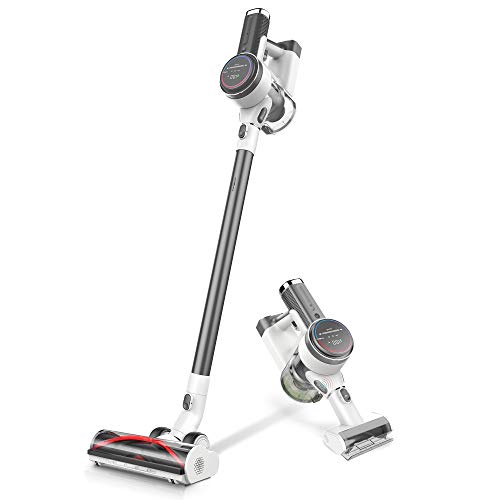
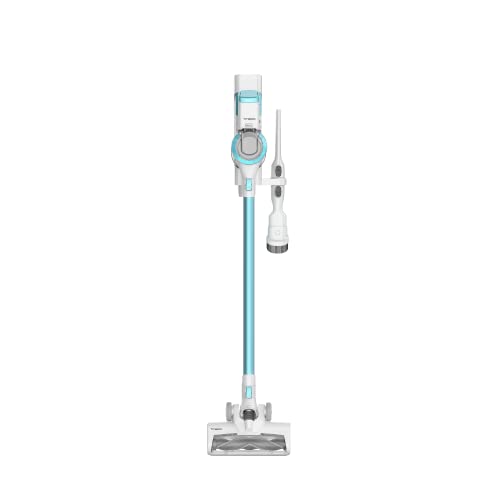
Tineco vacuum cleaners are a good choice for buyers who want automatic dirt sensing in a lightweight cordless stick or a dedicated machine that washes hard floors while collecting dry debris. Pure One models use a visual dirt ring and adjust suction, while Floor One manages clean and dirty water separately.
Tineco vacuum cleaners are less compelling when maximum carpet suction, a large bin or simple low-maintenance ownership matters. Sensors, water channels and self-cleaning cycles add useful feedback but also more parts that must be washed and dried.
The chart below compares vacuum-cleaner brands by average overall score.
[horizontal-chart-05060405232908929908180547999782892589572867802681]
What are the main advantages of Tineco vacuum cleaners?
The main advantages of Tineco vacuum cleaners are as follows:
- Automatic dirt response: iLoop sensors on Pure One models change suction according to detected debris and provide a clear visual indicator when an area is cleaner.
- Useful cordless weight: Dry sticks are generally around 2.5–3.5 kg ready to use, balancing floor cleaning with handheld conversion.
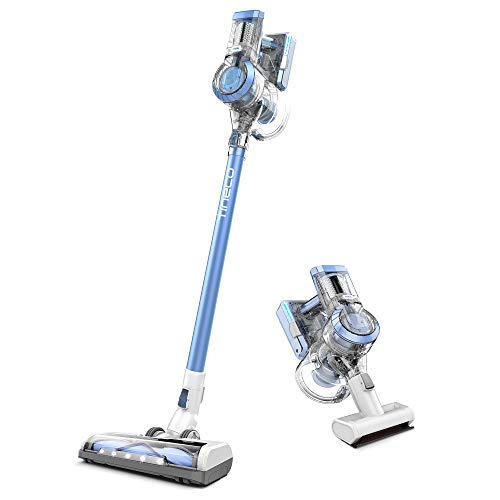
- Removable batteries on selected models: A11 and some Pure One packages allow pack replacement or a second battery, extending service life and runtime.
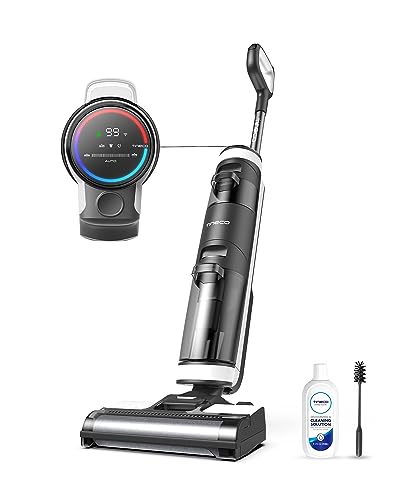
- Dedicated wet-and-dry cleaning: Floor One uses separate clean- and dirty-water tanks, a powered roller and self-cleaning cycle instead of merely dragging a damp pad behind a vacuum.
- Controlled noise and power: Automatic mode avoids running maximum suction continuously; several models operate around 65–75 dB in ordinary use.
What are the main disadvantages of Tineco vacuum cleaners?
The main disadvantages of Tineco vacuum cleaners are as follows:
- Moderate dry-vacuum output: Published figures around 80–150 AW suit hard floors and rugs but provide less deep-carpet reserve than many 200 AW-plus premium sticks.
- Small bins: Dry models commonly hold roughly 0.4–0.6 L, so pet hair can fill the container before the battery is depleted.
- Consumable dependence: Floor One needs clean rollers, filters and often branded solution; Pure One sensors also need the airflow path kept clear.
- Wet-machine maintenance: The self-clean cycle does not remove the need to empty dirty water, rinse the tank and roller, and dry the parts after every use.
- App and display features can outlive support: Connectivity is useful for status and guidance but should not be the main reason to choose a vacuum expected to last many years.

Who makes Tineco vacuum cleaners?
Tineco is a Chinese floor-care company founded in 1998 and associated with the Ecovacs group of home-robotics businesses. It develops cordless sticks and wet-and-dry floor washers for international markets.
Manufacturing and product codes vary by region, and a model with the same family name may include a different battery, charger or accessory set.
Use the complete model and serial information when sourcing rollers, filters, solution or batteries. Wet-and-dry consumables are particularly model-specific and should not be selected only by tank appearance.
What are the main series of Tineco vacuum cleaners?
The main Tineco vacuum-cleaner series are as follows:
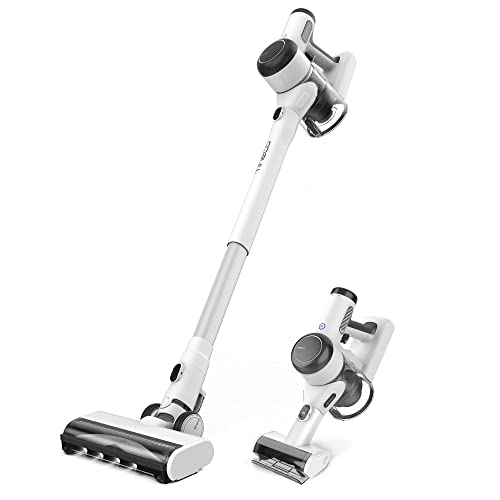
- PWRHERO 11: This is the accessible dry-stick family, focusing on basic modes and everyday pickup. It suits buyers who do not need the brand’s more advanced sensors or displays.
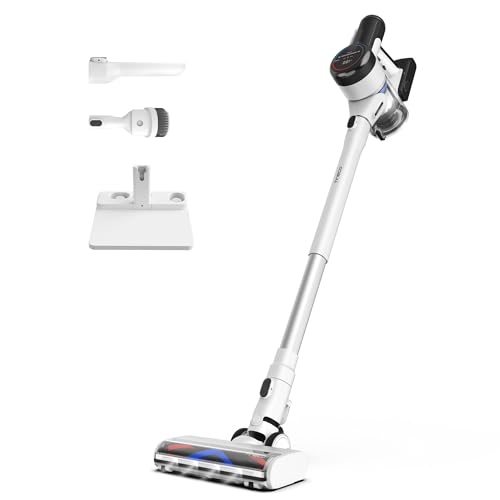
- A11: A11 moves to a more capable modular platform, often with a removable battery and broader tool package. It remains a conventional vacuum for dry debris.
- Pure One X: This is the lighter sensor-equipped branch. It uses automatic dirt response while keeping the body and controls relatively simple.
- Pure One S12 and S15: S12 adds a more informative display and stronger output, while S15 refines the head, sensing and anti-tangle package. These are the more advanced dry-stick families.
- Floor One S3: Floor One S3 is a wet-and-dry hard-floor washer, not a direct successor to the dry sticks. It uses separate water tanks and requires roller cleaning after use.
How much do Tineco vacuum cleaners cost?
Tineco vacuum cleaners generally cost about £150-£430. PWRHERO 11 begins near £150, while A11 and Pure One X commonly sit around £220. These models cover everyday dry cleaning without the top display or floor-washing system.
Pure One S15 and Floor One S3 are around £340, and S12 can approach £430 depending on package. At those prices, automatic sensing, a second battery or true wet-and-dry tanks should account for the premium.
How do Tineco vacuum cleaners compare with Bissell?
Tineco and Bissell both make wet-and-dry floor cleaners, but Tineco concentrates more heavily on cordless sensing and self-propelled hard-floor washers. Bissell offers a broader mix of CrossWave washers, carpet cleaners, uprights and conventional vacuums.
Based on our research, Tineco models average roughly £280, compared with about £130 for the broader Bissell vacuum range. Tineco dry sticks commonly provide 35–50 minutes in a lower mode, while Bissell varies widely because its range includes corded and specialist machines.
Choose Tineco for a sensor-led cordless stick or streamlined hard-floor washing routine. Choose Bissell when carpet washing, a corded CrossWave, a larger service range or a lower entry price matters. Compare clean-water volume, dirty-water volume and roller maintenance for the exact wet machines.
What should you check before buying a Tineco vacuum cleaner?
Consider the following factors before buying a Tineco vacuum cleaner:
- Dry or wet cleaning: Pure One, A11 and PWRHERO collect dry debris; Floor One washes sealed hard floors. A wet-and-dry washer is not intended for ordinary carpet vacuuming.
- Suction and head: Dry models commonly publish roughly 80–150 AW. Check roller agitation, edge pickup and anti-tangle design rather than treating iLoop sensing as a substitute for pickup.
- Runtime and charging: Expect about 35–50 minutes in a lower mode and several hours to recharge. Verify maximum-mode or wet-cleaning duration for the actual floor area.
- Bin or tank capacity: Dry bins are usually around 0.4–0.6 L. For Floor One, compare clean- and dirty-water tanks separately and allow enough capacity to finish a room without stopping.
- Battery: Check whether the pack is removable and whether a spare can charge independently. Battery design differs across A11, Pure One and Floor One families.
- Maintenance: Price filters, rollers and cleaning solution. A wet machine must be emptied, rinsed and dried after each use even when it has a self-clean cycle.
- Sensors and support: Keep the dirt sensor and air path clean, and verify app, firmware, warranty and regional consumables for the complete model code.