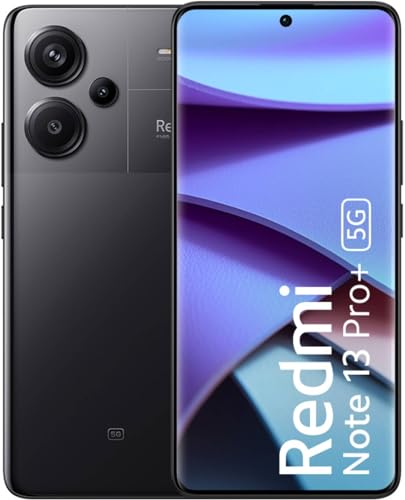
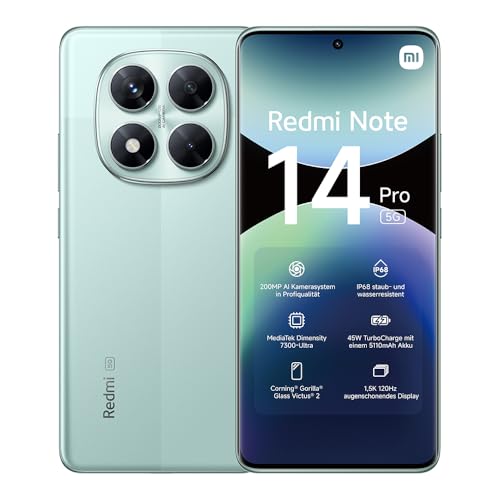
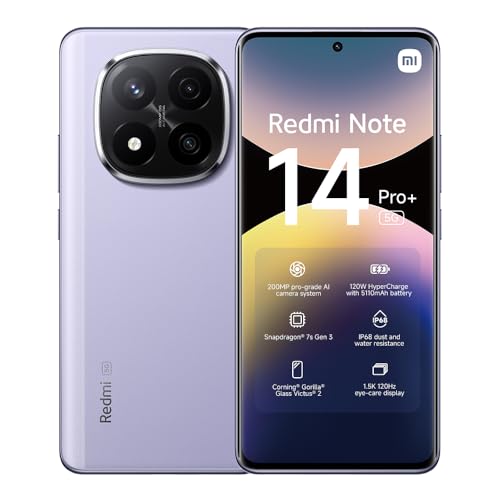
Xiaomi Redmi Note 14 Pro+ 5G (8GB + 256GB) review. Compare 197 technical specifications and user reviews to see how this product ranks in the Smartphones category and whether it is worth buying.
Overall score
What it is: An overall evaluation of the smartphone's quality, based on technical analyses and user reviews.
When it matters: When you need a quick reference to identify the best smartphones on the market.
Score components:
90.0%
Technical Score
10.0%
User score
Technical Score
What it is: An assessment of the smartphone's technical performance, covering eight key areas: performance & hardware, software, camera, connectivity, display, battery, audio, and design.
When it matters: When you want to compare smartphones based on technical performance and available features.
Score components:
25.0%
Performance & Hardware
18.0%
Camera
15.0%
Display
15.0%
Battery
10.0%
Software
10.0%
Connectivity
4.0%
Audio
3.0%
Design
User score
What it is: A rating that combines user reviews and the total number of reviews received by the smartphone
When it matters: When you want to know how a smartphone handles daily tasks and how reliable it remains over time according to user feedback.
Score components:
70.0%
User reviews
30.0%
Popularity
Available: ranking among products currently available (including other versions of this product).
All: ranking among all products in the database.
#20 in Best Smartphones Under £300
#21 in Best Xiaomi Phones
#54 in Best Smartphones Under £400
#59 in Best Value Smartphones
#77 in Best Smartphones Under £500
#106 in Best Chinese Smartphones
#162 in Best Large-Screen Smartphones
#164 in Best Android Smartphones
#181 in Best NFC Smartphones
#182 in Best 5G Smartphones
#184 in Best Smartphones
#184 in Best AI Smartphones
#209 in Best Battery Life Smartphones
#237 in Best Camera Smartphones
What it is: An assessment of the smartphone's technical performance, covering eight key areas: performance & hardware, software, camera, connectivity, display, battery, audio, and design.
When it matters: When you want to compare smartphones based on technical performance and available features.
Score components:
25.0%
Performance & Hardware
18.0%
Camera
15.0%
Display
15.0%
Battery
10.0%
Software
10.0%
Connectivity
4.0%
Audio
3.0%
Design
What it is: A rating that combines user reviews and the total number of reviews received by the smartphone
When it matters: When you want to know how a smartphone handles daily tasks and how reliable it remains over time according to user feedback.
Score components:
70.0%
User reviews
30.0%
Popularity
What it is: An indicator that combines the smartphone's overall rating with its cost.
When it matters: When you are looking for a smartphone with a good balance between quality and price.
Score components:
60.0%
Overall score
40.0%
Price
Importance: LOW
Importance: HIGH
Importance: HIGH
Good value: >12 GB
Importance: MEDIUM
Good value: >256 GB
Importance: MEDIUM
Good value: >3.2 GHz
Importance: LOW
Importance: MEDIUM
Good value: >1500
Importance: LOW
Good value: >4000
Importance: LOW
Good value: 8+
Importance: LOW
Importance: LOW
Good value: >950 MHz
Importance: LOW
Good value: >700
Importance: LOW
Good value: >1000
Importance: LOW
Good value: >2500
Importance: MEDIUM
Good value: >6000
Importance: LOW
Good value: >8000
Importance: MEDIUM
Good value: >12000
Importance: LOW
Good value: >5000
Importance: LOW
Good value: >1800
Importance: LOW
Good value: >3200 MHz
Importance: LOW
Good value: 5
Importance: LOW
Good value: > 50 GB/s
Importance: LOW
Good value: 4
Importance: LOW
Good value: >16 GB
Importance: MEDIUM
Good value: <6 nm
Importance: MEDIUM
Good value: >9 W
Importance: LOW
Importance: LOW
Good value: >8192 KB
Importance: LOW
Good value: >2048 KB
Importance: LOW
Good value: >512 KB
Importance: LOW
Good value: >100000 million
Importance: LOW
Good value: 3.3
Importance: LOW
Good value: 3.2
Importance: LOW
Good value: 2.0/3.0
Importance: LOW
Importance: LOW
Importance: LOW
Importance: MEDIUM
Importance: LOW
Importance: LOW
Importance: LOW
Importance: LOW
Importance: LOW
Importance: LOW
Importance: LOW
Importance: LOW
Importance: LOW
Importance: LOW
Importance: LOW
Importance: LOW
Importance: LOW
Importance: LOW
Importance: LOW
Importance: LOW
Importance: LOW
Importance: LOW
Importance: LOW
Importance: LOW
Importance: LOW
Importance: LOW
Importance: LOW
Importance: LOW
Importance: LOW
Importance: LOW
Importance: LOW
Importance: LOW
Importance: LOW
Importance: LOW
Importance: LOW
Importance: LOW
Importance: LOW
Importance: MEDIUM
Good value: >50 MP
Importance: MEDIUM
Importance: HIGH
Good value: >60
Importance: LOW
Good value: ≥1.2 µm
Importance: MEDIUM
Good value: >2.5x
Importance: MEDIUM
Importance: LOW
Importance: LOW
Importance: LOW
Importance: LOW
Good value: ≥2
Importance: LOW
Importance: LOW
Importance: LOW
Importance: LOW
Good value: >16 MP
Importance: LOW
Importance: LOW
Importance: LOW
Importance: LOW
Importance: MEDIUM
Importance: LOW
Importance: LOW
Importance: LOW
Importance: LOW
Importance: LOW
Importance: LOW
Importance: LOW
Importance: LOW
Importance: LOW
Importance: LOW
Importance: LOW
Importance: LOW
Importance: LOW
Importance: LOW
Importance: LOW
Importance: LOW
Importance: LOW
Importance: LOW
Importance: LOW
Importance: LOW
Importance: LOW
Good value: >130
Importance: LOW
Good value: >120
Importance: LOW
Good value: ≥2
Importance: LOW
Importance: LOW
Importance: LOW
Importance: LOW
Importance: LOW
Importance: LOW
Good value: >5.2
Importance: LOW
Importance: LOW
Importance: LOW
Importance: LOW
Good value: 3.1/3.2
Importance: LOW
Importance: LOW
Importance: LOW
Good value: ≥2
Importance: LOW
Importance: LOW
Importance: LOW
Importance: LOW
Importance: LOW
Importance: LOW
Importance: LOW
Importance: LOW
Importance: LOW
Importance: LOW
Importance: LOW
Importance: LOW
Importance: LOW
Importance: LOW
Importance: LOW
Importance: LOW
Good value: ≥6.6 inches
Importance: MEDIUM
Importance: LOW
Good value: >400 ppi
Importance: MEDIUM
Importance: MEDIUM
Good value: ≥120 Hz
Importance: LOW
Importance: LOW
Good value: >300 Hz
Importance: LOW
Good value: >800 nits
Importance: LOW
Good value: >1300 nits
Importance: LOW
Good value: >1000 nits
Importance: LOW
Importance: LOW
Importance: LOW
Importance: LOW
Importance: LOW
Importance: LOW
Importance: LOW
Importance: LOW
Importance: HIGH
Good value: >5000 mAh
Importance: MEDIUM
Good value: >60 W
Importance: LOW
Importance: LOW
Good value: <45 min
Importance: LOW
Importance: LOW
Good value: >40 W
Importance: LOW
Importance: LOW
Good value: >10 W
Importance: LOW
Importance: LOW
Importance: MEDIUM
Importance: LOW
Good value: >800
Importance: LOW
Importance: LOW
Importance: LOW
Importance: LOW
Importance: LOW
Good value: ≥3
Importance: LOW
Importance: LOW
Importance: LOW
Importance: LOW
Importance: LOW
Importance: LOW
Importance: LOW
Good value: <162 mm
Importance: LOW
Good value: <75 mm
Importance: LOW
Good value: <8 mm
Importance: LOW
Good value: <190 g
Importance: LOW
Good value: <98cm³
Importance: LOW
Importance: LOW
Importance: LOW
Importance: LOW
Importance: LOW
Importance: LOW
Good value: ≥1.5 m
Importance: LOW
Importance: LOW
Good value: >8
Importance: LOW
Importance: LOW
Importance: MEDIUM
Good value: >2.5x
Importance: MEDIUM
Importance: HIGH
Good value: >5000 mAh
Importance: MEDIUM
Good value: >60 W
Importance: LOW
Good value: >1300 nits
Importance: MEDIUM
Good value: <6 nm
Importance: LOW
Importance: LOW
Importance: HIGH
Good value: >60
Importance: LOW
Importance: LOW
Importance: LOW
Good value: ≥1.2 µm
Importance: LOW
Importance: MEDIUM
Good value: >9 W
Importance: LOW
Importance: LOW
(Reviews last updated: August 2026)
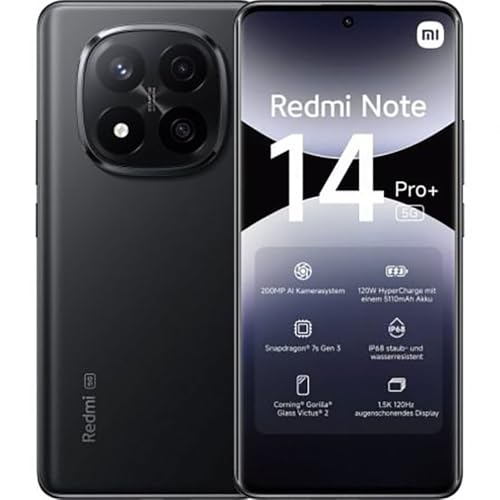
The Redmi Note 14 Pro+ 5G, reviewed by Book of Adamz, distinguishes itself in the mid-range market with a premium design featuring a faux leather back that reduces fingerprints and provides a secure grip. The device boasts 120W HyperCharge technology, capable of fully charging its 5,110mAh battery in approximately 25 minutes, outperforming many competitors. While the 200MP main camera offers strong daylight performance, the overall camera system is limited by less impressive ultra-wide and macro lenses. Furthermore, the Snapdragon 7s Gen 3 processor provides only incremental performance gains over the previous generation, and the software includes significant pre-installed apps.
The Xiaomi Redmi Note 14 Pro Plus 5G features a premium, durable design with an IP68 rating, Gorilla Glass Victus 2, and a standout 6.67-inch 1.5K AMOLED display capable of 3,000 nits peak brightness. While the Snapdragon 7s Gen 3 chipset provides reliable performance and the 5,110mAh battery supports rapid 120W charging, the device is limited by an older, slower UFS 2.2 storage standard. Despite a 200MP main camera that performs well in low light, the overall experience is hindered by mediocre auxiliary lenses and a bloated, inconsistent software interface.
The Smartzone review describes the Xiaomi Redmi Note 14 Pro+ 5G as a robust mid-range phone, highlighted by a bright 6.67-inch 1.5K AMOLED display, premium build quality with IP68 rating, and a 200MP main camera that delivers sharp, detailed photos. Powered by the Snapdragon 7s Gen 3, the device handles daily tasks well, though the review highlights that the global version uses slower UFS 2.2 storage and a smaller 5,110 mAh battery compared to the Chinese variant, alongside disappointing 8MP ultra-wide and 2MP macro sensors. Despite these downsides, it offers 120W fast charging, but comes with heavy pre-installed bloatware and ships with Android 14, limiting its long-term software appeal.
The Xiaomi Redmi Note 14 Pro+ 5G features a premium, durable design with an IP68 rating and a vibrant 6.67-inch curved AMOLED display. Pros include high peak brightness, a 120Hz refresh rate, and 5,110 mAh battery longevity, though cons include the lack of a headphone jack and the potentially divisive curved screen. While the Snapdragon 7s Gen 3 provides adequate, albeit mid-range, performance, the 200MP main camera captures high-quality, detailed images in good lighting. However, the 8MP ultrawide and 2MP macro cameras underperform, and the device is plagued by significant bloatware and ads within HyperOS.
The Xiaomi Redmi Note 14 Pro 5G features a 6.67-inch 1.5K OLED display with 3,000 nits peak brightness, IP68 resistance, and durable Gorilla Glass Victus 2. Key advantages include its premium design and capable 200MP main camera, though it lacks a 3.5mm headphone jack. Powered by the MediaTek Dimensity 7300 Ultra, performance is reliable, but the 8MP ultra-wide and 2MP macro cameras underperform. Despite a 5,110mAh battery with day-long endurance, charging has been reduced to 45W, and the HyperOS software includes significant bloatware.
The Redmi Note 14 Pro 5G delivers a premium, durable design featuring IP68/IP69K resistance, Gorilla Glass Victus 2, and a high-brightness 3,000-nit AMOLED screen. Performance is driven by the MediaTek Dimensity 7300-Ultra, which excels in daily tasks but shows limitations in intensive gaming, while the 200MP main camera offers strong, detailed shots alongside less impressive, lower-resolution supporting lenses. Despite boasting long battery life, the device features slower 45W charging compared to its predecessor and suffers from significant pre-installed software, making it a powerful mid-range contender with some usability compromises.
The Xiaomi Redmi Note 14 Pro+ 5G is identified by Frandroid as a top contender in the €500 mid-range segment, featuring a durable IP68-rated design and a bright, 120Hz 1.5K AMOLED display. While praised for its premium feel, the device is criticized for utilizing curved screen edges that some find outdated. Performance is driven by the Snapdragon 7s Gen 3, but the software experience is hindered by heavy bloatware and launching on older Android 14, notes the review. FrandroidOn the camera front, the 200MP main sensor delivers high-quality, detailed shots, though this is contrasted by mediocre secondary ultra-wide and macro lenses. The phone boasts impressive 120W fast charging capable of a full recharge in under 25 minutes. Despite strong hardware, the analysis highlights the intrusive HyperOS interface as a significant drawback to the overall user experience. Frandroid
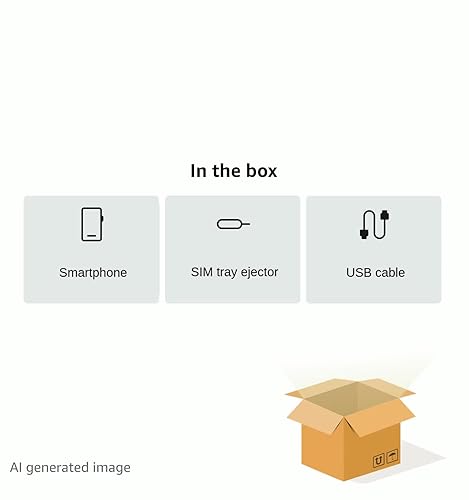
The Xiaomi Redmi Note 14 Pro+ 5G is a high-end, mid-range smartphone featuring a 6.7-inch 120Hz OLED display, a Qualcomm Snapdragon 7s Gen 3 processor, and 5,110 mAh battery with 120W charging. Key hardware highlights include a 200-megapixel main camera, IP68 certification, and durable Corning Gorilla Glass Victus 2. The device is lauded for its premium design and exceptional screen brightness. However, the review notes significant drawbacks, particularly the underwhelming 8MP ultra-wide and 2MP macro secondary cameras, as well as excessive bloatware within the HyperOS interface. Furthermore, the device ships with Android 14, and in some regions, the essential 120W charger is not included in the box. Overall, while the device provides strong, flagship-like performance, it is hindered by mediocre secondary sensors and software-related user experience issues. For more details, visit UFC-Que Choisir.
According to a February 2025 Journal du Geek review, the Xiaomi Redmi Note 14 Pro+ 5G is a mid-range contender under €500, featuring a 6.67-inch 3,000-nit AMOLED display and a Snapdragon 7s Gen 3 processor. The device boasts a premium build with Gorilla Glass Victus 2, IP68 water resistance, and a 200MP main camera that delivers detailed, vibrant photos. A standout feature is the 5,110 mAh battery paired with 120W charging, allowing for a full recharge in under 25 minutes. However, the, review notes significant drawbacks, including underwhelming 8MP ultra-wide and 2MP macro lenses that feel out of place on a device with such a strong main sensor. Additionally, the phone ships with Android 14 instead of 15, and the HyperOS interface is loaded with pre-installed bloatware. Finally, the global variant lacks the larger battery found in the Chinese model, and some regions do not include a charger in the box.
The Xiaomi Redmi Note 14 Pro 5G is a balanced mid-range device featuring a durable design with IP68 resistance and a high-quality 6.67-inch, 1.5K 120Hz AMOLED display reaching 1,254 cd/m². Powered by the MediaTek Dimensity 7300 Ultra, it offers solid daily performance, though it struggles with high-demand gaming, and provides a 5,110 mAh battery that lasts over 15 hours despite a downgrade to 45W charging. While the 200MP main sensor delivers sharp daylight photos, the overall camera experience is hampered by an weak 8MP ultra-wide lens, along with the removal of a 3.5mm jack and microSD slot. For more details, visit Les Numériques. Les Numériques
Andrea Galeazzi’s review of the Redmi Note 14 series highlights that all models feature 120Hz AMOLED screens, with the standard model praised for its comfortable flat display, 3.5mm jack, and microSD slot, despite its thick bezels and plastic frame. While the Pro+ offers superior 120W charging and higher raw power, it suffers from occasional HyperOS stutters, notes the reviewer. Ultimately, the Redmi Note 14 Pro is identified as the most balanced, offering a blend of performance and battery life, though all models are solid, non-flagship devices. The 108MP camera on the base model is limited by a lack of an ultrawide lens and poor low-light performance, whereas the 200MP sensors on the Pro models provide better, though not professional-grade, results.
The TudoAndroid review highlights the Redmi Note 14 Pro+ as a durable, mid-range smartphone featuring a premium design with IP68 water resistance and a high-quality 1.5K AMOLED display with 3,000 nits peak brightness. Performance is driven by the Snapdragon 7s Gen 3 chipset, capable of daily tasks and gaming, supported by 120W charging that fills the 5,110 mAh battery in under 25 minutes. While the 200MP main camera produces excellent, detailed images, the device is hindered by disappointing secondary sensors, a lack of optical zoom in the global model, and excessive software bloat.
The Redmi Note 14 Pro+ 5G is positioned as a flagship mid-range cameraphone for 2025, priced in Italy between €499.90 and €549.90. The device features a significant design shift with a central, rounded camera module and a vegan leather back, supported by a rugged "All Star Armour" structure and IP68 certification. While its 6.67-inch 1.2K AMOLED display is lauded as perhaps the best in its price class due to its 3,000 nits peak brightness and 120Hz refresh rate, the review notes that the curved edge aesthetic feels somewhat dated. The smartphone's primary strength is its 200 MP main camera, which delivers vibrant, well-stabilised shots that are considered "insuperable" for under €500. However, this is undermined by lacklustre secondary sensors—an 8 MP ultra-wide and a 2 MP macro—which compare poorly to the 50 MP telephoto lens found on the Chinese version of the same model. Performance is another area of compromise; while the Snapdragon 7s Gen3 chip is decent, the use of slower LPDDR4x RAM and UFS 2.2 storage leads to occasional fluidity issues and poor multitasking performance compared to rivals.
The Redmi Note 14 Pro+ 5G is a durable mid-range device featuring a vibrant 6.67-inch curved AMOLED display with 3,000 nits peak brightness, IP68 resistance, and Gorilla Glass Victus 2. Powered by the Snapdragon 7s Gen 3, it offers capable performance and a massive 6,200mAh battery with rapid 90W-120W charging options. However, the experience is hindered by HyperOS bloatware, underwhelming secondary cameras, and the lack of wireless charging or a 3.5mm jack. For more details, visit TechPrincess.it.
The Xiaomi Redmi Note 14 Pro+ 5G features a premium 6.67-inch 1.5K AMOLED display with 3000-nit peak brightness, high-quality aluminum-glass construction, and IP68 protection, delivering a flagship-level design and screen. Performance is driven by a Snapdragon 7s Gen 3 chipset and supported by rapid 120W charging that fills the 5110mAh battery in under 30 minutes, though it lacks wireless charging. However, the 200MP camera produces inconsistent, over-saturated images and the secondary cameras are weak, while the HyperOS software is plagued by heavy bloatware, advertisements, and excessive notifications.
The Xiaomi Redmi Note 14 Pro+ is a premium mid-range device featuring a durable design with IP68/IP69 protection and a 6.67-inch, 3,000-nit AMOLED display. It boasts excellent performance with a Snapdragon 7s Gen 3 chip, 120W fast charging, and a high-resolution 200MP main camera that delivers strong, detailed images. However, the device is held back by a poor 8MP ultra-wide and 2MP macro camera, alongside a heavily cluttered HyperOS experience plagued with bloatware and ads. The software, paired with a limited update cycle starting on Android 14, detracts from the otherwise solid hardware, making it a better value only at a discount.
The Xiaomi Redmi Note 14 Pro+ is praised for its premium design, featuring a 6.67-inch curved 1.5K AMOLED display and IP68 water resistance. While it offers solid build quality, the device faces significant drawbacks, including poor battery life under load, underwhelming secondary camera sensors, and a heavily bloatware-laden software experience. Despite featuring a 200MP main sensor and the Snapdragon 7s Gen 3 chipset, the phone is deemed to offer lower value than competitors at its 499 euro price point.
The Redmi Note 14 series delivers high-end features like 120Hz OLED displays and, on the 5G model, exceptional peak brightness (1,642 cd/m²), offering strong value despite a 4G model featuring a slower processor. Battery life is impressive, with the 5G model lasting over 13 hours and 43 minutes in tests, while the Pro+ model supports 120W charging. While main cameras on the 5G and Pro models include OIS for quality, the series is hampered by poor secondary sensors and a "messy," advertisement-heavy HyperOS software experience.
The Xiaomi Redmi Note 14 Pro+ 5G is characterized as a premium-feeling mid-range device featuring a 6.67-inch AMOLED display with 1220p resolution, 3,000 nits peak brightness, and robust IP68 protection. Key advantages include the stylish vegan leather design option, the capable Snapdragon 7s Gen 3 chipset, and blazing-fast 120W wired charging. However, the device notably omits a charger in the box and lacks wireless charging. Performance remains solid for daily tasks, though the 200MP main camera is let down by underwhelming 8MP ultra-wide and 2MP macro sensors. Software remains a pain point, with HyperOS criticized for excessive pre-installed bloatware and persistent, untranslated Dutch text errors. The review summarizes the device as a strong, if familiar, performer that suffers from weak secondary cameras and software optimization issues. Androidworld.nl

Compare