Xiaomi Mi MIX 3 (6GB + 128GB) review. Compare 197 technical specifications and user reviews to see how this product ranks in the Smartphones category and whether it is worth buying.
Overall score
What it is: An overall evaluation of the smartphone's quality, based on technical analyses and user reviews.
When it matters: When you need a quick reference to identify the best smartphones on the market.
Score components:
90.0%
Technical Score
10.0%
User score
Technical Score
What it is: An assessment of the smartphone's technical performance, covering eight key areas: performance & hardware, software, camera, connectivity, display, battery, audio, and design.
When it matters: When you want to compare smartphones based on technical performance and available features.
Score components:
25.0%
Performance & Hardware
18.0%
Camera
15.0%
Display
15.0%
Battery
10.0%
Software
10.0%
Connectivity
4.0%
Audio
3.0%
Design
User score
What it is: A rating that combines user reviews and the total number of reviews received by the smartphone
When it matters: When you want to know how a smartphone handles daily tasks and how reliable it remains over time according to user feedback.
Score components:
70.0%
User reviews
30.0%
Popularity



Available: ranking among products currently available (including other versions of this product).
All: ranking among all products in the database.
#65 in Best Xiaomi Phones
#224 in Best Camera Smartphones
#249 in Best Mid-Range Smartphones
#480 in Best Chinese Smartphones
#539 in Best Smartphones Under £500
#682 in Best NFC Smartphones
#698 in Best Android Smartphones
#735 in Best AI Smartphones
#738 in Best Smartphones
#1044 in Best Value Smartphones
What it is: An assessment of the smartphone's technical performance, covering eight key areas: performance & hardware, software, camera, connectivity, display, battery, audio, and design.
When it matters: When you want to compare smartphones based on technical performance and available features.
Score components:
25.0%
Performance & Hardware
18.0%
Camera
15.0%
Display
15.0%
Battery
10.0%
Software
10.0%
Connectivity
4.0%
Audio
3.0%
Design
What it is: A rating that combines user reviews and the total number of reviews received by the smartphone
When it matters: When you want to know how a smartphone handles daily tasks and how reliable it remains over time according to user feedback.
Score components:
70.0%
User reviews
30.0%
Popularity
What it is: An indicator that combines the smartphone's overall rating with its cost.
When it matters: When you are looking for a smartphone with a good balance between quality and price.
Score components:
60.0%
Overall score
40.0%
Price
Importance: LOW
Importance: HIGH
Importance: HIGH
Good value: >12 GB
Importance: MEDIUM
Good value: >256 GB
Importance: MEDIUM
Good value: >3.2 GHz
Importance: LOW
Importance: MEDIUM
Good value: >1500
Importance: LOW
Good value: >4000
Importance: LOW
Good value: 8+
Importance: LOW
Importance: LOW
Good value: >950 MHz
Importance: LOW
Good value: >700
Importance: LOW
Good value: >1000
Importance: LOW
Good value: >2500
Importance: MEDIUM
Good value: >6000
Importance: LOW
Good value: >8000
Importance: MEDIUM
Good value: >12000
Importance: LOW
Good value: >5000
Importance: LOW
Good value: >1800
Importance: LOW
Good value: >3200 MHz
Importance: LOW
Good value: 5
Importance: LOW
Good value: > 50 GB/s
Importance: LOW
Good value: 4
Importance: LOW
Good value: >16 GB
Importance: MEDIUM
Good value: <6 nm
Importance: MEDIUM
Good value: >9 W
Importance: LOW
Importance: LOW
Good value: >8192 KB
Importance: LOW
Good value: >2048 KB
Importance: LOW
Good value: >512 KB
Importance: LOW
Good value: >100000 million
Importance: LOW
Good value: 3.3
Importance: LOW
Good value: 3.2
Importance: LOW
Good value: 2.0/3.0
Importance: LOW
Importance: LOW
Importance: LOW
Importance: MEDIUM
Importance: LOW
Importance: LOW
Importance: LOW
Importance: LOW
Importance: LOW
Importance: LOW
Importance: LOW
Importance: LOW
Importance: LOW
Importance: LOW
Importance: LOW
Importance: LOW
Importance: LOW
Importance: LOW
Importance: LOW
Importance: LOW
Importance: LOW
Importance: LOW
Importance: LOW
Importance: LOW
Importance: LOW
Importance: LOW
Importance: LOW
Importance: LOW
Importance: LOW
Importance: LOW
Importance: LOW
Importance: LOW
Importance: LOW
Importance: LOW
Importance: LOW
Importance: LOW
Importance: LOW
Importance: MEDIUM
Good value: >50 MP
Importance: MEDIUM
Importance: HIGH
Good value: >60
Importance: LOW
Good value: ≥1.2 µm
Importance: MEDIUM
Good value: >2.5x
Importance: MEDIUM
Importance: LOW
Importance: LOW
Importance: LOW
Importance: LOW
Good value: ≥2
Importance: LOW
Importance: LOW
Importance: LOW
Importance: LOW
Good value: >16 MP
Importance: LOW
Importance: LOW
Importance: LOW
Importance: LOW
Importance: MEDIUM
Importance: LOW
Importance: LOW
Importance: LOW
Importance: LOW
Importance: LOW
Importance: LOW
Importance: LOW
Importance: LOW
Importance: LOW
Importance: LOW
Importance: LOW
Importance: LOW
Importance: LOW
Importance: LOW
Importance: LOW
Importance: LOW
Importance: LOW
Importance: LOW
Importance: LOW
Importance: LOW
Importance: LOW
Good value: >130
Importance: LOW
Good value: >120
Importance: LOW
Good value: ≥2
Importance: LOW
Importance: LOW
Importance: LOW
Importance: LOW
Importance: LOW
Importance: LOW
Good value: >5.2
Importance: LOW
Importance: LOW
Importance: LOW
Importance: LOW
Good value: 3.1/3.2
Importance: LOW
Importance: LOW
Importance: LOW
Good value: ≥2
Importance: LOW
Importance: LOW
Importance: LOW
Importance: LOW
Importance: LOW
Importance: LOW
Importance: LOW
Importance: LOW
Importance: LOW
Importance: LOW
Importance: LOW
Importance: LOW
Importance: LOW
Importance: LOW
Importance: LOW
Importance: LOW
Good value: ≥6.6 inches
Importance: MEDIUM
Importance: LOW
Good value: >400 ppi
Importance: MEDIUM
Importance: MEDIUM
Good value: ≥120 Hz
Importance: LOW
Importance: LOW
Good value: >300 Hz
Importance: LOW
Good value: >800 nits
Importance: LOW
Good value: >1300 nits
Importance: LOW
Good value: >1000 nits
Importance: LOW
Importance: LOW
Importance: LOW
Importance: LOW
Importance: LOW
Importance: LOW
Importance: LOW
Importance: LOW
Importance: HIGH
Good value: >5000 mAh
Importance: MEDIUM
Good value: >60 W
Importance: LOW
Importance: LOW
Good value: <45 min
Importance: LOW
Importance: LOW
Good value: >40 W
Importance: LOW
Importance: LOW
Good value: >10 W
Importance: LOW
Importance: LOW
Importance: MEDIUM
Importance: LOW
Good value: >800
Importance: LOW
Importance: LOW
Importance: LOW
Importance: LOW
Importance: LOW
Good value: ≥3
Importance: LOW
Importance: LOW
Importance: LOW
Importance: LOW
Importance: LOW
Importance: LOW
Importance: LOW
Good value: <162 mm
Importance: LOW
Good value: <75 mm
Importance: LOW
Good value: <8 mm
Importance: LOW
Good value: <190 g
Importance: LOW
Good value: <98cm³
Importance: LOW
Importance: LOW
Importance: LOW
Importance: LOW
Importance: LOW
Importance: LOW
Good value: ≥1.5 m
Importance: LOW
Importance: LOW
Good value: >8
Importance: LOW
Importance: LOW
Importance: MEDIUM
Importance: LOW
Importance: MEDIUM
Good value: >2.5x
Importance: LOW
Good value: ≥1.2 µm
Importance: MEDIUM
Good value: >9 W
Importance: LOW
Importance: LOW
Importance: LOW
Importance: MEDIUM
Good value: ≥120 Hz
Importance: LOW
Importance: MEDIUM
Good value: >50 MP
Importance: HIGH
Good value: >5000 mAh
Importance: MEDIUM
Good value: >256 GB
Importance: LOW
Importance: LOW
Good value: >950 MHz
Importance: MEDIUM
Good value: <6 nm
(Reviews last updated: August 2026)
The DXOMARK review for the highlights the device as a powerful all-rounder, achieving an. Utilizing MP camera hardware, achieved a high due to significant improvements in software and image processing algorithms, matching top competitors at the time of its release. DxOMark +1Key strengths of the rear camera include a fast, accurate, and repeatable autofocus system, wide dynamic range, and vivid, pleasant color reproduction. Additionally, the device offers effective video stabilization and efficient subject tracking, making it a capable shooter for both photo and video. DxOMark +1However, the review noted, high levels of noise are often visible in high-contrast scenes and under low-light conditions for both photos and video. Other cons include inconsistent bokeh simulation in Portrait mode, some visible color banding when shooting indoors, and a limited depth of field on the front-facing camera. DxOMark +4
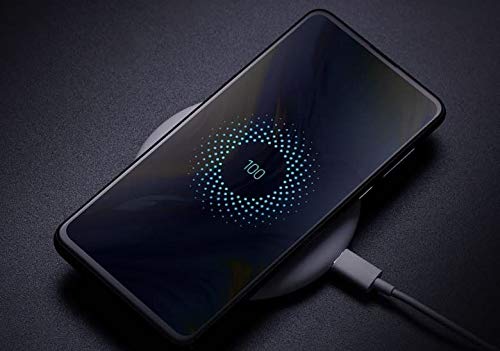
The Xiaomi Mi Mix 3 features a 6.39-inch AMOLED display with a 93.4% screen-to-body ratio, achieved through a magnetic manual sliding mechanism that houses the front cameras. It offers high-end performance with a Snapdragon 845 processor, up to 10GB of RAM, and includes a 10W wireless charger in the box. Key pros include the premium ceramic build, a bezel-free design without notches, and a satisfying, functional slider. However, cons include the added weight and thickness of the mechanism, the lack of an IP rating for water resistance, and cameras that, while capable, do not quite match top-tier market leaders. The device is positioned as a distinct, powerful alternative to mainstream flagships, emphasizing unique design and high-value inclusions at its price point.
In his review for Forbes, Ben Sin highlights the Xiaomi Mi Mix 3 as a competitively priced, mid-tier flagship featuring a unique, near-bezel-less design achieved through a manual magnetic slider. The 93.4% screen-to-body ratio is a major pro, eliminating the notch, while the ceramic build provides a premium feel despite adding significant weight to the device. The camera performance is another highlight, with the dual 12MP sensors offering excellent dynamic range and low-light capabilities that edge out competitors like the OnePlus 6T. However, a key con is the lack of optical image stabilization for 4K/60fps video, and the slider mechanism results in a bulkier, thicker device. Running on MIUI based on Android 9, the software offers a fast experience, with the Snapdragon 845 processor and optional 10GB of RAM delivering top-tier performance at a lower price point. Although the AI "night mode" showed limited improvements in early testing, the overall value proposition remains strong compared to higher-priced flagship alternatives.
The Xiaomi Mi Mix 3 features an innovative,, manual magnetic slider mechanism that eliminates screen notches, resulting in a nearly bezel-less 6.39-inch Super AMOLED display and a premium ceramic design. While praised for its, design and, MP, selfie camera, the device is heavy at 218g and features a reduced 3,200 mAh battery compared to its predecessor. Powered by a Snapdragon 845 chipset, the phone delivers strong performance and includes a dedicated, night mode for its 12MP dual rear cameras. However, the device lacks water-proofing and a 3.5mm headphone jack, and features only a single loudspeaker.
The Sydney Morning Herald review highlights the Xiaomi Mi Mix 3 as a striking, affordable alternative to mainstream flagships, defined by its 6.39-inch "uninterrupted" AMOLED display and a unique manual magnetic sliding mechanism. Key pros include the premium ceramic build, strong performance from the Snapdragon 845 chipset, and a capable rear camera system with a detailed night mode. However, the device is criticized for its significant weight (218g), lack of water resistance, and below-average battery capacity.
The Xiaomi Mi MIX 3 is highlighted as a "gorgeous" and "exquisitely engineered" flagship, featuring a manual magnetic slider that eliminates the notch for a 93.4% screen-to-body ratio. Pros include a high-quality ceramic body, an included 10W wireless charger, and significantly improved camera performance. However, the device is heavy and slippery, and it lacks a 3.5mm headphone jack, water resistance, and effective cooling during gaming.
The Xiaomi Mi Mix 3 features a manual magnetic sliding mechanism to achieve a high screen-to-body ratio by concealing the selfie cameras. Pros include its ceramic build, Snapdragon 845 performance, and a bundled wireless charger, while cons involve its weight, lack of water resistance or a headphone jack, potential dust accumulation in the slider, and a relatively small 3,200mAh battery. Its dual rear cameras perform well in daylight but less so in low light, and the MIUI 10 software lacks the polish of some competitors.
The Xiaomi Mi Mix 3's standout feature is its notch-less 6.39-inch Super AMOLED display with a 93.4% screen-to-body ratio, achieved via a magnetic slider that hides the front cameras. While offering premium build quality with a ceramic back, the slider mechanism adds notable thickness and weight compared to standard flagships. Powered by a Snapdragon 845, the device delivers strong performance and a capable camera system, and includes a 10W wireless charger in the box. However, the review highlights significant drawbacks including poor battery life, averaging only about 3.5 hours of screen-on time, and a cluttered MIUI 10 software experience. Additional cons include the lack of a headphone jack, microSD slot, and official IP water resistance rating.
The Xiaomi Mi Mix 3 features an innovative magnetic slider mechanism for a notch-free display but is noted for being heavy and thick. It offers strong performance with a Snapdragon 845 and comes with a wireless charger, though battery life is average and it lacks water resistance. The software is considered a "confusing mix," and while rear cameras are good in bright light, they struggle with zoom and low light conditions.
The Xiaomi Mi Mix 3 features a nearly bezel-free design enabled by a manual slider mechanism, offering a high-quality AMOLED display and including a wireless charging pad. While it provides top performance with a Snapdragon 845 processor, its physical design is thick and heavy, lacks water resistance, and uses a rear fingerprint scanner. The phone's rear cameras are decent, but the front selfie camera produces poor quality images, and the camera software is noted as needing improvement. Battery life is sufficient for a day, though smaller than some rivals, and the MIUI software has design quirks and pre-installed ads, with a dedicated Google Assistant button prone to accidental activation. Overall, the Mi Mix 3 offers good value but its trade-offs make it hard to recommend universally over more conventional phones.
According to a Tom's Guide review, the Xiaomi Mi Mix 3 features a manual slider design that allows for a notch-free, 6.39-inch AMOLED display, which is a major pro for media consumption. However, this mechanical design makes the phone heavy and it lacks an IP rating, which are significant cons. The device offers strong performance with its Snapdragon 845 processor and surprisingly long battery life despite its 3,200 mAh cell, lasting over 12 hours in testing and outperforming rivals; including a 10-watt wireless charger is a notable pro. The camera system is mixed: the rear dual lenses perform well, especially in low light, often matching or exceeding the Google Pixel 3 in night shots (a pro), but the front 24MP selfie camera struggles with exposure and detail in bright conditions (a con).
CNET describes the as a flagship phone featuring a unique magnetic sliding mechanism for a full-screen display and competitive hardware at its price point. Key -inch Super AMOLED screen, premium ceramic back, included wireless charger, strong performance chip, and capable dual rear cameras with an effective night mode. Cons noted are the ceramic back being a fingerprint magnet, the phone's thickness and weight, lack of water resistance, no headphone jack, D face unlocking, and a less refined MIUI software interface.
TechRadar reviews the Xiaomi Mi Mix 3 as an affordable flagship with an innovative all-screen design, but notes it has compromises that prevent it from reaching top-tier status. Pros include a striking 6.39-inch Full HD+ AMOLED display without a notch, a premium ceramic build, solid performance, and the inclusion of a wireless charger. Cons include the device being heavy and potentially unwieldy, concerns about the sliding mechanism's durability and dust intrusion, a capable but not class-leading camera (especially in low light), lack of water resistance or a headphone jack, and a patchy software interface.
The Xiaomi Mi Mix 3 features a manual slider design to achieve a 93.4% screen-to-body ratio with its 6.39-inch AMOLED display, hiding dual front cameras behind the screen. The phone boasts a premium ceramic and aluminum build, strong performance from its Snapdragon 845 processor, and capable dual 12MP rear cameras with excellent dynamic range and a good night mode. However, the design results in compromises, including a small 3,200mAh battery offering average longevity, lack of IP water resistance, absence of a headphone jack, and a ceramic back prone to fingerprints.
The Xiaomi Mi Mix 3 features a manual magnetic slider for a 93.4% screen-to-body ratio, offering an immersive display without a notch or punch-hole. Key pros include a premium ceramic body, strong Snapdragon 845 performance, and an included wireless charger, while cons involve a heavy 218g weight and a small 3,200mAh battery. The device provides a capable camera with a dedicated night mode, though the slider mechanism accumulates dust and limits battery longevity. Futurezone
The Netzpiloten review of the Xiaomi Mi Mix 3 highlights its unique magnetic sliding mechanism, which eliminates the need for a screen notch and provides a truly bezel-less 6.39-inch AMOLED experience. Pros include the impressive 93.4% screen-to-body ratio, while cons include a heavy 218g weight and a smaller 3,200mAh battery. The device offers strong performance via the Snapdragon 845, though it lacks an IP rating for water resistance. The cameras are highly capable, but the MIUI software is noted for bloatware.
The Xiaomi Mi Mix 3, a late 2018 flagship, features a unique manual magnetic slider mechanism enabling a notch-free, 6.39-inch AMOLED screen, housed in a premium ceramic body that is, however, heavy and a fingerprint magnet. Powered by a Snapdragon 845, it delivers top-tier performance and includes a 10W wireless charger, alongside a capable camera system featuring a dedicated night mode. Despite its innovative design, the device lacks official IP water/dust resistance, has a modest 3,200mAh battery, and uses a polarizing, often cluttered, MIUI interface. Pros: Stunning, unobstructed display; high-quality build; excellent performance and bundled wireless charger. Cons: Heavy, lacks water resistance, average battery life, and bloated software.
The Xiaomi Mi Mix 3 features a unique, manual magnetic slider mechanism that conceals the front cameras to provide a true edge-to-edge 6.39-inch AMOLED display. Praised for its premium ceramic build, the device faces trade-offs in usability, namely a heavy 218g weight and the lack of official water/dust resistance. Performance is strong with a Snapdragon 845 processor, but the 3,200 mAh battery is considered insufficient for heavy usage. Key pros include the notch-less screen, excellent camera performance (especially in Night Mode), and the inclusion of a 10W wireless charger. Conversely, the cons focus on the device's substantial weight, slippery finish, and a somewhat dated MIUI 10 software experience. The mechanical slider is satisfying but has since been superseded by more practical punch-hole displays.
The Xiaomi Mi Mix 3 features a 6.39-inch, notch-less Super AMOLED display, achieving a 93.4% screen-to-body ratio through a manual magnetic slider mechanism. While its ceramic back and aluminum frame provide a premium feel, the design results in a heavy 218g device. Performance is driven by the Snapdragon 845, accompanied by strong camera capabilities. A key advantage is the inclusion of a 10W wireless charger in the box at a competitive price point. However, the sliding mechanism introduces significant drawbacks, including a lack of official IP water and dust resistance. The device is restricted to a 3200mAh battery, which reviewers generally found underwhelming compared to competitors. Furthermore, the lack of a headphone jack, lack of expandable storage, and a less polished software experience are noted disadvantages.
The Xiaomi Mi Mix 3 features a unique manual slider mechanism that eliminates the notch, offering a 6.39-inch, near-borderless screen and a high-end, albeit heavy and slippery, ceramic design. Powered by a Snapdragon 845 processor, the device offers excellent performance, capable cameras with AI recognition, and includes a 10W wireless charger in the box. However, the, slider mechanism prevents IP-rated water resistance, the 3,200mAh battery is modest, and the MIUI 10 software is heavily skinned.
The Xiaomi Mi Mix 3, as reviewed by Les Numériques, features a unique manual magnetic slider that enables a fully bezel-less 6.39-inch OLED display, resulting in excellent screen-to-body ratios but a heavy 218g frame. Powered by the Snapdragon 845 with up to 10GB of RAM, the device delivers strong performance, complemented by 12MP rear cameras that excel in low light via dedicated night modes. However, the design compromises include an average 3,200mAh battery, a slippery ceramic back, and a lack of IP-rated waterproofing. Les Numériques
Frandroid reviews the Xiaomi Mi Mix 3, highlighting its unique manual sliding mechanism that enables a 6.39-inch, notch-free AMOLED display, which is paired with a premium ceramic build. While the display offers high contrast, the device is criticized for being heavy and thick, with color temperatures leaning toward blue. Performance is driven by a Snapdragon 845 processor, providing consistent high-end power, complemented by a capable camera system that delivers high-quality, realistic photos. Despite solid performance, the software is described as specific, sometimes suffering from translation issues. Battery life is sufficient for a full day, supported by fast wired and wireless charging. A key drawback noted is the lack of IP-rated water and dust resistance, a trade-off for the sliding mechanism.
The Xiaomi Mi Mix 3 review highlights a striking 6.39-inch "all-screen" AMOLED display achieved through a manual magnetic slider, providing an immersive, notch-free experience. While the design is premium and features a unique slider, it results in a heavy, 218g device that lacks official IP water or dust resistance. Powered by a Snapdragon 845 processor, the device delivers high-end performance, though the 3,200mAh battery can struggle to last a full day, despite the inclusion of a 10W wireless charger in the box. The MIUI 10 software offers extensive customization but faces criticism for excessive "bloatware".
The Xiaomi Mi Mix 3 features an innovative magnetic slider design, enabling a truly bezel-free 6.39-inch display, which is a major pro for immersive viewing. While this design eliminates the need for a notch, it makes the device heavy (218g) and compromises water resistance. The dual rear cameras offer fast, accurate, and vivid photo performance, particularly with a strong "Night" mode that captures detailed, low-light images. However, the rear telephoto lens occasionally struggles with focus. The 24MP front-facing camera produces excellent bokeh, yet it suffers from fixed-focus limitations and an overly aggressive beauty mode. Despite these drawbacks, the review highlights the device as a competitive, stylish, and powerful flagship.
The Xiaomi Mi MIX 3 is lauded for its unique design, featuring a manual magnetic slider that achieves a 93.4% screen-to-body ratio without a notch. Pros include a premium ceramic body, vibrant AMOLED display, and excellent performance from the Snapdragon 845, though the 218g weight and lack of IP rating are noted downsides. While the 3,200mAh battery lasts a full day, it lacks the longevity of competitors, and the single, weak speaker is a significant audio drawback. The dual 12MP rear MP front slider setup offer strong, feature-packed imaging, contributing to a high, competitive value.
The Pisapapeles review of the Xiaomi Mi Mix 3 highlights its innovative manual magnetic slider mechanism, which achieves a 93.4% screen-to-body ratio on a 6.39-inch AMOLED display. While praised for its premium ceramic build and high-performance Snapdragon 845, the device is criticized for being heavy, thick, and lacking official water resistance. Performance remains a major advantage, featuring a fluid experience for demanding apps, though the 3,200mAh battery is considered small by the reviewer. The MIUI software offers useful slider customization, but comes with a learning curve and, according to the review, excessive pre-installed software. The dual 12MP rear cameras deliver excellent daylight shots, with solid, though not top-tier, low-light performance. The 24MP + 2MP front-facing setup produces good bokeh effects, but the reviewer warns of aggressive beauty filters and potential dust accumulation in the slider mechanism. For more details, visit Pisapapeles.
Business Insider highlights the Xiaomi Mi Mix 3 as a highly recommended flagship featuring a manual magnetic sliding mechanism that achieves a 93.4% screen-to-body ratio with a 6.39-inch AMOLED display. Powered by a Snapdragon 845 processor, the device offers strong performance, excellent camera quality with a capable night mode, and a premium ceramic design, alongside the inclusion of a 10W wireless charger. However, the slider design makes the phone heavy, thick, and lacking in IP-rated water resistance, with other drawbacks including MIUI software and the absence of a 3.5mm headphone jack.
The El Confidencial review of the Xiaomi Mi Mix 3 highlights its unique magnetic slider mechanism, which enables a 93.4% screen-to-body ratio on a 6.39-inch AMOLED display, eliminating the notch. While praising the 300,000-cycle durability of the mechanism, the review notes the device is relatively thick, heavy (218g), and lacks water resistance. Powered by a Snapdragon 845, the phone delivers strong performance, though the mechanical design limits the battery capacity to 3,200mAh. The inclusion of a ceramic back and a 10W wireless charger in the box adds to its value proposition. The camera system is highly rated for MP detail and night mode, alongside excellent selfie bokeh effects, with MIUI being the primary software critique. The device is ultimately framed as a high-end, notch-free alternative at an "affordable flagship" price point.
According to a 30-day review on Xataka, the Xiaomi Mi Mix 3 offers a seamless, notch-less, full-screen experience powered by a durable, manual magnetic slider mechanism. Key advantages include the high-performance Snapdragon 845 processor, an excellent AMOLED display, and a bundled 10W wireless charger. However, the 218-gram weight makes it bulky, while the limited 3,200mAh battery and lack of IP water resistance are notable disadvantages, coupled with a potentially clunky MIUI interface.
The Xiaomi Mi Mix 3 review by Tom's Hardware Italy highlights a device prioritizing a "full screen" experience via a manual magnetic slider, resulting in a 6.39-inch AMOLED display with no notches. While the premium, 218g ceramic design is lauded for its engineering, the slider mechanism is considered a "love it or hate it" feature that increases the phone's weight and thickness. Performance is top-tier thanks to the Snapdragon 845, though the 3,200 mAh battery capacity is reduced to accommodate the sliding mechanism. The dual 12MP rear cameras offer excellent low-light performance, but the device lacks a 3.5mm headphone jack and IP-rated water resistance.
The Wired.it review of the Xiaomi Mi Mix 3 highlights the device's unique manual magnetic slider, which enables a 93.4% screen-to-body ratio on a 6.39-inch AMOLED display, eliminating notches or punch-holes. The device features a premium polished ceramic back, although it is a significant fingerprint magnet. Powered by the Snapdragon 845 with 6GB of RAM, the phone offers strong performance for gaming and multitasking. Camera capabilities are a major advantage, with the rear 12MP setup providing excellent low-light performance and 960fps slow-motion video, plus a 10W wireless charging pad included in the box. However, the design results in a heavy 218g device that is less comfortable for one-handed use and features a relatively small 3,200mAh battery. Additionally, the slider mechanism means the phone lacks IP-rated water resistance, and the MIUI software is noted for having a steeper learning curve.
The Macitynet review highlights the Xiaomi Mi Mix 3 for its 6.39-inch, near-bezel-less Super AMOLED display and a unique manual magnetic slider mechanism, creating a premium, bezel-free design with a ceramic back. However, this design results in a heavy (218g) and thick device lacking IP certification and a 3.5mm headphone jack. Powered by a Snapdragon 845 and up to 10GB of RAM, the device delivers high-end performance alongside a 3,200 mAh battery that supports 10W wireless charging. The rear cameras offer strong low-light performance with a dedicated Night Mode, while the slider-enabled front cameras provide versatile shooting options, though the lack of secure 3D face unlocking is noted.
Andrea Galeazzi highlights the Xiaomi Mi Mix 3's standout magnetic slider mechanism, enabling a notch-free, 6.39-inch Super AMOLED display. The design is praised for its ceramic construction, though it is noted as heavy (218g) and slippery. Key pros include a premium build and a rich retail package containing a 10W wireless charger. Performance is driven by the Snapdragon 845, offering a fluid experience, complemented by significant improvements in photo and video quality. However, the 3,200 mAh battery is considered somewhat small for power users, and the slider mechanism requires considerable force, hindering one-handed use. At an Italian launch price of €549, the device is considered a high-quality, stable option featuring NFC and dual-frequency GPS. Drawbacks include the lack of a headphone jack, non-expandable storage, and a mono speaker.
The Xiaomi Mi Mix 3 Global features a 6.39-inch Super AMOLED display with a 93.4% screen-to-body ratio, achieved via a manual magnetic slider for the cameras, making for an immersive, bezel-free design. The device boasts a premium ceramic build and top-tier performance with a Snapdragon 845 processor, although the sliding mechanism can be firm and the phone feels heavy in hand. Key advantages include an excellent camera system ( MP rear, MP front) and smooth software, while significant drawbacks are a 3200 mAh battery that struggles with heavy use, no headphone jack, and no expandable storage.
The Xiaomi Mi Mix 3 features a unique manual magnetic slider mechanism, enabling a near-bezel-less, 6.39-inch AMOLED display that is praised for media consumption. With a premium ceramic back, the 218g device offers a satisfying, albeit heavy, build. Performance is driven by the Snapdragon 845, supported by capable cameras and a 3,200mAh battery that sacrifices longevity for the slider design, which lacks water resistance. Key advantages include the stunning, notch-free screen, excellent build quality, and high-value, which often includes a 10W wireless charging pad. Conversely, the device is considered heavy, lacks an IP rating, and has relatively average battery life compared to competitors. Despite polarizing software, the Mi Mix 3 is highlighted as a compelling, affordable flagship option.
The WANT.nl review of the Xiaomi Mi Mix 3 highlights the device as a bold, notched-free, all-screen device featuring a 6.39-inch Super AMOLED display, premium ceramic build, and a 10W wireless charger included in the box. However, the manual slider mechanism introduces significant drawbacks, including increased weight, thickness, and a lack of IP-rated water or dust resistance. While the Snapdragon 845 processor ensures top-tier performance and the rear cameras perform well, the 3,200mAh battery offers only average, one-day life.

Compare