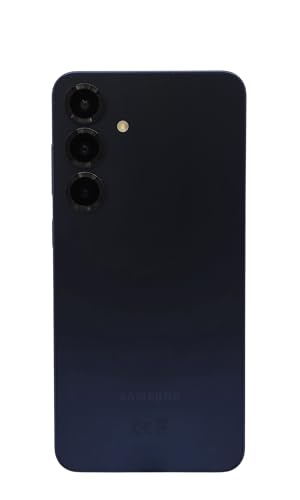
Samsung Galaxy S25 Plus (12GB + 512GB) review. Compare 197 technical specifications and user reviews to see how this product ranks in the Smartphones category and whether it is worth buying.
Overall score
What it is: An overall evaluation of the smartphone's quality, based on technical analyses and user reviews.
When it matters: When you need a quick reference to identify the best smartphones on the market.
Score components:
90.0%
Technical Score
10.0%
User score
Technical Score
What it is: An assessment of the smartphone's technical performance, covering eight key areas: performance & hardware, software, camera, connectivity, display, battery, audio, and design.
When it matters: When you want to compare smartphones based on technical performance and available features.
Score components:
25.0%
Performance & Hardware
18.0%
Camera
15.0%
Display
15.0%
Battery
10.0%
Software
10.0%
Connectivity
4.0%
Audio
3.0%
Design
User score
What it is: A rating that combines user reviews and the total number of reviews received by the smartphone
When it matters: When you want to know how a smartphone handles daily tasks and how reliable it remains over time according to user feedback.
Score components:
70.0%
User reviews
30.0%
Popularity

Available: ranking among products currently available (including other versions of this product).
All: ranking among all products in the database.
#5 in Best Samsung Phones
#35 in Best Android Smartphones
#39 in Best Smartphones
#39 in Best NFC Smartphones
#39 in Best 5G Smartphones
#39 in Best AI Smartphones
#84 in Best Camera Smartphones
#414 in Best Value Smartphones
#501 in Best Battery Life Smartphones
What it is: An assessment of the smartphone's technical performance, covering eight key areas: performance & hardware, software, camera, connectivity, display, battery, audio, and design.
When it matters: When you want to compare smartphones based on technical performance and available features.
Score components:
25.0%
Performance & Hardware
18.0%
Camera
15.0%
Display
15.0%
Battery
10.0%
Software
10.0%
Connectivity
4.0%
Audio
3.0%
Design
What it is: A rating that combines user reviews and the total number of reviews received by the smartphone
When it matters: When you want to know how a smartphone handles daily tasks and how reliable it remains over time according to user feedback.
Score components:
70.0%
User reviews
30.0%
Popularity
What it is: An indicator that combines the smartphone's overall rating with its cost.
When it matters: When you are looking for a smartphone with a good balance between quality and price.
Score components:
60.0%
Overall score
40.0%
Price
Importance: LOW
Importance: HIGH
Importance: HIGH
Good value: >12 GB
Importance: MEDIUM
Good value: >256 GB
Importance: MEDIUM
Good value: >3.2 GHz
Importance: LOW
Importance: MEDIUM
Good value: >1500
Importance: LOW
Good value: >4000
Importance: LOW
Good value: 8+
Importance: LOW
Importance: LOW
Good value: >950 MHz
Importance: LOW
Good value: >700
Importance: LOW
Good value: >1000
Importance: LOW
Good value: >2500
Importance: MEDIUM
Good value: >6000
Importance: LOW
Good value: >8000
Importance: MEDIUM
Good value: >12000
Importance: LOW
Good value: >5000
Importance: LOW
Good value: >1800
Importance: LOW
Good value: >3200 MHz
Importance: LOW
Good value: 5
Importance: LOW
Good value: > 50 GB/s
Importance: LOW
Good value: 4
Importance: LOW
Good value: >16 GB
Importance: MEDIUM
Good value: <6 nm
Importance: MEDIUM
Good value: >9 W
Importance: LOW
Importance: LOW
Good value: >8192 KB
Importance: LOW
Good value: >2048 KB
Importance: LOW
Good value: >512 KB
Importance: LOW
Good value: >100000 million
Importance: LOW
Good value: 3.3
Importance: LOW
Good value: 3.2
Importance: LOW
Good value: 2.0/3.0
Importance: LOW
Importance: LOW
Importance: LOW
Importance: MEDIUM
Importance: LOW
Importance: LOW
Importance: LOW
Importance: LOW
Importance: LOW
Importance: LOW
Importance: LOW
Importance: LOW
Importance: LOW
Importance: LOW
Importance: LOW
Importance: LOW
Importance: LOW
Importance: LOW
Importance: LOW
Importance: LOW
Importance: LOW
Importance: LOW
Importance: LOW
Importance: LOW
Importance: LOW
Importance: LOW
Importance: LOW
Importance: LOW
Importance: LOW
Importance: LOW
Importance: LOW
Importance: LOW
Importance: LOW
Importance: LOW
Importance: LOW
Importance: LOW
Importance: LOW
Importance: MEDIUM
Good value: >50 MP
Importance: MEDIUM
Importance: HIGH
Good value: >60
Importance: LOW
Good value: ≥1.2 µm
Importance: MEDIUM
Good value: >2.5x
Importance: MEDIUM
Importance: LOW
Importance: LOW
Importance: LOW
Importance: LOW
Good value: ≥2
Importance: LOW
Importance: LOW
Importance: LOW
Importance: LOW
Good value: >16 MP
Importance: LOW
Importance: LOW
Importance: LOW
Importance: LOW
Importance: MEDIUM
Importance: LOW
Importance: LOW
Importance: LOW
Importance: LOW
Importance: LOW
Importance: LOW
Importance: LOW
Importance: LOW
Importance: LOW
Importance: LOW
Importance: LOW
Importance: LOW
Importance: LOW
Importance: LOW
Importance: LOW
Importance: LOW
Importance: LOW
Importance: LOW
Importance: LOW
Importance: LOW
Importance: LOW
Good value: >130
Importance: LOW
Good value: >120
Importance: LOW
Good value: ≥2
Importance: LOW
Importance: LOW
Importance: LOW
Importance: LOW
Importance: LOW
Importance: LOW
Good value: >5.2
Importance: LOW
Importance: LOW
Importance: LOW
Importance: LOW
Good value: 3.1/3.2
Importance: LOW
Importance: LOW
Importance: LOW
Good value: ≥2
Importance: LOW
Importance: LOW
Importance: LOW
Importance: LOW
Importance: LOW
Importance: LOW
Importance: LOW
Importance: LOW
Importance: LOW
Importance: LOW
Importance: LOW
Importance: LOW
Importance: LOW
Importance: LOW
Importance: LOW
Importance: LOW
Good value: ≥6.6 inches
Importance: MEDIUM
Importance: LOW
Good value: >400 ppi
Importance: MEDIUM
Importance: MEDIUM
Good value: ≥120 Hz
Importance: LOW
Importance: LOW
Good value: >300 Hz
Importance: LOW
Good value: >800 nits
Importance: LOW
Good value: >1300 nits
Importance: LOW
Good value: >1000 nits
Importance: LOW
Importance: LOW
Importance: LOW
Importance: LOW
Importance: LOW
Importance: LOW
Importance: LOW
Importance: LOW
Importance: HIGH
Good value: >5000 mAh
Importance: MEDIUM
Good value: >60 W
Importance: LOW
Importance: LOW
Good value: <45 min
Importance: LOW
Importance: LOW
Good value: >40 W
Importance: LOW
Importance: LOW
Good value: >10 W
Importance: LOW
Importance: LOW
Importance: MEDIUM
Importance: LOW
Good value: >800
Importance: LOW
Importance: LOW
Importance: LOW
Importance: LOW
Importance: LOW
Good value: ≥3
Importance: LOW
Importance: LOW
Importance: LOW
Importance: LOW
Importance: LOW
Importance: LOW
Importance: LOW
Good value: <162 mm
Importance: LOW
Good value: <75 mm
Importance: LOW
Good value: <8 mm
Importance: LOW
Good value: <190 g
Importance: LOW
Good value: <98cm³
Importance: LOW
Importance: LOW
Importance: LOW
Importance: LOW
Importance: LOW
Importance: LOW
Good value: ≥1.5 m
Importance: LOW
Importance: LOW
Good value: >8
Importance: LOW
Importance: LOW
Importance: MEDIUM
Good value: >2.5x
Importance: MEDIUM
Good value: >3.2 GHz
Importance: MEDIUM
Importance: MEDIUM
Good value: <6 nm
Importance: LOW
Importance: MEDIUM
Good value: >1500
Importance: MEDIUM
Importance: MEDIUM
Good value: >256 GB
Importance: LOW
Importance: LOW
Importance: LOW
Good value: >120
Importance: MEDIUM
Importance: LOW
Good value: >40 W
Importance: HIGH
Good value: >5000 mAh
Importance: LOW
Good value: >16 MP
(Reviews last updated: August 2026)
In a review for ZDNET, Editor-in-Chief Kerry Wan identifies the Samsung Galaxy S25 Plus as his preferred model, balancing premium features with a lower price point compared to the Ultra. The S25 Plus offers significant hardware parity with the Ultra, featuring the Snapdragon 8 Elite, 12GB of RAM, 45W fast charging, and a QHD+ display with ProScaler. Despite these strengths, the model lacks the Ultra's 200MP sensor, superior macro photography, and S Pen support, while representing an iterative upgrade across the series.
The Samsung Galaxy S25+ offers top-tier performance with a Snapdragon 8 Elite chip, delivering 90% of the Ultra model's features for $300 less. It features a bright 6.7-inch AMOLED display, impressive 50MP main camera performance, and a battery that actually outlasted the Ultra in testing. PCMagHowever, the device faces criticism for its stale design and slower 45W charging compared to competitors, alongside lacking the S Pen and 5x telephoto lens found on the Ultra model. Despite these drawbacks, the seven-year software support and refined AI capabilities make it a strong, long-term premium option.
The Samsung Galaxy S25 Plus is characterized as a highly iterative "peak phone" that prioritizes software-driven AI over significant hardware advancements. Featuring a 6.7-inch 120Hz display and 12GB of RAM with the Snapdragon 8 Elite chip, it offers top-tier performance and seven years of software support. Despite being a reliable device, it lacks groundbreaking physical changes and features largely unchanged camera hardware. Key pros highlighted include the vibrant, high-quality display, lightweight design, and the longevity provided by extensive, guaranteed software updates. The performance is consistently strong, and it provides a reliable, high-end experience without necessary, radical upgrades. Conversely, the S25 Plus suffers from being too similar to previous models, with an outdated camera system that lacks the 5x zoom of the Ultra variant. Additionally, the newly introduced Galaxy AI features can be inconsistent, and the "Qi2 Ready" branding is misleadingly incomplete.
The PhoneArena review characterizes the Samsung Galaxy S25 Plus as a "brilliantly unremarkable" flagship, highlighting its top-tier Snapdragon 8 Elite chipset, refined 7.3mm design, and 7-year software support as key pros. While it offers 12GB of RAM and a vibrant display, notable cons include identical camera hardware to the previous model and slightly worse image processing in tests. Ultimately, this device is recommended for those seeking a comfortable, large-screen experience, though its incremental upgrades make it a difficult switch for current S24 Plus users, say PhoneArena.
Wired's review finds the Samsung Galaxy S25 series offers refinement rather than revolution, highlighted by the Snapdragon 8 Elite chipset for improved performance and heat dissipation, despite minimal hardware changes and unchanged physical designs. The integration of Galaxy AI via One UI 7, including features like Drawing Assistant and enhanced photo editing, is noted as a significant positive, though the "Now Brief" lock screen widget is deemed underwhelming. Key pros include exceptional processing speed, vibrant displays, and capable cameras (especially on the Ultra), while cons include slower charging speeds compared to rivals, lack of major camera upgrades on base/Plus models, and a high starting price for the Ultra given incremental updates. Samsung Galaxy S25 5G, 128GB With Galaxy Ai - Mobile Only - Navy£799.004.5(175.3k)Samsung Galaxy S25 Ultra£1,249.00& more prices4.8(133.5k)
Tom's Guide characterizes the Samsung Galaxy S25 Plus as struggling to justify its $999 price despite a thinner design and a powerful Snapdragon 8 Elite for Galaxy chipset providing "juggernaut" performance. While its 6.7-inch QHD+ display is sharp, it measured dimmer than its predecessor, and its camera system, identical to the cheaper base S25 with a 50MP main sensor and 10MP telephoto lens, falls short of rivals offering superior zoom and detail. Although the 4,900 mAh battery offers significant life (nearly 17 hours) and 45W charging is included, the review concludes the S25 Plus is in a "no man's land," outclassed by the S25 Ultra and matched by the standard model, suggesting the cheaper S25 offers better value unless a larger screen is specifically desired. Samsung Galaxy S25+ 5G£999.00& more prices4.7(53.5k)Samsung Galaxy S25 5G£959.00& more prices4.5(179.2k)
CNN Underscored describes the Samsung Galaxy S25+ as a reliable smartphone that delivers "lightning-fast" performance and a "stunning" 6.7-inch QHD+ AMOLED display, positioning it as one of the best available Android devices for most users by offering a significant portion of the Ultra's experience at a lower cost. Pros include exceptional battery life with a 4,900mAh capacity that can outperform the S25 Ultra due to efficient display management, "useful" Galaxy AI features like real-time translation, and a sleek, lightweight design with appealing new color options. Cons highlight a lack of innovation with "recycled" hardware, specifically the camera system which is largely unchanged and lacks the Ultra's 5x optical zoom, and charging speeds that lag behind competitors. Samsung Galaxy S25+ 5G£749.00& more prices4.7(56.8k)Samsung Galaxy S25 Ultra£1,249.00& more prices4.7(245k)
In a review on Thurrott.com, the Samsung Galaxy S25+ is described as the "sweet spot" of the lineup, featuring a refined design, exceptional build quality, and a customizable Dynamic AMOLED 2X display. Pros include strong performance from the Snapdragon 8 Elite processor, an intuitive camera system with impressive automatic processing, industry-leading seven years of updates, and the useful Separate App Sound feature. Cons noted are middling battery life, a "vaguely disappointing" USB 3.2 Gen 1 port, Galaxy AI being a "mixed bag" compared to Google's native AI, and Face Lock not being secure enough for banking.
TechRadar reviews the Samsung Galaxy S25 Plus as a balanced option with strong performance, impressive battery life that exceeds the Ultra model, and a stunning 6.7-inch QHD+ AMOLED display. However, the review notes drawbacks including its iterative camera hardware, which uses technology similar to the S23, and underwhelming, barely noticeable AI features. The phone's design is sleek but largely unchanged from previous models, and criticisms include a sometimes unreliable fingerprint scanner and pre-installed bloatware.
The Allround-PC review characterizes the Samsung Galaxy S25 Plus as a high-end, polished smartphone that functions exceptionally well but lacks a significant "wow factor" or major innovation over its predecessor. While featuring a standout 6.7-inch QHD+ display with 2,600 nits peak brightness and top-tier performance from the Snapdragon 8 Elite, the device is criticized for being an incremental update. Pros include consistent software updates, robust AI features, and great battery performance. Cons focus on the lack of camera hardware upgrades—reusing sensors from previous models—and relatively slow 45W charging, making it a high-priced, safe choice rather than a revolutionary one.
The Samsung Galaxy S25+ is positioned as a balanced, high-performance flagship featuring a refined 7.3mm slim design, a 6.7-inch QHD+ OLED display, and the efficient Snapdragon 8 Elite chipset. Key advantages include exceptional battery life—outlasting the Ultra in some tests—high peak screen brightness, and seven years of software support alongside practical Galaxy AI tools. However, the device is criticized for a stagnant camera system that trails competitors in low-light, 45W charging speeds that lag behind rivals, and a design too similar to previous generations.
The Samsung Galaxy S25 is a refined, compact flagship featuring a 6.2-inch 120Hz display, a Snapdragon 8 Elite processor, and 12GB of RAM, emphasizing improved performance and comfort over drastic hardware changes. Key advantages include significantly boosted processing power, a more ergonomic design, and seven years of guaranteed software updates. However, the device is criticized for sticking to a 128GB base storage, maintaining slow 25W charging, and featuring a rear camera array that lacks autofocus on the ultrawide lens. While the AI-driven features in One UI 7 offer advanced photo editing, they are considered hit-or-miss, with some functionalities described as gimmicky. Overall, the S25 is recommended for users seeking a compact Android device, though the minor upgrades may not justify an upgrade for existing S24 owners.
The Samsung Galaxy S25 series offers a refined, iterative update focused on solid design, featuring flatter sides for the S25/S25+ and improved ergonomics with curved edges on the S25 Ultra, all while becoming slimmer and lighter. A key pro is the performance boost from the Snapdragon 8 Elite chipset and 12GB RAM across all models, complemented by a 2,600-nit display and new AI integrations like the "Now Bar". However, cons include stagnant hardware, as the S25 and S25+ retain previous camera sensors and 25W charging, with many AI features expected to arrive on older models.
The Numerama review presents the Samsung Galaxy S25 as a refined, highly compact flagship, weighing only 162g and featuring a bright 6.2-inch Dynamic AMOLED 2X display. Driven by the Snapdragon 8 Elite and 12GB of RAM, the device delivers high performance and smooth One UI 7 software, though it retains a 4,000 mAh battery that may struggle with heavy usage. Despite its premium design, the S25 suffers from stagnant hardware, specifically regarding its three-year-old camera sensor and slow 25W charging, making it a minor, iterative upgrade for the price. Key pros include the lightweight form factor, strong performance, and excellent display, while cons focus on the lack of hardware innovation, recycled camera, and slow charging.
According to the 01net review, the Samsung Galaxy S25 Plus is a highly capable flagship praised for its excellent ergonomics—being thin, light, and comfortable to handle—and its bright 6.7-inch QHD+ display. The device delivers top-tier performance with the Snapdragon 8 Elite, though after five months, it suffers from a lack of significant hardware evolution. The review highlights three main disappointments, starting with stagnant camera hardware that lags behind competitors like the iPhone 16 Pro, particularly regarding zoom versatility. Furthermore, the 45W charging speed is considered modest compared to rivals, and the overall design is criticized for being too similar to previous generations. Despite these drawbacks, the S25 Plus is recommended for its consistent software, seven years of updates, and reliable performance. Pros include the premium screen and performance, while cons focus on the lack of innovation in camera and charging technologies.
The Plus, mm, g -inch QHD+ AMOLED, nits brightness, -star rating for its high-performance, comfortable form factor. Driven Elite, the device delivers exceptional endurance, minutes in testing, years of software support. Despite these advancements, the camera hardware remains unchanged from the previous generation, and the device W -bit screen, according to the Les Numériques review. Les Numériques +4
Frandroid describes the Samsung Galaxy S25 Plus as a highly polished, "no-risk" flagship that focuses on refining the user experience, featuring a balanced, comfortable 6.7-inch design and a bright 120Hz QHD+ AMOLED display. The adoption of the Snapdragon 8 Elite processor ensures a consistently fluid, lag-free experience, while long-term value is supported by seven years of software updates and impressive two-day battery life. However, the device lacks significant hardware innovation, with a camera system that remains largely unchanged and charging speeds that trail behind competitors.
The Andro4all review characterizes the Samsung Galaxy S25 as a conservative, iterative update focusing on refinement, featuring a more compact design and the high-performance Snapdragon 8 Elite processor. Key pros include improved battery efficiency and extensive Galaxy AI features, such as Audio Eraser and AI Select. Conversely, the review highlights stagnant camera hardware and relatively slow 25W charging as notable cons. The device is ultimately deemed best suited for users upgrading from the S22 or older models rather than recent S23 or S24 owners.
The Xataka review defines the Samsung Galaxy S25+ by a "continuity is the right decision" approach, focusing on refined AI integration and a 6.7-inch, 2,600-nit peak brightness AMOLED display. Pros include the elite-level performance of the Snapdragon 8 Elite processor, making AI features highly useful, alongside a premium design and 7 years of software updates. Cons are centered on the highly iterative hardware, specifically the reuse of S24 camera sensors, 128GB base storage on some models, and the lack of Gorilla Armor glass.
The Samsung Galaxy S25 Plus, as reviewed by SmartWorld, is characterized as an excellent yet iterative flagship, offering top-tier performance via the Snapdragon 8 Elite processor, 12GB of RAM, and a refined, lightweight design. Key strengths include exceptional battery life from the 4,900 mAh unit—often surpassing the Ultra model—fast 45W charging, a vibrant 6.7-inch QHD+ AMOLED display, and a seven-year software support commitment. However, the device falls short in camera innovation, retaining the same 50MP main and 10MP telephoto sensors as its predecessor, which now lag behind competitors. Ultimately, while it serves as a solid all-rounder, it offers few, if any, substantial upgrades over the S24+. For more details, visit SmartWorld.
Andrea Galeazzi’s review describes the Samsung Galaxy S25 Plus as a balanced, refined option with improved, thinner (7.3mm) and lighter (190g) dimensions compared to its predecessor. However, a notable ergonomic drawback is that its size makes one-handed use uncomfortable, and it lacks the premium titanium build or S Pen of the Ultra model. Performance is a major highlight, driven by the Snapdragon 8 Elite for Galaxy and 12GB of RAM, providing a top-tier, fast experience paired with a sharp, bright 6.7-inch QHD+ display. A key con is that this high performance comes with significant thermal throttling under heavy, sustained loads. While the 4,900 mAh battery delivers excellent all-day endurance and supports 45W charging, the camera hardware (50MP main, 12MP ultrawide, 10MP 3x telephoto) remains unchanged from previous generations, which is a disappointment for those seeking upgrades. Despite improved AI processing, low-light performance on non-primary lenses still lags behind the competition.
The Androidworld.nl review characterizes the Samsung Galaxy S25 Plus as a highly polished, albeit iterative, update that closely mirrors its predecessor. While highlighting a top-tier Snapdragon 8 Elite processor, a vibrant 6.7-inch QHD OLED display, and a seven-year update guarantee as key pros, the review finds little new to justify the high price for current users. Cons include largely stagnant camera hardware with mediocre low-light performance, capped 45W charging, and AI features that, while functional, lack a necessary "wow factor".
The Samsung Galaxy S25+ is highlighted as an exceptionally fast Android device, powered by the Snapdragon 8 Elite chipset and featuring a refined design with a 6.7-inch 120Hz AMOLED display. Running One UI 7, it introduces "Now Brief" for personalized, on-lockscreen updates and is supported by 12 GB of RAM and seven years of security updates. While delivering top-tier performance, the device lacks expandable storage, and the €1,000 price point makes the absence of faster charging or microSD support, alongside limited base storage options, notable drawbacks.
The Samsung Galaxy S25 is characterized as a "good but boring" flagship that excels as one of the few remaining high-end compact Android phones, featuring a refined, lightweight design and a 6.2-inch Dynamic AMOLED display. Performance is a major highlight, driven by the Snapdragon 8 Elite chip and 12GB of RAM. However, the device lacks hardware innovation, with a design and camera sensors largely unchanged for three years. While the 50MP main camera and 3x telephoto lens deliver solid daytime photos, they struggle with detail in low-light conditions and lack the powerful zoom capabilities of larger competitors. Additionally, the 4,000 mAh battery is only adequate for light use, and charging speeds remain capped at a relatively slow 25W. Software is a key differentiator, with Samsung heavily integrating Galaxy AI features like Audio Eraser and real-time translation. Ultimately, the S25 is recommended as a reliable choice for users upgrading from much older models, but offers minimal improvements over the Galaxy S24.
The Samsung Galaxy S25 series offers refined hardware featuring the high-performance Snapdragon 8 Elite chip, yet the review characterizes the devices as lacking groundbreaking innovation. The S25 Ultra is praised for its improved ergonomics and superior anti-reflective screen, though it is criticized for throttling under heavy load and having a less functional S Pen. While the S25 and S25+ see upgrades in RAM, their cameras are described as aging, and all models suffer from slow charging speeds relative to competitors. While One UI 7 and seven years of software support are highlighted as major advantages, the "Galaxy AI" features are described as insufficient to justify upgrading from previous models. The review concludes that the S25 lineup constitutes an iterative update, making the S23 or S24 better value propositions, despite the high-quality build of the new series.
The Samsung Galaxy S25 Plus is a refined, iterative flagship featuring a 6.7-inch Dynamic AMOLED 2X display with 2600 nits brightness and the Snapdragon 8 Elite "for Galaxy" processor, offering top-tier performance. Pros include exceptional processing speed, excellent battery life from the 4900mAh cell, and a thinner, lighter design, coupled with seven years of software support. Cons involve a stale design similar to previous generations, lack of a 5x optical zoom, and stagnant 45W charging speeds. The camera system, while delivering vibrant, detailed photos, largely retains hardware from its predecessor and can struggle with motion in low light. The display and performance remain its strongest selling points, making it a compelling alternative to the Ultra model for many users. Overall, the review highlights the device as an "iterative excellence" that offers minor upgrades in a familiar form factor. It provides a high-end experience that may feel familiar, yet it successfully addresses performance and design efficiency.
Compare