Scored using Smartphones Methodology v1.0
Smartphones Methodology v1.0
Mathematical & Unbiased Scoring
Products in this category are scored under Frontum Smartphones Methodology v1.0: technical specifications plus authentic consumer ratings, with 0% commercial bias.
Explore Smartphones Methodology v1.0

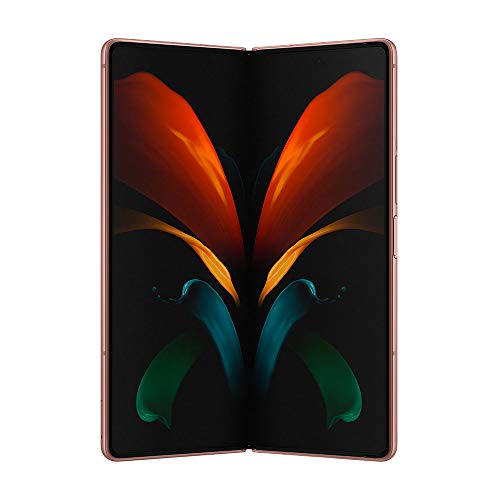
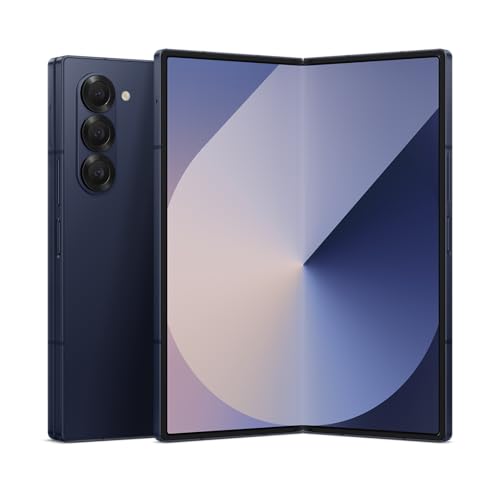
Samsung Galaxy Z Fold3 5G (12GB + 256GB) Review | 197 Data compared

Avg. price:~£1,580RAM capacity:12 GBInternal storage:256 GBScreen size:7.6 inchesMain camera megapixels:12 MP & 12 MP & 12 MP

Samsung Galaxy Z Fold3 5G (12GB + 256GB) Review: Compare 197 technical specifications and user reviews to see how this product ranks in the Smartphones category and whether it is worth buying.

7.4/10

Overall score

Score
7.4/ 10
✕
What it is
An overall evaluation of the smartphone's quality, based on technical analyses and user reviews.
When it matters
When you need a quick reference to identify the best smartphones on the market.
Score distribution
â–¼
<55-66-77-88-99-10
Score components

90%

7.3

Technical score

10%

7.8

User score

â–²Better than 71% of smartphones
5.8

Value for money

Value for money
5.8/ 10
✕
What it is
An indicator that combines the smartphone's overall rating with its cost.
When it matters
When you are looking for a smartphone with a good balance between quality and price.
Score distribution
â–¼
<55-66-77-88-99-10
Score components

70%

7.4

Overall score

30%

2.2

Price

â–¼Worse than 99%
7.3

Technical score

Technical score
7.3/ 10
✕
What it is
An assessment of the smartphone's technical performance, covering eight key areas: performance & hardware, software, camera, connectivity, display, battery, audio, and design.
When it matters
When you want to compare smartphones based on technical performance and available features.
Score distribution
â–¼
<55-66-77-88-99-10
Score components

25%

7.3

Performance & Hardware

18%

8.1

Camera

15%

8.0

Display

15%

5.5

Battery

10%

7.9

Software

10%

7.8

Connectivity

4%

6.7

Audio

3%

6.4

Design

â–²Better than 71%
7.8

User score

User score
7.8/ 10
✕
What it is
A rating that combines user reviews and the total number of reviews received by the smartphone
When it matters
When you want to know how a smartphone handles daily tasks and how reliable it remains over time according to user feedback.
Score distribution
â–¼
<55-66-77-88-99-10
Score components

70%

7.9

User ratings

30%

7.4

Number of reviews

Based on ratings from across the web.
â–¼Worse than 76%
  • No image
No image
Where to buy
*As an Amazon Associate, we earn from qualifying purchases.
Loading...
Loading category ranking...

Technical Specifications of smartphone Samsung Galaxy Z Fold3 5G (12GB + 256GB)

Technical score
Technical score
7.3/ 10
✕
What it is
An assessment of the smartphone's technical performance, covering eight key areas: performance & hardware, software, camera, connectivity, display, battery, audio, and design.
When it matters
When you want to compare smartphones based on technical performance and available features.
Score distribution
â–¼
<55-66-77-88-99-10
Score components:

25%

7.3

Performance & Hardware

18%

8.1

Camera

15%

8.0

Display

15%

5.5

Battery

10%

7.9

Software

10%

7.8

Connectivity

4%

6.7

Audio

3%

6.4

Design

7.3
User score
User score
7.8/ 10
✕
What it is
A rating that combines user reviews and the total number of reviews received by the smartphone
When it matters
When you want to know how a smartphone handles daily tasks and how reliable it remains over time according to user feedback.
Score distribution
â–¼
<55-66-77-88-99-10
Score components

70%

7.9

User ratings

30%

7.4

Number of reviews

Based on ratings from across the web.
7.8
Popularity
Popularity
7.4/ 10
✕
What it is
An indicator based on the number of reviews received by the smartphone.
When it matters
When you prefer to purchase a product chosen and reviewed by many other consumers.
Score distribution
â–¼
<55-66-77-88-99-10
Popularity:
Samsung Galaxy Z Fold3 5G (12GB + 256GB) has a popularity of 7.4 points, which is higher than 68.4% of smartphones.
7.4
Value for money
Value for money
5.8/ 10
✕
What it is
An indicator that combines the smartphone's overall rating with its cost.
When it matters
When you are looking for a smartphone with a good balance between quality and price.
Score distribution
â–¼
<55-66-77-88-99-10
Score components:

70%

7.4

Overall score

30%

2.2

Price

5.8
Brand name
Samsung
Processor model
Qualcomm Snapdragon 888
This smartphone uses the Qualcomm Snapdragon 888 processor which is faster than processors in 75.5% of smartphones and equal to processors in 2% of smartphones.
RAM capacity
12 GB
This smartphone has a RAM capacity of 12 GB which is larger than the RAM capacity of 59% of smartphones and equal to that of 24.3% of smartphones.
Internal storage
256 GB
This smartphone has an internal storage capacity of 256 GB which is larger than the storage of 38.8% of smartphones and equal to that of 38.3% of smartphones.
CPU boost clock speed
2.84 GHz
The CPU boost clock speed of this smartphone is 2.84 GHz which is higher than the boost speed of 68.3% of smartphones and equal to that of 4.7% of smartphones.
Show more
Operating system
Android
This smartphone uses the Android operating system, which outperforms that of 1%.
Android 11
Android version
Android 11
This smartphone runs Android version Android 11 which is older than that found in 80.3% of smartphones and equal to that in 8.5% of smartphones.
Direct OS updates
no
This smartphone does not receive direct OS updates. 20.6% of smartphones receive direct updates.
Open-source OS
yes
This smartphone uses an open-source OS. 94.6% of smartphones use an open-source OS.
Dark mode
yes
This smartphone offers dark mode. 95.8% of smartphones support this feature.
Show more
Multi-lens main camera
yes
This smartphone includes a multi-lens main camera system. 93.7% of smartphones include multi-lens setups.
Main camera megapixels
12 MP & 12 MP & 12 MP
This smartphone has a main camera resolution of 12 MP & 12 MP & 12 MP which is lower than that of 95% of smartphones and equal to that of 0.8% of smartphones.
Main camera aperture
f/1.8 & f/2.2 & f/2.4
This smartphone has a main camera aperture of f/1.8 & f/2.2 & f/2.4 which is wider than that of 53.2% of smartphones and equal to that of 10.7% of smartphones.
Main camera sensor area
38.9 mm²
This smartphone has a main camera sensor area of 38.9 mm² which is larger than the main camera sensor area of 51.8% of smartphones and equal to that of 1.4% of smartphones.
Main camera pixel size
1.8 µm
This smartphone has a main camera pixel size of 1.8 µm which is larger than in 98.4% of smartphones and equal to the size in 1.4% of smartphones.
Show more
Number of SIM slots
2
This smartphone has 2 SIM slots, which is more than in 3.8% of smartphones and equal to the number in 96.1% of smartphones.
Cellular module
yes
This smartphone includes a cellular module. 100% of smartphones include cellular modules.
5G connectivity
yes
This smartphone supports 5G connectivity. 66.9% of smartphones support 5G.
LTE support
yes
This smartphone supports LTE. 99.7% of smartphones include LTE connectivity.
Wi-Fi connectivity
yes
This smartphone supports Wi-Fi connectivity. 100% of smartphones offer Wi-Fi support.
Show more
Screen size
7.6 inches
This smartphone has a screen size of 7.6 inches which is larger than the screens of 97.8% of smartphones and equal to those of 0.3% of smartphones.
Screen resolution
1768x 2208 px
This smartphone has a screen resolution of 1768x2208 px which is higher than that of 91.3% of smartphones and equal to that of 0.1% of smartphones.
Pixel density
374 ppi
This smartphone has a pixel density of 374 ppi which is lower than that of 75.1% of smartphones and equal to that of 0.6% of smartphones.
Display type
OLED/AMOLED
This smartphone uses a OLED/AMOLED display type. 58.6% of smartphones use this display technology.
Refresh rate
120 Hz
This smartphone supports a refresh rate of 120 Hz which is higher than in 34.7% of smartphones and equal to that in 55.2% of smartphones.
Show more
Battery capacity
4,400 mAh
This smartphone has a battery capacity of 4,400 mAh which is smaller than the batteries in 84.9% of smartphones and equal to those in 1.2% of smartphones.
Charging speed
25 W
This smartphone supports charging speeds of 25 W which is slower than in 66.9% of smartphones and equal to speeds in 5.3% of smartphones.
Fast charging
yes
This smartphone supports fast charging. 93.1% of smartphones support fast charging.
GSMArena full wired charge time
106 min
This smartphone reaches a full wired charge in 106 min which is slower than 87.1% of smartphones.
Wireless charging
yes
This smartphone supports wireless charging. 25.2% of smartphones support wireless charging.
Show more
Stereo speakers
yes
This smartphone includes stereo speakers. 64.4% of smartphones provide stereo audio.
3.5 mm headphone jack
no
This smartphone does not include a 3.5 mm headphone jack. 45.5% of smartphones offer this port.
Number of microphones
?
FM radio
no
This smartphone does not include an FM radio. 34.2% of smartphones offer FM radio functionality.
aptX Lossless
no
This smartphone does not support aptX Lossless. 12.9% of smartphones provide aptX Lossless.
Show more
Height
158.2 mm
This smartphone has a height of 158.2 mm which is shorter than 85.5% of smartphones and equal to that of 0.7% of smartphones.
Width
128.1 mm
This smartphone has a width of 128.1 mm which is wider than 98.3% of smartphones.
Thickness
6.4 mm
This smartphone has a thickness of 6.4 mm which is thinner than 98.2% of smartphones.
Weight
271 g
This smartphone weighs 271 g which is heavier than 90.9% of smartphones.
Device volume
121,344 cm³
This smartphone has a device volume of 121,344 cm³ which is larger than 88.1% of smartphones.
Show more

Samsung Galaxy Z Fold3 5G (12GB + 256GB) vs the average smartphone

246810TotalPerformance & HardwareSoftwareCameraConnectivityDisplayBatteryAudioDesign
  • Has optical image stabilization
    This smartphone has optical image stabilization (OIS), the average smartphone does not. 48.3% of smartphones feature OIS.
  • Supports wireless charging
    This smartphone supports wireless charging, the average smartphone does not. 25.2% of smartphones are wireless charging compatible.
  • 1 µm larger main camera pixel size
    This smartphone has a larger main camera pixel size than the average smartphone (1.8 µm vs 0.8 µm). The average pixel size is 0.8 µm.
    1.8 µm vs 0.8 µm
  • 2 x higher optical zoom
    This smartphone offers higher optical zoom than the average smartphone (2 x vs 0 x).
    2 x vs 0 x
  • Higher screen resolution
    This smartphone has a higher screen resolution than the average smartphone (1768x2208 px vs 1080x2400 px). The average smartphone resolution is 1080x2400 px.
    1768x2208 px vs 1080x2400 px
  • 0.93 inches inch larger screen size
    This smartphone has a larger screen size than the average smartphone (7.6 inches vs 6.67 inches). The average smartphone screen is 6.67 inches.
    7.6 inches vs 6.67 inches
  • 4 GB more RAM
    This smartphone has more RAM capacity than the average smartphone (12 GB vs 8 GB). The average smartphone has 8 GB of RAM.
    12 GB vs 8 GB
  • Supports reverse wireless charging
    This smartphone supports reverse wireless charging, the average smartphone does not. 23.6% of smartphones offer reverse wireless charging.
  • 36.4% more popular
    Samsung Galaxy Z Fold3 5G (12GB + 256GB) is more popular than the average smartphone (7.42 vs 5.4).
    7.42 vs 5.44
  • 4 GB more RAM
    This smartphone has more RAM capacity than the average smartphone (12 GB vs 8 GB). The average smartphone has 8 GB of RAM.
    12 GB vs 8 GB
  • Newer DDR memory version
    This smartphone supports a newer DDR version than the average smartphone (5 vs 4). The average DDR version is 4.
    5 vs 4
  • 18.3% higher CPU boost clock speed
    This smartphone has a higher CPU boost clock speed than the average smartphone (2.8 GHz vs 2.4 GHz). The average smartphone has a boost clock speed of 2.4 GHz.
    2.84 GHz vs 2.4 GHz
  • Higher CPU base clock speed
    This smartphone has a higher CPU base clock speed than the average smartphone (1x2.84 GHz & 3x2.42 GHz & 4x1.8 GHz vs 2x2.2 GHz & 6x2 GHz). The average smartphone has a base clock speed of 2x2.2 GHz & 6x2 GHz.
    1x2.84 GHz & 3x2.42 GHz & 4x1.8 GHz vs 2x2.2 GHz & 6x2 GHz
  • 33.3% lower TDP
    This smartphone has a lower TDP than the average smartphone (8 W vs 6 W). The average TDP for smartphones is 6 W.
    8 W vs 6 W
  • 2x higher memory bandwidth
    This smartphone has higher memory bandwidth than the average smartphone (51.2 GB/s vs 25.6 GB/s). The average memory bandwidth is 25.6 GB/s.
    51.2 GB/s vs 25.6 GB/s
  • 16.7% smaller process node
    This smartphone uses a smaller process node than the average smartphone (5 nm vs 6 nm). The average process node size is 6 nm.
    5 nm vs 6 nm
  • 3x more shader units
    This smartphone features more shader units than the average smartphone (768 vs 256). The average smartphone has 256 shader units.
    768 vs 256
  • 70.4% higher 3DMark Wild Life benchmark
    This smartphone scores higher in 3DMark Wild Life than the average smartphone (5,307 vs 3,115). The average smartphone scores 3,115.
    5,307 vs 3,115
  • 45.6% higher Geekbench 6 multi-core benchmark score
    This smartphone scores better in Geekbench 6 multi-core than the average smartphone (3,689 vs 2,533). The average smartphone scores 2,533 in multi-core.
    3,689 vs 2,533
  • Better processor
    This smartphone features a better processor than the average smartphone (Qualcomm Snapdragon 888 vs Qualcomm Snapdragon 7 Gen 3).
    Qualcomm Snapdragon 888 vs Qualcomm Snapdragon 7 Gen 3
  • 14.3% higher maximum RAM
    This smartphone supports more maximum RAM than the average smartphone (16 GB vs 14 GB). The average smartphone supports 14 GB RAM.
    16 GB vs 14 GB
  • 16.4% faster memory speed
    This smartphone supports faster memory speed than the average smartphone (3,200 MHz vs 2,750 MHz). The average smartphone supports 2,750 MHz memory speed.
    3,200 MHz vs 2,750 MHz
  • 45.6% higher 3DMark Wild Life Unlimited benchmark
    This smartphone scores higher in 3DMark Wild Life Unlimited than the average smartphone (5,569 vs 3,825). The average smartphone scores 3,825.
    5,569 vs 3,825
  • Higher on-device AI tier
    This smartphone runs on the productivity AI tier, while the average smartphone runs on fundamental, enabling stronger on-device AI features.
    Circle to Search, Chat Assist
    productivity vs fundamental
  • Includes cross-site tracking protection
    This smartphone supports cross-site tracking prevention, the average smartphone does not. 32.2% of smartphones include this feature.
  • Supports desktop mode
    This smartphone includes desktop mode, the average smartphone does not. 9.4% of smartphones support desktop functionality.
  • Has optical image stabilization
    This smartphone has optical image stabilization (OIS), the average smartphone does not. 48.3% of smartphones feature OIS.
  • 1 µm larger main camera pixel size
    This smartphone has a larger main camera pixel size than the average smartphone (1.8 µm vs 0.8 µm). The average pixel size is 0.8 µm.
    1.8 µm vs 0.8 µm
  • 2 x higher optical zoom
    This smartphone offers higher optical zoom than the average smartphone (2 x vs 0 x).
    2 x vs 0 x
  • Supports RAW photo capture
    This smartphone supports RAW photo capture, the average smartphone does not. 37.1% of smartphones allow RAW files.
  • Uses a BSI sensor
    This smartphone uses a BSI sensor, the average smartphone does not. 40.5% of smartphones include BSI sensors.
  • Has an under-display front camera
    This smartphone has an under-display front camera, the average smartphone does not. 1.4% of smartphones feature this technology.
  • Has a multi-lens front camera
    This smartphone features a multi-lens front camera, the average smartphone does not. 18% of smartphones have multiple front lenses.
  • Supports laser autofocus
    This smartphone features laser autofocus, the average smartphone does not. 21.4% of smartphones include laser AF.
  • Supports 360° panorama
    This smartphone can capture 360° panoramas, the average smartphone cannot. 25.2% of smartphones support 360° panoramas.
  • Better main camera video
    This smartphone records better main camera video than the average smartphone. 22.60x of smartphones support 4K or higher.
    2160x60 fps vs 2160x30 fps
  • 1 more flash LEDs
    This smartphone has more flash LEDs than the average smartphone (2 vs 1). The average smartphone has 1 flash LEDs.
    2 vs 1
  • Supports HDR10 video recording
    This smartphone supports HDR10 video recording, the average smartphone does not. 35.9% of smartphones support HDR10.
  • Has a dual-tone LED flash
    This smartphone features a dual-tone LED flash, the average smartphone does not. 41.4% of smartphones include dual-tone flash.
  • 21.6% larger main camera sensor area
    This smartphone has a larger main camera sensor area than the average smartphone (38.9 mm² vs 32 mm²). The average main camera sensor area is 32 mm².
    38.9 mm² vs 32 mm²
  • Newer USB version
    This smartphone supports a newer USB version than the average smartphone (3.2 vs 2). The average version is USB 2.
    3.2 vs 2
  • Newer Wi-Fi version
    This smartphone supports a newer Wi-Fi version than the average smartphone (Wi-Fi 6E (802.11ax), Wi-Fi 6 (802.11ax), Wi-Fi 5 (802.11ac), Wi-Fi 4 (802.11n) vs Wi-Fi 5 (802.11ac), Wi-Fi 4 (802.11n)). The average smartphone uses Wi-Fi Wi-Fi 5 (802.11ac), Wi-Fi 4 (802.11n).
    Wi-Fi 6E (802.11ax), Wi-Fi 6 (802.11ax), Wi-Fi 5 (802.11ac), Wi-Fi 4 (802.11n) vs Wi-Fi 5 (802.11ac), Wi-Fi 4 (802.11n)
  • Has a barometer
    This smartphone features a barometer, the average smartphone does not. 19.9% of smartphones include a barometer.
  • Higher screen resolution
    This smartphone has a higher screen resolution than the average smartphone (1768x2208 px vs 1080x2400 px). The average smartphone resolution is 1080x2400 px.
    1768x2208 px vs 1080x2400 px
  • 0.93 inches inch larger screen size
    This smartphone has a larger screen size than the average smartphone (7.6 inches vs 6.67 inches). The average smartphone screen is 6.67 inches.
    7.6 inches vs 6.67 inches
  • Supports HDR10 support
    This smartphone supports HDR10, the average smartphone does not. 42.7% of smartphones are HDR10 compatible.
  • Has an always-on display
    This smartphone features an always-on display, the average smartphone does not. 49.2% of smartphones offer always-on functionality.
  • 39.7% higher screen brightness
    This smartphone has a higher screen brightness than the average smartphone (922 nits vs 660 nits). The average smartphone brightness is 660 nits.
    922 nits vs 660 nits
  • Better display glass type
    This smartphone features a better display glass type than the average smartphone (Corning Gorilla Glass Victus vs Corning Gorilla Glass 5). The average smartphone uses Corning Gorilla Glass 5 protection.
    Corning Gorilla Glass Victus vs Corning Gorilla Glass 5
  • Has a secondary display
    This smartphone features a secondary display, the average smartphone does not. 6.7% of smartphones include a secondary screen.
  • Higher contrast ratio
    This smartphone has a higher contrast ratio than the average smartphone (2000000:1 vs 1000000:1). The average smartphone contrast ratio is 1000000:1.
    AMOLED/OLED displays have an effectively infinite contrast ratio
    2,000,000:1 vs 1,000,000:1
  • Supports wireless charging
    This smartphone supports wireless charging, the average smartphone does not. 25.2% of smartphones are wireless charging compatible.
  • Supports reverse wireless charging
    This smartphone supports reverse wireless charging, the average smartphone does not. 23.6% of smartphones offer reverse wireless charging.
  • Supports aptX
    This smartphone supports aptX, the average smartphone does not. 50% of smartphones are aptX compatible.
  • 1.5 m deeper water resistance
    This smartphone has a deeper water resistance rating than the average smartphone (1.5 m vs 0 m). The average depth rating is 0 m.
    1.5 m vs 0 m
  • 1.9 mm thinner
    This smartphone is thinner than the average smartphone (6.4 mm vs 8.3 mm). The average smartphone thickness is 8.3 mm.
    6.4 mm vs 8.3 mm
  • 5.4 mm shorter
    This smartphone is shorter than the average smartphone (158.2 mm vs 163.6 mm). The average smartphone height is 163.6 mm.
    158.2 mm vs 163.6 mm
  • Is foldable
    This smartphone is foldable, the average smartphone is not. 3.9% of smartphones are foldable devices.
  • Lower-resolution main camera
    This smartphone has a lower-resolution main camera than the average smartphone (12 MP & 12 MP & 12 MP vs 50 MP & 8 MP). The average smartphone has a 50 MP & 8 MP main camera.
    12 MP & 12 MP & 12 MP vs 50 MP & 8 MP
  • Lower GSMArena battery endurance score
    This smartphone has a lower GSMArena battery endurance score than the average smartphone (75 vs 99.5). The average smartphone scores 99.5.
    75 vs 99.5
  • No live text recognition
    This smartphone does not support live text recognition, the average smartphone does. 50.9% of smartphones offer real-time text recognition.
  • No memory card slot
    This smartphone does not have a memory card slot, the average smartphone does. 53.5% of smartphones feature expandable storage.
  • 44 min slower full wired charge time
    This smartphone has a slower full wired charge time than the average smartphone (106 min vs 62 min). The average smartphone takes 62 min to charge.
    106 min vs 62 min
  • 12% smaller battery capacity
    This smartphone has a smaller battery capacity than the average smartphone (4,400 mAh vs 5,000 mAh). The average smartphone has a capacity of 5,000 mAh.
    4,400 mAh vs 5,000 mAh
  • Older Android version
    This smartphone runs an older Android version than the average smartphone (Android 11 vs Android 14). The average smartphone runs Android version Android 14.
    Android 11 vs Android 14
  • No reverse wired charging
    This smartphone does not support reverse wired charging, the average smartphone does. 60.8% of smartphones support reverse wired charging.
  • 6.08x more expensive
    Samsung Galaxy Z Fold3 5G (12GB + 256GB) is more expensive than the average smartphone (£1,580 vs £260).
    £1,580 vs £260
  • 26.2% worse value for money
    Samsung Galaxy Z Fold3 5G (12GB + 256GB) has worse value for money than the average smartphone (5.81 vs 7.3).
    5.81 vs 7.34
  • 2.9% lower user score
    User score
    7.8/ 10
    ✕
    What it is
    A rating that combines user reviews and the total number of reviews received by the smartphone
    When it matters
    When you want to know how a smartphone handles daily tasks and how reliable it remains over time according to user feedback.
    Score distribution
    ▼▼
    <55-66-77-88-99-10
    Samsung Galaxy Z Fold3 5G
    the average smartphone
    Samsung Galaxy Z Fold3 5G (12GB + 256GB) has a lower user score than the average smartphone (7.77 vs 8).
    7.77 vs 8
  • No live text recognition
    This smartphone does not support live text recognition, the average smartphone does. 50.9% of smartphones offer real-time text recognition.
  • Older Android version
    This smartphone runs an older Android version than the average smartphone (Android 11 vs Android 14). The average smartphone runs Android version Android 14.
    Android 11 vs Android 14
  • No scrolling screenshot support
    This smartphone does not support scrolling screenshots, the average smartphone does. 81.1% of smartphones allow scrolling screenshots.
  • Does not allow play while downloading
    This smartphone cannot play games while downloading, the average smartphone can. 77.3% of smartphones support play-while-downloading.
  • Lower-resolution main camera
    This smartphone has a lower-resolution main camera than the average smartphone (12 MP & 12 MP & 12 MP vs 50 MP & 8 MP). The average smartphone has a 50 MP & 8 MP main camera.
    12 MP & 12 MP & 12 MP vs 50 MP & 8 MP
  • Narrower main camera aperture
    This smartphone has a narrower main camera aperture than the average smartphone (f/1.8 & f/2.2 & f/2.4 vs f/1.8 & f/2.2 & f/2.4 & f/2.4). The average smartphone aperture is f/1.8 & f/2.2 & f/2.4 & f/2.4.
    f/1.8 & f/2.2 & f/2.4 vs f/1.8 & f/2.2 & f/2.4 & f/2.4
  • 15.3% lower DxOMark Selfie score
    This smartphone has a lower DxOMark Selfie score than the average smartphone (83 vs 98). The average smartphone scores 98.
    83 vs 98
  • Lower front camera megapixels
    This smartphone has lower front camera megapixels than the average smartphone (10 MP & 4 MP vs 16 MP). The average smartphone has a 16 MP front camera.
    10 MP & 4 MP vs 16 MP
  • No memory card slot
    This smartphone does not have a memory card slot, the average smartphone does. 53.5% of smartphones feature expandable storage.
  • 5.3% lower pixel density
    This smartphone has a lower pixel density than the average smartphone (374 ppi vs 395 ppi). The average smartphone has a pixel density of 395 ppi.
    374 ppi vs 395 ppi
  • Lower GSMArena battery endurance score
    This smartphone has a lower GSMArena battery endurance score than the average smartphone (75 vs 99.5). The average smartphone scores 99.5.
    75 vs 99.5
  • 12% smaller battery capacity
    This smartphone has a smaller battery capacity than the average smartphone (4,400 mAh vs 5,000 mAh). The average smartphone has a capacity of 5,000 mAh.
    4,400 mAh vs 5,000 mAh
  • 44 min slower full wired charge time
    This smartphone has a slower full wired charge time than the average smartphone (106 min vs 62 min). The average smartphone takes 62 min to charge.
    106 min vs 62 min
  • No reverse wired charging
    This smartphone does not support reverse wired charging, the average smartphone does. 60.8% of smartphones support reverse wired charging.
  • 45% slower wireless charging speed
    This smartphone has a slower wireless charging speed than the average smartphone (11 W vs 20 W). The average smartphone wireless charging speed is 20 W.
    11 W vs 20 W
  • 24.2% slower charging speed
    This smartphone has a slower charging speed than the average smartphone (25 W vs 33 W). The average smartphone charges at 33 W.
    25 W vs 33 W
  • 10% slower reverse wireless charging speed
    This smartphone has a slower reverse wireless charging speed than the average smartphone (4.5 W vs 5 W). The average smartphone speed is 5 W.
    4.5 W vs 5 W
  • 38.1% heavier
    This smartphone is heavier than the average smartphone (271 g vs 196.2 g). The average smartphone weighs 196.2 g.
    271 g vs 196.2 g
  • 52.1 mm wider
    This smartphone is wider than the average smartphone (128.1 mm vs 76 mm). The average smartphone has a width of 76 mm.
    128.1 mm vs 76 mm
  • 3 year/s older release date
    This smartphone is an older model than the average smartphone (2021 vs 2024). 3.00% of smartphones were released more recently.
    August 2021
    2021 vs 2024
  • Poor brand origin
    This smartphone has a poorer brand origin compared to the average smartphone. 0.00% of smartphones come from top-tier brand origins.
    South Korea vs China
  • 24.1% larger volume
    This smartphone has a larger volume than the average smartphone (121,344 cm³ vs 97,800 cm³). The average smartphone volume is 97,800 cm³.
    121,344 cm³ vs 97,800 cm³
  • 2.5% lower French repairability index
    This smartphone has a lower French repairability index than the average smartphone (7.8 vs 8). The average smartphone scores 8.
    7.8 vs 8

Video reviews

Hands-on testing, unboxing, and real-world video evaluations

7.0
Intellitech Mobile
≈ estimated
01/02/2024
Long-term review · months of daily use · battery checks
Verdict
Samsung Galaxy Z Fold3 5G is fantastic to use, but battery wear and replacement hassle make it unsuitable as a long-term daily phone.
8.0
Techusiast
≈ estimated
10/02/2023
Long-term review · nearly a year of daily use
Verdict
Samsung Galaxy Z Fold3 5G is a strong foldable for newcomers, though battery life is its main weakness.
8.0
Dave West Media
≈ estimated
04/09/2022
Video test · camera and video recording modes
Verdict
Samsung Galaxy Z Fold3 5G has strong video stabilisation and recording modes, though it offers fewer 4K 60 options than higher-end models.
4.0
RaavMedia
≈ estimated
21/05/2022
Hands-on review · compromises after nearly a month of use
Verdict
Samsung Galaxy Z Fold3 5G has too many compromises for the premium price, so the creator does not find it worth buying yet.
7.0
GadgetMatch
≈ estimated
09/09/2021
Hands-on review · reading, navigation and note-taking
Verdict
Samsung Galaxy Z Fold3 5G is only worth it for buyers with spare budget who will use its tablet-style features.
8.0
Soldier Knows Best
≈ estimated
28/08/2021
Hands-on review · S Pen, software and camera impressions
Verdict
Samsung Galaxy Z Fold3 5G is a capable tablet-like phone that is still expensive, with a camera behind the flagship.
8.0
Joshua Vergara
≈ estimated
27/08/2021
Real-world camera test · travel use in Hawaii
Verdict
Samsung Galaxy Z Fold3 5G has cameras that are good for fun shots, but it does not suit serious vloggers' rigs.
6.0
Engadget
≈ estimated
27/08/2021
Hands-on review · daily use, camera and battery tests
Verdict
Samsung Galaxy Z Fold3 5G shows impressive engineering, but it still has an identity crisis and is not ready for mainstream buyers.
7.0
GSMArena Official
≈ estimated
26/08/2021
Full review · camera, battery and performance tests
Verdict
Samsung Galaxy Z Fold3 5G is the most advanced foldable available, but it is only worth it for buyers who want exactly that.
8.0
MobileTechReview
≈ estimated
26/08/2021
Full review · two weeks of testing with S Pen
Verdict
Samsung Galaxy Z Fold3 5G is fairly mature, with strong multitasking, but the cameras disappoint and the high price limits it to early adopters.
7.0
Jimmy is Promo
≈ estimated
22/08/2021
Hands-on test · under-display camera
Verdict
Samsung Galaxy Z Fold3 5G has an under-display camera that blends in well, though image quality drops compared with the cover camera.
7.0
Marques Brownlee
≈ estimated
20/08/2021
Review · ambition, software, daily use
Verdict
Samsung Galaxy Z Fold3 5G is impressive and different, but it is a niche choice with many compromises, and the Flip is better for most.
More graded video reviews (1)
creator’s own scoreestimated by us

Expert reviews

In-depth analysis and verdict from leading tech publications

pcmag.com
23/08/2021
Hands-on review · Foldable phone
Verdict
The Samsung Galaxy Z Fold3 is a strong pick for reading, gaming and multitasking, but its squarish screen suits video poorly and its cameras are modest for the cost.
theverge.com
24/08/2021
Hands-on review · Refined foldable
Verdict
The Samsung Galaxy Z Fold3 is a more polished foldable, with water resistance and better tablet multitasking, but the hidden selfie camera looks distracting.
cnbc.com
26/08/2021
Two-week test · Foldable phone
Verdict
The Samsung Galaxy Z Fold3 is a phone-tablet hybrid for gadget fans, but thickness, battery life and the crease keep it from suiting most people.
mashable.com
27/08/2021
Full review · Foldable phone
Verdict
The Samsung Galaxy Z Fold3 is a thinner, sturdier foldable with better multitasking, but its steep price and tricky Labs setting keep it from being mainstream.
hothardware.com
15/09/2021
Hands-on review · Big-screen foldable
Verdict
The Samsung Galaxy Z Fold3 is a pocket tablet with a 7.6-inch screen and tablet-style multitasking, but its 271g weight and visible crease hold it back.
theguardian.com
15/09/2021
Review · Tablet-phone hybrid
Verdict
The Samsung Galaxy Z Fold3 is a faster, tougher tablet-phone with better cameras and software, but it is still very expensive and marks more easily than glass.
androidcentral.com
04/04/2022
Review · Note-style foldable
Verdict
The Samsung Galaxy Z Fold3 is a strong pick for multitaskers and Note fans, with good low-light photos but cameras that trail the best phones.
techradar.com
10/08/2022
Review · Early-adopter foldable
Verdict
The Samsung Galaxy Z Fold3 is the first foldable we recommend to early adopters, thanks to S Pen support, better durability and a lower launch price.
tomsguide.com
12/10/2022
Review · Power-user foldable
Verdict
The Samsung Galaxy Z Fold3 is the strongest foldable yet for power users, with better multitasking and water resistance, but battery life and bulk hold it back.
t3.com
23/08/2021
Hands-on review · Foldable phone
Verdict
The Samsung Galaxy Z Fold3 is currently the best foldable phone, with S Pen support and long battery life, though its cameras underwhelm and it is pricey.
D
dxomark.com
24/11/2021
Summary of the review
dxomark.com
10/11/2021
Lab test · Display
Verdict
The Samsung Galaxy Z Fold3 has a huge, smooth unfolded screen that suits photos and text, but it is hard to read outdoors and has a yellowish tint.
5g.co.uk
27/09/2021
Full review · Foldable phone
Verdict
The Samsung Galaxy Z Fold3 is a durable, water-resistant foldable with S Pen support for buyers who want a versatile device, though the price is steep.
C
cgmagonline.com
17/03/2022
Summary of the review
W
wired.com
25/08/2021
Summary of the review
E
engadget.com
27/08/2021
Summary of the review
C
cnet.com
28/08/2021
Summary of the review
G
gadgetguy.com.au
29/09/2021
Summary of the review
clubic.com
27/08/2021
Hands-on test · Foldable phone
Verdict
The Samsung Galaxy Z Fold3 is thinner and lighter than before, with bright screens and a hidden front camera, but carrying its S Pen needs an extra case.
frandroid.com
27/08/2021
Full review · Foldable phone
Verdict
The Samsung Galaxy Z Fold3 is a sturdier foldable that feels far less fragile, but it remains heavy, thick and its crease is still visible.

Third-party reviews

Based on ratings from across the web.
Reviews last updated: November 2026 · How we calculate this

What customers like about Samsung Galaxy Z Fold3 5G (12GB + 256GB)

  • Large, high-quality inner screen (like a mini-tablet) ideal for multitasking, reading, and gaming.
  • Durable build quality for a foldable phone, including water resistance (IPX8 rating) and stronger 'Armor Aluminum' frame.
  • Smooth performance powered by the Snapdragon 888 processor and 12GB of RAM, capable of handling demanding apps and games with ease.
  • Both the inner and outer displays feature a smooth 120Hz adaptive refresh rate.
  • S Pen support on the main screen is great for productivity and note-taking (S Pen sold separately).
  • The unique folding form factor is considered a 'game changer' and conversation starter for many users.
  • Cameras perform well in good lighting conditions and offer flexibility, including using the main cameras for high-quality selfies via the cover screen.
  • Good quality stereo speakers with a broad soundstage, enhancing the media consumption experience.
  • Useful software features like the 'Labs' menu for optimizing apps and enhanced split-screen functionality.

What customers don't like about Samsung Galaxy Z Fold3 5G (12GB + 256GB)

  • Very expensive, which remains a major stumbling block for potential buyers.
  • Battery life is generally considered mediocre and may not last a full day with heavy use, especially when using the large inner screen frequently.
  • The phone is heavy and bulky when folded, making it less pocketable than standard smartphones.
  • The outer cover screen is too narrow for comfortable typing for many users.
  • The crease in the middle of the main screen is still visible and tactile.
  • Camera system, while good, is not the best available in a Samsung phone (e.g., Galaxy S21 Ultra offered a better zoom), which is a disappointment given the price point.
  • The under-display camera (UDC) on the main screen produces low-quality, hazy photos and its outline is visible under bright backgrounds.
  • Lack of a dedicated, integrated S Pen storage slot within the device body.
  • Not dust-resistant, so users need to be careful with sand or small particles.
  • Some users reported long-term durability issues, such as the screen protector peeling or the screen developing black lines/failing over time.

Verdict

The Samsung Galaxy Z Fold 3 (12GB + 256GB model) is a durable, premium foldable smartphone featuring a 7.6-inch Dynamic AMOLED 2X main screen and a 6.2-inch cover screen, both offering a smooth 120Hz refresh rate. A major advantage is its IPX8 water resistance rating—a first for foldables—and S Pen support for enhanced productivity. It runs on a powerful Snapdragon 888 processor and a generous 12GB of RAM, ensuring top-tier performance and ample storage. However, common drawbacks include its substantial folded thickness and weight, a still-visible crease down the center of the main display, and a premium price point.

Compare Samsung Galaxy Z Fold3 5G (12GB + 256GB) with other smartphones

1Product to compare no. 1
VS
2Product to compare no. 2
VS
3Product to compare no. 3 (optional)

Graphic comparison of Samsung Galaxy Z Fold3 5G (12GB + 256GB) and other smartphones

No results found