Scored using Smartphones Methodology v1.0
Smartphones Methodology v1.0
Mathematical & Unbiased Scoring
Products in this category are scored under Frontum Smartphones Methodology v1.0: technical specifications plus authentic consumer ratings, with 0% commercial bias.
Explore Smartphones Methodology v1.0

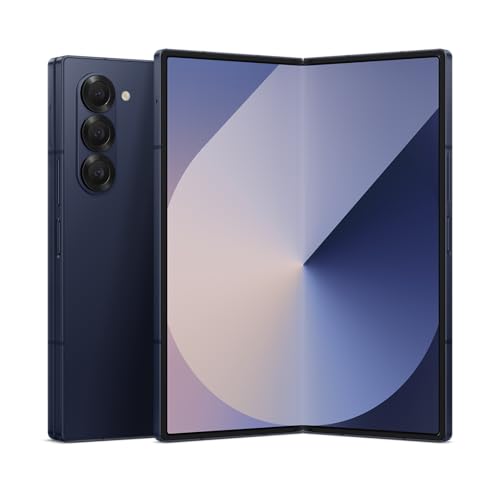
Samsung Galaxy Z Fold2 5G (12GB + 256GB) Review | 197 Data compared

Avg. price:~£1,580RAM capacity:12 GBInternal storage:256 GBScreen size:7.6 inchesMain camera megapixels:12 MP & 12 MP & 12 MP

Samsung Galaxy Z Fold2 5G (12GB + 256GB) Review: Compare 197 technical specifications and user reviews to see how this product ranks in the Smartphones category and whether it is worth buying.

7.1/10

Overall score

Score
7.1/ 10
✕
What it is
An overall evaluation of the smartphone's quality, based on technical analyses and user reviews.
When it matters
When you need a quick reference to identify the best smartphones on the market.
Score distribution
▼
<55-66-77-88-99-10
Score components

90%

7.1

Technical score

10%

7.6

User score

▲Better than 63% of smartphones
5.6

Value for money

Value for money
5.6/ 10
✕
What it is
An indicator that combines the smartphone's overall rating with its cost.
When it matters
When you are looking for a smartphone with a good balance between quality and price.
Score distribution
▼
<55-66-77-88-99-10
Score components

70%

7.1

Overall score

30%

2.2

Price

▼Worse than 99%
7.1

Technical score

Technical score
7.1/ 10
✕
What it is
An assessment of the smartphone's technical performance, covering eight key areas: performance & hardware, software, camera, connectivity, display, battery, audio, and design.
When it matters
When you want to compare smartphones based on technical performance and available features.
Score distribution
▼
<55-66-77-88-99-10
Score components

25%

6.6

Performance & Hardware

18%

7.9

Camera

15%

7.6

Display

15%

5.8

Battery

10%

7.4

Software

10%

7.9

Connectivity

4%

6.9

Audio

3%

5.6

Design

▲Better than 63%
7.6

User score

User score
7.6/ 10
✕
What it is
A rating that combines user reviews and the total number of reviews received by the smartphone
When it matters
When you want to know how a smartphone handles daily tasks and how reliable it remains over time according to user feedback.
Score distribution
▼
<55-66-77-88-99-10
Score components

70%

8.1

User ratings

30%

6.6

Number of reviews

▼Worse than 80%
  • No image
No image
Where to buy
*As an Amazon Associate, we earn from qualifying purchases.
Loading...
Loading category ranking...

Technical Specifications of smartphone Samsung Galaxy Z Fold2 5G (12GB + 256GB)

Technical score
Technical score
7.1/ 10
✕
What it is
An assessment of the smartphone's technical performance, covering eight key areas: performance & hardware, software, camera, connectivity, display, battery, audio, and design.
When it matters
When you want to compare smartphones based on technical performance and available features.
Score distribution
▼
<55-66-77-88-99-10
Score components:

25%

6.6

Performance & Hardware

18%

7.9

Camera

15%

7.6

Display

15%

5.8

Battery

10%

7.4

Software

10%

7.9

Connectivity

4%

6.9

Audio

3%

5.6

Design

7.1
User score
User score
7.6/ 10
✕
What it is
A rating that combines user reviews and the total number of reviews received by the smartphone
When it matters
When you want to know how a smartphone handles daily tasks and how reliable it remains over time according to user feedback.
Score distribution
▼
<55-66-77-88-99-10
Score components

70%

8.1

User ratings

30%

6.6

Number of reviews

7.6
Popularity
Popularity
6.6/ 10
✕
What it is
An indicator based on the number of reviews received by the smartphone.
When it matters
When you prefer to purchase a product chosen and reviewed by many other consumers.
Score distribution
▼
<55-66-77-88-99-10
Popularity:
Samsung Galaxy Z Fold2 5G (12GB + 256GB) has a popularity of 6.6 points, which is higher than 60.2% of smartphones.
6.6
Value for money
Value for money
5.6/ 10
✕
What it is
An indicator that combines the smartphone's overall rating with its cost.
When it matters
When you are looking for a smartphone with a good balance between quality and price.
Score distribution
▼
<55-66-77-88-99-10
Score components:

70%

7.1

Overall score

30%

2.2

Price

5.6
Brand name
Samsung
Processor model
Qualcomm Snapdragon 865 Plus
This smartphone uses the Qualcomm Snapdragon 865 Plus processor which is faster than processors in 72.2% of smartphones and equal to processors in 0.1% of smartphones.
RAM capacity
12 GB
This smartphone has a RAM capacity of 12 GB which is larger than the RAM capacity of 59% of smartphones and equal to that of 24.3% of smartphones.
Internal storage
256 GB
This smartphone has an internal storage capacity of 256 GB which is larger than the storage of 38.8% of smartphones and equal to that of 38.3% of smartphones.
CPU boost clock speed
3.1 GHz
The CPU boost clock speed of this smartphone is 3.1 GHz which is higher than the boost speed of 79.3% of smartphones and equal to that of 1.6% of smartphones.
Show more
Operating system
Android
This smartphone uses the Android operating system, which outperforms that of 1%.
Android 10
Android version
Android 10
This smartphone runs Android version Android 10 which is older than that found in 88.8% of smartphones and equal to that in 5.1% of smartphones.
Direct OS updates
no
This smartphone does not receive direct OS updates. 20.6% of smartphones receive direct updates.
Open-source OS
yes
This smartphone uses an open-source OS. 94.6% of smartphones use an open-source OS.
Dark mode
yes
This smartphone offers dark mode. 95.8% of smartphones support this feature.
Show more
Multi-lens main camera
yes
This smartphone includes a multi-lens main camera system. 93.7% of smartphones include multi-lens setups.
Main camera megapixels
12 MP & 12 MP & 12 MP
This smartphone has a main camera resolution of 12 MP & 12 MP & 12 MP which is lower than that of 95% of smartphones and equal to that of 0.8% of smartphones.
Main camera aperture
f/1.8 & f/2.2 & f/2.4
This smartphone has a main camera aperture of f/1.8 & f/2.2 & f/2.4 which is wider than that of 53.2% of smartphones and equal to that of 10.7% of smartphones.
Main camera sensor area
38.9 mm²
This smartphone has a main camera sensor area of 38.9 mm² which is larger than the main camera sensor area of 51.8% of smartphones and equal to that of 1.4% of smartphones.
Main camera pixel size
1.8 µm
This smartphone has a main camera pixel size of 1.8 µm which is larger than in 98.4% of smartphones and equal to the size in 1.4% of smartphones.
Show more
Number of SIM slots
2
This smartphone has 2 SIM slots, which is more than in 3.8% of smartphones and equal to the number in 96.1% of smartphones.
Cellular module
yes
This smartphone includes a cellular module. 100% of smartphones include cellular modules.
5G connectivity
yes
This smartphone supports 5G connectivity. 66.9% of smartphones support 5G.
LTE support
yes
This smartphone supports LTE. 99.7% of smartphones include LTE connectivity.
Wi-Fi connectivity
yes
This smartphone supports Wi-Fi connectivity. 100% of smartphones offer Wi-Fi support.
Show more
Screen size
7.6 inches
This smartphone has a screen size of 7.6 inches which is larger than the screens of 97.8% of smartphones and equal to those of 0.3% of smartphones.
Screen resolution
1768x 2208 px
This smartphone has a screen resolution of 1768x2208 px which is higher than that of 91.3% of smartphones and equal to that of 0.1% of smartphones.
Pixel density
372 ppi
This smartphone has a pixel density of 372 ppi which is lower than that of 76.2% of smartphones.
Display type
OLED/AMOLED
This smartphone uses a OLED/AMOLED display type. 58.6% of smartphones use this display technology.
Refresh rate
120 Hz
This smartphone supports a refresh rate of 120 Hz which is higher than in 34.7% of smartphones and equal to that in 55.2% of smartphones.
Show more
Battery capacity
4,500 mAh
This smartphone has a battery capacity of 4,500 mAh which is smaller than the batteries in 78.5% of smartphones and equal to those in 5.9% of smartphones.
Charging speed
25 W
This smartphone supports charging speeds of 25 W which is slower than in 66.9% of smartphones and equal to speeds in 5.3% of smartphones.
Fast charging
yes
This smartphone supports fast charging. 93.1% of smartphones support fast charging.
GSMArena full wired charge time
115 min
This smartphone reaches a full wired charge in 115 min which is slower than 88.6% of smartphones and equal to the time of 0.4% of smartphones.
Wireless charging
yes
This smartphone supports wireless charging. 25.2% of smartphones support wireless charging.
Show more
Stereo speakers
yes
This smartphone includes stereo speakers. 64.4% of smartphones provide stereo audio.
3.5 mm headphone jack
no
This smartphone does not include a 3.5 mm headphone jack. 45.5% of smartphones offer this port.
Number of microphones
?
FM radio
yes
This smartphone includes an FM radio. 34.2% of smartphones offer FM radio functionality.
aptX Lossless
no
This smartphone does not support aptX Lossless. 12.9% of smartphones provide aptX Lossless.
Show more
Height
159.2 mm
This smartphone has a height of 159.2 mm which is shorter than 82.8% of smartphones and equal to that of 0.5% of smartphones.
Width
128.2 mm
This smartphone has a width of 128.2 mm which is wider than 98.4% of smartphones.
Thickness
6.9 mm
This smartphone has a thickness of 6.9 mm which is thinner than 96.7% of smartphones and equal to that of 0.6% of smartphones.
Weight
282 g
This smartphone weighs 282 g which is heavier than 91.6% of smartphones.
Device volume
122,112 cm³
This smartphone has a device volume of 122,112 cm³ which is larger than 88.5% of smartphones.
Show more

Samsung Galaxy Z Fold2 5G (12GB + 256GB) vs the average smartphone

246810TotalPerformance & HardwareSoftwareCameraConnectivityDisplayBatteryAudioDesign
  • Has optical image stabilization
    This smartphone has optical image stabilization (OIS), the average smartphone does not. 48.3% of smartphones feature OIS.
  • Supports wireless charging
    This smartphone supports wireless charging, the average smartphone does not. 25.2% of smartphones are wireless charging compatible.
  • 1 µm larger main camera pixel size
    This smartphone has a larger main camera pixel size than the average smartphone (1.8 µm vs 0.8 µm). The average pixel size is 0.8 µm.
    1.8 µm vs 0.8 µm
  • 2 x higher optical zoom
    This smartphone offers higher optical zoom than the average smartphone (2 x vs 0 x).
    2 x vs 0 x
  • Higher screen resolution
    This smartphone has a higher screen resolution than the average smartphone (1768x2208 px vs 1080x2400 px). The average smartphone resolution is 1080x2400 px.
    1768x2208 px vs 1080x2400 px
  • 0.93 inches inch larger screen size
    This smartphone has a larger screen size than the average smartphone (7.6 inches vs 6.67 inches). The average smartphone screen is 6.67 inches.
    7.6 inches vs 6.67 inches
  • 4 GB more RAM
    This smartphone has more RAM capacity than the average smartphone (12 GB vs 8 GB). The average smartphone has 8 GB of RAM.
    12 GB vs 8 GB
  • 29.2% higher CPU boost clock speed
    This smartphone has a higher CPU boost clock speed than the average smartphone (3.1 GHz vs 2.4 GHz). The average smartphone has a boost clock speed of 2.4 GHz.
    3.1 GHz vs 2.4 GHz
  • Higher CPU base clock speed
    This smartphone has a higher CPU base clock speed than the average smartphone (1x3.1 GHz & 3x2.42 GHz & 4x1.8 GHz vs 2x2.2 GHz & 6x2 GHz). The average smartphone has a base clock speed of 2x2.2 GHz & 6x2 GHz.
    1x3.1 GHz & 3x2.42 GHz & 4x1.8 GHz vs 2x2.2 GHz & 6x2 GHz
  • Newer DDR memory version
    This smartphone supports a newer DDR version than the average smartphone (5 vs 4). The average DDR version is 4.
    5 vs 4
  • 2 more memory channels
    This smartphone has more memory channels than the average smartphone (4 vs 2). The average smartphone has 2 memory channels.
    4 vs 2
  • 36.8% higher Geekbench 6 single-core benchmark score
    This smartphone scores better in Geekbench 6 single-core than the average smartphone (1,289 vs 942). The average smartphone scores 942 in single-core.
    1,289 vs 942
  • 75.8% more L2 cache
    This smartphone has more L2 cache than the average smartphone (1,800 KB vs 1,024 KB). The average L2 cache is 1,024 KB.
    1,800 KB vs 1,024 KB
  • 71.9% higher memory bandwidth
    This smartphone has higher memory bandwidth than the average smartphone (44 GB/s vs 25.6 GB/s). The average memory bandwidth is 25.6 GB/s.
    44 GB/s vs 25.6 GB/s
  • 36.3% higher Geekbench 6 multi-core benchmark score
    This smartphone scores better in Geekbench 6 multi-core than the average smartphone (3,453 vs 2,533). The average smartphone scores 2,533 in multi-core.
    3,453 vs 2,533
  • 8.2% higher PCMark Work 3.0 Performance benchmark
    This smartphone has a higher PCMark Work 3.0 performance score than the average smartphone (11,664 vs 10,783). The average score is 10,783.
    11,664 vs 10,783
  • 2x more shader units
    This smartphone features more shader units than the average smartphone (512 vs 256). The average smartphone has 256 shader units.
    512 vs 256
  • 34.2% higher 3DMark Wild Life benchmark
    This smartphone scores higher in 3DMark Wild Life than the average smartphone (4,180 vs 3,115). The average smartphone scores 3,115.
    4,180 vs 3,115
  • Better processor
    This smartphone features a better processor than the average smartphone (Qualcomm Snapdragon 865 Plus vs Qualcomm Snapdragon 7 Gen 3).
    Qualcomm Snapdragon 865 Plus vs Qualcomm Snapdragon 7 Gen 3
  • Includes cross-site tracking protection
    This smartphone supports cross-site tracking prevention, the average smartphone does not. 32.2% of smartphones include this feature.
  • Supports desktop mode
    This smartphone includes desktop mode, the average smartphone does not. 9.4% of smartphones support desktop functionality.
  • Has optical image stabilization
    This smartphone has optical image stabilization (OIS), the average smartphone does not. 48.3% of smartphones feature OIS.
  • 1 µm larger main camera pixel size
    This smartphone has a larger main camera pixel size than the average smartphone (1.8 µm vs 0.8 µm). The average pixel size is 0.8 µm.
    1.8 µm vs 0.8 µm
  • 2 x higher optical zoom
    This smartphone offers higher optical zoom than the average smartphone (2 x vs 0 x).
    2 x vs 0 x
  • Supports RAW photo capture
    This smartphone supports RAW photo capture, the average smartphone does not. 37.1% of smartphones allow RAW files.
  • Uses a BSI sensor
    This smartphone uses a BSI sensor, the average smartphone does not. 40.5% of smartphones include BSI sensors.
  • Has a multi-lens front camera
    This smartphone features a multi-lens front camera, the average smartphone does not. 18% of smartphones have multiple front lenses.
  • Better main camera video
    This smartphone records better main camera video than the average smartphone. 22.60x of smartphones support 4K or higher.
    2160x60 fps vs 2160x30 fps
  • Allows manual shutter speed
    This smartphone allows manual shutter speed control, the average smartphone does not. 29.8% of smartphones include this.
  • Supports HDR10 video recording
    This smartphone supports HDR10 video recording, the average smartphone does not. 35.9% of smartphones support HDR10.
  • Has a dual-tone LED flash
    This smartphone features a dual-tone LED flash, the average smartphone does not. 41.4% of smartphones include dual-tone flash.
  • 21.6% larger main camera sensor area
    This smartphone has a larger main camera sensor area than the average smartphone (38.9 mm² vs 32 mm²). The average main camera sensor area is 32 mm².
    38.9 mm² vs 32 mm²
  • Newer USB version
    This smartphone supports a newer USB version than the average smartphone (3.2 vs 2). The average version is USB 2.0.
    3.2 vs 2.0
  • Supports ANT+
    This smartphone supports ANT+ technology, the average smartphone does not. 6% of smartphones are ANT+ compatible.
  • Has a barometer
    This smartphone features a barometer, the average smartphone does not. 19.9% of smartphones include a barometer.
  • Higher screen resolution
    This smartphone has a higher screen resolution than the average smartphone (1768x2208 px vs 1080x2400 px). The average smartphone resolution is 1080x2400 px.
    1768x2208 px vs 1080x2400 px
  • 0.93 inches inch larger screen size
    This smartphone has a larger screen size than the average smartphone (7.6 inches vs 6.67 inches). The average smartphone screen is 6.67 inches.
    7.6 inches vs 6.67 inches
  • Supports HDR10 support
    This smartphone supports HDR10, the average smartphone does not. 42.7% of smartphones are HDR10 compatible.
  • Has an always-on display
    This smartphone features an always-on display, the average smartphone does not. 49.2% of smartphones offer always-on functionality.
  • Has a secondary display
    This smartphone features a secondary display, the average smartphone does not. 6.7% of smartphones include a secondary screen.
  • Higher contrast ratio
    This smartphone has a higher contrast ratio than the average smartphone (2000000:1 vs 1000000:1). The average smartphone contrast ratio is 1000000:1.
    AMOLED/OLED displays have an effectively infinite contrast ratio
    2,000,000:1 vs 1,000,000:1
  • Has a curved display
    This smartphone features a curved display, the average smartphone does not. 24.5% of smartphones have curved screens.
  • 8.2% higher screen brightness
    This smartphone has a higher screen brightness than the average smartphone (714 nits vs 660 nits). The average smartphone brightness is 660 nits.
    714 nits vs 660 nits
  • Supports wireless charging
    This smartphone supports wireless charging, the average smartphone does not. 25.2% of smartphones are wireless charging compatible.
  • Supports reverse wireless charging
    This smartphone supports reverse wireless charging, the average smartphone does not. 23.6% of smartphones offer reverse wireless charging.
  • Has FM radio
    This smartphone features an FM radio, the average smartphone does not. 34.2% of smartphones include an FM tuner.
  • Supports aptX
    This smartphone supports aptX, the average smartphone does not. 50% of smartphones are aptX compatible.
  • 1.4 mm thinner
    This smartphone is thinner than the average smartphone (6.9 mm vs 8.3 mm). The average smartphone thickness is 8.3 mm.
    6.9 mm vs 8.3 mm
  • Is foldable
    This smartphone is foldable, the average smartphone is not. 3.9% of smartphones are foldable devices.
  • 4.4 mm shorter
    This smartphone is shorter than the average smartphone (159.2 mm vs 163.6 mm). The average smartphone height is 163.6 mm.
    159.2 mm vs 163.6 mm
  • Lower-resolution main camera
    This smartphone has a lower-resolution main camera than the average smartphone (12 MP & 12 MP & 12 MP vs 50 MP & 8 MP). The average smartphone has a 50 MP & 8 MP main camera.
    12 MP & 12 MP & 12 MP vs 50 MP & 8 MP
  • 32% slower GPU clock
    This smartphone has a lower GPU frequency than the average smartphone (646 MHz vs 950 MHz). The average smartphone has a GPU frequency of 950 MHz.
    646 MHz vs 950 MHz
  • No live text recognition
    This smartphone does not support live text recognition, the average smartphone does. 50.9% of smartphones offer real-time text recognition.
  • Lower GSMArena battery endurance score
    This smartphone has a lower GSMArena battery endurance score than the average smartphone (81 vs 99.5). The average smartphone scores 99.5.
    81 vs 99.5
  • 53 min slower full wired charge time
    This smartphone has a slower full wired charge time than the average smartphone (115 min vs 62 min). The average smartphone takes 62 min to charge.
    115 min vs 62 min
  • No memory card slot
    This smartphone does not have a memory card slot, the average smartphone does. 53.5% of smartphones feature expandable storage.
  • Older Android version
    This smartphone runs an older Android version than the average smartphone (Android 10 vs Android 14). The average smartphone runs Android version Android 14.
    Android 10 vs Android 14
  • 10% smaller battery capacity
    This smartphone has a smaller battery capacity than the average smartphone (4,500 mAh vs 5,000 mAh). The average smartphone has a capacity of 5,000 mAh.
    4,500 mAh vs 5,000 mAh
  • 6.08x more expensive
    Samsung Galaxy Z Fold2 5G (12GB + 256GB) is more expensive than the average smartphone (£1,580 vs £260).
    £1,580 vs £260
  • 30.2% worse value for money
    Samsung Galaxy Z Fold2 5G (12GB + 256GB) has worse value for money than the average smartphone (5.63 vs 7.3).
    5.63 vs 7.34
  • 4.9% lower user score
    User score
    7.6/ 10
    ✕
    What it is
    A rating that combines user reviews and the total number of reviews received by the smartphone
    When it matters
    When you want to know how a smartphone handles daily tasks and how reliable it remains over time according to user feedback.
    Score distribution
    ▼▼
    <55-66-77-88-99-10
    Samsung Galaxy Z Fold2 5G
    the average smartphone
    Samsung Galaxy Z Fold2 5G (12GB + 256GB) has a lower user score than the average smartphone (7.62 vs 8.000).
    7.62 vs 8
  • 32% slower GPU clock
    This smartphone has a lower GPU frequency than the average smartphone (646 MHz vs 950 MHz). The average smartphone has a GPU frequency of 950 MHz.
    646 MHz vs 950 MHz
  • 16.7% higher TDP (less efficient)
    This smartphone has a higher TDP than the average smartphone (5 W vs 6 W). The average smartphone has a TDP of 6 W.
    5 W vs 6 W
  • 16.7% larger process node
    This smartphone is manufactured on a larger process node than the average smartphone (7 nm vs 6 nm). The average smartphone uses a 6 nm process.
    7 nm vs 6 nm
  • 14.3% lower maximum RAM capacity
    This smartphone supports less maximum RAM than the average smartphone (12 GB vs 14 GB). The average smartphone supports 14 GB of RAM.
    12 GB vs 14 GB
  • No live text recognition
    This smartphone does not support live text recognition, the average smartphone does. 50.9% of smartphones offer real-time text recognition.
  • Older Android version
    This smartphone runs an older Android version than the average smartphone (Android 10 vs Android 14). The average smartphone runs Android version Android 14.
    Android 10 vs Android 14
  • No Wi-Fi password sharing
    This smartphone does not support Wi-Fi password sharing, the average smartphone does. 57.9% of smartphones allow easy Wi-Fi sharing.
  • No battery health monitoring
    This smartphone lacks battery health monitoring, the average smartphone includes it. 66.3% of smartphones provide battery health stats.
  • Does not allow app offloading
    This smartphone does not support app offloading, the average smartphone does. 51.9% of smartphones support app offloading to save space.
  • Does not allow play while downloading
    This smartphone cannot play games while downloading, the average smartphone can. 77.3% of smartphones support play-while-downloading.
  • Lower-resolution main camera
    This smartphone has a lower-resolution main camera than the average smartphone (12 MP & 12 MP & 12 MP vs 50 MP & 8 MP). The average smartphone has a 50 MP & 8 MP main camera.
    12 MP & 12 MP & 12 MP vs 50 MP & 8 MP
  • Narrower main camera aperture
    This smartphone has a narrower main camera aperture than the average smartphone (f/1.8 & f/2.2 & f/2.4 vs f/1.8 & f/2.2 & f/2.4 & f/2.4). The average smartphone aperture is f/1.8 & f/2.2 & f/2.4 & f/2.4.
    f/1.8 & f/2.2 & f/2.4 vs f/1.8 & f/2.2 & f/2.4 & f/2.4
  • Lower front camera megapixels
    This smartphone has lower front camera megapixels than the average smartphone (10 MP vs 16 MP). The average smartphone has a 16 MP front camera.
    10 MP vs 16 MP
  • No memory card slot
    This smartphone does not have a memory card slot, the average smartphone does. 53.5% of smartphones feature expandable storage.
  • Older Bluetooth version
    This smartphone uses an older Bluetooth version than the average smartphone (5 vs 5.2). The average smartphone uses Bluetooth 5.2.
    5.0 vs 5.2
  • 5.8% lower pixel density
    This smartphone has a lower pixel density than the average smartphone (372 ppi vs 395 ppi). The average smartphone has a pixel density of 395 ppi.
    372 ppi vs 395 ppi
  • 286 nits lower peak brightness
    This smartphone has a lower peak brightness than the average smartphone (714 nits vs 1,000 nits). The average smartphone peak brightness is 1,000 nits.
    714 nits vs 1,000 nits
  • Lower GSMArena battery endurance score
    This smartphone has a lower GSMArena battery endurance score than the average smartphone (81 vs 99.5). The average smartphone scores 99.5.
    81 vs 99.5
  • 53 min slower full wired charge time
    This smartphone has a slower full wired charge time than the average smartphone (115 min vs 62 min). The average smartphone takes 62 min to charge.
    115 min vs 62 min
  • 10% smaller battery capacity
    This smartphone has a smaller battery capacity than the average smartphone (4,500 mAh vs 5,000 mAh). The average smartphone has a capacity of 5,000 mAh.
    4,500 mAh vs 5,000 mAh
  • No reverse wired charging
    This smartphone does not support reverse wired charging, the average smartphone does. 60.8% of smartphones support reverse wired charging.
  • 45% slower wireless charging speed
    This smartphone has a slower wireless charging speed than the average smartphone (11 W vs 20 W). The average smartphone wireless charging speed is 20 W.
    11 W vs 20 W
  • 24.2% slower charging speed
    This smartphone has a slower charging speed than the average smartphone (25 W vs 33 W). The average smartphone charges at 33 W.
    25 W vs 33 W
  • 43.7% heavier
    This smartphone is heavier than the average smartphone (282 g vs 196.2 g). The average smartphone weighs 196.2 g.
    282 g vs 196.2 g
  • 52.2 mm wider
    This smartphone is wider than the average smartphone (128.2 mm vs 76 mm). The average smartphone has a width of 76 mm.
    128.2 mm vs 76 mm
  • 4 year/s older release date
    This smartphone is an older model than the average smartphone (2020 vs 2024). 4.00% of smartphones were released more recently.
    September 2020
    2020 vs 2024
  • Poor brand origin
    This smartphone has a poorer brand origin compared to the average smartphone. 0.00% of smartphones come from top-tier brand origins.
    South Korea vs China
  • 24.9% larger volume
    This smartphone has a larger volume than the average smartphone (122,112 cm³ vs 97,800 cm³). The average smartphone volume is 97,800 cm³.
    122,112 cm³ vs 97,800 cm³

Video reviews

Hands-on testing, unboxing, and real-world video evaluations

8.0
GadgetMatch
≈ estimated
17/09/2020
Hands-on review · camera and battery tests
Verdict
Samsung Galaxy Z Fold2 5G is a superb refinement of the original, though best suited to early adopters at this price.
9.0
MobileTechReview
≈ estimated
16/09/2020
Two-week review · daily use, camera and build impressions
Verdict
Samsung Galaxy Z Fold2 5G has great build, cameras and a usable outer screen, though it is heavy, thick and expensive.
6.0
The Verge
≈ estimated
09/09/2020
Hands-on review · typing, reading, multitasking and camera tests
Verdict
Samsung Galaxy Z Fold2 5G has much better hardware and a big screen, but the price and software make it a luxury buy.

Expert reviews

In-depth analysis and verdict from leading tech publications

pcmag.com
04/09/2020
Hands-on review · Tablet-size foldable
Verdict
The Galaxy Z Fold 2 fixes the original's flaws and is the only foldable worth recommending right now, though it's heavy, clunky and costly.
cnn.com
11/09/2020
Daily-use review · Foldable phone
Verdict
The Galaxy Z Fold 2 fixes the first Fold's durability problems and feels far sturdier, though its bulk and high price will put it off many buyers.
zdnet.com
03/09/2020
Two-week review · Foldable phone
Verdict
The Galaxy Z Fold 2 is the most capable foldable yet and can replace a tablet, but it lacks S Pen and water resistance and is very expensive.
gizmodo.com
19/09/2020
Hands-on review · Foldable phone
Verdict
The Galaxy Z Fold2 fixes most of the first Fold's problems, with a bigger cover screen and sturdier design, but it's heavy and very expensive.
F
forbes.com
05/10/2020
Summary of the review
cnet.com
21/09/2020
Hands-on review · Foldable phone
Verdict
The Galaxy Z Fold 2 fixes nearly every flaw of the original and can replace a laptop for a day, but it's heavy and its inner screen is fragile.
ign.com
10/11/2022
Full review · Foldable phone
Verdict
The Galaxy Z Fold 2 has the best displays, speakers and performance of any foldable so far, but some apps still don't fit its big screen well.
tomsguide.com
12/10/2022
Full review · Phone-tablet hybrid
Verdict
The Galaxy Z Fold 2 is a clear step up with a bigger cover screen and Flex Mode, but limited zoom, weight and no water resistance hold it back.
ubergizmo.com
23/09/2020
Hands-on review · Advanced foldable
Verdict
The Galaxy Z Fold 2 is a superb foldable for buyers who want the most advanced technology, but its unusual shape and high price keep it for enthusiasts.
cgmagonline.com
10/08/2021
Hands-on test · Foldable phone
Verdict
The Galaxy Z Fold2 is a fun, sturdy foldable whose big inner screen works like a small tablet, but its camera is weaker than Samsung's S20 Ultra.
M
moorinsightsstrategy.com
22/10/2020
Summary of the review
theverge.com
09/09/2020
One-week review · Dual-screen phone
Verdict
The Galaxy Z Fold 2 is a sturdy, well-built foldable best for video and gaming, but its tablet-style software needs work and the battery falls just short of two days.
usatoday.com
08/09/2020
Hands-on review · Foldable phone
Verdict
The Galaxy Z Fold2 suits anyone who wants a tablet folded into a phone, thanks to its much larger outer screen, though it is thick and heavy.
androidcentral.com
02/07/2021
Full review · Foldable phone
Verdict
The Galaxy Z Fold 2 is excellent for multitasking and photos, but it is not water-resistant and Instagram and Lightroom do not fill its inner screen.
T
theguardian.com
10/02/2021
Summary of the review
A
androidheadlines.com
28/09/2020
Summary of the review
frandroid.com
21/09/2020
Full test · Foldable phone
Verdict
The Galaxy Z Fold 2 is a polished foldable with a usable outer screen and a hinge that holds any angle, but at 279 grams it is heavy.
lesnumeriques.com
11/09/2020
Full review · Ultra-premium foldable
Verdict
The Galaxy Z Fold 2 is the most polished foldable yet, with a bright, sharp inner screen, but its cameras trail the S20 Ultra and it is not water-resistant.
phonandroid.com
08/09/2020
Full review · Two-screen phone
Verdict
The Galaxy Z Fold 2 is a stylish, powerful foldable with two strong screens, but its cameras hold it back and it is not for everyone.
journaldugeek.com
15/09/2020
Detailed test · Foldable phone
Verdict
The Galaxy Z Fold2 is the most complete Fold so far, with a free-angle hinge and a comfortable folded size, but it is heavy and not for everyone.

Third-party reviews

What customers like about Samsung Galaxy Z Fold2 5G (12GB + 256GB)

  • Large, immersive inner screen (7.6-inch) is excellent for media consumption, gaming, and productivity/multitasking (running multiple apps simultaneously).
  • Improved and durable hinge mechanism feels sturdy and allows the phone to stay open at various angles (Flex Mode).
  • The 6.2-inch outer (cover) display is fully usable, a major improvement over its predecessor.
  • Excellent performance, speed, and smooth operation thanks to the Snapdragon 865+ processor and 120Hz inner display refresh rate.
  • Impressive stereo speaker quality and loud, rich sound.
  • Good battery life, often lasting a full day with moderate to heavy use, with support for fast wired and wireless charging, plus reverse wireless charging (Wireless PowerShare).
  • Premium look and feel with solid build quality.
  • Camera quality is considered very good for most users, and innovative software features (like using the main camera for selfies via the cover screen viewfinder) are appreciated.

What customers don't like about Samsung Galaxy Z Fold2 5G (12GB + 256GB)

  • Very high price point, making it a luxury item for early adopters.
  • The device is heavy and thick when folded, which can cause hand fatigue or make it less pocket-friendly.
  • Lack of IP rating for water and dust resistance is a significant concern for users.
  • The inner screen's protective layer is prone to smudges and fingerprints and can be easily scratched, with users being careful not to remove the pre-applied film.
  • Cameras, while good, are not the absolute top-of-the-line compared to other non-folding Samsung flagships of the time (e.g., the Galaxy Note 20 Ultra's zoom capabilities).
  • The external screen's narrow aspect ratio can make typing a chore for some users.
  • Some apps are not fully optimized for the unique screen sizes and aspect ratios, occasionally resulting in awkward formatting or minor software glitches.
  • No expandable storage (microSD card slot) or S Pen support.

Verdict

The Samsung Galaxy Z Fold 2 (12GB + 256GB) redefines the smartphone experience with its revolutionary 7.6-inch foldable Dynamic AMOLED main display and a functional 6.2-inch Super AMOLED cover screen, offering tablet-like versatility when unfolded. Key strengths include a powerful processor (Snapdragon 865+ in most markets) and robust build quality featuring Ultra Thin Glass (UTG), supported by a solid triple-camera system and 5G connectivity. However, primary drawbacks upon release included a premium price point, a visible crease down the center of the main display, and a somewhat limited battery capacity compared to traditional flagship devices.

Compare Samsung Galaxy Z Fold2 5G (12GB + 256GB) with other smartphones

1Product to compare no. 1
VS
2Product to compare no. 2
VS
3Product to compare no. 3 (optional)

Graphic comparison of Samsung Galaxy Z Fold2 5G (12GB + 256GB) and other smartphones

No results found