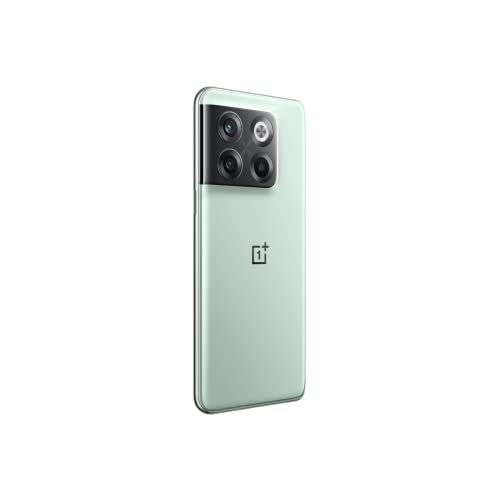
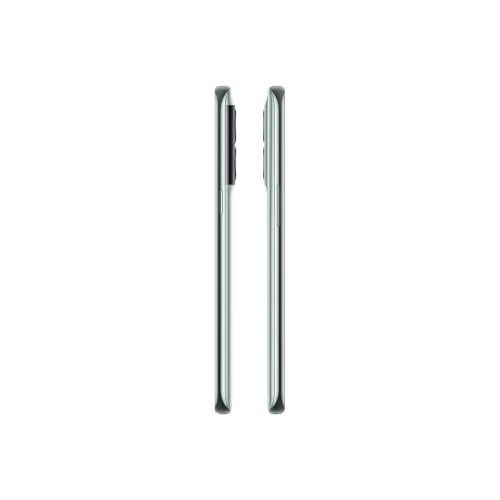
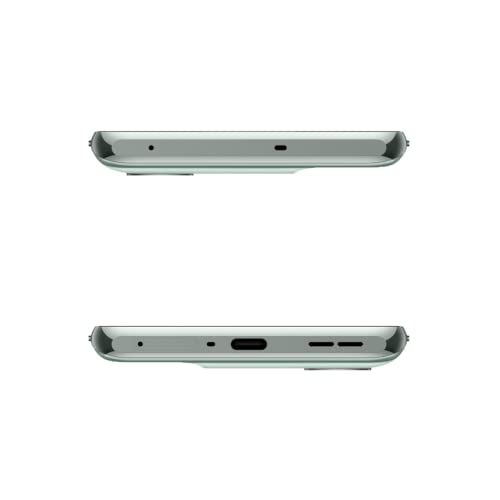
OnePlus 10T 5G (8GB + 128GB) review. Compare 197 technical specifications and user reviews to see how it ranks among smartphones and if it's worth buying.
Overall score
What it is: An overall evaluation of the smartphone's quality, based on technical analyses and user reviews.
When it matters: When you need a quick reference to identify the best smartphones on the market.
Score components:
90.0%
Technical Score
10.0%
User score
Technical Score
What it is: An assessment of the smartphone's technical performance, covering eight key areas: performance & hardware, software, camera, connectivity, display, battery, audio, and design.
When it matters: When you want to compare smartphones based on technical performance and available features.
Score components:
25.0%
Performance & Hardware
18.0%
Camera
15.0%
Display
15.0%
Battery
10.0%
Software
10.0%
Connectivity
4.0%
Audio
3.0%
Design
User score
What it is: A rating that combines user reviews and the total number of reviews received by the smartphone
When it matters: When you want to know how a smartphone handles daily tasks and how reliable it remains over time according to user feedback.
Score components:
70.0%
User reviews
30.0%
Popularity

Available: ranking among products currently available (including other versions of this product).
All: ranking among all products in the database.
#15 in Best OnePlus Smartphones
#38 in Best Smartphones Under £250
#73 in Best Mid-Range Smartphones
#75 in Best Smartphones Under £500
#76 in Best Smartphones Under £300
#107 in Best Chinese Smartphones
#134 in Best Smartphones Under £400
#160 in Best Large-Screen Smartphones
#162 in Best Android Smartphones
#180 in Best NFC Smartphones
#181 in Best 5G Smartphones
#184 in Best Smartphones
#184 in Best AI Smartphones
#193 in Best Value Smartphones
#932 in Best Battery Life Smartphones
What it is: An assessment of the smartphone's technical performance, covering eight key areas: performance & hardware, software, camera, connectivity, display, battery, audio, and design.
When it matters: When you want to compare smartphones based on technical performance and available features.
Score components:
25.0%
Performance & Hardware
18.0%
Camera
15.0%
Display
15.0%
Battery
10.0%
Software
10.0%
Connectivity
4.0%
Audio
3.0%
Design
What it is: A rating that combines user reviews and the total number of reviews received by the smartphone
When it matters: When you want to know how a smartphone handles daily tasks and how reliable it remains over time according to user feedback.
Score components:
70.0%
User reviews
30.0%
Popularity

What it is: An indicator that combines the smartphone's overall rating with its cost.
When it matters: When you are looking for a smartphone with a good balance between quality and price.
Score components:
60.0%
Overall score
40.0%
Price
Importance: MEDIUM
Importance: HIGH
Importance: HIGH
Good value: >12 GB
Importance: HIGH
Good value: >256 GB
Importance: MEDIUM
Good value: >3.2 GHz
Importance: MEDIUM
Importance: HIGH
Good value: >1500
Importance: MEDIUM
Good value: >4000
Importance: MEDIUM
Good value: 8+
Importance: MEDIUM
Importance: MEDIUM
Good value: >950 MHz
Importance: MEDIUM
Good value: >700
Importance: MEDIUM
Good value: >1000
Importance: MEDIUM
Good value: >2500
Importance: MEDIUM
Good value: >6000
Importance: MEDIUM
Good value: >8000
Importance: HIGH
Good value: >12000
Importance: MEDIUM
Good value: >5000
Importance: MEDIUM
Good value: >1800
Importance: MEDIUM
Good value: >3200 MHz
Importance: MEDIUM
Good value: 5
Importance: MEDIUM
Good value: > 50 GB/s
Importance: LOW
Good value: 4
Importance: MEDIUM
Good value: >16 GB
Importance: HIGH
Good value: <6 nm
Importance: MEDIUM
Good value: >9 W
Importance: MEDIUM
Importance: LOW
Good value: >8192 KB
Importance: LOW
Good value: >2048 KB
Importance: LOW
Good value: >512 KB
Importance: MEDIUM
Good value: >100000 million
Importance: LOW
Good value: 3.3
Importance: LOW
Good value: 3.2
Importance: LOW
Good value: 2.0/3.0
Importance: LOW
Importance: MEDIUM
Importance: LOW
Importance: HIGH
Importance: LOW
Importance: HIGH
Importance: LOW
Importance: LOW
Importance: LOW
Importance: LOW
Importance: LOW
Importance: MEDIUM
Importance: LOW
Importance: LOW
Importance: LOW
Importance: LOW
Importance: LOW
Importance: MEDIUM
Importance: MEDIUM
Importance: MEDIUM
Importance: MEDIUM
Importance: MEDIUM
Importance: LOW
Importance: LOW
Importance: MEDIUM
Importance: MEDIUM
Importance: MEDIUM
Importance: MEDIUM
Importance: LOW
Importance: LOW
Importance: LOW
Importance: LOW
Importance: LOW
Importance: LOW
Importance: LOW
Importance: LOW
Importance: MEDIUM
Importance: HIGH
Good value: >50 MP
Importance: HIGH
Importance: HIGH
Good value: >60
Importance: MEDIUM
Good value: ≥1.2 µm
Importance: HIGH
Good value: >2.5x
Importance: HIGH
Importance: LOW
Importance: LOW
Importance: LOW
Importance: LOW
Good value: ≥2
Importance: LOW
Importance: LOW
Importance: HIGH
Importance: HIGH
Good value: >16 MP
Importance: MEDIUM
Importance: LOW
Importance: LOW
Importance: LOW
Importance: MEDIUM
Importance: MEDIUM
Importance: LOW
Importance: LOW
Importance: LOW
Importance: MEDIUM
Importance: LOW
Importance: MEDIUM
Importance: MEDIUM
Importance: MEDIUM
Importance: LOW
Importance: LOW
Importance: LOW
Importance: LOW
Importance: MEDIUM
Importance: LOW
Importance: LOW
Importance: LOW
Importance: LOW
Importance: LOW
Importance: LOW
Importance: MEDIUM
Good value: >130
Importance: MEDIUM
Good value: >120
Importance: MEDIUM
Good value: ≥2
Importance: LOW
Importance: MEDIUM
Importance: HIGH
Importance: HIGH
Importance: MEDIUM
Importance: LOW
Good value: >5.2
Importance: MEDIUM
Importance: LOW
Importance: MEDIUM
Importance: LOW
Good value: 3.1/3.2
Importance: LOW
Importance: LOW
Importance: LOW
Good value: ≥2
Importance: LOW
Importance: MEDIUM
Importance: LOW
Importance: HIGH
Importance: LOW
Importance: LOW
Importance: LOW
Importance: LOW
Importance: LOW
Importance: LOW
Importance: LOW
Importance: LOW
Importance: LOW
Importance: LOW
Importance: LOW
Importance: MEDIUM
Good value: ≥6.6 inches
Importance: HIGH
Importance: HIGH
Good value: >400 ppi
Importance: HIGH
Importance: HIGH
Good value: ≥120 Hz
Importance: HIGH
Importance: MEDIUM
Good value: >300 Hz
Importance: MEDIUM
Good value: >800 nits
Importance: MEDIUM
Good value: >1300 nits
Importance: MEDIUM
Good value: >1000 nits
Importance: MEDIUM
Importance: MEDIUM
Importance: LOW
Importance: LOW
Importance: MEDIUM
Importance: LOW
Importance: LOW
Importance: HIGH
Importance: HIGH
Good value: >5000 mAh
Importance: HIGH
Good value: >60 W
Importance: MEDIUM
Importance: MEDIUM
Good value: <45 min
Importance: MEDIUM
Importance: LOW
Good value: >40 W
Importance: LOW
Importance: LOW
Good value: >10 W
Importance: LOW
Importance: HIGH
Importance: MEDIUM
Importance: MEDIUM
Good value: >800
Importance: LOW
Importance: LOW
Importance: MEDIUM
Importance: LOW
Importance: MEDIUM
Good value: ≥3
Importance: LOW
Importance: LOW
Importance: MEDIUM
Importance: LOW
Importance: MEDIUM
Importance: LOW
Importance: LOW
Good value: <162 mm
Importance: LOW
Good value: <75 mm
Importance: LOW
Good value: <8 mm
Importance: MEDIUM
Good value: <190 g
Importance: LOW
Good value: <98cm³
Importance: LOW
Importance: LOW
Importance: LOW
Importance: LOW
Importance: MEDIUM
Importance: LOW
Good value: ≥1.5 m
Importance: LOW
Importance: MEDIUM
Good value: >8
Importance: LOW
Importance: LOW
Importance: HIGH
Good value: >60 W
Importance: HIGH
Importance: MEDIUM
Importance: MEDIUM
Importance: HIGH
Good value: <6 nm
Importance: MEDIUM
Good value: >3.2 GHz
Importance: MEDIUM
Good value: >6000
Importance: MEDIUM
Good value: 5
Importance: HIGH
Good value: >256 GB
Importance: MEDIUM
Importance: LOW
Importance: LOW
Good value: ≥1.5 m
Importance: LOW
Importance: MEDIUM
Importance: HIGH
Importance: MEDIUM
(Reviews last updated: August 2026)
The OnePlus 10T is characterized as a performance-first "flagship killer" that prioritizes raw speed, powered by the Snapdragon 8+ Gen 1 chipset and exceptionally fast 150W/125W charging. While delivering excellent gaming performance and a fast-charging, 120Hz display, the device compromises by omitting the alert slider, wireless charging, and Hasselblad camera partnership. The camera system is considered a weak point with no telephoto lens, and the OxygenOS 12.1 software feels less enthusiast-focused.
The OnePlus 10T 5G is a performance-focused device featuring the Qualcomm Snapdragon 8+ Gen 1 processor, up to 16GB of RAM, and 150W SUPERVOOC charging that fully replenishes the 4800 mAh battery in approximately 19 minutes. Pros include a bright 6.7-inch 120Hz Fluid AMOLED display, excellent cellular performance, a competitive price point, and an included charger. Cons include the omission of the alert slider and wireless charging, a camera system lacking Hasselblad tuning, and a build with a plastic frame and lower IP rating.
The ZDNET review positions the $649 OnePlus 10T as a performance-focused "flagship killer" driven by the Snapdragon 8+ Gen 1 processor, 16GB of RAM, and blazing-fast 125W wired charging that fills the 4,800mAh battery in 20 minutes. However, the device sacrifices premium features for speed, resulting in the removal of the iconic alert slider, no wireless charging, and the lack of an official IP rating. While the 50MP main camera and flat 120Hz AMOLED display offer strong, albeit not top-tier, performance, the overall build opts for a plastic frame and less versatile secondary cameras compared to the 10 Pro.
The OnePlus 10T 5G is characterized in the Gear Diary review as a high-performance "flagship killer," driven by a Snapdragon 8+ Gen 1 processor, up to 16GB of RAM, and exceptionally fast 125W SUPERVOOC charging. Key pros include the 6.7-inch 120Hz flat AMOLED display, capable camera performance, strong 5G connectivity, and a solid software support promise. Conversely, the device lacks an alert slider and wireless charging, features a modest IP54 rating, and omits a telephoto lens in favor of a 2MP macro camera, according to the review. For more details, visit Gear Diary.
The OnePlus 10T review from The Guardian highlights a device prioritizing extreme 150W charging speeds, capable of a full 1%-100% charge in just over 19 minutes. Powered by the Snapdragon 8+ Gen 1 chip, the phone offers strong performance and a long-lasting battery, rated for 1,600 charge cycles. However, achieving this price point involved compromises, including a significant camera downgrade—removing the Hasselblad partnership and telephoto lens—and the omission of the signature alert slider. While delivering a slick 120Hz display and solid 36-hour battery life, the lack of water resistance and shorter software support makes it a mixed offering focused heavily on speed.
The OnePlus 10T is characterized as a high-performance "flagship killer" offering top-tier specs, including a Snapdragon 8+ Gen 1 processor and 125W wired charging, for $649. Its strengths include rapid battery replenishment (2% to 38% in five minutes) and excellent cellular reception. However, compromises include a lack of wireless charging, no alert slider, and an IP54 rating. Camera performance is a significant downside, with the 50MP main sensor often overexposing, while the 8MP ultrawide and 2MP macro lenses underperform compared to true flagships. Furthermore, the OxygenOS 12 software is described as clunky and intrusive, hindering the overall user experience. The device is ultimately recommended for those prioritizing raw speed and charging capabilities over photography and refined software.
According to PCMag, the OnePlus 10T is a high-performance device prioritising speed and rapid charging with its Snapdragon 8+ Gen 1 processor and 125W wired charging (150W in some regions), capable of reaching 40% battery in five minutes. However, the review notes significant cons compared to the OnePlus 10 Pro, including the removal of the alert slider, lack of wireless charging, a downgraded camera system without a telephoto lens, and "overbearing and clunky" OxygenOS 12 software. Despite a vibrant 6.7-inch 120Hz AMOLED display and excellent connectivity, the software issues prevent the phone from reaching its full potential, though it offers "terrific performance for its price" for users prioritising speed and charging.
The OnePlus 10T is reviewed as a performance-focused device prioritizing speed and value, highlighted by its 125W (US) or 150W (Global) fast wired charging and efficient Snapdragon 8 Plus Gen 1 chipset. However, this comes with notable compromises, including the removal of the alert slider, lack of wireless charging and formal IP rating, a plastic frame, and a 1080p display. The camera system lacks Hasselblad tuning and a telephoto lens, with secondary cameras described as mediocre or poor, and the OxygenOS 12.1 software is noted as a less preferred hybrid.
The Tom's Guide review describes the OnePlus 10T as a device prioritizing performance and charging speed over the premium features of its predecessor. Pros include its Snapdragon 8 Plus Gen 1 chipset, up to 16GB of RAM, and 150W wired charging that fills the 4,800 mAh battery in about 20 minutes. Cons include the removal of the alert slider and wireless charging, lack of an official IP rating, a lower-resolution FHD AMOLED display, and a camera system without Hasselblad partnership or a telephoto lens.
The OnePlus 10T 5G smartphone is highlighted as a performance-focused device powered by the Snapdragon 8+ Gen 1 platform, excelling in intensive tasks like gaming or acting as a mobile hotspot. A significant advantage is its 125W SUPERVOOC charging, capable of fully charging the 4,800mAh battery in under 20 minutes. Design trade-offs include the removal of the Alert Slider and a plastic frame, alongside a 6.7-inch 120Hz AMOLED display. While the 50MP main camera performs well, the overall camera system is considered a step down from the Pro version, particularly criticizing the 2MP macro lens. Other drawbacks include the absence of wireless charging, a lack of recent security updates, and limited dual-SIM support in some models.
According to a Forbes review, T prioritizes speed and raw performance + chipset and advanced cooling. However, this focus results in compromises, including the removal of the alert slider and wireless charging, a downgraded camera system lacking Hasselblad branding, and underwhelming ultrawide and macro lenses. The T as a return to offering high specs for power users at a lower price, excelling as a performance workhorse with rapid charging but sacrificing traditional OnePlus features.
According to a CNET review, the OnePlus 10T is criticized for sacrificing core features for only marginal speed improvements despite having a powerful processor and high RAM. While its fast charging is a significant pro, cons include the removal of the alert slider, a lower-resolution display, lack of wireless charging, and less premium build quality. The camera system is also seen as a major sacrifice, lacking the Hasselblad partnership and telephoto lens found on the 10 Pro.
The OnePlus 10T is positioned as a high-performance device, prioritizing raw power with its Snapdragon 8+ Gen 1 chipset and a 6.7-inch 120Hz Fluid AMOLED display over premium "Pro" features. Pros include lightning-fast 150W charging that fills the 4,800 mAh battery in roughly 20 minutes, alongside up to 16GB of RAM for excellent multitasking performance. However, the device compromises on several features, including the removal of the signature alert slider, lack of wireless charging, and the use of a plastic frame rather than aluminum. The camera system is considered a downgrade, featuring an underwhelming 8MP ultrawide and 2MP macro sensor, while lacking a telephoto lens or Hasselblad branding.
The Hardwareluxx review highlights the OnePlus 10T 5G as a performance-centric device featuring the Snapdragon 8+ Gen 1 chipset and 150W SuperVOOC charging, which fully charges the 4,800mAh battery in roughly 19 minutes. Key advantages include its top-tier gaming performance and lack of significant thermal throttling, alongside a bright, 120Hz flat AMOLED display. However, the device sacrifices the iconic alert slider, uses a plastic frame, and lacks wireless charging compared to the Pro model. While the 50MP main camera is capable, the 8MP ultra-wide and 2MP macro lenses are underwhelming, and the phone lacks Hasselblad color calibration. Ultimately, the 10T is positioned as a high-speed "flagship killer" that prioritizes power over premium materials and advanced photography.
The Netzwelt review characterizes the OnePlus 10T as a performance-focused "flagship killer" powered by the Snapdragon 8+ Gen 1 chipset, delivering high-speed functionality and efficient cooling. It highlights significant advantages like the 150-watt SUPERVOOC charging, which fully recharges the phone in roughly 20 minutes, alongside a smooth 120Hz OLED display. However, the review notes compromises made to achieve this price point, specifically the removal of the alert slider, lack of wireless charging, and a downgraded camera system lacking a telephoto lens. Furthermore, the build features more plastic than the Pro model, and the software is noted for its shift toward ColorOS. Ultimately, the OnePlus 10T is recommended for users prioritizing top-tier speed and rapid charging over premium, all-around flagship features.
The CNET France review characterizes the OnePlus 10T as a "performance beast" prioritizing raw speed via the Snapdragon 8+ Gen 1 processor and up to 16GB of RAM. Standout features include a highly effective 3D cooling system and 150W SUPERVOOC charging, which fully powers the device in under 20 minutes. However, the pursuit of performance results in notable compromises, including the removal of the iconic alert slider, lack of wireless charging, and only IP54 splash resistance. While the 50MP main sensor performs well, the camera system lacks a dedicated telephoto lens and Hasselblad branding, making it less versatile. Ultimately, the device offers a flat, high-quality 120Hz AMOLED display with solid daily performance, though it represents a spec downgrade in build and camera compared to the Pro model.
According to the Journal du Geek review, the OnePlus 10T prioritizes extreme performance and charging speed, featuring 150W SuperVOOC charging that fills the 4,800mAh battery in roughly 19 to 23 minutes. The device is powered by the Snapdragon 8+ Gen 1 chip and a 120Hz AMOLED display, offering top-tier speed for gaming and daily use. However, compromises include the loss of the alert slider, lack of wireless charging, and a mediocre camera system compared to the 10 Pro.
The OnePlus 10T focuses heavily on performance, featuring the Snapdragon 8+ Gen 1 chipset for top-tier speed and a 6.7-inch 120Hz AMOLED display, alongside rapid 150W charging. However, this "flagship killer" approach involves sacrifices, including a plastic frame, no IP rating, and the removal of the signature Alert Slider. While the 50MP main camera is capable, the secondary sensors are average, making it a device tailored for performance users over photography enthusiasts.
The OnePlus 10T is positioned as a high-performance, value-driven smartphone featuring the Snapdragon 8+ Gen 1 chip and 150W SUPERVOOC charging, capable of a full charge in under 20 minutes. While praised for its 120Hz OLED display and sustained gaming performance, the device sacrifices premium features like the alert slider and wireless charging to maintain a lower price point. The camera system is considered the primary drawback, lacking a telephoto lens and relying on a mediocre 8MP ultrawide and 2MP macro sensor. Pros: Blazing Performance: Snapdragon 8+ Gen 1 with excellent thermal cooling for sustained gaming.Ultra-Fast Charging: Reaches 100% in ~20 minutes.High-Quality Display: Smooth 120Hz OLED with great color accuracy. Cons: Missing Features: No alert slider, no wireless charging, and no official IP rating.Sub-par Cameras: No telephoto lens; weak ultrawide and poor macro performance.Cheaper Build: Plastic frame feels less premium.
The OnePlus 10T is a performance-driven "flagship killer" that prioritizes raw speed, featuring the Snapdragon 8+ Gen 1 chipset and up to 16GB of RAM for exceptional gaming and multitasking. Key pros include 150W (or 125W in the US) SUPERVOOC charging, which enables a full, 20-minute recharge, alongside a fast 120Hz AMOLED display. However, the device cuts corners to maintain a lower price point, notably removing the signature Alert Slider and omitting wireless charging. The camera system is considered a compromise, with a solid 50MP main sensor but mediocre secondary lenses that lack the advanced tuning found on the 10 Pro. The construction feels less premium, and the IP54 rating only offers basic water protection. While it succeeds in providing top-tier speed for enthusiasts, users must trade off refined photography and premium features for raw performance. Ultimately, the 10T represents a return to form for the brand, offering incredible value for power users. It outperforms many more expensive rivals in technical, speed-based benchmarks.
The Capital.fr review identifies the OnePlus 10T as a performance-driven, cost-effective device featuring the Snapdragon 8+ Gen 1 chipset, which delivers top-tier gaming and speed, supported by a 150W SuperVOOC charging system that offers a full charge in under 20 minutes. However, to achieve this price point and performance, the device compromises on build quality, using a plastic frame instead of aluminum, and removes premium features like the alert slider and wireless charging. While the 6.7-inch 120Hz OLED display is high-quality for gaming, the camera system is limited, lacking a telephoto lens and utilizing a weak 2MP macro sensor, making it a better choice for speed-focused users than photography enthusiasts.
The Phonandroid review describes the OnePlus 10T as a performance-first device, highlighting the Snapdragon 8+ Gen 1 chipset for superior gaming and 150W charging that fills the battery in under 20 minutes. The 6.7-inch 120Hz AMOLED display offers a bright, flat experience, though it lacks LTPO technology and is housed in a frame with a plastic build and limited IP54 rating. While the 50MP main sensor performs well, the camera system lacks a telephoto lens, and the device misses the iconic alert slider and wireless charging. Key Takeaways Pros: Blazing-fast 150W charging, top-tier performance, and a responsive 120Hz display.Cons: No alert slider, no wireless charging, mediocre auxiliary cameras, and a plastic frame.
The OnePlus 10T is a performance-focused smartphone emphasizing raw speed, 150W wired charging, and the Snapdragon 8+ Gen 1 chipset, designed as a faster alternative to the 10 Pro. While offering a 6.7-inch 120Hz display, it compromises on features to achieve a lower price point, notably removing the signature alert slider, wireless charging, and an official IP rating. Photography relies on a capable 50MP main sensor, but is hindered by weak 8MP ultrawide and 2MP macro lenses. Overall, the device is considered a solid, high-speed, and gaming-capable choice, though it lacks the versatility of more balanced competitors.
The OnePlus 10T 5G is characterized as a "performance beast" prioritizing raw power and efficiency with its Snapdragon 8+ Gen 1 chipset, boasting a 6.7-inch 120Hz flat AMOLED display. Key advantages include incredibly fast 150W SUPERVOOC charging, capable of a full charge in under 20 minutes, and excellent 5G/Wi-Fi connectivity. However, compromises include the removal of the iconic alert slider, a less premium plastic frame, and a downgrade in camera versatility compared to the 10 Pro. While the main 50MP Sony sensor delivers solid results, the lack of Hasselblad integration and a subpar 2MP macro lens are noted as significant disadvantages. Overall, the device is positioned as an ideal choice for gamers and power users, though it may disappoint users seeking a premium, feature-rich experience.
The El Androide Libre review characterizes the OnePlus 10T as a high-performance device focused on speed, driven by the Snapdragon 8+ Gen 1 processor and exceptionally fast 150W charging. While featuring a fast 120Hz display, the design is noted for using a plastic frame, offering a less premium feel than the 10 Pro. Key advantages include top-tier gaming performance and a capable 50MP main camera, though it lacks the iconic alert slider, telephoto lens, and wireless charging.
The OnePlus 10T is a performance-focused "speed flagship" featuring the Snapdragon 8+ Gen 1 chip and up to 16GB of RAM, offering exceptional speed for gaming and multitasking on a 120Hz display. Key advantages include 150W SuperVOOC charging, capable of a full day’s power in 10 minutes, and a capable 50MP main camera. However, the device cuts costs by omitting the alert slider and wireless charging, alongside featuring a plastic frame and mediocre secondary lenses. This device is designed for power users prioritizing speed over a premium, all-around flagship experience, offering a high-performance alternative at a lower price point.
The Motorola Edge 30 Pro, analyzed by Diskidee, is a high-performance device featuring a Snapdragon 8 Gen 1 chipset and 12GB of RAM, offering a clean Android 12 experience and a 144Hz OLED screen. While its performance and display are top-tier, the device notably suffers from overheating under heavy loads and poor sunlight visibility. Despite lacking a telephoto lens and boasting only an IP52 water-resistance rating, the phone presents a high-value, fast alternative to more expensive flagships.
Months after its release, the Android Planet review update highlights the OnePlus 10T as a high-performance "powerhouse" driven by the Snapdragon 8 Plus Gen 1 processor, 150W fast charging, and up to 16GB of RAM. Key advantages include exceptional speed, a smooth 120Hz display, and rapid charging, though these are balanced by a mediocre, overexposing camera system and the exclusion of a macro camera. Drawbacks mentioned include the lack of wireless charging, the removal of the alert slider, and a less premium, slippery plastic frame compared to the 10 Pro. Software support was noted as slow, with European Android 13 updates lagging behind, and the phone's overall value is weighed against its price drops and the arrival of the newer OnePlus 11. Android Planet
The OnePlus 10T 5G prioritizes extreme performance, featuring a Snapdragon 8+ Gen 1 chipset and exceptionally fast 150W charging that fills the 4,800mAh battery in approximately 20 minutes. While the 6.7-inch 120Hz Fluid AMOLED display is vibrant, the device lacks premium features like wireless charging, IP water resistance in many regions, and the signature alert slider. Camera performance is inconsistent, with a capable 50MP main sensor undermined by mediocre 8MP ultrawide and 2MP macro shooters. The device serves as a value-focused, performance-oriented alternative to the Pro model, sacrificing some build quality—including a shift to a plastic frame—for speed.
The OnePlus 10T focuses on performance and rapid 150W charging, utilizing the Snapdragon 8+ Gen 1 chipset to fully charge the 4,800mAh battery in under 25 minutes. While providing an excellent, cool-running gaming experience, the device compromises on hardware by omitting the alert slider, wireless charging, and high-level water resistance. The camera system lacks a telephoto lens and relies on a 50MP main sensor, while the design features a plastic frame and a non-LTPO screen.
The OnePlus 10T focuses on raw power and 150W fast charging, aiming to revive the "flagship killer" concept with the Snapdragon 8+ Gen 1 chipset and a 120Hz AMOLED display. Key pros include the ability to fully charge the 4,800mAh battery in roughly 19 minutes, along with strong gaming performance, although it lacks wireless charging and features a plastic-framed design. The review notes significant compromises, such as the absence of the alert slider, only IP54 splash resistance, and an average camera system compared to the 10 Pro.
Compare