Scored using Smartphones Methodology v1.0
Smartphones Methodology v1.0
Mathematical & Unbiased Scoring
Products in this category are scored under Frontum Smartphones Methodology v1.0: technical specifications plus authentic consumer ratings, with 0% commercial bias.
Explore Smartphones Methodology v1.0

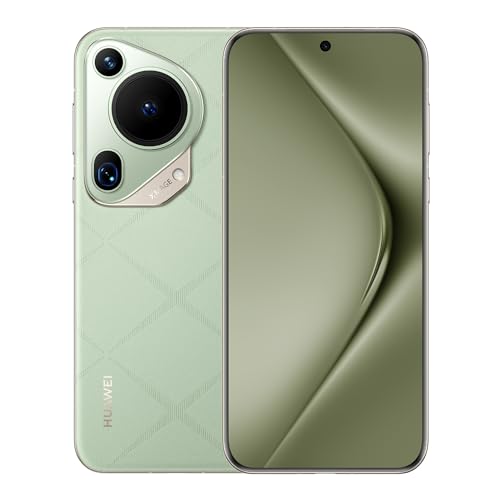
Huawei Pura 80 Ultra (16GB + 1TB) Review | 197 Data compared

Avg. price:~£1,450RAM capacity:16 GBInternal storage:1 TBScreen size:6.8 inchesMain camera megapixels:50 MP & 50 MP & 40 MP & 12.5 MP

Huawei Pura 80 Ultra (16GB + 1TB) Review: Compare 197 technical specifications and user reviews to see how this product ranks in the Smartphones category and whether it is worth buying.

8.2/10

Overall score

Score
8.2/ 10
✕
What it is
An overall evaluation of the smartphone's quality, based on technical analyses and user reviews.
When it matters
When you need a quick reference to identify the best smartphones on the market.
Score distribution
▼
<55-66-77-88-99-10
Score components

90%

8.2

Technical score

10%

?

User score

★Better than 90% of smartphones
6.6

Value for money

Value for money
6.6/ 10
✕
What it is
An indicator that combines the smartphone's overall rating with its cost.
When it matters
When you are looking for a smartphone with a good balance between quality and price.
Score distribution
▼
<55-66-77-88-99-10
Score components

70%

8.2

Overall score

30%

2.9

Price

▼Worse than 93%
8.2

Technical score

Technical score
8.2/ 10
✕
What it is
An assessment of the smartphone's technical performance, covering eight key areas: performance & hardware, software, camera, connectivity, display, battery, audio, and design.
When it matters
When you want to compare smartphones based on technical performance and available features.
Score distribution
▼
<55-66-77-88-99-10
Score components

25%

8.0

Performance & Hardware

18%

8.7

Camera

15%

8.3

Display

15%

8.6

Battery

10%

8.3

Software

10%

8.0

Connectivity

4%

5.2

Audio

3%

7.6

Design

★Better than 90%
?

User score

User score
8.0/ 10
✕
What it is
A rating that combines user reviews and the total number of reviews received by the smartphone
When it matters
When you want to know how a smartphone handles daily tasks and how reliable it remains over time according to user feedback.
Score distribution
▼
<55-66-77-88-99-10
Score components

70%

?

User ratings

30%

?

Number of reviews

Loading...
Loading category ranking...

Technical Specifications of smartphone Huawei Pura 80 Ultra (16GB + 1TB)

Technical score
Technical score
8.2/ 10
✕
What it is
An assessment of the smartphone's technical performance, covering eight key areas: performance & hardware, software, camera, connectivity, display, battery, audio, and design.
When it matters
When you want to compare smartphones based on technical performance and available features.
Score distribution
▼
<55-66-77-88-99-10
Score components:

25%

8.0

Performance & Hardware

18%

8.7

Camera

15%

8.3

Display

15%

8.6

Battery

10%

8.3

Software

10%

8.0

Connectivity

4%

5.2

Audio

3%

7.6

Design

8.2
User score
User score
8.0/ 10
✕
What it is
A rating that combines user reviews and the total number of reviews received by the smartphone
When it matters
When you want to know how a smartphone handles daily tasks and how reliable it remains over time according to user feedback.
Score distribution
▼
<55-66-77-88-99-10
Score components

70%

?

User ratings

30%

?

Number of reviews

?
Popularity
Popularity
1.0/ 10
✕
What it is
An indicator based on the number of reviews received by the smartphone.
When it matters
When you prefer to purchase a product chosen and reviewed by many other consumers.
Score distribution
▼
<55-66-77-88-99-10
Popularity:
Huawei Pura 80 Ultra (16GB + 1TB) has a popularity of 1 point, which is lower than 63.9% of smartphones.
1.0
Value for money
Value for money
6.6/ 10
✕
What it is
An indicator that combines the smartphone's overall rating with its cost.
When it matters
When you are looking for a smartphone with a good balance between quality and price.
Score distribution
▼
<55-66-77-88-99-10
Score components:

70%

8.2

Overall score

30%

2.9

Price

6.6
Brand name
Huawei
Processor model
HiSilicon Kirin 9010
This smartphone uses the HiSilicon Kirin 9010 processor which is faster than processors in 79.2% of smartphones and equal to processors in 0.3% of smartphones.
RAM capacity
16 GB
This smartphone has a RAM capacity of 16 GB which is larger than the RAM capacity of 83.5% of smartphones and equal to that of 12% of smartphones.
Internal storage
1 GB
This smartphone has an internal storage capacity of 1 TB which is larger than the storage of 94.3% of smartphones and equal to that of 5.6% of smartphones.
CPU boost clock speed
2.3 GHz
The CPU boost clock speed of this smartphone is 2.3 GHz which is lower than the boost speed of 63.7% of smartphones and equal to that of 4.4% of smartphones.
Show more
Operating system
EMUI
This smartphone uses the EMUI operating system. 0% of smartphones use a different operating system.
EMUI 15 or HarmonyOS 5.1
Android version
?
Direct OS updates
no
This smartphone does not receive direct OS updates. 20.6% of smartphones receive direct updates.
Open-source OS
no
This smartphone does not use an open-source OS. 94.6% of smartphones use an open-source OS.
Dark mode
yes
This smartphone offers dark mode. 95.8% of smartphones support this feature.
Show more
Multi-lens main camera
yes
This smartphone includes a multi-lens main camera system. 93.7% of smartphones include multi-lens setups.
Main camera megapixels
50 MP & 50 MP & 40 MP & 12.5 MP
This smartphone has a main camera resolution of 50 MP & 50 MP & 40 MP & 12.5 MP which is higher than that of 72.1% of smartphones.
Main camera aperture
f/1.6 & f/2.2 & f/2.4 & f/3.6
This smartphone has a main camera aperture of f/1.6 & f/2.2 & f/2.4 & f/3.6 which is wider than that of 95.8% of smartphones.
Main camera sensor area
128 mm²
This smartphone has a main camera sensor area of 128 mm² which is larger than the main camera sensor area of 99% of smartphones and equal to that of 0.9% of smartphones.
Main camera pixel size
1.6 µm
This smartphone has a main camera pixel size of 1.6 µm which is larger than in 97% of smartphones and equal to the size in 1.2% of smartphones.
Show more
Number of SIM slots
2
This smartphone has 2 SIM slots, which is more than in 3.8% of smartphones and equal to the number in 96.1% of smartphones.
Cellular module
yes
This smartphone includes a cellular module. 100% of smartphones include cellular modules.
5G connectivity
yes
This smartphone supports 5G connectivity. 66.9% of smartphones support 5G.
LTE support
yes
This smartphone supports LTE. 99.7% of smartphones include LTE connectivity.
Wi-Fi connectivity
yes
This smartphone supports Wi-Fi connectivity. 100% of smartphones offer Wi-Fi support.
Show more
Screen size
6.8 inches
This smartphone has a screen size of 6.8 inches which is larger than the screens of 84.4% of smartphones and equal to those of 4.6% of smartphones.
Screen resolution
1276x 2848 px
This smartphone has a screen resolution of 1276x2848 px which is higher than that of 89.1% of smartphones and equal to that of 0.1% of smartphones.
Pixel density
459 ppi
This smartphone has a pixel density of 459 ppi which is higher than that of 88% of smartphones and equal to that of 0.1% of smartphones.
Display type
OLED/AMOLED
This smartphone uses a OLED/AMOLED display type. 58.6% of smartphones use this display technology.
Refresh rate
120 Hz
This smartphone supports a refresh rate of 120 Hz which is higher than in 34.7% of smartphones and equal to that in 55.2% of smartphones.
Show more
Battery capacity
5,700 mAh
This smartphone has a battery capacity of 5,700 mAh which is larger than the batteries in 71.6% of smartphones and equal to those in 0.5% of smartphones.
Charging speed
100 W
This smartphone supports charging speeds of 100 W which is faster than in 90.1% of smartphones and equal to speeds in 4.2% of smartphones.
Fast charging
yes
This smartphone supports fast charging. 93.1% of smartphones support fast charging.
GSMArena full wired charge time
?
Wireless charging
yes
This smartphone supports wireless charging. 25.2% of smartphones support wireless charging.
Show more
Stereo speakers
yes
This smartphone includes stereo speakers. 64.4% of smartphones provide stereo audio.
3.5 mm headphone jack
no
This smartphone does not include a 3.5 mm headphone jack. 45.5% of smartphones offer this port.
Number of microphones
2
This smartphone includes 2 microphones, which is more than in 10.5% of smartphones and equal to the number in 66.6% of smartphones.
FM radio
no
This smartphone does not include an FM radio. 34.2% of smartphones offer FM radio functionality.
aptX Lossless
no
This smartphone does not support aptX Lossless. 12.9% of smartphones provide aptX Lossless.
Show more
Height
163 mm
This smartphone has a height of 163 mm which is shorter than 57.8% of smartphones and equal to that of 1.3% of smartphones.
Width
76.1 mm
This smartphone has a width of 76.1 mm which is wider than 53.1% of smartphones and equal to that of 2.8% of smartphones.
Thickness
8.3 mm
This smartphone has a thickness of 8.3 mm which is thinner than 44.7% of smartphones and equal to that of 6.1% of smartphones.
Weight
233.5 g
This smartphone weighs 233.5 g which is heavier than 87.5% of smartphones.
Device volume
99,104 cm³
This smartphone has a device volume of 99,104 cm³ which is larger than 58.7% of smartphones and equal to that of 2% of smartphones.
Show more

Huawei Pura 80 Ultra (16GB + 1TB) vs the average smartphone

246810TotalPerformance & HardwareSoftwareCameraConnectivityDisplayBatteryAudioDesign
  • 8 GB more RAM
    This smartphone has more RAM capacity than the average smartphone (16 GB vs 8 GB). The average smartphone has 8 GB of RAM.
    16 GB vs 8 GB
  • 4x larger main camera sensor area
    This smartphone has a larger main camera sensor area than the average smartphone (128 mm² vs 32 mm²). The average main camera sensor area is 32 mm².
    128 mm² vs 32 mm²
  • 4x more storage
    This smartphone offers more internal storage than the average smartphone (1 TB vs 256 GB). The average smartphone provides 256 GB of internal storage.
    1 TB vs 256 GB
  • 3.03x faster charging speed
    This smartphone supports a faster charging speed than the average smartphone (100 W vs 33 W). The average charging speed is 33 W.
    100 W vs 33 W
  • Has optical image stabilization
    This smartphone has optical image stabilization (OIS), the average smartphone does not. 48.3% of smartphones feature OIS.
  • Supports wireless charging
    This smartphone supports wireless charging, the average smartphone does not. 25.2% of smartphones are wireless charging compatible.
  • Higher on-device AI tier
    This smartphone runs on the agentic AI tier, while the average smartphone runs on fundamental, enabling stronger on-device AI features.
    HarmonyOS NEXT, Celia AI Assistant, Harmony Intelligence, AI Agents, AI Gesture Control, AI Best Expression, AI Removal
    agentic vs fundamental
  • 0.8 µm larger main camera pixel size
    This smartphone has a larger main camera pixel size than the average smartphone (1.6 µm vs 0.8 µm). The average pixel size is 0.8 µm.
    1.6 µm vs 0.8 µm
  • 8 GB more RAM
    This smartphone has more RAM capacity than the average smartphone (16 GB vs 8 GB). The average smartphone has 8 GB of RAM.
    16 GB vs 8 GB
  • 4x more storage
    This smartphone offers more internal storage than the average smartphone (1 TB vs 256 GB). The average smartphone provides 256 GB of internal storage.
    1 TB vs 256 GB
  • Newer DDR memory version
    This smartphone supports a newer DDR version than the average smartphone (5 vs 4). The average DDR version is 4.
    5 vs 4
  • 2x more L3 cache
    This smartphone has more L3 cache than the average smartphone (8,192 KB vs 4,096 KB). The average L3 cache is 4,096 KB.
    8,192 KB vs 4,096 KB
  • 2 more memory channels
    This smartphone has more memory channels than the average smartphone (4 vs 2). The average smartphone has 2 memory channels.
    4 vs 2
  • 72.4% higher Geekbench 6 multi-core benchmark score
    This smartphone scores better in Geekbench 6 multi-core than the average smartphone (4,368 vs 2,533). The average smartphone scores 2,533 in multi-core.
    4,368 vs 2,533
  • Better processor
    This smartphone features a better processor than the average smartphone (HiSilicon Kirin 9010 vs Qualcomm Snapdragon 7 Gen 3).
    HiSilicon Kirin 9,010 vs Qualcomm Snapdragon 7 Gen 3
  • 71.9% higher memory bandwidth
    This smartphone has higher memory bandwidth than the average smartphone (44 GB/s vs 25.6 GB/s). The average memory bandwidth is 25.6 GB/s.
    44 GB/s vs 25.6 GB/s
  • 14.3% higher maximum RAM
    This smartphone supports more maximum RAM than the average smartphone (16 GB vs 14 GB). The average smartphone supports 14 GB RAM.
    16 GB vs 14 GB
  • 2x more L1
    This smartphone has more L1 cache than the average smartphone (64 KB vs 32 KB). The average L1 cache is 32 KB.
    64 KB vs 32 KB
  • 50.9% higher 3DMark Wild Life Extreme benchmark
    This smartphone performs better in 3DMark Wild Life Extreme than the average smartphone (1,850 vs 1,226). The average smartphone scores 1,226.
    1,850 vs 1,226
  • Higher on-device AI tier
    This smartphone runs on the agentic AI tier, while the average smartphone runs on fundamental, enabling stronger on-device AI features.
    HarmonyOS NEXT, Celia AI Assistant, Harmony Intelligence, AI Agents, AI Gesture Control, AI Best Expression, AI Removal
    agentic vs fundamental
  • Includes cross-site tracking protection
    This smartphone supports cross-site tracking prevention, the average smartphone does not. 32.2% of smartphones include this feature.
  • Supports fast boot
    This smartphone supports fast boot, the average smartphone does not. 22.6% of smartphones include fast boot capabilities.
  • 4x larger main camera sensor area
    This smartphone has a larger main camera sensor area than the average smartphone (128 mm² vs 32 mm²). The average main camera sensor area is 32 mm².
    128 mm² vs 32 mm²
  • Has optical image stabilization
    This smartphone has optical image stabilization (OIS), the average smartphone does not. 48.3% of smartphones feature OIS.
  • 0.8 µm larger main camera pixel size
    This smartphone has a larger main camera pixel size than the average smartphone (1.6 µm vs 0.8 µm). The average pixel size is 0.8 µm.
    1.6 µm vs 0.8 µm
  • 45.8% higher DxOMark Mobile score
    This smartphone has a higher DxOMark Mobile score than the average smartphone (175 vs 120). The average smartphone scores 120.
    175 vs 120
  • Supports RAW photo capture
    This smartphone supports RAW photo capture, the average smartphone does not. 37.1% of smartphones allow RAW files.
  • Wider main camera aperture
    This smartphone has a wider main camera aperture than the average smartphone (f/1.6 & f/2.2 & f/2.4 & f/3.6 vs f/1.8 & f/2.2 & f/2.4 & f/2.4). The average smartphone has a main camera aperture of f/1.8 & f/2.2 & f/2.4 & f/2.4.
    f/1.6 & f/2.2 & f/2.4 & f/3.6 vs f/1.8 & f/2.2 & f/2.4 & f/2.4
  • Supports laser autofocus
    This smartphone features laser autofocus, the average smartphone does not. 21.4% of smartphones include laser AF.
  • Allows manual shutter speed
    This smartphone allows manual shutter speed control, the average smartphone does not. 29.8% of smartphones include this.
  • 1 more flash LEDs
    This smartphone has more flash LEDs than the average smartphone (2 vs 1). The average smartphone has 1 flash LEDs.
    2 vs 1
  • Has a dual-tone LED flash
    This smartphone features a dual-tone LED flash, the average smartphone does not. 41.4% of smartphones include dual-tone flash.
  • Higher-resolution main camera
    This smartphone has a higher main camera resolution than the average smartphone (50 MP & 50 MP & 40 MP & 12.5 MP vs 50 MP & 8 MP). The average smartphone main camera has 50 MP & 8 MP megapixels.
    50 MP & 50 MP & 40 MP & 12.5 MP vs 50 MP & 8 MP
  • Wider front camera aperture
    This smartphone has a wider front camera aperture than the average smartphone (f/2 vs f/2.2). The average aperture is f/2.2.
    f/2.0 vs f/2.2
  • Newer Wi-Fi version
    This smartphone supports a newer Wi-Fi version than the average smartphone (Wi-Fi 7 (802.11be), Wi-Fi 6E (802.11ax), Wi-Fi 6 (802.11ax), Wi-Fi 5 (802.11ac), Wi-Fi 4 (802.11n) vs Wi-Fi 5 (802.11ac), Wi-Fi 4 (802.11n)). The average smartphone uses Wi-Fi Wi-Fi 5 (802.11ac), Wi-Fi 4 (802.11n).
    Wi-Fi 7 (802.11be), Wi-Fi 6E (802.11ax), Wi-Fi 6 (802.11ax), Wi-Fi 5 (802.11ac), Wi-Fi 4 (802.11n) vs Wi-Fi 5 (802.11ac), Wi-Fi 4 (802.11n)
  • Supports satellite SOS
    This smartphone supports satellite SOS functionality, the average smartphone does not. 8.1% of smartphones offer satellite emergency services.
  • Newer USB version
    This smartphone supports a newer USB version than the average smartphone (3.1 vs 2). The average version is USB 2.
    3.1 vs 2
  • Has a barometer
    This smartphone features a barometer, the average smartphone does not. 19.9% of smartphones include a barometer.
  • Has an infrared sensor
    This smartphone includes an infrared sensor, the average smartphone does not. 33.3% of smartphones feature an IR blaster.
  • 2,000 nits higher peak brightness
    This smartphone has a higher peak brightness than the average smartphone (3,000 nits vs 1,000 nits). The average peak brightness is 1,000 nits.
    3,000 nits vs 1,000 nits
  • Higher screen resolution
    This smartphone has a higher screen resolution than the average smartphone (1276x2848 px vs 1080x2400 px). The average smartphone resolution is 1080x2400 px.
    1276x2848 px vs 1080x2400 px
  • 16.2% higher pixel density
    This smartphone has a higher pixel density than the average smartphone (459 ppi vs 395 ppi). The average smartphone has a pixel density of 395 ppi.
    459 ppi vs 395 ppi
  • Better display glass type
    This smartphone features a better display glass type than the average smartphone (Huawei Kunlun Glass vs Corning Gorilla Glass 5). The average smartphone uses Corning Gorilla Glass 5 protection.
    Huawei Kunlun Glass vs Corning Gorilla Glass 5
  • 0.13 inches inch larger screen size
    This smartphone has a larger screen size than the average smartphone (6.8 inches vs 6.67 inches). The average smartphone screen is 6.67 inches.
    6.8 inches vs 6.67 inches
  • 55.9% higher screen brightness
    This smartphone has a higher screen brightness than the average smartphone (1,029 nits vs 660 nits). The average smartphone brightness is 660 nits.
    1,029 nits vs 660 nits
  • Has an always-on display
    This smartphone features an always-on display, the average smartphone does not. 49.2% of smartphones offer always-on functionality.
  • Has a curved display
    This smartphone features a curved display, the average smartphone does not. 24.5% of smartphones have curved screens.
  • 25% higher touch sampling rate
    This smartphone has a higher touch sampling rate than the average smartphone (300 Hz vs 240 Hz). The average touch sampling rate is 240 Hz.
    300 Hz vs 240 Hz
  • 135.5 nits higher GSMArena max display brightness
    This smartphone has a higher GSMArena max display brightness than the average smartphone (1,029 nits vs 893.5 nits). The average max brightness is 893.5 nits.
    1,029 nits vs 893.5 nits
  • 3.03x faster charging speed
    This smartphone supports a faster charging speed than the average smartphone (100 W vs 33 W). The average charging speed is 33 W.
    100 W vs 33 W
  • Supports wireless charging
    This smartphone supports wireless charging, the average smartphone does not. 25.2% of smartphones are wireless charging compatible.
  • 4x faster wireless charging speed
    This smartphone supports a faster wireless charging speed than the average smartphone (80 W vs 20 W). The average speed is 20 W.
    80 W vs 20 W
  • 14% larger battery capacity
    This smartphone has a larger battery capacity than the average smartphone (5,700 mAh vs 5,000 mAh). The average smartphone battery is 5,000 mAh.
    5,700 mAh vs 5,000 mAh
  • Supports reverse wireless charging
    This smartphone supports reverse wireless charging, the average smartphone does not. 23.6% of smartphones offer reverse wireless charging.
  • 4x faster reverse wireless charging speed
    This smartphone supports a faster reverse wireless charging speed than the average smartphone (20 W vs 5 W). The average speed is 5 W.
    20 W vs 5 W
  • 2 m deeper water resistance
    This smartphone has a deeper water resistance rating than the average smartphone (2 m vs 0 m). The average depth rating is 0 m.
    2 m vs 0 m
  • Is designed for seniors
    This smartphone is designed specifically for seniors, the average smartphone is not. 17% of smartphones are senior-friendly.
  • 1 year/s newer release date
    This smartphone has a newer release date than the average smartphone (2025 vs 2024). 1.00% of smartphones are released annually.
    June 2025
    2025 vs 2024
  • Better IP rating
    This smartphone has a better IP rating than the average smartphone (IP68 vs IP67). The average IP rating is IP67.
    IP68 vs IP67
  • No memory card slot
    This smartphone does not have a memory card slot, the average smartphone does. 53.5% of smartphones feature expandable storage.
  • Lower GSMArena battery life score
    This smartphone has a lower GSMArena battery life score than the average smartphone (11:51 hour/s vs 13:30 hour/s). The average smartphone scores 13:30 hour/s.
    11:51 hour/s vs 13:30 hour/s
  • No aptX HD
    This smartphone does not support aptX HD, the average smartphone does. 50.7% of smartphones support aptX HD.
  • 19% heavier
    This smartphone is heavier than the average smartphone (233.5 g vs 196.2 g). The average smartphone weighs 196.2 g.
    233.5 g vs 196.2 g
  • 16.7% larger process node
    This smartphone is manufactured on a larger process node than the average smartphone (7 nm vs 6 nm). The average smartphone uses a 6 nm process.
    7 nm vs 6 nm
  • 5.58x more expensive
    Huawei Pura 80 Ultra (16GB + 1TB) is more expensive than the average smartphone (£1,450 vs £260).
    £1,450 vs £260
  • 11.5% worse value for money
    Huawei Pura 80 Ultra (16GB + 1TB) has worse value for money than the average smartphone (6.58 vs 7.3).
    6.58 vs 7.34
  • 5.44x less popular
    Huawei Pura 80 Ultra (16GB + 1TB) is less popular than the average smartphone (1 vs 5.4).
    1 vs 5.44
  • 16.7% larger process node
    This smartphone is manufactured on a larger process node than the average smartphone (7 nm vs 6 nm). The average smartphone uses a 6 nm process.
    7 nm vs 6 nm
  • 4.2% lower CPU boost clock speed
    This smartphone has a lower CPU boost clock speed than the average smartphone (2.3 GHz vs 2.4 GHz). The average smartphone has a boost clock speed of 2.4 GHz.
    2.3 GHz vs 2.4 GHz
  • Runs closed-source/proprietary OS only
    This smartphone does not use an open-source OS, the average smartphone does. 94.6% of smartphones use open-source systems.
  • Lower front camera megapixels
    This smartphone has lower front camera megapixels than the average smartphone (13 MP vs 16 MP). The average smartphone has a 16 MP front camera.
    13 MP vs 16 MP
  • No memory card slot
    This smartphone does not have a memory card slot, the average smartphone does. 53.5% of smartphones feature expandable storage.
  • Lower GSMArena battery life score
    This smartphone has a lower GSMArena battery life score than the average smartphone (11:51 hour/s vs 13:30 hour/s). The average smartphone scores 13:30 hour/s.
    11:51 hour/s vs 13:30 hour/s
  • No aptX HD
    This smartphone does not support aptX HD, the average smartphone does. 50.7% of smartphones support aptX HD.
  • 19% heavier
    This smartphone is heavier than the average smartphone (233.5 g vs 196.2 g). The average smartphone weighs 196.2 g.
    233.5 g vs 196.2 g

Video reviews

Hands-on testing, unboxing, and real-world video evaluations

9.0
ProductNation
≈ estimated
12/11/2025
Hands-on review · camera tests across all focal lengths
Verdict
Huawei Pura 80 Ultra takes outstanding photos, but its video is not class-leading, with weaker processing and white balance.
9.5
Jam Ancheta
≈ estimated
23/10/2025
Camera-focused review · travel photos versus a mirrorless camera
Verdict
Huawei Pura 80 Ultra is the best camera smartphone available right now, with standout telephoto and sensor performance.
7.0
KLGadgetTV
≈ estimated
16/09/2025
Month-long review · camera tests and daily use
Verdict
Huawei Pura 80 Ultra is a camera-first flagship for a niche buyer, though its price is hard to justify.
9.0
NEON AIRSHIP
≈ estimated
05/09/2025
Hands-on review · camera test in caves
Verdict
Huawei Pura 80 Ultra is among the best camera phones, with better low light and zoom, but weaker macro.
9.0
Dariusz Tech
≈ estimated
23/08/2025
Holiday vlog · real-world camera test
Verdict
Huawei Pura 80 Ultra's camera impresses across zoom, macro and video, making it a strong holiday camera phone.
9.0
TechEdit
≈ estimated
20/08/2025
Month-long review · camera, gaming, battery and Google workaround
Verdict
Huawei Pura 80 Ultra is uncompromised for daily use if you can afford it, despite no official Google support.
9.0
Singh in USA
≈ estimated
17/08/2025
Personal purchase · daily use in China and camera tests
Verdict
Huawei Pura 80 Ultra is worth it for someone in China thanks to its translation tools and low-light camera.
8.0
GSMArena Official
≈ estimated
08/08/2025
Hands-on review · camera tests, battery and performance
Verdict
Huawei Pura 80 Ultra is best suited to camera enthusiasts who don't rely on Google apps or 5G; worth considering.
8.0
Adam Lobo TV
≈ estimated
08/08/2025
Long-term test · 3 weeks of daily use
Verdict
Huawei Pura 80 Ultra runs Google apps well now, but missing Android Auto and heavy bloatware are real deal-breakers.
9.5
Sean Talks Tech
≈ estimated
08/08/2025
Hands-on review · camera tests and sound
Verdict
Huawei Pura 80 Ultra is a camera-focused flagship that is easy to recommend, especially for photography and travel.
8.0
Unbox PH
≈ estimated
05/08/2025
Full review · camera, design, gaming and battery
Verdict
Huawei Pura 80 Ultra is worth it if you value photography and accept its quirks; otherwise choose something else.
8.0
Lim Reviews
≈ estimated
24/07/2025
Hands-on review · camera tests and feature overview
Verdict
Huawei Pura 80 Ultra's camera tech works in practice and is not just a gimmick, according to the tests shown.
More graded video reviews (5)
creator’s own scoreestimated by us

Expert reviews

In-depth analysis and verdict from leading tech publications
dxomark.com
12/08/2025
Camera lab test · Zoom focus
Verdict
The Huawei Pura 80 Ultra is one of the best phones for zoom, with two telephoto lenses that hold detail at long range, though close telephoto can look soft.
P
phonearena.com
25/07/2025
Summary of the review
stuff.tv
13/08/2025
Full review · Camera-led flagship
Verdict
The Huawei Pura 80 Ultra has excellent cameras, especially for zoom, but a slow chip, short battery life and no Google apps make it hard to recommend.
trustedreviews.com
09/09/2025
Hands-on review · Camera and speakers
Verdict
The Huawei Pura 80 Ultra is one of the best camera phones made, but missing Google services and no 5G make it a poor fit for most buyers.
androidauthority.com
24/07/2025
Hands-on review · Camera test
Verdict
The Huawei Pura 80 Ultra has excellent main and zoom cameras, but missing Google services and fiddly software make it hard to recommend.
saiganak.com
05/10/2025
Hands-on review · Zoom camera
Verdict
The Huawei Pura 80 Ultra's zoom and natural colours stand out, but gaming performance and the global model's lack of Google services hold it back.
gsmarena.com
03/02/2026
Camera test · Photo quality
Verdict
The Huawei Pura 80 Ultra is a standout camera phone with an excellent 3.7x telephoto, but its 4K video is only average and handheld walking footage still shakes.
gsmarena.com
03/02/2026
Full review · Rivals compared
Verdict
The Huawei Pura 80 Ultra is a great camera phone, but missing 5G, Google services and a top chip leave it behind rivals at a high price.
gadgetmtech.com
21/10/2025
Hands-on review · Camera-led flagship
Verdict
The Huawei Pura 80 Ultra is a camera-led flagship that suits people who put photography first and can live without Google Pay.
unbox.ph
07/08/2025
Hands-on review · Camera-led phone
Verdict
The Huawei Pura 80 Ultra is a camera-first phone that suits buyers who put photography above all else, despite its quirks and 4G-only connection.
connect.de
05/11/2025
Camera test · Telephoto flagship
Verdict
The Huawei Pura 80 Ultra has some of the best phone cameras, with strong zoom and night shots, but its chip trails rivals and the phone is top-heavy.
smartzone.de
18/11/2025
Lab test · Camera flagship
Verdict
The Huawei Pura 80 Ultra has excellent telephoto cameras, but its mid-range chip, heavy, slippery body and missing Google services make the price hard to justify.
H
hardwareluxx.de
14/01/2026
Summary of the review
andreagaleazzi.com
23/11/2025
Hands-on test · Prism zoom
Verdict
The Huawei Pura 80 Ultra is probably the best camera phone available, but without Google services and 5G it's hard to recommend to most people.
smartworld.it
01/12/2025
Full review · Camera and charging
Verdict
The Huawei Pura 80 Ultra is an excellent camera phone with very fast charging, but its mid-range chip and missing 5G and Google apps hold it back.
techprincess.it
10/11/2025
Hands-on review · Photography focus
Verdict
The Huawei Pura 80 Ultra is a top camera phone for photo enthusiasts, with a fun zoom system, but Google services are missing and the price is high.
E
evosmart.it
01/11/2025
Summary of the review
T
tech.everyeye.it
24/11/2025
Summary of the review
tuttoandroid.net
09/01/2026
Hands-on review · Camera-first flagship
Verdict
The Huawei Pura 80 Ultra is a camera-first phone with excellent photos, but its older chip and lack of 5G make it hard to justify for most buyers.
giulianodipaolo.com
17/07/2025
Hands-on test · Photo-focused review
Verdict
The Huawei Pura 80 Ultra suits photographers and creators who accept its weight and missing Google services.

Third-party reviews

What customers like about Huawei Pura 80 Ultra (16GB + 1TB)

  • One of the best and most innovative camera systems on the market, with excellent detail, wide dynamic range, and accurate colors across its main, ultrawide, and dual-telephoto lenses.
  • The unique dual-telephoto system (3.7x and ~10x optical zoom) is highly effective and offers great flexibility for long-range shooting.
  • Photos in low light are top-notch, with minimal noise and high detail, due in part to the large 1-inch main sensor.
  • Very fast 100W wired and 80W wireless charging capabilities, with the wired charger included in the box.
  • Premium, high-quality build and design, with IP68/IP69 dust and water resistance and durable 2nd-gen Crystal Armor Kunlun glass for the display.
  • The 6.8-inch LTPO OLED display is bright, sharp, and color-accurate, with a smooth 120Hz refresh rate and high-frequency PWM dimming.
  • Solid battery life that can easily last a full day of typical use.
  • Powerful stereo speakers that provide loud and clear audio with good bass response.

What customers don't like about Huawei Pura 80 Ultra (16GB + 1TB)

  • Lack of Google Mobile Services (GMS) outside of China creates significant daily annoyances, requiring workarounds like sideloading apps which can be unreliable for some banking or payment apps (like Google Wallet).
  • Performance is not on par with other current-generation flagship phones due to the older 7nm Kirin 9020 chipset, which also suffers from thermal throttling during heavy use or gaming.
  • No 5G connectivity in the global version, which is a major limitation for a premium-priced device in Western markets.
  • The software (EMUI 15 based on Android 12) is outdated and has an uncertain future support cycle compared to competitors running current Android versions.
  • High price point, putting it in direct competition with more complete flagship devices that do not have the same limitations.
  • Heavyweight and bulky form factor due to the large camera module.
  • Can be a fingerprint magnet, though a premium case is included in the box.
  • Call volume can be low and difficult to hear in noisy outdoor environments.

Verdict

The Huawei Pura 80 Ultra with 16GB RAM and 1TB (1TB) storage is a premium, camera-focused flagship smartphone running HarmonyOS 5.1 (or EMUI 15.0 globally) on a Kirin 9020 octa-core processor. Its main characteristics are a stunning 6.8-inch LTPO OLED display with a 1-120 Hz adaptive refresh rate and 3000 nits peak brightness, robust IP68/IP69 water resistance, and incredibly fast 100W wired and 80W wireless charging for its 5170 mAh rated battery. The primary selling point and major pro is the exceptional camera system, which features a 1-inch 50MP main sensor with a variable aperture (f/1.6-4.0) and OIS, a 40MP ultra-wide lens, and a dual 50MP telephoto setup offering versatile 3.7x and 9.4x optical zoom capabilities, delivering class-leading image quality and low-light performance. Primary cons for international users include the lack of Google Mobile Services (GMS), which can complicate app access, the very high price point, and, in some regions, the lack of 5G connectivity support.

Compare Huawei Pura 80 Ultra (16GB + 1TB) with other smartphones

1Product to compare no. 1
VS
2Product to compare no. 2
VS
3Product to compare no. 3 (optional)

Graphic comparison of Huawei Pura 80 Ultra (16GB + 1TB) and other smartphones

No results found