Huawei P60 Pro (8GB + 256GB) review. Compare 197 technical specifications and user reviews to see how this product ranks in the Smartphones category and whether it is worth buying.
Overall score
What it is: An overall evaluation of the smartphone's quality, based on technical analyses and user reviews.
When it matters: When you need a quick reference to identify the best smartphones on the market.
Score components:
90.0%
Technical Score
10.0%
User score
Technical Score
What it is: An assessment of the smartphone's technical performance, covering eight key areas: performance & hardware, software, camera, connectivity, display, battery, audio, and design.
When it matters: When you want to compare smartphones based on technical performance and available features.
Score components:
25.0%
Performance & Hardware
18.0%
Camera
15.0%
Display
15.0%
Battery
10.0%
Software
10.0%
Connectivity
4.0%
Audio
3.0%
Design
User score
What it is: A rating that combines user reviews and the total number of reviews received by the smartphone
When it matters: When you want to know how a smartphone handles daily tasks and how reliable it remains over time according to user feedback.
Score components:
70.0%
User reviews
30.0%
Popularity

(Reviews last updated: August 2026)
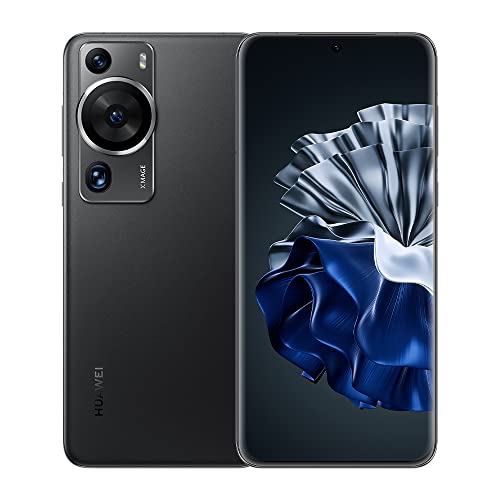
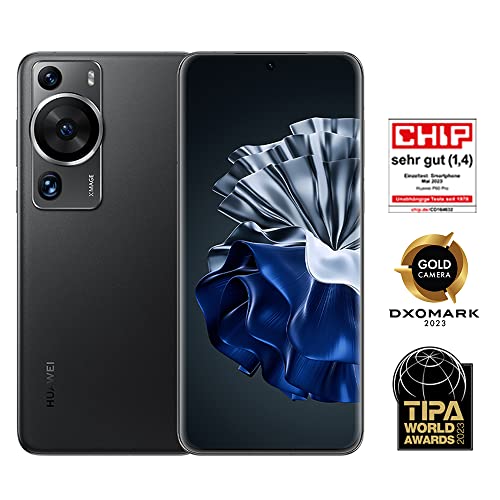
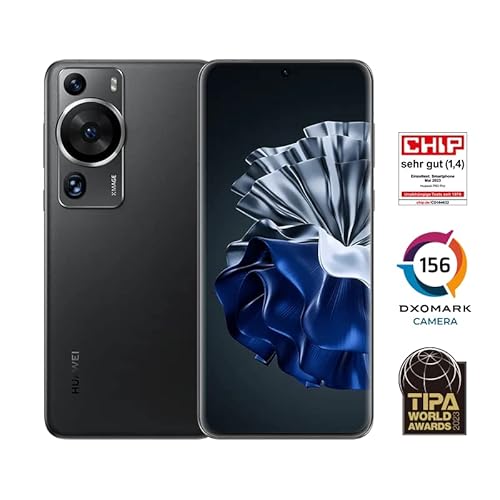
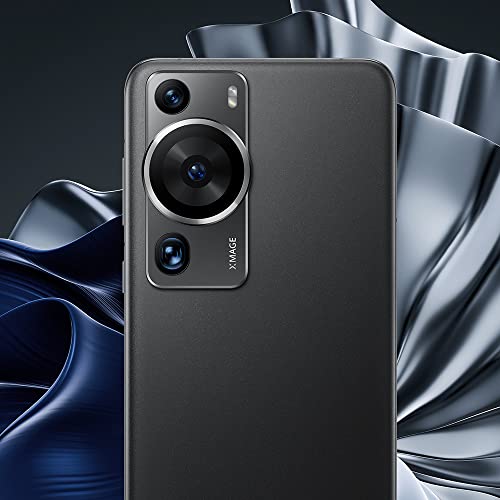

Available: ranking among products currently available (including other versions of this product).
All: ranking among all products in the database.
#6 in Best Huawei Phones
#30 in Best Camera Smartphones
#84 in Best Smartphones for Seniors
#93 in Best Chinese Smartphones
#140 in Best Large-Screen Smartphones
#154 in Best NFC Smartphones
#156 in Best Smartphones
#156 in Best AI Smartphones
#390 in Best Value Smartphones
#562 in Best Battery Life Smartphones
What it is: An assessment of the smartphone's technical performance, covering eight key areas: performance & hardware, software, camera, connectivity, display, battery, audio, and design.
When it matters: When you want to compare smartphones based on technical performance and available features.
Score components:
25.0%
Performance & Hardware
18.0%
Camera
15.0%
Display
15.0%
Battery
10.0%
Software
10.0%
Connectivity
4.0%
Audio
3.0%
Design
What it is: A rating that combines user reviews and the total number of reviews received by the smartphone
When it matters: When you want to know how a smartphone handles daily tasks and how reliable it remains over time according to user feedback.
Score components:
70.0%
User reviews
30.0%
Popularity
(Reviews last updated: August 2026)
What it is: An indicator that combines the smartphone's overall rating with its cost.
When it matters: When you are looking for a smartphone with a good balance between quality and price.
Score components:
60.0%
Overall score
40.0%
Price
Importance: LOW
Importance: HIGH
Importance: HIGH
Good value: >12 GB
Importance: MEDIUM
Good value: >256 GB
Importance: MEDIUM
Good value: >3.2 GHz
Importance: LOW
Importance: MEDIUM
Good value: >1500
Importance: LOW
Good value: >4000
Importance: LOW
Good value: 8+
Importance: LOW
Importance: LOW
Good value: >950 MHz
Importance: LOW
Good value: >700
Importance: LOW
Good value: >1000
Importance: LOW
Good value: >2500
Importance: MEDIUM
Good value: >6000
Importance: LOW
Good value: >8000
Importance: MEDIUM
Good value: >12000
Importance: LOW
Good value: >5000
Importance: LOW
Good value: >1800
Importance: LOW
Good value: >3200 MHz
Importance: LOW
Good value: 5
Importance: LOW
Good value: > 50 GB/s
Importance: LOW
Good value: 4
Importance: LOW
Good value: >16 GB
Importance: MEDIUM
Good value: <6 nm
Importance: MEDIUM
Good value: >9 W
Importance: LOW
Importance: LOW
Good value: >8192 KB
Importance: LOW
Good value: >2048 KB
Importance: LOW
Good value: >512 KB
Importance: LOW
Good value: >100000 million
Importance: LOW
Good value: 3.3
Importance: LOW
Good value: 3.2
Importance: LOW
Good value: 2.0/3.0
Importance: LOW
Importance: LOW
Importance: LOW
Importance: MEDIUM
Importance: LOW
Importance: LOW
Importance: LOW
Importance: LOW
Importance: LOW
Importance: LOW
Importance: LOW
Importance: LOW
Importance: LOW
Importance: LOW
Importance: LOW
Importance: LOW
Importance: LOW
Importance: LOW
Importance: LOW
Importance: LOW
Importance: LOW
Importance: LOW
Importance: LOW
Importance: LOW
Importance: LOW
Importance: LOW
Importance: LOW
Importance: LOW
Importance: LOW
Importance: LOW
Importance: LOW
Importance: LOW
Importance: LOW
Importance: LOW
Importance: LOW
Importance: LOW
Importance: LOW
Importance: MEDIUM
Good value: >50 MP
Importance: MEDIUM
Importance: HIGH
Good value: >60
Importance: LOW
Good value: ≥1.2 µm
Importance: MEDIUM
Good value: >2.5x
Importance: MEDIUM
Importance: LOW
Importance: LOW
Importance: LOW
Importance: LOW
Good value: ≥2
Importance: LOW
Importance: LOW
Importance: LOW
Importance: LOW
Good value: >16 MP
Importance: LOW
Importance: LOW
Importance: LOW
Importance: LOW
Importance: MEDIUM
Importance: LOW
Importance: LOW
Importance: LOW
Importance: LOW
Importance: LOW
Importance: LOW
Importance: LOW
Importance: LOW
Importance: LOW
Importance: LOW
Importance: LOW
Importance: LOW
Importance: LOW
Importance: LOW
Importance: LOW
Importance: LOW
Importance: LOW
Importance: LOW
Importance: LOW
Importance: LOW
Importance: LOW
Good value: >130
Importance: LOW
Good value: >120
Importance: LOW
Good value: ≥2
Importance: LOW
Importance: LOW
Importance: LOW
Importance: LOW
Importance: LOW
Importance: LOW
Good value: >5.2
Importance: LOW
Importance: LOW
Importance: LOW
Importance: LOW
Good value: 3.1/3.2
Importance: LOW
Importance: LOW
Importance: LOW
Good value: ≥2
Importance: LOW
Importance: LOW
Importance: LOW
Importance: LOW
Importance: LOW
Importance: LOW
Importance: LOW
Importance: LOW
Importance: LOW
Importance: LOW
Importance: LOW
Importance: LOW
Importance: LOW
Importance: LOW
Importance: LOW
Importance: LOW
Good value: ≥6.6 inches
Importance: MEDIUM
Importance: LOW
Good value: >400 ppi
Importance: MEDIUM
Importance: MEDIUM
Good value: ≥120 Hz
Importance: LOW
Importance: LOW
Good value: >300 Hz
Importance: LOW
Good value: >800 nits
Importance: LOW
Good value: >1300 nits
Importance: LOW
Good value: >1000 nits
Importance: LOW
Importance: LOW
Importance: LOW
Importance: LOW
Importance: LOW
Importance: LOW
Importance: LOW
Importance: LOW
Importance: HIGH
Good value: >5000 mAh
Importance: MEDIUM
Good value: >60 W
Importance: LOW
Importance: LOW
Good value: <45 min
Importance: LOW
Importance: LOW
Good value: >40 W
Importance: LOW
Importance: LOW
Good value: >10 W
Importance: LOW
Importance: LOW
Importance: MEDIUM
Importance: LOW
Good value: >800
Importance: LOW
Importance: LOW
Importance: LOW
Importance: LOW
Importance: LOW
Good value: ≥3
Importance: LOW
Importance: LOW
Importance: LOW
Importance: LOW
Importance: LOW
Importance: LOW
Importance: LOW
Good value: <162 mm
Importance: LOW
Good value: <75 mm
Importance: LOW
Good value: <8 mm
Importance: LOW
Good value: <190 g
Importance: LOW
Good value: <98cm³
Importance: LOW
Importance: LOW
Importance: LOW
Importance: LOW
Importance: LOW
Importance: LOW
Good value: ≥1.5 m
Importance: LOW
Importance: LOW
Good value: >8
Importance: LOW
Importance: LOW
Importance: MEDIUM
Good value: >2.5x
Importance: HIGH
Good value: >60
Importance: MEDIUM
Importance: LOW
Importance: MEDIUM
Good value: >60 W
Importance: MEDIUM
Good value: >3.2 GHz
Importance: LOW
Good value: ≥1.2 µm
Importance: MEDIUM
Good value: >1500
Importance: LOW
Importance: LOW
Importance: MEDIUM
Good value: >50 MP
Importance: LOW
Importance: LOW
Importance: LOW
Good value: >950 MHz
Importance: HIGH
Good value: >5000 mAh
(Reviews last updated: August 2026)
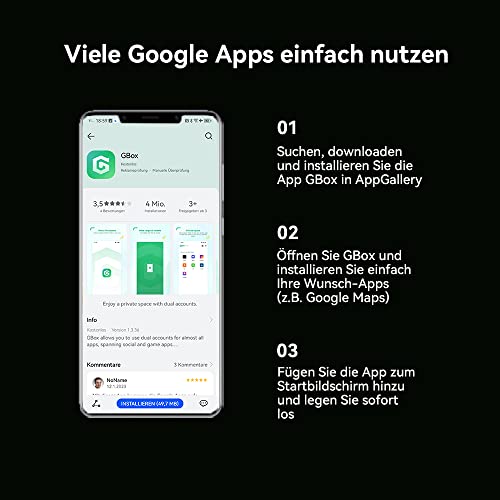
The Smartphones24.org review calls the Huawei P60 Pro a "wonderful," premium smartphone featuring a unique "Rococo Pearl" design and a top-tier LTPO OLED display with a 120Hz refresh rate. Key strengths include an "Ultra Lighting" camera system with a 48MP main sensor featuring a 10-step physical variable aperture (f/1.4-f/4.0), a capable 3.5x telephoto lens, and strong performance from the Snapdragon 8+ Gen 1 chipset. Despite these merits, the review highlights critical drawbacks, including the total lack of 5G connectivity and no native Google Mobile Services due to ongoing sanctions. Although Google apps can be added via third-party tools like Gbox, some services remain unavailable, and the device features a previous-generation chipset at a high price point.
The Huawei P60 Pro is a flagship device focusing on elite photography, featuring a unique "Rococo Pearl" design, a 6.67-inch 120Hz OLED display, and a Snapdragon 8+ Gen 1 chipset. While it offers fast 88W charging and a 48MP telephoto lens with 3.5x optical zoom, it notably lacks 5G connectivity and Google Mobile Services. The camera system excels in low-light with a variable aperture lens, though video capabilities are limited compared to competitors. Despite impressive hardware, the high price and lack of app ecosystem make it a challenging recommendation over rivals.
The Huawei P60 Pro is hailed as a premier, camera-focused flagship, featuring a revolutionary 48MP "Ultra Lighting" main sensor and a 48MP telephoto lens capable of impressive zoom capabilities. Pros highlighted include exceptional DSLR-quality back camera performance and a unique, stylish Rococo Pearl design, though the front camera performance is noted as a drawback. Powered by the Snapdragon 8+ Gen 1 chipset, the device offers robust performance for gaming, supported by 88W fast charging that reaches 50% in just 10 minutes. Significant limitations (cons) include the absence of native Google Play Services, necessitating reliance on AppGallery, and a limitation to 4G connectivity.
Digital Camera World deems the Huawei P60 Pro a "revelation" in mobile photography, highlighting its variable f/1.4–f/4.0 aperture, exceptional low-light, and superior macro capabilities. Key pros include a 48MP main sensor, 3.5x optical zoom, and fast 88W charging, while cons involve occasional over-sharpening and a weaker 13MP ultra-wide lens. Due to US sanctions, the device lacks 5G and native Google services, making it a specialized, top-tier photography tool rather than a conventional flagship smartphone.
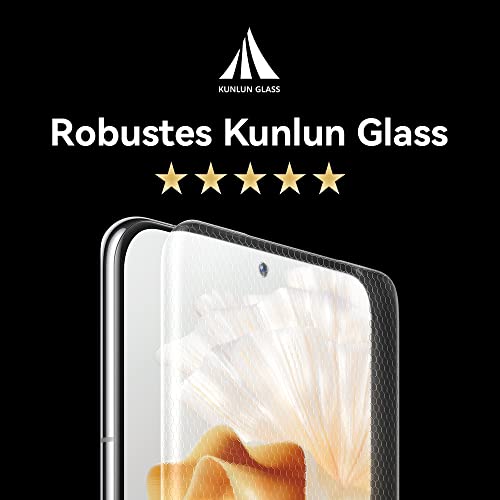
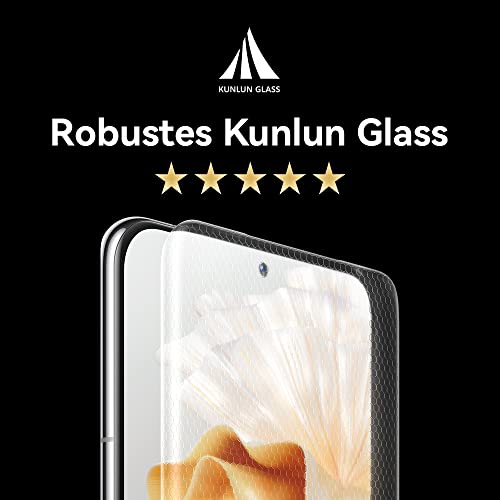
The Tech Advisor review highlights the Huawei P60 Pro as a "photography powerhouse" boasting an exceptional 48MP camera system with variable aperture and superior low-light, periscope telephoto capabilities. Its hardware features a 6.67-inch 120Hz LTPO OLED display, durable Kunlun Glass, and 88W wired charging, with a standout "Rococo Pearl" design. However, the device is severely constrained by the lack of Google Mobile Services (GMS) and is limited to 4G connectivity, making its high price point difficult to justify against competitors. Pros include a world-class camera with top-tier low-light and macro performance, plus rapid 88W charging and premium build quality. Key cons center on the arduous software experience without Google apps, lack of 5G support, and the reliance on a previous-generation chipset.
The Huawei P60 Pro is lauded by Trusted Reviews as a hardware powerhouse, featuring a standout camera system with a unique, physically adjustable aperture (f/1.4 to f/4.0) and a durable Kunlun Glass display, yet it remains hindered by the lack of native Google services and 4G-only connectivity. Key hardware strengths include a versatile 48MP camera setup for low-light scenarios, a distinct "Rococo Pearl" design, and fast 88W charging, making it a strong contender for photography enthusiasts. Conversely, the reliance on third-party app sourcing, the use of a slightly older Snapdragon 8+ Gen 1 chipset, and a premium £1,199 price point limit its appeal for mainstream users seeking a complete, modern Android experience.
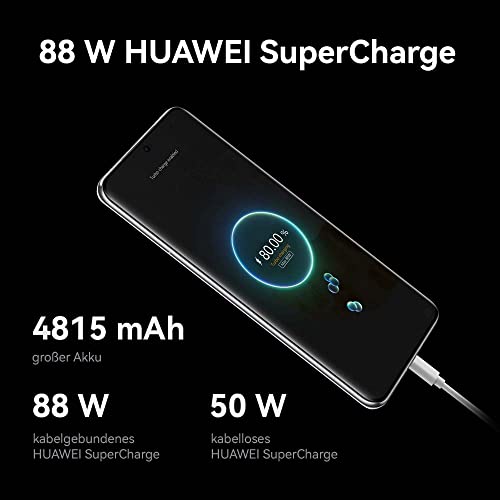
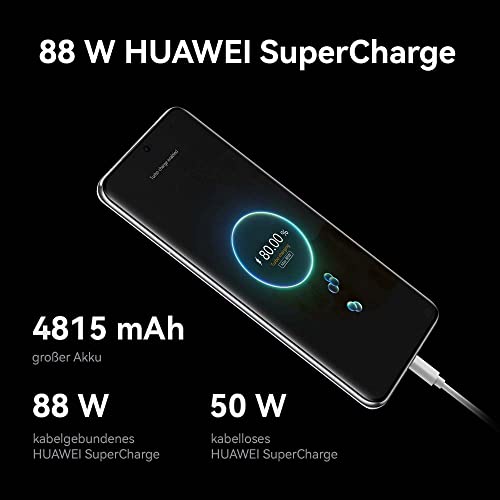
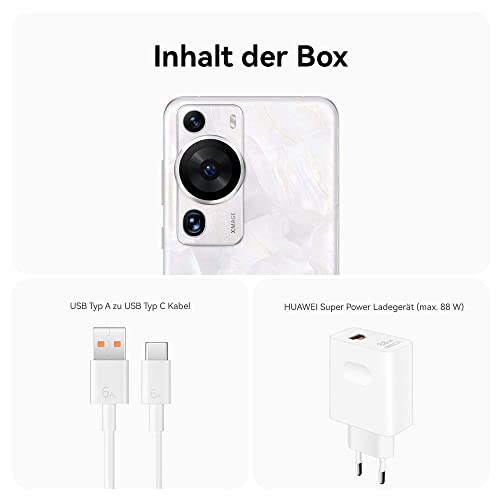
The Huawei P60 Pro secured a global battery score of 138, placing it 32nd overall and 9th in the ultra-premium segment based on DXOMARK testing. Equipped with a 4815 mAh battery, the device offers roughly 2 days and 10 hours of autonomy under moderate usage, with strong performance in home/office scenarios. However, it exhibited slightly lower efficiency and higher discharge rates compared to competitors when using GPS or the camera "on the go". Charging performance is a major strength, featuring 88W wired and 50W wireless capabilities that achieve an 80% charge in 29 minutes and a full charge in 47 minutes. The device also supports a "Turbo mode" for rapid power boosts and includes a versatile charger with both USB-A and USB-C ports. Key pros include exceptional charging speeds and reliable, long-lasting daily usage. Conversely, cons involve high residual power consumption when left plugged in and lower efficiency on the move.
In a Forbes review, the Huawei P60 Pro is highlighted as a top-tier photography smartphone, featuring a lightweight 200g design, a 120Hz OLED display, and the Snapdragon 8+ Gen 1 chipset. Its core strength lies in a 3.5x periscope zoom lens capable of high-detail "telemacro" shots, paired with a variable aperture main sensor for superior image processing. Despite these merits, the device is hindered by the lack of 5G connectivity and native Google Mobile Services due to trade sanctions.
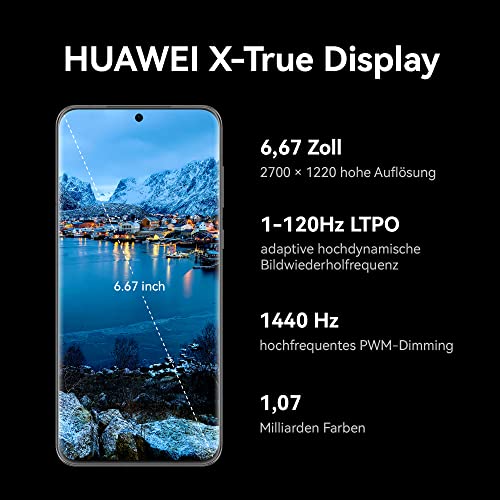
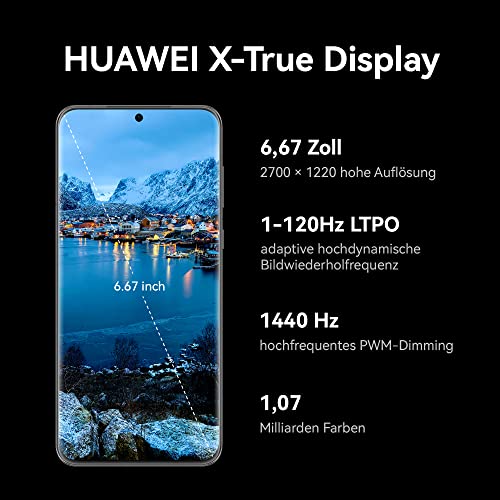
DXOMARK awarded the Huawei P60 Pro display an overall score of 143, noting its 6.67-inch LTPO OLED panel with a 120 Hz adaptive refresh rate and 1220 x 2700 pixel resolution. Pros include good colour rendering, excellent readability in low light, smooth interactions, and top-notch viewing angles. Cons include a lack of maximum brightness in direct sunlight, a high number of frame drops during video gameplay, and limited HDR optimization for certain streaming apps like Netflix. For more details, visit DXOMARK.
The Huawei P60 Pro is highlighted for its advanced photography features, particularly the XMAGE system and Ultra Lighting Telephoto Camera excelling in low light and macro shots, along with a physical adjustable aperture on the main sensor. While praised for its unique Rococo Pearl design, durable Kunlun Glass 6.67-inch LTPO OLED display, and Snapdragon 8+ Gen 1 4G chipset with fast charging, the review notes significant drawbacks including the lack of 5G support and Google Mobile Services.
The Galaxus review of the Huawei P60 Pro highlights its top-tier hardware, including an excellent camera system with a variable aperture, a premium design, and a vibrant 120Hz OLED display protected by durable Kunlun glass. However, the review concludes that software limitations, primarily the absence of Google services and 5G connectivity due to sanctions, make the device difficult to recommend for everyday use in Europe. The lack of Google Mobile Services prevents access to many popular apps, requiring cumbersome workarounds, which alongside a high price and lack of 5G, leads the reviewer to suggest more seamless alternatives are available.
The Huawei P60 Pro is highlighted as a photography powerhouse due to its 48MP main sensor with a variable aperture and impressive telemacro and 3.5x optical zoom capabilities. Its hardware features a premium design, including a unique finish and a bright, vibrant 6.67-inch quad-curved LTPO OLED display, powered by a Snapdragon 8 Plus Gen 1 chipset and supported by fast 88W wired and 50W wireless charging. Major drawbacks include the absence of Google Mobile Services and 5G connectivity, and software based on an older Android version with bloatware, making it difficult to recommend at its high price point despite its camera strengths.
The Huawei P60 Pro is presented as a photography-focused flagship with a premium build and a vibrant 6.67-inch display, featuring a unique "Rococo Pearl" design and a highly capable 48MP main camera with a physical variable aperture. While performance from the Snapdragon 8+ Gen 1 chipset is fast, major cons include the lack of 5G, disappointing video quality, and the absence of native Google Mobile Services, which makes it a difficult recommendation for average users despite its camera strengths and fast charging.
According to a Stuff review, the Huawei P60 Pro features top-tier camera hardware, a unique Rococo Pearl design, a bright 120Hz OLED display, and incredibly fast 88W wired charging. However, it lacks 5G connectivity, uses an older processor, and critically, does not have native Google Mobile Services.
Pro, as reviewed by Pocket-lint, showcases exceptional hardware design featuring a unique "Rococo Pearl" -inch quad-curved LTPO OLED display with durable Kunlun Glass. Its standout camera system is MP main sensor with a variable physical aperture (f/ to f/ ), delivering superb, detailed images in various lighting conditions. However, the device is significantly hindered by the lack of native Google G connectivity, relying instead on Huawei AppGallery and third-party workarounds. While performance is snappy, these software limitations make it difficult to recommend for users reliant on the Google ecosystem.
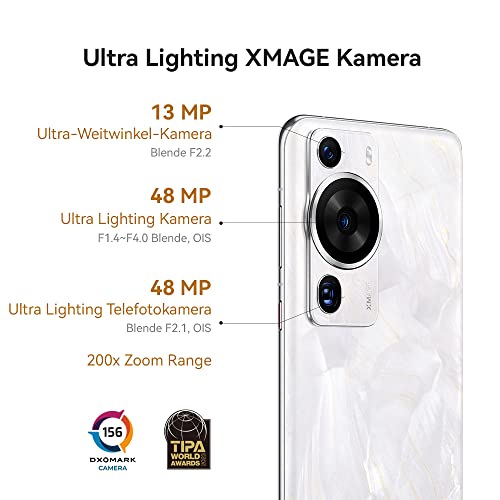
The Huawei P60 Pro camera achieved a high ranking from DXOMARK, excelling in overall photography, particularly in low-light conditions, macro shots, and zoom performance, with notable hardware including a 48MP variable aperture primary sensor and a 90mm equivalent telephoto lens. Pros include its versatile variable aperture, class-leading low-light performance, outstanding macro capabilities, and reliable autofocus, while cons note video artifacts such as unnatural skin tones and focus stepping, inconsistencies in detail rendering, and differences between image preview and final capture.
The RP Online review characterizes the Huawei P60 Pro as a hardware masterpiece with an exceptional XMAGE camera system featuring a 48MP main sensor with a unique variable physical aperture (f/1.4 to f/4.0). Pros include top-tier low-light photography, a 6.67-inch LTPO OLED display with durable Kunlun Glass, and very fast 88W wired charging. Conversely, the review highlights significant cons, most notably the absence of native Google Mobile Services (GMS) and 5G connectivity, which are critical limitations in the European market. While the hardware is powerful, utilizing a Snapdragon 8+ Gen 1, the high price tag is hard to justify for average users due to the necessity of relying on AppGallery instead of the Google Play Store. Ultimately, the analysis deems the P60 Pro a "tragedy" of a flagship—a technically superb device hindered by geopolitical restrictions. It is recommended primarily for photography enthusiasts and tech users willing to navigate software workarounds.
Netzwelt's review highlights the Huawei P60 Pro as a top-tier photographic device, featuring a versatile "XMAGE" camera system with a 48MP main sensor and 48MP telephoto lens that excels in low-light and macro scenarios. The device boasts a 6.67-inch 120Hz LTPO OLED display and a unique "Rococo Pearl" design. However, it is hindered by the lack of 5G connectivity and restricted to a 4G-only Snapdragon 8+ Gen 1 chipset, falling behind competitors in networking speed. Performance remains strong for daily tasks and gaming, supported by rapid 88W wired and 50W wireless charging. The software experience relies on EMUI 13.1, which offers a sleek interface but lacks native Google apps and services. Despite these limitations, the phone is praised for its high-quality construction and impressive charging speeds. The review concludes that the P60 Pro is a high-performance, yet flawed, flagship ("a tragedy in five acts") due to the absence of 5G and the Google Play Store. While the camera and design are top-tier, the lack of crucial features and a high price point make it a difficult choice against fully-featured rivals.
The Galaxus review ("A Tragedy in 5 Acts") characterizes the Huawei P60 Pro as a premium, hardware-centric device marred by the absence of Google services and 5G connectivity. While praised for its unique Rococo Pearl design, robust Kunlun glass, and advanced camera capabilities—including a 3.5x optical zoom and adjustable aperture—the lack of native app support and 4G-only constraint limit its daily usability. Due to these significant software hurdles, the review concludes that the high-priced device is primarily suitable for users willing to navigate workarounds.
The Huawei P60 Pro is a hardware powerhouse featuring an exceptional camera system with a variable aperture (f/1.4 to f/4.0) and a 6.67-inch 120Hz LTPO OLED display, according to the futurezone.at review. However, it is heavily compromised by the lack of native Google services and restricted to 4G connectivity, limiting its appeal despite top-tier performance. While offering ultra-fast 88W charging and durable Kunlun glass, the device's high, roughly €1,200, launch price makes it difficult to recommend for users seeking a conventional, app-rich ecosystem.
The PC-WELT review characterizes the Huawei P60 Pro as a blend of world-class hardware undermined by significant software restrictions, specifically lacking native Google Mobile Services (GMS) and 5G connectivity. Despite these drawbacks, the device is lauded for its unique "Rococo Pearl" design, robust Kunlun Glass protection, and a 6.67-inch 120Hz LTPO OLED display. The camera system is the standout feature, utilizing a 48MP main sensor with a variable aperture (f/1.4 to f/4.0) that excels in low-light and macro photography, supported by the Snapdragon 8+ Gen 1 chipset. Additional pros include 88W wired and 50W wireless charging, offering rapid power replenishment. Conversely, the reliance on AppGallery and workarounds like Gbox, combined with the absence of 5G, presents major hurdles for European users. Ultimately, the high price point and software limitations make it a difficult recommendation, according to the review. For more details, visit PC-WELT.
The Smartzone.de review identifies the Huawei P60 Pro as a top-tier camera smartphone with a unique "Rococo Pearl" design and a 6.67-inch, 120Hz LTPO OLED display. Key camera advantages include a 48MP main sensor with a 10-stop variable aperture and a versatile 48MP telephoto lens, though the lack of 5G remains a significant limitation. While 88W wired and 50W wireless charging provide excellent performance, the absence of native Google Mobile Services (GMS) requires reliance on AppGallery or third-party workarounds. For more details, visit Smartzone.de.
The Huawei P60 Pro features a high-end design with a 6.67-inch, 120Hz LTPO OLED display that is highly durable, utilizing Kunlun Glass and IP68 certification. Its camera system is a major strength, featuring a 48MP main sensor with a physically adjustable aperture (f/1.4 to f/4.0) and a 48MP telephoto lens that deliver exceptional image quality and, at times, overly sharp low-light performance. However, the device is severely limited by the absence of native Google services and 5G connectivity, relying on the AppGallery/Petal Search for app installation. Despite using a slightly dated Snapdragon 8+ Gen 1 chip, it offers strong performance and rapid 88W wired charging.
Xavier Studer’s review of the Huawei P60 Pro highlights a premium device boasting a standout XMAGE camera system with a variable physical aperture (f/1.4 to f/4.0) and exceptional low-light/macro capabilities. The design features a unique Rococo Pearl finish and durable Kunlun Glass, complemented by a 6.67-inch 120Hz LTPO OLED display and rapid 88W wired charging. However, the review emphasizes significant drawbacks, specifically the absence of Google services and 5G connectivity, which, combined with a high €1,200 price point, limit its appeal despite top-tier hardware. galaxus.at
The Digitec review frames the Huawei P60 Pro as a "tragedy in five acts," where exceptional hardware, including a vibrant 6.67-inch 120Hz OLED display and unique "Rococo Pearl" design, is undermined by software limitations. While the Snapdragon 8+ Gen 1 chipset provides strong, consistent performance, the absence of 5G and native Google services severely hinders usability. The camera system, featuring a 48MP main sensor with a unique physical aperture (f/1.4-f/4.0) and a 48MP telephoto lens, is praised for superior low-light performance and detailed macro shots. However, the analysis notes flaws such as aggressive image over-sharpening and distortion in the ultra-wide lens. Despite fast 88W charging and a solid battery, the inability to easily run essential banking and navigation apps makes it difficult to recommend at its high price point, rendering it a frustrating experience for the average user. Digitec
The Huawei P60 Pro is praised for its ergonomic, "Rococo Pearl" design and a high-quality 6.67-inch 120Hz AMOLED display, though it lacks HDR10+ and Dolby Vision, with the fingerprint sensor placed inconveniently low. Powered by the Snapdragon 8+ Gen 1, the device offers strong performance but is limited to 4G connectivity and lacks native Google Mobile Services, relying instead on Huawei’s AppGallery. The camera system, featuring a 48MP main sensor with a variable f/1.4–f/4.0 aperture, is a standout, alongside 88W wired charging, though the ultra-wide lens is considered less impressive.
The Tech Advisor review of the Huawei P60 Pro praises it as a top-tier camera flagship featuring a unique "Rococo Pearl" design, a 6.67-inch 120Hz LTPO OLED display, and highly durable Kunlun glass. Its primary strength lies in the 48MP main camera with a variable aperture and a superior 48MP telephoto lens, offering exceptional low-light, portrait, and macro photography capabilities. Tech Advisor
According to a reader-based review on Frandroid, the Huawei P60 Pro is praised for its exceptional camera versatility, featuring a variable aperture and robust telephoto lens, alongside a premium design and durable Kunlun Glass. The device is highly regarded for its 6.67-inch 120Hz display and fast 88W wired charging capabilities. However, users noted that the lack of Google Mobile Services (GMS) and 5G connectivity constitutes a major drawback, complicating the user experience despite software workarounds like GBox.
The Fnac Labo review highlights the Huawei P60 Pro as a top-tier flagship featuring an exceptional 6.67-inch LTPO OLED display with 120Hz, high brightness, and a unique "Rococo Pearl" design. Its camera system is praised for the 48MP main sensor's 10-step physical variable aperture and impressive telemacro capabilities, offering superb low-light photography. However, significant drawbacks include the absence of Google services, lack of 5G, and disappointing video quality, making its €1,200 price point difficult to justify against competitors.
The CNET France review highlights the Huawei P60 Pro as a top-tier photographic flagship featuring a unique "Rococo Pearl" design, a 6.67-inch 120Hz LTPO OLED display, and durable Kunlun glass. Powered by a Snapdragon 8+ Gen 1 chip, it offers robust performance alongside a standout 48MP main camera with a physically adjustable f/1.4-f/4.0 aperture and an exceptional telephoto lens for low-light shots. Despite fast 88W wired charging, major drawbacks include the lack of native Google Mobile Services (GMS), 5G connectivity, and a high price point.
Clubic's review of the Huawei P60 Pro highlights a device that prioritizes photography, featuring a 48MP main sensor with a variable physical aperture (f/1.4 to f/4.0) that delivers exceptional low-light performance and macro shots. The design stands out with its durable Kunlun Glass and unique Rococo Pearl finish, while the 6.67-inch 120Hz LTPO OLED display offers a high-quality visual experience. ClubicPerformance is driven by the Snapdragon 8+ Gen 1 chipset, which proved highly capable in benchmarks, complemented by fast 88W wired charging that reaches 50% in 10 minutes. However, the device lacks native Google Mobile Services (GMS), necessitating the use of Huawei’s AppGallery, and is restricted to 4G connectivity despite its premium price point. ClubicUltimately, Clubic characterizes the P60 Pro as a "photographic beast" severely limited by its software ecosystem and the lack of 5G, making it difficult to recommend for users dependent on Google services. Clubic
The Journal du Geek review of the Huawei P60 Pro highlights a device that achieves technical brilliance despite being hampered by ongoing US sanctions, featuring a unique, one-of-a-kind "Rococo Pearl" design and robust Kunlun Glass protection. The 6.67-inch curved OLED display is praised for its vibrancy, while the 4G-only Snapdragon 8+ Gen 1 chipset ensures top-tier performance, supported by fast 88W wired charging. The standout feature is the XMAGE camera system, which is described as a "technological showcase" with a 48MP main sensor featuring a variable physical aperture (f/1.4 to f/4.0). Additionally, the phone excels in low-light and macro photography, making it a powerful tool for mobile photography enthusiasts. However, the review notes significant drawbacks, specifically the total lack of 5G connectivity and native Google Mobile Services (GMS), which require users to use workarounds for apps. Despite advancements in app accessibility, the high price point makes it a difficult recommendation compared to fully equipped competitors, as reported by Journal du Geek.
The Huawei P60 Pro is hailed as a top-tier camera phone featuring a 48MP main sensor with a unique variable physical aperture (f/1.4 to f/4.0) and an exceptional 3.5x periscope telephoto lens that excels in low-light. Pros include an excellent 6.67-inch 120Hz OLED display, fast 88W wired charging, and superior, versatile photography. Cons are the lack of native Google Mobile Services (GMS), reliance on a 4G-only Snapdragon 8+ Gen 1 chip, and a high €1,199 price point, limiting its appeal to power users willing to bypass app restrictions.
The Huawei P60 Pro is recognized as a photography-focused flagship, featuring a unique "Rococo Pearl" design, durable Kunlun Glass, and a 6.67-inch OLED display. However, the device is limited by a 4G-only version of the Snapdragon 8+ Gen 1 chipset, representing a significant drawback in the 5G era. The XMAGE camera system is highlighted for its 48MP main sensor with a 10-stop physical variable aperture, delivering excellent low-light performance, alongside a versatile 48MP telephoto lens with 3.5x optical zoom. While imaging capabilities are top-tier, the review notes potential over-sharpening in video recording. Key pros include the class-leading camera, particularly in macro/low light, and fast 88W wired charging. Conversely, the lack of Google Mobile Services and absence of 5G support make it difficult to recommend for Western users, despite its strong performance.
The Huawei P60 Pro is recognized as a top-tier camera flagship, distinguished by its unique Rococo Pearl finish and durable Kunlun Glass display. While it offers exceptional imaging capabilities and fast charging, it is significantly hindered by the absence of 5G and native Google services. The device features a versatile 48MP main sensor with a physical variable aperture and an advanced 48MP telephoto lens, delivering industry-leading low-light performance and macro photography. Performance is driven by a Snapdragon 8+ Gen 1 4G chipset, providing a smooth experience, though it lags slightly behind 2023 competitors in raw power. Battery life is robust, supporting 88W wired charging to reach 50% in roughly 10 minutes. However, potential drawbacks include a high price point, lack of 5G, and, in some cases, limited video stabilization compared to its superior photo capabilities.
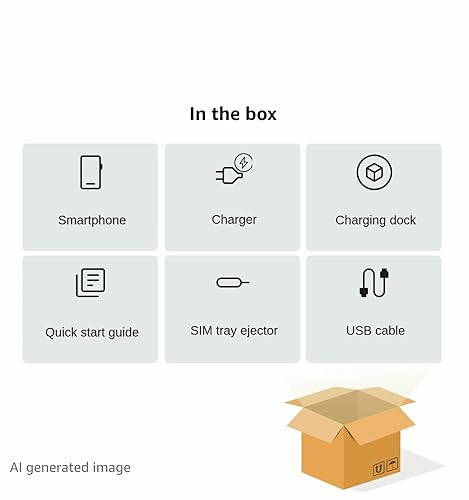
The Root-Nation review highlights the Huawei P60 Pro as a top-tier photography smartphone, featuring a unique "Rococo Pearl" design and a durable Kunlun Glass screen. Its standout XMAGE camera system includes a 48MP main sensor with a physical variable aperture for superior low-light performance and a 48MP telephoto lens capable of impressive macro photography. Furthermore, the device supports rapid 88W wired charging and includes essential accessories in the box, though it lacks 5G connectivity and 8K video recording. The primary limitation, as detailed in the review, is the lack of native Google Mobile Services (GMS), which hampers the user experience despite the device's flagship-level hardware.
The Huawei P60 Pro is highlighted as a masterpiece of design and display technology, featuring a unique "Rococo Pearl" finish, durable Kunlun Glass, and a 6.67-inch quad-curved LTPO OLED display with 1-120Hz adaptive refresh rate. Photography is the primary strength, driven by the XMAGE imaging system with a 48MP main camera utilizing a physical variable aperture (f/1.4 to f/4.0) for superior low-light performance, alongside exceptional telephoto macro capabilities. While the camera is class-leading, noted drawbacks include minor over-sharpening in some landscapes, a lack of 8K video, no 5G, and the absence of native Google Mobile Services (GMS), though the 88W SuperCharge technology offers extremely fast charging.
The Huawei P60 Pro features a refined, unique "Rococo Pearl" design and a high-quality 6.67-inch LTPO OLED display protected by durable Kunlun glass, according to the TuttoAndroid review. The device boasts top-tier hardware, but is hindered by the lack of 5G connectivity. The camera system is the main highlight, featuring a variable physical aperture (f/1.4–f/4.0) on the main sensor and an innovative telephoto lens with a wide f/2.1 aperture for superior low-light and macro photography. It provides exceptional, professional-level control over image depth and lighting. However, the device lacks Google Mobile Services (GMS), which continues to be a major drawback for usability. The Snapdragon 8+ Gen 1 chipset offers good performance but is a generation behind competitors, and the high price point makes it a hard recommendation for average users.
According to TechPrincess, the Huawei P60 Pro is a top-tier flagship featuring exceptional design, ergonomics, and a unique "Rococo Pearl" finish. The device is highlighted for its durability, featuring Kunlun Glass, alongside a powerful XMAGE camera system that stands out for its 48MP main sensor with a physical variable aperture and impressive low-light telephoto capabilities. However, the review notes significant limitations, including the lack of native Google Mobile Services (GMS), no 5G connectivity, and some inconsistencies in video recording.
The Huawei P60 Pro review by Corriere della Sera highlights a device defined by a profound contrast between world-class hardware and significant software limitations, particularly due to the lack of native Google Mobile Services (GMS). Pros center on the industry-leading camera system featuring a 48MP primary sensor with a physical variable aperture (f/1.4 to f/4.0), providing exceptional low-light and macro capabilities. The design is also praised, notably the unique, pearlescent finish on each unit. Cons focus on the absence of GMS, which requires workarounds like GBox for essential apps, sometimes resulting in notification issues. The device is also restricted to 4G connectivity despite using a powerful Snapdragon 8+ Gen 1 chipset, placing it behind 5G competitors. Performance is described as premium, featuring a 6.67-inch 120Hz LTPO OLED display with durable Kunlun glass and rapid 88W wired charging. The review concludes that the P60 Pro is an engineering marvel, best suited for users who can navigate its complex software ecosystem. The original review can be found on the Corriere della Sera website.
The Huawei P60 Pro is highlighted as a top-tier camera-focused smartphone, featuring a unique "Rococo Pearl" design, a 6.67-inch LTPO OLED display, and a Snapdragon 8+ Gen 1 chipset. Its standout Ultra Lighting XMAGE camera system offers a physically adjustable aperture and exceptional low-light capabilities, complemented by fast 88W wired charging. However, the device is significantly hindered by the absence of native Google Mobile Services and a lack of 5G connectivity.
In his review of the Huawei P60 Pro, Andrea Galeazzi highlights a premium device with a unique "Rococo Pearl" design, a 6.67-inch curved OLED display, and excellent, lightweight ergonomics. Key pros include the top-tier XMAGE camera system with a physical variable aperture and strong low-light performance, along with fast 88W wired charging. However, significant cons are present due to the lack of 5G connectivity and Google Mobile Services (GMS), forcing reliance on alternatives like GBox. Despite superior hardware, these software limitations make it difficult to recommend for average users compared to competitors.
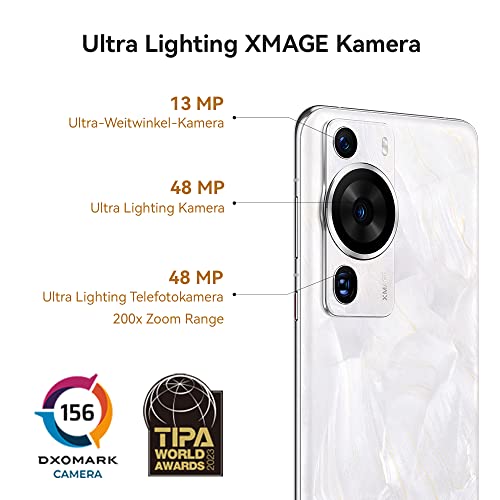
The Huawei P60 Pro earned a top score of 156 in DXOMARK's camera rankings, driven by a 48MP main camera with a variable physical aperture (f/1.4–f/4.0) that excels in low-light, "freeze-motion" photography. Its 48MP telephoto lens offers impressive zoom and macro capabilities, while portrait mode delivers accurate skin tones and realistic bokeh. However, the review notes cons including inconsistent video skin tones, occasional artifacts, and discrepancies between the camera preview and final image.
The Huawei P60 Pro is hailed as a hardware powerhouse featuring a unique "Rococo Pearl" design, exceptionally durable Kunlun Glass, and an IP68 rating. Its primary camera system shines with a 48MP main sensor boasting a variable f/1.4-f/4.0 aperture, alongside a high-performance 3.5x telephoto lens, making it a top contender for mobile photography. However, the device is hindered by the lack of native Google services and 5G support, relying on workarounds for the EMUI 13.1 software. Performance remains swift with a Snapdragon 8+ Gen 1 4G chipset, and the 6.67-inch 120Hz LTPO OLED display delivers excellent visual quality. Fast charging capabilities, featuring 88W wired and 50W wireless, provide efficient power management. Despite the software limitations, the phone is praised for its top-tier camera and build quality.

Compare