Google Pixel 9 Pro (16GB + 128GB) review. Compare 197 technical specifications and user reviews to see how this product ranks in the Smartphones category and whether it is worth buying.
Overall score
What it is: An overall evaluation of the smartphone's quality, based on technical analyses and user reviews.
When it matters: When you need a quick reference to identify the best smartphones on the market.
Score components:
90.0%
Technical Score
10.0%
User score
Technical Score
What it is: An assessment of the smartphone's technical performance, covering eight key areas: performance & hardware, software, camera, connectivity, display, battery, audio, and design.
When it matters: When you want to compare smartphones based on technical performance and available features.
Score components:
25.0%
Performance & Hardware
18.0%
Camera
15.0%
Display
15.0%
Battery
10.0%
Software
10.0%
Connectivity
4.0%
Audio
3.0%
Design
User score
What it is: A rating that combines user reviews and the total number of reviews received by the smartphone
When it matters: When you want to know how a smartphone handles daily tasks and how reliable it remains over time according to user feedback.
Score components:
70.0%
User reviews
30.0%
Popularity










































Available: ranking among products currently available (including other versions of this product).
All: ranking among all products in the database.
#3 in Best Camera Smartphones
#7 in Best Google Phones
#51 in Best Android Smartphones
#56 in Best Smartphones
#56 in Best NFC Smartphones
#56 in Best 5G Smartphones
#56 in Best AI Smartphones
#154 in Best Value Smartphones
#507 in Best Battery Life Smartphones
What it is: An assessment of the smartphone's technical performance, covering eight key areas: performance & hardware, software, camera, connectivity, display, battery, audio, and design.
When it matters: When you want to compare smartphones based on technical performance and available features.
Score components:
25.0%
Performance & Hardware
18.0%
Camera
15.0%
Display
15.0%
Battery
10.0%
Software
10.0%
Connectivity
4.0%
Audio
3.0%
Design
What it is: A rating that combines user reviews and the total number of reviews received by the smartphone
When it matters: When you want to know how a smartphone handles daily tasks and how reliable it remains over time according to user feedback.
Score components:
70.0%
User reviews
30.0%
Popularity
What it is: An indicator that combines the smartphone's overall rating with its cost.
When it matters: When you are looking for a smartphone with a good balance between quality and price.
Score components:
60.0%
Overall score
40.0%
Price
Importance: LOW
Importance: HIGH
Importance: HIGH
Good value: >12 GB
Importance: MEDIUM
Good value: >256 GB
Importance: MEDIUM
Good value: >3.2 GHz
Importance: LOW
Importance: MEDIUM
Good value: >1500
Importance: LOW
Good value: >4000
Importance: LOW
Good value: 8+
Importance: LOW
Importance: LOW
Good value: >950 MHz
Importance: LOW
Good value: >700
Importance: LOW
Good value: >1000
Importance: LOW
Good value: >2500
Importance: MEDIUM
Good value: >6000
Importance: LOW
Good value: >8000
Importance: MEDIUM
Good value: >12000
Importance: LOW
Good value: >5000
Importance: LOW
Good value: >1800
Importance: LOW
Good value: >3200 MHz
Importance: LOW
Good value: 5
Importance: LOW
Good value: > 50 GB/s
Importance: LOW
Good value: 4
Importance: LOW
Good value: >16 GB
Importance: MEDIUM
Good value: <6 nm
Importance: MEDIUM
Good value: >9 W
Importance: LOW
Importance: LOW
Good value: >8192 KB
Importance: LOW
Good value: >2048 KB
Importance: LOW
Good value: >512 KB
Importance: LOW
Good value: >100000 million
Importance: LOW
Good value: 3.3
Importance: LOW
Good value: 3.2
Importance: LOW
Good value: 2.0/3.0
Importance: LOW
Importance: LOW
Importance: LOW
Importance: MEDIUM
Importance: LOW
Importance: LOW
Importance: LOW
Importance: LOW
Importance: LOW
Importance: LOW
Importance: LOW
Importance: LOW
Importance: LOW
Importance: LOW
Importance: LOW
Importance: LOW
Importance: LOW
Importance: LOW
Importance: LOW
Importance: LOW
Importance: LOW
Importance: LOW
Importance: LOW
Importance: LOW
Importance: LOW
Importance: LOW
Importance: LOW
Importance: LOW
Importance: LOW
Importance: LOW
Importance: LOW
Importance: LOW
Importance: LOW
Importance: LOW
Importance: LOW
Importance: LOW
Importance: LOW
Importance: MEDIUM
Good value: >50 MP
Importance: MEDIUM
Importance: HIGH
Good value: >60
Importance: LOW
Good value: ≥1.2 µm
Importance: MEDIUM
Good value: >2.5x
Importance: MEDIUM
Importance: LOW
Importance: LOW
Importance: LOW
Importance: LOW
Good value: ≥2
Importance: LOW
Importance: LOW
Importance: LOW
Importance: LOW
Good value: >16 MP
Importance: LOW
Importance: LOW
Importance: LOW
Importance: LOW
Importance: MEDIUM
Importance: LOW
Importance: LOW
Importance: LOW
Importance: LOW
Importance: LOW
Importance: LOW
Importance: LOW
Importance: LOW
Importance: LOW
Importance: LOW
Importance: LOW
Importance: LOW
Importance: LOW
Importance: LOW
Importance: LOW
Importance: LOW
Importance: LOW
Importance: LOW
Importance: LOW
Importance: LOW
Importance: LOW
Good value: >130
Importance: LOW
Good value: >120
Importance: LOW
Good value: ≥2
Importance: LOW
Importance: LOW
Importance: LOW
Importance: LOW
Importance: LOW
Importance: LOW
Good value: >5.2
Importance: LOW
Importance: LOW
Importance: LOW
Importance: LOW
Good value: 3.1/3.2
Importance: LOW
Importance: LOW
Importance: LOW
Good value: ≥2
Importance: LOW
Importance: LOW
Importance: LOW
Importance: LOW
Importance: LOW
Importance: LOW
Importance: LOW
Importance: LOW
Importance: LOW
Importance: LOW
Importance: LOW
Importance: LOW
Importance: LOW
Importance: LOW
Importance: LOW
Importance: LOW
Good value: ≥6.6 inches
Importance: MEDIUM
Importance: LOW
Good value: >400 ppi
Importance: MEDIUM
Importance: MEDIUM
Good value: ≥120 Hz
Importance: LOW
Importance: LOW
Good value: >300 Hz
Importance: LOW
Good value: >800 nits
Importance: LOW
Good value: >1300 nits
Importance: LOW
Good value: >1000 nits
Importance: LOW
Importance: LOW
Importance: LOW
Importance: LOW
Importance: LOW
Importance: LOW
Importance: LOW
Importance: LOW
Importance: HIGH
Good value: >5000 mAh
Importance: MEDIUM
Good value: >60 W
Importance: LOW
Importance: LOW
Good value: <45 min
Importance: LOW
Importance: LOW
Good value: >40 W
Importance: LOW
Importance: LOW
Good value: >10 W
Importance: LOW
Importance: LOW
Importance: MEDIUM
Importance: LOW
Good value: >800
Importance: LOW
Importance: LOW
Importance: LOW
Importance: LOW
Importance: LOW
Good value: ≥3
Importance: LOW
Importance: LOW
Importance: LOW
Importance: LOW
Importance: LOW
Importance: LOW
Importance: LOW
Good value: <162 mm
Importance: LOW
Good value: <75 mm
Importance: LOW
Good value: <8 mm
Importance: LOW
Good value: <190 g
Importance: LOW
Good value: <98cm³
Importance: LOW
Importance: LOW
Importance: LOW
Importance: LOW
Importance: LOW
Importance: LOW
Good value: ≥1.5 m
Importance: LOW
Importance: LOW
Good value: >8
Importance: LOW
Importance: LOW
Importance: HIGH
Good value: >12 GB
Importance: MEDIUM
Good value: >2.5x
Importance: HIGH
Good value: >60
Importance: MEDIUM
Importance: LOW
Importance: LOW
Good value: >800 nits
Importance: LOW
Importance: LOW
Importance: MEDIUM
Good value: >256 GB
Importance: LOW
Importance: LOW
Good value: ≥6.6 inches
Importance: LOW
Importance: LOW
Good value: > 50 GB/s
Importance: HIGH
Good value: >5000 mAh
Importance: MEDIUM
Good value: >60 W
(Reviews last updated: August 2026)
(Reviews last updated: August 2026)
According to a review, the Pixel 9 Pro is a compact flagship phone praised for packing high-end hardware, including a professional-grade camera system with a 5x telephoto lens, into a 6.3-inch design. It features a premium build with recycled aluminum and a vibrant Super Actua display, along with impressive generative AI capabilities and seven years of software updates. However, drawbacks include a high price, the Tensor G4 chip lagging rivals in raw performance, and the temperature sensor being considered a gimmick.
Wired calls the Pixel 9 series a "grown-up" lineup with premium, flat-edged hardware, featuring a refined camera visor and a highly reliable fingerprint sensor. Key cons include the base model's susceptibility to overheating due to a lack of vapor cooling and the absence of Qi2 wireless charging. The Tensor G4 chipset offers smooth, if not top-tier, performance, with the Pro models providing better thermal management than the standard Pixel 9. While cameras feature excellent skin-tone accuracy and improved zoom, the extensive AI editing tools raise concerns regarding photographic authenticity.
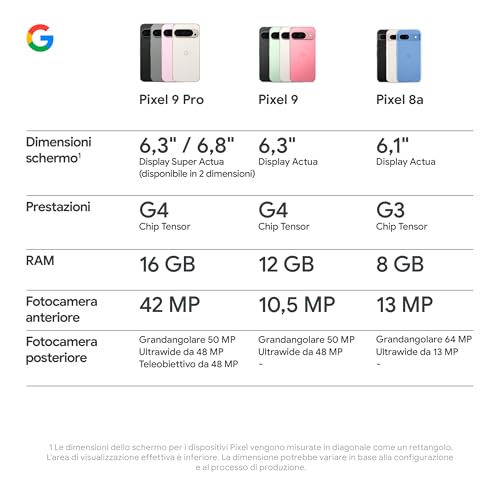
The Google Pixel 9 Pro is a high-end, compact smartphone that brings "Pro" hardware to a smaller 6.3-inch form factor, making it more user-friendly than previous large-screen models. It features a premium design with a matte back glass and polished metal frame, housing a stunning LTPO OLED display with a 1-120Hz refresh rate and 3000-nit peak brightness. Performance is driven by the Tensor G4 chip and 16GB of RAM, which provides a smooth experience for daily tasks and gaming, though it still lags behind Snapdragon-powered rivals in raw power. The camera system is the device's standout feature, earning it the title of overall best camera phone in 2025 from the reviewer. Key pros include a versatile triple-lens setup: a 50MP wide sensor, a 48MP ultrawide, and a 48MP telephoto lens with 5x optical zoom. The selfie camera is also upgraded to a sharp 42MP sensor. Additionally, the phone offers specialized tools like Video Boost for enhanced recording and a "Pro" mode for manual control over focus and lens selection. The Google Pixel 9 Pro is a 6.3-inch, premium-designed smartphone featuring...
The Google Pixel 9 Pro is a redesigned flagship that prioritises a premium feel and deep AI integration. It features a new, polished design with smooth edges and high-end materials that surpass the feel of current competitors like the iPhone 15 Pro Max. A major draw is its compact 6.3-inch form factor, which offers the same high-end camera system and performance as the larger XL model without compromise. However, despite its luxury build, it faces significant heating issues and struggles with a high starting price of $999 for only 128GB of storage. The Google Pixel 9 Pro introduces a redesigned, premium compact form factor, featuring a 6.3-inch display alongside high-end, top-tier cameras that match its larger XL counterpart. Key performance drawbacks include significant heating issues, a high starting price, and a Tensor G4 chipset that lags behind competitors like the Galaxy S24 in benchmarks and exhibits occasional sluggishness during multitasking. The camera system remains a core strength, delivering excellent image quality, natural color rendering, and versatile features such as "Add Me" for group shots and 8K video recording. Although the...
Three months later, the Pixel 9 Pro is lauded for its exceptional hardware, premium feel, and comfortable design, with key pros including a reliable ultrasonic fingerprint reader and a refined, smooth software experience. However, the review notes a significant con regarding inconsistent battery life following the Android 15 update, alongside the lack of native Qi2 support. Ultimately deemed a "no-compromise" flagship, the device is praised for its consistent performance, improved modem, and the convenience of a seamless eSIM transfer process.
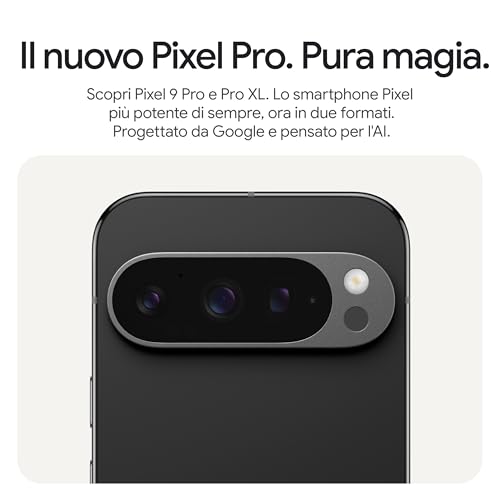
The Google Pixel 9 Pro features a redesigned, compact 6.3-inch form factor with a satin matte finish, a durable metal frame, and an exceptionally bright display reaching up to 3,000 nits. It boasts a powerful triple-camera system, including a new 42MP selfie camera, along with the Tensor G4 chip and 16GB of RAM for seamless performance. While the device offers robust battery life and premium design, users may find the prominent, updated camera bar to be bulky.
The Google Pixel 9 Pro is praised as a "Goldilocks" device, offering high-end, pro-level features within a compact 6.3-inch design. It features a refined, premium build with a polished matte finish and a remarkably bright 3,000-nit "Super Actua" display. The Tensor G4 chip delivers reliable daily performance and powers advanced AI, though it trails some competitors in raw synthetic benchmarks.
According to a ZDNET review, the Google Pixel 9 Pro is preferred over more expensive flagship phones due to its improved design, including a sturdier flat-edged chassis and a redesigned camera hump. Pros include buttery smooth performance, a bright Super Actua display, and impressive battery efficiency capable of lasting more than a full day. Cons noted are minor issues with the new Bluetooth data transfer process requiring some manual logins and the iPhone-like design being potentially less original for some users.
According to 9to5Google, the Pixel 9 Pro is a "Goldilocks" flagship offering a premium design and advanced hardware in a compact 6.3-inch frame. Key pros include a bright Super Actua display, a fast ultrasonic fingerprint sensor, and improved haptics, while cons include a "broken" portrait mode, choppy video zoom transitions, and some AI features feeling inauthentic. The review notes the Tensor G4 chip is a "mild upgrade" prioritizing smart features over raw power, leading to occasional sluggishness under heavy load. Other cons are slow 27W charging and launching with Android 14 instead of Android 15.
Consumer Reports describes the Google Pixel 9 Pro as a high-performing flagship phone that excels in display quality, camera performance, and durability. While it offers seven years of software updates and useful AI features, it presents drawbacks such as average battery life, a processor not top-tier for intensive tasks, and a less secure face unlock compared to competitors.
IGN's review highlights the Google Pixel 9 Pro as a compact flagship praised for its design, bright Super Actua LTPO OLED display, and professional-grade camera system featuring a 5x telephoto lens and upgraded selfie camera. While its Tensor G4 chip ensures smooth daily operation, its raw performance lags behind competitors and intensive gaming can suffer from thermal throttling. The review notes a confusing and slow "Video Boost" feature and finds some AI tools and the temperature sensor to be gimmicky or restricted.
PhoneArena describes the Google Pixel 9 Pro as a "dream compact flagship" due to its ability to incorporate high-end features, such as a 5X periscope zoom lens, into a smaller 6.3-inch design. Key pros include a bright Super Actua display and a reliable ultrasonic fingerprint scanner, while notable cons are the $1,000 price point and charging speed limited to 27W wired. The device features a significant redesign with flat sides and uniform bezels, though the Tensor G4 chip is significantly slower than competitors for heavy gaming, and video quality still lags behind some rivals.
The Google Pixel 9 Pro is lauded by Tom's Guide as a compact 6.3-inch flagship with a top-tier Super Actua display and significantly improved battery life, lasting over 13 hours in testing. Key strengths include a highly versatile camera system with superior 30x Super Res Zoom and impressive AI features like "Add Me" and Pixel Screenshots, although some AI capabilities are still maturing. Tom' However, the Tensor G4 chip lags behind competitors in raw performance and gaming benchmarks. Additionally, the $999 starting price, which is higher than previous compact models, and launching with Android 14 are noted as potential downsides. Tom'
The Google Pixel 9 Pro is positioned by Connect.de as a premium, compact 6.3-inch smartphone, effectively delivering high-end features in a smaller form factor. Key advantages include an outstanding triple-camera system (50MP main, 48MP ultrawide, 48MP telephoto with 5x zoom) and a brilliant 3,000-nit Super Actua display, complemented by a fast ultrasonic fingerprint sensor. However, the review notes significant drawbacks, primarily regarding the Tensor G4 chipset, which falls behind competitors in raw performance and gaming benchmarks. Additional cons include relatively slow 27W charging speeds, a bulky camera bar design, and merely adequate battery life for heavy users.
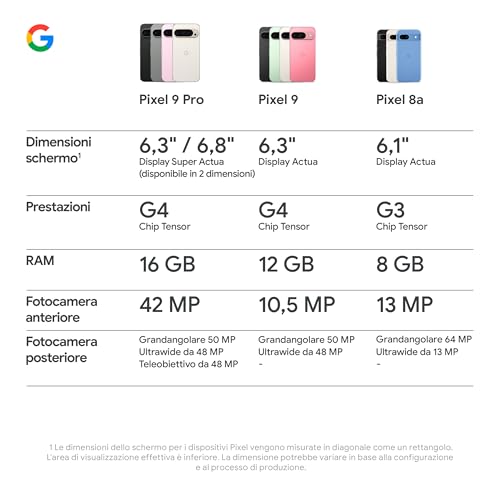
The Google Pixel 9 Pro is a premium device featuring a 6.3-inch 3,000-nit LTPO display, 16GB of RAM, and a versatile 50MP main, 48MP ultrawide, and 48MP telephoto camera system. Pros include superior processing, faster 45W charging, and advanced photography, though it comes at a higher price. Conversely, the Pixel 9a offers a budget-friendly, 2,700-nit, 8GB RAM alternative with a larger 5,100 mAh battery, which acts as a major advantage, but it has a less versatile camera, slower 23W charging, and a plastic build. Both phones run on the Tensor G4, support 7 years of updates, and cater to different needs: the Pro for performance and photography, the 9a for value and battery life.
The Sparhandy review highlights the Google Pixel 9 Pro as a "compact powerhouse" that brings top-tier, AI-focused features and a 48MP triple-camera system into a more manageable 6.3-inch form factor. Key praised features include a highly luminous 3,000-nit Super Actua display, premium design, and AI advancements like the "Add Me" photo tool and Magic Editor, all powered by the efficient Tensor G4 chip. Conversely, the review notes cons such as relatively slow 27W charging compared to competitors and the Tensor G4's lower raw performance in benchmarks compared to rival high-end chips, along with a 128GB base storage limitation. For more details, visit Sparhandy.
After six weeks, the Pixel 9 Pro is highlighted for finally matching competitors like Apple and Samsung in hardware quality, featuring a premium build and a compact 6.3-inch design. Key pros include a top-tier camera system, significantly improved battery life (1.5 days), and a commitment to seven years of updates. WatsonThe review notes the Tensor G4 chip handles daily tasks well, though it lacks the raw power of competitors, and finds the 128 GB base storage insufficient for a pro-level device. Concluding as a 9/10, the device suffers from slow charging speeds, taking roughly 90 minutes to fill, and lacks some AI features in Switzerland.
The Der Standard review highlights the Google Pixel 9 Pro as a refined, 6.3-inch flagship with a premium design, featuring a matte back and a new, distinct camera island. Key pros include an exceptionally bright "Super Actua" display (up to 3,000 nits) and a versatile triple-camera system, which excels in photography and includes 8K Video Boost. Useful AI integrations, such as "Add Me" and the Pixel Screenshots app, along with a seven-year update guarantee, further enhance the device's long-term value. However, the review points out several cons, noting that while the Tensor G4 chip handles daily tasks well, it lags behind competitors in raw gaming performance and can run warm under load. Additionally, charging speeds are criticized as relatively slow at 27W, and the high starting price for a 128GB base model makes it a luxury choice. The device is ultimately framed as a top-tier Android option for those prioritizing design and AI features over raw gaming power.
According to the Journal du Geek review, the Google Pixel 9 series marks a shift toward premium hardware maturity with a flatter design, refined camera visor, and the introduction of a smaller 6.3-inch Pro model. While the Tensor G4 chip prioritizes AI integration over raw power—falling short of Snapdragon competitors in gaming—the devices offer significant, "pro" upgrades like 3,000-nit displays and improved ultrasonic fingerprint sensors. Despite the stellar camera system's low-light performance and new 42MP selfie cameras, the series suffers from slower charging speeds, limited main sensor upgrades, and a substantial price increase.
The Google Pixel 9 Pro is a standout compact flagship featuring a redesigned, high-end aluminum and matte glass body with a 6.3-inch 3,000-nit display. It boasts a versatile triple-camera system, including a 48MP 5x telephoto lens, and advanced AI features like "Add Me" and "Reimagine". However, the device has a higher $999/£999 starting price, slower 27W charging, and raw performance that trails competitors, despite the efficient Tensor G4 chip. For more details, visit Presse-citron.
The Labo Fnac review highlights the Google Pixel 9 Pro as a premier compact smartphone, featuring a brilliant 6.3-inch Super Actua OLED display with 3,000 nits peak brightness and a refined, high-quality design. The device stands out for its versatile camera system, including a 48MP telephoto lens and an improved 42MP selfie camera, though the Tensor G4 chip lags behind competitors in raw processing power for intensive tasks. While offering all-day battery life, the phone suffers from slower 27W charging and potential overheating during heavy usage in its smaller chassis.
In 2025, the Google Pixel lineup is defined by a strong distinction between high-end AI performance and mid-range value, with the Pixel 10 Pro XL serving as the premium flagship for display and camera quality. Key advantages include the exceptionally bright Super Actua display, though the Tensor G5 chip sometimes lags behind competitors in raw processing power. For balanced performance, the standard Pixel 10 introduces a 5x telephoto lens and magnetic charging, while the Pixel 9a targets budget-conscious users, albeit with compromises like a plastic back. A major advantage across the 2025 range is the commitment to 7 years of OS and security updates, paired with a clean, feature-rich Android experience. However, thermal management remains a recurring issue, with devices prone to heating up during intensive tasks like gaming or 4K recording. Battery life is generally considered average, and charging speeds remain slower than many competitors. The full review, including a breakdown of pros and cons, can be read on Le Point.
In a 10-month review, Presse-citron praises the Pixel 9 Pro as a mature, reliable device with a compact, elegant design. Key advantages include exceptional photography for moving subjects, a bright Super Actua display, and useful, non-intrusive AI features. While providing a consistent, high-end experience, the user notes that the device can feel predictable over time. Conversely, the Tensor chip's raw performance trails competitors, and the 27W charging speed is considered outdated for a 2024 flagship. The device is also noted for being relatively heavy for its size. Despite these minor drawbacks, it remains a premier, dependable daily driver.
The Phototrend.fr review highlights the Google Pixel 9 Pro as a premium, compact device featuring a highly bright 6.3-inch "Super Actua" display (3,000 nits) and a modern "pill" camera design. Photography remains a key strength with its consistent 50MP main and 48MP telephoto sensors, alongside the new "Add Me" feature and an improved 42MP autofocus selfie camera. However, the review notes that the hardware, while excellent, represents only an incremental update over previous models.
The Google Pixel 9 Pro is praised as a compact flagship that delivers the performance of larger models, featuring a refined, ergonomic design with a 6.3-inch Super Actua screen that offers exceptional brightness and color accuracy. Driven by the Tensor G4 chip and 16GB of RAM, the device excels in AI tasks, though it trails competitors in raw gaming power. The camera system, consistent across all lenses, is a key strength, supported by a seven-year software update promise. Les Numé However, the review notes that while battery life is improved, it is only satisfactory at roughly 15 hours and 46 minutes in mixed usage. Charging speed remains a weakness, with a full charge taking over 85 minutes, even with a 45W charger. Les Numériques
Frandroid's review of the Google Pixel 9 Pro praises its return to a compact high-end format, highlighting the premium build and the exceptionally bright, well-calibrated Super Actua display. It is noted for delivering a full "Pro" experience, including a versatile camera system and seven years of software support with AI features. However, the review identifies a significant flaw regarding the Tensor G4 chipset, which suffers from poor thermal management, causing the phone to overheat and throttle during intensive tasks. The battery life is described as solid, though not exceptional, and charging speeds remain relatively slow compared to competitors. Despite these performance limitations, the Pixel 9 Pro is recommended for those prioritizing a compact form factor, superior camera capabilities, and long-term software support, provided they can overlook its tendency to run warm.
The Google Pixel 9 series introduces a refined, flat-edged design with a prominent, redesigned camera visor and improved build quality, featuring a vapor chamber cooling system on Pro models. Key advantages include the efficient Tensor G4 chip, which powers advanced AI capabilities like "Add Me" and improved photography, alongside a faster, more reliable ultrasonic fingerprint scanner. WIREDHowever, the lineup has notable limitations, with battery life deemed consistent for only a single day, particularly on smaller models, and charging speeds that lag behind competitors. Furthermore, the base 128GB storage is considered inadequate for the premium "Pro" price point. While AI features are a highlight, tools like "Reimagine" raise ethical questions regarding image manipulation, and access to advanced functionality requires a subscription after the first year. WIRED
The Google Pixel 9 Pro XL features a refined, premium design with a 6.8-inch Super Actua display, highlighted by a new ultrasonic fingerprint sensor and superior build quality. The Tensor G4 chip ensures smooth performance for AI tasks, supported by a 42MP front camera and7 years of OS updates. While praising its capabilities, the review notes the slippery, fingerprint-prone side rails and that performance benchmarks still trail competitors, particularly regarding gaming and the 128GB base storage.
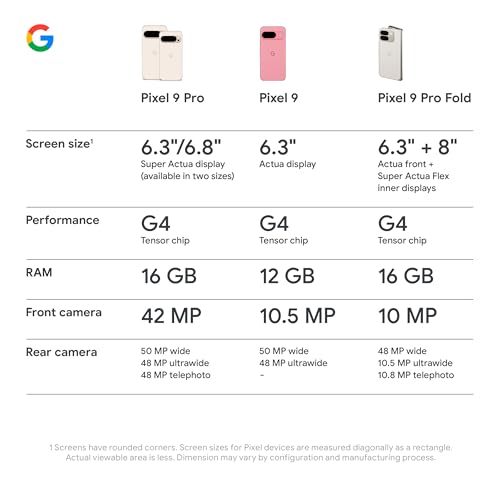
The Google Pixel 9 Pro introduces a refined design featuring flat edges, a distinct camera island, and a compact form factor that packs top-tier specs, including a 3,000-nit Super Actua display and 16GB of RAM. A key highlight is the AI-driven camera system, featuring tools like "Add Me" for group shots and an improved 42MP selfie camera, though some users may find the camera settings complex. Despite these advancements, the Tensor G4 chipset lags behind competitors in raw performance, leading to occasional UI sluggishness and overheating during intensive tasks. Furthermore, while battery life is reliable, the 128GB starting storage is considered insufficient for a flagship device.
DDay.it defines the Pixel 9 and 9 Pro as mature flagships featuring a refined design, improved ultrasonic fingerprint sensors, and industry-leading Super Actua displays with up to 3,000 nits brightness. Camera performance remains a top pro, offering excellent AI-driven photo quality and 48MP telephoto capabilities on the Pro model, though the Tensor G4 chipset lags behind competitors in raw performance. While daily usability is improved with better thermals, notable cons include restricted performance under heavy load and relatively slow 27W wired charging.
The Google Pixel 9 Pro is positioned as a compact, high-end device featuring a refined design with a 3,000-nit LTPO OLED display and an improved ultrasonic fingerprint sensor. Powered by the Tensor G4 chip and 16GB of RAM, the phone offers a smooth experience for AI features, supported by a versatile camera system with a 5x telephoto lens and enhanced battery life. Key drawbacks noted include a high starting price of €1,099, relatively slow 27W charging, and glossy frames that are prone to fingerprints.
The Pixel 9 series marks a new level of hardware maturity for Google, featuring a refreshed, premium industrial design with flat edges and exceptionally bright "Super Actua" displays. The Tensor G4 chip prioritizes efficiency and AI capabilities, driving significant upgrades like a faster, reliable ultrasonic fingerprint scanner, vastly improved battery life, and high-quality cameras with a new 42MP selfie sensor. However, the Tensor G4 still trails competitors in raw performance, particularly in gaming, while several advertised AI features were not immediately available in all regions, such as the Netherlands. Despite these drawbacks, the devices offer long-term value through7 years of software updates. Ultimately, the review concludes the Pixel 9 series delivers a "complete" high-end experience that prioritizes smart features and photography over raw power, though the higher price point places it in direct competition with top-tier alternatives.
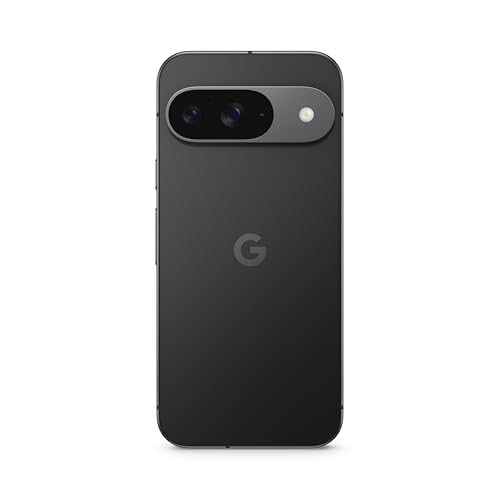
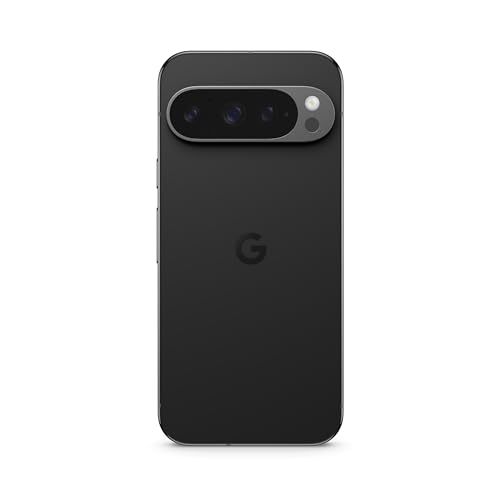
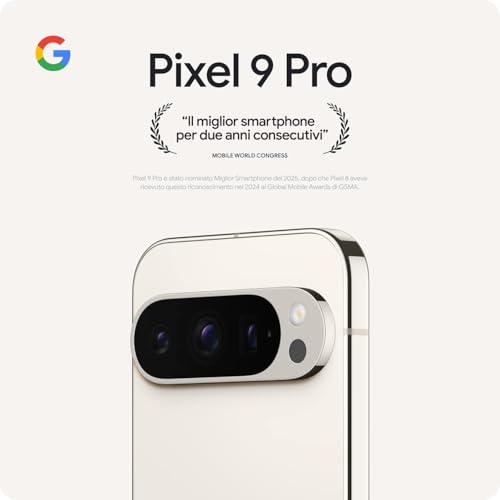
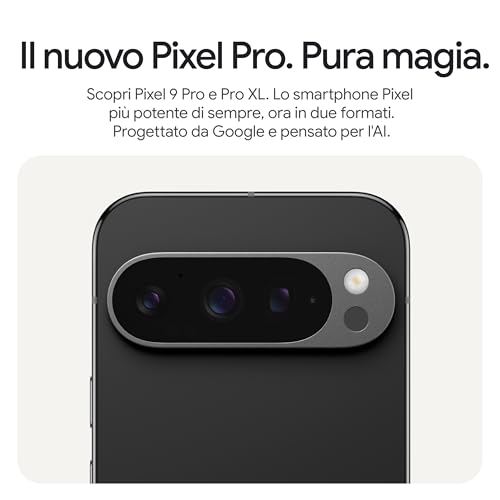
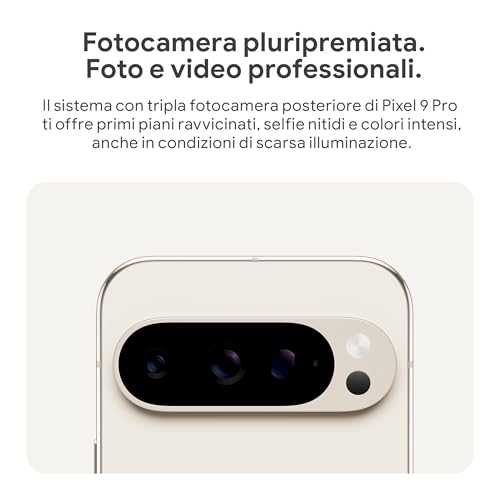
The Google Pixel 9 Pro (128 GB, Porcelain) is a premium 6.3-inch Android smartphone featuring a highly bright 3,000-nit Super Actua display, advanced camera capabilities including a 5x optical zoom, and 16 GB of RAM for AI-driven tasks. Praised for its excellent display and camera system, the device runs on the Tensor G4 chip with guaranteed long-term software support for seven years. Key advantages include a top-tier camera, strong battery life, and a refined design, though it lacks a 3.5 mm headphone jack. Drawbacks noted in expert reviews include the absence of expandable storage, the Tensor chip's lower raw gaming performance compared to competitors, and limited utility for the built-in temperature sensor. The device is considered a leading small phone, with its 120Hz LTPO OLED screen and superior photography capabilities being standout features. Despite some performance limitations for heavy gaming, the overall package offers a premium user experience.
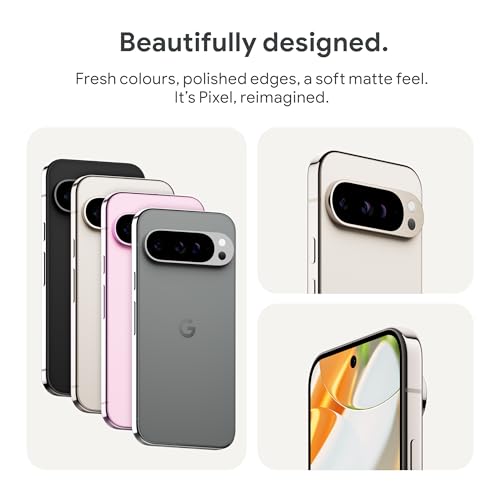
The Google Pixel 9 Pro is a compact flagship offering premium build quality, featuring a matte Gorilla Glass Victus 2 back, a polished metal frame, and a much-improved ultrasonic fingerprint sensor. The device boasts a high-brightness (3,000 nits) Super Actua OLED display and a top-tier camera system that excels in still photography, low-light performance, and zoom, alongside innovative AI features like "Add Me" and the Pixel Screenshots app. However, the Tensor G4 chipset lags behind competitors in raw performance and gaming, while charging speeds remain relatively slow at 27W.
The Techzine review positions the Google Pixel 9 series as a mature, cohesive ecosystem challenging Apple and Samsung with a versatile range of devices and accessories. Key strengths include the flexible, non-restrictive ecosystem, a premium design featuring Gorilla Glass Victus 2, a brighter 2,700-nit display, and an improved ultrasonic fingerprint sensor. However, the Tensor G4 chip, while optimized for AI, underperforms in heavy tasks, resulting in thermal throttling, and the base model's price has increased.
The Google Pixel 9 Pro is praised by FWD.nl as a "flagship in a small format," offering high-end, 6.3-inch specs with a refined design featuring a matte glass back and flat-sided aluminum frame. The display is a major highlight, with the Super Actua screen reaching a peak brightness of 3,000 nits. Camera capabilities are exceptional, marking the first time a compact Pixel includes a 5x optical telephoto lens alongside a versatile 50MP main sensor. While AI features and seven years of software updates enhance the experience, the Tensor G4 chip prioritizes efficiency over raw performance, falling behind competitors in gaming and heavy multitasking. The device features a 4,700mAh battery that delivers all-day usage, though charging speeds are relatively slow, capping at 27W. Furthermore, the increased pricing brings it into direct competition with higher-end alternatives.
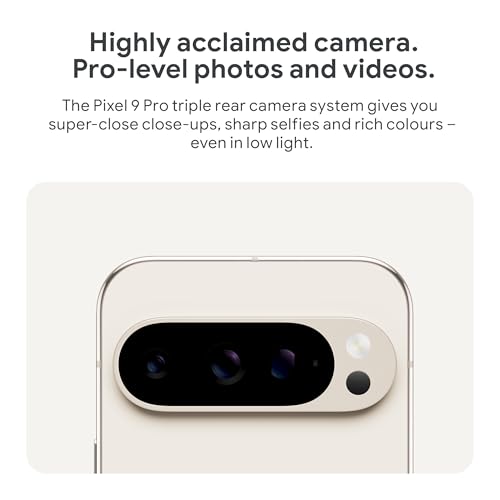
The Google Pixel 9 Pro is highlighted as a "compact powerhouse," packing top-tier features into a manageable 6.3-inch frame featuring a 3000-nit Super Actua display. The design introduces a premium, modern aesthetic with flat, polished aluminum sides and a redesigned camera island. The camera system, featuring a 50MP main lens, 48MP ultrawide, and a 48MP telephoto, remains a top highlight alongside a detailed 42MP front camera.

Compare