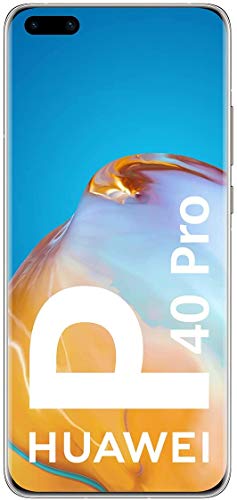
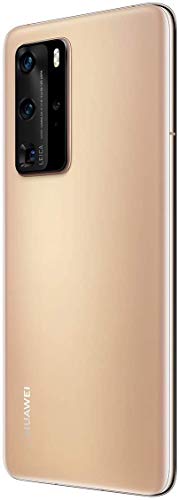
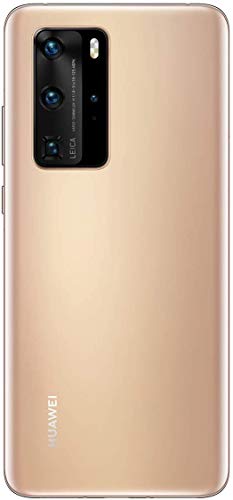
Huawei P40 Pro (8GB + 256GB) review. Compare 197 technical specifications and user reviews to see how this product ranks in the Smartphones category and whether it is worth buying.
Overall score
What it is: An overall evaluation of the smartphone's quality, based on technical analyses and user reviews.
When it matters: When you need a quick reference to identify the best smartphones on the market.
Score components:
90.0%
Technical Score
10.0%
User score
Technical Score
What it is: An assessment of the smartphone's technical performance, covering eight key areas: performance & hardware, software, camera, connectivity, display, battery, audio, and design.
When it matters: When you want to compare smartphones based on technical performance and available features.
Score components:
25.0%
Performance & Hardware
18.0%
Camera
15.0%
Display
15.0%
Battery
10.0%
Software
10.0%
Connectivity
4.0%
Audio
3.0%
Design
User score
What it is: A rating that combines user reviews and the total number of reviews received by the smartphone
When it matters: When you want to know how a smartphone handles daily tasks and how reliable it remains over time according to user feedback.
Score components:
70.0%
User reviews
30.0%
Popularity

Available: ranking among products currently available (including other versions of this product).
All: ranking among all products in the database.
#14 in Best Huawei Phones
#72 in Best Camera Smartphones
#285 in Best Chinese Smartphones
#420 in Best Large-Screen Smartphones
#446 in Best Android Smartphones
#457 in Best NFC Smartphones
#459 in Best 5G Smartphones
#478 in Best AI Smartphones
#479 in Best Smartphones
#742 in Best Battery Life Smartphones
#1162 in Best Value Smartphones
What it is: An assessment of the smartphone's technical performance, covering eight key areas: performance & hardware, software, camera, connectivity, display, battery, audio, and design.
When it matters: When you want to compare smartphones based on technical performance and available features.
Score components:
25.0%
Performance & Hardware
18.0%
Camera
15.0%
Display
15.0%
Battery
10.0%
Software
10.0%
Connectivity
4.0%
Audio
3.0%
Design
What it is: A rating that combines user reviews and the total number of reviews received by the smartphone
When it matters: When you want to know how a smartphone handles daily tasks and how reliable it remains over time according to user feedback.
Score components:
70.0%
User reviews
30.0%
Popularity
What it is: An indicator that combines the smartphone's overall rating with its cost.
When it matters: When you are looking for a smartphone with a good balance between quality and price.
Score components:
60.0%
Overall score
40.0%
Price
Importance: LOW
Importance: HIGH
Importance: HIGH
Good value: >12 GB
Importance: MEDIUM
Good value: >256 GB
Importance: MEDIUM
Good value: >3.2 GHz
Importance: LOW
Importance: MEDIUM
Good value: >1500
Importance: LOW
Good value: >4000
Importance: LOW
Good value: 8+
Importance: LOW
Importance: LOW
Good value: >950 MHz
Importance: LOW
Good value: >700
Importance: LOW
Good value: >1000
Importance: LOW
Good value: >2500
Importance: MEDIUM
Good value: >6000
Importance: LOW
Good value: >8000
Importance: MEDIUM
Good value: >12000
Importance: LOW
Good value: >5000
Importance: LOW
Good value: >1800
Importance: LOW
Good value: >3200 MHz
Importance: LOW
Good value: 5
Importance: LOW
Good value: > 50 GB/s
Importance: LOW
Good value: 4
Importance: LOW
Good value: >16 GB
Importance: MEDIUM
Good value: <6 nm
Importance: MEDIUM
Good value: >9 W
Importance: LOW
Importance: LOW
Good value: >8192 KB
Importance: LOW
Good value: >2048 KB
Importance: LOW
Good value: >512 KB
Importance: LOW
Good value: >100000 million
Importance: LOW
Good value: 3.3
Importance: LOW
Good value: 3.2
Importance: LOW
Good value: 2.0/3.0
Importance: LOW
Importance: LOW
Importance: LOW
Importance: MEDIUM
Importance: LOW
Importance: LOW
Importance: LOW
Importance: LOW
Importance: LOW
Importance: LOW
Importance: LOW
Importance: LOW
Importance: LOW
Importance: LOW
Importance: LOW
Importance: LOW
Importance: LOW
Importance: LOW
Importance: LOW
Importance: LOW
Importance: LOW
Importance: LOW
Importance: LOW
Importance: LOW
Importance: LOW
Importance: LOW
Importance: LOW
Importance: LOW
Importance: LOW
Importance: LOW
Importance: LOW
Importance: LOW
Importance: LOW
Importance: LOW
Importance: LOW
Importance: LOW
Importance: LOW
Importance: MEDIUM
Good value: >50 MP
Importance: MEDIUM
Importance: HIGH
Good value: >60
Importance: LOW
Good value: ≥1.2 µm
Importance: MEDIUM
Good value: >2.5x
Importance: MEDIUM
Importance: LOW
Importance: LOW
Importance: LOW
Importance: LOW
Good value: ≥2
Importance: LOW
Importance: LOW
Importance: LOW
Importance: LOW
Good value: >16 MP
Importance: LOW
Importance: LOW
Importance: LOW
Importance: LOW
Importance: MEDIUM
Importance: LOW
Importance: LOW
Importance: LOW
Importance: LOW
Importance: LOW
Importance: LOW
Importance: LOW
Importance: LOW
Importance: LOW
Importance: LOW
Importance: LOW
Importance: LOW
Importance: LOW
Importance: LOW
Importance: LOW
Importance: LOW
Importance: LOW
Importance: LOW
Importance: LOW
Importance: LOW
Importance: LOW
Good value: >130
Importance: LOW
Good value: >120
Importance: LOW
Good value: ≥2
Importance: LOW
Importance: LOW
Importance: LOW
Importance: LOW
Importance: LOW
Importance: LOW
Good value: >5.2
Importance: LOW
Importance: LOW
Importance: LOW
Importance: LOW
Good value: 3.1/3.2
Importance: LOW
Importance: LOW
Importance: LOW
Good value: ≥2
Importance: LOW
Importance: LOW
Importance: LOW
Importance: LOW
Importance: LOW
Importance: LOW
Importance: LOW
Importance: LOW
Importance: LOW
Importance: LOW
Importance: LOW
Importance: LOW
Importance: LOW
Importance: LOW
Importance: LOW
Importance: LOW
Good value: ≥6.6 inches
Importance: MEDIUM
Importance: LOW
Good value: >400 ppi
Importance: MEDIUM
Importance: MEDIUM
Good value: ≥120 Hz
Importance: LOW
Importance: LOW
Good value: >300 Hz
Importance: LOW
Good value: >800 nits
Importance: LOW
Good value: >1300 nits
Importance: LOW
Good value: >1000 nits
Importance: LOW
Importance: LOW
Importance: LOW
Importance: LOW
Importance: LOW
Importance: LOW
Importance: LOW
Importance: LOW
Importance: HIGH
Good value: >5000 mAh
Importance: MEDIUM
Good value: >60 W
Importance: LOW
Importance: LOW
Good value: <45 min
Importance: LOW
Importance: LOW
Good value: >40 W
Importance: LOW
Importance: LOW
Good value: >10 W
Importance: LOW
Importance: LOW
Importance: MEDIUM
Importance: LOW
Good value: >800
Importance: LOW
Importance: LOW
Importance: LOW
Importance: LOW
Importance: LOW
Good value: ≥3
Importance: LOW
Importance: LOW
Importance: LOW
Importance: LOW
Importance: LOW
Importance: LOW
Importance: LOW
Good value: <162 mm
Importance: LOW
Good value: <75 mm
Importance: LOW
Good value: <8 mm
Importance: LOW
Good value: <190 g
Importance: LOW
Good value: <98cm³
Importance: LOW
Importance: LOW
Importance: LOW
Importance: LOW
Importance: LOW
Importance: LOW
Good value: ≥1.5 m
Importance: LOW
Importance: LOW
Good value: >8
Importance: LOW
Importance: LOW
Importance: MEDIUM
Good value: >2.5x
Importance: HIGH
Good value: >60
Importance: MEDIUM
Importance: LOW
Importance: LOW
Good value: ≥1.2 µm
Importance: LOW
Importance: LOW
Good value: >10 W
Importance: LOW
Importance: MEDIUM
Good value: ≥120 Hz
Importance: LOW
Importance: LOW
Importance: LOW
Importance: HIGH
Good value: >5000 mAh
Importance: LOW
Good value: >16 GB
Importance: LOW
Importance: LOW
(Reviews last updated: August 2026)
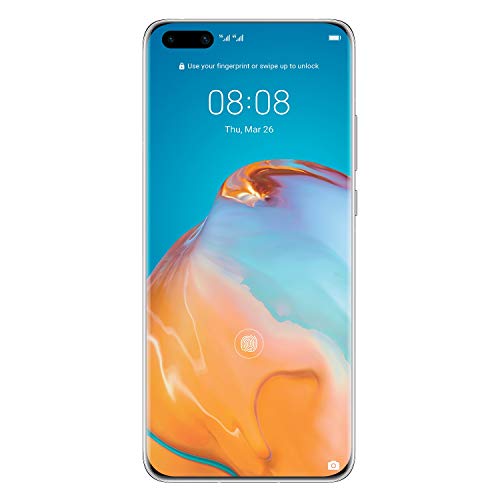
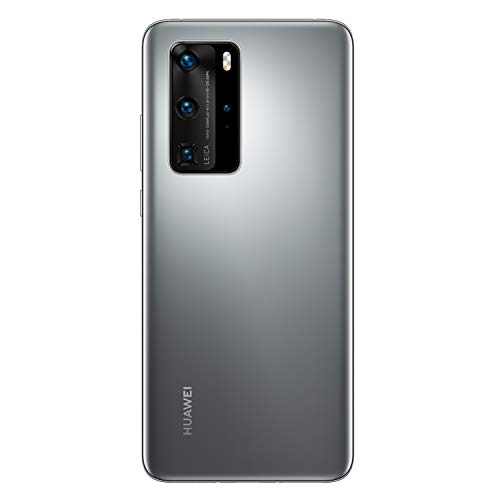
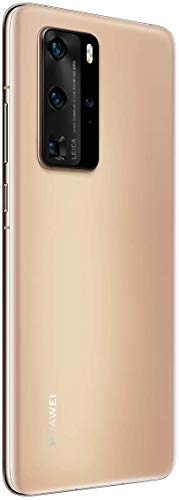
The Huawei P40 Pro is identified as a hardware-focused, "photographer’s best friend" smartphone, boasting an impressive "Silver Frost" design, a 90Hz 6.58-inch OLED "Overflow Display," and a fast 40W charging system. Camera performance is highlighted as a primary strength, with Leica-supported triple lenses (50MP main, 40MP cine, 12MP telephoto) delivering superior 4K video and sharp, versatile, high-contrast imagery. However, the device suffers from the significant limitation of lacking Google Play Services, forcing reliance on the alternative AppGallery, which lacks major apps like Netflix and banking services. TheGATE.ca
The Huawei P40 Pro is a photography-focused flagship that excels through its partnership with Leica, featuring a Quad camera system with a massive 50MP Ultra Vision main sensor and a 40MP Cine Camera for ultra-wide shots. The device's standout hardware includes a 50x digital zoom (5x optical) and industry-leading low-light performance reaching ISO 409600. Reviewers highlighted innovative AI features like "Golden Snap," which can remove passersby or reflections from photos, and a high-speed slow-motion mode capable of 7680 fps. Beyond optics, the phone is powered by the Kirin 990 5G chipset, delivering smooth gaming performance and high energy efficiency for its 4200mAh battery. Other hardware strengths include a 90Hz quad-curved display, super-fast 3D Face Unlock, and an integrated acoustic display speaker for private calls. It also supports 40W SuperCharge technology, which can power the battery from 0% to 70% in just 30 minutes.
The Techzine review of the Huawei P40 Pro highlights premium hardware, including a 90Hz OLED "Overflow" display, Kirin 990 5G chipset, and superior camera performance, that is severely hampered by the lack of Google Mobile Services (GMS). While the device excels in battery life and design, it faces practical limitations such as accidental touches on the curved screen and, most critically, the inability to access the Google Play Store, making it unsuitable for most Western users. The review concludes that although the P40 Pro is a hardware masterpiece, it is only recommended for specific business environments, such as those relying on Microsoft Office 365, due to the unsafe or impossible nature of sideloading essential apps. Techzine Global
The Huawei P40 Pro features a top-tier design with a 6.58-inch 90Hz "Overflow Display" and powerful Kirin 990 5G chipset. Camera performance is a major pro, boasting a 50MP main sensor with excellent low-light capabilities, a 5x optical zoom, and a 40MP ultra-wide "Cine" lens. Cons include a 50x digital zoom that is largely a gimmick, alongside the significant limitation of lacking native Google Mobile Services.
The Trusted Reviews assessment of the Huawei P40 Pro highlights a device with exceptional hardware—specifically its 6.58-inch 90Hz OLED display and versatile Leica-branded quad-camera system—that is hindered by the lack of Google Mobile Services. While the Kirin 990 5G chipset provides strong performance and the camera offers excellent low-light capabilities and 5x optical zoom, the absence of native Google apps and inconsistent app availability through Petal Search are significant drawbacks. Despite the impressive photographic results, the device is considered a niche product recommended only for users willing to navigate its software limitations, notes Trusted Reviews.
The Huawei P40 Pro is praised as a hardware powerhouse featuring a unique "Overflow Display" and the Kirin 990 5G chipset, which offers top-tier, future-proof performance. Its camera system, led by a 50Mp main sensor and 40Mp ultra-wide "Cine" lens, excels in low-light and provides exceptional video stabilization. However, the device is severely limited by the absence of Google Mobile Services (GMS), making essential apps hard to access, which Tech Advisor considers a major drawback for most users.
The Huawei P40 Pro achieved a record-breaking DXOMARK Camera score of 128, establishing itself as a leader in mobile photography upon its 2020 release. The primary camera features a massive 50MP sensor and an industry-leading autofocus system that delivers flawless, fast performance in all lighting conditions. Key strengths include an exceptional dynamic range and a superior balance between texture retention and noise reduction across its main, ultra-wide, and telephoto lenses. The device's zoom capabilities are particularly noteworthy, utilizing a 5x optical tele-camera and "field-of-view fusion" software to maintain high detail and low noise at all magnification levels, significantly outperforming competitors at long ranges. The ultra-wide camera also provides class-leading image quality, although its 18mm focal length offers a narrower field of view compared to rivals like the iPhone 11 Pro Max. Additionally, the bokeh mode benefits from a ToF laser sensor, providing realistic subject isolation and excellent detail even in high-contrast scenes. For video, the P40 Pro set a new standard with a score of 105, praised for its effective stabilization, vivid colors, and accurate tracking. However, the review notes...
According to the Galaxus review, the Huawei P40 Pro is a hardware masterpiece featuring a 90Hz "Overflow" display, strong Kirin 990 5G performance, and excellent battery life, yet it is severely hindered by the lack of Google Mobile Services (GMS), making it a device tailored for enthusiasts willing to bypass software limitations. The camera system stands out as a major pro, offering top-tier, low-light, and stabilized video performance alongside versatile 5x optical zoom and AI "Golden Snap" features. However, cons include, in addition to the GMS absence, inconsistent AI audio processing in videos, potential overheating during 4K recording, and an unrefined camera UI. Despite these, it remains a strong, albeit specialized, recommendation for photography enthusiasts.
The Huawei P40 Pro is a hardware powerhouse featuring a unique Quad-Curve Overflow Display and the high-performance Kirin 990 5G chipset, complemented by a long-lasting 4,200 mAh battery with rapid 40W charging. The device excels in build quality and aesthetics, though the, sometimes distracting, luminous edges of the screen are noted. The Leica UltraVision Quad Camera system delivers industry-leading photo quality with its 50MP main sensor and 5x optical zoom capability. However, the video recording experience is less refined, with a finicky zoom interface and inconsistent AI-driven audio filtering. The primary drawback is the absence of Google Mobile Services, requiring users to rely on Huawei Mobile Services (HMS) and manual app installations, which makes it better suited for enthusiasts rather than average users. While apps like WhatsApp can be installed, the lack of native Google apps limits ease of use.
The Huawei P40 Pro 5G features top-tier hardware, including a standout camera system and a sleek "Quad-Curve Overflow Display," but is severely limited for Western users by the absence of Google Mobile Services (GMS). While the device offers excellent battery life, fast charging, and robust performance via the Kirin 990 5G chipset, the lack of the Google Play Store makes app acquisition difficult. Consequently, the phone is considered a "technological showcase" that is hard to recommend for typical users, despite its impressive camera capabilities and 5G connectivity.
The Huawei P40 Pro is a high-end smartphone characterized by a "balanced elegance" in its design, featuring a hefty, secure feel and a unique "overflow" display that curves on all four sides. Its hardware performance is top-tier, powered by the Kirin 990 processor and 8GB of RAM, which ensures smooth gaming and multitasking. The camera system, developed with Leica, remains a standout feature, utilizing a 50MP main sensor, a 40MP wide-angle lens, and a 12MP periscope zoom that provides impressive low-light performance and 5x lossless zoom. However, the "new normal" for this device is the total absence of Google Mobile Services due to trade restrictions, which significantly impacts the user experience. While the hardware is excellent, users must rely on Huawei’s AppGallery, third-party stores like Amazon, or manual APK installations to find essential apps. This creates a fragmented workflow where some apps—specifically those requiring Google Play Services for logins or background play—simply do not work or require creative workarounds through the browser. In summary, the P40 Pro offers exceptional pros such as its premium build, fast 40W wired and 27W...
According to Android Authority's long-term review, the HUAWEI P40 Pro is a hardware masterpiece with a superb camera system, excellent battery life, and a refined 90Hz OLED display. However, the continued absence of Google Play Services remains the primary drawback, making it difficult to recommend for users outside China. Performance from the Kirin 990 5G is reliable, complemented by fast 40W wired/27W wireless charging, secure 3D face unlock, and an accurate fingerprint reader. While the camera is a major strength, the review notes inconsistencies like a red tint in some photos and a 50x zoom that is barely usable. The software experience is the biggest hurdle, with AppGallery lacking popular Western apps and the Petal Search workaround described as hit-or-miss. Additionally, the use of proprietary Nano Memory cards instead of standard microSD is considered an annoyance for power users.
According to a 2020 Forbes review by David Phelan, the Huawei P40 Pro features exceptional hardware, including a "Quad-curve Overflow Display," a 90Hz refresh rate, premium build quality, a Kirin 990 5G chipset, and a 4,200mAh battery with 40W charging. The camera system, engineered by Leica, is highlighted as a major pro, featuring a 50MP RYYB main sensor for excellent low-light performance and a periscope lens offering 5x optical zoom and AI features. However, the significant con is the lack of Google Mobile Services (GMS), meaning no Google Play Store, Gmail, YouTube, or Maps, which the review notes is a difficult trade-off for many users despite Huawei's growing AppGallery and alternative methods.
The camera system is highlighted as "god-tier" and versatile, though the RYYB sensor may produce a slight red tint and images can occasionally be underexposed. The most significant drawbacks are the lack of Google Mobile Services, the limitations of the AppGallery despite workarounds, and being stuck on Android 10 with uncertain long-term software support.
According to Tom's Guide, the Huawei P40 Pro is a device with exceptional hardware, particularly praised for its photography capabilities, but significantly hindered by software limitations. The phone features a high-quality 90Hz OLED display, a powerful Kirin 990 5G chipset, and a standout Leica quad-camera system with a 50MP main sensor and 5x optical zoom. Despite its hardware strengths, the major drawback is the absence of Google Play Services, forcing reliance on Huawei's App Gallery, which lacks many popular applications essential for a typical Android user experience.
In a review, the Huawei P40 Pro is described as featuring impressive hardware, including an "overflow" display that curves on all four sides for enhanced in-hand feel, and a camera system noted for its exceptional low-light performance with a large sensor and 5x periscope zoom lens. However, the device is significantly hindered by the absence of Google Mobile Services, making access to the Google Play Store and core apps difficult for Western users, despite its top-tier components.
The Huawei P40 Pro is noted for its refined hardware, including a "Overflow Display," IP68 rating, a 90Hz AMOLED screen, and a 4,200mAh battery supporting fast wired and wireless charging. Its camera system, featuring a RYYB sensor for low light and 5x periscope zoom, is considered a key feature, although the review notes occasional red tints and video contrast issues. The primary drawback is the absence of Google Mobile Services, requiring reliance on the Huawei AppGallery which lacks many popular Western apps.
The Huawei P40 Pro is defined by its superior camera system and high-end hardware, including a four-side curved "Overflow Display" and a powerful Kirin 990 5G chipset. While the camera performance is considered among the best available, boasting a 5x optical zoom and exceptional low-light capabilities, it is constrained by a lack of Google Mobile Services. Battery life is a major strength, with the 4,200mAh cell often lasting up to two days and supported by rapid 40W wired charging. However, the device only features a 90Hz refresh rate rather than the 120Hz found on competitors, and the camera bump is notably large. Ultimately, the absence of the Google Play Store and native Google apps makes it difficult to recommend for users dependent on that ecosystem, despite the excellent, durable design.
The Huawei P40 Pro features a 6.58-inch OLED display with a 90Hz refresh rate and a Kirin 990 5G chipset. Its camera system, including a 50MP main and 40MP ultrawide sensor, offers excellent photo quality and video stabilization, though 4K 60fps video and Night Mode results are only slightly better than standard photos. A major drawback is the lack of Google Mobile Services, limiting app compatibility and streaming quality.
The Huawei P40 Pro features a premium, water-resistant design with a 6.58-inch 90Hz OLED "Overflow Display," powered by the efficient Kirin 990 5G chipset. It boasts a Leica Quad Camera system, including a 50MP main sensor and 5x optical zoom, which is praised for exceptional low-light performance and 4K video stabilization. However, the device lacks Google Mobile Services (GMS), relying on Huawei AppGallery, and its 50x digital zoom is often unusable due to noise.
The Huawei P40 Pro delivers top-tier hardware, featuring a 6.58-inch 90Hz "Overflow Display," robust Kirin 990 5G performance, and a Leica-engineered camera system recognized for excellent, low-light, and zoom capabilities. However, the device is severely limited by the lack of native Google Mobile Services (GMS), resulting in reliance on Huawei's AppGallery and, for some apps, unreliable side-loading workarounds. While its superior camera and fast-charging capabilities make it a premium competitor, the software limitations render it a challenging recommendation for average users.
The Huawei P40 Pro long-term review by watson.ch highlights a "hardware-first" device featuring an excellent 6.58-inch Quad-Curve display, a top-tier Leica quadruple camera system with a 50MP sensor, and robust performance from the Kirin 990 5G chipset. While the hardware is considered among the best of its year, the review centers on the significant limitation of having no pre-installed Google Mobile Services (GMS). Despite workarounds like AppGallery and Petal Search, the lack of native Gmail, Maps, and banking apps requires significant user effort, making it more suited for enthusiasts than the average consumer. Watson
The TECHBOOK review identifies the Huawei P40 Pro as a hardware masterpiece featuring excellent build quality and a high-refresh-rate 6.58-inch OLED "Overflow" display, though the glossy finish is noted as a significant fingerprint magnet. Camera performance is highlighted as industry-leading, featuring a 50MP RYYB main sensor and versatile zoom capabilities powered by the efficient Kirin 990 5G chipset. However, the total lack of Google Mobile Services (GMS) serves as a major drawback, restricting users to the Huawei AppGallery and marking the device as a choice for tech enthusiasts rather than average consumers.
The Huawei P40 Pro is a hardware masterpiece featuring an exceptional 6.58-inch OLED Quad-Curve 90Hz display and a powerful Kirin 990 5G chipset. Key pros include its premium design, robust 4,200mAh battery with rapid 40W wired/27W wireless charging, and a versatile, "class-leading" quad-camera system with a 50MP RYYB sensor and 5x optical zoom. However, minor cons include a large, intrusive pill-shaped punch-hole, and a heavy, The camera's, which offers outstanding dynamic range and stable 4K video, is a standout feature, though 50x digital zoom is largely unusable and minor white balance inaccuracies can occur. The most significant disadvantage is the absence of Google Mobile Services (GMS), requiring users to rely on the limited AppGallery and sideloading for apps. For more details, visit SmartZone.
According to the heise.de review, the Huawei P40 Pro is a technical powerhouse boasting exceptional build quality, a 90Hz "Quad-Curve" OLED display, and top-tier performance from the Kirin 990 5G chipset. The camera system, featuring a 50MP RYYB sensor, is highlighted for superb low-light photography, complemented by very fast 40W wired and 27W wireless charging. However, the experience is significantly hindered by the lack of Google Mobile Services (GMS), making the reliance on Huawei AppGallery a potential dealbreaker for many users. Minor drawbacks include a distracting front camera cutout and the requirement for proprietary Nano Memory (NM) cards for storage expansion.
The Gizlogic review characterizes the Huawei P40 Pro as a hardware masterpiece with an exceptional camera system, hindered significantly by the lack of Google Mobile Services (GMS). Pros include a 90Hz "Overflow Display," robust Kirin 990 5G performance, and a versatile 50MP camera with 5x optical zoom and strong low-light capabilities. However, cons include reliance on the developing AppGallery, the absence of native Google apps, and a large front camera cutout, making it a specialized choice for tech enthusiasts.
This dZoom review highlights the Huawei P40 Pro as a superior mobile photography tool, specifically praising its massive 1/1.28-inch sensor and the versatile quad-camera system with a 5x optical telephoto lens. Pros include exceptional low-light performance driven by the RYYB sensor, and fast, accurate autofocus. However, the analysis notes cons such as overly aggressive sharpening in JPEG outputs and sometimes artificial depth-of-field, alongside a 50x zoom that lacks significant detail. While the 90Hz "Overflow Display" and hardware are lauded, the absence of Google Mobile Services (GMS) is highlighted as a major drawback, making it a device better suited for enthusiasts willing to manage the software, according to dZoom.
According to the ComputerHoy review, the Huawei P40 Pro is a hardware masterpiece featuring a 6.58-inch OLED "Overflow Display" and the Kirin 990 5G processor. Pros include the 50MP UltraVision camera system with exceptional 5x optical/50x hybrid zoom, excellent low-light performance, and 40W fast charging. However, the lack of Google Mobile Services (GMS) limits app access, and the design includes a significant, albeit functional, camera bump and display cutouts.
The TechRadar review describes the Huawei P40 Pro as a hardware masterpiece with a premium, four-edge curved screen, a powerful Kirin 990 5G chipset, and a 4,200mAh battery offering exceptional, multi-day endurance. Its standout features include a 50MP RYYB main sensor that delivers class-leading low-light photography, accompanied by a 40MP cine camera and a 12MP periscope zoom, though 50x zoom quality is poor. However, the lack of native Google Mobile Services (GMS), including the Play Store, significantly limits functionality, making the reliance on Huawei's AppGallery a major drawback for mainstream users.
This Huawei Community review praises the P40 Pro for its premium design, specifically highlighting the "Quad-curve Overflow Display" and solid build quality. The device is noted for its 90Hz OLED screen, IP68 water resistance, and compact, comfortable feel, despite its 209-gram weight. Performance and photography are major strengths, driven by the Kirin 990 5G processor and 8GB of RAM, which handle demanding apps efficiently. The Leica-branded quad-camera system is lauded for its 50MP main sensor, exceptional low-light capabilities, 5x optical zoom, and 4K video stabilization. Furthermore, the 4200 mAh battery with 40W fast charging ensures all-day longevity.
According to the iGizmo.it review, the Huawei P40 Pro is a hardware "giant" featuring a 6.58-inch quad-curve OLED display, a 90Hz refresh rate, and the powerful Kirin 990 5G chipset, ensuring top-tier, efficient performance. The device is praised for its photography, boasting a 50MP "UltraVision" main sensor with RYYB technology for superior low-light, a 5x optical periscope zoom, and intelligent AI features, alongside 40W wired and 27W wireless charging capabilities. Despite its hardware prowess, the review highlights the lack of Google Mobile Services (GMS), forcing reliance on Huawei Mobile Services (HMS), alongside a noticeable pill-shaped camera cutout, a 209g weight, and the absence of a 3.5mm jack.
In a June 2020 review, Sky TG24 identifies the Huawei P40 Pro as a hardware "champion" hindered by the absence of Google Services. The device features a "Quad-curve Overflow Display" and powerful Kirin 990 5G processor, though it suffers from a large, distracting pill-shaped cutout. Its Leica-engineered quad-camera system is praised as market-leading for its low-light performance and advanced zoom, yet the phone's substantial weight makes one-handed use challenging. The lack of native Google apps is described as a major drawback for average users, making it a "tough sell" despite its technical prowess. You can find more information about the Huawei P40 Pro in this review from
The Huawei P40 Pro features a massive 1/1.28" 50MP RYYB Ultra Vision sensor, delivering exceptional low-light performance and wide dynamic range. Its camera system includes a 5x optical periscope zoom and a 40MP cine camera, utilizing "Field-of-View Fusion" for improved, consistent image quality across zoom levels. Pros include top-tier video stabilization and fast, reliable autofocus, although the 18mm equivalent ultra-wide lens is narrower than competitors. Minor cons involve occasional color casting in complex lighting and limited, finicky close-up focusing.
The SmartWorld.it review highlights the Huawei P40 Pro as a top-tier flagship boasting exceptional industrial design, featuring a "Quad-Curve Overflow" display and the Kirin 990 5G processor for high performance. Its 50MP RYYB sensor and versatile camera system offer elite, industry-leading imaging capabilities, supported by fast 40W wired and 27W wireless charging. However, the absence of native Google services forces reliance on the AppGallery, creating significant software limitations that, along with a bulky camera bump, represent the primary drawbacks of an otherwise premium device.
The Huawei P40 Pro is praised for its "extreme hardware," featuring a standout "Overflow Display" with four-sided curves and a fingerprint-resistant Silver Frost finish. Driven by the Kirin 990 5G processor, the device delivers top-tier performance, though it is hindered by the absence of Google Mobile Services (GMS), which the review highlights as a major obstacle for the average user. The 50MP Ultra Vision camera, featuring class-leading low-light capability and a 5x optical zoom, is labeled a masterpiece, alongside the 4,200mAh battery with 40W charging. Despite these strengths, the lack of stereo sound (using a single mono speaker) is noted as a significant multimedia drawback. Ultimately, the review concludes that the P40 Pro, with its AppGallery and powerful hardware, is a phone designed for tech enthusiasts willing to compromise on the Google ecosystem for superior photography.
The Huawei P40 Pro is praised as a hardware masterpiece featuring a four-curved "Overflow Display," a Kirin 990 5G chipset, and a 90Hz OLED screen, which provides a premium, nearly borderless experience. The primary, standout feature is its Leica-engineered "Ultra Vision" camera system, which uses a massive 1/1.28-inch sensor to deliver exceptional low-light performance and versatile, high-quality zoom capabilities. However, the device's main drawback is the absence of Google Mobile Services (GMS), requiring reliance on the limited Huawei AppGallery, making it a challenging, specialized choice for average users despite its elite hardware.
TuttoAndroid’s review of the Huawei P40 Pro praises its "Overflow Display" and premium design, highlighting the 6.58-inch 90Hz OLED panel and fast in-display fingerprint sensor as key pros. While the build quality is top-tier, the large pill-shaped camera cutout is noted as a visual downside. TuttoAndroidThe camera system is considered a major highlight, featuring a 50MP main RYYB sensor and 5x optical zoom that provide exceptional low-light performance and versatility. However, the review notes inconsistencies in white balance and less impressive video compared to competitors as potential drawbacks. TuttoAndroidPowered by the Kirin 990 5G chipset, the device delivers high performance, complemented by strong battery life and fast 40W charging. The primary, critical limitation mentioned is the lack of Google Mobile Services (GMS), making it best suited for advanced users, according to TuttoAndroid. TuttoAndroid
Andrea Galeazzi defines the Huawei P40 Pro as a hardware masterpiece with a 6.58-inch 90Hz OLED display and premium build, though he critiques the large pill-shaped camera cutout. The device boasts top-tier photography with a 50MP main sensor, excellent 4K video, high performance from the Kirin 990 5G, and outstanding battery life. However, the experience is hindered by the lack of Google Mobile Services (GMS), a mono speaker, and a less refined haptic motor, according to the review.
The Huawei P40 Pro is a high-end flagship that Tweakers describes as a hardware masterpiece with a stunning, four-sided curved "Overflow Display" and a robust, IP68-rated design, though it is limited to a 90Hz refresh rate and lacks Gorilla Glass. The device features an exceptional camera system, highlighted by a 50MP RYYB main sensor for superior low-light performance, alongside a 5x optical periscope zoom and a 40MP ultra-wide "Cine" lens, though it lacks a dedicated macro mode. Despite the Kirin 990 5G chipset delivering fast performance and excellent battery life, the lack of Google Mobile Services (GMS) and essential apps in the Huawei AppGallery makes it a difficult recommendation, capping off a "blessing and a curse" user experience.
The Huawei P40 Pro review from ID.nl describes the device as a "plagued top smartphone," highlighting a stark contrast between its premium hardware and crippled software ecosystem. The phone boasts a 6.58-inch 90Hz OLED "Overflow Display," a premium aluminum-glass design, and the powerful Kirin 990 5G chipset, providing a fast and vibrant user experience. Camera performance is a major pro, with a 50MP RYYB sensor producing exceptional low-light photos, complemented by 5x optical zoom, 40W wired/27W wireless charging, and secure 3D facial recognition. The critical con is the lack of Google Mobile Services (GMS), meaning the absence of the Google Play Store and standard apps like YouTube and Maps, which requires complex workarounds. Additional drawbacks include a significant camera bump that causes wobbling, the lack of a headphone jack, and accidental touch inputs from the aggressively curved screen. Ultimately, while the hardware is top-tier, the software limitations make it hard to recommend for the average user.
The Android Planet preview of the Huawei P40 Pro highlights a device with top-tier hardware, specifically praising the 6.58-inch "Overflow Display" and premium design. However, a notable drawback is the large pill-shaped cutout for the dual front cameras. The camera system stands out with a 50MP sensor and 5x optical zoom, delivering exceptional low-light performance, while the Kirin 990 chipset provides high-end performance. A significant limitation is the lack of Google Mobile Services (GMS), requiring reliance on Huawei's AppGallery, which is a major con for users embedded in the Google ecosystem. While the 4200mAh battery and fast charging are clear advantages, the lack of stereo speakers is a hardware drawback. Ultimately, the device is considered a photography powerhouse hindered by software limitations. For more details, visit Android Planet.
The Huawei P40 Pro is a hardware masterpiece featuring a 6.58-inch "Overflow Display" and the Kirin 990 5G chipset, offering top-tier performance and excellent battery life. While the 90Hz display is fluid, it lacks the 120Hz refresh rate found on some competitors. The camera system, featuring a 50MP RYYB sensor and 5x optical zoom, provides exceptional low-light capabilities and advanced "AI Golden Snap" features. However, the ultra-wide lens is narrower than rivals. The major drawback is the lack of Google Mobile Services, meaning no native Play Store, Maps, or Gmail, alongside a lack of stereo speakers. While Huawei’s AppGallery offers workarounds, the device remains tailored for enthusiasts willing to navigate a Google-free experience.
The Techzine review describes the Huawei P40 Pro as a hardware masterpiece with a Kirin 990 5G chipset, an excellent 90Hz OLED "Overflow Display," and strong 3D facial recognition, yet it is significantly crippled by the absence of Google Mobile Services (GMS). Camera performance is a standout, featuring a 50MP RYYB sensor with best-in-class low-light capabilities, versatile 5x optical zoom, and reliable 40W wired charging, housed in a premium IP68-rated, quad-curve glass body. Despite this hardware excellence, the total lack of Google Play Store, Gmail, and maps, combined with reliance on the limited Huawei AppGallery or risky APK sideloading, results in a poor recommendation for most users, further compounded by minor ergonomic issues with the curved display and slightly slow fingerprint sensor.
The Huawei P40 Pro features a 6.58-inch 90Hz OLED display, Kirin 990 5G processor, and a Leica Quad Camera system with 50MP main, 40MP ultra-wide, and 5x optical zoom lenses, offering top-tier performance and photography. Pros include exceptional low-light photo quality, rapid 40W wired/27W wireless charging, and a 4,200mAh battery. Cons, however, center on the lack of Google Mobile Services (GMS), heavy weight (209g), and accidental screen edge touches. Despite strong hardware, the absence of the Google Play Store makes it a challenging, niche choice for most users.
The Huawei P40 Pro features a premium design with a 6.58-inch 90Hz OLED "Overflow Display" and powerful hardware, including the Kirin 990 5G chipset and rapid 40W charging. A major highlight is the Leica quad-camera system, which delivers industry-leading low-light performance and 5x optical zoom. However, the device lacks Google Mobile Services (GMS), severely limiting access to the Play Store, banking apps, and essential Google services.

Compare