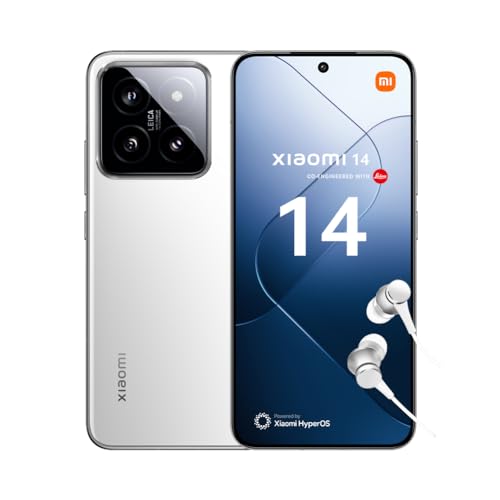
Xiaomi 14 (12GB + 512GB) review. Compare 197 technical specifications and user reviews to see how this product ranks in the Smartphones category and whether it is worth buying.
Overall score
What it is: An overall evaluation of the smartphone's quality, based on technical analyses and user reviews.
When it matters: When you need a quick reference to identify the best smartphones on the market.
Score components:
90.0%
Technical Score
10.0%
User score
Technical Score
What it is: An assessment of the smartphone's technical performance, covering eight key areas: performance & hardware, software, camera, connectivity, display, battery, audio, and design.
When it matters: When you want to compare smartphones based on technical performance and available features.
Score components:
25.0%
Performance & Hardware
18.0%
Camera
15.0%
Display
15.0%
Battery
10.0%
Software
10.0%
Connectivity
4.0%
Audio
3.0%
Design
User score
What it is: A rating that combines user reviews and the total number of reviews received by the smartphone
When it matters: When you want to know how a smartphone handles daily tasks and how reliable it remains over time according to user feedback.
Score components:
70.0%
User reviews
30.0%
Popularity
Available: ranking among products currently available (including other versions of this product).
All: ranking among all products in the database.
#4 in Best Camera Smartphones
#7 in Best Xiaomi Phones
#21 in Best Chinese Smartphones
#25 in Best Android Smartphones
#29 in Best Smartphones
#29 in Best NFC Smartphones
#29 in Best 5G Smartphones
#29 in Best AI Smartphones
#166 in Best Value Smartphones
#494 in Best Battery Life Smartphones
What it is: An assessment of the smartphone's technical performance, covering eight key areas: performance & hardware, software, camera, connectivity, display, battery, audio, and design.
When it matters: When you want to compare smartphones based on technical performance and available features.
Score components:
25.0%
Performance & Hardware
18.0%
Camera
15.0%
Display
15.0%
Battery
10.0%
Software
10.0%
Connectivity
4.0%
Audio
3.0%
Design
What it is: A rating that combines user reviews and the total number of reviews received by the smartphone
When it matters: When you want to know how a smartphone handles daily tasks and how reliable it remains over time according to user feedback.
Score components:
70.0%
User reviews
30.0%
Popularity
What it is: An indicator that combines the smartphone's overall rating with its cost.
When it matters: When you are looking for a smartphone with a good balance between quality and price.
Score components:
60.0%
Overall score
40.0%
Price
Importance: LOW
Importance: HIGH
Importance: HIGH
Good value: >12 GB
Importance: MEDIUM
Good value: >256 GB
Importance: MEDIUM
Good value: >3.2 GHz
Importance: LOW
Importance: MEDIUM
Good value: >1500
Importance: LOW
Good value: >4000
Importance: LOW
Good value: 8+
Importance: LOW
Importance: LOW
Good value: >950 MHz
Importance: LOW
Good value: >700
Importance: LOW
Good value: >1000
Importance: LOW
Good value: >2500
Importance: MEDIUM
Good value: >6000
Importance: LOW
Good value: >8000
Importance: MEDIUM
Good value: >12000
Importance: LOW
Good value: >5000
Importance: LOW
Good value: >1800
Importance: LOW
Good value: >3200 MHz
Importance: LOW
Good value: 5
Importance: LOW
Good value: > 50 GB/s
Importance: LOW
Good value: 4
Importance: LOW
Good value: >16 GB
Importance: MEDIUM
Good value: <6 nm
Importance: MEDIUM
Good value: >9 W
Importance: LOW
Importance: LOW
Good value: >8192 KB
Importance: LOW
Good value: >2048 KB
Importance: LOW
Good value: >512 KB
Importance: LOW
Good value: >100000 million
Importance: LOW
Good value: 3.3
Importance: LOW
Good value: 3.2
Importance: LOW
Good value: 2.0/3.0
Importance: LOW
Importance: LOW
Importance: LOW
Importance: MEDIUM
Importance: LOW
Importance: LOW
Importance: LOW
Importance: LOW
Importance: LOW
Importance: LOW
Importance: LOW
Importance: LOW
Importance: LOW
Importance: LOW
Importance: LOW
Importance: LOW
Importance: LOW
Importance: LOW
Importance: LOW
Importance: LOW
Importance: LOW
Importance: LOW
Importance: LOW
Importance: LOW
Importance: LOW
Importance: LOW
Importance: LOW
Importance: LOW
Importance: LOW
Importance: LOW
Importance: LOW
Importance: LOW
Importance: LOW
Importance: LOW
Importance: LOW
Importance: LOW
Importance: LOW
Importance: MEDIUM
Good value: >50 MP
Importance: MEDIUM
Importance: HIGH
Good value: >60
Importance: LOW
Good value: ≥1.2 µm
Importance: MEDIUM
Good value: >2.5x
Importance: MEDIUM
Importance: LOW
Importance: LOW
Importance: LOW
Importance: LOW
Good value: ≥2
Importance: LOW
Importance: LOW
Importance: LOW
Importance: LOW
Good value: >16 MP
Importance: LOW
Importance: LOW
Importance: LOW
Importance: LOW
Importance: MEDIUM
Importance: LOW
Importance: LOW
Importance: LOW
Importance: LOW
Importance: LOW
Importance: LOW
Importance: LOW
Importance: LOW
Importance: LOW
Importance: LOW
Importance: LOW
Importance: LOW
Importance: LOW
Importance: LOW
Importance: LOW
Importance: LOW
Importance: LOW
Importance: LOW
Importance: LOW
Importance: LOW
Importance: LOW
Good value: >130
Importance: LOW
Good value: >120
Importance: LOW
Good value: ≥2
Importance: LOW
Importance: LOW
Importance: LOW
Importance: LOW
Importance: LOW
Importance: LOW
Good value: >5.2
Importance: LOW
Importance: LOW
Importance: LOW
Importance: LOW
Good value: 3.1/3.2
Importance: LOW
Importance: LOW
Importance: LOW
Good value: ≥2
Importance: LOW
Importance: LOW
Importance: LOW
Importance: LOW
Importance: LOW
Importance: LOW
Importance: LOW
Importance: LOW
Importance: LOW
Importance: LOW
Importance: LOW
Importance: LOW
Importance: LOW
Importance: LOW
Importance: LOW
Importance: LOW
Good value: ≥6.6 inches
Importance: MEDIUM
Importance: LOW
Good value: >400 ppi
Importance: MEDIUM
Importance: MEDIUM
Good value: ≥120 Hz
Importance: LOW
Importance: LOW
Good value: >300 Hz
Importance: LOW
Good value: >800 nits
Importance: LOW
Good value: >1300 nits
Importance: LOW
Good value: >1000 nits
Importance: LOW
Importance: LOW
Importance: LOW
Importance: LOW
Importance: LOW
Importance: LOW
Importance: LOW
Importance: LOW
Importance: HIGH
Good value: >5000 mAh
Importance: MEDIUM
Good value: >60 W
Importance: LOW
Importance: LOW
Good value: <45 min
Importance: LOW
Importance: LOW
Good value: >40 W
Importance: LOW
Importance: LOW
Good value: >10 W
Importance: LOW
Importance: LOW
Importance: MEDIUM
Importance: LOW
Good value: >800
Importance: LOW
Importance: LOW
Importance: LOW
Importance: LOW
Importance: LOW
Good value: ≥3
Importance: LOW
Importance: LOW
Importance: LOW
Importance: LOW
Importance: LOW
Importance: LOW
Importance: LOW
Good value: <162 mm
Importance: LOW
Good value: <75 mm
Importance: LOW
Good value: <8 mm
Importance: LOW
Good value: <190 g
Importance: LOW
Good value: <98cm³
Importance: LOW
Importance: LOW
Importance: LOW
Importance: LOW
Importance: LOW
Importance: LOW
Good value: ≥1.5 m
Importance: LOW
Importance: LOW
Good value: >8
Importance: LOW
Importance: LOW
Importance: MEDIUM
Good value: >2.5x
Importance: HIGH
Good value: >60
Importance: MEDIUM
Importance: MEDIUM
Good value: >60 W
Importance: MEDIUM
Good value: >9 W
Importance: LOW
Importance: MEDIUM
Good value: >256 GB
Importance: MEDIUM
Good value: >3.2 GHz
Importance: LOW
Importance: LOW
Good value: ≥6.6 inches
Importance: LOW
Importance: LOW
Importance: HIGH
Good value: >5000 mAh
Importance: LOW
Good value: >950 MHz
Importance: LOW
(Reviews last updated: August 2026)
The Xiaomi 14 is highlighted as a compact, 6.36-inch Android flagship that packs premium features, including a bright 120Hz AMOLED display and a lightweight 193g build, according to The Sun. Key strengths include extremely fast charging, future-proof Wi-Fi 7 support, and a detailed camera system developed with Leica that offers specialized shooting styles. However, the review notes drawbacks such as significant bloatware, non-standard default apps, and a conservative design for the black model.
The Xiaomi 14 is highlighted by CGMagazine as a premium, compact flagship featuring a 6.36-inch 120Hz AMOLED display and a durable, albeit slippery, aluminum and Gorilla Glass Victus construction. Powered by the Snapdragon 8 Gen 3, it offers elite, high-performance gaming, though the device can get warm under intense loads. Key, specific advantages include exceptionally fast 90W charging and a highly capable triple 50MP Leica-tuned camera system that produces professional-grade, versatile photos. Despite minor drawbacks like pre-installed software and a glossy back that attracts smudges, the device is recommended for its powerful performance in a smaller form factor. Comics Gaming Magazine
The GSMArena review identifies the Xiaomi 14 as a top-tier compact flagship, featuring a 6.36-inch, 120Hz LTPO OLED display with exceptional brightness and a robust Snapdragon 8 Gen 3 chipset. Its Leica-engineered triple 50MP camera system offers outstanding performance, while the 4,610 mAh battery supports rapid 90W wired and 50W wireless charging. Pros include premium IP68-rated build quality and powerful, versatile photography capabilities. Conversely, the device faces criticism for excessive pre-installed bloatware within HyperOS and occasional aggressive memory management. Despite strong overall performance, it is prone to thermal throttling during sustained, heavy gaming sessions. Other cons noted include the lack of autofocus on the ultrawide camera and a slippery, fingerprint-prone rear glass finish.
The ViserMark review of the Xiaomi 14 identifies it as a high-performance, compact device featuring a 6.36-inch 120Hz LTPO OLED display and a Snapdragon 8 Gen 3 processor. Pros include an excellent display with 3,000 nits peak brightness and robust multitasking capabilities, while cons include potential performance throttling under heavy loads and a slippery, fingerprint-prone design. The camera system, a Leica-powered triple 50MP setup, captures detailed images and supports 8K video, though, as noted in the review, Leica processing presets cannot be disabled and the 32MP selfie camera falls short of the rear camera's performance. Battery performance is a highlight, with the 4,610mAh cell lasting 1.5 days or 43 hours in testing, supported by 90W wired and 50W wireless charging. However, the device lacks expandable storage, and it consumes more power than competitors during extended gaming sessions, according to the analysis.
The Xiaomi 14 is a compact, high-performance flagship featuring a 6.36-inch LTPO AMOLED display with 3,000-nit peak brightness and a robust IP68 rating, though it suffers from a slippery design prone to fingerprints. Driven by the Snapdragon 8 Gen 3 chipset and 12GB of RAM, the device delivers fast performance, alongside 90W wired and 50W wireless charging, while experiencing noticeable heating and software bloatware. The Leica-engineered triple 50MP camera system offers excellent 4K video and versatility, despite a less sharp ultra-wide module and a front camera that lacks the punch of the rear sensors.
The Xiaomi 14 is a high-performance compact flagship featuring a 6.36-inch 120Hz LTPO AMOLED display and a sturdy, IP68-rated design. Powered by the Snapdragon 8 Gen 3 chipset, it offers top-tier performance and impressive battery life, boasting roughly 8.5 hours of screen-on time. Key pros include 90W fast charging and an excellent triple 50MP Leica-engineered camera system, though the phone's glossy back can be slippery. Despite the impressive hardware, the device is held back by the HyperOS software, which is criticized for being over-stocked with excessive features and pre-installed bloatware.
The Xiaomi 14 is highlighted as a "perfectly pocketable" 6.36-inch flagship, offering premium build quality, a 3,000-nit AMOLED display, and high-end performance driven by the Snapdragon 8 Gen 3 processor. Co-developed with Leica, the camera system features triple 50MP sensors, including a versatile, high-resolution telephoto lens with impressive macro capabilities. The device boasts strong battery life, 90W fast charging, 50W wireless charging, and IP68 water resistance, though it requires importing for users in the United States.
Trusted Reviews describes the Xiaomi 14 as a compact flagship with high-end performance, featuring a responsive Snapdragon 8 Gen 3 chip, a bright LTPO OLED display, and fast 90W wired/50W wireless charging. Its Leica-branded triple 50MP camera system offers excellent color and sharpness, particularly with the 3.2x telephoto lens and portrait mode, though the ultrawide lens lacks autofocus and the Leica presets can limit customization. Despite a premium IP68-rated design, cons include bloatware, a cluttered HyperOS interface, and a shorter four-year software update cycle compared to competitors.
According to Tech Advisor, the Xiaomi 14 is a high-performance compact flagship praised for its premium design, efficient LTPO AMOLED display, and speed from the Snapdragon 8 Gen 3 processor. Pros include exceptional 90W wired and 50W wireless charging, a consistent Leica co-branded 50MP camera system, and a compact 6.36-inch form factor. Cons include HyperOS software issues like bloatware and an unintuitive notification system, the glossy finish being a fingerprint magnet, a low fingerprint scanner placement, and a "buzzy" haptic motor.
The Times of India describes the Xiaomi 14 as a "little wonder," highlighting its compact size, flagship-level performance from the Snapdragon 8 Gen 3 chipset, and a stunning 6.36-inch 1.5K LTPO OLED display with 3,000 nits peak brightness. Pros include a Leica-engineered triple 50MP camera system praised for image depth and natural colors, along with impressive battery life from its 4,610mAh cell and fast 90W wired charging. Cons include the cluttered HyperOS software bloated with duplicate apps and a design prone to fingerprints; despite an IP68 rating, it uses Gorilla Glass Victus instead of the newer Victus 2.
The Xiaomi 14 is presented as a compact flagship phone with a premium build and high-end performance, featuring an excellent LTPO AMOLED display, IP68 rating, and a versatile Leica-tuned camera system. Powered by the Snapdragon 8 Gen 3 with an effective cooling system, it delivers strong performance but has drawbacks in its design, including a slippery, fingerprint-prone finish, and software that retains some usability issues and bloatware from previous versions. Battery life is robust at over 6.5 hours of screen-on time, supported by fast 90W wired and 50W wireless charging, making it a recommended option for users seeking a powerful phone in a smaller size. For more details, visit Android Headlines.
According to Stuff.tv, the Xiaomi 14 is a compact phone with flagship-level power and a versatile Leica-branded camera system. It features a vibrant 120Hz LTPO AMOLED display and a premium IP68 water-resistant design. The triple 50MP rear camera suite is praised for detailed photos and excellent dynamic range, particularly the 3.2x telephoto lens. The device's Snapdragon 8 Gen 3 processor provides strong performance, and battery life is a notable strength with rapid 90W wired charging. However, the review notes the ultrawide lens lacks autofocus and criticizes the excessive bloatware and confusing interface of the HyperOS software.
The Xiaomi 14 is reviewed as the "new king of camera phones" by Creative Bloq, highlighted by its Leica-engineered triple 50MP camera system, specifically praising the Light Fusion 900 sensor for dynamic results in various conditions. While noting its top-tier Snapdragon 8 Gen 3 performance, industry-leading display, and fast charging as pros, the review identifies a smaller battery trailing rivals, a bulky camera protrusion, and initial HyperOS bloatware as cons.
WIRED reviewed the Xiaomi 14 as a powerful Android flagship with a compact design, a 6.36-inch AMOLED display, Snapdragon 8 Gen 3 processor, 12 GB of RAM, and 90W fast charging. Its Leica-partnered triple 50 MP camera system was praised for realistic colors and bokeh, and the phone has an IP68 rating, though it lacks mmWave 5G for US users and features of the Ultra model. The HyperOS software was criticized for bloatware and an iOS-like interface, and its four-year update policy trails competitors like Google and Samsung.
The Xiaomi 14 is highlighted by connect.de as a premier 2024 compact high-end phone, featuring a refined matte glass back, a 6.36-inch 120Hz LTPO OLED display with 3,000 nits peak brightness, and Leica-tuned cameras. Key advantages include its capable triple 50-megapixel camera system, realistic color profiles, and a surprisingly accurate heart rate sensor, along with excellent battery life and fast 90W/50W charging. Drawbacks noted in the review include substantial bloatware, non-intuitive elements in the new HyperOS, noticeable heating/throttling during intense gaming, and the lack of a microSD slot.
The Xiaomi 14 is presented by L’Éclaireur Fnac as a balanced, compact, and high-performance flagship featuring a 6.36-inch display and a premium, "iPhone-inspired" design. Powered by the Snapdragon 8 Gen 3 with 12GB of RAM, the device delivers significant power for demanding tasks, complemented by a versatile Leica-co-branded camera system and rapid 90W charging. However, the review notes drawbacks, including a high volume of pre-installed bloatware within the HyperOS software, slightly lower display brightness compared to competitors, and a smaller battery capacity.
The Xiaomi 14 is a compact, high-end flagship featuring a 6.36-inch, 3,000-nit AMOLED display and a premium aluminum build. It is powered by the Snapdragon 8 Gen 3 chipset, which offers top-tier performance but exhibits significant overheating during intensive tasks. Key pros include excellent ergonomics and a bright screen, while a notable con is the thermal management under load. www.nextpit.comThe Leica-co-engineered triple 50MP camera system excels with the main sensor, delivering rich contrast and sharp, detailed images in various lighting conditions. However, a major disadvantage is the significant quality drop, underexposure, and color inconsistency when using the ultra-wide lens. Software-wise, the new HyperOS brings a better update policy (four major Android updates) but suffers from excessive pre-installed bloatware. www.nextpit.com
The Capital.fr review identifies the Xiaomi 14 as a top-tier, compact Android flagship capable of competing directly with the Samsung Galaxy S24, featuring a premium design with flat edges and a highly efficient 6.36-inch LTPO OLED display. Powered by the Snapdragon 8 Gen 3 chipset, the device excels in performance, while the Leica-branded camera system and rapid 90W charging highlight its flagship capabilities. However, the review notes drawbacks including the bloatware-heavy HyperOS software, potential for thermal throttling under heavy load, and a shorter software update policy compared to competitors.
The Xiaomi 14, as reviewed by LesMobiles, is a premium compact flagship featuring a 6.36-inch LTPO AMOLED display, praised for its excellent one-handed ergonomics and 3,000-nit peak brightness. Powered by the Snapdragon 8 Gen 3, the device is considered a high-performance "pocket rocket" capable of handling intensive tasks, complemented by a versatile Leica-engineered triple 50MP camera system that excels in contrast and color. Despite a 4,610mAh battery, it offers impressive, fast 90W wired and 50W wireless charging speeds. However, the review highlights drawbacks regarding the new HyperOS, which is criticized for featuring excessive bloatware, a steep learning curve, and an unlabelled, cluttered interface. The device is also prone to significant heating under heavy loads and attracts fingerprint smudges, according to the review. Furthermore, its four-year software support promise falls short of the seven-year standard set by some competitors.
The Phonandroid review as a "pocket rocket," praising its rare combination -inch form factor and high-end flagship power. The device Hz LTPO OLED, -nit peak brightness and a Leica-engineered camera system that delivers professional-looking, detailed photos. Performance is driven,, mAh W charging, filling the minutes. ViserMark +3Despite these strengths, the review notes significant drawbacks, including a high volume of pre-installed "bloatware" in the new HyperOS, which also features an interface heavily inspired by iOS. Physical concerns include glossy back panels that are slippery, smudge-prone, and a lack of expandable storage via microSD. Furthermore, the phone may experience thermal throttling, becoming noticeably warm during long, intensive gaming sessions. ViserMark +2
The Xiaomi 14 is a high-performance compact flagship featuring a 6.36-inch, 120Hz LTPO OLED display that excels in brightness, paired with a premium design and an IP68 rating. Driven by the Snapdragon 8 Gen 3 processor, the device offers immense power, although it can experience performance throttling and heat issues under sustained heavy loads. The phone features a versatile Leica-co-developed camera system and solid battery life, complemented by fast 90W charging, but it suffers from excessive pre-installed bloatware and lacks autofocus on the ultrawide lens. Les Numé
The Xiaomi 14 is a premium, compact flagship with a 6.36-inch 120Hz display, featuring a Leica-engineered triple 50MP camera system that offers exceptional, versatile imaging. Powered by the Snapdragon 8 Gen 3, it delivers top-tier performance for gaming while maintaining 90W fast charging and solid daily battery life. Despite these strengths, the device is hindered by heavy HyperOS bloatware, a slippery design prone to fingerprints, and a shorter software support lifespan compared to competitors.
According to Tom's Hardware France, is a high-performance, compact flagship -inch AMOLED display and impressive Leica-powered cameras. While the design is premium and rating, the glossy finish attracts fingerprints, and the device suffers from significant thermal throttling during intense, long-term gaming sessions despite the "IceLoop" cooling system. Powering the device chipset, delivering top-tier W wireless charging, though the software includes notable pre-installed bloatware. For more details, visit Tom's Hardware France. Tom’s Hardware
The Xiaomi 14 is a high-performance, 6.36-inch compact flagship featuring a 120Hz LTPO AMOLED display with 3,000 nits peak brightness and the Snapdragon 8 Gen 3 chipset. Its Leica-engineered triple 50MP camera system offers exceptional photo quality, although the device can run warm under load, and the glossy back is a significant fingerprint magnet. While HyperOS provides fast 90W charging, it is criticized for bloatware, and the four-year software support lag behind key competitors.
The Xiaomi 14 is a powerful, compact flagship featuring a 6.36-inch 3,000-nit LTPO OLED display, a Snapdragon 8 Gen 3 processor, and a Leica-co-developed camera system with a 50MP Light Fusion 900 sensor. Key advantages include its ergonomic design, 90W/50W charging capabilities, and high-quality imaging, making it a strong competitor to Samsung and Apple devices. Despite its strengths, the device's HyperOS, lack of microSD storage, and the glossy fingerprint-prone back are notable drawbacks, alongside performance throttling during intense gaming. Additionally, the four-year OS update policy falls short of some industry leaders.
The Xiaomi 14 is defined as a top-tier compact flagship, balancing a 6.36-inch 1-120Hz LTPO AMOLED display with the powerful Snapdragon 8 Gen 3 processor. Key pros include its high-end performance, refined design, and, although it can run warm during intensive gaming, it remains a standout for its size. The Leica-engineered camera system offers excellent, high-detail imaging, with a versatile 75mm telephoto lens and enhanced low-light capabilities serving as major advantages. However, limitations include the lack of autofocus on the ultrawide lens, restrictive Leica color profiles, and the absence of 4K video on the front camera. Featuring a durable 4,610mAh battery with 90W fast charging and 50W wireless charging, the device offers excellent, long-lasting performance. Despite these strengths, the user experience is hampered by a high volume of pre-installed bloatware and an iOS-inspired interface in the HyperOS software.
The SmartphoneMan review characterises the Xiaomi 14 as a "compact top device" that balances high-end performance, specifically noting its rapid 90W charging and impressive 1.5-day battery life, with the new, smoother HyperOS interface. Featuring a bright 6.36-inch 120Hz LTPO OLED display and a Leica-co-developed camera system, the device excels in performance, though the glossy design is noted as a fingerprint magnet. While praised for its lack of major flaws and solid Snapdragon 8 Gen 3 performance, key cons include pre-installed bloatware, the lack of expandable storage, and a shorter software support window compared to competitors.
The Xiaomi 14 is a high-end compact 6.36-inch flagship featuring a 1.5K LTPO AMOLED display with 3,000 nits peak brightness and a Snapdragon 8 Gen 3 processor. Pros include excellent performance, a Leica-powered triple 50MP camera system, and 90W charging that fills the 4,610mAh battery in just over 30 minutes. However, the device faces cons regarding its HyperOS software, which is criticized for bloatware and a non-intuitive interface, along with a slippery glossy back. Additionally, users may experience thermal throttling during intense, extended gaming sessions.
The Xiaomi 14 is a compact, high-performance flagship featuring a 6.36-inch, 3,000-nit LTPO AMOLED display and the Snapdragon 8 Gen 3 processor, making it a powerful "pocket rocket." Its Leica-engineered triple 50MP camera system offers versatile photography, while the 4,610mAh battery provides long-lasting, fast-charging performance (90W wired, 50W wireless). While the design is premium and IP68-rated, the device is criticized for excessive bloatware in HyperOS, the lack of expandable storage, and a shorter four-year software support window compared to rivals.
The Xiaomi 14 and 14 Ultra, featured in the Tweakers review, represent a strong, Leica-partnered entry into the high-end market, with the 14 serving as a compact, premium flagship and the 14 Ultra functioning as a dedicated photography powerhouse. Both models feature the Snapdragon 8 Gen 3 chipset, offering top-tier performance, along with 90W charging and exceptionally bright 3000-nit displays. While praised for their hardware, the devices face criticism for the HyperOS software, which is described as having excessive bloatware and a cluttered, iOS-inspired interface. Furthermore, the 14 Ultra's massive, top-heavy camera module and the lack of expandable storage are notable drawbacks.

Compare