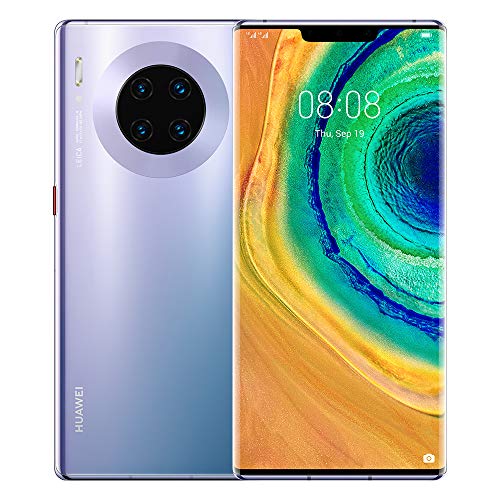
Huawei Mate 30 Pro (8GB + 256GB) review. Compare 197 technical specifications and user reviews to see how this product ranks in the Smartphones category and whether it is worth buying.
Overall score
What it is: An overall evaluation of the smartphone's quality, based on technical analyses and user reviews.
When it matters: When you need a quick reference to identify the best smartphones on the market.
Score components:
90.0%
Technical Score
10.0%
User score
Technical Score
What it is: An assessment of the smartphone's technical performance, covering eight key areas: performance & hardware, software, camera, connectivity, display, battery, audio, and design.
When it matters: When you want to compare smartphones based on technical performance and available features.
Score components:
25.0%
Performance & Hardware
18.0%
Camera
15.0%
Display
15.0%
Battery
10.0%
Software
10.0%
Connectivity
4.0%
Audio
3.0%
Design
User score
What it is: A rating that combines user reviews and the total number of reviews received by the smartphone
When it matters: When you want to know how a smartphone handles daily tasks and how reliable it remains over time according to user feedback.
Score components:
70.0%
User reviews
30.0%
Popularity
Available: ranking among products currently available (including other versions of this product).
All: ranking among all products in the database.
#18 in Best Huawei Phones
#105 in Best Camera Smartphones
#143 in Best Smartphones Under £250
#223 in Best Smartphones Under £300
#328 in Best Smartphones Under £400
#351 in Best Chinese Smartphones
#388 in Best Smartphones Under £500
#453 in Best Value Smartphones
#491 in Best Large-Screen Smartphones
#536 in Best Android Smartphones
#543 in Best NFC Smartphones
#572 in Best AI Smartphones
#573 in Best Smartphones
#793 in Best Battery Life Smartphones
What it is: An assessment of the smartphone's technical performance, covering eight key areas: performance & hardware, software, camera, connectivity, display, battery, audio, and design.
When it matters: When you want to compare smartphones based on technical performance and available features.
Score components:
25.0%
Performance & Hardware
18.0%
Camera
15.0%
Display
15.0%
Battery
10.0%
Software
10.0%
Connectivity
4.0%
Audio
3.0%
Design
What it is: A rating that combines user reviews and the total number of reviews received by the smartphone
When it matters: When you want to know how a smartphone handles daily tasks and how reliable it remains over time according to user feedback.
Score components:
70.0%
User reviews
30.0%
Popularity
What it is: An indicator that combines the smartphone's overall rating with its cost.
When it matters: When you are looking for a smartphone with a good balance between quality and price.
Score components:
60.0%
Overall score
40.0%
Price
Importance: LOW
Importance: HIGH
Importance: HIGH
Good value: >12 GB
Importance: MEDIUM
Good value: >256 GB
Importance: MEDIUM
Good value: >3.2 GHz
Importance: LOW
Importance: MEDIUM
Good value: >1500
Importance: LOW
Good value: >4000
Importance: LOW
Good value: 8+
Importance: LOW
Importance: LOW
Good value: >950 MHz
Importance: LOW
Good value: >700
Importance: LOW
Good value: >1000
Importance: LOW
Good value: >2500
Importance: MEDIUM
Good value: >6000
Importance: LOW
Good value: >8000
Importance: MEDIUM
Good value: >12000
Importance: LOW
Good value: >5000
Importance: LOW
Good value: >1800
Importance: LOW
Good value: >3200 MHz
Importance: LOW
Good value: 5
Importance: LOW
Good value: > 50 GB/s
Importance: LOW
Good value: 4
Importance: LOW
Good value: >16 GB
Importance: MEDIUM
Good value: <6 nm
Importance: MEDIUM
Good value: >9 W
Importance: LOW
Importance: LOW
Good value: >8192 KB
Importance: LOW
Good value: >2048 KB
Importance: LOW
Good value: >512 KB
Importance: LOW
Good value: >100000 million
Importance: LOW
Good value: 3.3
Importance: LOW
Good value: 3.2
Importance: LOW
Good value: 2.0/3.0
Importance: LOW
Importance: LOW
Importance: LOW
Importance: MEDIUM
Importance: LOW
Importance: LOW
Importance: LOW
Importance: LOW
Importance: LOW
Importance: LOW
Importance: LOW
Importance: LOW
Importance: LOW
Importance: LOW
Importance: LOW
Importance: LOW
Importance: LOW
Importance: LOW
Importance: LOW
Importance: LOW
Importance: LOW
Importance: LOW
Importance: LOW
Importance: LOW
Importance: LOW
Importance: LOW
Importance: LOW
Importance: LOW
Importance: LOW
Importance: LOW
Importance: LOW
Importance: LOW
Importance: LOW
Importance: LOW
Importance: LOW
Importance: LOW
Importance: LOW
Importance: MEDIUM
Good value: >50 MP
Importance: MEDIUM
Importance: HIGH
Good value: >60
Importance: LOW
Good value: ≥1.2 µm
Importance: MEDIUM
Good value: >2.5x
Importance: MEDIUM
Importance: LOW
Importance: LOW
Importance: LOW
Importance: LOW
Good value: ≥2
Importance: LOW
Importance: LOW
Importance: LOW
Importance: LOW
Good value: >16 MP
Importance: LOW
Importance: LOW
Importance: LOW
Importance: LOW
Importance: MEDIUM
Importance: LOW
Importance: LOW
Importance: LOW
Importance: LOW
Importance: LOW
Importance: LOW
Importance: LOW
Importance: LOW
Importance: LOW
Importance: LOW
Importance: LOW
Importance: LOW
Importance: LOW
Importance: LOW
Importance: LOW
Importance: LOW
Importance: LOW
Importance: LOW
Importance: LOW
Importance: LOW
Importance: LOW
Good value: >130
Importance: LOW
Good value: >120
Importance: LOW
Good value: ≥2
Importance: LOW
Importance: LOW
Importance: LOW
Importance: LOW
Importance: LOW
Importance: LOW
Good value: >5.2
Importance: LOW
Importance: LOW
Importance: LOW
Importance: LOW
Good value: 3.1/3.2
Importance: LOW
Importance: LOW
Importance: LOW
Good value: ≥2
Importance: LOW
Importance: LOW
Importance: LOW
Importance: LOW
Importance: LOW
Importance: LOW
Importance: LOW
Importance: LOW
Importance: LOW
Importance: LOW
Importance: LOW
Importance: LOW
Importance: LOW
Importance: LOW
Importance: LOW
Importance: LOW
Good value: ≥6.6 inches
Importance: MEDIUM
Importance: LOW
Good value: >400 ppi
Importance: MEDIUM
Importance: MEDIUM
Good value: ≥120 Hz
Importance: LOW
Importance: LOW
Good value: >300 Hz
Importance: LOW
Good value: >800 nits
Importance: LOW
Good value: >1300 nits
Importance: LOW
Good value: >1000 nits
Importance: LOW
Importance: LOW
Importance: LOW
Importance: LOW
Importance: LOW
Importance: LOW
Importance: LOW
Importance: LOW
Importance: HIGH
Good value: >5000 mAh
Importance: MEDIUM
Good value: >60 W
Importance: LOW
Importance: LOW
Good value: <45 min
Importance: LOW
Importance: LOW
Good value: >40 W
Importance: LOW
Importance: LOW
Good value: >10 W
Importance: LOW
Importance: LOW
Importance: MEDIUM
Importance: LOW
Good value: >800
Importance: LOW
Importance: LOW
Importance: LOW
Importance: LOW
Importance: LOW
Good value: ≥3
Importance: LOW
Importance: LOW
Importance: LOW
Importance: LOW
Importance: LOW
Importance: LOW
Importance: LOW
Good value: <162 mm
Importance: LOW
Good value: <75 mm
Importance: LOW
Good value: <8 mm
Importance: LOW
Good value: <190 g
Importance: LOW
Good value: <98cm³
Importance: LOW
Importance: LOW
Importance: LOW
Importance: LOW
Importance: LOW
Importance: LOW
Good value: ≥1.5 m
Importance: LOW
Importance: LOW
Good value: >8
Importance: LOW
Importance: LOW
Importance: MEDIUM
Good value: >2.5x
Importance: MEDIUM
Importance: LOW
Importance: LOW
Importance: LOW
Importance: LOW
Importance: MEDIUM
Good value: >3.2 GHz
Importance: LOW
Importance: MEDIUM
Good value: ≥120 Hz
Importance: LOW
Importance: LOW
Importance: LOW
Importance: LOW
Importance: LOW
Good value: >950 MHz
Importance: MEDIUM
Good value: >50 MP
Importance: LOW
(Reviews last updated: August 2026)
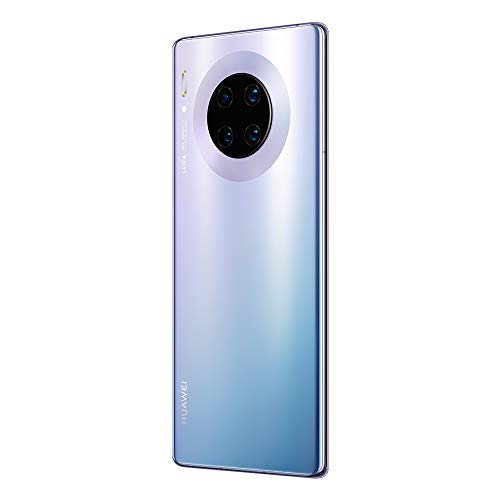
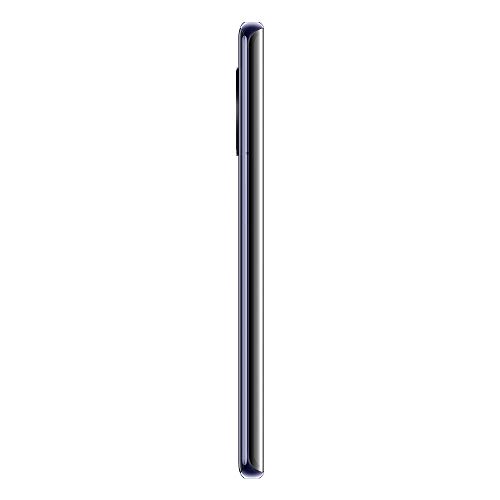
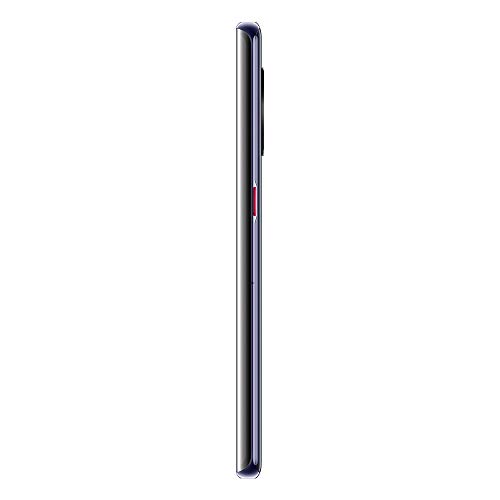
The Huawei Mate 30 Pro features a "stunning" 6.53-inch "Horizon Display" with 88-degree curves, eliminating physical volume buttons in favor of side-touch gestures. Key hardware strengths include the powerful Kirin 990 processor, a versatile quad-camera system, and exceptional battery life with 40W wired charging. However, the device suffers from a dim display, mono sound, and the fatal flaw of lacking Google apps, making it difficult to recommend despite its engineering prowess. Tom's Guide
According to MobileSyrup, the Huawei Mate 30 Pro features impressive hardware, including a "Horizon Display," Kirin 990 chipset, long-lasting 4,500mAh battery with fast charging, and a versatile Leica quad-lens camera system with advanced video capabilities and 3x optical zoom. It also includes premium features like an IR blaster and fast 3D Face Unlock. However, the device's main drawback is the absence of Google Mobile Services (GMS), limiting access to essential apps and making it difficult to recommend for average users. Other cons include a virtual volume slider and a bulky design.
Neowin describes the Huawei Mate 30 Pro as a device with exceptional hardware, including a Kirin 990 chipset and a strong Leica-partnered camera system, which earned it a 9.0/10 rating despite software challenges. Key pros include its unique design, powerful performance, fast charging, and superior low-light photography, while major cons are the lack of Google Mobile Services and the absence of physical volume buttons.
According to TechRadar, the Huawei Mate 30 Pro features impressive hardware, including a "Horizon Display" with curved edges and a long-lasting 4,500mAh battery with fast charging. Its camera system is praised for exceptional low-light performance and innovative video modes, but drawbacks include a less wide ultra-wide lens and only 3x optical zoom compared to previous models. The review concludes that the lack of Google Play services, despite running Android 10, makes the phone difficult to recommend for most users, branding it an "incomplete" smartphone that requires workarounds for essential apps.
According to a Forbes review, the Huawei Mate 30 Pro features "sensational" hardware, including a 6.53-inch "Horizon Display" and a sophisticated quad-camera system co-engineered with Leica. Pros include exceptional camera performance potentially offering the best photos and videos on any smartphone, a 4,500mAh battery providing two-day life, and smart features like 3D face unlock and a "private view". However, the major con is the absence of Google Mobile Services (GMS) and the Google Play Store due to trade restrictions, making it a difficult recommendation for the average user despite its nearly "perfect" hardware.
PCMag reviewed the Huawei Mate 30 Pro, noting its exceptional hardware design, high performance with a Kirin 990 processor and 8GB of RAM, and impressive battery life, often lasting two-and-a-half days. Pros include top-tier build quality, fast performance, class-leading 40W wired/27W wireless charging, and an innovative 3D face scanner, while cons feature a lack of physical volume buttons, a screen notch, and a 60Hz display refresh rate. The device also boasts a world-class quad-camera system with 40MP main and Cine cameras producing excellent images and 4K 60fps video, though the absence of Google Mobile Services makes it impractical for most users outside of China.
The Huawei Mate 30 Pro features a premium design with a "Horizon" waterfall display and offers top performance, exceptional battery life, and a world-class quad-camera system, particularly excelling in low light. However, it has practical drawbacks like unreliable software volume controls and the absence of a periscope zoom lens. The primary limitation is the lack of Google Mobile Services due to trade restrictions, making it difficult for the average user despite its hardware quality.
The 9to5Google review labels the Huawei Mate 30 Pro a "hardware powerhouse" that is severely limited by its lack of native Google Mobile Services (GMS). While praised for its exceptional design and camera capabilities, the absence of the Play Store, YouTube, and Gmail makes it a difficult recommendation for users outside China. Hardware pros include a stunning 88-degree curved "Horizon Display," a versatile quad-camera system with 4K 60fps video, and a 4,500mAh battery supporting 40W wired and 27W wireless charging. Performance is described as elite, with the Kirin 990 chipset competing with top-tier Android devices. However, the lack of Google apps is a major dealbreaker, and the Huawei AppGallery lacks essential Western software. Other downsides include finicky on-screen volume gestures, a 1080p display that lacks a high refresh rate, and the use of proprietary Nano Memory cards.
The Huawei Mate 30 Pro is described as a "technological masterpiece" that is simultaneously the best and worst phone of 2019 due to its lack of Google Mobile Services. While the hardware is exceptional, the review strongly advises against buying it for Western markets because it cannot officially run essential apps like the Play Store, Google Pay, or Gmail, and even unofficial workarounds are unreliable and prone to failing security checks. The phone’s standout hardware features include a stunning 88-degree "waterfall" AMOLED display and a class-leading camera system featuring a 40MP RYYB main sensor and a specialized "cinema" ultrawide lens. It delivers elite performance via the Kirin 990 chipset and boasts "excellent multi-day battery life" from its 4,500mAh battery, supported by ultra-fast 40W wired and 27W wireless charging. Biometrics are also a highlight, with a 3D face recognition system that is noted as being faster and more secure than most Android alternatives. However, these innovations bring significant functional trade-offs; the extreme screen curvature makes the device incredibly slippery and leads to frequent accidental touches. The removal of physical volume buttons...
According to CGMagazine, Pro is a hardware -inch "Horizon Display" -degree curves that eliminate side bezels. While the design is striking, it removes physical volume buttons in favor of side-gesture controls that can sometimes be inconvenient. The device serves as a "powerhouse" chipset and boasts a versatile quad-camera system with top-tier low-light performance, paired, W wireless charging. DxOMark +6However, the review highlights that the phone is "hamstrung" by the lack of Google Play Services due to US trade restrictions, making the software experience "bare" for Western users. Despite these limitations, it is considered one of the best Android phones available, suited primarily for tech-savvy users willing to bypass traditional app ecosystems. Tech Advisor +2
The Tech Advisor review highlights the Huawei Mate 30 Pro as a hardware-driven masterpiece severely limited by the lack of official Google Mobile Services. While boasting a "Horizon" display and a capable camera system, the absence of the Play Store makes it a challenging purchase for users outside China. Despite this, the phone delivers top-tier performance with the Kirin 990, exceptional low-light photography, and a 4,500mAh battery supporting 40W wired/27W wireless charging. However, the "Horizon" display's extreme curves cause brightness issues, and the lack of physical volume buttons is considered a functional downgrade. Furthermore, the 1080p+ resolution is a downgrade from its predecessor, and it lacks a high-refresh-rate screen.
The Huawei Mate 30 Pro features a premium "Horizon Display," a powerful Kirin 990 processor, and a long-lasting 4,500 mAh battery, but is hindered by finicky touch-sensitive volume edges. Its Leica-developed quad-camera system delivers exceptional low-light and 7,680fps slow-motion video, though it suffers from aggressive color saturation and slow post-processing. Despite this top-tier hardware, the absence of Google Mobile Services due to the US trade ban makes the software experience a significant drawback, limiting app availability and making the device difficult to recommend.
The South China Morning Post review characterizes the Huawei Mate 30 Pro as a top-tier hardware achievement compromised by the lack of Google Mobile Services. Featuring an 88-degree curved "Horizon Display" and a powerful Kirin 990 processor, the device excels with a Leica quad-camera system and a 4,500mAh battery. However, the absence of the Google Play Store and essential Google apps, paired with a limited AppGallery, makes it challenging for average users outside China. South
The Huawei Mate 30 Pro is described as a high-end "hardware masterpiece" featuring a 6.53-inch "Horizon Display" with 88-degree curves that eliminate physical volume buttons. Powered by the Kirin 990 processor, it offers top-tier performance, two-day battery life, and rapid 40W wired charging. However, the device lacks physical volume keys, relying on, at times, finicky side-touch gestures. The Leica quad-camera system is a major highlight, utilizing dual 40MP sensors that excel in low-light, often outperforming competitors in dark conditions. It supports 4K at 60fps and a 7,680 fps super-slow-motion mode. A potential drawback for some users is that the 3x optical zoom is a decrease from the 5x zoom found on the P30 Pro.
The Huawei Mate 30 Pro is characterized by a "Horizon Display" with 88-degree curved edges and a robust Leica-engineered quad-camera system, including a 40MP "Cine Camera" for low-light performance. Driven by the Kirin 990 chipset and a 4,500mAh battery with fast 40W charging, the device offers, however, a controversial touch-sensitive volume control. The critical drawback is the lack of Google Mobile Services (GMS), limiting app availability to the "anaemic" Huawei AppGallery, alongside a downgrade to 1080p screen resolution.
The Huawei Mate 30 Pro is described as a "bittersweet" engineering feat, offering top-tier hardware marred by a critical lack of Google Mobile Services (GMS). Featuring a dramatic 88-degree "Horizon Display," the device boasts a sleek design but removes physical volume buttons in favor of less responsive touch-sensitive sliders. While the Kirin 990 chipset and quad-camera system deliver industry-leading performance and low-light photography, the absence of the Google Play Store and essential apps makes the device difficult to recommend for typical users.
The Huawei Mate 30 Pro is a high-performance device technically unmatched in photography and battery life, yet severely crippled for Western markets due to the lack of pre-installed Google Mobile Services (GMS). Its standout features include a sharp 6.53-inch "Horizon Display" with ultra-curved edges, a 4,500mAh battery offering exceptional endurance, and a top-tier quad-camera system with unmatched low-light performance. However, the absence of the Google Play Store, combined with a lower 60Hz screen refresh rate and frustrating virtual volume sliders, makes it difficult to recommend for average users despite its raw hardware power.
The Blick review characterizes the Huawei Mate 30 Pro as a "tragic masterpiece," boasting top-tier hardware—specifically a 6.53-inch curved "Horizon" OLED display, the powerful Kirin 990 chip, and an outstanding camera system—that is ultimately rendered a "flop" due to software limitations. Key, and fatal, flaws include the absence of Google Mobile Services (GMS), depriving users of the Play Store and essential apps, alongside impractical design choices like touch-sensitive volume controls. Consequently, while technically the "best phone of the year," the review strongly advises against purchasing the device outside of China due to the risks and instability of side-loading services.
The Huawei Mate 30 Pro features a 6.53-inch "Waterfall Display" with extreme curves, a powerful Kirin 990 processor, and excellent battery life with 40W fast charging. While it boasts a top-tier camera system capable of impressive low-light performance and ultra-slow-motion, it lacks physical volume buttons, relying instead on a less practical touch-based, double-tap gesture. The primary drawback is the absence of Google Play Services, forcing reliance on the limited Huawei AppGallery and third-party workarounds, which hinders access to essential apps and streaming services.
The NextPit review labels the Huawei Mate 30 Pro a hardware masterpiece burdened by severe software limitations. Pros include a stunning 6.53-inch "Horizon Display," top-tier performance from the Kirin 990, excellent low-light cameras, and long-lasting battery life with fast charging. Conversely, the lack of physical volume buttons is ergonomically frustrating, the screen is only 60Hz, and it completely lacks Google Mobile Services, making it hard to recommend for the average user.
The Huawei Mate 30 Pro is characterized as a hardware masterpiece featuring a 6.53-inch "Waterfall" Horizon Display, Kirin 990 chipset, and robust 4500 mAh battery with fast charging. Its primary strengths include top-tier quad-camera performance with excellent low-light capability and 7680 fps slow-motion, alongside an IP68 rating and secure 3D face unlock. However, significant drawbacks, or cons, include the absence of native Google Play Services, uncomfortable virtual volume controls, and accidental touches on the curved edge screen. The lack of pre-installed Google apps requires complex sideloading, making the device challenging for users reliant on Western app ecosystems. While it offers exceptional hardware, the software limitations make it a specialized choice rather than a mainstream recommendation.
The Spiegel review deems the Huawei Mate 30 Pro a "masterclass in hardware" that is wasted by severe software restrictions, making its premium price point hard to justify for Western users. While the 6.53-inch "Horizon Display" and Leica-powered quad-camera system are lauded for superior quality and performance, the extreme curves create a, at times, inconvenient, button-free experience. Ultimately, the lack of Google Mobile Services (GMS) and the Google Play Store is considered a "fatal flaw," rendering the device a, often, compromised, though technically brilliant, product.
According to Le Figaro, the Huawei Mate 30 Pro is a high-performance, aesthetically striking device held back by the lack of Google Mobile Services (GMS). While featuring a top-tier Kirin 990 processor and an impressive quad-camera system, the absence of pre-installed Google apps severely restricts its usability for international users. Despite exceptional hardware, including a long-lasting battery, the phone is difficult to recommend outside of China due to its reliance on a limited app store. For more details, visit Le Figaro.
The TF1 Info review characterizes the Huawei Mate 30 Pro as a technically impressive device hampered by the lack of Google Mobile Services due to trade restrictions. Featuring a "Horizon Display" with extreme curves and the powerful Kirin 990 chipset, the smartphone offers top-tier performance, a 4,500 mAh battery, and professional-grade quad-camera capabilities, including 7,680 fps slow-motion. Despite its hardware brilliance, the absence of the Google Play Store, reliance on the limited AppGallery, and finicky, button-less volume controls make it a difficult, "forbidden" recommendation for Western markets.
The Huawei Mate 30 Pro features a premium design with a heavily curved "Horizon Display," a powerful Kirin 990 processor, and excellent battery life with fast charging capabilities. However, the removal of physical volume buttons is a noted drawback, making navigation inconvenient for some users. The "SuperSensing" camera system delivers exceptional low-light performance using a 40MP RYYB sensor, capable of recording 7680 fps ultra-slow-motion video. While it lacks the 5x periscope zoom found on the P30 Pro, it remains a top-tier photographic tool. The primary limitation is the lack of Google Play Services due to US trade restrictions, forcing reliance on the limited Huawei AppGallery, which significantly impacts usability for many users. Despite its superior hardware, the device is considered a niche product recommended primarily for tech enthusiasts.
The Huawei Mate 30 Pro is characterized as a hardware "powerhouse" with a 6.53-inch "waterfall" OLED display, though the design removes physical volume buttons in favor of a cumbersome virtual interface. While the device excels in performance with the Kirin 990 processor and boasts a 4,500mAh battery, its primary, fatal flaw is the lack of pre-installed Google Services due to US sanctions, restricting it to the limited Huawei AppGallery. Despite these software limitations, the camera system is a standout feature, offering outstanding low-light capabilities and 7,680fps slow-motion video that can rival or exceed the iPhone 11 Pro. However, the intense software processing can produce overly "brushed" skin tones in portraits.
The Huawei Mate 30 Pro is characterized by its 88-degree "Horizon Display" and Kirin 990 chipset, offering a futuristic design and high-end performance, though the removal of physical volume buttons is a noted drawback. Its 4,500mAh battery provides excellent endurance, complemented by 40W wired and 27W wireless charging. The Leica-engineered camera system delivers top-tier performance, featuring a unique dual 40MP sensor setup that excels in low-light and offers 7,680 fps ultra slow-motion. However, the device suffers from a reduced 3x optical zoom compared to predecessors and, at times, over-saturated AI image processing. The primary obstacle is the lack of Google Mobile Services (GMS), forcing reliance on the Huawei AppGallery and creating a fragmented user experience outside China. While the EMUI 10 software is polished, the absence of Google apps makes it a difficult recommendation for most users.
The Huawei Mate 30 Pro, analyzed by Les Numériques, is a hardware powerhouse featuring a 6.53-inch "Horizon Display" with excellent contrast, brightness, and color accuracy, alongside a unique, highly curved design that replaces physical volume keys with touch gestures. Powered by the Kirin 990 chipset, it offers top-tier performance, exceptional quad-camera quality, and superior battery endurance with rapid charging capabilities. Despite this, the device lacks Google Mobile Services (GMS), severely limiting access to popular apps via the Play Store, and includes minor drawbacks like a lackluster loudspeaker and a dated notch. Les Numé
Frandroid reviews the Huawei Mate 30 Pro as a hardware "monster" with exceptional performance and a standout 88-degree "Horizon Display," yet it is nearly impossible to recommend due to the absence of Google Mobile Services (GMS). While praising the 40MP camera's, fast charging, and superior battery life, the review highlights critical cons, including the lack of Google apps, a large display notch, and impractical touch-sensitive volume edges. Ultimately, despite excellent camera and processing power, the reliance on AppGallery and necessary workarounds for European users result in a limited, "forbidden fruit" experience.
The Huawei Mate 30 Pro, analyzed by Pisapapeles, features a 40MP primary sensor and a 40MP "Cine Camera" that provide consistent, high-quality images and excellent low-light performance. Key advantages include superior texture retention, rapid autofocus, and ultra-slow-motion video at 7,680 fps, alongside a 32MP front camera with improved dynamic range. However, the analysis notes that the ultra-wide lens has a narrower field of view compared to competitors, and the 3D-assisted portrait mode can sometimes produce artificial-looking backgrounds.
Xataka México describes the Huawei Mate 30 Pro as a hardware masterpiece featuring a premium "Horizon Display," a versatile quad-camera system, and a powerful Kirin 990 chipset with an "atomic" 4,500 mAh battery. Despite these advantages, the device suffers from the lack of pre-installed Google apps and services, forcing reliance on the Huawei AppGallery, and utilizes frustrating touch-sensitive edge controls instead of physical volume buttons. Ultimately, while the camera and processing power are top-tier, the software limitations make it difficult to recommend for the average user, leaving the phone as a highly capable, yet restricted, device.
The Gizlogic review describes Pro as a hardware -degree curved "Horizon Display" processing, though the extreme curvature is noted as impractical and prone to accidental touches. It features a standout quad-camera system with exceptional, fps slow-motion, Hz screen limitation and occasionally over-processed photo colors. Ultimately, while, mAh battery with fast charging, the lack of native Google Mobile Services (GMS) is cited as a significant drawback for Western users. For the full, detailed analysis, visit Gizlogic. YouTube +4
The Profesional Review analysis of the Huawei Mate 30 Pro highlights its 6.53-inch "Horizon Display" with 88-degree curved "waterfall" edges and a button-less design. Pros include striking aesthetics and premium build quality, though the virtual volume control and edge vignetting are noted drawbacks. Powered by the Kirin 990 chipset and featuring a 4,500mAh battery, the device offers strong performance, fast 40W wired/27W wireless charging, and the use of proprietary Nano Memory cards. The Leica-developed quad-camera system is a major strength, particularly in low-light and high-speed slow-motion, but the lack of Google Mobile Services (GMS) is a significant limitation.
According to Altroconsumo, the Huawei Mate 30 Pro offers premium hardware, including a 6.53-inch "Horizon Display" with excellent contrast and a powerful Kirin 990 processor. While the Leica quad-camera system provides outstanding low-light performance and superior video stabilization, the device is heavily limited by the lack of Google Play Services due to US trade restrictions. Pros include a 4,500mAh battery offering exceptional two-day longevity, alongside advanced 3D face unlock and gesture controls. Conversely, cons feature the absence of native Google apps, requiring complex workarounds, and a 3x optical zoom that is a downgrade from the P30 Pro. The device also uses a touch-sensitive strip for volume control, which is less responsive than physical buttons.
The iGizmo.it review of the Huawei Mate 30 Pro highlights a "bittersweet" contrast, pairing top-tier hardware—such as the "Horizon Display" with 88-degree curves and a "Halo" camera ring—with severe software limitations. The device delivers high performance with the Kirin 990 chipset and 8GB of RAM, complemented by an exceptional quad-camera system with superior low-light, 3x optical zoom, and 4K 60fps video. Furthermore, the 4,500mAh battery provides robust two-day endurance, featuring fast 40W wired and 27W wireless charging. However, the lack of Google Mobile Services (GMS) and the reliance on the limited Huawei AppGallery represent significant drawbacks. Additionally, the removal of physical volume buttons for a less responsive touch-gesture and minor edge distortion from the waterfall display are noted as cons. The review concludes that while hardware is elite, the software ecosystem is restrictive for typical users.
The Tom's Hardware Italy review highlights the Huawei Mate 30 Pro as a design masterpiece featuring a 88-degree curved "Horizon Display," offering high-quality build materials as a major pro. However, the removal of physical volume buttons in favor of a finicky gesture-based system is noted as a significant con. Technically, the device excels with the Kirin 990 chipset and exceptional two-day battery life. The camera system is a standout, delivering superior low-light performance, 40MP sensors, and 7,680 fps ultra-slow-motion, though some, like the Tom's Guide review, note a narrower wide-angle field of view compared to rivals. The ultimate verdict hinges on the "forbidden fruit" dilemma: the phone offers elite hardware but lacks integrated Google Mobile Services, a critical con for Western users. Despite a fast and refined EMUI 10, the absence of the Play Store makes it hard to recommend to the average consumer. For more details, visit Tom's Hardware Italia.
The DDay.it review highlights the Huawei Mate 30 Pro as a hardware triumph featuring a striking 88-degree curved "Horizon Display" and a powerful Kirin 990 chipset, though it lacks physical volume buttons. Key hardware pros include a 4,500mAh battery with 40W fast charging and a superior camera system with 7,680 fps slow-motion, despite a reduced 3x optical zoom compared to previous models. The critical, fatal flaw is the absence of Google Mobile Services (GMS), making the lack of pre-installed apps like YouTube and Maps a significant con. While advanced users can workaround these issues, the device remains a "forbidden fruit" due to these software restrictions, the review concludes.
The Huawei Mate 30 Pro, as reviewed by Everyeye.it, is praised for its high-end hardware, featuring a 6.53-inch "Horizon" OLED display with 88-degree curves and the powerful Kirin 990 chipset. Key hardware pros include exceptional battery life from the 4500mAh cell and a versatile, top-tier Leica-developed camera system capable of extreme low-light performance and 7680 fps slow-motion, though the lack of physical volume buttons can feel finicky. However, the device is severely hampered by the absence of Google Mobile Services (GMS), resulting in no native Play Store, Gmail, or Maps, limiting its usability for Western consumers. Additional drawbacks noted are the lack of a 3.5mm headphone jack, slightly reduced zoom capability compared to the P30 Pro, and minor photo processing delays.
The Huawei Mate 30 Pro, described by Cellulare Magazine as a "technological masterpiece" crippled by its software, boasts a striking 88-degree curved "Horizon Display". While the hardware features an advanced 40MP quad-camera system and a 4,500mAh battery with fast charging, the removal of physical volume buttons for gesture controls is a usability drawback. Ultimately, the lack of Google Mobile Services (GMS) makes this high-performance device a difficult recommendation in Western markets.
The Huawei Mate 30 Pro review on Fanpage.it defines the device as a "forbidden fruit," presenting it as a hardware masterpiece heavily compromised by international politics. It features an impressive "Horizon Display" with 88-degree curves, offering a premium feel along with the powerful Kirin 990 chipset. Key strengths include a top-tier Leica quad-camera system with exceptional low-light performance, alongside a 4,500mAh battery supporting 40W wired and 27W wireless charging. The main disadvantage is the total absence of Google Mobile Services (GMS), making the lack of pre-installed apps like the Play Store a significant hurdle for Western users. Additionally, the removal of physical volume buttons in favor of touch-sensitive sliders is criticized for being less intuitive, while the extreme screen curvature causes minor, noticeable visual distortion. Despite its advanced features and superior performance, the lack of software support makes it hard to recommend for the average user.
The Huawei Mate 30 Pro, reviewed by TuttoAndroid, is described as a technologically superior device with a stunning 6.53-inch "Horizon" OLED display and top-tier performance from the Kirin 990 chipset. Its quad-camera system excels in low-light conditions, offering a 7680 fps super slow-motion feature, complemented by a long-lasting 4,500 mAh battery with rapid charging. However, the device faces significant usability challenges due to the US-China trade ban, which resulted in the absence of Google Mobile Services (GMS). Users must rely on the limited Huawei AppGallery, as the lack of official Google apps creates a difficult experience for European users. Additional drawbacks include the removal of physical volume buttons, replaced by less reliable touch-sensitive, double-tap gestures. The "waterfall" design, while aesthetically pleasing, makes the phone more susceptible to damage from accidental drops.
Andrea Galeazzi defines the Huawei Mate 30 Pro as a hardware masterpiece with premium build quality and a striking, albeit sometimes annoying, "Horizon" display. While the Kirin 990 chip and 4,500 mAh battery offer excellent performance, key cons include the lack of physical volume buttons, mono audio, and inferior zoom capabilities compared to the P30 Pro. The lack of Google Mobile Services (GMS) is considered the ultimate dealbreaker, turning an otherwise elite device into a "tech experiment" for enthusiasts rather than a practical daily driver. Andrea Galeazzi
The Huawei Mate 30 Pro, as reviewed by SmartWorld, is described as a "bittersweet" masterpiece pairing top-tier hardware with significant software limitations. Key strengths include a 6.53-inch "Horizon" OLED display, a distinct "Halo" camera module, and a 4,500mAh battery providing two-day endurance with fast 40W charging. However, design choices remove physical volume buttons in favor of on-screen gestures, and the display resolution is a step down from its predecessor. Performance is exceptional, driven by the Kirin 990 chipset and 8GB of RAM, while the quad-camera system is among the best on the market, offering superior low-light, 4K 60fps video, and 7,680fps slow-motion. The defining drawback is the total absence of Google Mobile Services (GMS), removing the Play Store, Gmail, and YouTube, requiring reliance on the limited Huawei AppGallery. Despite the premium hardware, the software, based on an open-source version of Android 10, makes it difficult to recommend for typical users.
The Huawei Mate 30 Pro is characterized by its "Horizon Display" and advanced rear camera, featuring a 6.53-inch curved OLED screen. Pros include a professional-grade "Halo" camera system and a powerful Kirin 990 processor. However, the design removes physical volume buttons, replacing them with a less responsive edge-tap gesture. Performance is exceptional, with the 4,500mAh battery providing long-lasting, fast-charging capabilities. The camera stands out for its low-light performance and 4K 60fps video. A notable drawback is the 3x optical zoom, which is considered a downgrade from the previous P30 Pro model. The major drawback, however, is the absence of Google Mobile Services (GMS), resulting in no native Google apps or Play Store. While the hardware is highly capable and supports sideloading, this limitation makes it difficult to recommend for general users.
The Huawei Mate 30 Pro is technically impressive but crippled by the absence of Google Play Services, relying instead on Huawei’s limited AppGallery, as noted in the Android Planet review. It features a 6.53-inch "Horizon Display" with 90-degree curves, eliminating physical volume buttons in favor of touch gestures, and is powered by the Kirin 990 chipset. While the camera system is rated among the best for low-light photography, the device is hindered by the lack of essential apps and the steep, slippery display design. South
The Huawei Mate 30 Pro is a hardware-focused flagship featuring a distinct "Horizon Display" with extreme curves, the powerful Kirin 990 chipset, and a robust 4,500 mAh battery with fast 40W/27W charging capabilities. The device excels in photography with a Leica-engineered quad-camera system, offering superior low-light performance and 7,680 fps slow-motion, but the steep display curves can cause accidental touches. However, the lack of Google Mobile Services (GMS) due to trade restrictions, which removes native access to the Play Store and Google apps, severely limits its utility for users outside China.
The Want.nl review describes Pro as a hardware powerhouse held back by software limitations, featuring a "Horizon" OLED display and chipset. Key highlights include a versatile quad-camera system with exceptional low-light capabilities, W wired/ W wireless charging, and strong battery life. However, significant drawbacks include the lack of Google Mobile Services, the removal of physical volume buttons for a less practical touch solution, and potential screen distortions due to the extreme curve.
The Huawei Mate 30 Pro stands out as a hardware powerhouse featuring the Kirin 990 processor, a distinctive 88-degree curved "Horizon Display," and an exceptional quad-camera system that excels in low-light photography. Its 4,500mAh battery delivers stellar two-day usage, complemented by fast 40W wired and 27W wireless charging capabilities. However, the device is severely hampered by the absence of official Google Mobile Services, restricting access to the Play Store, Gmail, and maps, making it difficult to recommend for users outside China.
FWD.nl describes the Huawei Mate 30 Pro as a hardware masterpiece with a breathtaking 6.53-inch "Horizon Display" and exceptional quad-camera low-light performance. Standout features include a 4,500mAh battery providing two days of usage and fast 40W/27W charging capabilities. However, the absence of Google Mobile Services (GMS) cripples the user experience, leaving the AppGallery with an "anaemic" selection of Western apps. Furthermore, the touch-sensitive volume controls are deemed impractical, and "hacky" workarounds for installing apps present security risks. Consequently, the review advises against purchasing this high-priced device for the average consumer, despite its top-tier technical specifications.
The Tweakers review characterizes the Huawei Mate 30 Pro as a hardware masterpiece hampered by the lack of Google Mobile Services (GMS) due to US trade restrictions, forcing reliance on the Huawei AppGallery. Despite running Android 10 with EMUI 10, the absence of the Play Store, Maps, and YouTube represents a significant software limitation for users. Hardware strengths, or pros, include the stunning 88-degree "Horizon Display," a capable Kirin 990 chipset, and a robust 4,500mAh battery supporting fast 40W wired and 27W wireless charging. The camera system is highlighted for its exceptional low-light performance using dual 40MP sensors and innovative 7680fps slow-motion video capabilities. However, the design introduces cons, such as finicky touch-sensitive edges that replace physical volume buttons. Furthermore, the OLED screen is limited to a 60Hz refresh rate and FHD+ resolution, lagging behind competitors, making the device a "forbidden fruit" suited only for tech-savvy users.
The Androidworld review highlights the Huawei Mate 30 Pro as a hardware masterpiece, featuring a striking "Horizon Display" with 88-degree curves and a long-lasting 4,500 mAh battery. However, the design removes physical volume buttons, and the lower-resolution screen (compared to its predecessor) can exhibit minor color shifts. The device excels in performance with the Kirin 990 chipset and offers a standout camera system capable of 7,680 fps slow-motion, though the "Air Gestures" feature is deemed a gimmick. The critical flaw is the absence of Google Play Services, which severely restricts app availability, banking functionality, and streaming quality (limited to SD), making it difficult for the reviewer to recommend for average consumers.

Compare