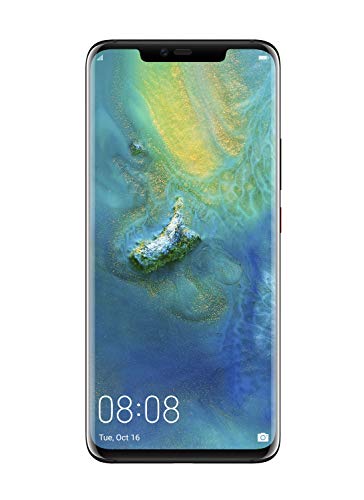
Huawei Mate20 Pro (6GB + 128GB) review. Compare 197 technical specifications and user reviews to see how this product ranks in the Smartphones category and whether it is worth buying.
Overall score
What it is: An overall evaluation of the smartphone's quality, based on technical analyses and user reviews.
When it matters: When you need a quick reference to identify the best smartphones on the market.
Score components:
90.0%
Technical Score
10.0%
User score
Technical Score
What it is: An assessment of the smartphone's technical performance, covering eight key areas: performance & hardware, software, camera, connectivity, display, battery, audio, and design.
When it matters: When you want to compare smartphones based on technical performance and available features.
Score components:
25.0%
Performance & Hardware
18.0%
Camera
15.0%
Display
15.0%
Battery
10.0%
Software
10.0%
Connectivity
4.0%
Audio
3.0%
Design
User score
What it is: A rating that combines user reviews and the total number of reviews received by the smartphone
When it matters: When you want to know how a smartphone handles daily tasks and how reliable it remains over time according to user feedback.
Score components:
70.0%
User reviews
30.0%
Popularity

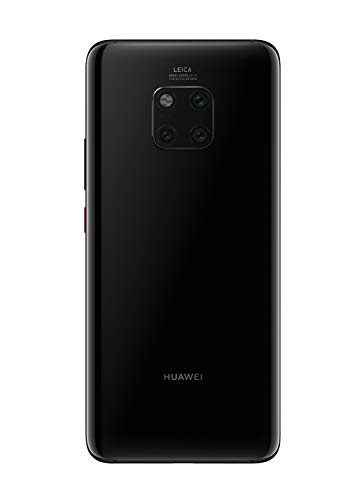
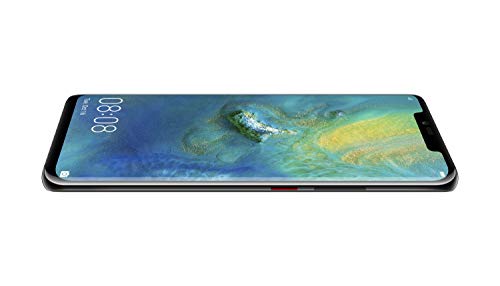
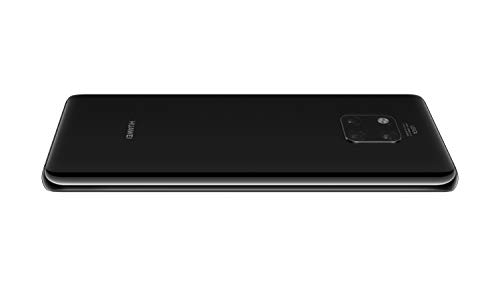
Available: ranking among products currently available (including other versions of this product).
All: ranking among all products in the database.
#21 in Best Huawei Phones
#130 in Best Smartphones Under £200
#143 in Best Camera Smartphones
#224 in Best Smartphones Under £250
#315 in Best Smartphones Under £300
#429 in Best Smartphones Under £400
#441 in Best Chinese Smartphones
#459 in Best Value Smartphones
#494 in Best Smartphones Under £500
#643 in Best NFC Smartphones
#652 in Best Android Smartphones
#687 in Best AI Smartphones
#690 in Best Smartphones
#845 in Best Battery Life Smartphones
What it is: An assessment of the smartphone's technical performance, covering eight key areas: performance & hardware, software, camera, connectivity, display, battery, audio, and design.
When it matters: When you want to compare smartphones based on technical performance and available features.
Score components:
25.0%
Performance & Hardware
18.0%
Camera
15.0%
Display
15.0%
Battery
10.0%
Software
10.0%
Connectivity
4.0%
Audio
3.0%
Design
What it is: A rating that combines user reviews and the total number of reviews received by the smartphone
When it matters: When you want to know how a smartphone handles daily tasks and how reliable it remains over time according to user feedback.
Score components:
70.0%
User reviews
30.0%
Popularity
What it is: An indicator that combines the smartphone's overall rating with its cost.
When it matters: When you are looking for a smartphone with a good balance between quality and price.
Score components:
60.0%
Overall score
40.0%
Price
Importance: LOW
Importance: HIGH
Importance: HIGH
Good value: >12 GB
Importance: MEDIUM
Good value: >256 GB
Importance: MEDIUM
Good value: >3.2 GHz
Importance: LOW
Importance: MEDIUM
Good value: >1500
Importance: LOW
Good value: >4000
Importance: LOW
Good value: 8+
Importance: LOW
Importance: LOW
Good value: >950 MHz
Importance: LOW
Good value: >700
Importance: LOW
Good value: >1000
Importance: LOW
Good value: >2500
Importance: MEDIUM
Good value: >6000
Importance: LOW
Good value: >8000
Importance: MEDIUM
Good value: >12000
Importance: LOW
Good value: >5000
Importance: LOW
Good value: >1800
Importance: LOW
Good value: >3200 MHz
Importance: LOW
Good value: 5
Importance: LOW
Good value: > 50 GB/s
Importance: LOW
Good value: 4
Importance: LOW
Good value: >16 GB
Importance: MEDIUM
Good value: <6 nm
Importance: MEDIUM
Good value: >9 W
Importance: LOW
Importance: LOW
Good value: >8192 KB
Importance: LOW
Good value: >2048 KB
Importance: LOW
Good value: >512 KB
Importance: LOW
Good value: >100000 million
Importance: LOW
Good value: 3.3
Importance: LOW
Good value: 3.2
Importance: LOW
Good value: 2.0/3.0
Importance: LOW
Importance: LOW
Importance: LOW
Importance: MEDIUM
Importance: LOW
Importance: LOW
Importance: LOW
Importance: LOW
Importance: LOW
Importance: LOW
Importance: LOW
Importance: LOW
Importance: LOW
Importance: LOW
Importance: LOW
Importance: LOW
Importance: LOW
Importance: LOW
Importance: LOW
Importance: LOW
Importance: LOW
Importance: LOW
Importance: LOW
Importance: LOW
Importance: LOW
Importance: LOW
Importance: LOW
Importance: LOW
Importance: LOW
Importance: LOW
Importance: LOW
Importance: LOW
Importance: LOW
Importance: LOW
Importance: LOW
Importance: LOW
Importance: LOW
Importance: MEDIUM
Good value: >50 MP
Importance: MEDIUM
Importance: HIGH
Good value: >60
Importance: LOW
Good value: ≥1.2 µm
Importance: MEDIUM
Good value: >2.5x
Importance: MEDIUM
Importance: LOW
Importance: LOW
Importance: LOW
Importance: LOW
Good value: ≥2
Importance: LOW
Importance: LOW
Importance: LOW
Importance: LOW
Good value: >16 MP
Importance: LOW
Importance: LOW
Importance: LOW
Importance: LOW
Importance: MEDIUM
Importance: LOW
Importance: LOW
Importance: LOW
Importance: LOW
Importance: LOW
Importance: LOW
Importance: LOW
Importance: LOW
Importance: LOW
Importance: LOW
Importance: LOW
Importance: LOW
Importance: LOW
Importance: LOW
Importance: LOW
Importance: LOW
Importance: LOW
Importance: LOW
Importance: LOW
Importance: LOW
Importance: LOW
Good value: >130
Importance: LOW
Good value: >120
Importance: LOW
Good value: ≥2
Importance: LOW
Importance: LOW
Importance: LOW
Importance: LOW
Importance: LOW
Importance: LOW
Good value: >5.2
Importance: LOW
Importance: LOW
Importance: LOW
Importance: LOW
Good value: 3.1/3.2
Importance: LOW
Importance: LOW
Importance: LOW
Good value: ≥2
Importance: LOW
Importance: LOW
Importance: LOW
Importance: LOW
Importance: LOW
Importance: LOW
Importance: LOW
Importance: LOW
Importance: LOW
Importance: LOW
Importance: LOW
Importance: LOW
Importance: LOW
Importance: LOW
Importance: LOW
Importance: LOW
Good value: ≥6.6 inches
Importance: MEDIUM
Importance: LOW
Good value: >400 ppi
Importance: MEDIUM
Importance: MEDIUM
Good value: ≥120 Hz
Importance: LOW
Importance: LOW
Good value: >300 Hz
Importance: LOW
Good value: >800 nits
Importance: LOW
Good value: >1300 nits
Importance: LOW
Good value: >1000 nits
Importance: LOW
Importance: LOW
Importance: LOW
Importance: LOW
Importance: LOW
Importance: LOW
Importance: LOW
Importance: LOW
Importance: HIGH
Good value: >5000 mAh
Importance: MEDIUM
Good value: >60 W
Importance: LOW
Importance: LOW
Good value: <45 min
Importance: LOW
Importance: LOW
Good value: >40 W
Importance: LOW
Importance: LOW
Good value: >10 W
Importance: LOW
Importance: LOW
Importance: MEDIUM
Importance: LOW
Good value: >800
Importance: LOW
Importance: LOW
Importance: LOW
Importance: LOW
Importance: LOW
Good value: ≥3
Importance: LOW
Importance: LOW
Importance: LOW
Importance: LOW
Importance: LOW
Importance: LOW
Importance: LOW
Good value: <162 mm
Importance: LOW
Good value: <75 mm
Importance: LOW
Good value: <8 mm
Importance: LOW
Good value: <190 g
Importance: LOW
Good value: <98cm³
Importance: LOW
Importance: LOW
Importance: LOW
Importance: LOW
Importance: LOW
Importance: LOW
Good value: ≥1.5 m
Importance: LOW
Importance: LOW
Good value: >8
Importance: LOW
Importance: LOW
Importance: MEDIUM
Good value: >2.5x
Importance: MEDIUM
Importance: LOW
Importance: MEDIUM
Importance: LOW
Good value: >400 ppi
Importance: LOW
Importance: LOW
Importance: LOW
Importance: MEDIUM
Good value: ≥120 Hz
Importance: LOW
Importance: MEDIUM
Good value: >256 GB
Importance: LOW
Importance: LOW
Importance: HIGH
Good value: >5000 mAh
Importance: LOW
Good value: >950 MHz
Importance: MEDIUM
Good value: >50 MP
(Reviews last updated: August 2026)
The Business Insider review positions the 2018 Huawei Mate 20 Pro as a top-tier "statement phone," praising its 6.39-inch OLED display, high-end design, and advanced biometric security, which includes both 3D face recognition and an in-screen fingerprint sensor. Performance is driven by the Kirin 980 chip, while the Leica triple-lens camera features a standout ultra-wide lens for macro shots, complemented by a long-lasting 4,200mAh battery that can wirelessly charge other devices. Cons include significant pre-installed software bloatware, a large display notch, and a premium price point of nearly $1,000/£1,000, with some features not available at launch.
The Huawei Mate 20 Pro is a 2019 flagship featuring a 6.39-inch OLED display, the Kirin 980 chipset, and a versatile Leica triple-camera system, offering high-end performance despite software clutter. Key pros include a 4,200mAh battery with 40W fast charging, reverse wireless charging capability, and a capable, albeit complex, camera setup. Significant drawbacks include pre-installed "bloatware" that is difficult to remove, a large display notch for 3D facial recognition, no headphone jack, and the use of proprietary "nano memory" for storage expansion.
CGMagazine describes the Huawei Mate 20 Pro as a premium, "flagship-worthy" device powered by the 7nm Kirin 980 chipset, which delivers smooth, high-performance gaming and daily operation. The smartphone is praised for its exceptional battery life, exceeding 20 hours of heavy use, alongside a versatile Leica triple-camera system that excels in low-light photography. While the camera system is a major pro, potential cons include the lack of a 3.5mm headphone jack, a slow reverse wireless charging feature, and AI, which can occasionally over-process images.
The MobileSyrup review hails the Huawei Mate 20 Pro as a "spectacular" top-tier smartphone featuring a 6.39-inch OLED display, the Kirin 980 processor, a 40W SuperCharge system, and reverse wireless charging. Its Leica triple camera system is highly versatile, offering a 40MP main sensor, Super Macro mode, and strong low-light capabilities, though the 24MP selfie camera is underwhelming. Despite high praise for the hardware, the phone is constrained by an unpolished EMUI 9 software experience, the lack of a 3.5mm headphone jack, a high price point, and the use of proprietary Nano Memory cards.
The Huawei Mate 20 Pro positions itself as a top-tier flagship rival to the iPhone XS Max, featuring a 6.39-inch OLED display with a high-resolution 1440p panel. Driven by the powerful Kirin 980 chipset, the device boasts advanced features like 3D face scanning and an in-screen fingerprint sensor. Its standout camera system utilizes a versatile 40MP Leica triple-lens array, capable of impressive low-light and Battery life is a major strength, with a 4,200mAh capacity that can last two days, supported by rapid 40W charging. However, the EMUI interface is noted for being cluttered, and the device lacks a 3.5mm headphone jack. Furthermore, the phone utilizes proprietary Nano Memory (NM) cards for storage rather than standard microSD, and video recording, while high-quality, lacks top-tier stabilization. These detailed reviews compare the Huawei Mate 20 Pro's features and performance against rivals like the iPhone XS Max.Huawei Mate 20 Pro review: a new iPhone XS Max rival arisesNov 2, 2018 — Sign up for The Week's Free Newsletters * Performance and display. (Image credit: Huawei) The Mate 20 Pro handled everything we de...The WeekHuawei...
Paul Thurrott’s review describes the Huawei Mate 20 Pro as a superior, powerful device featuring a stunning curved OLED display, industry-leading Leica triple-camera system, and advanced features like two-way wireless charging. Despite the excellent hardware, the phone is criticized for its "messy" EMUI 9 software, which is plagued with unremovable bloatware and unnecessary duplicate applications. While praised for performance, the device is noted for its high price, slippery, fragile glass body, and inconsistent in-display fingerprint sensor. For US users, the device faces significant hurdles regarding limited availability, lack of warranty support, and carrier restrictions. Thurrott.com
The Huawei Mate 20 Pro is a high-end Android flagship that excels as a versatile all-rounder, particularly noted for its sophisticated triple-camera system. It features a 40MP main sensor, an 8MP telephoto lens with 3x optical zoom, and a 20MP ultra-wide lens that also enables impressive 2.5cm macro photography. Powered by the Kirin 980 processor—the first 7nm chip in an Android phone—it delivers a significant performance boost over its predecessors and supports advanced AI features like real-time video stabilization and object recognition. The device is packed with innovative hardware, including an in-screen fingerprint sensor, 3D face scanning, and a large 4200mAh battery that supports remarkably fast 40W wired charging and 15W wireless charging. A standout "party trick" is its reverse wireless charging, which allows it to power up other Qi-compatible devices. Its design is equally premium, featuring a 6.39-inch OLED display with curved edges and an IP68 water resistance rating, making it both aesthetic and durable. Despite its strengths, the phone has some notable cons, such as inconsistent screen colour accuracy and the lack of an auto HDR mode in...
The XDA Developers review highlights the Huawei Mate 20 Pro as a versatile, premium-built flagship with a standout 6.39-inch Quad HD+ OLED display and exceptional 40W fast-charging for its 4,200mAh battery. The camera system, featuring a Leica-branded triple-lens setup, offers immense creative flexibility with improved, faster Master AI scene detection. However, the, camera can over-process images with aggressive noise reduction, and the device utilizes a, restrictive proprietary Nano Memory card slot rather than standard microSD. Key drawbacks also include a slower in-display fingerprint sensor, a prominent display notch, and a lack of a 3.5mm headphone jack, according to the review.
In a 2018 Forbes review, the Huawei Mate 20 Pro is highlighted as an exceptionally feature-packed device, boasting a 6.4-inch curved OLED display, a 3D facial scanning system, and a highly responsive in-display fingerprint reader. Key pros include an "epic" 4,200 mAh battery with 40W fast charging and a versatile triple-camera system, which excels in macro photography. The review notes that while the camera is capable, the ultra-wide lens lacks the detail of the main sensor in low-light conditions. Finally, the experience is slightly dampened by the cluttered EMUI 9.0 software and a premium, high price point.
The Huawei Mate 20 Pro is recognized as a feature-rich flagship offering a stunning 6.39-inch OLED display, a versatile Leica triple-camera system, and exceptional 4,200mAh battery life with 40W fast charging. Powered by the Kirin 980 chipset, the device features advanced capabilities like an in-display fingerprint sensor and reverse wireless charging, all housed in an ergonomic, water-resistant design. Despite these strengths, the review notes drawbacks including the bloatware-heavy EMUI software, lack of a 3.5mm headphone jack, and the use of proprietary Nano Memory cards.
The Huawei Mate 20 Pro is described by The Guardian as a "refined, beautiful piece of hardware" featuring a 6.39-inch curved OLED display and a secure, grippy texture. Key, innovative, and highly-praised features include rapid 3D infrared facial recognition, a futuristic in-display fingerprint sensor, and a 4,200mAh battery offering up to two days of life with 40W charging. While the triple-camera system provides excellent, versatile shooting options, the review notes drawbacks, including the clunky EMUI 9 software, a high £900 price point, and the use of proprietary Nano Memory (NM) cards.
The Huawei Mate 20 Pro, reviewed by TechRadar, stands out as a feature-packed flagship, boasting MP Leica triple-camera system, a sharp 6.39-inch OLED display, and the powerful 7nm Kirin 980 chipset. Key pros include 40W fast charging, IP68 water resistance, reverse wireless charging capabilities, and advanced 3D face unlock. However, the device is hindered by the bloated EMUI software interface and the lack of a traditional headphone jack. The switch to proprietary Nano Memory cards for expandable storage is another notable inconvenience, as they are more expensive and harder to source. While innovative, the in-screen fingerprint sensor is noted to be slower than conventional sensors, and the high initial price point poses a barrier for some users. Despite these drawbacks, the phone is highly regarded for its top-tier camera versatility and overall performance.
After a year of use, the NextPit review confirms the Huawei Mate 20 Pro remains a high-end, premium-feeling device featuring a versatile Leica triple camera system, exceptional battery life, and rapid 40W charging. Despite these strengths, the device is held back by an imprecise in-display fingerprint sensor, a large notch, and aggressive power management in EMUI 10. Additionally, the proprietary NM card slot and uncertain long-term software support represent notable drawbacks, though it remains a strong, cost-effective performer.
Four months post-launch, the Frandroid review finds the Huawei Mate 20 Pro remains a top-tier, high-performance flagship with a 6.39-inch OLED display, powerful Kirin 980 chipset, and long-lasting 4,200 mAh battery. The versatile Leica triple-camera system is a major strength, now featuring improved, less aggressive Master AI processing alongside rapid 40W charging. However, the device is considered frustrating due to the divisive EMUI 9 software, the lack of a 3.5mm jack, reliance on proprietary NM cards, and a sometimes inconsistent in-display fingerprint sensor.
The Huawei Mate 20 Pro review from Le Monde Numérique spotlights the device as a high-end, stylish powerhouse featuring a 6.39-inch AMOLED Quad HD display and advanced biometrics, including an in-display fingerprint sensor and 3D face unlock. Powered by the Kirin 980 chipset, it offers exceptional performance, complemented by a 4,200 mAh battery that comfortably lasts two days and supports rapid 40W charging. The Leica triple-lens camera system ( MP) provides versatile, high-quality photography, though drawbacks include the absence of a headphone jack, reliance on proprietary Nano Memory cards, and a potential for muffled sound when charging.
Alex’s review on Top-for-Phone.fr highlights the Huawei Mate 20 Pro as a premium, high-performance device featuring an elegant, durable glass design, an excellent 6.39-inch AMOLED display, and a versatile, high-quality triple Leica camera system. Powered by the 7nm Kirin 980 chipset, the phone offers stellar performance and long battery life bolstered by rapid 40W SuperCharge technology. Despite these strengths, the review notes drawbacks including the heavy EMUI 9.0 software, the requirement of a proprietary Nano Memory card for storage expansion, and sound distortion caused by the speaker's location inside the USB-C port.
According to the Labo Fnac review, the Huawei Mate 20 Pro is a high-end, versatile flagship featuring a 6.39-inch AMOLED display and a 40W SuperCharge system. Key strengths include the powerful Kirin 980 chipset, a versatile Leica-engineered triple camera setup, and secure 3D face unlock. However, the device is hindered by a clunky EMUI software interface, the lack of a 3.5mm headphone jack, and the requirement for proprietary NM cards for storage expansion.
The Huawei Mate 20 Pro is highlighted as a highly innovative, premium device featuring a 6.39-inch AMOLED display and a unique textured glass body designed to reduce smudges and improve grip. Key pros include an exceptional 4,200mAh battery lasting up to two days and 40W SuperCharge technology, enabling a 70% charge in 30 minutes. The device features a versatile Leica triple-camera system with a 20MP ultra-wide lens that excels in low-light "Night Mode" and macro photography. Powered by the 7nm Kirin 980 chipset, it offers robust performance for gaming and multitasking, alongside unique features like reverse wireless charging. Conversely, the phone's cons include a cluttered EMUI software skin and an in-display fingerprint sensor that is less reliable than traditional alternatives. Further drawbacks include the lack of a headphone jack, the use of proprietary "Nano Memory" cards, and a muffled speaker when charging. Read more about this review at Presse-citron.
The Journal du Geek review describes the Huawei Mate 20 Pro as a 2018 technical powerhouse, merging top-tier innovations like a 6.39-inch OLED display and the efficient Kirin 980 processor into a premium design. Key strengths include a versatile Leica triple-lens camera, exceptional battery life with 40W charging, and reliable performance. However, the device is criticized for its heavy EMUI software, a slow in-display fingerprint sensor, lack of a headphone jack, and reliance on proprietary NM cards for storage.
Les Numériques praises the Huawei Mate 20 Pro for its superb OLED screen, robust Kirin 980 performance, and high-quality build. The versatile Leica triple-camera system, along with excellent battery life and fast charging, makes it a top-tier performer, though it faces competition from newer devices. Despite these strengths, reviewers note drawbacks including a cluttered EMUI interface, the need for proprietary NM cards for storage, and a muffled speaker.
The Huawei Mate 20 Pro features a sleek, compact design with a vibrant 6.39-inch OLED screen, powered by the efficient Kirin 980 7nm chip. Its versatile Leica triple-camera system, including a 40MP main and 20MP ultra-wide sensor, delivers high-quality, flexible photography, though the aggressive Master AI can sometimes produce unnatural, oversaturated images. The device excels with a 4,200 mAh battery and 40W charging, while featuring advanced, albeit slightly slow, in-display fingerprint and 3D face authentication. Drawbacks include a cluttered EMUI 9 software experience, the absence of a 3.5mm headphone jack, and reliance on proprietary Nano Memory cards.
The Gadgerss review highlights the Huawei Mate 20 Pro as a "technological marvel" of its time, praising its premium design, 6.39-inch AMOLED display, and powerful Kirin 980 performance. Key advantages include an exceptional triple Leica camera system, a 4,200 mAh battery with fast 40W charging, 3D face unlock, and innovative features like reverse wireless charging. While the device excels in performance, the review notes drawbacks such as the high price, clunky EMUI 9.0 software, lack of a 3.5mm headphone jack, and reliance on proprietary NM memory cards.
The Profesional Review analysis highlights the Huawei Mate 20 Pro as a premium, engineering-focused device featuring a vibrant 6.39-inch curved AMOLED display and the high-performance Kirin 980 chipset. Its Leica-engineered triple-lens camera is praised for exceptional versatility, including super-macro capabilities and superior low-light performance, though the AI sometimes over-processes images. Key advantages include a 4,200mAh battery with rapid 40W charging, in-screen fingerprint sensing, and unique reverse wireless charging, while drawbacks include clunky EMUI software and the use of proprietary Nano Memory cards.
The Huawei Mate 20 Pro, reviewed by RPP Noticias, is described as a "technological beast" featuring a 6.39-inch QHD+ AMOLED display with a 40MP Leica triple camera system that includes a versatile ultra-wide-angle lens. Driven by the 7nm Kirin 980 chipset, the device delivers high performance paired with a 4,200 mAh battery that supports 40W SuperCharge and unique reverse wireless charging. While praising its innovation, the review notes cons such as a slippery, fingerprint-prone glass back, less reliable in-display fingerprint sensor, pre-installed bloatware in EMUI, and the lack of a 3.5mm headphone jack.
The Huawei Mate 20 Pro is presented as a premier 2018 flagship featuring a 6.39-inch OLED display, the powerful Kirin 980 processor, IP68 resistance, and advanced 3D face unlock, though it lacks a 3.5mm jack and uses proprietary NM cards. The Leica-engineered triple camera offers exceptional versatility and industry-leading night mode, yet suffers from overly aggressive, sometimes unnatural image processing. Exceptional 40W fast charging and long-lasting 4200 mAh battery life are major pros, while the EMUI software is described as functional but clunky compared to stock Android.
The Huawei Mate 20 Pro is a flagship featuring a 6.39-inch 2K+ OLED display and the 7nm Kirin 980 chipset. Its standout camera system utilizes a 40MP main, 8MP telephoto, and a 20MP ultra-wide-angle lens for versatile, high-quality photography. Key strengths include a 4,200 mAh battery with 40W fast charging and innovative reverse wireless charging, along with IP68 resistance. However, the device utilizes a proprietary NM card slot instead of microSD and features a heavy EMUI 9.0 interface. The premium, curved glass design is visually appealing but can be slippery and prone to accidental touches.
The Huawei Mate 20 Pro represents a significant leap for the company, featuring a 6.39-inch AMOLED display, a distinctive "hyper-optical pattern" glass design, and a powerful Leica triple-camera system driven by the 7nm Kirin 980 chipset. It excels with advanced biometric security, including in-display fingerprint sensors and 3D face unlock, alongside a 4,200 mAh battery supporting 40W SuperCharge and 15W reverse wireless charging. However, the device is hindered by a clunky EMUI 9 software experience, the use of proprietary "Nano Memory" cards, and occasional oversaturation in camera images.
Following 30 days of use, the Xataka review describes the Huawei Mate 20 Pro as a highly reliable, premium device that refines the flagship experience, featuring an ergonomic 6.39-inch AMOLED display. Key strengths include an exceptional battery life lasting up to two days, 40W SuperCharge technology, and a versatile Leica triple camera system with impressive low-light performance. However, the analysis notes drawbacks such as excessive, pre-installed software in EMUI, a sometimes unreliable in-display fingerprint sensor, and occasional unnatural AI post-processing in photos.
The Huawei Mate 20 Pro, analyzed by Gizlogic, is a 2018 flagship featuring a 6.39-inch 2K+ OLED display and a 7nm Kirin 980 processor. The device boasts a versatile Leica triple-camera system ( MP) with an ultra-wide sensor, exceptional 4,200 mAh battery life, and fast 40W charging. Key pros include the versatile camera, stunning display, and innovative features like reverse wireless charging, while cons highlight the bloatware-heavy EMUI software, proprietary NM card storage, and lack of a headphone jack. The review concludes the phone offers top-tier, albeit expensive, performance for its time.
The Huawei Mate 20 Pro features a 6.39-inch curved OLED display, the 7nm Kirin 980 processor, and a versatile Leica triple camera system, including a 40MP main sensor and 20MP ultra-wide lens. Its 4,200mAh battery supports 40W fast charging, allowing a 70% charge in 30 minutes. Key drawbacks include the high price, lack of a 3.5mm headphone jack, reliance on proprietary Nano Memory (NM) cards, and EMUI 9 software issues.
The Huawei Mate 20 Pro is a high-end flagship featuring a 6.39-inch OLED display, a unique textured glass back, and the Kirin 980 chipset, offering top-tier performance and security, including an in-display fingerprint scanner. Its standout Leica-engineered triple-camera system (40MP wide, 20MP ultra-wide, 8MP telephoto) delivers excellent versatility, including a Super Macro mode and 5x hybrid zoom. While the 4,200mAh battery provides excellent, long-lasting performance with fast 40W charging, users may find the EMUI software heavy, the lack of a 3.5mm headphone jack limiting, and the reliance on proprietary NM Read a detailed analysis of the Huawei Mate 20 Pro on Trusted Reviews.
The Huawei Mate 20 Pro features a 6.39-inch OLED display, a premium design with curved glass, and a unique "hyper-optical pattern" on the back for improved grip and fingerprint resistance. Pros include the powerful Kirin 980 chipset, an versatile Leica triple-camera system, and a 4,200mAh battery supporting 40W fast charging. Cons involve the aggressive EMUI 9 software, a large screen notch limiting notification space, the lack of a headphone jack, and the use of proprietary Nano Memory cards.
The Huawei Mate 20 Pro is recognized as a premium device, balancing a 6.39-inch 2K OLED screen with the power-efficient Kirin 980 AI chipset. Its design utilizes 3D glass, while functionality is driven by a Leica Triple AI camera (40MP main, 20MP ultra-wide, 8MP telephoto) that provides exceptional shooting flexibility and a macro mode. Key strengths include a long-lasting 4,200mAh battery supporting 40W wired charging and wireless reverse charging. Security is handled by both in-screen fingerprint and 3D facial recognition, ensuring a secure user experience. Conversely, the EMUI interface is noted for being somewhat cluttered compared to stock Android. Additional drawbacks include potential reflections from the curved screen edges, the lack of a 3.5mm headphone jack, and the requirement for proprietary Nano Memory cards for storage expansion.
The Hardware Info review deems the Huawei Mate 20 Pro and Mate 20 as "checkmate" for competitors, powered by the efficient 7nm Kirin 980 processor. The Pro model stands out with a 6.39-inch curved OLED display, while the standard Mate 20 features a larger 6.53-inch flat LCD panel. Both devices excel in battery life, with the Pro supporting 40W fast charging and reverse wireless charging. The Leica-developed camera system is a highlight, featuring a 40MP main, 20MP ultra-wide, and 8MP telephoto lens on the Pro for superior versatility, macro capabilities, and night mode. The standard Mate 20 uses a 12MP main sensor, lacking the Pro's image stabilization and 3x optical zoom. The Pro also includes advanced 3D face unlock and an in-display fingerprint sensor. Key pros include exceptional performance, long battery life, and high-end hardware, while cons include the use of proprietary NM memory cards and a heavy EMUI 9 software skin. The devices also lack 4K 60fps video recording, a standard in many competitors.
The Huawei Mate 20 Pro features a 6.39-inch OLED display, a powerful Kirin 980 7nm processor, and a versatile Leica triple-camera system, including impressive macro and night mode capabilities. It introduced innovative features such as 40W SuperCharge technology, enabling a 70% charge in 30 minutes, and a fast in-display fingerprint sensor. While praised for its performance and battery, the device is criticized for its cluttered EMUI software, a large notch for 3D facial recognition, and the use of proprietary NM cards for storage expansion.
The Huawei Mate 20 Pro is a high-end flagship featuring a 6.39-inch curved OLED display and the 7nm Kirin 980 chipset. Key strengths include a highly versatile triple camera system (40MP wide, 20MP ultra-wide, 8MP telephoto), 40W fast wired charging, and extensive battery life. The device also introduces advanced features like 3D face unlock, an in-display fingerprint sensor, and reverse Despite its premium build, the device is held back by the heavy, often criticized EMUI software skin. Hardware drawbacks include the absence of a 3.5mm headphone jack and reliance on proprietary Nano Memory cards for storage expansion. Furthermore, the bottom-firing speaker can become muffled when a charging cable is attached, and the curved screen edges are prone to reflections. Overall, the Mate 20 Pro is positioned as a feature-packed, innovative Android device, offering top-tier performance at the expense of user-experience polish in its software and some minor hardware compromises. For a similar, highly technical review in English, read the analysis at Trusted Reviews.
The Androidworld review highlights the Huawei Mate 20 Pro as an ambitious "full-option" flagship, praising its premium 6.39-inch QHD OLED display, rapid 3D Face Unlock, and innovative in-display fingerprint sensor. The device excels with a versatile Leica Triple Camera system—featuring a 20MP ultra-wide lens—alongside top-tier performance from the 7nm Kirin 980 chipset and exceptional battery life supported by 40W fast charging. However, the review notes drawbacks including the heavily skinned EMUI 9.0 software, the requirement for proprietary NM memory cards, a high price point, and the lack of a 3.5mm headphone jack.
Hardware.info concludes the Huawei Mate 20 Pro and Mate 20 set a new standard for flagship smartphones, offering a superior blend of performance and innovation. The Mate 20 Pro stands out with its 6.39-inch curved AMOLED display, Kirin 980 processor, and a highly versatile Leica triple-camera system featuring 3x optical zoom and macro capabilities. While the 4,200mAh battery with 40W charging and advanced biometric security are highlighted as key advantages, the software experience is marred by the complex EMUI 9.0 interface. The use of proprietary Nano Memory cards and the lack of a headphone jack on the Pro model are noted as disadvantages, although the standard Mate 20 offers an alternative with a headphone jack.
The Huawei Mate 20 Pro features a premium, curved 6.39-inch OLED display with an in-display fingerprint scanner and is powered by the Kirin 980 chipset, delivering high-end, versatile performance. The device is highlighted for its Leica triple-camera system, which excels with an ultra-wide-angle lens, impressive macro capabilities, and a 4200mAh battery supporting 40W fast charging. While praised for hardware, the review notes drawbacks including a heavy EMUI software interface, the use of proprietary NM memory cards, and a prominent screen notch.
The Huawei Mate 20 Pro, analyzed by Tweakers, is a high-end flagship justifying its €999 price tag with significant technical innovations, including a versatile 40MP triple-camera system, a 6.39-inch 1440p OLED screen, and a fast Kirin 980 chipset. Key advantages highlighted in the review include the rapid 40W SuperCharge (4200mAh battery to ~70% in 30 minutes), reliable 3D face scanning, and unique features like reverse wireless charging. However, the review notes drawbacks, such as the, for some, unpolished software, the lack of a 3.5mm jack, and the move to proprietary Nano Memory cards. A major design flaw highlighted is the speaker integrated into the USB-C port, which muffles sound when charging.

Compare