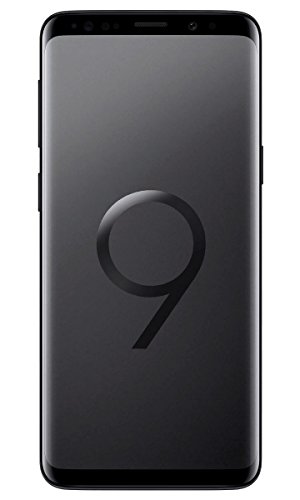
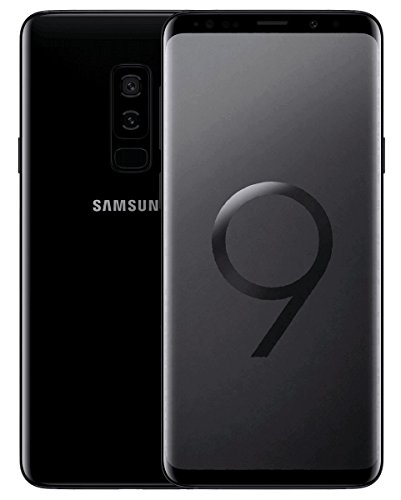
Samsung Galaxy S9 Plus (6GB + 128GB) review. Compare 197 technical specifications and user reviews to see how this product ranks in the Smartphones category and whether it is worth buying.
Overall score
What it is: An overall evaluation of the smartphone's quality, based on technical analyses and user reviews.
When it matters: When you need a quick reference to identify the best smartphones on the market.
Score components:
90.0%
Technical Score
10.0%
User score
Technical Score
What it is: An assessment of the smartphone's technical performance, covering eight key areas: performance & hardware, software, camera, connectivity, display, battery, audio, and design.
When it matters: When you want to compare smartphones based on technical performance and available features.
Score components:
25.0%
Performance & Hardware
18.0%
Camera
15.0%
Display
15.0%
Battery
10.0%
Software
10.0%
Connectivity
4.0%
Audio
3.0%
Design
User score
What it is: A rating that combines user reviews and the total number of reviews received by the smartphone
When it matters: When you want to know how a smartphone handles daily tasks and how reliable it remains over time according to user feedback.
Score components:
70.0%
User reviews
30.0%
Popularity
Available: ranking among products currently available (including other versions of this product).
All: ranking among all products in the database.
#39 in Best 6-Inch Smartphones
#72 in Best Samsung Phones
#98 in Best Smartphones Under £200
#178 in Best Smartphones Under £250
#185 in Best Camera Smartphones
#260 in Best Smartphones Under £300
#368 in Best Smartphones Under £400
#376 in Best Value Smartphones
#430 in Best Smartphones Under £500
#582 in Best Android Smartphones
#583 in Best NFC Smartphones
#619 in Best AI Smartphones
#620 in Best Smartphones
What it is: An assessment of the smartphone's technical performance, covering eight key areas: performance & hardware, software, camera, connectivity, display, battery, audio, and design.
When it matters: When you want to compare smartphones based on technical performance and available features.
Score components:
25.0%
Performance & Hardware
18.0%
Camera
15.0%
Display
15.0%
Battery
10.0%
Software
10.0%
Connectivity
4.0%
Audio
3.0%
Design
What it is: A rating that combines user reviews and the total number of reviews received by the smartphone
When it matters: When you want to know how a smartphone handles daily tasks and how reliable it remains over time according to user feedback.
Score components:
70.0%
User reviews
30.0%
Popularity
What it is: An indicator that combines the smartphone's overall rating with its cost.
When it matters: When you are looking for a smartphone with a good balance between quality and price.
Score components:
60.0%
Overall score
40.0%
Price
Importance: LOW
Importance: HIGH
Importance: HIGH
Good value: >12 GB
Importance: MEDIUM
Good value: >256 GB
Importance: MEDIUM
Good value: >3.2 GHz
Importance: LOW
Importance: MEDIUM
Good value: >1500
Importance: LOW
Good value: >4000
Importance: LOW
Good value: 8+
Importance: LOW
Importance: LOW
Good value: >950 MHz
Importance: LOW
Good value: >700
Importance: LOW
Good value: >1000
Importance: LOW
Good value: >2500
Importance: MEDIUM
Good value: >6000
Importance: LOW
Good value: >8000
Importance: MEDIUM
Good value: >12000
Importance: LOW
Good value: >5000
Importance: LOW
Good value: >1800
Importance: LOW
Good value: >3200 MHz
Importance: LOW
Good value: 5
Importance: LOW
Good value: > 50 GB/s
Importance: LOW
Good value: 4
Importance: LOW
Good value: >16 GB
Importance: MEDIUM
Good value: <6 nm
Importance: MEDIUM
Good value: >9 W
Importance: LOW
Importance: LOW
Good value: >8192 KB
Importance: LOW
Good value: >2048 KB
Importance: LOW
Good value: >512 KB
Importance: LOW
Good value: >100000 million
Importance: LOW
Good value: 3.3
Importance: LOW
Good value: 3.2
Importance: LOW
Good value: 2.0/3.0
Importance: LOW
Importance: LOW
Importance: LOW
Importance: MEDIUM
Importance: LOW
Importance: LOW
Importance: LOW
Importance: LOW
Importance: LOW
Importance: LOW
Importance: LOW
Importance: LOW
Importance: LOW
Importance: LOW
Importance: LOW
Importance: LOW
Importance: LOW
Importance: LOW
Importance: LOW
Importance: LOW
Importance: LOW
Importance: LOW
Importance: LOW
Importance: LOW
Importance: LOW
Importance: LOW
Importance: LOW
Importance: LOW
Importance: LOW
Importance: LOW
Importance: LOW
Importance: LOW
Importance: LOW
Importance: LOW
Importance: LOW
Importance: LOW
Importance: LOW
Importance: MEDIUM
Good value: >50 MP
Importance: MEDIUM
Importance: HIGH
Good value: >60
Importance: LOW
Good value: ≥1.2 µm
Importance: MEDIUM
Good value: >2.5x
Importance: MEDIUM
Importance: LOW
Importance: LOW
Importance: LOW
Importance: LOW
Good value: ≥2
Importance: LOW
Importance: LOW
Importance: LOW
Importance: LOW
Good value: >16 MP
Importance: LOW
Importance: LOW
Importance: LOW
Importance: LOW
Importance: MEDIUM
Importance: LOW
Importance: LOW
Importance: LOW
Importance: LOW
Importance: LOW
Importance: LOW
Importance: LOW
Importance: LOW
Importance: LOW
Importance: LOW
Importance: LOW
Importance: LOW
Importance: LOW
Importance: LOW
Importance: LOW
Importance: LOW
Importance: LOW
Importance: LOW
Importance: LOW
Importance: LOW
Importance: LOW
Good value: >130
Importance: LOW
Good value: >120
Importance: LOW
Good value: ≥2
Importance: LOW
Importance: LOW
Importance: LOW
Importance: LOW
Importance: LOW
Importance: LOW
Good value: >5.2
Importance: LOW
Importance: LOW
Importance: LOW
Importance: LOW
Good value: 3.1/3.2
Importance: LOW
Importance: LOW
Importance: LOW
Good value: ≥2
Importance: LOW
Importance: LOW
Importance: LOW
Importance: LOW
Importance: LOW
Importance: LOW
Importance: LOW
Importance: LOW
Importance: LOW
Importance: LOW
Importance: LOW
Importance: LOW
Importance: LOW
Importance: LOW
Importance: LOW
Importance: LOW
Good value: ≥6.6 inches
Importance: MEDIUM
Importance: LOW
Good value: >400 ppi
Importance: MEDIUM
Importance: MEDIUM
Good value: ≥120 Hz
Importance: LOW
Importance: LOW
Good value: >300 Hz
Importance: LOW
Good value: >800 nits
Importance: LOW
Good value: >1300 nits
Importance: LOW
Good value: >1000 nits
Importance: LOW
Importance: LOW
Importance: LOW
Importance: LOW
Importance: LOW
Importance: LOW
Importance: LOW
Importance: LOW
Importance: HIGH
Good value: >5000 mAh
Importance: MEDIUM
Good value: >60 W
Importance: LOW
Importance: LOW
Good value: <45 min
Importance: LOW
Importance: LOW
Good value: >40 W
Importance: LOW
Importance: LOW
Good value: >10 W
Importance: LOW
Importance: LOW
Importance: MEDIUM
Importance: LOW
Good value: >800
Importance: LOW
Importance: LOW
Importance: LOW
Importance: LOW
Importance: LOW
Good value: ≥3
Importance: LOW
Importance: LOW
Importance: LOW
Importance: LOW
Importance: LOW
Importance: LOW
Importance: LOW
Good value: <162 mm
Importance: LOW
Good value: <75 mm
Importance: LOW
Good value: <8 mm
Importance: LOW
Good value: <190 g
Importance: LOW
Good value: <98cm³
Importance: LOW
Importance: LOW
Importance: LOW
Importance: LOW
Importance: LOW
Importance: LOW
Good value: ≥1.5 m
Importance: LOW
Importance: LOW
Good value: >8
Importance: LOW
Importance: LOW
Importance: MEDIUM
Importance: LOW
Importance: MEDIUM
Good value: >2.5x
Importance: MEDIUM
Importance: LOW
Good value: ≥1.2 µm
Importance: LOW
Good value: >400 ppi
Importance: LOW
Good value: >512 KB
Importance: LOW
Importance: MEDIUM
Good value: ≥120 Hz
Importance: LOW
Importance: LOW
Good value: >950 MHz
Importance: MEDIUM
Good value: >50 MP
Importance: HIGH
Good value: >5000 mAh
Importance: MEDIUM
Good value: >256 GB
Importance: LOW
Importance: LOW
Good value: ≥6.6 inches
(Reviews last updated: August 2026)
(Reviews last updated: August 2026)
The Mashable review hails the Samsung Galaxy S9 Plus as a near-perfect refinement, featuring a 6.2-inch Super AMOLED display, 40% louder stereo speakers, and a more accessible, centered fingerprint sensor. Driven by the Snapdragon 845 chip and 6GB of RAM, the device delivers high-end performance with a revamped, variable-aperture camera capable of superior low-light shots, 2x optical zoom, and 960 fps slow motion. However, downsides include unchanged, average battery life, lackluster AR Emojis, a still-underperforming Bixby assistant, and a high $840 price tag, despite the minor design changes.
The Reviewed review of the Samsung Galaxy S9+ highlights it as a top-tier, large-screen flagship with a refined, comfortable design. Key improvements include the relocation of the fingerprint sensor to a more accessible spot and a stunning 6.2-inch Super AMOLED display. Pros feature exceptionally fast performance, all-day battery life, and a versatile dual-lens camera with a unique variable aperture for low-light scenarios. Cons noted in the review center on the underperforming Bixby assistant, excessive bloatware, and the fact that features like AR Emoji are gimmicky. Furthermore, the variable aperture offers subtle improvements rather than groundbreaking changes, and the portrait mode does not match DSLR quality. While the camera is top-tier, the review suggests these updates are only incremental. Ultimately, the S9+ is described as a refined, powerful device that offers a superior user experience, but it may not be a necessary upgrade for Galaxy S8 owners. The device is highly recommended for its display and performance despite the minor software complaints.
In 2018, Consumer Reports ranked the Samsung Galaxy S9 and S9+ at the top of its smartphone ratings, driven by superior durability, faster processing speeds, and upgraded audio quality. Both models achieved 81 points in testing, featuring improved, durable designs, a better-placed fingerprint sensor, and enhanced stereo sound. Key pros highlighted included exceptional physical resilience, with the S9 surviving 100 drops in a tumble test, along with high-speed performance powered by the Snapdragon 845 processor. However, notable cons were identified, specifically a reduction in battery life compared to the Galaxy S8 and, in some cases, excessive camera photo sharpening. While the cameras performed well in low light, the report noted the image processing sometimes created unnatural, oversharpened effects. Additionally, new software additions like AR Emoji were described as less practical, but the improved build quality and performance made them top contenders in the market.
The Samsung Galaxy S9 is characterized as a refined, incremental update to the S8, featuring an industry-leading 5.8-inch Quad HD+ AMOLED display, repositioned fingerprint scanner, and stereo speakers. Key advantages include the innovative dual-aperture camera for superior low-light, excellent build quality, and retention of the 3.5mm headphone jack. Conversely, the device suffers from disappointing battery life that struggles to last a full day, and the AR Emoji feature is deemed a lackluster gimmick. Additionally, the standard S9 lacks the dual-camera system found on the larger S9+ model, making it a less compelling, though still highly functional, flagship option.
According to Tech Advisor, the Samsung Galaxy S9 Plus is a polished flagship phone that emphasizes refinement with key hardware upgrades like a dual-lens camera and a relocated fingerprint scanner, though its design is a fingerprint magnet and can be unwieldy. The device excels with its 6.2-inch Quad HD+ SuperAMOLED Infinity Display, 6GB RAM, Exynos 9810/Snapdragon 845 processor, and welcomed features like stereo speakers, a 3.5mm headphone jack, and microSD card support. However, drawbacks include a 3500mAh battery offering only minor improvements and underperforming software features like AR Emoji and Bixby Vision, while the facial recognition is less secure than competitors.
According to Tom's Guide, the Samsung Galaxy S9 and S9+ are considered strong Android phones with key improvements over their predecessors, including bright OLED displays, Snapdragon 845 performance, a relocated fingerprint sensor, and powerful stereo speakers. The S9+ features a dual-lens camera with variable aperture for better low-light shots and Super Slow-mo video. While the S9+ has excellent battery life, the standard S9's endurance is only decent. Tom's Guide notes that software features like AR Emoji and Bixby Vision feel underdeveloped and Intelligent Scan is less secure than Apple's Face ID. Samsung Galaxy S9 64GB£147.75& more prices4.4(17.6k)Samsung Galaxy S9+ G965F£205.00& more prices4.5(14.1k)
The Engadget review describes the Samsung Galaxy S9 and S9 Plus as excellent but incremental updates to the previous models, featuring a repositioned fingerprint scanner for better ergonomics, a powerful Snapdragon 845 chipset, and an industry-leading Super AMOLED display. The primary focus is the "reimagined" camera with a dual-aperture system, praised for exceptional low-light photos and Super Slow-mo video, with the S9 Plus specifically noted for its superior telephoto lens. However, the review critiques software features like "wonky" AR Emoji and non-essential Bixby Vision additions, ultimately suggesting the S9 and S9 Plus are top-tier flagships but potentially "skippable" for Galaxy S8 owners who don't prioritize the camera improvements. Samsung Galaxy S9 64GB£147.75& more prices4.4(17.6k)Samsung Galaxy S9+ G965F£205.00& more prices4.5(14.1k)
The Samsung Galaxy S9+ is described as a well-built flagship with notable photographic features, including an industry-leading display and high-quality video capabilities. Pros include a vibrant HDR screen and impressive 4K/60p video capture, but cons highlight disappointing telephoto lens performance and inconsistent low-light portrait mode.
The Samsung Galaxy S9 Plus offers powerful performance with its Exynos 9810 or Snapdragon 845 chipset and 6GB of RAM, resulting in a smooth experience for apps and games, though it trails some rivals in raw benchmarks. Its software provides high customization and features like landscape mode and game optimization, but is marred by occasional lag, particularly with Bixby and some Samsung apps. Audio quality is improved with AKG-tuned stereo speakers and Dolby Atmos, while the "Intelligent Scan" biometric feature is less sophisticated than competitors like Face ID.
The TechRadar review describes the Samsung Galaxy S9 Plus as a refined update with a standout 6.2-inch Super AMOLED display and improved design features like a relocated fingerprint sensor and stereo speakers. However, it notes drawbacks such as the curved display's propensity for false touches and the glass body being a "smudge magnet". The device's dual-lens camera with variable aperture and 960fps Super Slow Mo is highlighted as a pro, while the AR Emoji feature is deemed an "overrated" con. The S9 Plus offers strong performance and retains a headphone jack and microSD slot, but battery life is a notable con, and the Bixby button is cited as a frustration.
According to The Verge's 2018 review, the Samsung Galaxy S9 Plus was a "predictably great" flagship, refining its predecessor with a notable pro: a "head-turning" curved glass design and an improved display. A significant hardware win was the dual-aperture camera for better low light and the move of the fingerprint scanner to a more ergonomic position. However, key cons included Samsung's signature heavy image processing compared to rivals like the Pixel 2, the underperforming Bixby assistant, and unpolished features like AR Emoji. The review concluded that while a solid device, it offered marginal upgrades over the S8.
CNET's review of the Samsung Galaxy S9 Plus highlights its elegant design, bright 6.2-inch OLED display, and the inclusion of a headphone jack and stereo speakers as notable pros. While the dual-aperture camera system performed well generally, cons included a tendency to overexpose low-light photos and a lack of sharpness with moving subjects, alongside "underbaked" AR Emoji and less secure facial recognition features. Despite having a larger battery than the standard model, lab tests showed the S9 Plus lasting less time than its predecessor, and its high launch price made it a less clear recommendation upon the release of newer models.
PCMag awarded the Samsung Galaxy S9+ an Editors' Choice, noting its gorgeous 6.2-inch Super AMOLED display, refined dual-lens camera, and top-tier connectivity. Pros include exceptional camera performance with a variable aperture for low-light shots, superior multimedia features like AKG-tuned stereo speakers and a 3.5mm headphone jack, and industry-leading LTE and Wi-Fi connectivity. However, cons involve disappointing software like AR Emoji and Bixby, potentially oversaturated images from aggressive JPEG processing, and a high cost ($839.99) for an incremental upgrade over the S8.
The Samsung Galaxy S9 Plus is praised by Curved.de as a refined "Premium-Deluxe-Smartphone," boasting an exceptional 6.2-inch Quad HD+ Super AMOLED display and a high-quality glass-and-metal design. Key improvements include a versatile dual-camera system with variable aperture for superior low-light performance and a relocated, more accessible fingerprint sensor, though the design remains very similar to its predecessor. Despite top-tier performance, the device is criticized for its high launch price, the limited utility of the dedicated Bixby button in Germany, and a lack of significant "wow factor" over the S8 Plus.
The Smartzone review of the Samsung Galaxy S9 Plus Duos highlights the device as a premium Android flagship featuring a 6.2-inch Super AMOLED display and a hybrid slot for dual-SIM functionality. Key advantages include the improved fingerprint sensor placement, superior stereo speakers, and a 12-megapixel camera with a unique variable aperture (f/1.5-f/2.4) that excels in low-light, paired with 6GB of RAM for high-end performance. Despite these strengths, the review notes drawbacks such as average battery life, slow charging speeds, and a high, hard-to-justify price point for users upgrading from previous models.
The Samsung Galaxy S9 Plus is reviewed as a refined, powerful evolution of its predecessor, featuring a 6.2-inch Infinity Display, the Exynos 9810 processor, and 6GB of RAM. Key advantages highlighted include the dual-lens camera with a unique variable aperture for superior low-light shots, the ergonomically relocated fingerprint sensor, and the retention of the 3.5mm headphone jack. However, the review points out several drawbacks, specifically disappointing battery performance and unpolished software features like Bixby and AR Emoji. The high launch price and lack of revolutionary changes compared to the S8+ are also noted as disadvantages, making it a smaller upgrade for existing owners.
The Tiroler Tageszeitung review characterizes the Samsung Galaxy S9 as an evolutionary rather than revolutionary device, focusing on refined, "under-the-hood" improvements over its predecessor, the S8. Key updates include a 5.8-inch Infinity Display and, most notably, a mechanical dual-aperture camera system (f/1.5 and f/2.4) that enhances low-light photography. The design features improved ergonomics with a centrally placed fingerprint scanner and now includes stereo speakers tuned by AKG. Despite these strengths, the review notes several drawbacks, including battery life that struggles to last a full day under heavy usage and the gimmicky nature of the new AR Emoji feature. The device's incremental design, which is nearly indistinguishable from the S8, may not justify an immediate upgrade for current users. Ultimately, the S9 is praised for its high-quality construction and excellent performance, but it lacks the groundbreaking changes required to make it feel like a new generation device.
The PC-WELT review identifies the Samsung Galaxy S9 as a refined, incremental update focusing on a mechanical dual-aperture camera (f/1.5 and f/2.4) for superior low-light performance. Driven by the Exynos 9810 processor and featuring a high-quality 5.8-inch AMOLED display, the device boasts strong performance and a improved,, logically placed rear fingerprint sensor. Key drawbacks include an almost identical design to the S8, average battery life, and underwhelming software features like AR Emoji.
The Clubic review positions the Samsung Galaxy S9 as a refined, incremental update to the S8, focusing on perfecting the existing 5.8-inch design and improving ergonomics by repositioning the fingerprint sensor. Key enhancements include a "reinvented" 12MP camera with a dual aperture (f/1.5 and f/2.4) for superior low-light, alongside faster performance via the Snapdragon 845/Exynos 9810 chipset and improved AKG-tuned audio. Despite these improvements, the phone faces criticism for a lack of significant innovation, underwhelming battery life, and high-priced, gimmicky software features like AR Emoji. For more details, visit Clubic.
The Samsung Galaxy S9+ is presented as a refined, high-end evolution of the S8, featuring a top-tier Super AMOLED Infinity Display, superior build quality, and a corrected, more intuitive fingerprint sensor placement. Powered by the Exynos 9810, the device introduces notable multimedia improvements, including AKG-tuned stereo speakers and a dual-aperture camera (f/1.5f / 1.5𝑓/1.5-f/2.4f / 2.4𝑓/2.4) that excels in low-light, alongside a 960 fps Super Slow Motion mode. Despite the praise, the review highlights the lack of major design innovation, the gimmicky nature of AR Emoji, and a battery life that, while solid, does not represent a significant improvement over the previous generation.
The Europe 1 review characterizes the Samsung Galaxy S9 as a polished, iterative upgrade featuring a top-tier 5.8-inch "Infinity" display and a more ergonomic, repositioned fingerprint sensor. Its standout feature is the dual-aperture camera (f/1.5 and f/2.4) that significantly improves low-light performance, complemented by enhanced AKG-tuned stereo speakers. However, the review notes disappointing battery life that struggles with heavy daily usage, along with gimmicky,, technically limited AR Emojis.
The Labo Fnac review characterizes the Samsung Galaxy S9 as a refined evolution, highlighting its exceptional Infinity Display, premium construction, and improved, repositioned fingerprint sensor. Performance is top-tier thanks to the Exynos 9810 processor, while audio quality is enhanced by AKG-tuned stereo speakers and a dual-aperture camera system. Despite these, the device faces criticism for underwhelming battery life, occasional camera overexposure, and inconsistent intelligent scan security. L'É
The Samsung Galaxy S9+ is described by Journal Métro as an evolutionary upgrade, maintaining a nearly identical design to its predecessor with a superior 6.2-inch Super AMOLED display and a more ergonomic, repositioned fingerprint sensor. Key strengths include a powerful camera with a unique dual-aperture system for exceptional low-light, a "Super Slow-Mo" mode, and improved, crisp, AKG-tuned stereo speakers. Conversely, the review notes the glass design is a "fingerprint magnet," AR Emoji features feel like unpolished gimmicks, and battery life is only average, ultimately concluding it is a refined, albeit expensive, Android flagship.
Frandroid reviews the Samsung Galaxy S9+ as a highly capable, "always more" device, highlighting its exceptional 6.2-inch Super AMOLED display and improved ergonomics with a better-placed fingerprint sensor. Key advantages include stereo speakers, the powerful Exynos 9810 processor, and a versatile dual-aperture camera that excels in low-light conditions, alongside a secondary telephoto lens on the Plus model. Conversely, the review identifies drawbacks such as the gimmicky nature of AR Emojis and merely average battery life. Ultimately, the S9+ is described as a "jack of all trades" that, while mastering the display, feels like an incremental evolution rather than a revolution from the S8, failing to significantly differentiate itself.
NextPit’s review characterizes the Samsung Galaxy S9 Plus as a refined evolution, praising its premium design, retention of the 3.5mm headphone jack, and a stellar 6.2-inch Super AMOLED display. Key performance drivers include 6GB of RAM and a fast chipset, though the device is marked by its revolutionary dual-aperture camera capable of superior low-light shots. Despite these advancements, the review notes drawbacks such as mediocre battery life that fails to exceed the previous generation, gimmicky software additions like Bixby, and a high launch price for an incremental upgrade.
Numerama characterizes the Samsung Galaxy S9 as a high-quality but iterative update, suggesting its lack of revolutionary features makes it feel more like a refined S8 than a necessary new flagship. The review highlights a "perfected" design with a better fingerprint sensor, an exceptional AMOLED display, and a versatile variable aperture camera that shines in low-light. However, it criticizes "half-baked" features like AR Emoji, average battery life, and the lack of a major generational leap, concluding that the Galaxy Note 8 offers better value.
The Galaxy S9 and S9+ are refined iterations focusing on perfecting a successful formula rather than reinventing it, featuring an improved, central fingerprint sensor location and enhanced AKG-tuned stereo speakers. A standout feature is the "reimagined" camera with a dual-aperture lens for superior low-light performance, complemented by top-tier performance from the Exynos 9810 chipset. However, the, device is an iterative update with average battery life and pre-installed, intrusive software, with the best features reserved for the more expensive S9+ model.
The Samsung Galaxy S9 is characterized as a refined, incremental update to the S8, focusing on perfecting the user experience with improved ergonomics and audio. Key features include a revolutionary variable aperture camera (f/1.5 to f/2.4) that significantly enhances low-light photography, alongside a better-placed fingerprint sensor and brighter, industry-leading Super AMOLED display. While praised for keeping the 3.5mm jack and offering superior AKG-tuned speakers, the device falls short on battery longevity and introduces the somewhat criticized "AR Emoji" feature. For a detailed breakdown of the features, see the analysis from Tom's Guide. Tom'
The Samsung Galaxy S9 is characterized as a refined, incremental update focusing on perfecting existing features, featuring a top-tier Super AMOLED display and improved AKG-tuned stereo speakers. Key design upgrades include an improved fingerprint sensor location and a variable aperture camera (f/1.5-f/2.4) that enhances low-light performance. However, the device falls short with disappointing, stagnant 3,000 mAh battery life and a lack of significant innovation over the S8. Furthermore, features like AR Emoji and Super Slow-mo are considered gimmicky or limited by strict lighting requirements. Overall, while maintaining high performance, its high price and subtle changes make it a modest improvement rather than a revolution, note reviewers.
The Phonandroid review describes the Samsung Galaxy S9 Plus as a refined flagship featuring a superb 6.2-inch Super AMOLED display, a corrected rear fingerprint sensor, and the retention of the 3.5mm jack. While design similarities to the S8 Plus create a lack of a "wow factor," the phone offers high-end performance with its Exynos 9810 processor and enhanced AKG-tuned stereo speakers. The primary drawback is the 3,500mAh battery, which, while offering day-long endurance, represents a step back in longevity compared to its predecessor. The camera system shines with a 12MP dual-aperture lens that provides superior low-light, 4K 60fps video, and a 960fps super slow-motion mode. However, the AR Emojis are deemed gimmicky, and the Live Focus portrait mode slightly trails competitors like the iPhone X. Overall, the device is considered a polished multimedia powerhouse despite its lack of revolutionary design changes.
The Samsung Galaxy S9 Plus is described as a refined, premium "facelift" of its predecessor, featuring a standout bezel-less Super AMOLED display and a relocated, more ergonomic fingerprint scanner. While the device boasts high-performance internals and excellent AKG-tuned stereo speakers, it remains prone to being slippery and suffering from accidental, unintended edge-touches. Root-Nation.comPerformance is driven by the powerful Exynos 9810 processor, but the user experience is hindered by the frustrating Bixby button and underwhelming, gimmicky AR Emoji features. Conversely, the camera system is a major highlight, delivering impressive low-light, dual-aperture capabilities and 960fps slow-motion video, despite a finicky, sometimes frustrating interface. Root-Nation.comBattery life is considered average, comfortably lasting a full day, but the phone lacks significant, groundbreaking improvements in longevity. The device retains practical features like a 3.5mm headphone jack and IP68 water resistance, making it a solid, albeit evolutionary, choice for users. Root-Nation.com
The Samsung Galaxy S9 is characterized as a refined, iterative update featuring a premium design with a top-tier 5.8-inch Super AMOLED Infinity Display and a corrected, more ergonomic fingerprint sensor placement. Performance is driven by the powerful Snapdragon 845/Exynos 9810, complemented by loud, AKG-tuned stereo speakers with Dolby Atmos. The camera’s standout feature is the unique dual aperture (f/1.5 and f/2.4) system, which offers superior low-light capability. However, the 3,000mAh battery often fails to last a full day, and features like AR Emoji and 960 fps slow-mo are considered gimmicky, alongside a heavy software interface.
The c't review concludes that the Samsung Galaxy S9 and S9+ offer a refined total package, featuring top-tier, waterproof hardware, and improved, yet familiar, design with a better-placed fingerprint sensor. Highlights include the vibrant Infinity display and superior stereo speakers, though the standard model's battery life is merely average. Performance is driven by the rapid Exynos 9810 processor, while the camera shines with a variable aperture, though AR Emojis and the finicky Super Slow-mo are considered gimmicks. The review concludes that despite Bixby's limitations, the devices provide a polished, premium experience.
The Tweakers review of the Samsung Galaxy S9 and S9+ highlights that while the design is nearly identical to the S8, several "incremental but integral" refinements make them superior successors, including a repositioned fingerprint scanner, industry-leading Super AMOLED displays, and new stereo speakers. The camera system stands out with a dual-aperture lens (f/1.5 and f/2.4) that offers excellent low-light performance, alongside a 2x optical zoom on the S9+. However, the review notes that features like AR Emoji and Super Slow-mo are gimmicky, and the high launch price, coupled with stagnant battery life, makes it a hard sell compared to the older S8.
The Samsung Galaxy S9 Plus is an incremental, refined upgrade featuring the same design as its predecessor but with improved ergonomics, specifically a better-positioned fingerprint scanner and a top-tier 6.2-inch Super AMOLED display. Performance is driven by the Exynos 9810 and 6GB of RAM, with the dual-aperture camera system providing superior low-light, while stereo speakers and a 3.5mm headphone jack are notable hardware inclusions. However, the device suffers from mediocre battery life that struggles with intensive use, alongside underwhelming, gimmicky software features like AR Emoji and Bixby.
The Samsung Galaxy S9 Plus is characterized as an incremental yet highly refined evolution of its predecessor, the S8 Plus. The design remains largely identical, featuring a luxurious 6.2-inch Super AMOLED "Infinity Display" that continues to be a market leader in terms of brightness and color reproduction. A critical hardware improvement is the repositioned fingerprint scanner, which has been moved from the side of the camera to a more ergonomic location below it, significantly reducing accidental lens smudges. Additionally, the introduction of stereo speakers tuned by AKG with Dolby Atmos support provides a much-needed boost to the device’s media consumption capabilities, delivering louder and more immersive audio than previous models.
The Samsung Galaxy S9 acts as a refined successor to the S8, featuring a top-tier Super AMOLED display, improved ergonomics with a better-placed fingerprint scanner, and a sturdy design. Key highlights include a powerful camera system with variable aperture (f/1.5 and f/2.4) for low-light, "Super Slow-mo" functionality, and 3D AR Emoji, though the updates are largely iterative compared to the S8. While offering great performance, the device is held back by mediocre battery life, making it a better upgrade choice for older phone users than for current S8 owners.

Compare