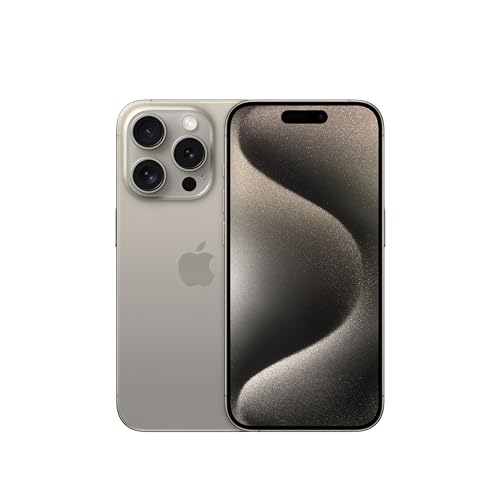
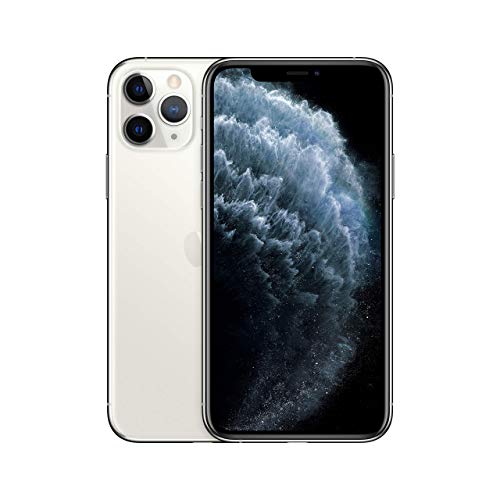
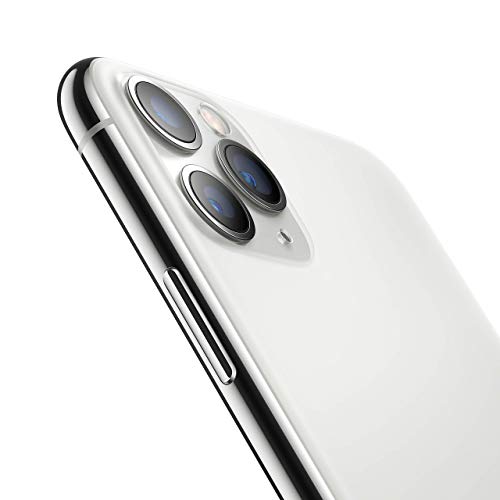
Apple iPhone 11 Pro (64GB) review. Compare 197 technical specifications and user reviews to see how this product ranks in the Smartphones category and whether it is worth buying.
Overall score
What it is: An overall evaluation of the smartphone's quality, based on technical analyses and user reviews.
When it matters: When you need a quick reference to identify the best smartphones on the market.
Score components:
90.0%
Technical Score
10.0%
User score
Technical Score
What it is: An assessment of the smartphone's technical performance, covering eight key areas: performance & hardware, software, camera, connectivity, display, battery, audio, and design.
When it matters: When you want to compare smartphones based on technical performance and available features.
Score components:
25.0%
Performance & Hardware
18.0%
Camera
15.0%
Display
15.0%
Battery
10.0%
Software
10.0%
Connectivity
4.0%
Audio
3.0%
Design
User score
What it is: A rating that combines user reviews and the total number of reviews received by the smartphone
When it matters: When you want to know how a smartphone handles daily tasks and how reliable it remains over time according to user feedback.
Score components:
70.0%
User reviews
30.0%
Popularity

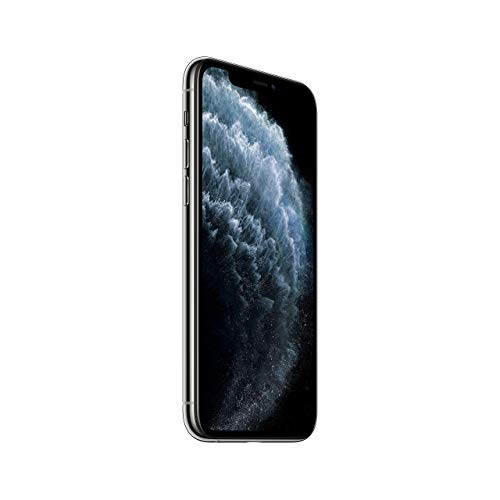
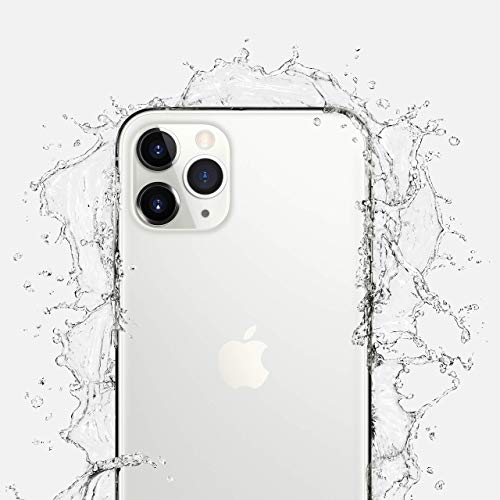
#35 (#27) in Best Compact Smartphones
#36 (#24) in Best Apple Smartphones
#43 (#31) in Best 6-Inch Smartphones
#261 (#209) in Best Camera Smartphones
What it is: An assessment of the smartphone's technical performance, covering eight key areas: performance & hardware, software, camera, connectivity, display, battery, audio, and design.
When it matters: When you want to compare smartphones based on technical performance and available features.
Score components:
25.0%
Performance & Hardware
18.0%
Camera
15.0%
Display
15.0%
Battery
10.0%
Software
10.0%
Connectivity
4.0%
Audio
3.0%
Design
What it is: A rating that combines user reviews and the total number of reviews received by the smartphone
When it matters: When you want to know how a smartphone handles daily tasks and how reliable it remains over time according to user feedback.
Score components:
70.0%
User reviews
30.0%
Popularity
What it is: An indicator that combines the smartphone's overall rating with its cost.
When it matters: When you are looking for a smartphone with a good balance between quality and price.
Score components:
60.0%
Overall score
40.0%
Price
Importance: LOW
Importance: HIGH
Importance: HIGH
Good value: >12 GB
Importance: MEDIUM
Good value: >256 GB
Importance: MEDIUM
Good value: >3.2 GHz
Importance: LOW
Importance: MEDIUM
Good value: >1500
Importance: LOW
Good value: >4000
Importance: LOW
Good value: 8+
Importance: LOW
Importance: LOW
Good value: >950 MHz
Importance: LOW
Good value: >700
Importance: LOW
Good value: >1000
Importance: LOW
Good value: >2500
Importance: MEDIUM
Good value: >6000
Importance: LOW
Good value: >8000
Importance: MEDIUM
Good value: >12000
Importance: LOW
Good value: >5000
Importance: LOW
Good value: >1800
Importance: LOW
Good value: >3200 MHz
Importance: LOW
Good value: 5
Importance: LOW
Good value: > 50 GB/s
Importance: LOW
Good value: 4
Importance: LOW
Good value: >16 GB
Importance: MEDIUM
Good value: <6 nm
Importance: MEDIUM
Good value: >9 W
Importance: LOW
Importance: LOW
Good value: >8192 KB
Importance: LOW
Good value: >2048 KB
Importance: LOW
Good value: >512 KB
Importance: LOW
Good value: >100000 million
Importance: LOW
Good value: 3.3
Importance: LOW
Good value: 3.2
Importance: LOW
Good value: 2.0/3.0
Importance: LOW
Importance: LOW
Importance: LOW
Importance: MEDIUM
Importance: LOW
Importance: LOW
Importance: LOW
Importance: LOW
Importance: LOW
Importance: LOW
Importance: LOW
Importance: LOW
Importance: LOW
Importance: LOW
Importance: LOW
Importance: LOW
Importance: LOW
Importance: LOW
Importance: LOW
Importance: LOW
Importance: LOW
Importance: LOW
Importance: LOW
Importance: LOW
Importance: LOW
Importance: LOW
Importance: LOW
Importance: LOW
Importance: LOW
Importance: LOW
Importance: LOW
Importance: LOW
Importance: LOW
Importance: LOW
Importance: LOW
Importance: LOW
Importance: LOW
Importance: MEDIUM
Good value: >50 MP
Importance: MEDIUM
Importance: HIGH
Good value: >60
Importance: LOW
Good value: ≥1.2 µm
Importance: MEDIUM
Good value: >2.5x
Importance: MEDIUM
Importance: LOW
Importance: LOW
Importance: LOW
Importance: LOW
Good value: ≥2
Importance: LOW
Importance: LOW
Importance: LOW
Importance: LOW
Good value: >16 MP
Importance: LOW
Importance: LOW
Importance: LOW
Importance: LOW
Importance: MEDIUM
Importance: LOW
Importance: LOW
Importance: LOW
Importance: LOW
Importance: LOW
Importance: LOW
Importance: LOW
Importance: LOW
Importance: LOW
Importance: LOW
Importance: LOW
Importance: LOW
Importance: LOW
Importance: LOW
Importance: LOW
Importance: LOW
Importance: LOW
Importance: LOW
Importance: LOW
Importance: LOW
Importance: LOW
Good value: >130
Importance: LOW
Good value: >120
Importance: LOW
Good value: ≥2
Importance: LOW
Importance: LOW
Importance: LOW
Importance: LOW
Importance: LOW
Importance: LOW
Good value: >5.2
Importance: LOW
Importance: LOW
Importance: LOW
Importance: LOW
Good value: 3.1/3.2
Importance: LOW
Importance: LOW
Importance: LOW
Good value: ≥2
Importance: LOW
Importance: LOW
Importance: LOW
Importance: LOW
Importance: LOW
Importance: LOW
Importance: LOW
Importance: LOW
Importance: LOW
Importance: LOW
Importance: LOW
Importance: LOW
Importance: LOW
Importance: LOW
Importance: LOW
Importance: LOW
Good value: ≥6.6 inches
Importance: MEDIUM
Importance: LOW
Good value: >400 ppi
Importance: MEDIUM
Importance: MEDIUM
Good value: ≥120 Hz
Importance: LOW
Importance: LOW
Good value: >300 Hz
Importance: LOW
Good value: >800 nits
Importance: LOW
Good value: >1300 nits
Importance: LOW
Good value: >1000 nits
Importance: LOW
Importance: LOW
Importance: LOW
Importance: LOW
Importance: LOW
Importance: LOW
Importance: LOW
Importance: LOW
Importance: HIGH
Good value: >5000 mAh
Importance: MEDIUM
Good value: >60 W
Importance: LOW
Importance: LOW
Good value: <45 min
Importance: LOW
Importance: LOW
Good value: >40 W
Importance: LOW
Importance: LOW
Good value: >10 W
Importance: LOW
Importance: LOW
Importance: MEDIUM
Importance: LOW
Good value: >800
Importance: LOW
Importance: LOW
Importance: LOW
Importance: LOW
Importance: LOW
Good value: ≥3
Importance: LOW
Importance: LOW
Importance: LOW
Importance: LOW
Importance: LOW
Importance: LOW
Importance: LOW
Good value: <162 mm
Importance: LOW
Good value: <75 mm
Importance: LOW
Good value: <8 mm
Importance: LOW
Good value: <190 g
Importance: LOW
Good value: <98cm³
Importance: LOW
Importance: LOW
Importance: LOW
Importance: LOW
Importance: LOW
Importance: LOW
Good value: ≥1.5 m
Importance: LOW
Importance: LOW
Good value: >8
Importance: LOW
Importance: LOW
Importance: MEDIUM
Importance: LOW
Importance: LOW
Importance: MEDIUM
Good value: >2.5x
Importance: LOW
Good value: ≥1.2 µm
Importance: LOW
Importance: LOW
Good value: >2048 KB
Importance: LOW
Good value: >400 ppi
Importance: MEDIUM
Good value: ≥120 Hz
Importance: MEDIUM
Good value: >256 GB
Importance: LOW
Importance: MEDIUM
Good value: >50 MP
Importance: HIGH
Good value: >5000 mAh
Importance: LOW
Good value: ≥6.6 inches
Importance: HIGH
Good value: >12 GB
Importance: LOW
Good value: >16 GB
What it is: An overall evaluation of the smartphone's quality, based on technical analyses and user reviews.
When it matters: When you need a quick reference to identify the best smartphones on the market.
no rating assigned
?The iPhone 11 Pro is a significant upgrade with a brilliant Super Retina XDR OLED display, a best-in-class triple camera system, and refined audio performance. However, the device's high price, lack of a headphone adapter, and removal of 3D Touch are noted drawbacks. What Hi-Fi? +2
no rating assigned
?Expert Reviews highlighted the Apple iPhone 11 Pro's exceptional performance, upgraded camera, and improved battery life as pros, while noting the high price and some missing "Pro" features as cons. The review specifically praised the new triple-camera system as "beyond compare in all conditions" and the A13 Bionic chip as the fastest at the time, contributing to significantly...Read more
no rating assigned
?According to Tom's Guide, the iPhone 11 Pro is notable for its compact design, powerful A13 Bionic chip, and significantly improved camera system featuring a Night mode that outperformed competitors. Key pros include a brighter 5.8-inch Super Retina XDR OLED display, enhanced battery life, and the inclusion of an 18-watt fast charger in the box. However, cons highlighted in the...Read more
no rating assigned
?The review characterizes the iPhone 11 and 11 Pro as a 'golden age' of refinement, featuring improved speed, battery life, and camera quality, while the base iPhone 11 offers better value at a lower $700 entry price. Key pros include significant battery improvements, a high-performing Night Mode, and a new ultra-wide lens, bringing Apple's photography in line with competitors. The...Read more
no rating assigned
?The iPhone 11 Pro and 11 Pro Max feature significantly improved battery life and include an 18-watt fast charger, but they replace 3D Touch with the less sensitive Haptic Touch. The triple-camera system, including a new ultrawide lens and Night Mode, offers enhanced low-light performance and professional video capabilities, though the base 64GB storage is deemed insufficient for...Read more
no rating assigned
?The iPhone 11 Pro is described as a powerful device focusing on internal upgrades, highlighted by its triple 12-megapixel camera system with an ultra-wide lens and effective Night mode for impressive low-light photography. The review praises its performance powered by the A13 Bionic chip, significantly improved battery life offering all-day use, and a superior Super Retina XDR OLED...Read more
no rating assigned
?The TechRadar review highlights the iPhone 11 Pro as a significant upgrade focusing on camera and battery performance, featuring a matte finish and a comfortable 5.8-inch size. Key pros include the versatile triple-lens camera system with a standout Night Mode and exceptional 4K video capabilities. However, cons include a high starting price, lack of a 128GB storage option, and an...Read more
no rating assigned
?WIRED describes the iPhone 11 Pro as a premium device notable for its triple-lens camera system, A13 Bionic chip, Super Retina XDR display, and improved battery life. However, the review highlights the high price, lack of a USB-C port, the bulky design of the Pro Max, and notes that the standard iPhone 11 offers many similar features at a lower cost.
no rating assigned
?Wired's review highlights the iPhone 11 Pro's camera system, A13 Bionic chip, and Super Retina XDR display as key strengths, noting improved battery life and video stabilization. Criticisms include the high price, limited base storage, the outdated notch design, and the use of a Lightning port instead of USB-C. Wired suggests the standard iPhone 11 offers similar core features at a...Read more
no rating assigned
?The iPhone 11 Pro is described as a premium small phone with pros including a bright Super Retina XDR OLED display, dramatically improved nearly two-day battery life, enhanced Face ID, and better Bluetooth. Its triple-camera system offers significant upgrades in detail, low-light performance with Night mode, and versatile ultra-wide shooting, alongside arguably best-in-business 4K...Read more
no rating assigned
?According to PCMag, the iPhone 11 Pro's main improvements over previous models include a triple-camera system with an ultrawide lens, enhanced battery life, and better LTE performance. While praised for its versatile camera and the inclusion of a fast charger, it faced criticism for its high price, lack of significant year-over-year innovation compared to older models, limited 64GB...Read more
no rating assigned
?According to a Vergecast review, the iPhone 11 Pro is considered a balanced release with significant pros including improved battery life and a high-standard triple-camera system, particularly noted for its Night Mode. However, cons include an iterative design, the removal of 3D Touch, and lack of 5G support or a USB-C port, while the Apple Watch Series 5's always-on display is...Read more
no rating assigned
?The Macitynet review of the iPhone 11 Pro highlights a refined design with a matte frosted glass back, while praising the Super Retina XDR display's high brightness and contrast. Key pros include this top-tier screen and the new Midnight Green color, though cons include the persistent notch and increased weight. The camera system is lauded for consistent color across lenses and the...Read more
no rating assigned
?Andrea Galeazzi defines the iPhone 11 Pro as a peak "Pro" experience, highlighting its refined matte glass design, superior 5.8-inch Super Retina XDR display, and enhanced portability. The camera system is lauded as a top-tier performer, featuring versatile triple-lens capabilities, exceptional night mode, and industry-leading video stabilization. Powered by the efficient A13 Bionic...Read more
no rating assigned
?The Hardware.info review positions the iPhone 11 as a "value" flagship with the same A13 Bionic chip as the Pro models, ensuring top-tier performance, but notes its use of a sub-1080p Liquid Retina LCD as a notable con. While the Pro and Pro Max models feature superior OLED screens and better build quality, all models benefit from improved battery life and a versatile camera system...Read more
no rating assigned
?The iPhone 11 Pro, despite retaining a high-quality build and capable performance, is considered a poor value in the current market due to its high price relative to newer, more feature-rich alternatives like the iPhone 12 Pro. While the A13 Bionic chip still provides a smooth, fast user experience and the triple-camera system remains strong for photos and night mode, the lack of 5G...Read more
no rating assigned
?The iPhone 11 Pro is positioned as a high-end, compact smartphone, praised for its exceptional 5.8-inch Super Retina XDR OLED display, robust build quality, and the enduring performance of the A13 Bionic chip. A major highlight is the versatile triple-camera system capable of 4K 60fps, alongside significantly improved battery life compared to its predecessor. However, the device...Read more
no rating assigned
?The iPhone 11 Pro is positioned as a powerful, evolutionary device, driven by the A13 Bionic chip which ensures high performance for tasks like AR and photography. Key photographic improvements include an ultra-wide lens, Night Mode, and Deep Fusion, which together produce excellent low-light results. The device also boasts a bright Super Retina XDR OLED display and a durable,...Read more
no rating assigned
?The iCulture review highlights the iPhone 11 Pro as a significant upgrade, driven by its Super Retina XDR display, improved battery life, and matte glass finish. Key improvements include the A13 Bionic chip for performance and a versatile triple-lens camera system featuring a dedicated Night Mode and wide-angle capabilities. The camera system is considered a major highlight,...Read more
no rating assigned
?The iPhone 11 Pro review from iPhoned.nl highlights the device for mastering fundamentals, specifically citing top-tier A13 Bionic performance, excellent battery life, and a versatile triple-camera system featuring a game-changing Night Mode. The Super Retina XDR OLED display is praised for high brightness and contrast, while the overall design feels premium and durable. Key pros...Read more
no rating assigned
?The iPhone 11 Pro Max (2019) stands out as a "powerhouse" upgrade, defined primarily by a significant leap in battery life and a new triple-lens camera system. Its 6.5-inch "Super Retina XDR" display offers high brightness for improved HDR, while the A13 Bionic chip provides top-tier performance, including "Deep Fusion" imaging. Pros include an industry-leading battery that outpaces...Read more
no rating assigned
?The Macwelt review characterizes the iPhone 11 Pro as a "Pro" powerhouse, driven by a versatile triple-camera system and significantly improved battery life. Key pros include the A13 Bionic chip's high performance, a premium matte finish, and a 12MP ultra-wide lens that enables a new, effective Night Mode. However, cons highlighted in the review include a disappointing 64GB base...Read more
no rating assigned
?In a 30-day review, Xataka identifies the iPhone 11 Pro as Apple's most balanced 2019 flagship, praising the matte glass finish for improved grip and the impressive 800-nit Super Retina XDR display. Key advantages include significantly improved battery life and the fast A13 Bionic chip, though the recycled, large-notch design and the base 64GB storage are noted drawbacks. The...Read more
no rating assigned
?The iPhone 11 Pro's triple-camera system is lauded for its natural color rendition and "incisive" image quality, featuring a revised 12-megapixel main sensor where every pixel acts as a phase detector for faster, more accurate focusing. A key strength is the effective Smart HDR mode, which rivals manual Lightroom processing, while the new Deep Fusion technology optimizes detail in...Read more
no rating assigned
?The iPhone 11 Pro review from SmartWorld highlights the device as a major refinement, specifically praising the versatile triple-camera system with enhanced Night Mode and Deep Fusion. Key features include the bright and high-contrast Super Retina XDR display, along with the A13 Bionic chip that provides top-tier, lasting performance. Furthermore, the matte glass finish offers a...Read more
no rating assigned
?The iPhone 11 Pro is described by TechRadar as a significant camera and battery upgrade, featuring a new triple-lens system with an ultra-wide sensor and a game-changing 'Night Mode' for improved low-light photography. While the design remains similar to predecessors, it introduces a matte finish and a faster A13 Bionic chip for enhanced performance in tasks like video editing. The...Read more
no rating assigned
?Wired.it’s review of the iPhone 11 Pro highlights it as a refined, powerhouse device featuring a standout triple-camera system with a new 120-degree ultra-wide lens, along with the A13 Bionic chip for top-tier performance. The Super Retina XDR display, improved battery life, and the addition of a fast 18W charger are noted as major, long-awaited upgrades. Conversely, the review...Read more
no rating assigned
?The iPhone 11 Pro, as reviewed by AF Digitale, is a refined, premium device featuring a matte glass back and the impressive Super Retina XDR display, though the removal of 3D Touch in favor of Haptic Touch is noted as a drawback. The headline feature is the triple-camera system, which excels with a new 120-degree ultra-wide lens, effective Night Mode, and consistent color...Read more
no rating assigned
?Multiplayer.it’s review highlights the iPhone 11 Pro as a premium, refined smartphone featuring a matte glass finish, a durable stainless steel frame, and a superior 1,200-nit Super Retina XDR display. Powered by the A13 Bionic chip, the device delivers exceptional performance, while the triple-lens 12MP camera system introduces a highly effective Night Mode for enhanced low-light...Read more
no rating assigned
?The iPhone 11 Pro is a significant upgrade with a brilliant Super Retina XDR OLED display, a best-in-class triple camera system, and refined audio performance. However, the device's high price, lack of a headphone adapter, and removal of 3D Touch are noted drawbacks. What Hi-Fi? +2
no rating assigned
?Expert Reviews highlighted the Apple iPhone 11 Pro's exceptional performance, upgraded camera, and improved battery life as pros, while noting the high price and some missing "Pro" features as cons. The review specifically praised the new triple-camera system as "beyond compare in all conditions" and the A13 Bionic chip as the fastest at the time, contributing to significantly...Read more
no rating assigned
?According to Tom's Guide, the iPhone 11 Pro is notable for its compact design, powerful A13 Bionic chip, and significantly improved camera system featuring a Night mode that outperformed competitors. Key pros include a brighter 5.8-inch Super Retina XDR OLED display, enhanced battery life, and the inclusion of an 18-watt fast charger in the box. However, cons highlighted in the...Read more
no rating assigned
?The review characterizes the iPhone 11 and 11 Pro as a 'golden age' of refinement, featuring improved speed, battery life, and camera quality, while the base iPhone 11 offers better value at a lower $700 entry price. Key pros include significant battery improvements, a high-performing Night Mode, and a new ultra-wide lens, bringing Apple's photography in line with competitors. The...Read more
no rating assigned
?The iPhone 11 Pro and 11 Pro Max feature significantly improved battery life and include an 18-watt fast charger, but they replace 3D Touch with the less sensitive Haptic Touch. The triple-camera system, including a new ultrawide lens and Night Mode, offers enhanced low-light performance and professional video capabilities, though the base 64GB storage is deemed insufficient for...Read more
no rating assigned
?The iPhone 11 Pro is described as a powerful device focusing on internal upgrades, highlighted by its triple 12-megapixel camera system with an ultra-wide lens and effective Night mode for impressive low-light photography. The review praises its performance powered by the A13 Bionic chip, significantly improved battery life offering all-day use, and a superior Super Retina XDR OLED...Read more
no rating assigned
?The TechRadar review highlights the iPhone 11 Pro as a significant upgrade focusing on camera and battery performance, featuring a matte finish and a comfortable 5.8-inch size. Key pros include the versatile triple-lens camera system with a standout Night Mode and exceptional 4K video capabilities. However, cons include a high starting price, lack of a 128GB storage option, and an...Read more
no rating assigned
?WIRED describes the iPhone 11 Pro as a premium device notable for its triple-lens camera system, A13 Bionic chip, Super Retina XDR display, and improved battery life. However, the review highlights the high price, lack of a USB-C port, the bulky design of the Pro Max, and notes that the standard iPhone 11 offers many similar features at a lower cost.
no rating assigned
?Wired's review highlights the iPhone 11 Pro's camera system, A13 Bionic chip, and Super Retina XDR display as key strengths, noting improved battery life and video stabilization. Criticisms include the high price, limited base storage, the outdated notch design, and the use of a Lightning port instead of USB-C. Wired suggests the standard iPhone 11 offers similar core features at a...Read more
no rating assigned
?The iPhone 11 Pro is described as a premium small phone with pros including a bright Super Retina XDR OLED display, dramatically improved nearly two-day battery life, enhanced Face ID, and better Bluetooth. Its triple-camera system offers significant upgrades in detail, low-light performance with Night mode, and versatile ultra-wide shooting, alongside arguably best-in-business 4K...Read more
no rating assigned
?According to PCMag, the iPhone 11 Pro's main improvements over previous models include a triple-camera system with an ultrawide lens, enhanced battery life, and better LTE performance. While praised for its versatile camera and the inclusion of a fast charger, it faced criticism for its high price, lack of significant year-over-year innovation compared to older models, limited 64GB...Read more
no rating assigned
?According to a Vergecast review, the iPhone 11 Pro is considered a balanced release with significant pros including improved battery life and a high-standard triple-camera system, particularly noted for its Night Mode. However, cons include an iterative design, the removal of 3D Touch, and lack of 5G support or a USB-C port, while the Apple Watch Series 5's always-on display is...Read more
no rating assigned
?The Macitynet review of the iPhone 11 Pro highlights a refined design with a matte frosted glass back, while praising the Super Retina XDR display's high brightness and contrast. Key pros include this top-tier screen and the new Midnight Green color, though cons include the persistent notch and increased weight. The camera system is lauded for consistent color across lenses and the...Read more
no rating assigned
?Andrea Galeazzi defines the iPhone 11 Pro as a peak "Pro" experience, highlighting its refined matte glass design, superior 5.8-inch Super Retina XDR display, and enhanced portability. The camera system is lauded as a top-tier performer, featuring versatile triple-lens capabilities, exceptional night mode, and industry-leading video stabilization. Powered by the efficient A13 Bionic...Read more
no rating assigned
?The Hardware.info review positions the iPhone 11 as a "value" flagship with the same A13 Bionic chip as the Pro models, ensuring top-tier performance, but notes its use of a sub-1080p Liquid Retina LCD as a notable con. While the Pro and Pro Max models feature superior OLED screens and better build quality, all models benefit from improved battery life and a versatile camera system...Read more
no rating assigned
?The iPhone 11 Pro, despite retaining a high-quality build and capable performance, is considered a poor value in the current market due to its high price relative to newer, more feature-rich alternatives like the iPhone 12 Pro. While the A13 Bionic chip still provides a smooth, fast user experience and the triple-camera system remains strong for photos and night mode, the lack of 5G...Read more
no rating assigned
?The iPhone 11 Pro is positioned as a high-end, compact smartphone, praised for its exceptional 5.8-inch Super Retina XDR OLED display, robust build quality, and the enduring performance of the A13 Bionic chip. A major highlight is the versatile triple-camera system capable of 4K 60fps, alongside significantly improved battery life compared to its predecessor. However, the device...Read more
no rating assigned
?The iPhone 11 Pro is positioned as a powerful, evolutionary device, driven by the A13 Bionic chip which ensures high performance for tasks like AR and photography. Key photographic improvements include an ultra-wide lens, Night Mode, and Deep Fusion, which together produce excellent low-light results. The device also boasts a bright Super Retina XDR OLED display and a durable,...Read more
no rating assigned
?The iCulture review highlights the iPhone 11 Pro as a significant upgrade, driven by its Super Retina XDR display, improved battery life, and matte glass finish. Key improvements include the A13 Bionic chip for performance and a versatile triple-lens camera system featuring a dedicated Night Mode and wide-angle capabilities. The camera system is considered a major highlight,...Read more
no rating assigned
?The iPhone 11 Pro review from iPhoned.nl highlights the device for mastering fundamentals, specifically citing top-tier A13 Bionic performance, excellent battery life, and a versatile triple-camera system featuring a game-changing Night Mode. The Super Retina XDR OLED display is praised for high brightness and contrast, while the overall design feels premium and durable. Key pros...Read more
no rating assigned
?The iPhone 11 Pro Max (2019) stands out as a "powerhouse" upgrade, defined primarily by a significant leap in battery life and a new triple-lens camera system. Its 6.5-inch "Super Retina XDR" display offers high brightness for improved HDR, while the A13 Bionic chip provides top-tier performance, including "Deep Fusion" imaging. Pros include an industry-leading battery that outpaces...Read more
no rating assigned
?The Macwelt review characterizes the iPhone 11 Pro as a "Pro" powerhouse, driven by a versatile triple-camera system and significantly improved battery life. Key pros include the A13 Bionic chip's high performance, a premium matte finish, and a 12MP ultra-wide lens that enables a new, effective Night Mode. However, cons highlighted in the review include a disappointing 64GB base...Read more
no rating assigned
?In a 30-day review, Xataka identifies the iPhone 11 Pro as Apple's most balanced 2019 flagship, praising the matte glass finish for improved grip and the impressive 800-nit Super Retina XDR display. Key advantages include significantly improved battery life and the fast A13 Bionic chip, though the recycled, large-notch design and the base 64GB storage are noted drawbacks. The...Read more
no rating assigned
?The iPhone 11 Pro's triple-camera system is lauded for its natural color rendition and "incisive" image quality, featuring a revised 12-megapixel main sensor where every pixel acts as a phase detector for faster, more accurate focusing. A key strength is the effective Smart HDR mode, which rivals manual Lightroom processing, while the new Deep Fusion technology optimizes detail in...Read more
no rating assigned
?The iPhone 11 Pro review from SmartWorld highlights the device as a major refinement, specifically praising the versatile triple-camera system with enhanced Night Mode and Deep Fusion. Key features include the bright and high-contrast Super Retina XDR display, along with the A13 Bionic chip that provides top-tier, lasting performance. Furthermore, the matte glass finish offers a...Read more
no rating assigned
?The iPhone 11 Pro is described by TechRadar as a significant camera and battery upgrade, featuring a new triple-lens system with an ultra-wide sensor and a game-changing 'Night Mode' for improved low-light photography. While the design remains similar to predecessors, it introduces a matte finish and a faster A13 Bionic chip for enhanced performance in tasks like video editing. The...Read more
no rating assigned
?Wired.it’s review of the iPhone 11 Pro highlights it as a refined, powerhouse device featuring a standout triple-camera system with a new 120-degree ultra-wide lens, along with the A13 Bionic chip for top-tier performance. The Super Retina XDR display, improved battery life, and the addition of a fast 18W charger are noted as major, long-awaited upgrades. Conversely, the review...Read more
no rating assigned
?The iPhone 11 Pro, as reviewed by AF Digitale, is a refined, premium device featuring a matte glass back and the impressive Super Retina XDR display, though the removal of 3D Touch in favor of Haptic Touch is noted as a drawback. The headline feature is the triple-camera system, which excels with a new 120-degree ultra-wide lens, effective Night Mode, and consistent color...Read more
no rating assigned
?Multiplayer.it’s review highlights the iPhone 11 Pro as a premium, refined smartphone featuring a matte glass finish, a durable stainless steel frame, and a superior 1,200-nit Super Retina XDR display. Powered by the A13 Bionic chip, the device delivers exceptional performance, while the triple-lens 12MP camera system introduces a highly effective Night Mode for enhanced low-light...Read more

Compare