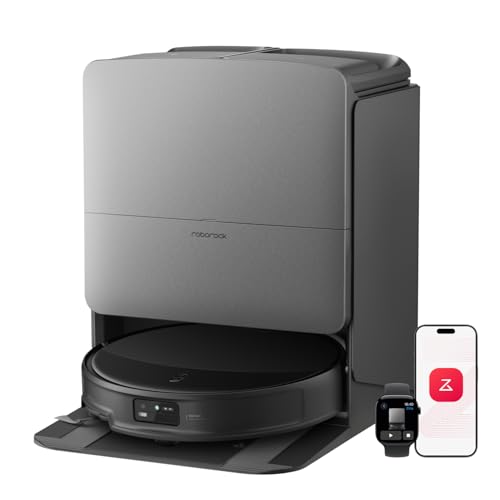
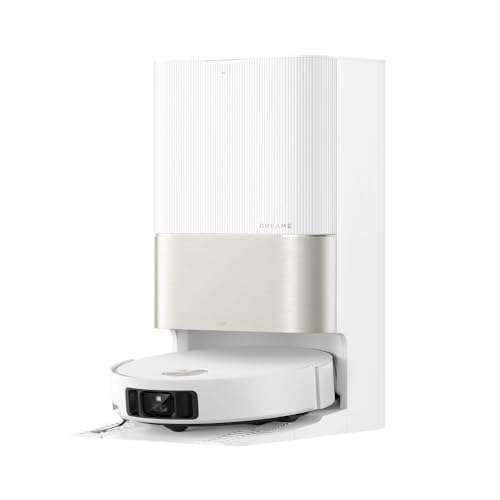
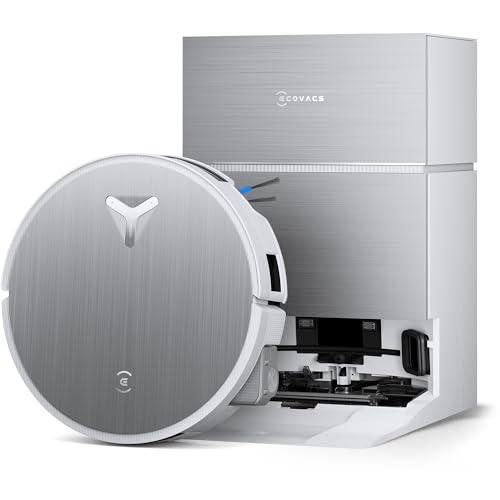
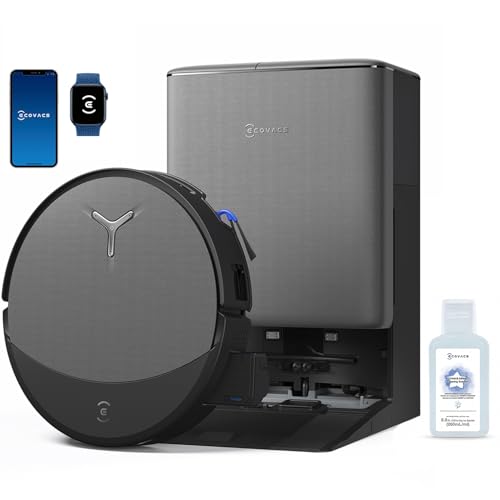
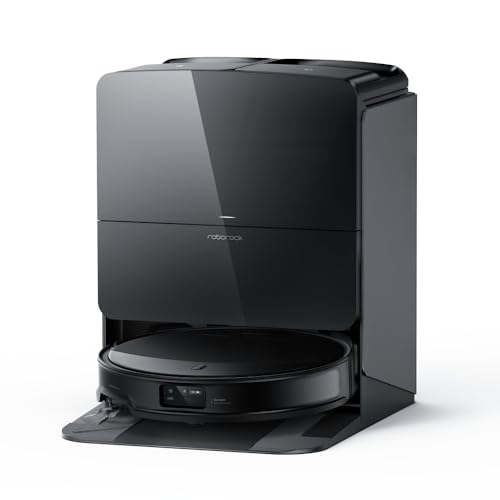
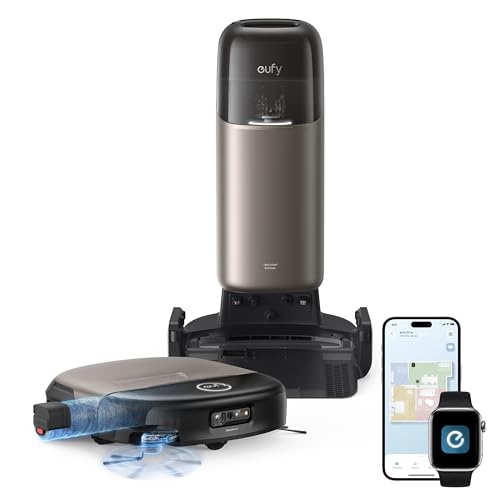
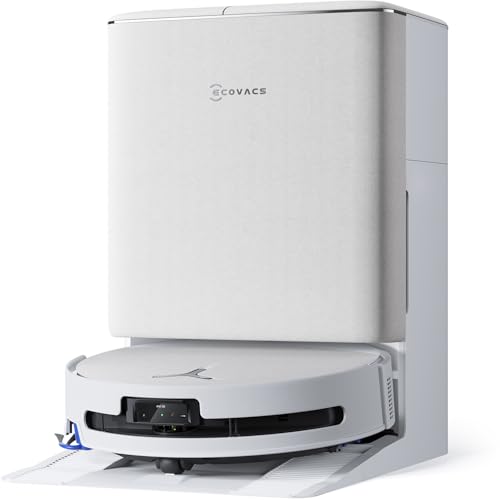
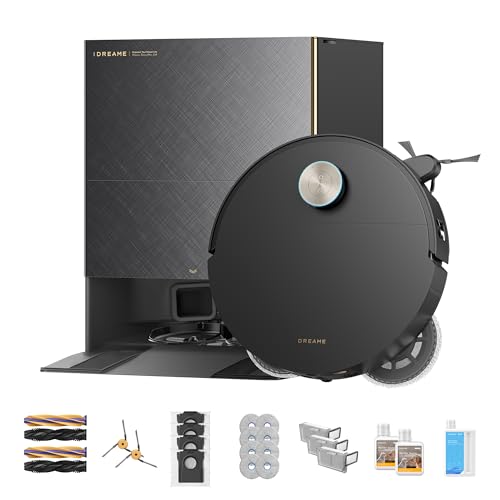
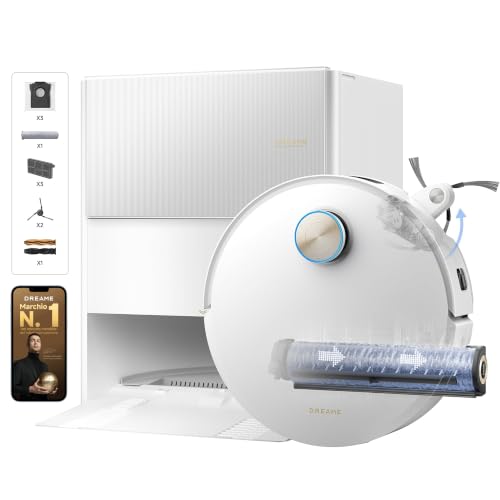
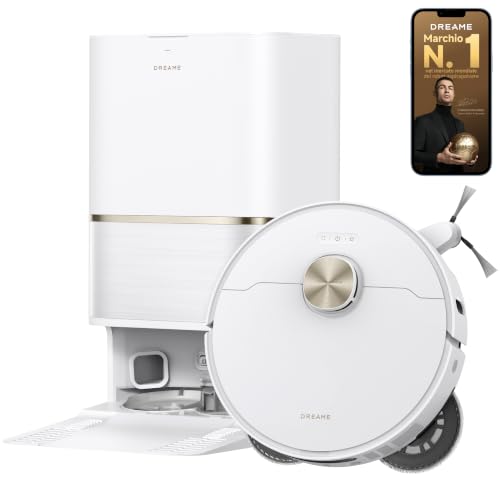
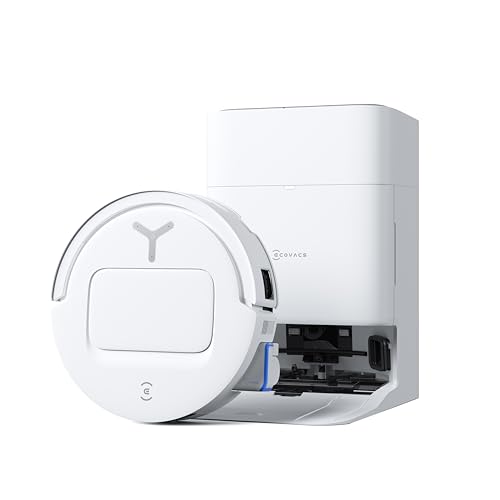
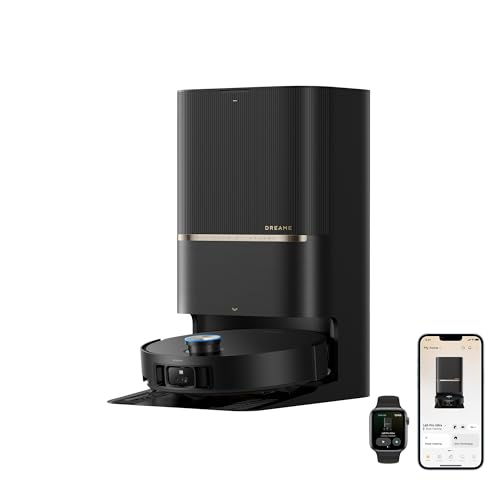
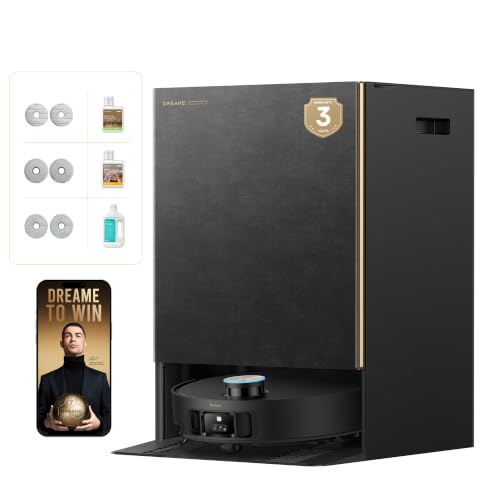
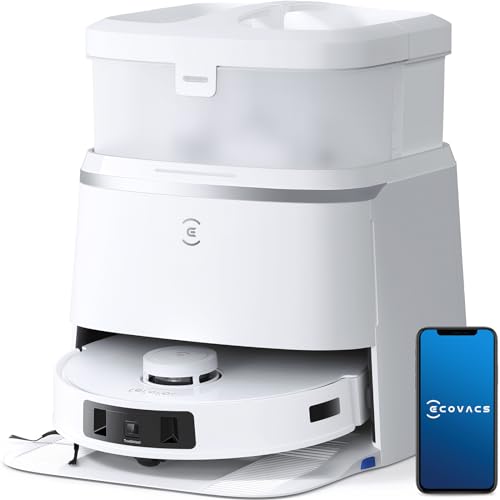
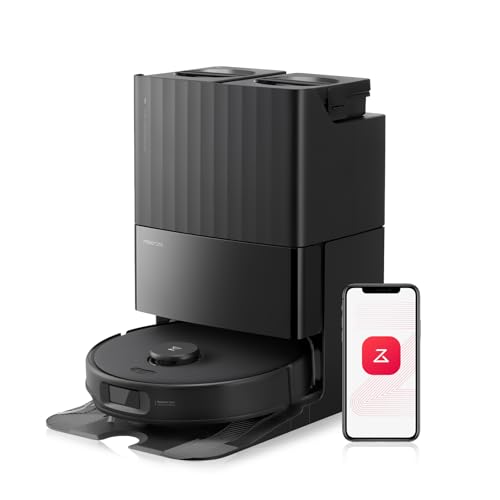
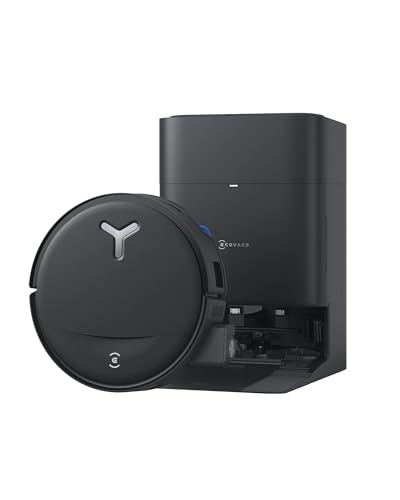
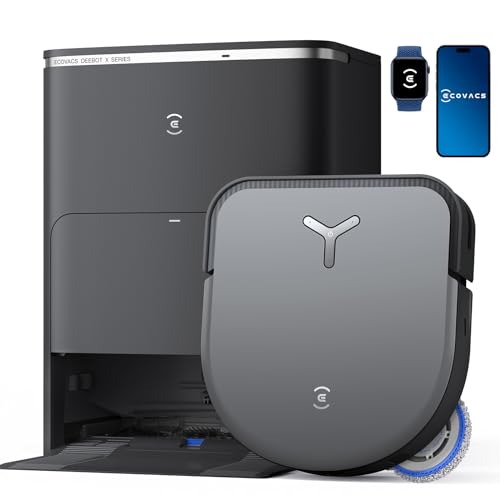
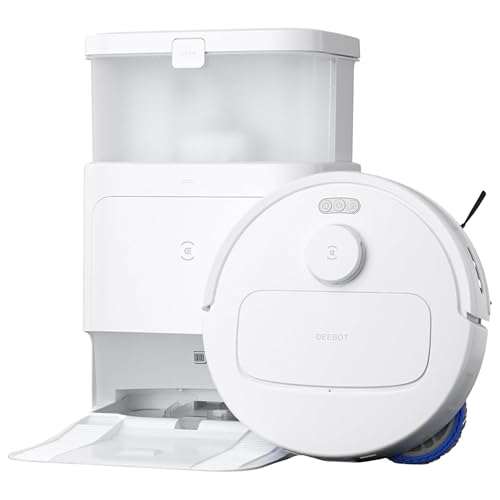
A robot vacuum is good on carpet when it combines automatic carpet detection, enough suction and a brush that stays in contact with the pile. An ultrasonic or optical sensor under the robot recognises carpet within a few centimetres and switches the motor to its highest suction level. At the same time, a floating brush or a lifting chassis raises the robot slightly, so the roller keeps digging into the fibres instead of jamming on the edge of a thick rug.
The brush matters as much as the motor. Rubber or twin rubber rollers flex into the carpet and release hair easily, while bristle rollers agitate deeper pile but tangle more often. Anti-tangle designs with a comb or a cutting blade stop long hair from wrapping around the roller, which would otherwise weaken pickup on carpet within a few runs.
Navigation helps too. LiDAR maps let you mark rugs, give them extra passes or a crosswise pattern, and set a stronger suction level just for carpeted rooms. Good obstacle detection spots tassels and loose rug edges, so the robot steers clear of fringes that could wrap around the brush and stop the run.
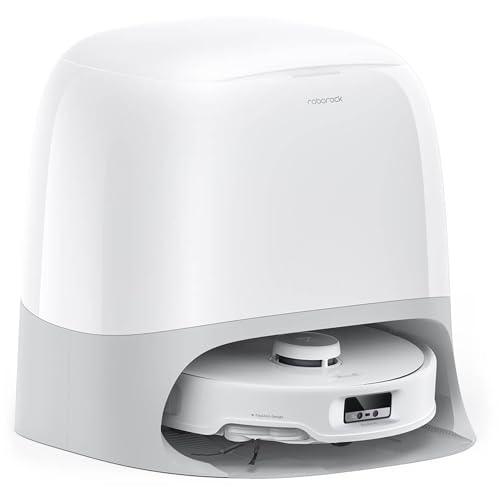
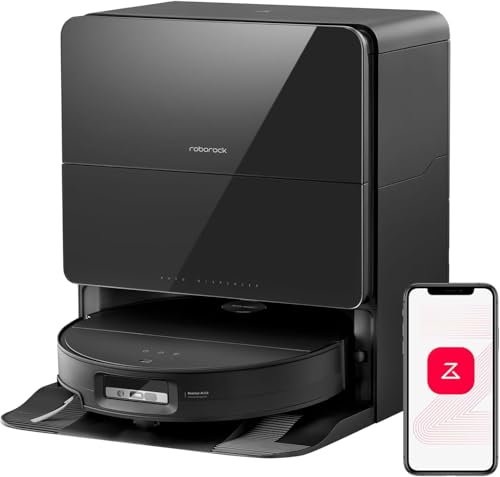
Battery and dustbin size decide how much carpet a robot can finish in one go. Carpet fills the bin faster than hard floors and full power drains the battery sooner, so a self-emptying dock and a runtime of 150 minutes or more make a real difference in larger carpeted homes.
How much suction do you need for carpet?
For most low- and medium-pile carpets, around 5,000–10,000 Pa of advertised suction is enough, while deep-pile rugs and homes with pets benefit from 15,000 Pa or more. Each brand measures suction in its own way, so treat the figures as a rough guide rather than an exact comparison. A robot with 8,000 Pa and a well-designed rubber roller can clean carpet better than a 20,000 Pa model with a weak brush or a clogged filter.
Higher suction pays off mainly for fine sand, crumbs and pet hair trapped deep in the pile. It also raises noise and shortens runtime, so the most useful robots keep a quieter level on hard floors and switch to full power only on carpet. Budget models with 2,000–4,000 Pa can keep thin rugs tidy, but they struggle with ground-in dirt on thicker carpet.