
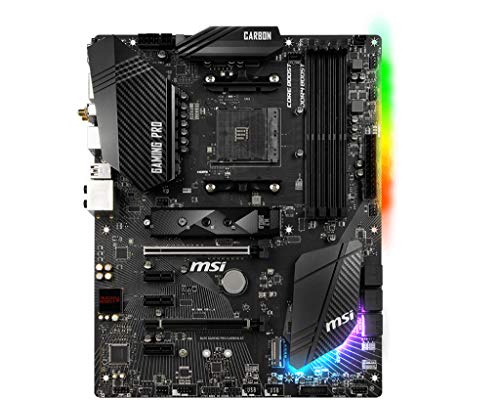
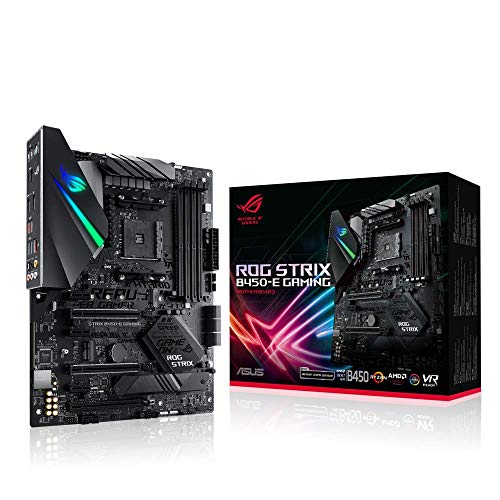
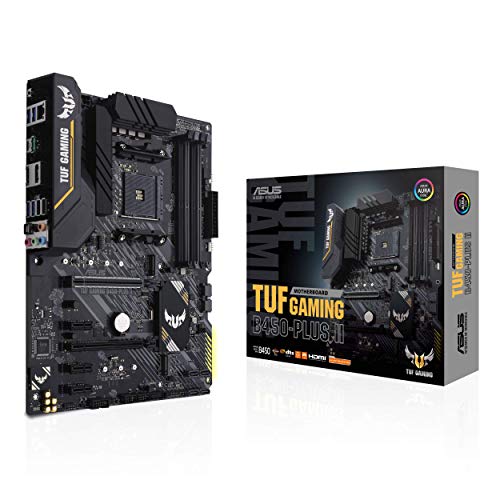
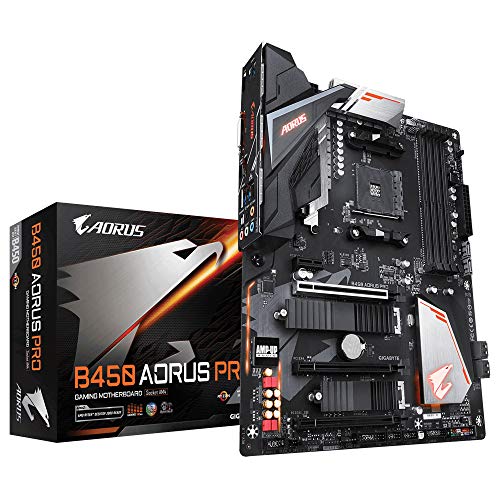
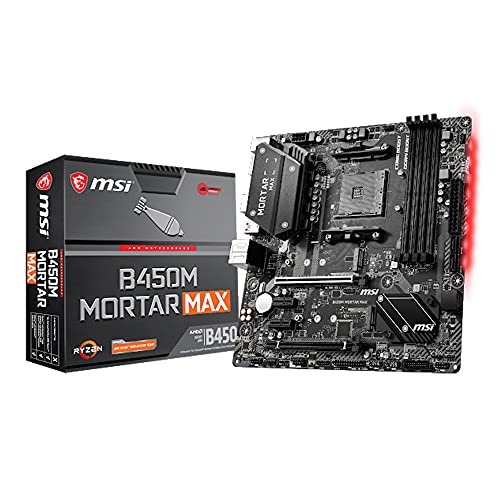
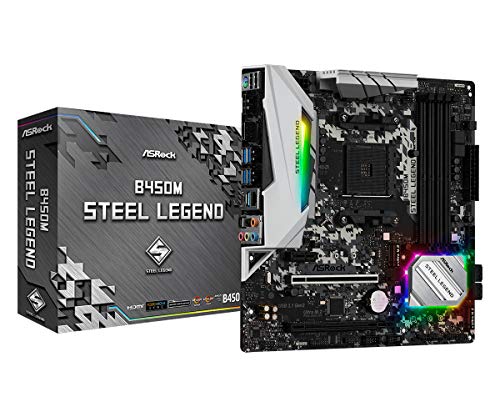
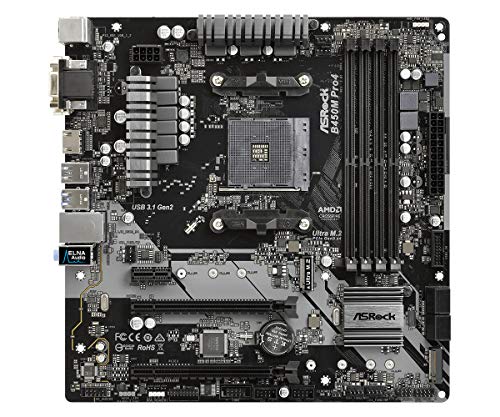
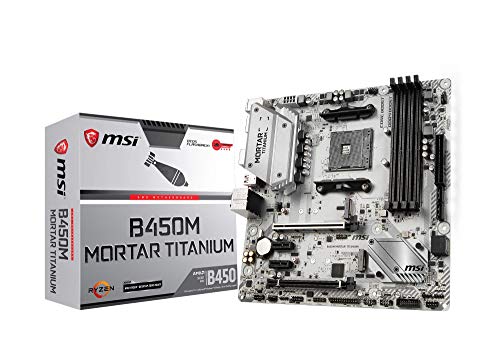
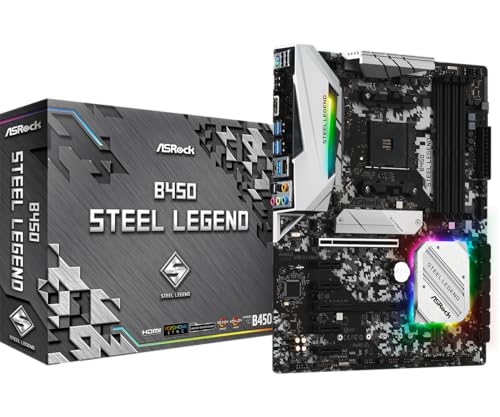
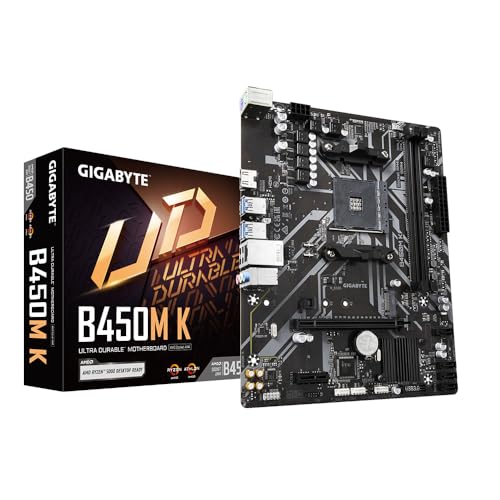
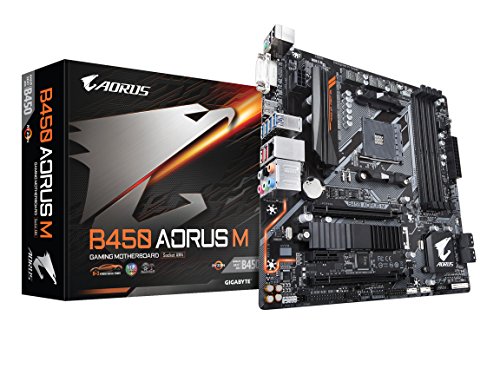
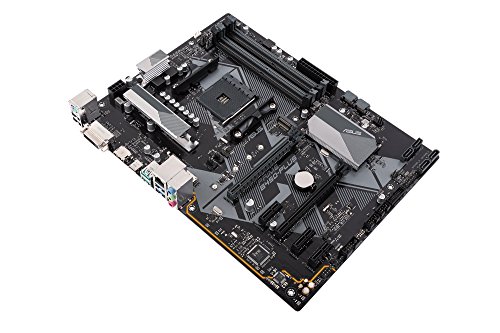
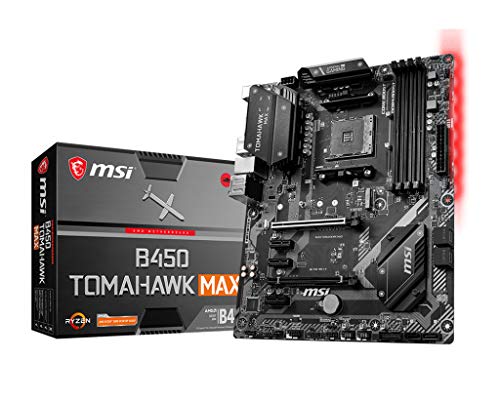
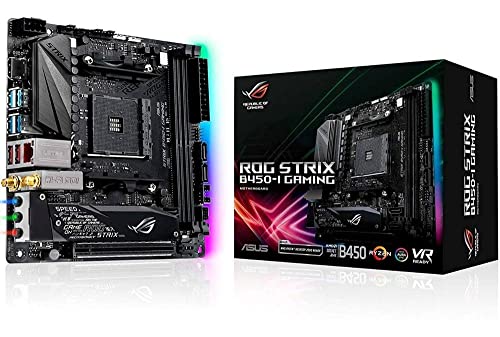
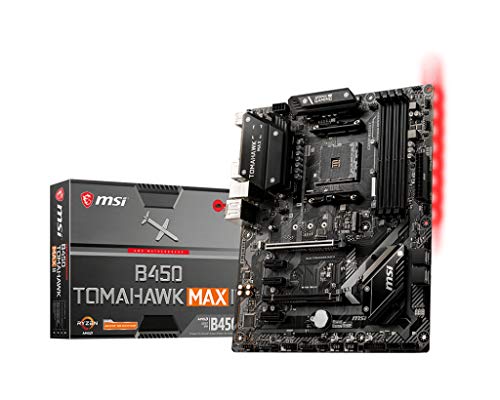
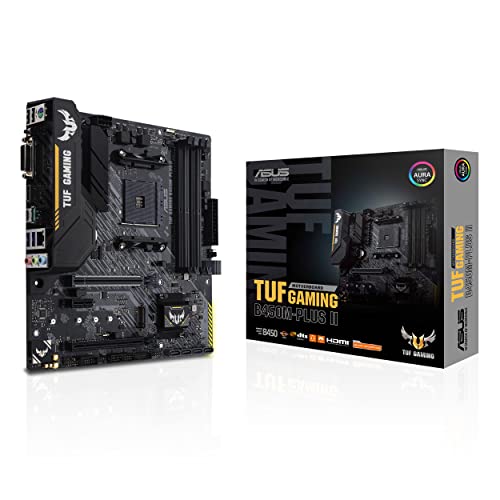
What is an B450 motherboard?
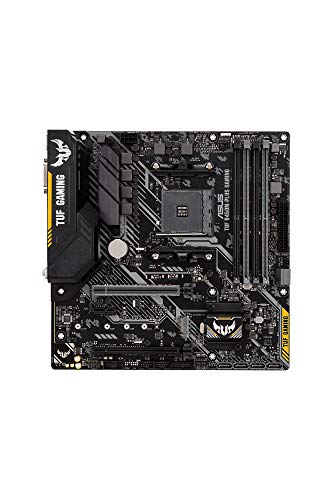
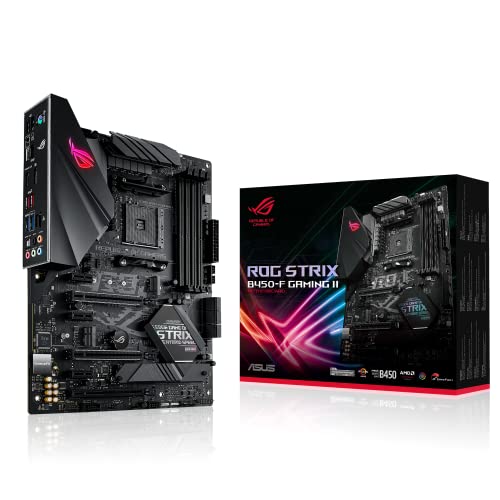
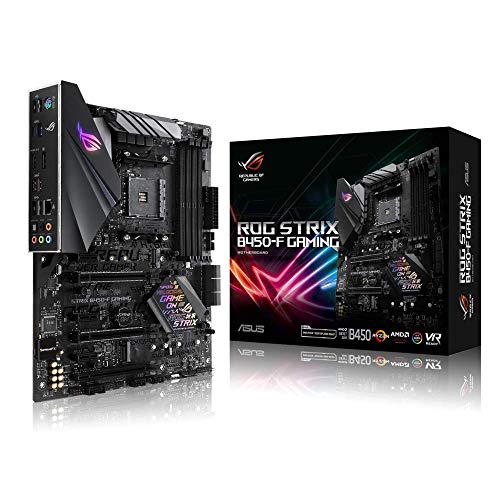
A B450 motherboard is an AMD chipset released as part of the 400-series platform, designed primarily for Ryzen processors using the AM4 socket.
It came as the successor to the B350, bringing better stability, efficiency, and expanded support for features such as Precision Boost Overdrive and improved memory compatibility. Positioned as a mid-range option, the B450 balances affordability with functionality, making it a popular choice among mainstream users and gamers who want reliable performance without the higher price of X470 or later chipsets.
These boards usually provide enough PCIe lanes for a discrete graphics card, multiple storage devices, and expansion cards, while supporting modern connectivity like USB 3.1 and M.2 NVMe SSDs.
While they do not match the extreme overclocking potential and advanced features of high-end X-series chipsets, B450 motherboards are well-suited for most everyday and gaming builds.
Which brands make the best B450 motherboards?
The best B450 motherboard brands are as follows.
- ASRock (Overall score: 6.2 points)
- ASUS (Overall score: 5.9 points)
- MSI (Overall score: 5.8 points)
The chart below ranks B450 motherboard brands by average overall score.
[horizontal-chart-04460234148173998735165841846496469284412096256493]
How much do B450 motherboards cost?
B540 motherboards cost between £80 and £140 depending on the brand and model.
Entry-level boards stay closer to £80, while higher-end versions with more slots and better VRM designs reach £140. Most boards sit around £100 to £120, which is the common price range for this chipset.
The chipset targets mid-range users, so manufacturers price it below premium lines like X570 or Z590. Prices also change with features such as extra M.2 slots, reinforced PCIe slots, or better audio components. Some brands keep costs lower by reducing USB ports or cutting RGB headers, while others add those features and set a higher price.
The following chart shows the price distribution of B450 motherboards.
[vertical-chart-13918895799024659006066955800639172467863620940982]
What should you consider while choosing the best B450 motherboard?
When selecting the best B540 motherboard, you should consider the following factors:
- VRM quality and power delivery: The voltage regulator module design affects CPU stability and overclocking potential. Higher-quality VRMs with better cooling solutions support sustained performance under heavy workloads. B450 motherboards with robust VRM designs prevent thermal throttling and deliver clean power to processors.
- Chipset features and PCIe support: AMD B450 chipset provides specific capabilities including PCIe 3.0 support, USB connectivity options, and SATA ports. The chipset determines available expansion slots, storage interfaces, and overall system bandwidth. B450 offers 6 SATA ports, 36 total PCIe lanes, and native overclocking support.
- Memory support and speed: DDR4 memory compatibility ranges from basic 2133MHz to overclocked speeds above 3200MHz. Better motherboards support higher memory frequencies and provide improved memory trace layouts. Memory support affects system responsiveness and application performance across different workloads.
- Expansion slots and connectivity: Available PCIe slots determine graphics card installation and additional expansion cards. B450 motherboards typically feature one PCIe 3.0 x16 slot for graphics cards and additional x1 slots for other components. Proper slot configuration prevents bandwidth limitations between connected devices.
- I/O Ports and modern standards: Rear panel connectivity includes USB ports, audio jacks, network connections, and display outputs. USB 3.2 Gen2 ports, Gigabit Ethernet, and multiple display outputs provide better device compatibility. Audio solutions with dedicated codecs and shielding deliver superior sound quality for gaming and media applications.