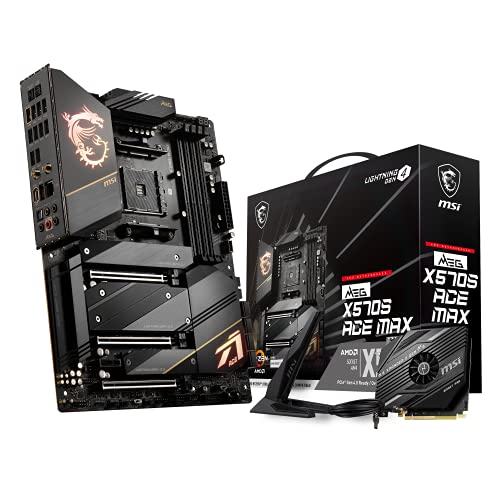
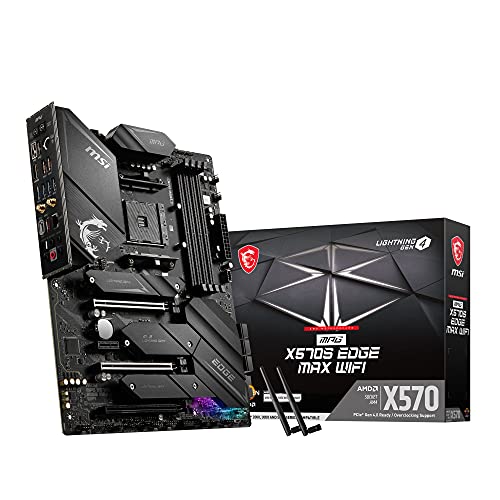
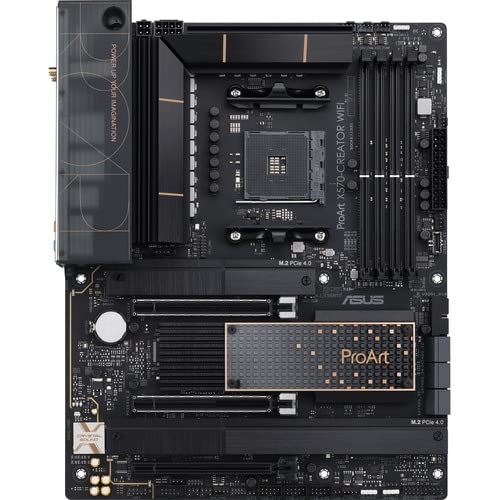
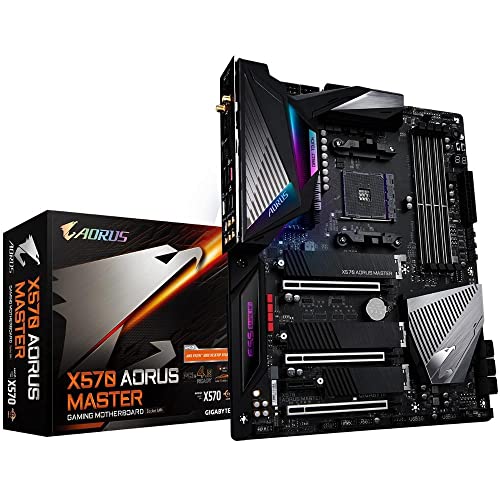
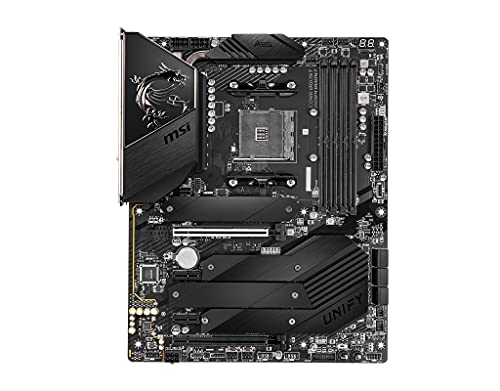
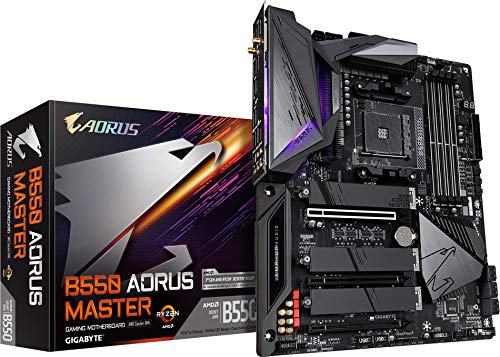
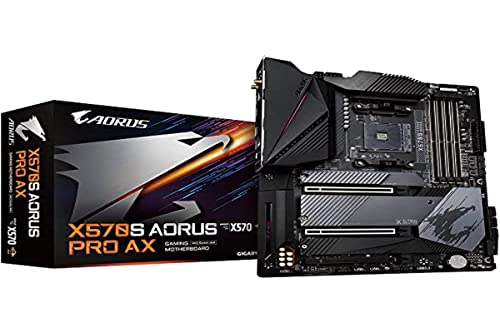
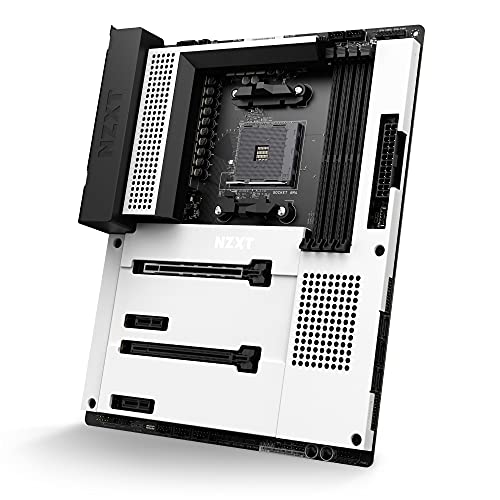
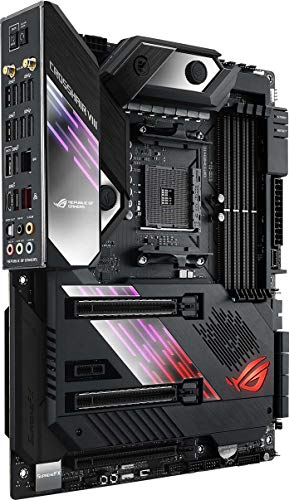
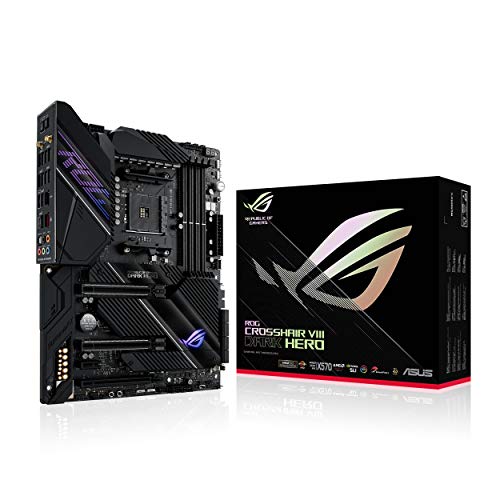
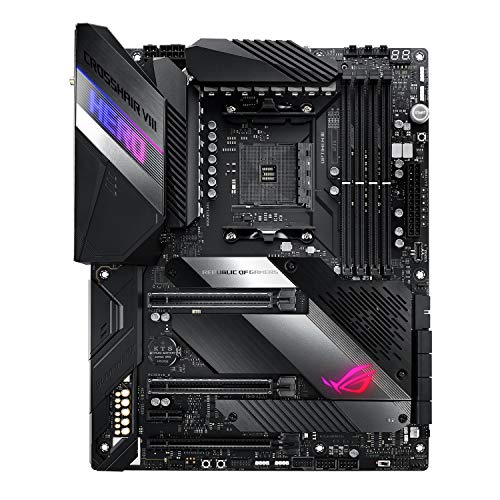
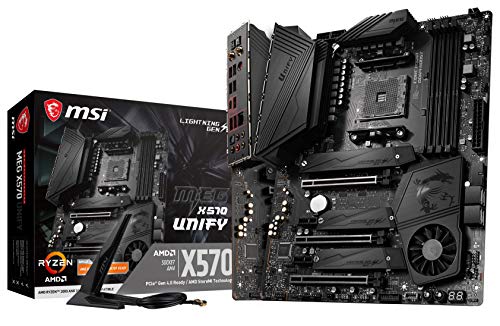
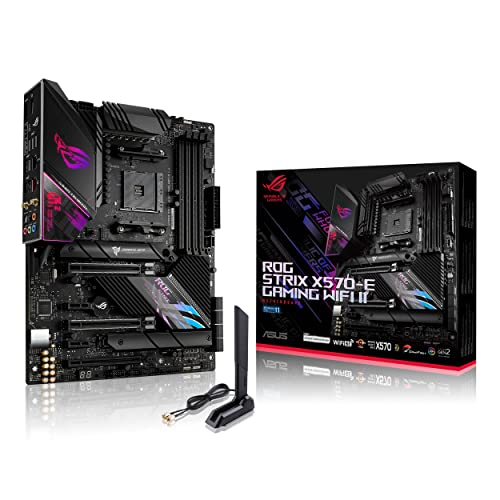
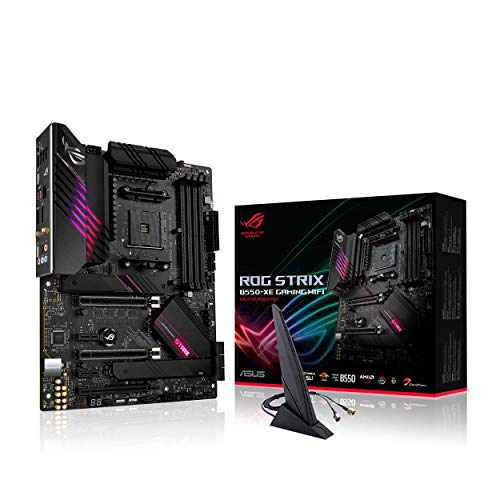
What is an AM4 motherboard?
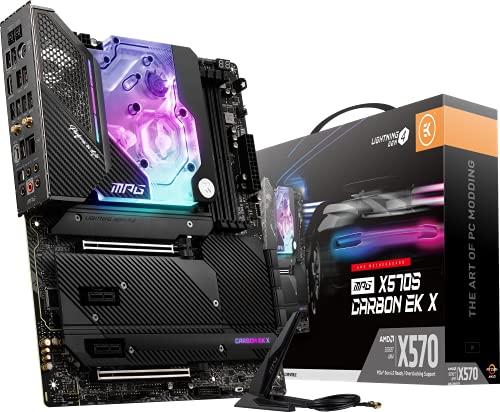
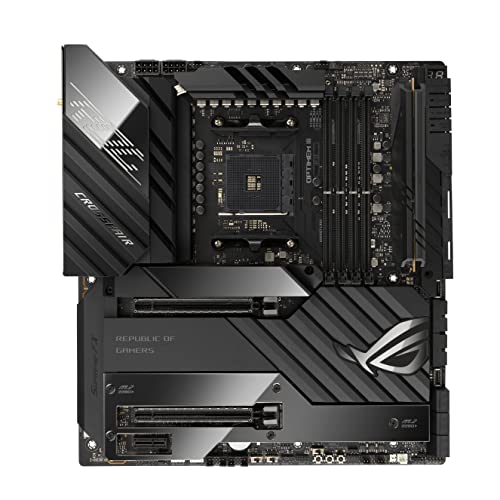
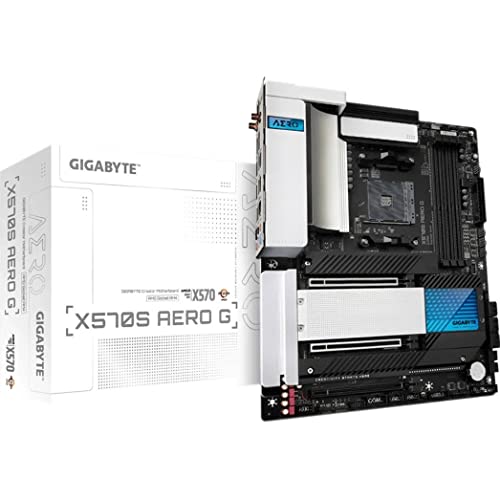
An AM4 motherboard is a motherboard built for AMD processors that use the AM4 socket.
In practical terms, AM4 is the long-running AMD platform used by several Ryzen generations and by many budget-to-upper-mid-range desktop builds. It uses DDR4 memory rather than DDR5, and the newer AM4 chipsets like B550 and X570 can still deliver PCIe 4.0 support on the right boards even though the platform itself is older than AM5.
Which brands make the best AM4 motherboards?
The best AM4 motherboard brands are as follows.
- ASUS (Overall score: 7.6 points)
- GIGABYTE (Overall score: 7.5 points)
- MSI (Overall score: 7.5 points)
The chart below ranks AM4 motherboard brands by average overall score.
[horizontal-chart-09800021270362818216157847666910299277382082615221]
How much do AM4 motherboards cost?
AM4 motherboards usually cost about 50-£220 in the practical mainstream range, although a smaller premium tier stretches much higher than that.
Budget A520 and older B350 or B450 boards often sit near the lower end, while better B550 and X570 boards with stronger VRMs, better cooling, more M.2 support, and onboard Wi-Fi can move well past £170. In short, AM4 still offers one of the widest value ranges in the motherboard category because it spans both very cheap legacy-compatible options and still-serious enthusiast boards.
The following chart shows the price distribution of AM4 motherboards.
[vertical-chart-00080685623488631771053275903346185829032224936050]
What should you consider while choosing the best AM4 motherboard?
When choosing the best AM4 motherboard, you should consider the following factors.
- Chipset tier: B550 and X570 are usually the strongest AM4 choices for most users because they offer better connectivity, stronger feature sets, and broader support for higher-end Ryzen CPUs. B450 and A520 boards can still make sense for budget systems, but they often give up newer connectivity, stronger VRMs, or upgrade headroom.
- CPU compatibility and BIOS support: AM4 covers several Ryzen generations, so you should confirm both socket compatibility and BIOS readiness before buying. A board may be physically AM4 but still need a BIOS update for a newer Ryzen 5000 processor, which matters especially if you do not have an older CPU available for the update.
- VRM quality and cooling: Power delivery matters much more on AM4 if you plan to run CPUs like the Ryzen 7 5800X3D, Ryzen 9 5900X, or Ryzen 9 5950X. Better VRMs and larger heatsinks help maintain stability under sustained gaming, rendering, or productivity loads, while weaker boards are better suited to mid-range Ryzen chips.
- Form factor and expansion: AM4 boards are available in ATX, Micro-ATX, and Mini-ITX formats, so you should match the board to your case and your expansion needs. ATX usually offers the most slots, headers, and storage flexibility, while smaller formats can be the better choice for compact builds if you accept fewer upgrade options.
- Platform value and long-term goals: AM4 is usually the best fit for buyers who want a mature DDR4 platform with wide motherboard choice and lower total cost than AM5. It is strongest when value matters more than future platform growth, because buyers who specifically want DDR5, the latest I/O standards, or a longer upgrade roadmap are usually better served by AM5 instead.