How much does real estate CRM software cost?
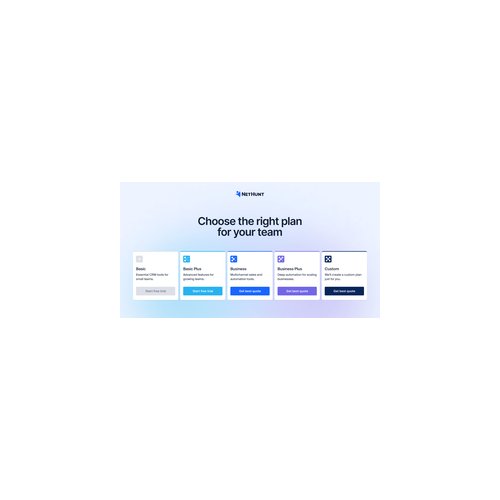
Real estate CRM software commonly costs about £20-£60 per agent per month for standard commercial subscriptions, while comprehensive brokerage editions can reach £90-£150 monthly. Solo realtors and boutique agencies often start on versatile sales platforms priced between £15 and £30 per user, which deliver essential pipeline boards, mobile apps, and email tracking.
Mid-tier plans priced around £30 to £50 per seat unlock automated SMS outreach cadences, transaction document management, e-signatures, and advanced client preference matching. Full brokerage plans accommodating dozens of associated agents typically incorporate multi-tier commission tracking, team performance leaderboards, and administrative audit controls.
Brokers should also budget for supplementary costs like dedicated virtual phone numbers, SMS credit packages for bulk property announcements, and premium MLS integration portal connectors.
Which property listing and transaction management features are essential?
Essential property listing and transaction management features include the following:
- Direct MLS and IDX feed synchronization: Real-time property database integration that automatically pulls active regional listings, price adjustments, and pending sales into the CRM. Agents can view up-to-date property specifications and match new listings with active buyer criteria instantly.
- Instant lead capture and speed-to-lead routing: Automated ingestion of inquiries from property portals like Zillow, Realtor.com, and brokerage landing pages with instant SMS push notifications. Rapid lead routing allows agents to respond within the critical five-minute window when buyer intent is highest.
- Automated property match drip campaigns: Trigger-based email and text notifications that alert buyers when newly listed homes match their saved budget, neighborhood, and bedroom preferences. Automated property alerts keep prospective buyers actively engaged without manual agent searching.
- Transaction coordination and document checklists: Centralized transaction milestone boards that track purchase agreements, home inspections, appraisals, and mortgage approvals. Document checklists ensure all required disclosures and compliance forms are gathered before closing dates.
- Integrated digital signatures and contract management: Native or integrated e-signature tools connecting with DocuSign or dotloop to execute listing agreements and purchase offers. Digital contract execution allows traveling agents to collect client signatures from smartphones immediately.
- Mobile calling, texting, and geolocation mapping: Mobile applications featuring CallKit caller identification, two-way SMS messaging, and interactive maps displaying nearby active listings. Field agents review property details and buyer notes directly from the curb before client showings.
- Open house sign-in and visitor follow-up: Digital tablet sign-in forms that capture visitor contact details and automatically initiate open house follow-up sequences. Immediate post-showing nurture campaigns convert casual weekend open house attendees into qualified buyer clients.
How do automated follow-up sequences help real estate agents close deals?
Automated follow-up sequences help real estate agents close deals by maintaining consistent, multi-touch communication with prospective buyers and sellers over long transaction cycles. Because property purchases often take six to twelve months of research, automated nurture sequences ensure agents remain top-of-mind without having to manually remember hundreds of individual follow-up dates.
Specialized real estate platforms like Follow Up Boss and LionDesk excel at multi-channel follow-up, automatically triggering personalized SMS text messages, email newsletters, and ringless voicemails the instant a new lead registers on an IDX property website. In contrast, general-purpose CRMs like Pipedrive require third-party integration tools like Zapier to achieve comparable automated text messaging cadences. Automated campaigns can also filter prospects based on website engagement, alerting agents when buyers view active listings.
Implementing automated nurture sequences prevents high-value real estate leads from falling through the cracks during busy showing weekends. By combining immediate inquiry responses with scheduled long-term check-ins, agents achieve higher conversion rates from digital advertising spend and maintain steady referral pipelines.
Why are mobile apps and on-the-go lead response critical for realtors?
Mobile applications and instantaneous lead response capabilities are critical for real estate professionals because property inquiries decay rapidly, with buyer engagement dropping by over 80% if an agent fails to respond within the first five minutes. Because realtors spend the majority of their workdays on the road conducting showings and inspections, their CRM must function as a full mobile command center.
Follow Up Boss and CINC provide specialized mobile applications featuring instant push notifications for portal inquiries, integrated mobile calling with automated call recording, and direct access to MLS property sheets from smartphones. General CRMs like HubSpot and Zoho CRM offer robust mobile applications with business card scanning, but they lack direct real estate IDX feed integration and local MLS document synchronization.
Equipping real estate agents with responsive mobile tools ensures that inbound inquiries from property portals and social media ads receive immediate personalized replies. Rapid response times build buyer trust, secure more private property showings, and ultimately lead to faster closing commissions in competitive housing markets.
Before choosing a CRM platform, real estate brokerages should check the following capabilities:
- Property-centric data modeling: The underlying database must organize relationships around individual property listings alongside standard buyer, seller, and landlord profiles. Agents require instant visibility into price changes, viewing schedules, and matched prospective buyers directly from the listing record. Generic contact managers lacking property-centric architecture force brokerages into awkward, (?) data workarounds.
- MLS and property portal integration: Automated two-way feeds with regional Multiple Listing Services and commercial property portals eliminate duplicate listing entry chores. The platform should automatically sync active, pending, and sold listing statuses while capturing inbound buyer inquiries directly into agent queues. Consistent MLS synchronization ensures agents present accurate pricing and availability data during client showings.
- Automated multi-channel lead response: Instant SMS and email auto-responders engage prospective buyers within two minutes of submitting an inquiry on Zillow, Realtor.com, or agency landing pages. Speed-to-lead automation dramatically increases viewing conversion rates in competitive residential and commercial markets. Programmable follow-up cadences nurture long-term prospects until they are ready to schedule formal showings.
- Transaction and document management workflows: Built-in compliance checklists, earnest money tracking, and digital document signing streamline deal progression from accepted offer to final closing. Centralizing inspection reports, appraisal disclosures, and purchase agreements inside the transaction file keeps brokerage auditors fully compliant. Native integration with DocuSign or DigiSign accelerates contract turnaround times during time-sensitive bidding situations.
- Commission splitting and agent performance tracking: Configurable accounting modules calculate tiered brokerage splits, royalty deductions, and referral fees automatically upon transaction completion. Team leaders need real-time reporting on individual agent transaction volumes, gross commission income, and pending pipeline closing dates. Transparent commission reporting builds trust and prevents compensation disputes across high-performing sales groups.
- Mobile listing and open house capture tools: Native tablet and smartphone interfaces allow agents to register prospective buyers digitally during weekend open houses. Immediate mobile entry eliminates paper sign-in sheets and instantly initiates personalized thank-you sequences before attendees leave the neighborhood. Quick access to property brochures and comparable sales data helps agents answer buyer questions on-site.
- Long-term past-client nurturing campaigns: Automated anniversary greetings, annual home valuation updates, and local real estate market digests maintain contact with previous homeowners over five to ten year ownership cycles. Sustained relational marketing drives valuable repeat business and word-of-mouth neighbor referrals without consuming daily administrative time. Consistent past-client communication forms the financial backbone of durable residential brokerages.