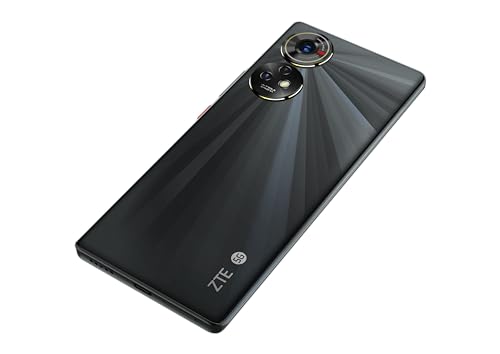
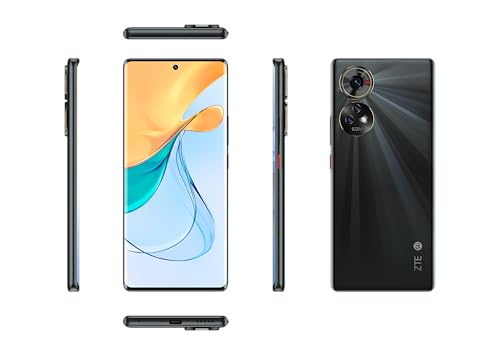
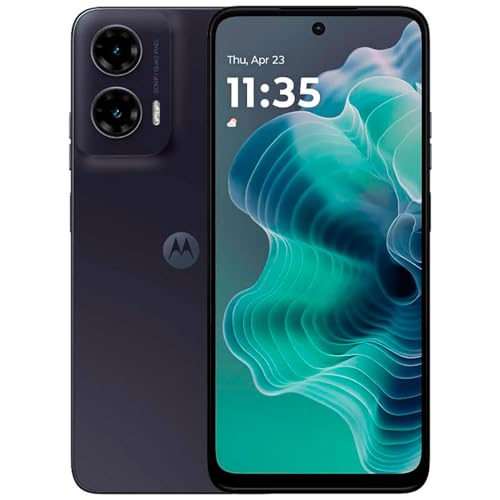
ZTE Blade V50 Design 5G (4GB + 256GB) Review | 197 Data compared

double-arrow
  • Avg. price: ~£110
  • RAM capacity: 4 GB
  • Internal storage: 256 GB
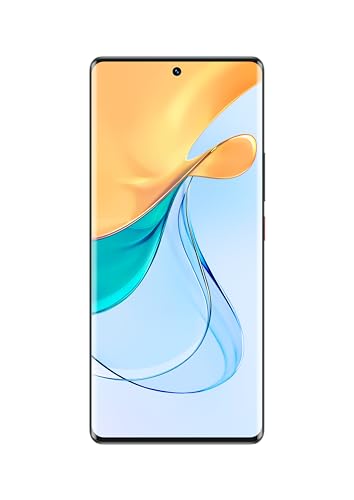
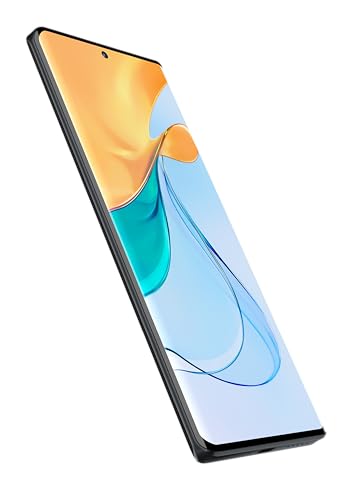
  • Screen size: 6.6 inches
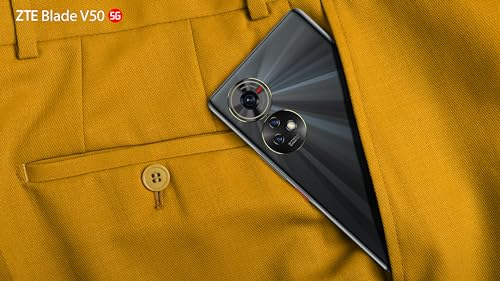
  • Main camera megapixels: 50 MP & 2 MP & 0.3 MP

ZTE Blade V50 Design 5G (4GB + 256GB) review. Compare 197 technical specifications and user reviews to see how it ranks among smartphones and if it's worth buying.

6.8

Overall score

What it is: An overall evaluation of the smartphone's quality, based on technical analyses and user reviews.

When it matters: When you need a quick reference to identify the best smartphones on the market.

Score components:

90.0%

6.9

Technical Score

10.0%

6.3

User score

Good
6.9

Technical Score

What it is: An assessment of the smartphone's technical performance, covering eight key areas: performance & hardware, software, camera, connectivity, display, battery, audio, and design.

When it matters: When you want to compare smartphones based on technical performance and available features.

Score components:

25.0%

7.8

Performance & Hardware

18.0%

5.7

Camera

15.0%

6.5

Display

15.0%

6.7

Battery

10.0%

7.1

Software

10.0%

7.3

Connectivity

4.0%

5.8

Audio

3.0%

8.0

Design

Good
6.3

User score

What it is: A rating that combines user reviews and the total number of reviews received by the smartphone

When it matters: When you want to know how a smartphone handles daily tasks and how reliable it remains over time according to user feedback.

Score components:

70.0%

8.0

User reviews

30.0%

2.5

Popularity

User score:
United Kingdom
amazon
4.0
(24)

(Reviews last updated: March 2026)

Good
    • zte-blade-v50-design-5g
    • zte-blade-v50-design-5g
    • zte-blade-v50-design-5g
    • zte-blade-v50-design-5g
    • zte-blade-v50-design-5g
    • zte-blade-v50-design-5g
    • zte-blade-v50-design-5g
    zte-blade-v50-design-5g
    zte-blade-v50-design-5g
    zte-blade-v50-design-5g
    zte-blade-v50-design-5g
    zte-blade-v50-design-5g
    zte-blade-v50-design-5g
    zte-blade-v50-design-5g

    Best prices

    Best rankings

    ?

    Available: ranking among products currently available (including other versions of this product).
    All: ranking among all products in the database.

    Verdict

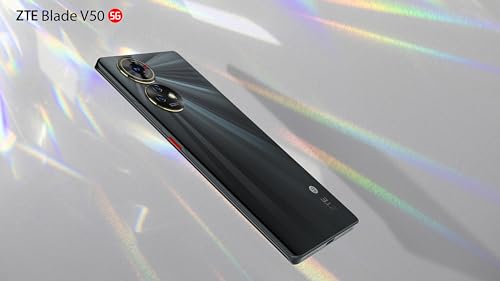
    The ZTE Blade V50 Design 5G is a budget-friendly smartphone featuring a 6.6-inch FHD+ IPS display with a 90Hz refresh rate and a 50MP triple-camera system. Key pros include its large 256GB internal storage, a stylish design, a big 4500mAh battery, and 5G connectivity for faster network speeds. However, the phone is equipped with a lower-performance Unisoc T760 processor, and some user reports have noted unreliable Bluetooth connectivity and poor camera performance in low-light conditions.

    Technical Specifications of smartphone ZTE Blade V50 Design 5G (4GB + 256GB)

    Technical Score

    What it is: An assessment of the smartphone's technical performance, covering eight key areas: performance & hardware, software, camera, connectivity, display, battery, audio, and design.

    When it matters: When you want to compare smartphones based on technical performance and available features.

    Score components:

    25.0%

    7.8

    Performance & Hardware

    18.0%

    5.7

    Camera

    15.0%

    6.5

    Display

    15.0%

    6.7

    Battery

    10.0%

    7.1

    Software

    10.0%

    7.3

    Connectivity

    4.0%

    5.8

    Audio

    3.0%

    8.0

    Design

    6.9
    ZTE Blade V50 Design 5G (4GB + 256GB) has a technical score of 6.86 points, which is lower than 63.1% of smartphones.
    User score

    What it is: A rating that combines user reviews and the total number of reviews received by the smartphone

    When it matters: When you want to know how a smartphone handles daily tasks and how reliable it remains over time according to user feedback.

    Score components:

    70.0%

    8.0

    User reviews

    30.0%

    2.5

    Popularity

    User score:
    United Kingdom
    amazon
    4.0
    (24)

    (Reviews last updated: March 2026)

    6.3
    ZTE Blade V50 Design 5G (4GB + 256GB) has a user score of 6.34 points, which is lower than 95.8% of smartphones.
    Popularity
    What it is: An indicator based on the number of reviews received by the smartphone.
    When it matters: When you prefer to purchase a product chosen and reviewed by many other consumers.
    2.5
    ZTE Blade V50 Design 5G (4GB + 256GB) has a popularity of 2.5 points, which is lower than 62.2% of products in this category.
    Ratio quality/price

    What it is: An indicator that combines the smartphone's overall rating with its cost.

    When it matters: When you are looking for a smartphone with a good balance between quality and price.

    Score components:

    60.0%

    6.8

    Overall score

    40.0%

    9.9

    Price

    7.7
    ZTE Blade V50 Design 5G (4GB + 256GB) has a quality-to-price ratio of 7.7 points, which is higher than 45.1% of products in this category.
    Brand name
    What it is: The manufacturer or brand under which the smartphone is marketed and sold.
    When it matters: When you prefer a specific ecosystem, support network, or design philosophy.

    Importance: MEDIUM

    ZTE
    Processor model
    What it is: The central System-on-Chip (SoC) that houses the CPU, GPU, modem, and other core processing components.
    When it matters: When you want to know the specific engine powering your device's speed and features.

    Importance: HIGH

    Unisoc T770
    ZTE Blade V50 Design 5G (4GB + 256GB) uses the Unisoc T770 processor model which is slower than processors in 67.1% of smartphones of smartphones.
    RAM capacity
    What it is: The amount of volatile memory available for running apps and multitasking.
    When it matters: When you use multiple apps at once or want smoother multitasking without reloads.

    Importance: HIGH

    Good value: >12 GB

    4 GB
    ZTE Blade V50 Design 5G (4GB + 256GB) has a RAM capacity of 4 GB which is smaller than the RAM capacity of 82.7% of smartphones and equal to that of 14% of smartphones.
    Internal storage
    What it is: The total built-in space available for apps, media, and files.
    When it matters: When you keep large libraries of photos, videos, and apps directly on your device.

    Importance: HIGH

    Good value: >256 GB

    256 GB
    ZTE Blade V50 Design 5G (4GB + 256GB) has an internal storage capacity of 256 GB which is larger than the storage of 38.8% of smartphones and equal to that of 38.3% of smartphones.
    CPU boost clock speed
    What it is: The maximum speed the processor can achieve temporarily under heavy load.
    When it matters: When you run demanding apps or games that require short bursts of peak performance.

    Importance: MEDIUM

    Good value: >3.2 GHz

    2.5 GHz
    The CPU boost clock speed of ZTE Blade V50 Design 5G (4GB + 256GB) is 2.5 GHz which is higher than the boost speed of 50.9% of smartphones and equal to that of 5.9% of smartphones.
    Show more
    Operating system
    What it is: The primary system software that manages the smartphone's hardware and software resources.
    When it matters: When you have a preference for the user interface and app ecosystem.

    Importance: HIGH

    Android
    ZTE Blade V50 Design 5G (4GB + 256GB) uses the Android operating system, which outperforms that of 1% of smartphones.
    Android 13
    Android version
    What it is: The specific generation number of the Android operating system installed on the device.
    When it matters: When you want to ensure app compatibility and access to the latest software features.

    Importance: LOW

    Android 13
    ZTE Blade V50 Design 5G (4GB + 256GB) runs Android version Android 13 which is older than that found in 50.6% of smartphones and equal to that in 16.5% of smartphones.
    Direct OS updates
    What it is: Indicates whether the device receives operating system updates directly from the manufacturer or Google, ensuring timely security and feature updates.
    When it matters: When you want the fastest access to new features and security patches.

    Importance: HIGH

    no
    ZTE Blade V50 Design 5G (4GB + 256GB) does not receive direct OS updates. 20.5% of smartphones receive direct updates.
    Open-source OS
    What it is: Shows whether the device’s operating system is based on open-source code, allowing community contributions and greater transparency.
    When it matters: When you value transparency and potential community-driven modifications.

    Importance: LOW

    yes
    ZTE Blade V50 Design 5G (4GB + 256GB) uses an open-source OS. 94.6% of smartphones use an open-source OS.
    Dark mode
    What it is: A display option that uses dark backgrounds to reduce eye strain and save battery on OLED screens.
    When it matters: When you want to reduce eye strain at night or save battery on OLED screens.

    Importance: LOW

    yes
    ZTE Blade V50 Design 5G (4GB + 256GB) offers dark mode. 95.8% of smartphones support this feature.
    Show more
    Multi-lens main camera
    What it is: Indicates that the rear camera system includes multiple lenses (e.g., wide, ultra-wide, telephoto) for versatile shooting options.
    When it matters: When you want versatility to shoot wide landscapes, standard shots, and zoomed details.

    Importance: MEDIUM

    yes
    ZTE Blade V50 Design 5G (4GB + 256GB) includes a multi-lens main camera system. 93.7% of smartphones include multi-lens setups.
    Main camera megapixels
    What it is: The resolution of the primary rear camera sensor, measured in millions of pixels (MP). Higher megapixels can capture more detail.
    When it matters: When you want to capture high-resolution images that can be cropped or printed large.

    Importance: HIGH

    Good value: >50 MP

    50 MP & 2 MP & 0.3 MP
    ZTE Blade V50 Design 5G (4GB + 256GB) has a main camera resolution of 50 MP & 2 MP & 0.3 MP MP which is lower than that of 57.3% of smartphones and equal to that of 0% of smartphones.
    Main camera aperture
    What it is: The size of the lens opening (f-stop) that controls light entry. A lower f-number indicates a wider aperture, allowing better low-light shots.
    When it matters: When you want better low-light performance or a natural background blur effect.

    Importance: HIGH

    ?
    Main camera sensor area
    What it is: The total physical surface area of the camera sensor (calculated by multiplying the number of megapixels by the square of the individual pixel size). A larger area captures more light, resulting in better night photos and less digital noise.
    When it matters: When you want to capture clear, detailed photos in low-light conditions with minimal grain and achieve a natural, professional-looking background blur for portraits.

    Importance: HIGH

    Good value: >60

    24.5 mm²
    ZTE Blade V50 Design 5G (4GB + 256GB) has a main camera sensor area of 24.5 mm² which is smaller than the main camera sensor area of 71.7% of smartphones and equal to that of 1.8% of smartphones.
    Main camera pixel size
    What it is: The physical size of individual pixels on the camera sensor, measured in micrometers. Larger pixels typically capture more light for better low-light performance.
    When it matters: When you shoot in low light and want reduced noise in your photos.

    Importance: MEDIUM

    Good value: ≥1.2 µm

    0.7 µm
    ZTE Blade V50 Design 5G (4GB + 256GB) has a main camera pixel size of 0.7 µm which is smaller than in 64.6% of smartphones and equal to the size in 10.4% of smartphones.
    1.4 binned
    Show more
    Number of SIM slots
    What it is: The number of physical SIM cards or eSIM profiles the device can support simultaneously.
    When it matters: When you need to manage two different phone numbers or travel internationally with a local SIM.

    Importance: MEDIUM

    Good value: ≥2

    2
    ZTE Blade V50 Design 5G (4GB + 256GB) has 2 SIM slots, which is more than in 3.8% of smartphones and equal to the number in 96.1% of smartphones.
    Cellular module
    What it is: The hardware component capable of connecting to mobile cellular networks for voice and data.
    When it matters: When you need to stay connected to calls and internet away from Wi-Fi.

    Importance: LOW

    yes
    ZTE Blade V50 Design 5G (4GB + 256GB) includes a cellular module. 100% of smartphones include cellular modules.
    5G connectivity
    What it is: Support for the fifth generation of mobile network technology, offering significantly faster data speeds and lower latency.
    When it matters: When you need the fastest possible mobile data speeds for streaming and downloading on the go.

    Importance: MEDIUM

    yes
    ZTE Blade V50 Design 5G (4GB + 256GB) supports 5G connectivity. 66.9% of smartphones support 5G.
    LTE support
    What it is: Support for Long-Term Evolution (4G) networks, providing high-speed mobile data.
    When it matters: When you need reliable mobile internet coverage in areas where 5G isn't available.

    Importance: HIGH

    yes
    ZTE Blade V50 Design 5G (4GB + 256GB) supports LTE. 99.7% of smartphones include LTE connectivity.
    Wi-Fi connectivity
    What it is: The ability to connect to wireless local area networks for internet access and local networking.
    When it matters: When you want to save mobile data and connect to home or public networks.

    Importance: HIGH

    yes
    ZTE Blade V50 Design 5G (4GB + 256GB) supports Wi-Fi connectivity. 100% of smartphones offer Wi-Fi support.
    Show more
    Screen size
    What it is: The physical diagonal measurement of the display area, usually expressed in inches.
    When it matters: When you choose between a compact phone for one-handed use or a large screen for media.

    Importance: MEDIUM

    Good value: ≥6.6 inches

    6.6 inches
    ZTE Blade V50 Design 5G (4GB + 256GB) has a screen size of 6.6 inches which is smaller than the screens of 62.9% of smartphones and equal to those of 4.9% of smartphones.
    Screen resolution
    What it is: The total number of pixels displayed on the screen, expressed as width x height, determining sharpness.
    When it matters: When you want crisp text and sharp details in photos and videos.

    Importance: HIGH

    1080 x 2408 px
    ZTE Blade V50 Design 5G (4GB + 256GB) has a screen resolution of 1080x2408 px which is higher than that of 56.9% of smartphones and equal to that of 4.2% of smartphones.
    Pixel density
    What it is: The concentration of pixels on the display, measured in pixels per inch (PPI), affecting image clarity.
    When it matters: When you want the image to look perfectly smooth with no visible pixels.

    Importance: HIGH

    Good value: >400 ppi

    400 ppi
    ZTE Blade V50 Design 5G (4GB + 256GB) has a pixel density of 400 ppi which is higher than that of 56.1% of smartphones and equal to that of 2.4% of smartphones.
    Display type
    What it is: The specific technology used for the screen panel (e.g., OLED, IPS LCD), influencing contrast, color, and efficiency.
    When it matters: When you care about vibrant colors, deep blacks, and battery efficiency.

    Importance: HIGH

    IPS LCD
    ZTE Blade V50 Design 5G (4GB + 256GB) uses a IPS LCD display type. 0% of smartphones use this display technology.
    Refresh rate
    What it is: The number of times per second the display updates the image, measured in Hertz (Hz); higher rates offer smoother motion.
    When it matters: When you want scrolling to feel fluid and games to look smoother.

    Importance: HIGH

    Good value: ≥120 Hz

    90 Hz
    ZTE Blade V50 Design 5G (4GB + 256GB) supports a refresh rate of 90 Hz which is lower than in 65.4% of smartphones and equal to that in 18.9% of smartphones.
    Show more
    Battery capacity
    What it is: The amount of electric charge the battery can hold, measured in milliampere-hours (mAh).
    When it matters: When you want a general idea of how large the battery is physically.

    Importance: HIGH

    Good value: >5000 mAh

    5,000 mAh
    ZTE Blade V50 Design 5G (4GB + 256GB) has a battery capacity of 5,000 mAh which is larger than the batteries in 28.3% of smartphones and equal to those in 28.8% of smartphones.
    Charging speed
    What it is: The maximum power input supported for wired charging, measured in Watts (W).
    When it matters: When you are in a rush and need to top up your battery quickly.

    Importance: HIGH

    Good value: >60 W

    22.5 W
    ZTE Blade V50 Design 5G (4GB + 256GB) supports charging speeds of 22.5 W which is slower than in 72.7% of smartphones and equal to speeds in 1.4% of smartphones.
    Fast charging
    What it is: In the context of modern electronics, "Fast Charging" refers to any technology that delivers power significantly higher than the traditional USB baseline. While the industry standard for a basic charger is 5W (5V at 1A), a charger is generally classified as a fast charger if it provides at least 18W of power.
    When it matters: When you want to minimize the time your phone spends tethered to a wall outlet.

    Importance: MEDIUM

    yes
    ZTE Blade V50 Design 5G (4GB + 256GB) supports fast charging. 93.1% of smartphones support fast charging.
    GSMArena full wired charge time
    What it is: The time taken to charge the battery from 0% to 100% using the bundled or recommended charger, as measured by GSMArena.
    When it matters: When you want to know exactly how long it takes to charge from 0 to 100% in real-world tests.

    Importance: MEDIUM

    Good value: <45 min

    ?
    Wireless charging
    What it is: The ability to charge the battery without cables by placing the device on a compatible charging pad.
    When it matters: When you prefer the convenience of dropping your phone on a pad without fumbling with cables.

    Importance: MEDIUM

    no
    ZTE Blade V50 Design 5G (4GB + 256GB) does not support wireless charging. 25.3% of smartphones support wireless charging.
    Show more
    Stereo speakers
    What it is: A setup involving two or more speakers to create a left-right audio separation for immersive sound.
    When it matters: When you watch videos or play games without headphones and want immersive sound.

    Importance: MEDIUM

    no
    ZTE Blade V50 Design 5G (4GB + 256GB) does not include stereo speakers. 64.5% of smartphones provide stereo audio.
    3.5 mm headphone jack
    What it is: A standard analog audio port for connecting wired headphones or auxiliary cables.
    When it matters: When you prefer using traditional wired headphones without dongles or adapters.

    Importance: LOW

    yes
    ZTE Blade V50 Design 5G (4GB + 256GB) includes a 3.5 mm headphone jack. 45.3% of smartphones still offer this port.
    Number of microphones
    What it is: The total count of microphones on the device, used for audio recording, noise cancellation, and voice isolation.
    When it matters: When you want clear audio recording and better noise cancellation during calls.

    Importance: MEDIUM

    Good value: ≥3

    ?
    FM radio
    What it is: A built-in receiver allowing users to listen to local FM radio stations using wired headphones as an antenna.
    When it matters: When you want to listen to local radio stations without using mobile data.

    Importance: LOW

    no
    ZTE Blade V50 Design 5G (4GB + 256GB) does not include an FM radio. 33.7% of smartphones offer FM radio functionality.
    aptX Lossless
    What it is: A Bluetooth technology designed to deliver CD-quality audio without data loss during transmission.
    When it matters: When you demand CD-quality audio over Bluetooth with no loss of detail.

    Importance: LOW

    yes
    ZTE Blade V50 Design 5G (4GB + 256GB) supports aptX Lossless. 12.9% of smartphones provide aptX Lossless.
    Show more
    Height
    What it is: The vertical dimension of the device.
    When it matters: When you are concerned about whether the phone will fit in your pocket or purse.

    Importance: LOW

    Good value: <162 mm

    163.7 mm
    ZTE Blade V50 Design 5G (4GB + 256GB) has a height of 163.7 mm which is taller than 51.6% of smartphones and equal to that of 1.9% of smartphones.
    Width
    What it is: The horizontal dimension of the device when held in portrait orientation.
    When it matters: When you care about how easy the phone is to grip and use with one hand.

    Importance: LOW

    Good value: <75 mm

    75 mm
    ZTE Blade V50 Design 5G (4GB + 256GB) has a width of 75 mm which is narrower than 68.3% of smartphones and equal to that of 3.3% of smartphones.
    Thickness
    What it is: The depth of the device profile, excluding the camera bump unless specified.
    When it matters: When you prefer a sleek, slim profile that slides easily into tight pockets.

    Importance: LOW

    Good value: <8 mm

    8 mm
    ZTE Blade V50 Design 5G (4GB + 256GB) has a thickness of 8 mm which is thinner than 63.5% of smartphones and equal to that of 6.9% of smartphones.
    Weight
    What it is: The total mass of the smartphone, affecting how heavy it feels in the hand.
    When it matters: When you want a phone that feels light in your pocket or substantial in your hand.

    Importance: MEDIUM

    Good value: <190 g

    189 g
    ZTE Blade V50 Design 5G (4GB + 256GB) weighs 189 g which is lighter than 68% of smartphones and equal to the weight of 1.9% of smartphones.
    Device volume
    What it is: The calculated total volume of the device's physical body.
    When it matters: When you want to understand the overall physical bulk of the device.

    Importance: LOW

    Good value: <98cm³

    97,800 cm³
    ZTE Blade V50 Design 5G (4GB + 256GB) has a device volume of 97,800 cm³ which is smaller than 46.6% of smartphones and equal to that of 5% of smartphones.
    Show more

    ZTE Blade V50 Design 5G (4GB + 256GB) vs the average smartphone

    • Supports aptX Lossless
      ZTE Blade V50 Design 5G (4GB + 256GB) supports aptX Lossless, the average smartphone does not. 12.9% of smartphones include aptX Lossless support.
      What it is: A Bluetooth technology designed to deliver CD-quality audio without data loss during transmission.
      When it matters: When you demand CD-quality audio over Bluetooth with no loss of detail.

      Importance: LOW

      ZTE Blade V50 Design 5G (4GB + 256GB) supports aptX Lossless, the average smartphone does not. 12.9% of smartphones include aptX Lossless support.
    • Supports aptX Adaptive
      ZTE Blade V50 Design 5G (4GB + 256GB) supports aptX Adaptive, the average smartphone does not. 34.3% of smartphones include aptX Adaptive support.
      What it is: A Bluetooth codec that dynamically adjusts bitrate to balance audio quality and connection stability.
      When it matters: When you want audio that automatically balances quality and stability based on your environment.

      Importance: MEDIUM

      ZTE Blade V50 Design 5G (4GB + 256GB) supports aptX Adaptive, the average smartphone does not. 34.3% of smartphones include aptX Adaptive support.
    • Uses a BSI sensor
      ZTE Blade V50 Design 5G (4GB + 256GB) uses a BSI sensor, the average smartphone does not. 40.1% of smartphones include BSI sensors.
      What it is: Indicates the use of a Back-Side Illuminated sensor, which arranges the wiring behind the light-receiving surface to improve low-light sensitivity.
      When it matters: When you take photos in dim environments and need better light sensitivity.

      Importance: LOW

      ZTE Blade V50 Design 5G (4GB + 256GB) uses a BSI sensor, the average smartphone does not. 40.1% of smartphones include BSI sensors.
    • Has a 3.5 mm headphone jack
      ZTE Blade V50 Design 5G (4GB + 256GB) features a 3.5 mm headphone jack, the average smartphone does not. 45.3% of smartphones include a standard headphone jack.
      What it is: A standard analog audio port for connecting wired headphones or auxiliary cables.
      When it matters: When you prefer using traditional wired headphones without dongles or adapters.

      Importance: LOW

      ZTE Blade V50 Design 5G (4GB + 256GB) features a 3.5 mm headphone jack, the average smartphone does not. 45.3% of smartphones include a standard headphone jack.
    • 1 more flash LEDs
      ZTE Blade V50 Design 5G (4GB + 256GB) has more flash LEDs than the average smartphone (2 vs 1). The average smartphone has 1 flash LEDs.
      What it is: The count of individual Light Emitting Diodes used in the camera flash module, often to provide brighter light or better color balance.
      When it matters: When you need brighter, more even illumination for your photos in dark settings.

      Importance: LOW

      Good value: ≥2

      ZTE Blade V50 Design 5G (4GB + 256GB) has more flash LEDs than the average smartphone (2 vs 1). The average smartphone has 1 flash LEDs.2 vs 1
    • Wider front camera aperture
      ZTE Blade V50 Design 5G (4GB + 256GB) has a wider front camera aperture than the average smartphone (f/2.0 vs f/2.2). The average aperture is f/2.2.
      What it is: The f-stop value of the front camera lens, affecting light intake and background blur in selfies.
      When it matters: When you take selfies in low light and want them to appear brighter.

      Importance: MEDIUM

      ZTE Blade V50 Design 5G (4GB + 256GB) has a wider front camera aperture than the average smartphone (f/2.0 vs f/2.2). The average aperture is f/2.2.f/2.0 vs f/2.2
    • Higher CPU base clock speed
      ZTE Blade V50 Design 5G (4GB + 256GB) has a higher CPU base clock speed than the average smartphone (1x2.5 GHz & 3x2.2 GHz & 4x2 GHz vs 2x2.2 GHz & 6x2 GHz). The average smartphone has a base clock speed of 2x2.2 GHz & 6x2 GHz.
      What it is: The processor’s standard operating frequency under normal conditions, measured in GHz.
      When it matters: When you want consistent, reliable performance for standard daily tasks like browsing or messaging.

      Importance: MEDIUM

      ZTE Blade V50 Design 5G (4GB + 256GB) has a higher CPU base clock speed than the average smartphone (1x2.5 GHz & 3x2.2 GHz & 4x2 GHz vs 2x2.2 GHz & 6x2 GHz). The average smartphone has a base clock speed of 2x2.2 GHz & 6x2 GHz.1x2.5 GHz & 3x2.2 GHz & 4x2 GHz vs 2x2.2 GHz & 6x2 GHz
    • Higher screen resolution
      ZTE Blade V50 Design 5G (4GB + 256GB) has a higher screen resolution than the average smartphone (1080x2408 px vs 1080x2400 px). The average smartphone resolution is 1080x2400 px.
      What it is: The total number of pixels displayed on the screen, expressed as width x height, determining sharpness.
      When it matters: When you want crisp text and sharp details in photos and videos.

      Importance: HIGH

      ZTE Blade V50 Design 5G (4GB + 256GB) has a higher screen resolution than the average smartphone (1080x2408 px vs 1080x2400 px). The average smartphone resolution is 1080x2400 px.1080x2408 px vs 1080x2400 px
    • Higher CPU base clock speed
      ZTE Blade V50 Design 5G (4GB + 256GB) has a higher CPU base clock speed than the average smartphone (1x2.5 GHz & 3x2.2 GHz & 4x2 GHz vs 2x2.2 GHz & 6x2 GHz). The average smartphone has a base clock speed of 2x2.2 GHz & 6x2 GHz.
    • 4.2% higher CPU boost clock speed
      ZTE Blade V50 Design 5G (4GB + 256GB) has a higher CPU boost clock speed than the average smartphone (2.5 GHz vs 2.4 GHz). The average smartphone has a boost clock speed of 2.4 GHz.
    • Uses a BSI sensor
      ZTE Blade V50 Design 5G (4GB + 256GB) uses a BSI sensor, the average smartphone does not. 40.1% of smartphones include BSI sensors.
    • 1 more flash LEDs
      ZTE Blade V50 Design 5G (4GB + 256GB) has more flash LEDs than the average smartphone (2 vs 1). The average smartphone has 1 flash LEDs.
    • Wider front camera aperture
      ZTE Blade V50 Design 5G (4GB + 256GB) has a wider front camera aperture than the average smartphone (f/2.0 vs f/2.2). The average aperture is f/2.2.
    • Higher screen resolution
      ZTE Blade V50 Design 5G (4GB + 256GB) has a higher screen resolution than the average smartphone (1080x2408 px vs 1080x2400 px). The average smartphone resolution is 1080x2400 px.
    • 1.3% higher pixel density
      ZTE Blade V50 Design 5G (4GB + 256GB) has a higher pixel density than the average smartphone (400 ppi vs 395 ppi). The average smartphone has a pixel density of 395 ppi.
    • Supports aptX Lossless
      ZTE Blade V50 Design 5G (4GB + 256GB) supports aptX Lossless, the average smartphone does not. 12.9% of smartphones include aptX Lossless support.
    • Supports aptX Adaptive
      ZTE Blade V50 Design 5G (4GB + 256GB) supports aptX Adaptive, the average smartphone does not. 34.3% of smartphones include aptX Adaptive support.
    • Has a 3.5 mm headphone jack
      ZTE Blade V50 Design 5G (4GB + 256GB) features a 3.5 mm headphone jack, the average smartphone does not. 45.3% of smartphones include a standard headphone jack.
    • 3.7% lighter
      ZTE Blade V50 Design 5G (4GB + 256GB) is lighter than the average smartphone (189 g vs 196.2 g). The average smartphone weighs 196.2 g.
    • 1 mm narrower
      ZTE Blade V50 Design 5G (4GB + 256GB) is narrower than the average smartphone (75 mm vs 76 mm). The average smartphone width is 76 mm.
    • 0.3 mm thinner
      ZTE Blade V50 Design 5G (4GB + 256GB) is thinner than the average smartphone (8 mm vs 8.3 mm). The average smartphone thickness is 8.3 mm.
    • Worse processor
      ZTE Blade V50 Design 5G (4GB + 256GB) uses a worse processor than the average smartphone (Unisoc T770 vs Qualcomm Snapdragon 7 Gen 3).
    • 42.9% lower maximum RAM capacity
      ZTE Blade V50 Design 5G (4GB + 256GB) supports less maximum RAM than the average smartphone (8 GB vs 14 GB). The average smartphone supports 14 GB of RAM.
    • 4 GB less RAM
      ZTE Blade V50 Design 5G (4GB + 256GB) has less RAM than the average smartphone (4 GB vs 8 GB). The average smartphone has 8 GB of RAM.
    • 22.4% slower memory speed
      ZTE Blade V50 Design 5G (4GB + 256GB) has a lower memory speed than the average smartphone (2,133 MHz vs 2,750 MHz). The average smartphone has a memory speed of 2,750 MHz.
    • Lacks focus mode
      ZTE Blade V50 Design 5G (4GB + 256GB) does not have a focus mode, the average smartphone does. 60.4% of smartphones include a dedicated focus mode.
    • No battery health monitoring
      ZTE Blade V50 Design 5G (4GB + 256GB) lacks battery health monitoring, the average smartphone includes it. 66.5% of smartphones provide battery health stats.
    • Lacks instant markup
      ZTE Blade V50 Design 5G (4GB + 256GB) does not support instant markup, the average smartphone does. 52.7% of smartphones include instant markup tools.
    • No Wi-Fi password sharing
      ZTE Blade V50 Design 5G (4GB + 256GB) does not support Wi-Fi password sharing, the average smartphone does. 57.9% of smartphones allow easy Wi-Fi sharing.
    • Older Android version
      ZTE Blade V50 Design 5G (4GB + 256GB) runs an older Android version than the average smartphone (Android 13 vs Android 14). The average smartphone runs Android version Android 14.
    • Worse main camera video quality
      ZTE Blade V50 Design 5G (4GB + 256GB) records worse main camera video than the average smartphone. 11.8x of smartphones support 4K video recording.
    • Lower front camera megapixels
      ZTE Blade V50 Design 5G (4GB + 256GB) has lower front camera megapixels than the average smartphone (8 MP vs 16 MP). The average smartphone has a 16 MP front camera.
    • No slow-motion recording
      ZTE Blade V50 Design 5G (4GB + 256GB) does not support slow-motion recording, the average smartphone does. 90.3% of smartphones offer slow-mo features.
    • No timelapse video
      ZTE Blade V50 Design 5G (4GB + 256GB) does not support timelapse video, the average smartphone does. 92.2% of smartphones include timelapse modes.
    • 23.4% smaller main camera sensor area
      ZTE Blade V50 Design 5G (4GB + 256GB) has a smaller main camera sensor area than the average smartphone (24.5 mm² vs 32 mm²). The average smartphone sensor area is 32 mm².
    • 0.1 µm smaller main camera pixel size
      ZTE Blade V50 Design 5G (4GB + 256GB) has a smaller main camera pixel size than the average smartphone (0.7 µm vs 0.8 µm). The average smartphone has a pixel size of 0.8 µm.
      1.4 binned
    • Lower-resolution main camera
      ZTE Blade V50 Design 5G (4GB + 256GB) has a lower-resolution main camera than the average smartphone (50 MP & 2 MP & 0.3 MP vs 50 MP & 8 MP). The average smartphone has a 50 MP & 8 MP main camera.
    • No gyroscope
      ZTE Blade V50 Design 5G (4GB + 256GB) does not have a gyroscope, the average smartphone does. 84.3% of smartphones feature a gyroscope.
    • Older Bluetooth version
      ZTE Blade V50 Design 5G (4GB + 256GB) uses an older Bluetooth version than the average smartphone (5 vs 5.2). The average smartphone uses Bluetooth 5.2.
    • No compass
      ZTE Blade V50 Design 5G (4GB + 256GB) does not have a compass, the average smartphone does. 93.3% of smartphones include a built-in compass.
    • Inferior display type
      ZTE Blade V50 Design 5G (4GB + 256GB) has an inferior display type compared to the average smartphone (IPS LCD vs OLED/AMOLED). 0% of smartphones use the superior display type.
    • 25% lower refresh rate
      ZTE Blade V50 Design 5G (4GB + 256GB) has a lower refresh rate than the average smartphone (90 Hz vs 120 Hz). The average smartphone has a refresh rate of 120 Hz.
    • 0.07 inches smaller screen size
      ZTE Blade V50 Design 5G (4GB + 256GB) has a smaller screen size than the average smartphone (6.6 inches vs 6.67 inches). The average smartphone has a screen size of 6.67 inches.
    • No reverse wired charging
      ZTE Blade V50 Design 5G (4GB + 256GB) does not support reverse wired charging, the average smartphone does. 60.9% of smartphones support reverse wired charging.
    • 31.8% slower charging speed
      ZTE Blade V50 Design 5G (4GB + 256GB) has a slower charging speed than the average smartphone (22.5 W vs 33 W). The average smartphone charges at 33 W.
    • No stereo speakers
      ZTE Blade V50 Design 5G (4GB + 256GB) does not have stereo speakers, the average smartphone does. 64.5% of smartphones feature stereo speakers.
    • No LDAC support
      ZTE Blade V50 Design 5G (4GB + 256GB) does not support LDAC, the average smartphone does. 60.3% of smartphones support LDAC.
    • Inferior display type
      ZTE Blade V50 Design 5G (4GB + 256GB) has an inferior display type compared to the average smartphone (IPS LCD vs OLED/AMOLED). 0% of smartphones use the superior display type.
      What it is: The specific technology used for the screen panel (e.g., OLED, IPS LCD), influencing contrast, color, and efficiency.
      When it matters: When you care about vibrant colors, deep blacks, and battery efficiency.

      Importance: HIGH

      ZTE Blade V50 Design 5G (4GB + 256GB) has an inferior display type compared to the average smartphone (IPS LCD vs OLED/AMOLED). 0% of smartphones use the superior display type.IPS LCD vs OLED/AMOLED
    • No stereo speakers
      ZTE Blade V50 Design 5G (4GB + 256GB) does not have stereo speakers, the average smartphone does. 64.5% of smartphones feature stereo speakers.
      What it is: A setup involving two or more speakers to create a left-right audio separation for immersive sound.
      When it matters: When you watch videos or play games without headphones and want immersive sound.

      Importance: MEDIUM

      ZTE Blade V50 Design 5G (4GB + 256GB) does not have stereo speakers, the average smartphone does. 64.5% of smartphones feature stereo speakers.
    • Worse processor
      ZTE Blade V50 Design 5G (4GB + 256GB) uses a worse processor than the average smartphone (Unisoc T770 vs Qualcomm Snapdragon 7 Gen 3).
      What it is: The central System-on-Chip (SoC) that houses the CPU, GPU, modem, and other core processing components.
      When it matters: When you want to know the specific engine powering your device's speed and features.

      Importance: HIGH

      ZTE Blade V50 Design 5G (4GB + 256GB) uses a worse processor than the average smartphone (Unisoc T770 vs Qualcomm Snapdragon 7 Gen 3).Unisoc T770 vs Qualcomm Snapdragon 7 Gen 3
    • 42.9% lower maximum RAM capacity
      ZTE Blade V50 Design 5G (4GB + 256GB) supports less maximum RAM than the average smartphone (8 GB vs 14 GB). The average smartphone supports 14 GB of RAM.
      What it is: The highest amount of RAM that the device’s chipset or architecture can support, regardless of how much is actually installed.
      When it matters: When you are considering the long-term potential of the hardware platform.

      Importance: MEDIUM

      Good value: >16 GB

      ZTE Blade V50 Design 5G (4GB + 256GB) supports less maximum RAM than the average smartphone (8 GB vs 14 GB). The average smartphone supports 14 GB of RAM.8 GB vs 14 GB
    • 25% lower refresh rate
      ZTE Blade V50 Design 5G (4GB + 256GB) has a lower refresh rate than the average smartphone (90 Hz vs 120 Hz). The average smartphone has a refresh rate of 120 Hz.
      What it is: The number of times per second the display updates the image, measured in Hertz (Hz); higher rates offer smoother motion.
      When it matters: When you want scrolling to feel fluid and games to look smoother.

      Importance: HIGH

      Good value: ≥120 Hz

      ZTE Blade V50 Design 5G (4GB + 256GB) has a lower refresh rate than the average smartphone (90 Hz vs 120 Hz). The average smartphone has a refresh rate of 120 Hz.90 Hz vs 120 Hz
    • Worse main camera video quality
      ZTE Blade V50 Design 5G (4GB + 256GB) records worse main camera video than the average smartphone. 11.8x of smartphones support 4K video recording.
      What it is: The maximum resolution and frame rate at which the main rear camera can record video.
      When it matters: When you want to record memories or content in high definition or 4K.

      Importance: MEDIUM

      ZTE Blade V50 Design 5G (4GB + 256GB) records worse main camera video than the average smartphone. 11.8x of smartphones support 4K video recording.1080x30 fps vs 2160x30 fps
    • 4 GB less RAM
      ZTE Blade V50 Design 5G (4GB + 256GB) has less RAM than the average smartphone (4 GB vs 8 GB). The average smartphone has 8 GB of RAM.
      What it is: The amount of volatile memory available for running apps and multitasking.
      When it matters: When you use multiple apps at once or want smoother multitasking without reloads.

      Importance: HIGH

      Good value: >12 GB

      ZTE Blade V50 Design 5G (4GB + 256GB) has less RAM than the average smartphone (4 GB vs 8 GB). The average smartphone has 8 GB of RAM.4 GB vs 8 GB
    • No LDAC support
      ZTE Blade V50 Design 5G (4GB + 256GB) does not support LDAC, the average smartphone does. 60.3% of smartphones support LDAC.
      What it is: A high-quality Bluetooth audio codec developed by Sony that supports high-resolution audio streaming.
      When it matters: When you have high-end Sony headphones and want the best possible wireless audio quality.

      Importance: MEDIUM

      ZTE Blade V50 Design 5G (4GB + 256GB) does not support LDAC, the average smartphone does. 60.3% of smartphones support LDAC.

    Graphic comparison of ZTE Blade V50 Design 5G (4GB + 256GB) and other smartphones

    Attribute category
    Attribute
    No results found

    Third-party reviews

    United Kingdom

    (Reviews last updated: March 2026)

    What customers like about ZTE Blade V50 Design 5G (4GB + 256GB)?

    • Affordable price point for a 5G phone
    • Sleek and attractive design that some users liken to high-end models
    • Good screen quality with a 6.6-inch FHD+ 90Hz display
    • Adequate performance for basic daily tasks like calls, messaging, and social media browsing
    • Long battery life with normal use, lasting a full day or more
    • Large internal storage (128GB/256GB) which is often expandable
    • Support for 22.5W fast charging
    • Good sound quality according to some users
    • NFC support (market dependent)
    • Solid build quality for its price range

    What customers dislike about ZTE Blade V50 Design 5G (4GB + 256GB)?

    • Performance is average to poor with very demanding games or heavy multitasking
    • The processor (Unisoc T760 or T606 depending on the model) is considered a downside by some users
    • Camera performance is not good, with issues in color accuracy and night shots, and AI processing can make photos blurry
    • Bluetooth connectivity issues, with some users experiencing difficulty connecting or staying connected to devices
    • Low screen brightness according to some reviews
    • Comes with bloatware and unnecessary background apps which consume hardware memory
    • Some users reported the phone unexpectedly shutting off
    • No built-in screen protection (advisable to get a screen protector)
    • The 4500mAh battery might not last a full day for demanding gamers

    Expert reviews

    W
    welt.de
    31/01/2026
    Summary of the review
    A
    abc.es
    16/12/2023
    Summary of the review
    C
    computerhoy.20minutos.es
    27/12/2023
    Summary of the review

    Video reviews

    Compare ZTE Blade V50 Design 5G (4GB + 256GB) with other smartphones

    VS
    VS

    Compare