Scored using Smartphones Methodology v1.0
Smartphones Methodology v1.0
Mathematical & Unbiased Scoring
Products in this category are scored under Frontum Smartphones Methodology v1.0: technical specifications plus authentic consumer ratings, with 0% commercial bias.
Explore Smartphones Methodology v1.0

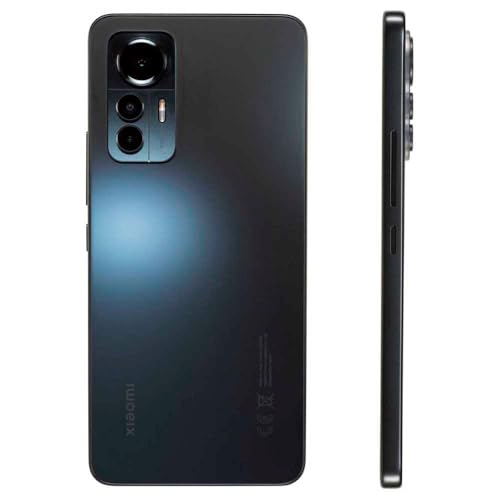
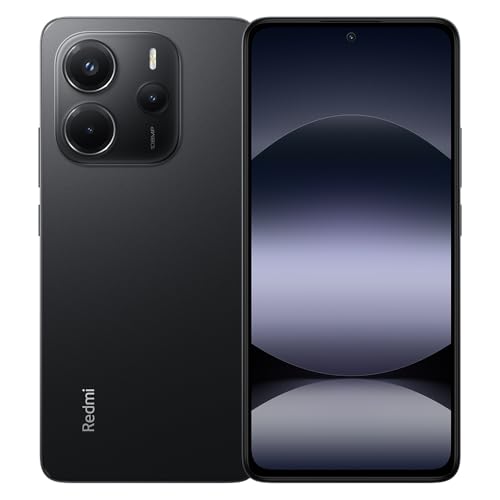
Xiaomi Redmi Note 14 4G (8GB + 256GB) Review | 197 Data compared

Avg. price:~£140RAM capacity:8 GBInternal storage:256 GBScreen size:6.67 inchesMain camera megapixels:108 MP & 2 MP & 2 MP

Xiaomi Redmi Note 14 4G (8GB + 256GB) Review: Compare 197 technical specifications and user reviews to see how this product ranks in the Smartphones category and whether it is worth buying.
Xiaomi Redmi Note 14 4G (8GB + 256GB)
6.6/10

Overall score

Score
6.6/ 10
✕
What it is
An overall evaluation of the smartphone's quality, based on technical analyses and user reviews.
When it matters
When you need a quick reference to identify the best smartphones on the market.
Score distribution
â–¼
<55-66-77-88-99-10
Score components

90%

6.6

Technical score

10%

6.1

User score

â–¼Worse than 55% of smartphones
7.5

Value for money

Value for money
7.5/ 10
✕
What it is
An indicator that combines the smartphone's overall rating with its cost.
When it matters
When you are looking for a smartphone with a good balance between quality and price.
Score distribution
â–¼
<55-66-77-88-99-10
Score components

70%

6.6

Overall score

30%

9.8

Price

â–²Better than 58%
6.6

Technical score

Technical score
6.6/ 10
✕
What it is
An assessment of the smartphone's technical performance, covering eight key areas: performance & hardware, software, camera, connectivity, display, battery, audio, and design.
When it matters
When you want to compare smartphones based on technical performance and available features.
Score distribution
â–¼
<55-66-77-88-99-10
Score components

25%

5.7

Performance & Hardware

18%

6.9

Camera

15%

7.7

Display

15%

6.3

Battery

10%

7.4

Software

10%

6.9

Connectivity

4%

6.1

Audio

3%

6.3

Design

â–²Better than 51%
6.1

User score

User score
6.1/ 10
✕
What it is
A rating that combines user reviews and the total number of reviews received by the smartphone
When it matters
When you want to know how a smartphone handles daily tasks and how reliable it remains over time according to user feedback.
Score distribution
â–¼
<55-66-77-88-99-10
Score components

70%

8.0

User ratings

30%

1.7

Number of reviews

Based on ratings from across the web.
â–¼Worse than 99%
Loading...
Loading category ranking...

Technical Specifications of smartphone Xiaomi Redmi Note 14 4G (8GB + 256GB)

Technical score
Technical score
6.6/ 10
✕
What it is
An assessment of the smartphone's technical performance, covering eight key areas: performance & hardware, software, camera, connectivity, display, battery, audio, and design.
When it matters
When you want to compare smartphones based on technical performance and available features.
Score distribution
â–¼
<55-66-77-88-99-10
Score components:

25%

5.7

Performance & Hardware

18%

6.9

Camera

15%

7.7

Display

15%

6.3

Battery

10%

7.4

Software

10%

6.9

Connectivity

4%

6.1

Audio

3%

6.3

Design

6.6
User score
User score
6.1/ 10
✕
What it is
A rating that combines user reviews and the total number of reviews received by the smartphone
When it matters
When you want to know how a smartphone handles daily tasks and how reliable it remains over time according to user feedback.
Score distribution
â–¼
<55-66-77-88-99-10
Score components

70%

8.0

User ratings

30%

1.7

Number of reviews

Based on ratings from across the web.
6.1
Popularity
Popularity
1.7/ 10
✕
What it is
An indicator based on the number of reviews received by the smartphone.
When it matters
When you prefer to purchase a product chosen and reviewed by many other consumers.
Score distribution
â–¼
<55-66-77-88-99-10
Popularity:
Xiaomi Redmi Note 14 4G (8GB + 256GB) has a popularity of 1.7 points, which is lower than 63.4% of smartphones.
1.7
Value for money
Value for money
7.5/ 10
✕
What it is
An indicator that combines the smartphone's overall rating with its cost.
When it matters
When you are looking for a smartphone with a good balance between quality and price.
Score distribution
â–¼
<55-66-77-88-99-10
Score components:

70%

6.6

Overall score

30%

9.8

Price

7.5
Brand name
Xiaomi
Processor model
MediaTek Helio G99
This smartphone uses the MediaTek Helio G99 processor model which is slower than processors in 77.1% of smartphones and equal to processors in 3.8% of smartphones.
RAM capacity
8 GB
This smartphone has a RAM capacity of 8 GB which is larger than the RAM capacity of 28.5% of smartphones and equal to that of 30.4% of smartphones.
Internal storage
256 GB
This smartphone has an internal storage capacity of 256 GB which is larger than the storage of 38.8% of smartphones and equal to that of 38.3% of smartphones.
CPU boost clock speed
2.2 GHz
The CPU boost clock speed of this smartphone is 2.2 GHz which is lower than the boost speed of 68.4% of smartphones and equal to that of 14.2% of smartphones.
Show more
Operating system
Android
This smartphone uses the Android operating system, which outperforms that of 1%.
Android 14
Android version
Android 14
This smartphone runs Android version Android 14 which is newer than that found in 49.5% of smartphones and equal to that in 21% of smartphones.
Direct OS updates
no
This smartphone does not receive direct OS updates. 20.6% of smartphones receive direct updates.
Open-source OS
yes
This smartphone uses an open-source OS. 94.6% of smartphones use an open-source OS.
Dark mode
yes
This smartphone offers dark mode. 95.8% of smartphones support this feature.
Show more
Multi-lens main camera
yes
This smartphone includes a multi-lens main camera system. 93.7% of smartphones include multi-lens setups.
Main camera megapixels
108 MP & 2 MP & 2 MP
This smartphone has a main camera resolution of 108 MP & 2 MP & 2 MP which is higher than that of 91% of smartphones and equal to that of 0.4% of smartphones.
Main camera aperture
f/1.7 & f/2.2 & f/2.4
This smartphone has a main camera aperture of f/1.7 & f/2.2 & f/2.4 which is wider than that of 83.7% of smartphones and equal to that of 2.1% of smartphones.
Main camera sensor area
44.2 mm²
This smartphone has a main camera sensor area of 44.2 mm² which is larger than the main camera sensor area of 60.3% of smartphones and equal to that of 4.4% of smartphones.
Main camera pixel size
0.64 µm
This smartphone has a main camera pixel size of 0.64 µm which is smaller than in 75.1% of smartphones and equal to the size in 18.6% of smartphones.
1.92 binned
Show more
Number of SIM slots
2
This smartphone has 2 SIM slots, which is more than in 3.8% of smartphones and equal to the number in 96.1% of smartphones.
Cellular module
yes
This smartphone includes a cellular module. 100% of smartphones include cellular modules.
5G connectivity
no
This smartphone does not support 5G connectivity. 66.9% of smartphones support 5G.
LTE support
yes
This smartphone supports LTE. 99.7% of smartphones include LTE connectivity.
Wi-Fi connectivity
yes
This smartphone supports Wi-Fi connectivity. 100% of smartphones offer Wi-Fi support.
Show more
Screen size
6.67 inches
This smartphone has a screen size of 6.67 inches which is larger than the screens of 38.3% of smartphones and equal to those of 13.4% of smartphones.
Screen resolution
1080x 2400 px
This smartphone has a screen resolution of 1080x2400 px which is higher than that of 36.3% of smartphones and equal to that of 20.4% of smartphones.
Pixel density
395 ppi
This smartphone has a pixel density of 395 ppi which is higher than that of 41.7% of smartphones and equal to that of 8.9% of smartphones.
Display type
OLED/AMOLED
This smartphone uses a OLED/AMOLED display type. 58.6% of smartphones use this display technology.
Refresh rate
120 Hz
This smartphone supports a refresh rate of 120 Hz which is higher than in 34.7% of smartphones and equal to that in 55.2% of smartphones.
Show more
Battery capacity
5,500 mAh
This smartphone has a battery capacity of 5,500 mAh which is larger than the batteries in 67.7% of smartphones and equal to those in 3% of smartphones.
Charging speed
33 W
This smartphone supports charging speeds of 33 W which is faster than in 38.9% of smartphones and equal to speeds in 12% of smartphones.
Fast charging
yes
This smartphone supports fast charging. 93.1% of smartphones support fast charging.
GSMArena full wired charge time
?
Wireless charging
no
This smartphone does not support wireless charging. 25.2% of smartphones support wireless charging.
Show more
Stereo speakers
yes
This smartphone includes stereo speakers. 64.4% of smartphones provide stereo audio.
3.5 mm headphone jack
yes
This smartphone includes a 3.5 mm headphone jack. 45.5% of smartphones offer this port.
Number of microphones
2
This smartphone includes 2 microphones, which is more than in 10.5% of smartphones and equal to the number in 66.6% of smartphones.
FM radio
yes
This smartphone includes an FM radio. 34.2% of smartphones offer FM radio functionality.
aptX Lossless
no
This smartphone does not support aptX Lossless. 12.9% of smartphones provide aptX Lossless.
Show more
Height
163.3 mm
This smartphone has a height of 163.3 mm which is shorter than 53.8% of smartphones and equal to that of 1.5% of smartphones.
Width
76.6 mm
This smartphone has a width of 76.6 mm which is wider than 65.3% of smartphones and equal to that of 2% of smartphones.
Thickness
8.2 mm
This smartphone has a thickness of 8.2 mm which is thinner than 51.7% of smartphones and equal to that of 6.1% of smartphones.
Weight
196.5 g
This smartphone weighs 196.5 g which is heavier than 50.1% of smartphones.
Device volume
99,104 cm³
This smartphone has a device volume of 99,104 cm³ which is larger than 58.7% of smartphones and equal to that of 2% of smartphones.
Show more

Xiaomi Redmi Note 14 4G (8GB + 256GB) vs the average smartphone

246810TotalPerformance & HardwareSoftwareCameraConnectivityDisplayBatteryAudioDesign
  • Has optical image stabilization
    This smartphone has optical image stabilization (OIS), the average smartphone does not. 48.3% of smartphones feature OIS.
  • 81.8% higher screen brightness
    This smartphone has a higher screen brightness than the average smartphone (1200 nits vs 660 nits). The average smartphone brightness is 660 nits.
    1,200 nits vs 660 nits
  • Higher-resolution main camera
    This smartphone has a higher main camera resolution than the average smartphone (108 MP & 2 MP & 2 MP vs 50 MP & 8 MP). The average smartphone main camera has 50 MP & 8 MP megapixels.
    108 MP & 2 MP & 2 MP vs 50 MP & 8 MP
  • 10% larger battery capacity
    This smartphone has a larger battery capacity than the average smartphone (5500 mAh vs 5000 mAh). The average smartphone battery is 5000 mAh.
    5,500 mAh vs 5,000 mAh
  • Supports HDR10 support
    This smartphone supports HDR10, the average smartphone does not. 42.7% of smartphones are HDR10 compatible.
  • Higher on-device AI tier
    This smartphone runs on the productivity AI tier, while the average smartphone runs on fundamental, enabling stronger on-device AI features.
    AI Erase, AI Sky, AI Face Unlock
    productivity vs fundamental
  • 55.1% faster memory speed
    This smartphone supports faster memory speed than the average smartphone (4266 MHz vs 2750 MHz). The average smartphone supports 2750 MHz memory speed.
    4,266 MHz vs 2,750 MHz
  • 38.1% larger main camera sensor area
    This smartphone has a larger main camera sensor area than the average smartphone (44.2 mm² vs 32 mm²). The average main camera sensor area is 32 mm².
    44.2 mm² vs 32 mm²
  • 85.7% cheaper
    Xiaomi Redmi Note 14 4G (8GB + 256GB) is cheaper than the average smartphone (£140 vs £260).
    £140 vs £260
  • 55.1% faster memory speed
    This smartphone supports faster memory speed than the average smartphone (4266 MHz vs 2750 MHz). The average smartphone supports 2750 MHz memory speed.
    4,266 MHz vs 2,750 MHz
  • Higher on-device AI tier
    This smartphone runs on the productivity AI tier, while the average smartphone runs on fundamental, enabling stronger on-device AI features.
    AI Erase, AI Sky, AI Face Unlock
    productivity vs fundamental
  • Has optical image stabilization
    This smartphone has optical image stabilization (OIS), the average smartphone does not. 48.3% of smartphones feature OIS.
  • Higher-resolution main camera
    This smartphone has a higher main camera resolution than the average smartphone (108 MP & 2 MP & 2 MP vs 50 MP & 8 MP). The average smartphone main camera has 50 MP & 8 MP megapixels.
    108 MP & 2 MP & 2 MP vs 50 MP & 8 MP
  • 38.1% larger main camera sensor area
    This smartphone has a larger main camera sensor area than the average smartphone (44.2 mm² vs 32 mm²). The average main camera sensor area is 32 mm².
    44.2 mm² vs 32 mm²
  • Wider main camera aperture
    This smartphone has a wider main camera aperture than the average smartphone (f/1.7 & f/2.2 & f/2.4 vs f/1.8 & f/2.2 & f/2.4 & f/2.4). The average smartphone has a main camera aperture of f/1.8 & f/2.2 & f/2.4 & f/2.4.
    f/1.7 & f/2.2 & f/2.4 vs f/1.8 & f/2.2 & f/2.4 & f/2.4
  • Higher front camera megapixels
    This smartphone has more front camera megapixels than the average smartphone (20 MP vs 16 MP). The average front camera has 16 MP megapixels.
    20 MP vs 16 MP
  • Has an infrared sensor
    This smartphone includes an infrared sensor, the average smartphone does not. 33.3% of smartphones feature an IR blaster.
  • 1 more external displays supported
    This smartphone supports more external displays than the average smartphone (2 vs 1). The average smartphone supports 1 external displays.
    2 vs 1
  • Newer Bluetooth version
    This smartphone supports a newer Bluetooth version than the average smartphone (5.3 vs 5.2). The average version is Bluetooth 5.2.
    5.3 vs 5.2
  • 81.8% higher screen brightness
    This smartphone has a higher screen brightness than the average smartphone (1200 nits vs 660 nits). The average smartphone brightness is 660 nits.
    1,200 nits vs 660 nits
  • Supports HDR10 support
    This smartphone supports HDR10, the average smartphone does not. 42.7% of smartphones are HDR10 compatible.
  • Has an always-on display
    This smartphone features an always-on display, the average smartphone does not. 49.2% of smartphones offer always-on functionality.
  • 800 nits higher peak brightness
    This smartphone has a higher peak brightness than the average smartphone (1800 nits vs 1000 nits). The average peak brightness is 1000 nits.
    1,800 nits vs 1,000 nits
  • 10% larger battery capacity
    This smartphone has a larger battery capacity than the average smartphone (5500 mAh vs 5000 mAh). The average smartphone battery is 5000 mAh.
    5,500 mAh vs 5,000 mAh
  • Has a 3.5 mm headphone jack
    This smartphone features a 3.5 mm headphone jack, the average smartphone does not. 45.5% of smartphones include a standard headphone jack.
  • Has FM radio
    This smartphone features an FM radio, the average smartphone does not. 34.2% of smartphones include an FM tuner.
  • Is designed for seniors
    This smartphone is designed specifically for seniors, the average smartphone is not. 17% of smartphones are senior-friendly.
  • 1 year/s newer release date
    This smartphone has a newer release date than the average smartphone (2025 vs 2024). 1.00% of smartphones are released annually.
    January 2025
    2025 vs 2024
  • Worse processor
    This smartphone uses a worse processor than the average smartphone (MediaTek Helio G99 vs Qualcomm Snapdragon 7 Gen 3).
    MediaTek Helio G99 vs Qualcomm Snapdragon 7 Gen 3
  • No 5G connectivity
    This smartphone does not support 5G connectivity, the average smartphone does. 66.9% of smartphones are 5G compatible.
  • Worse main camera video quality
    This smartphone records worse main camera video than the average smartphone. 11.80x of smartphones support 4K video recording.
    1080x30 fps vs 2160x30 fps
  • No live text recognition
    This smartphone does not support live text recognition, the average smartphone does. 50.9% of smartphones offer real-time text recognition.
  • Lacks app tracking protection
    This smartphone does not have app tracking protection, the average smartphone does. 70.2% of smartphones include app tracking protection.
  • No aptX HD
    This smartphone does not support aptX HD, the average smartphone does. 50.7% of smartphones support aptX HD.
  • 16.7% higher TDP (less efficient)
    This smartphone has a higher TDP than the average smartphone (5 W vs 6 W). The average smartphone has a TDP of 6 W.
    5 W vs 6 W
  • Lower IP rating
    This smartphone has a lower IP rating than the average smartphone (IP54 vs IP67). 0.00% of smartphones have a higher IP rating.
    IP54 vs IP67
  • 30.7% lower user score
    User score
    6.1/ 10
    ✕
    What it is
    A rating that combines user reviews and the total number of reviews received by the smartphone
    When it matters
    When you want to know how a smartphone handles daily tasks and how reliable it remains over time according to user feedback.
    Score distribution
    â–¼
    â–¼
    <55-66-77-88-99-10
    Xiaomi Redmi Note 14 4G
    the average smartphone
    Xiaomi Redmi Note 14 4G (8GB + 256GB) has a lower user score than the average smartphone (6.12 vs 8.000).
    6.12 vs 8
  • 3.12x less popular
    Xiaomi Redmi Note 14 4G (8GB + 256GB) is less popular than the average smartphone (1.74 vs 5.4).
    1.74 vs 5.44
  • Worse processor
    This smartphone uses a worse processor than the average smartphone (MediaTek Helio G99 vs Qualcomm Snapdragon 7 Gen 3).
    MediaTek Helio G99 vs Qualcomm Snapdragon 7 Gen 3
  • 16.7% higher TDP (less efficient)
    This smartphone has a higher TDP than the average smartphone (5 W vs 6 W). The average smartphone has a TDP of 6 W.
    5 W vs 6 W
  • 78.3% lower 3DMark Steel Nomad benchmark
    This smartphone performs worse in 3DMark Steel Nomad than the average smartphone (132 vs 608). The average smartphone scores 608.
    132 vs 608
  • 23.4% lower Geekbench 6 single-core benchmark score
    This smartphone performs worse in Geekbench 6 single-core than the average smartphone (722 vs 942). The average smartphone scores 942 in the Geekbench 6 single-core test.
    722 vs 942
  • 8.3% lower CPU boost clock speed
    This smartphone has a lower CPU boost clock speed than the average smartphone (2.2 GHz vs 2.4 GHz). The average smartphone has a boost clock speed of 2.4 GHz.
    2.2 GHz vs 2.4 GHz
  • 50% less L2 cache
    This smartphone has a smaller L2 cache than the average smartphone (512 KB vs 1024 KB). The average smartphone has an L2 cache of 1024 KB.
    512 KB vs 1,024 KB
  • 14.3% lower maximum RAM capacity
    This smartphone supports less maximum RAM than the average smartphone (12 GB vs 14 GB). The average smartphone supports 14 GB of RAM.
    12 GB vs 14 GB
  • 21.9% lower Geekbench 6 multi-core benchmark score
    This smartphone performs worse in Geekbench 6 multi-core than the average smartphone (1978 vs 2,533). The average smartphone scores 2,533 in the Geekbench 6 multi-core test.
    1,978 vs 2,533
  • 50% fewer shader units
    This smartphone includes fewer shader units than the average smartphone (128 vs 256). The average smartphone has 256 shader units.
    128 vs 256
  • 33.2% lower memory bandwidth
    This smartphone has lower memory bandwidth than the average smartphone (17.1 GB/s vs 25.6 GB/s). The average smartphone has a bandwidth of 25.6 GB/s.
    17.1 GB/s vs 25.6 GB/s
  • 3.4% lower PCMark Work 3.0 Performance benchmark
    This smartphone performs worse in PCMark Work 3.0 than the average smartphone (10,420 vs 10,783). The average smartphone scores 10,783 in PCMark Work 3.0.
    10,420 vs 10,783
  • No live text recognition
    This smartphone does not support live text recognition, the average smartphone does. 50.9% of smartphones offer real-time text recognition.
  • Lacks app tracking protection
    This smartphone does not have app tracking protection, the average smartphone does. 70.2% of smartphones include app tracking protection.
  • Worse main camera video quality
    This smartphone records worse main camera video than the average smartphone. 11.80x of smartphones support 4K video recording.
    1080x30 fps vs 2160x30 fps
  • 0.16 µm smaller main camera pixel size
    This smartphone has a smaller main camera pixel size than the average smartphone (0.6 µm vs 0.8 µm). The average smartphone has a pixel size of 0.8 µm.
    1.92 binned
    0.64 µm vs 0.8 µm
  • No 5G connectivity
    This smartphone does not support 5G connectivity, the average smartphone does. 66.9% of smartphones are 5G compatible.
  • Lower GSMArena battery life score
    This smartphone has a lower GSMArena battery life score than the average smartphone (12:47 hour/s vs 13:30 hour/s). The average smartphone scores 13:30 hour/s.
    12:47 hour/s vs 13:30 hour/s
  • No aptX HD
    This smartphone does not support aptX HD, the average smartphone does. 50.7% of smartphones support aptX HD.
  • Lower IP rating
    This smartphone has a lower IP rating than the average smartphone (IP54 vs IP67). 0.00% of smartphones have a higher IP rating.
    IP54 vs IP67
  • 0.6 mm wider
    This smartphone is wider than the average smartphone (76.6 mm vs 76 mm). The average smartphone has a width of 76 mm.
    76.6 mm vs 76 mm

Video reviews

Hands-on testing, unboxing, and real-world video evaluations

Expert reviews

In-depth analysis and verdict from leading tech publications

G
gsmarena.com
02/02/2026
Summary of the review
P
phonearena.com
11/03/2025
Summary of the review
D
digitales-fuer-einsteiger.de
19/06/2025
Summary of the review
H
heise.de
07/02/2025
Summary of the review
S
smartzone.de
11/02/2025
Summary of the review
L
leclaireur.fnac.com
31/03/2025
Summary of the review
0
01net.com
20/03/2025
Summary of the review
F
frandroid.com
01/03/2025
Summary of the review
C
clubic.com
04/04/2025
Summary of the review
J
journaldugeek.com
26/03/2025
Summary of the review
P
photobohemian.com.en2fr.search.translate.goog
26/11/2025
Summary of the review
F
frandroid.com
05/04/2025
Summary of the review
T
technologyinsider.nl
09/02/2025
Summary of the review
A
androidworld.nl
12/03/2025
Summary of the review
T
tweakers.net
28/02/2025
Summary of the review

Third-party reviews

Based on ratings from across the web.
Reviews last updated: August 2026 · How we calculate this

What we like about Xiaomi Redmi Note 14 4G (8GB + 256GB)

  • Outstanding build quality and premium-looking design for its price, with an IP54 rating for dust and splash resistance.
  • Bright, colorful, and sharp 6.67-inch AMOLED display with a 120Hz refresh rate, superior to many rivals.
  • Very good to excellent battery life, with a large 5,500mAh capacity that can last up to two days for average users.
  • Decent performance for everyday tasks and moderate gaming, a noticeable improvement over its predecessor due to the MediaTek Helio G99-Ultra chipset.
  • Useful additional features like a 3.5mm headphone jack, IR blaster, and expandable storage via microSD card.
  • Fast 33W wired charging, which can charge the device to over 50% in around 40 minutes.
  • Good quality stereo speakers with Dolby Atmos support.
  • Extended software support for a budget phone, with promises of four Android OS upgrades and six years of security updates.
  • The main 108MP camera takes detailed and vibrant photos in good lighting conditions.

What we don't like about Xiaomi Redmi Note 14 4G (8GB + 256GB)

  • No ultrawide camera, which was present in the previous generation, a significant drawback for some users.
  • Video recording is limited to 1080p resolution; there is no 4K option.
  • The 2MP macro and depth sensors are considered mostly useless marketing additions.
  • Selfie camera performance is disappointing, with pale colors and a lack of sharpness.
  • The haptic feedback is a weak point, described as a vague and spongy buzzing sensation.
  • Comes with a significant amount of pre-installed bloatware (though most can be uninstalled).
  • Aggressive background app management by the OS can cause push notifications to not work reliably for some apps.
  • The device can feel warm or heat up during long periods of use or fast charging.
  • Still runs on an older Android version (Android 14) out of the box at launch, not the absolute latest.
  • Occasional brief Wi-Fi connection drops and some minor stutters in the user interface have been reported.

Verdict

The Xiaomi Redmi Note 14 4G Global (8GB+256GB) is a mid-range smartphone from 2025 that features a smooth 6.67-inch 120Hz AMOLED display with Corning Gorilla Glass 5, a powerful 108MP main camera, and a long-lasting 5500mAh battery with 33W fast charging. Powered by the MediaTek Helio G99 Ultra chipset, it provides solid everyday performance and smooth casual gaming, complemented by a dual speaker setup with Dolby Atmos for rich audio. However, the device features an aging chipset, lacks an ultrawide camera, and comes with a disappointing selfie camera.

Compare Xiaomi Redmi Note 14 4G (8GB + 256GB) with other smartphones

1Product to compare no. 1
VS
2Product to compare no. 2
VS
3Product to compare no. 3 (optional)

Graphic comparison of Xiaomi Redmi Note 14 4G (8GB + 256GB) and other smartphones

No results found