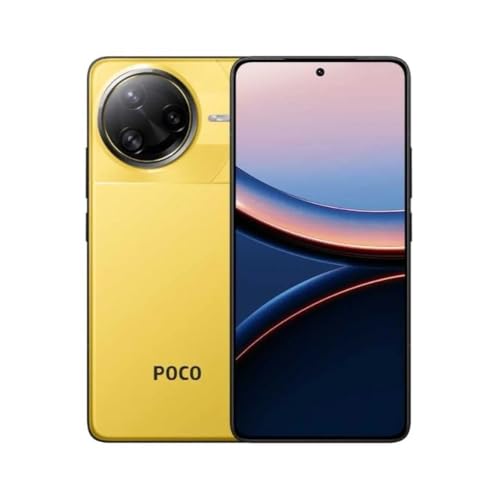
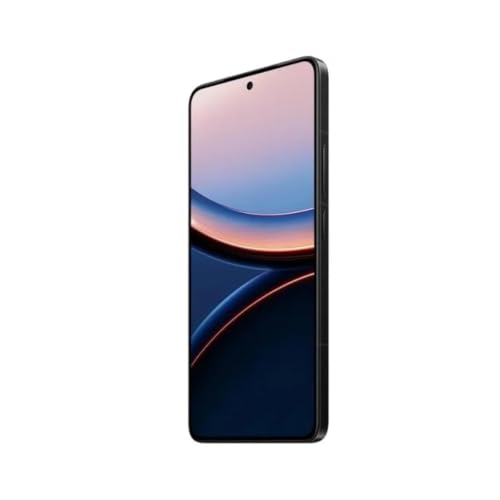
Poco F7 Ultra (12GB + 256GB) review. Compare 197 technical specifications and user reviews to see how this product ranks in the Smartphones category and whether it is worth buying.
Overall score
What it is: An overall evaluation of the smartphone's quality, based on technical analyses and user reviews.
When it matters: When you need a quick reference to identify the best smartphones on the market.
Score components:
90.0%
Technical Score
10.0%
User score
Technical Score
What it is: An assessment of the smartphone's technical performance, covering eight key areas: performance & hardware, software, camera, connectivity, display, battery, audio, and design.
When it matters: When you want to compare smartphones based on technical performance and available features.
Score components:
25.0%
Performance & Hardware
18.0%
Camera
15.0%
Display
15.0%
Battery
10.0%
Software
10.0%
Connectivity
4.0%
Audio
3.0%
Design
User score
What it is: A rating that combines user reviews and the total number of reviews received by the smartphone
When it matters: When you want to know how a smartphone handles daily tasks and how reliable it remains over time according to user feedback.
Score components:
70.0%
User reviews
30.0%
Popularity
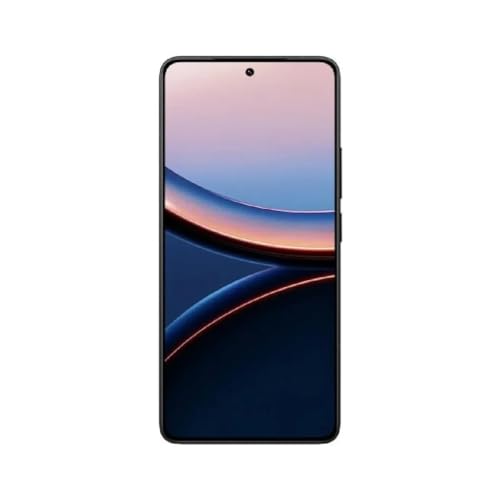
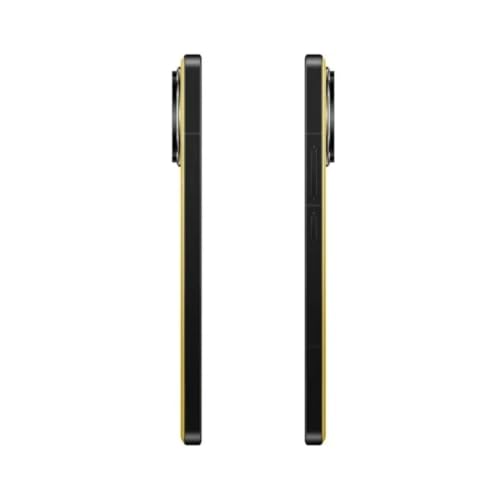
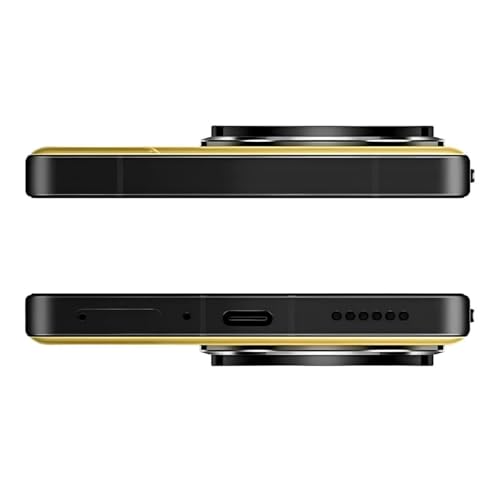
Available: ranking among products currently available (including other versions of this product).
All: ranking among all products in the database.
#5 in Best Poco Smartphones
#19 in Best Smartphones Under £500
#38 in Best Mid-Range Smartphones
#52 in Best Smartphones for Seniors
#120 in Best Large-Screen Smartphones
#128 in Best Android Smartphones
#134 in Best Chinese Smartphones
#139 in Best NFC Smartphones
#142 in Best Smartphones
#142 in Best 5G Smartphones
#142 in Best AI Smartphones
#153 in Best Gaming Smartphones
#538 in Best Camera Smartphones
What it is: An assessment of the smartphone's technical performance, covering eight key areas: performance & hardware, software, camera, connectivity, display, battery, audio, and design.
When it matters: When you want to compare smartphones based on technical performance and available features.
Score components:
25.0%
Performance & Hardware
18.0%
Camera
15.0%
Display
15.0%
Battery
10.0%
Software
10.0%
Connectivity
4.0%
Audio
3.0%
Design
What it is: A rating that combines user reviews and the total number of reviews received by the smartphone
When it matters: When you want to know how a smartphone handles daily tasks and how reliable it remains over time according to user feedback.
Score components:
70.0%
User reviews
30.0%
Popularity
What it is: An indicator that combines the smartphone's overall rating with its cost.
When it matters: When you are looking for a smartphone with a good balance between quality and price.
Score components:
60.0%
Overall score
40.0%
Price
Importance: LOW
Importance: HIGH
Importance: HIGH
Good value: >12 GB
Importance: MEDIUM
Good value: >256 GB
Importance: MEDIUM
Good value: >3.2 GHz
Importance: LOW
Importance: MEDIUM
Good value: >1500
Importance: LOW
Good value: >4000
Importance: LOW
Good value: 8+
Importance: LOW
Importance: LOW
Good value: >950 MHz
Importance: LOW
Good value: >700
Importance: LOW
Good value: >1000
Importance: LOW
Good value: >2500
Importance: MEDIUM
Good value: >6000
Importance: LOW
Good value: >8000
Importance: MEDIUM
Good value: >12000
Importance: LOW
Good value: >5000
Importance: LOW
Good value: >1800
Importance: LOW
Good value: >3200 MHz
Importance: LOW
Good value: 5
Importance: LOW
Good value: > 50 GB/s
Importance: LOW
Good value: 4
Importance: LOW
Good value: >16 GB
Importance: MEDIUM
Good value: <6 nm
Importance: MEDIUM
Good value: >9 W
Importance: LOW
Importance: LOW
Good value: >8192 KB
Importance: LOW
Good value: >2048 KB
Importance: LOW
Good value: >512 KB
Importance: LOW
Good value: >100000 million
Importance: LOW
Good value: 3.3
Importance: LOW
Good value: 3.2
Importance: LOW
Good value: 2.0/3.0
Importance: LOW
Importance: LOW
Importance: LOW
Importance: MEDIUM
Importance: LOW
Importance: LOW
Importance: LOW
Importance: LOW
Importance: LOW
Importance: LOW
Importance: LOW
Importance: LOW
Importance: LOW
Importance: LOW
Importance: LOW
Importance: LOW
Importance: LOW
Importance: LOW
Importance: LOW
Importance: LOW
Importance: LOW
Importance: LOW
Importance: LOW
Importance: LOW
Importance: LOW
Importance: LOW
Importance: LOW
Importance: LOW
Importance: LOW
Importance: LOW
Importance: LOW
Importance: LOW
Importance: LOW
Importance: LOW
Importance: LOW
Importance: LOW
Importance: LOW
Importance: MEDIUM
Good value: >50 MP
Importance: MEDIUM
Importance: HIGH
Good value: >60
Importance: LOW
Good value: ≥1.2 µm
Importance: MEDIUM
Good value: >2.5x
Importance: MEDIUM
Importance: LOW
Importance: LOW
Importance: LOW
Importance: LOW
Good value: ≥2
Importance: LOW
Importance: LOW
Importance: LOW
Importance: LOW
Good value: >16 MP
Importance: LOW
Importance: LOW
Importance: LOW
Importance: LOW
Importance: MEDIUM
Importance: LOW
Importance: LOW
Importance: LOW
Importance: LOW
Importance: LOW
Importance: LOW
Importance: LOW
Importance: LOW
Importance: LOW
Importance: LOW
Importance: LOW
Importance: LOW
Importance: LOW
Importance: LOW
Importance: LOW
Importance: LOW
Importance: LOW
Importance: LOW
Importance: LOW
Importance: LOW
Importance: LOW
Good value: >130
Importance: LOW
Good value: >120
Importance: LOW
Good value: ≥2
Importance: LOW
Importance: LOW
Importance: LOW
Importance: LOW
Importance: LOW
Importance: LOW
Good value: >5.2
Importance: LOW
Importance: LOW
Importance: LOW
Importance: LOW
Good value: 3.1/3.2
Importance: LOW
Importance: LOW
Importance: LOW
Good value: ≥2
Importance: LOW
Importance: LOW
Importance: LOW
Importance: LOW
Importance: LOW
Importance: LOW
Importance: LOW
Importance: LOW
Importance: LOW
Importance: LOW
Importance: LOW
Importance: LOW
Importance: LOW
Importance: LOW
Importance: LOW
Importance: LOW
Good value: ≥6.6 inches
Importance: MEDIUM
Importance: LOW
Good value: >400 ppi
Importance: MEDIUM
Importance: MEDIUM
Good value: ≥120 Hz
Importance: LOW
Importance: LOW
Good value: >300 Hz
Importance: LOW
Good value: >800 nits
Importance: LOW
Good value: >1300 nits
Importance: LOW
Good value: >1000 nits
Importance: LOW
Importance: LOW
Importance: LOW
Importance: LOW
Importance: LOW
Importance: LOW
Importance: LOW
Importance: LOW
Importance: HIGH
Good value: >5000 mAh
Importance: MEDIUM
Good value: >60 W
Importance: LOW
Importance: LOW
Good value: <45 min
Importance: LOW
Importance: LOW
Good value: >40 W
Importance: LOW
Importance: LOW
Good value: >10 W
Importance: LOW
Importance: LOW
Importance: MEDIUM
Importance: LOW
Good value: >800
Importance: LOW
Importance: LOW
Importance: LOW
Importance: LOW
Importance: LOW
Good value: ≥3
Importance: LOW
Importance: LOW
Importance: LOW
Importance: LOW
Importance: LOW
Importance: LOW
Importance: LOW
Good value: <162 mm
Importance: LOW
Good value: <75 mm
Importance: LOW
Good value: <8 mm
Importance: LOW
Good value: <190 g
Importance: LOW
Good value: <98cm³
Importance: LOW
Importance: LOW
Importance: LOW
Importance: LOW
Importance: LOW
Importance: LOW
Good value: ≥1.5 m
Importance: LOW
Importance: LOW
Good value: >8
Importance: LOW
Importance: LOW
Importance: MEDIUM
Good value: >60 W
Importance: MEDIUM
Good value: >2.5x
Importance: MEDIUM
Importance: MEDIUM
Good value: >3.2 GHz
Importance: MEDIUM
Importance: MEDIUM
Good value: <6 nm
Importance: LOW
Importance: MEDIUM
Good value: >1500
Importance: LOW
Importance: LOW
Importance: LOW
Importance: LOW
Good value: <190 g
Mark Ellis reviews the Nothing Phone (2a) Plus, highlighting its unique, transparent design and polished Nothing OS as strong differentiators in the mid-range market. Key advantages include its fast performance powered by the MediaTek Dimensity 7350 Pro, a bright 120Hz AMOLED display, and reliable, long-lasting battery life. Despite these strengths, the device lacks wireless charging, features a plastic back that is prone to scratches, and its 50MP camera system misses out on optical zoom. Ultimately, the review defines the phone as a budget-friendly option that delivers a premium user experience.
The Creative Bloq review positions the POCO F7 Ultra as a "flagship killer" featuring a slim design, high-end performance, and a vibrant 6.67-inch AMOLED display. Key pros include a versatile triple-camera setup with a capable 2.5x telephoto lens, IP68 resistance, and 120W fast charging. However, cons include excessive pre-installed bloatware, aggressive photo over-processing, and a lack of LTPO technology for more efficient battery management.
CNET reviewed the Poco F7 Ultra, describing it as a "flagship killer" balancing high power and a mid-range price. The phone features a Snapdragon 8 Elite chip, a vibrant display with an ultrasonic fingerprint sensor, a unique design, and a long-lasting 5,300-mAh battery with fast 120-watt wired and 50-watt wireless charging capabilities. The review noted that the triple-camera system takes quality photos but does not match top-tier flagships, and also mentioned minor software quirks and the phone's noticeable weight as potential drawbacks.
The POCO F7 Ultra is described as an "affordable flagship" with a Snapdragon 8 Elite chipset, a 6.67-inch 2K AMOLED 120Hz display with 3200 nits peak brightness, an IP68 rating, and an ultrasonic in-display fingerprint sensor, priced at £649. Its pros include fast performance, 120W wired and 50W wireless charging, and a triple 50MP camera setup with 2.5x optical zoom. Cons include a lower-spec international battery (5300mAh vs 6000mAh), HyperOS 2 preventing third-party launcher gesture navigation, lack of eSIM and LTPO display, and camera processing issues in complex scenes and limited 4K 60fps video recording.
The Poco F7 Ultra is reviewed as a powerful device challenging flagships with its Snapdragon 8 Elite processor and 2K Flow AMOLED display. Key strengths include its fast charging, IP68 rating, and a versatile 50MP main and telephoto camera setup. However, the device faces criticism for HyperOS 2.0 bloatware, lack of eSIM support, inconsistent ultra-wide camera performance, and mediocre speaker quality at high volumes.
The Poco F7 Ultra is presented as a legitimate premium flagship with a Snapdragon 8 Elite chipset, glass and metal build, IP68 rating, and a 6.67-inch 2K AMOLED display. It features an ultrasonic fingerprint scanner, a 5,300mAh battery with 120W wired and 50W wireless charging. While the triple camera system is considered the best on a Poco, it still shows issues with oversaturated colors and low-light video quality; HyperOS 2 is criticized for bloatware and complex navigation, and the device lacks eSIM support.
According to Android Authority, the POCO F7 Ultra marks a shift towards competing with full-fledged flagships, featuring the Snapdragon 8 Elite chip, an IP68 rating, and a 6.67-inch QHD+ OLED display with a 3,200 nit peak brightness and ultrasonic fingerprint sensor. Pros include an early bird price of $599, an improved 50MP main camera and 2.5x telephoto lens, 120W wired charging, and four years of OS updates and six years of security patches. Cons noted were that the phone runs hot and the processor appears underclocked during stress tests, plus a lack of eSIM support and a reduced 5,300mAh battery capacity compared to its Chinese variant.
The Poco F7 Ultra is presented as a "flagship killer" offering high performance at a mid-range price, though it involves trade-offs, particularly in software and camera quality compared to premium devices. Its strengths include a premium build with an IP68 rating, a flagship Snapdragon 8 Elite chipset for strong performance, a sharp and bright 120Hz AMOLED display, and excellent battery life with 120W wired and 50W wireless charging. However, major cons are its cluttered Xiaomi HyperOS 2 software with bloatware and messy AI features, and a camera system described as merely "okay" and not competitive with true flagships despite a versatile lens setup. Additional drawbacks include its weight, lack of an LTPO display, and thermal throttling under stress.
The Poco F7 is presented as a "flagship killer" offering high performance at a lower cost, featuring a Snapdragon 8s Gen 4 processor, 12GB RAM, and a 6.83-inch 1.5K AMOLED display with 3,200 nits peak brightness. It boasts a 6,500mAh battery providing multi-day endurance and supports 90W fast charging, alongside IP68/IP69 water and dust resistance. However, the camera system is limited by the lack of a telephoto lens and a weak 8MP ultrawide camera, and the HyperOS 2 software includes bloatware. The device is also relatively heavy at 216g.
The Xiaomi Poco F7 Ultra is described as a "flagship-killer" featuring the Snapdragon 8 Elite processor, offering top-tier performance for roughly €700–€750. Key strengths include a 6.67-inch WQHD+ OLED display with 3,200 nits brightness and fast charging capabilities of 120W wired and 50W wireless. Compromises include pre-installed bloatware in HyperOS 2.0, shorter software support, a camera system that lacks the consistency of higher-end rivals, and the omission of eSIM support.
The Poco F7 Ultra marks Xiaomi's first serious entry into the flagship territory under the Poco sub-brand, offering top-tier performance at a mid-range price point of approximately €600. Its standout feature is the Snapdragon 8 Elite processor, which delivers "brutal" power and industry-leading benchmark results, paired with up to 16GB of RAM and fast UFS 4.1 storage. The device is also praised for its premium build, featuring a metal frame, matte glass back, and IP68 water resistance, alongside a sharp 1440p AMOLED display and a world-class ultrasonic fingerprint scanner. The camera system is a significant upgrade for the series, highlighted by a 50MP telephoto lens with 2.5x optical zoom that doubles as an excellent tool for macro and portrait photography. The main 50MP sensor performs well in both daylight and night conditions, producing vivid images with strong dynamic range. Charging is another major pro, with 120W wired charging reaching a full battery in just 33 minutes, complemented by 50W wireless charging capabilities. Additionally, the software support is robust, promising four years of Android updates and six years of security patches.
The Poco F7 Ultra acts as a high-performance "flagship for bargain hunters," priced around €750 and powered by the Snapdragon 8 Elite processor alongside a VisionBoost D7 graphics chip for superior gaming, notably supporting 2K resolution in titles like Genshin Impact. The design features a metal frame, matte glass back, and an IP68 rating, while the 6.67-inch WQHD+ AMOLED display offers high brightness. Further advantages include a 5,300mAh battery with 120W wired and 50W wireless charging, plus an ultrasonic fingerprint sensor. Despite these strengths, the device makes compromises in camera quality and software compared to premium flagships. The triple-camera system, including a 50MP main and 50MP telephoto lens, is solid but lacks the low-light and video capabilities of top-tier competitors. Additionally, the phone is hindered by a pre-installed bloatware-heavy HyperOS 2.0, lack of eSIM support, and a slow USB 2.0 port. Overall, the F7 Ultra is best suited for users prioritizing performance and battery over camera expertise, offering a durable, fast-charging alternative in the upper mid-range market.
The PC-Welt review highlights the POCO F7 Ultra as a premium flagship contender featuring the Snapdragon 8 Elite chipset, enhanced by a VisionBoost D7 co-processor for superior gaming performance. Key strengths include a 6.67-inch WQHD+ AMOLED display with 3,200 nits brightness, an ultrasonic fingerprint sensor, and robust 120W wired charging. Conversely, the device suffers from inconsistent camera processing in low light, pre-installed software clutter, and a lack of eSIM support.
The Poco F7 Ultra is presented as a high-performance "flagship killer" offering top-tier specifications, including a Snapdragon 8 Elite processor and a 120Hz 2K AMOLED display, at a reduced price point of approximately €497. Key pros include exceptional raw performance, 120W/50W charging speeds, and IP68 water resistance, while cons focus on inconsistent camera performance in low light, the presence of bloatware in HyperOS, and a bulky design. This combination of premium power and budget-friendly pricing, despite some compromises in software and cameras, is highlighted in the review.
The Xiaomi Poco F7 Ultra establishes itself as a high-performance "flagship killer," powered by the Snapdragon 8 Elite chipset and featuring a 6.67-inch 2K AMOLED display with 3,200 nits peak brightness. The device boasts a premium build with an IP68 rating, a 50MP main camera with OIS, a 50MP telephoto lens, and120W wired charging. However, user reports indicate only average battery life despite the 5,300mAh capacity, along with software bloatware and a lack of eSIM support. DismissMore input optionsMicrophoneStopStartSendAsk about
The Poco F7 Ultra enters the premium market with a standout 6.67-inch Flow AMOLED display, delivering a peak brightness of 3,242 cd/m², WQHD+ resolution, and a 120Hz refresh rate, though it lacks LTPO technology. Powered by the Snapdragon 8 Elite chipset, it offers exceptional performance, yet the device tends to heat up under heavy, prolonged gaming loads. The 5,300 mAh battery provides excellent endurance, supported by rapid 120W wired and 50W wireless charging. Les NumériquesThe camera system, featuring a versatile 50MP triple setup with a 2.5x telephoto, excels in daylight, though the ultra-wide sensor delivers average low-light performance. Software, particularly HyperOS 2.0, is noted for pre-installed bloatware, and the package lacks the 120W charger, unlike previous iterations. Les Numé
The Ouest-France (Android-MT) review positions the POCO F7 Ultra as a premium-challenging device, highlighting its shift from "flagship killer" to a high-end experience with a refined glass-and-metal build and IP68 certification. Key advantages include the Snapdragon 8 Elite processor, a dedicated VisionBoost D7 chip, a 3200-nit 2K AMOLED display, and rapid 120W wired/50W wireless charging. However, the analysis notes shortcomings, including inconsistent camera performance in low light, a weak ultra-wide lens, lack of eSIM/microSD support, and pre-installed HyperOS 2.0 bloatware.
The Xiaomi Poco F7 Ultra transitions the series from "flagship killer" to a true premium device, driven by the Snapdragon 8 Elite chipset and a dedicated Vision Boost D7 graphics chip for high-performance gaming. It features a 6.67-inch 2K Flow AMOLED screen reaching 3,200 nits, though it lacks LTPO technology. While offering a versatile 50MP triple-camera system, the device faces, however, significant thermal throttling and excessive heat during intense usage. On the hardware front, the phone is equipped with a 5,300 mAh battery supporting 120W wired and 50W wireless charging, paired with an IP68-rated, premium build. However, it lacks a 3.5mm jack and eSIM functionality, notes the review. Software-wise, HyperOS 2 provides extensive support, yet is burdened with pre-installed bloatware and occasional AI feature bugs. Overall, the Poco F7 Ultra delivers impressive, high-end, and versatile, performance but requires management of its thermal, and software, drawbacks, as outlined in the Frandroid review.
The Poco F7 Ultra is a powerful "flagship killer" featuring a premium design with IP68 resistance, a 5,300 mAh battery, and fast 120W/50W charging. It delivers top-tier performance via the Snapdragon 8 Elite chipset and a bright 6.67-inch WQHD+ AMOLED display, though it lacks LTPO technology. While versatile, the triple-camera system suffers from inconsistent color, heavy processing, and poor low-light quality, coupled with software bloatware and the absence of eSIM support. For more details, visit Les Numériques.
Ultra is praised as a "flagship killer" Elite processor, K AMOLED display, and an ultrasonic fingerprint sensor. Key certification, a robust matte design, MP floating telephoto lens capable of impressive macro and zoom photography. DDay.itDespite strong core hardware, the device has limitations, including less impressive main and ultra-wide cameras, reduced low-light performance, and a screen polarizer that causes issues when wearing sunglasses. Furthermore, the lack of eSIM support is noted as a drawback. provides a fluid user experience, the software is criticized for significant bloatware and requiring plugins for basic camera features. Nevertheless, the device is considered highly competitive due to its performance-to-price ratio, W charging being slower than anticipated. DDay.it
The POCO F7 Ultra transitions to a premium flagship, featuring a Snapdragon 8 Elite chipset, a 6.67-inch 2K 120Hz Flow AMOLED display, and IP68 water resistance. Key strengths include superior performance, a robust 5,300mAh battery with 120W wired and 50W wireless charging, and an improved camera setup with a 50MP main and 50MP telephoto lens. However, drawbacks include inconsistent performance from the 32MP ultra-wide camera, heavy bloatware in HyperOS 2.0, and reported Wi-Fi connectivity issues.
The Xiaomi Poco F7 Ultra elevates the brand to true flagship status, featuring the Snapdragon 8 Elite chipset, a 6.67-inch QHD+ 120Hz AMOLED display with 3,200 nits brightness, and an IP68 rating. Key pros include exceptional, long-lasting battery life (5,300mAh) paired with 120W wired and 50W wireless charging, alongside a versatile camera system headlined by a 50MP main sensor and a 50MP 2.5x telephoto lens. However, the device falls short with a non-LTPO display, lacking eSIM support, and a heavily pre-installed software experience via HyperOS 2 that feels cluttered. While delivering high performance, the phone's image processing in low light and lack of refinement compared to top-tier rivals are notable cons.
The Poco F7 Ultra delivers flagship-level performance with its Snapdragon 8 Elite chipset and a 6.67-inch 2K AMOLED display, boasting 3200 nits peak brightness and improved IP68 build quality. The camera system introduces a versatile 50MP floating telephoto lens, though it suffers from inconsistent performance and a weaker 32MP ultrawide lens. Battery longevity is solid, supported by 120W wired and 50W wireless charging, while the HyperOS software is hindered by excessive pre-installed bloatware.
Andrea Galeazzi defines the POCO F7 Ultra as a true top-tier contender, moving beyond the "flagship killer" label with a premium design featuring flat aluminum edges, IP68 resistance, and a 2K OLED display. Powered by the Snapdragon 8 Elite, it offers exceptional performance, a 5,300 mAh battery, 120W wired charging, and, for the first time, 50W wireless charging. While praised for its, performance, a significant drawback is the lack of eSIM support. The 6.67-inch display is exceptionally bright at 3200 nits, although it misses LTPO technology. The camera system, featuring a 50MP main sensor, is a major improvement, though it doesn't quite match top-tier camera-focused phones. Ultimately, Galeazzi highlights the device's high value, especially at its launch price, noting that it brings high-end features to a more accessible, yet still premium, level.
The POCO F7 Ultra transitions the brand from "flagship killer" to a premium device, powered by the Snapdragon 8 Elite and a 2K 120Hz Flow AMOLED display. Key enhancements include a metal frame, IP68 rating, and a triple 50MP camera system featuring a new 2.5x floating telephoto lens, alongside rapid 120W wired and 50W wireless charging. Despite these advancements, the device is constrained by HyperOS 2, which is laden with bloatware, and the underperforming ultrawide camera, while lacking eSIM support and LTPO technology.

Compare