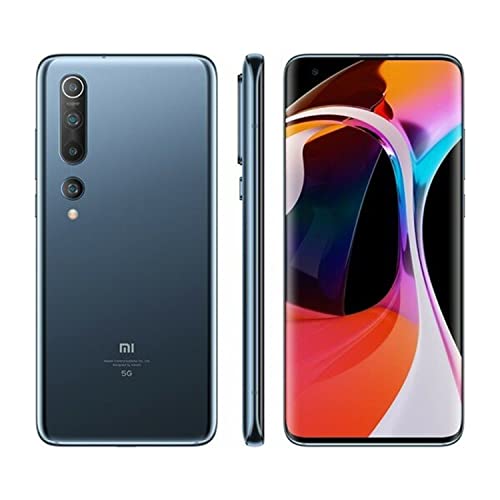
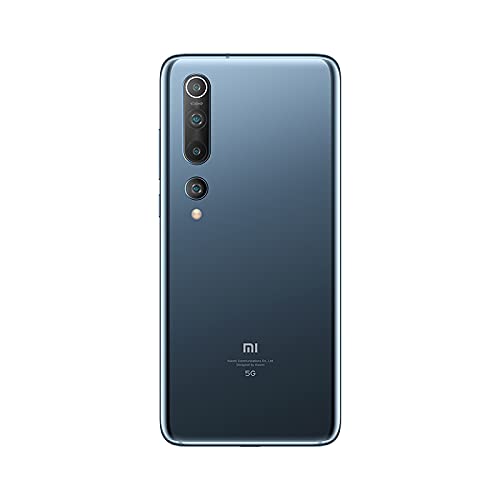
Xiaomi Mi 10 5G (8GB + 256GB) Review | 197 Data compared

double-arrow
  • Avg. price: ~£780
  • RAM capacity: 8 GB
  • Internal storage: 256 GB
  • Screen size: 6.67 inches
  • Main camera megapixels: 108 MP & 13 MP & 2 MP & 2 MP

Xiaomi Mi 10 5G (8GB + 256GB) review. Compare 197 technical specifications and user reviews to see how it ranks among smartphones and if it's worth buying.

7.8

Overall score

What it is: An overall evaluation of the smartphone's quality, based on technical analyses and user reviews.

When it matters: When you need a quick reference to identify the best smartphones on the market.

Score components:

90.0%

7.6

Technical Score

10.0%

9.0

User score

Very good
7.6

Technical Score

What it is: An assessment of the smartphone's technical performance, covering eight key areas: performance & hardware, software, camera, connectivity, display, battery, audio, and design.

When it matters: When you want to compare smartphones based on technical performance and available features.

Score components:

25.0%

7.4

Performance & Hardware

18.0%

8.4

Camera

15.0%

6.7

Display

15.0%

8.3

Battery

10.0%

7.2

Software

10.0%

8.0

Connectivity

4.0%

7.8

Audio

3.0%

6.9

Design

Very good
9.0

User score

What it is: A rating that combines user reviews and the total number of reviews received by the smartphone

When it matters: When you want to know how a smartphone handles daily tasks and how reliable it remains over time according to user feedback.

Score components:

70.0%

8.7

User reviews

30.0%

9.6

Popularity

Exceptional
    • xiaomi-mi-10-5g-8gb-256gb
    • xiaomi-mi-10-5g-8gb-256gb
    xiaomi-mi-10-5g-8gb-256gb
    xiaomi-mi-10-5g-8gb-256gb

    Best prices

    Best rankings

    ?

    Available: ranking among products currently available (including other versions of this product).
    All: ranking among all products in the database.

    Technical Specifications of smartphone Xiaomi Mi 10 5G (8GB + 256GB)

    Technical Score

    What it is: An assessment of the smartphone's technical performance, covering eight key areas: performance & hardware, software, camera, connectivity, display, battery, audio, and design.

    When it matters: When you want to compare smartphones based on technical performance and available features.

    Score components:

    25.0%

    7.4

    Performance & Hardware

    18.0%

    8.4

    Camera

    15.0%

    6.7

    Display

    15.0%

    8.3

    Battery

    10.0%

    7.2

    Software

    10.0%

    8.0

    Connectivity

    4.0%

    7.8

    Audio

    3.0%

    6.9

    Design

    7.6
    Xiaomi Mi 10 5G (8GB + 256GB) has a technical score of 7.63 points, which is higher than 65.1% of smartphones.
    User score

    What it is: A rating that combines user reviews and the total number of reviews received by the smartphone

    When it matters: When you want to know how a smartphone handles daily tasks and how reliable it remains over time according to user feedback.

    Score components:

    70.0%

    8.7

    User reviews

    30.0%

    9.6

    Popularity

    9.0
    Xiaomi Mi 10 5G (8GB + 256GB) has a user score of 8.95 points, which is higher than 80.4% of smartphones.
    Popularity
    What it is: An indicator based on the number of reviews received by the smartphone.
    When it matters: When you prefer to purchase a product chosen and reviewed by many other consumers.
    9.6
    Xiaomi Mi 10 5G (8GB + 256GB) has a popularity of 9.6 points, which is higher than 69.2% of smartphones.
    Ratio quality/price

    What it is: An indicator that combines the smartphone's overall rating with its cost.

    When it matters: When you are looking for a smartphone with a good balance between quality and price.

    Score components:

    60.0%

    7.8

    Overall score

    40.0%

    6.4

    Price

    7.2
    Xiaomi Mi 10 5G (8GB + 256GB) has a quality-to-price ratio of 7.2 points, which is lower than 88.5% of smartphones.
    Brand name
    What it is: The manufacturer or brand under which the smartphone is marketed and sold.
    When it matters: When you prefer a specific ecosystem, support network, or design philosophy.

    Importance: MEDIUM

    Xiaomi
    Processor model
    What it is: The central System-on-Chip (SoC) that houses the CPU, GPU, modem, and other core processing components.
    When it matters: When you want to know the specific engine powering your device's speed and features.

    Importance: HIGH

    Qualcomm Snapdragon 865
    Xiaomi Mi 10 5G (8GB + 256GB) uses the Qualcomm Snapdragon 865 processor which is faster than processors in 72.5% of smartphones and equal to processors in 1.9% of smartphones.
    RAM capacity
    What it is: The amount of volatile memory available for running apps and multitasking.
    When it matters: When you use multiple apps at once or want smoother multitasking without reloads.

    Importance: HIGH

    Good value: >12 GB

    8 GB
    Xiaomi Mi 10 5G (8GB + 256GB) has a RAM capacity of 8 GB which is larger than the RAM capacity of 28.5% of smartphones and equal to that of 30.4% of smartphones.
    Internal storage
    What it is: The total built-in space available for apps, media, and files.
    When it matters: When you keep large libraries of photos, videos, and apps directly on your device.

    Importance: HIGH

    Good value: >256 GB

    256 GB
    Xiaomi Mi 10 5G (8GB + 256GB) has an internal storage capacity of 256 GB which is larger than the storage of 38.8% of smartphones and equal to that of 38.3% of smartphones.
    CPU boost clock speed
    What it is: The maximum speed the processor can achieve temporarily under heavy load.
    When it matters: When you run demanding apps or games that require short bursts of peak performance.

    Importance: MEDIUM

    Good value: >3.2 GHz

    2.84 GHz
    The CPU boost clock speed of Xiaomi Mi 10 5G (8GB + 256GB) is 2.84 GHz which is higher than the boost speed of 68.3% of smartphones and equal to that of 4.8% of smartphones.
    Show more
    Operating system
    What it is: The primary system software that manages the smartphone's hardware and software resources.
    When it matters: When you have a preference for the user interface and app ecosystem.

    Importance: HIGH

    Android
    Android 10
    Xiaomi Mi 10 5G (8GB + 256GB) uses the Android operating system, which outperforms that of 1% of smartphones.
    Android 10
    Android version
    What it is: The specific generation number of the Android operating system installed on the device.
    When it matters: When you want to ensure app compatibility and access to the latest software features.

    Importance: LOW

    Android 10
    Xiaomi Mi 10 5G (8GB + 256GB) runs Android version Android 10 which is older than that found in 88.8% of smartphones and equal to that in 5.1% of smartphones.
    Direct OS updates
    What it is: Indicates whether the device receives operating system updates directly from the manufacturer or Google, ensuring timely security and feature updates.
    When it matters: When you want the fastest access to new features and security patches.

    Importance: HIGH

    no
    Xiaomi Mi 10 5G (8GB + 256GB) does not receive direct OS updates. 20.5% of smartphones receive direct updates.
    Open-source OS
    What it is: Shows whether the device’s operating system is based on open-source code, allowing community contributions and greater transparency.
    When it matters: When you value transparency and potential community-driven modifications.

    Importance: LOW

    yes
    Xiaomi Mi 10 5G (8GB + 256GB) uses an open-source OS. 94.6% of smartphones use an open-source OS.
    Dark mode
    What it is: A display option that uses dark backgrounds to reduce eye strain and save battery on OLED screens.
    When it matters: When you want to reduce eye strain at night or save battery on OLED screens.

    Importance: LOW

    yes
    Xiaomi Mi 10 5G (8GB + 256GB) offers dark mode. 95.8% of smartphones support this feature.
    Show more
    Multi-lens main camera
    What it is: Indicates that the rear camera system includes multiple lenses (e.g., wide, ultra-wide, telephoto) for versatile shooting options.
    When it matters: When you want versatility to shoot wide landscapes, standard shots, and zoomed details.

    Importance: MEDIUM

    yes
    Xiaomi Mi 10 5G (8GB + 256GB) includes a multi-lens main camera system. 93.7% of smartphones include multi-lens setups.
    Main camera megapixels
    What it is: The resolution of the primary rear camera sensor, measured in millions of pixels (MP). Higher megapixels can capture more detail.
    When it matters: When you want to capture high-resolution images that can be cropped or printed large.

    Importance: HIGH

    Good value: >50 MP

    108 MP & 13 MP & 2 MP & 2 MP
    Xiaomi Mi 10 5G (8GB + 256GB) has a main camera resolution of 108 MP & 13 MP & 2 MP & 2 MP MP which is higher than that of 95.2% of smartphones and equal to that of 0% of smartphones.
    Main camera aperture
    What it is: The size of the lens opening (f-stop) that controls light entry. A lower f-number indicates a wider aperture, allowing better low-light shots.
    When it matters: When you want better low-light performance or a natural background blur effect.

    Importance: HIGH

    f/1.7 & f/2.4 & f/2.4 & f/2.4
    Xiaomi Mi 10 5G (8GB + 256GB) has a main camera aperture of f/1.7 & f/2.4 & f/2.4 & f/2.4 which is wider than that of 82.8% of smartphones and equal to that of 0% of smartphones.
    Main camera sensor area
    What it is: The total physical surface area of the camera sensor (calculated by multiplying the number of megapixels by the square of the individual pixel size). A larger area captures more light, resulting in better night photos and less digital noise.
    When it matters: When you want to capture clear, detailed photos in low-light conditions with minimal grain and achieve a natural, professional-looking background blur for portraits.

    Importance: HIGH

    Good value: >60

    69.1 mm²
    Xiaomi Mi 10 5G (8GB + 256GB) has a main camera sensor area of 69.1 mm² which is larger than the main camera sensor area of 88.8% of smartphones and equal to that of 0.9% of smartphones.
    Main camera pixel size
    What it is: The physical size of individual pixels on the camera sensor, measured in micrometers. Larger pixels typically capture more light for better low-light performance.
    When it matters: When you shoot in low light and want reduced noise in your photos.

    Importance: MEDIUM

    Good value: ≥1.2 µm

    0.8 µm
    1.6 binned
    Xiaomi Mi 10 5G (8GB + 256GB) has a main camera pixel size of 0.8 µm which is larger than in 35.5% of smartphones and equal to the size in 21.9% of smartphones.
    1.6 binned
    Show more
    Number of SIM slots
    What it is: The number of physical SIM cards or eSIM profiles the device can support simultaneously.
    When it matters: When you need to manage two different phone numbers or travel internationally with a local SIM.

    Importance: MEDIUM

    Good value: ≥2

    2
    Xiaomi Mi 10 5G (8GB + 256GB) has 2 SIM slots, which is more than in 3.8% of smartphones and equal to the number in 96.1% of smartphones.
    Cellular module
    What it is: The hardware component capable of connecting to mobile cellular networks for voice and data.
    When it matters: When you need to stay connected to calls and internet away from Wi-Fi.

    Importance: LOW

    yes
    Xiaomi Mi 10 5G (8GB + 256GB) includes a cellular module. 100% of smartphones include cellular modules.
    5G connectivity
    What it is: Support for the fifth generation of mobile network technology, offering significantly faster data speeds and lower latency.
    When it matters: When you need the fastest possible mobile data speeds for streaming and downloading on the go.

    Importance: MEDIUM

    yes
    Xiaomi Mi 10 5G (8GB + 256GB) supports 5G connectivity. 66.9% of smartphones support 5G.
    LTE support
    What it is: Support for Long-Term Evolution (4G) networks, providing high-speed mobile data.
    When it matters: When you need reliable mobile internet coverage in areas where 5G isn't available.

    Importance: HIGH

    yes
    Xiaomi Mi 10 5G (8GB + 256GB) supports LTE. 99.7% of smartphones include LTE connectivity.
    Wi-Fi connectivity
    What it is: The ability to connect to wireless local area networks for internet access and local networking.
    When it matters: When you want to save mobile data and connect to home or public networks.

    Importance: HIGH

    yes
    Xiaomi Mi 10 5G (8GB + 256GB) supports Wi-Fi connectivity. 100% of smartphones offer Wi-Fi support.
    Show more
    Screen size
    What it is: The physical diagonal measurement of the display area, usually expressed in inches.
    When it matters: When you choose between a compact phone for one-handed use or a large screen for media.

    Importance: MEDIUM

    Good value: ≥6.6 inches

    6.67 inches
    Xiaomi Mi 10 5G (8GB + 256GB) has a screen size of 6.67 inches which is larger than the screens of 38.3% of smartphones and equal to those of 13.4% of smartphones.
    Screen resolution
    What it is: The total number of pixels displayed on the screen, expressed as width x height, determining sharpness.
    When it matters: When you want crisp text and sharp details in photos and videos.

    Importance: HIGH

    1080 x 2340 px
    Xiaomi Mi 10 5G (8GB + 256GB) has a screen resolution of 1080 x 2340 px which is lower than that of 68.2% of smartphones and equal to that of 6% of smartphones.
    Pixel density
    What it is: The concentration of pixels on the display, measured in pixels per inch (PPI), affecting image clarity.
    When it matters: When you want the image to look perfectly smooth with no visible pixels.

    Importance: HIGH

    Good value: >400 ppi

    386 ppi
    Xiaomi Mi 10 5G (8GB + 256GB) has a pixel density of 386 ppi which is lower than that of 72.2% of smartphones and equal to that of 0.4% of smartphones.
    Display type
    What it is: The specific technology used for the screen panel (e.g., OLED, IPS LCD), influencing contrast, color, and efficiency.
    When it matters: When you care about vibrant colors, deep blacks, and battery efficiency.

    Importance: HIGH

    OLED/AMOLED
    Xiaomi Mi 10 5G (8GB + 256GB) uses a OLED/AMOLED display type. 58.6% of smartphones use this display technology.
    Refresh rate
    What it is: The number of times per second the display updates the image, measured in Hertz (Hz); higher rates offer smoother motion.
    When it matters: When you want scrolling to feel fluid and games to look smoother.

    Importance: HIGH

    Good value: ≥120 Hz

    90 Hz
    Xiaomi Mi 10 5G (8GB + 256GB) supports a refresh rate of 90 Hz which is lower than in 65.4% of smartphones and equal to that in 18.9% of smartphones.
    Show more
    Battery capacity
    What it is: The amount of electric charge the battery can hold, measured in milliampere-hours (mAh).
    When it matters: When you want a general idea of how large the battery is physically.

    Importance: HIGH

    Good value: >5000 mAh

    4780 mAh
    Xiaomi Mi 10 5G (8GB + 256GB) has a battery capacity of 4780 mAh which is smaller than the batteries in 74.3% of smartphones and equal to those in 0.1% of smartphones.
    Charging speed
    What it is: The maximum power input supported for wired charging, measured in Watts (W).
    When it matters: When you are in a rush and need to top up your battery quickly.

    Importance: HIGH

    Good value: >60 W

    30 W
    Xiaomi Mi 10 5G (8GB + 256GB) supports charging speeds of 30 W which is slower than in 61.1% of smartphones and equal to speeds in 4.7% of smartphones.
    Fast charging
    What it is: In the context of modern electronics, "Fast Charging" refers to any technology that delivers power significantly higher than the traditional USB baseline. While the industry standard for a basic charger is 5W (5V at 1A), a charger is generally classified as a fast charger if it provides at least 18W of power.
    When it matters: When you want to minimize the time your phone spends tethered to a wall outlet.

    Importance: MEDIUM

    yes
    Xiaomi Mi 10 5G (8GB + 256GB) supports fast charging. 93.1% of smartphones support fast charging.
    GSMArena full wired charge time
    What it is: The time taken to charge the battery from 0% to 100% using the bundled or recommended charger, as measured by GSMArena.
    When it matters: When you want to know exactly how long it takes to charge from 0 to 100% in real-world tests.

    Importance: MEDIUM

    Good value: <45 min

    ?
    Wireless charging
    What it is: The ability to charge the battery without cables by placing the device on a compatible charging pad.
    When it matters: When you prefer the convenience of dropping your phone on a pad without fumbling with cables.

    Importance: MEDIUM

    yes
    Xiaomi Mi 10 5G (8GB + 256GB) supports wireless charging. 25.3% of smartphones support wireless charging.
    Show more
    Stereo speakers
    What it is: A setup involving two or more speakers to create a left-right audio separation for immersive sound.
    When it matters: When you watch videos or play games without headphones and want immersive sound.

    Importance: MEDIUM

    yes
    Xiaomi Mi 10 5G (8GB + 256GB) includes stereo speakers. 64.5% of smartphones provide stereo audio.
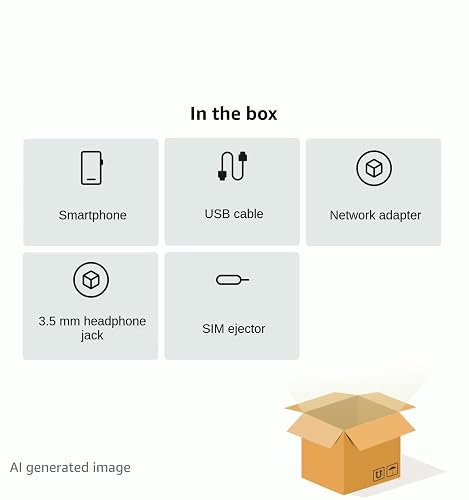
    3.5 mm headphone jack
    What it is: A standard analog audio port for connecting wired headphones or auxiliary cables.
    When it matters: When you prefer using traditional wired headphones without dongles or adapters.

    Importance: LOW

    no
    Xiaomi Mi 10 5G (8GB + 256GB) does not include a 3.5 mm headphone jack. 45.3% of smartphones still offer this port.
    Number of microphones
    What it is: The total count of microphones on the device, used for audio recording, noise cancellation, and voice isolation.
    When it matters: When you want clear audio recording and better noise cancellation during calls.

    Importance: MEDIUM

    Good value: ≥3

    2
    Xiaomi Mi 10 5G (8GB + 256GB) includes 2 microphones, which is more than in 10.5% of smartphones and equal to the number in 66.6% of smartphones.
    FM radio
    What it is: A built-in receiver allowing users to listen to local FM radio stations using wired headphones as an antenna.
    When it matters: When you want to listen to local radio stations without using mobile data.

    Importance: LOW

    no
    Xiaomi Mi 10 5G (8GB + 256GB) does not include an FM radio. 33.7% of smartphones offer FM radio functionality.
    aptX Lossless
    What it is: A Bluetooth technology designed to deliver CD-quality audio without data loss during transmission.
    When it matters: When you demand CD-quality audio over Bluetooth with no loss of detail.

    Importance: LOW

    no
    Xiaomi Mi 10 5G (8GB + 256GB) does not support aptX Lossless. 12.9% of smartphones provide aptX Lossless.
    Show more
    Height
    What it is: The vertical dimension of the device.
    When it matters: When you are concerned about whether the phone will fit in your pocket or purse.

    Importance: LOW

    Good value: <162 mm

    162.6 mm
    Xiaomi Mi 10 5G (8GB + 256GB) has a height of 162.6 mm which is shorter than 62.7% of smartphones and equal to that of 0.7% of smartphones.
    Width
    What it is: The horizontal dimension of the device when held in portrait orientation.
    When it matters: When you care about how easy the phone is to grip and use with one hand.

    Importance: LOW

    Good value: <75 mm

    74.8 mm
    Xiaomi Mi 10 5G (8GB + 256GB) has a width of 74.8 mm which is narrower than 72.8% of smartphones and equal to that of 1.1% of smartphones.
    Thickness
    What it is: The depth of the device profile, excluding the camera bump unless specified.
    When it matters: When you prefer a sleek, slim profile that slides easily into tight pockets.

    Importance: LOW

    Good value: <8 mm

    9 mm
    Xiaomi Mi 10 5G (8GB + 256GB) has a thickness of 9 mm which is thicker than 80% of smartphones and equal to that of 1.1% of smartphones.
    Weight
    What it is: The total mass of the smartphone, affecting how heavy it feels in the hand.
    When it matters: When you want a phone that feels light in your pocket or substantial in your hand.

    Importance: MEDIUM

    Good value: <190 g

    208 g
    Xiaomi Mi 10 5G (8GB + 256GB) weighs 208 g which is heavier than 69.7% of smartphones and equal to the weight of 1.7% of smartphones.
    Device volume
    What it is: The calculated total volume of the device's physical body.
    When it matters: When you want to understand the overall physical bulk of the device.

    Importance: LOW

    Good value: <98cm³

    107892 cm³
    Xiaomi Mi 10 5G (8GB + 256GB) has a device volume of 107892 cm³ which is larger than 79.9% of smartphones and equal to that of 0.3% of smartphones.
    Show more

    Xiaomi Mi 10 5G (8GB + 256GB) vs the average smartphone

    • Has optical image stabilization
      Xiaomi Mi 10 5G (8GB + 256GB) has optical image stabilization (OIS), the average smartphone does not. 48.3% of smartphones feature OIS.
      What it is: A hardware mechanism that physically moves the camera lens or sensor to counteract hand shakiness and reduce blur in photos and videos.
      When it matters: When you want to reduce blur in photos and shake in videos, especially in low light.

      Importance: HIGH

      Xiaomi Mi 10 5G (8GB + 256GB) has optical image stabilization (OIS), the average smartphone does not. 48.3% of smartphones feature OIS.
    • Supports wireless charging
      Xiaomi Mi 10 5G (8GB + 256GB) supports wireless charging, the average smartphone does not. 25.3% of smartphones are wireless charging compatible.
      What it is: The ability to charge the battery without cables by placing the device on a compatible charging pad.
      When it matters: When you prefer the convenience of dropping your phone on a pad without fumbling with cables.

      Importance: MEDIUM

      Xiaomi Mi 10 5G (8GB + 256GB) supports wireless charging, the average smartphone does not. 25.3% of smartphones are wireless charging compatible.
    • 2.16x larger main camera sensor area
      Xiaomi Mi 10 5G (8GB + 256GB) has a larger main camera sensor area than the average smartphone (69.1 mm² vs 32 mm²). The average main camera sensor area is 32 mm².
      What it is: The total physical surface area of the camera sensor (calculated by multiplying the number of megapixels by the square of the individual pixel size). A larger area captures more light, resulting in better night photos and less digital noise.
      When it matters: When you want to capture clear, detailed photos in low-light conditions with minimal grain and achieve a natural, professional-looking background blur for portraits.

      Importance: HIGH

      Good value: >60

      Xiaomi Mi 10 5G (8GB + 256GB) has a larger main camera sensor area than the average smartphone (69.1 mm² vs 32 mm²). The average main camera sensor area is 32 mm².69.1 mm² vs 32.0 mm²
    • Higher-resolution main camera
      Xiaomi Mi 10 5G (8GB + 256GB) has a higher main camera resolution than the average smartphone (108 MP & 13 MP & 2 MP & 2 MP vs 50 MP & 8 MP ). The average smartphone main camera has 50 MP & 8 MP megapixels.
      What it is: The resolution of the primary rear camera sensor, measured in millions of pixels (MP). Higher megapixels can capture more detail.
      When it matters: When you want to capture high-resolution images that can be cropped or printed large.

      Importance: HIGH

      Good value: >50 MP

      Xiaomi Mi 10 5G (8GB + 256GB) has a higher main camera resolution than the average smartphone (108 MP & 13 MP & 2 MP & 2 MP vs 50 MP & 8 MP ). The average smartphone main camera has 50 MP & 8 MP megapixels.108 MP & 13 MP & 2 MP & 2 MP vs 50 MP & 8 MP
    • Supports reverse wireless charging
      Xiaomi Mi 10 5G (8GB + 256GB) supports reverse wireless charging, the average smartphone does not. 25.5% of smartphones offer reverse wireless charging.
      What it is: A feature that allows the smartphone to act as a wireless charging pad for other devices like earbuds.
      When it matters: When your earbuds or smartwatch die and you need to charge them using your phone.

      Importance: LOW

      Xiaomi Mi 10 5G (8GB + 256GB) supports reverse wireless charging, the average smartphone does not. 25.5% of smartphones offer reverse wireless charging.
    • Higher contrast ratio
      Xiaomi Mi 10 5G (8GB + 256GB) has a higher contrast ratio than the average smartphone (5000000:1 vs 1000000:1 ). The average smartphone contrast ratio is 1000000:1 .
      AMOLED/OLED displays have an effectively infinite contrast ratio
      What it is: The ratio between the luminance of the brightest white and the darkest black the display can produce.
      When it matters: When you want punchy colors and true blacks for an immersive viewing experience.

      Importance: MEDIUM

      Xiaomi Mi 10 5G (8GB + 256GB) has a higher contrast ratio than the average smartphone (5000000:1 vs 1000000:1 ). The average smartphone contrast ratio is 1000000:1 .5000000:1 vs 1000000:1
    • Better main camera video
      Xiaomi Mi 10 5G (8GB + 256GB) records better main camera video than the average smartphone. 44.20x of smartphones support 4K or higher.
      What it is: The maximum resolution and frame rate at which the main rear camera can record video.
      When it matters: When you want to record memories or content in high definition or 4K.

      Importance: MEDIUM

      Xiaomi Mi 10 5G (8GB + 256GB) records better main camera video than the average smartphone. 44.20x of smartphones support 4K or higher.4320x 30 fps vs 2160x 30 fps
    • Supports HDR10 support
      Xiaomi Mi 10 5G (8GB + 256GB) supports HDR10, the average smartphone does not. 42.7% of smartphones are HDR10 compatible.
      What it is: Compatibility with the HDR10 format for displaying high dynamic range video content.
      When it matters: When you stream compatible movies and want to see richer colors and dynamic contrast.

      Importance: MEDIUM

      Xiaomi Mi 10 5G (8GB + 256GB) supports HDR10, the average smartphone does not. 42.7% of smartphones are HDR10 compatible.
    • Newer DDR memory version
      Xiaomi Mi 10 5G (8GB + 256GB) supports a newer DDR version than the average smartphone (5.0 vs 4.0). The average DDR version is 4.
    • Better processor
      Xiaomi Mi 10 5G (8GB + 256GB) features a better processor than the average smartphone (Qualcomm Snapdragon 865 vs Qualcomm Snapdragon 6s Gen 3 ).
    • 2 more memory channels
      Xiaomi Mi 10 5G (8GB + 256GB) has more memory channels than the average smartphone (4 vs 2). The average smartphone has 2 memory channels.
    • Higher CPU base clock speed
      Xiaomi Mi 10 5G (8GB + 256GB) has a higher CPU base clock speed than the average smartphone (1x 2.84 GHz & 3x 2.42 GHz & 4x 1.8 GHz vs 2x 2.2 GHz & 6x 2 GHz ). The average smartphone has a base clock speed of 2x 2.2 GHz & 6x 2 GHz .
    • 18.3% higher CPU boost clock speed
      Xiaomi Mi 10 5G (8GB + 256GB) has a higher CPU boost clock speed than the average smartphone (2.8 GHz vs 2.4 GHz). The average smartphone has a boost clock speed of 2.4 GHz.
    • 29.6% higher Geekbench 6 multi-core benchmark score
      Xiaomi Mi 10 5G (8GB + 256GB) scores better in Geekbench 6 multi-core than the average smartphone (3,284 vs 2,533). The average smartphone scores 2,533 in multi-core.
    • 22% higher Geekbench 6 single-core benchmark score
      Xiaomi Mi 10 5G (8GB + 256GB) scores better in Geekbench 6 single-core than the average smartphone (1,149 vs 942). The average smartphone scores 942 in single-core.
    • 14.3% higher maximum RAM
      Xiaomi Mi 10 5G (8GB + 256GB) supports more maximum RAM than the average smartphone (16 GB vs 14 GB). The average smartphone supports 14 GB RAM.
    • 60.1% higher memory bandwidth
      Xiaomi Mi 10 5G (8GB + 256GB) has higher memory bandwidth than the average smartphone (41 GB/s vs 25.6 GB/s). The average memory bandwidth is 25.6 GB/s.
    • Has optical image stabilization
      Xiaomi Mi 10 5G (8GB + 256GB) has optical image stabilization (OIS), the average smartphone does not. 48.3% of smartphones feature OIS.
    • 2.16x larger main camera sensor area
      Xiaomi Mi 10 5G (8GB + 256GB) has a larger main camera sensor area than the average smartphone (69.1 mm² vs 32 mm²). The average main camera sensor area is 32 mm².
    • Higher-resolution main camera
      Xiaomi Mi 10 5G (8GB + 256GB) has a higher main camera resolution than the average smartphone (108 MP & 13 MP & 2 MP & 2 MP vs 50 MP & 8 MP ). The average smartphone main camera has 50 MP & 8 MP megapixels.
    • Better main camera video
      Xiaomi Mi 10 5G (8GB + 256GB) records better main camera video than the average smartphone. 44.20x of smartphones support 4K or higher.
    • Wider main camera aperture
      Xiaomi Mi 10 5G (8GB + 256GB) has a wider main camera aperture than the average smartphone (f/1.7 & f/2.4 & f/2.4 & f/2.4 vs f/1.8 & f/2.4 & f/2.4 ). The average aperture value is f/1.8 & f/2.4 & f/2.4 .
    • Uses a BSI sensor
      Xiaomi Mi 10 5G (8GB + 256GB) uses a BSI sensor, the average smartphone does not. 40.1% of smartphones include BSI sensors.
    • Supports HDR10 video recording
      Xiaomi Mi 10 5G (8GB + 256GB) supports HDR10 video recording, the average smartphone does not. 36.1% of smartphones support HDR10.
    • Supports RAW photo capture
      Xiaomi Mi 10 5G (8GB + 256GB) supports RAW photo capture, the average smartphone does not. 37.1% of smartphones allow RAW files.
    • Has a dual-tone LED flash
      Xiaomi Mi 10 5G (8GB + 256GB) features a dual-tone LED flash, the average smartphone does not. 41.4% of smartphones include dual-tone flash.
    • 1 more flash LEDs
      Xiaomi Mi 10 5G (8GB + 256GB) has more flash LEDs than the average smartphone (2 vs 1). The average smartphone has 1 flash LEDs.
    • Wider front camera aperture
      Xiaomi Mi 10 5G (8GB + 256GB) has a wider front camera aperture than the average smartphone (f/2.0 vs f/2.2 ). The average aperture is f/2.2 .
    • Higher front camera megapixels
      Xiaomi Mi 10 5G (8GB + 256GB) has more front camera megapixels than the average smartphone (20 MP vs 16 MP ). The average front camera has 16 MP megapixels.
    • 1 more external displays supported
      Xiaomi Mi 10 5G (8GB + 256GB) supports more external displays than the average smartphone (2 vs 1). The average smartphone supports 1 external displays.
    • Supports ANT+
      Xiaomi Mi 10 5G (8GB + 256GB) supports ANT+ technology, the average smartphone does not. 5.6% of smartphones are ANT+ compatible.
    • Has a barometer
      Xiaomi Mi 10 5G (8GB + 256GB) features a barometer, the average smartphone does not. 20% of smartphones include a barometer.
    • Has an infrared sensor
      Xiaomi Mi 10 5G (8GB + 256GB) includes an infrared sensor, the average smartphone does not. 33.3% of smartphones feature an IR blaster.
    • Higher contrast ratio
      Xiaomi Mi 10 5G (8GB + 256GB) has a higher contrast ratio than the average smartphone (5000000:1 vs 1000000:1 ). The average smartphone contrast ratio is 1000000:1 .
    • Supports HDR10 support
      Xiaomi Mi 10 5G (8GB + 256GB) supports HDR10, the average smartphone does not. 42.7% of smartphones are HDR10 compatible.
    • Has an always-on display
      Xiaomi Mi 10 5G (8GB + 256GB) features an always-on display, the average smartphone does not. 49.1% of smartphones offer always-on functionality.
    • Has a curved display
      Xiaomi Mi 10 5G (8GB + 256GB) features a curved display, the average smartphone does not. 24.4% of smartphones have curved screens.
    • Supports wireless charging
      Xiaomi Mi 10 5G (8GB + 256GB) supports wireless charging, the average smartphone does not. 25.3% of smartphones are wireless charging compatible.
    • Supports reverse wireless charging
      Xiaomi Mi 10 5G (8GB + 256GB) supports reverse wireless charging, the average smartphone does not. 25.5% of smartphones offer reverse wireless charging.
    • 2x faster reverse wireless charging speed
      Xiaomi Mi 10 5G (8GB + 256GB) supports a faster reverse wireless charging speed than the average smartphone (10 W vs 5 W). The average speed is 5 W.
    • 50% faster wireless charging speed
      Xiaomi Mi 10 5G (8GB + 256GB) supports a faster wireless charging speed than the average smartphone (30 W vs 20 W). The average speed is 20 W.
    • Supports aptX Adaptive
      Xiaomi Mi 10 5G (8GB + 256GB) supports aptX Adaptive, the average smartphone does not. 34.3% of smartphones include aptX Adaptive support.
    • 1.2 mm narrower
      Xiaomi Mi 10 5G (8GB + 256GB) is narrower than the average smartphone (74.8 mm vs 76 mm). The average smartphone width is 76 mm.
    • Lacks multithreading support
      Xiaomi Mi 10 5G (8GB + 256GB) does not support multithreading, the average smartphone does. 80.5% of smartphones support multithreading.
    • 38.2% slower GPU clock
      Xiaomi Mi 10 5G (8GB + 256GB) has a lower GPU frequency than the average smartphone (587 MHz vs 950 MHz). The average smartphone has a GPU frequency of 950 MHz.
    • 16.7% higher TDP (less efficient)
      Xiaomi Mi 10 5G (8GB + 256GB) has a higher TDP than the average smartphone (5 W vs 6 W). The average smartphone has a TDP of 6 W.
    • 16.7% larger process node
      Xiaomi Mi 10 5G (8GB + 256GB) is manufactured on a larger process node than the average smartphone (7 nm vs 6 nm). The average smartphone uses a 6 nm process.
    • No live text recognition
      Xiaomi Mi 10 5G (8GB + 256GB) does not support live text recognition, the average smartphone does. 51.1% of smartphones offer real-time text recognition.
    • No Wi-Fi password sharing
      Xiaomi Mi 10 5G (8GB + 256GB) does not support Wi-Fi password sharing, the average smartphone does. 57.9% of smartphones allow easy Wi-Fi sharing.
    • Older Android version
      Xiaomi Mi 10 5G (8GB + 256GB) runs an older Android version than the average smartphone (Android 10 vs Android 14 ). The average smartphone runs Android version Android 14 .
    • No scrolling screenshot support
      Xiaomi Mi 10 5G (8GB + 256GB) does not support scrolling screenshots, the average smartphone does. 81.1% of smartphones allow scrolling screenshots.
    • No dynamic theme support
      Xiaomi Mi 10 5G (8GB + 256GB) does not support dynamic themes, the average smartphone does. 82% of smartphones support dynamic theming.
    • Does not allow play while downloading
      Xiaomi Mi 10 5G (8GB + 256GB) cannot play games while downloading, the average smartphone can. 77.3% of smartphones support play-while-downloading.
    • No memory card slot
      Xiaomi Mi 10 5G (8GB + 256GB) does not have a memory card slot, the average smartphone does. 53.5% of smartphones feature expandable storage.
    • Older Bluetooth version
      Xiaomi Mi 10 5G (8GB + 256GB) uses an older Bluetooth version than the average smartphone (5.1 vs 5.2). The average smartphone uses Bluetooth 5.2.
    • 25% lower refresh rate
      Xiaomi Mi 10 5G (8GB + 256GB) has a lower refresh rate than the average smartphone (90 Hz vs 120 Hz). The average smartphone has a refresh rate of 120 Hz.
    • 24.2% lower screen brightness
      Xiaomi Mi 10 5G (8GB + 256GB) has a lower screen brightness than the average smartphone (500 nits vs 660 nits). The average smartphone has a brightness of 660 nits.
    • 2.3% lower pixel density
      Xiaomi Mi 10 5G (8GB + 256GB) has a lower pixel density than the average smartphone (386 ppi vs 395 ppi). The average smartphone has a pixel density of 395 ppi.
    • Lower screen resolution
      Xiaomi Mi 10 5G (8GB + 256GB) has a lower screen resolution than the average smartphone (1080x 2340 px vs 1080x 2400 px ). The average smartphone has a resolution of 1080x 2400 px .
    • 25% lower touch sampling rate
      Xiaomi Mi 10 5G (8GB + 256GB) has a lower touch sampling rate than the average smartphone (180 Hz vs 240 Hz). The average smartphone has a sampling rate of 240 Hz.
    • 4.4% smaller battery capacity
      Xiaomi Mi 10 5G (8GB + 256GB) has a smaller battery capacity than the average smartphone (4780 mAh vs 5000 mAh). The average smartphone has a capacity of 5000 mAh.
    • 9.1% slower charging speed
      Xiaomi Mi 10 5G (8GB + 256GB) has a slower charging speed than the average smartphone (30 W vs 33 W). The average smartphone charges at 33 W.
    • 1.5 m shallower water resistance
      Xiaomi Mi 10 5G (8GB + 256GB) has a shallower water resistance depth than the average smartphone (0 m vs 1.5 m). The average smartphone is resistant to 1.5 m.
    • 13.8% lower French repairability index
      Xiaomi Mi 10 5G (8GB + 256GB) has a lower French repairability index than the average smartphone (6.9 vs 8.0). The average smartphone scores 8.
    • 0.7 mm thicker
      Xiaomi Mi 10 5G (8GB + 256GB) is thicker than the average smartphone (9 mm vs 8.3 mm). The average smartphone has a thickness of 8.3 mm.
    • 6% heavier
      Xiaomi Mi 10 5G (8GB + 256GB) is heavier than the average smartphone (208 g vs 196.2 g). The average smartphone weighs 196.2 g.
    • 10.3% larger volume
      Xiaomi Mi 10 5G (8GB + 256GB) has a larger volume than the average smartphone (107892 cm³ vs 97800 cm³). The average smartphone volume is 97800 cm³.
    • Lacks multithreading support
      Xiaomi Mi 10 5G (8GB + 256GB) does not support multithreading, the average smartphone does. 80.5% of smartphones support multithreading.
      What it is: Indicates whether the CPU can handle multiple threads per core to improve multitasking.
      When it matters: When you want better efficiency and speed while running background tasks alongside active apps.

      Importance: MEDIUM

      Xiaomi Mi 10 5G (8GB + 256GB) does not support multithreading, the average smartphone does. 80.5% of smartphones support multithreading.
    • 25% lower refresh rate
      Xiaomi Mi 10 5G (8GB + 256GB) has a lower refresh rate than the average smartphone (90 Hz vs 120 Hz). The average smartphone has a refresh rate of 120 Hz.
      What it is: The number of times per second the display updates the image, measured in Hertz (Hz); higher rates offer smoother motion.
      When it matters: When you want scrolling to feel fluid and games to look smoother.

      Importance: HIGH

      Good value: ≥120 Hz

      Xiaomi Mi 10 5G (8GB + 256GB) has a lower refresh rate than the average smartphone (90 Hz vs 120 Hz). The average smartphone has a refresh rate of 120 Hz.90 Hz vs 120 Hz
    • 38.2% slower GPU clock
      Xiaomi Mi 10 5G (8GB + 256GB) has a lower GPU frequency than the average smartphone (587 MHz vs 950 MHz). The average smartphone has a GPU frequency of 950 MHz.
      What it is: The operating speed of the graphics processing unit, which affects rendering and gaming.
      When it matters: When you want smoother frame rates in games and faster rendering in graphics apps.

      Importance: MEDIUM

      Good value: >950 MHz

      Xiaomi Mi 10 5G (8GB + 256GB) has a lower GPU frequency than the average smartphone (587 MHz vs 950 MHz). The average smartphone has a GPU frequency of 950 MHz.587 MHz vs 950 MHz
    • No memory card slot
      Xiaomi Mi 10 5G (8GB + 256GB) does not have a memory card slot, the average smartphone does. 53.5% of smartphones feature expandable storage.
      What it is: A physical slot, usually for microSD cards, allowing users to expand the device's storage capacity.
      When it matters: When you want to cheaply expand your storage for photos, music, and movies.

      Importance: LOW

      Xiaomi Mi 10 5G (8GB + 256GB) does not have a memory card slot, the average smartphone does. 53.5% of smartphones feature expandable storage.
    • 1.5 m shallower water resistance
      Xiaomi Mi 10 5G (8GB + 256GB) has a shallower water resistance depth than the average smartphone (0 m vs 1.5 m). The average smartphone is resistant to 1.5 m.
      What it is: The maximum depth of water the device is certified to withstand for a specific duration.
      When it matters: When you take your phone near pools or deep water and want to know its limits.

      Importance: LOW

      Good value: ≥1.5 m

      Xiaomi Mi 10 5G (8GB + 256GB) has a shallower water resistance depth than the average smartphone (0 m vs 1.5 m). The average smartphone is resistant to 1.5 m.0.0 m vs 1.5 m
    • No live text recognition
      Xiaomi Mi 10 5G (8GB + 256GB) does not support live text recognition, the average smartphone does. 51.1% of smartphones offer real-time text recognition.
      What it is: A feature that can identify and extract text from images, camera viewfinder, or documents in real-time for copying, translating, or other actions.
      When it matters: When you need to quickly copy text from a physical document or sign using your camera.

      Importance: MEDIUM

      Xiaomi Mi 10 5G (8GB + 256GB) does not support live text recognition, the average smartphone does. 51.1% of smartphones offer real-time text recognition.
    • 13.8% lower French repairability index
      Xiaomi Mi 10 5G (8GB + 256GB) has a lower French repairability index than the average smartphone (6.9 vs 8.0). The average smartphone scores 8.
      What it is: A score mandated in France that rates how easily the device can be repaired, based on documentation and spare part availability.
      When it matters: When you care about how easy and affordable it will be to fix your phone if it breaks.

      Importance: MEDIUM

      Good value: >8

      Xiaomi Mi 10 5G (8GB + 256GB) has a lower French repairability index than the average smartphone (6.9 vs 8.0). The average smartphone scores 8.6.9 vs 8.0
    • No Wi-Fi password sharing
      Xiaomi Mi 10 5G (8GB + 256GB) does not support Wi-Fi password sharing, the average smartphone does. 57.9% of smartphones allow easy Wi-Fi sharing.
      What it is: The capability to securely share Wi-Fi network credentials with nearby devices or contacts without revealing the actual password.
      When it matters: When you want to let friends join your network without typing out complex passwords.

      Importance: LOW

      Xiaomi Mi 10 5G (8GB + 256GB) does not support Wi-Fi password sharing, the average smartphone does. 57.9% of smartphones allow easy Wi-Fi sharing.

    Graphic comparison of Xiaomi Mi 10 5G (8GB + 256GB) and other smartphones

    Attribute category
    Attribute
    No results found

    Expert reviews

    X
    xda-developers.com
    ?
    06/06/2020

    The XDA Developers review highlights the Xiaomi Mi 10 as a transition toward a premium, non-"flagship killer" segment, featuring a 108MP main camera, a 90Hz AMOLED display, and a Snapdragon 865 chipset. Pros include top-tier performance, excellent stereo speakers, and fast 30W wired/wireless charging, although it lacks an IP rating and a dedicated telephoto lens. The software...Read more

    A
    androidauthority.com
    ?
    19/05/2022

    The Android Authority review of the Xiaomi Mi 10 characterizes the device as a premium contender, boasting excellent build quality, the high-performance Snapdragon 865 chipset, and a 4,780mAh battery with impressive longevity. Key advantages include a vibrant 90Hz AMOLED display, superior 30W wireless charging, and loud, balanced stereo speakers. The 108MP primary camera is a...Read more

    A
    androidcentral.com
    ?
    04/06/2020

    According to an Android Central review, the Xiaomi Mi 10 successfully enters the premium market with a 6.67-inch FHD+ Super AMOLED display, 90Hz refresh rate, Snapdragon 865 chipset, and a 108MP primary camera. Pros include its excellent primary camera, strong battery life with 30W charging, and quality stereo speakers. Cons include the "aggravating" MIUI software, less useful...Read more

    F
    firstpost.com
    ?
    06/07/2020

    The Xiaomi Mi 10 5G enters the premium "value flagship" segment with a 6.67-inch 90Hz AMOLED display and solid Snapdragon 865 performance, positioning itself as a top-tier hardware contender. While praised for its design and display, the device lacks an official IP rating and suffers from poor standby battery drain. The 108MP camera excels in daylight, but the overall experience is...Read more

    G
    gsmarena.com
    ?
    04/05/2020

    The GSMArena review characterizes the Xiaomi Mi 10 as a refined 2020 flagship featuring a 6.67-inch 90Hz Super AMOLED display, the Snapdragon 865 chipset, and an impressive 108MP main sensor. Key pros highlighted include excellent stereo speakers, great battery endurance, and 30W charging capabilities. However, notable cons include the lack of a dedicated telephoto lens, a subpar...Read more

    T
    techradar.com
    ?
    30/06/2020

    TechRadar reviews the Xiaomi Mi 10, highlighting its premium features and strong hardware but noting its high price compared to competitors. Pros include a sleek design, powerful Snapdragon 865 chipset, a 90Hz AMOLED display, excellent speakers, and fast charging, while cons point to a glossy finish and a large size. The phone's camera versatility is limited by the lack of a...Read more

    X
    xda-developers.com
    ?
    06/06/2020

    The XDA Developers review highlights the Xiaomi Mi 10 as a transition toward a premium, non-"flagship killer" segment, featuring a 108MP main camera, a 90Hz AMOLED display, and a Snapdragon 865 chipset. Pros include top-tier performance, excellent stereo speakers, and fast 30W wired/wireless charging, although it lacks an IP rating and a dedicated telephoto lens. The software...Read more

    A
    androidauthority.com
    ?
    19/05/2022

    The Android Authority review of the Xiaomi Mi 10 characterizes the device as a premium contender, boasting excellent build quality, the high-performance Snapdragon 865 chipset, and a 4,780mAh battery with impressive longevity. Key advantages include a vibrant 90Hz AMOLED display, superior 30W wireless charging, and loud, balanced stereo speakers. The 108MP primary camera is a...Read more

    T
    techradar.com.en2de.search.translate.goog
    ?
    30/06/2020

    The Xiaomi Mi 10 marks the brand's shift into the premium flagship market with a design featuring a 6.67-inch 90Hz AMOLED screen, the Snapdragon 865 chipset, and high-quality stereo speakers. Key pros include its versatile 30W wireless charging and impressive, yet inconsistent, 108MP main camera. Conversely, cons center on a lack of a telephoto lens, mediocre supporting cameras, and...Read more

    C
    china-gadgets.de
    ?
    22/12/2020

    The Xiaomi Mi 10 Pro represents a significant shift for the brand, establishing itself as a true, high-end premium flagship with a 6.67-inch curved AMOLED display and top-tier Snapdragon 865 performance. While praised for its superior stereo speakers and long-lasting battery, the device only features a 90Hz refresh rate, lagging slightly behind competitors' 120Hz panels. The camera...Read more

    H
    heise.de
    ?
    09/06/2020

    The Heise review characterizes the Xiaomi Mi 10 as a high-performance, top-tier flagship that fails to justify its significantly increased price point, marking a disappointment for those expecting traditional Xiaomi value. While praised for its Snapdragon 865 processor and bright 90Hz AMOLED display, the device lacks the 120Hz refresh rates or higher resolutions found in...Read more

    I
    inside-digital.de
    ?
    01/11/2020

    The Inside Digital review positions the Xiaomi Mi 10 as a premium flagship featuring a high-quality 6.67-inch, 90Hz AMOLED display and the powerful Snapdragon 865 chipset. A standout feature is the 108MP main camera, which delivers sharp, detailed photos and 8K video. The device also offers excellent battery life with 30W wireless charging. However, the camera setup lacks...Read more

    S
    smartzone.de
    ?
    01/03/2020

    According to the Smartzone.de review, the Xiaomi Mi 10 is a high-performance, top-tier flagship featuring a 6.67-inch 90Hz AMOLED display with 1,500 nits peak brightness, powered by a Snapdragon 865 processor. While the 108MP main sensor delivers exceptional, detailed photos and 4K video, the camera system is limited by lackluster secondary sensors (13MP ultra-wide and 2MP fillers)...Read more

    S
    stern.de
    ?
    13/05/2020

    The Stern review of the Xiaomi Mi 10 marks the brand's shift to the premium market, highlighting a high-quality 90Hz AMOLED display and top-tier Snapdragon 865 chipset performance. Despite these strengths, the 108-megapixel camera fails to impress, with the lack of a telephoto lens and a useless 2MP macro sensor acting as major cons. Furthermore, the review criticizes the MIUI 11...Read more

    T
    techradar.com.en2de.search.translate.goog
    ?
    30/06/2020

    The Xiaomi Mi 10 marks the brand's shift into the premium flagship market with a design featuring a 6.67-inch 90Hz AMOLED screen, the Snapdragon 865 chipset, and high-quality stereo speakers. Key pros include its versatile 30W wireless charging and impressive, yet inconsistent, 108MP main camera. Conversely, cons center on a lack of a telephoto lens, mediocre supporting cameras, and...Read more

    C
    china-gadgets.de
    ?
    22/12/2020

    The Xiaomi Mi 10 Pro represents a significant shift for the brand, establishing itself as a true, high-end premium flagship with a 6.67-inch curved AMOLED display and top-tier Snapdragon 865 performance. While praised for its superior stereo speakers and long-lasting battery, the device only features a 90Hz refresh rate, lagging slightly behind competitors' 120Hz panels. The camera...Read more

    N
    neomag.fr
    ?
    12/06/2020

    Neomag’s review highlights the Xiaomi Mi 10 as a definitive entry into the premium segment, featuring a high-quality, premium build, though it lacks an official IP rating for water resistance. The device features a 6.67-inch curved AMOLED display with 90Hz fluidity, powered by a Snapdragon 865 processor and 8GB of RAM for seamless performance, alongside a 108MP main camera and...Read more

    L
    leclaireur.fnac.com
    ?
    16/09/2020

    The Xiaomi Mi 10 5G is characterized as a high-performance flagship featuring a 6.67-inch 90Hz AMOLED display, a premium build, and a Snapdragon 865 processor that excels in gaming and multitasking. While the 108MP main sensor delivers exceptional detail in daylight, the camera array falls short due to the lack of a telephoto lens and a disappointing ultra-wide, making photo...Read more

    B
    bouyguestelecom.fr
    ?
    10/04/2020

    The Bouygues Telecom review praises the Xiaomi Mi 10 for its high-end performance, driven by the Qualcomm Snapdragon 865 processor and 8GB of RAM, ensuring a fluid user experience for gaming and multitasking. Its 6.67-inch curved AMOLED display with a 90Hz refresh rate is highlighted for its vibrant colors, while 5G support and Wi-Fi 6 offer future-proofed connectivity. The 108MP...Read more

    F
    frandroid.com
    ?
    29/06/2021

    Frandroid's review positions the Xiaomi Mi 10 as a high-end, premium smartphone featuring a 6.67-inch 90Hz AMOLED display and powerful Snapdragon 865 performance, making it a strong competitor in its class. While the 108MP main camera delivers excellent results, the device is criticized for replacing a dedicated telephoto lens with less functional "filler" sensors, and it lacks an...Read more

    L
    lesnumeriques.com
    ?
    11/04/2020

    The Xiaomi Mi 10 is praised by Les Numériques for balancing premium design with top-tier performance, featuring a 6.67-inch curved OLED display, though its 208g weight and protruding camera module affect handling. Driven by a Snapdragon 865 chipset and featuring a 90Hz refresh rate, the device offers excellent screen accuracy and strong, balanced stereo sound. While the 108MP camera...Read more

    N
    neomag.fr
    ?
    12/06/2020

    Neomag’s review highlights the Xiaomi Mi 10 as a definitive entry into the premium segment, featuring a high-quality, premium build, though it lacks an official IP rating for water resistance. The device features a 6.67-inch curved AMOLED display with 90Hz fluidity, powered by a Snapdragon 865 processor and 8GB of RAM for seamless performance, alongside a 108MP main camera and...Read more

    L
    leclaireur.fnac.com
    ?
    16/09/2020

    The Xiaomi Mi 10 5G is characterized as a high-performance flagship featuring a 6.67-inch 90Hz AMOLED display, a premium build, and a Snapdragon 865 processor that excels in gaming and multitasking. While the 108MP main sensor delivers exceptional detail in daylight, the camera array falls short due to the lack of a telephoto lens and a disappointing ultra-wide, making photo...Read more

    T
    techradar.com.en2es.search.translate.goog
    ?
    30/06/2020

    The Xiaomi Mi 10 serves as a premium, high-performance flagship featuring a 6.67-inch 90Hz Super AMOLED display, a robust Snapdragon 865 chipset, and a "seriously premium" glass and metal design. While the 108MP main camera delivers strong, detailed images, the camera array is criticized for lacking a telephoto lens and for featuring mediocre ultra-wide and macro sensors. Due to its...Read more

    P
    profesionalreview.com
    ?
    19/05/2020

    The Xiaomi Mi 10 is positioned as a premium, high-end device featuring a Snapdragon 865 chipset, a 6.67-inch 90Hz AMOLED display, and a 4,780mAh battery with 30W charging. Pros include strong performance, excellent dual stereo speakers, and a build quality that justifies its shift away from budget pricing. The camera system is highlighted by a 108MP main sensor capable of detailed...Read more

    T
    techradar.com.en2es.search.translate.goog
    ?
    30/06/2020

    The Xiaomi Mi 10 serves as a premium, high-performance flagship featuring a 6.67-inch 90Hz Super AMOLED display, a robust Snapdragon 865 chipset, and a "seriously premium" glass and metal design. While the 108MP main camera delivers strong, detailed images, the camera array is criticized for lacking a telephoto lens and for featuring mediocre ultra-wide and macro sensors. Due to its...Read more

    P
    profesionalreview.com
    ?
    19/05/2020

    The Xiaomi Mi 10 is positioned as a premium, high-end device featuring a Snapdragon 865 chipset, a 6.67-inch 90Hz AMOLED display, and a 4,780mAh battery with 30W charging. Pros include strong performance, excellent dual stereo speakers, and a build quality that justifies its shift away from budget pricing. The camera system is highlighted by a 108MP main sensor capable of detailed...Read more

    Video reviews

    Compare Xiaomi Mi 10 5G (8GB + 256GB) with other smartphones

    VS
    VS

    Compare