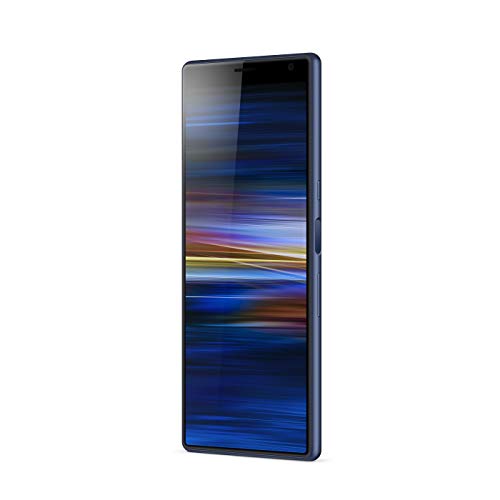
Sony Xperia 10 Plus (4GB + 64GB) review. Compare 197 technical specifications and user reviews to see how this product ranks in the Smartphones category and whether it is worth buying.
Overall score
What it is: An overall evaluation of the smartphone's quality, based on technical analyses and user reviews.
When it matters: When you need a quick reference to identify the best smartphones on the market.
Score components:
90.0%
Technical Score
10.0%
User score
Technical Score
What it is: An assessment of the smartphone's technical performance, covering eight key areas: performance & hardware, software, camera, connectivity, display, battery, audio, and design.
When it matters: When you want to compare smartphones based on technical performance and available features.
Score components:
25.0%
Performance & Hardware
18.0%
Camera
15.0%
Display
15.0%
Battery
10.0%
Software
10.0%
Connectivity
4.0%
Audio
3.0%
Design
User score
What it is: A rating that combines user reviews and the total number of reviews received by the smartphone
When it matters: When you want to know how a smartphone handles daily tasks and how reliable it remains over time according to user feedback.
Score components:
70.0%
User reviews
30.0%
Popularity

Available: ranking among products currently available (including other versions of this product).
All: ranking among all products in the database.
#21 in Best Sony Smartphones
#233 in Best Camera Smartphones
#285 in Best Mid-Range Smartphones
#720 in Best Smartphones Under £400
#739 in Best 5G Smartphones
#792 in Best Smartphones Under £500
#845 in Best Large-Screen Smartphones
#915 in Best NFC Smartphones
#970 in Best Android Smartphones
#1009 in Best Battery Life Smartphones
#1017 in Best AI Smartphones
#1020 in Best Smartphones
#1138 in Best Value Smartphones
What it is: An assessment of the smartphone's technical performance, covering eight key areas: performance & hardware, software, camera, connectivity, display, battery, audio, and design.
When it matters: When you want to compare smartphones based on technical performance and available features.
Score components:
25.0%
Performance & Hardware
18.0%
Camera
15.0%
Display
15.0%
Battery
10.0%
Software
10.0%
Connectivity
4.0%
Audio
3.0%
Design
What it is: A rating that combines user reviews and the total number of reviews received by the smartphone
When it matters: When you want to know how a smartphone handles daily tasks and how reliable it remains over time according to user feedback.
Score components:
70.0%
User reviews
30.0%
Popularity
What it is: An indicator that combines the smartphone's overall rating with its cost.
When it matters: When you are looking for a smartphone with a good balance between quality and price.
Score components:
60.0%
Overall score
40.0%
Price
Importance: LOW
Importance: HIGH
Importance: HIGH
Good value: >12 GB
Importance: MEDIUM
Good value: >256 GB
Importance: MEDIUM
Good value: >3.2 GHz
Importance: LOW
Importance: MEDIUM
Good value: >1500
Importance: LOW
Good value: >4000
Importance: LOW
Good value: 8+
Importance: LOW
Importance: LOW
Good value: >950 MHz
Importance: LOW
Good value: >700
Importance: LOW
Good value: >1000
Importance: LOW
Good value: >2500
Importance: MEDIUM
Good value: >6000
Importance: LOW
Good value: >8000
Importance: MEDIUM
Good value: >12000
Importance: LOW
Good value: >5000
Importance: LOW
Good value: >1800
Importance: LOW
Good value: >3200 MHz
Importance: LOW
Good value: 5
Importance: LOW
Good value: > 50 GB/s
Importance: LOW
Good value: 4
Importance: LOW
Good value: >16 GB
Importance: MEDIUM
Good value: <6 nm
Importance: MEDIUM
Good value: >9 W
Importance: LOW
Importance: LOW
Good value: >8192 KB
Importance: LOW
Good value: >2048 KB
Importance: LOW
Good value: >512 KB
Importance: LOW
Good value: >100000 million
Importance: LOW
Good value: 3.3
Importance: LOW
Good value: 3.2
Importance: LOW
Good value: 2.0/3.0
Importance: LOW
Importance: LOW
Importance: LOW
Importance: MEDIUM
Importance: LOW
Importance: LOW
Importance: LOW
Importance: LOW
Importance: LOW
Importance: LOW
Importance: LOW
Importance: LOW
Importance: LOW
Importance: LOW
Importance: LOW
Importance: LOW
Importance: LOW
Importance: LOW
Importance: LOW
Importance: LOW
Importance: LOW
Importance: LOW
Importance: LOW
Importance: LOW
Importance: LOW
Importance: LOW
Importance: LOW
Importance: LOW
Importance: LOW
Importance: LOW
Importance: LOW
Importance: LOW
Importance: LOW
Importance: LOW
Importance: LOW
Importance: LOW
Importance: LOW
Importance: MEDIUM
Good value: >50 MP
Importance: MEDIUM
Importance: HIGH
Good value: >60
Importance: LOW
Good value: ≥1.2 µm
Importance: MEDIUM
Good value: >2.5x
Importance: MEDIUM
Importance: LOW
Importance: LOW
Importance: LOW
Importance: LOW
Good value: ≥2
Importance: LOW
Importance: LOW
Importance: LOW
Importance: LOW
Good value: >16 MP
Importance: LOW
Importance: LOW
Importance: LOW
Importance: LOW
Importance: MEDIUM
Importance: LOW
Importance: LOW
Importance: LOW
Importance: LOW
Importance: LOW
Importance: LOW
Importance: LOW
Importance: LOW
Importance: LOW
Importance: LOW
Importance: LOW
Importance: LOW
Importance: LOW
Importance: LOW
Importance: LOW
Importance: LOW
Importance: LOW
Importance: LOW
Importance: LOW
Importance: LOW
Importance: LOW
Good value: >130
Importance: LOW
Good value: >120
Importance: LOW
Good value: ≥2
Importance: LOW
Importance: LOW
Importance: LOW
Importance: LOW
Importance: LOW
Importance: LOW
Good value: >5.2
Importance: LOW
Importance: LOW
Importance: LOW
Importance: LOW
Good value: 3.1/3.2
Importance: LOW
Importance: LOW
Importance: LOW
Good value: ≥2
Importance: LOW
Importance: LOW
Importance: LOW
Importance: LOW
Importance: LOW
Importance: LOW
Importance: LOW
Importance: LOW
Importance: LOW
Importance: LOW
Importance: LOW
Importance: LOW
Importance: LOW
Importance: LOW
Importance: LOW
Importance: LOW
Good value: ≥6.6 inches
Importance: MEDIUM
Importance: LOW
Good value: >400 ppi
Importance: MEDIUM
Importance: MEDIUM
Good value: ≥120 Hz
Importance: LOW
Importance: LOW
Good value: >300 Hz
Importance: LOW
Good value: >800 nits
Importance: LOW
Good value: >1300 nits
Importance: LOW
Good value: >1000 nits
Importance: LOW
Importance: LOW
Importance: LOW
Importance: LOW
Importance: LOW
Importance: LOW
Importance: LOW
Importance: LOW
Importance: HIGH
Good value: >5000 mAh
Importance: MEDIUM
Good value: >60 W
Importance: LOW
Importance: LOW
Good value: <45 min
Importance: LOW
Importance: LOW
Good value: >40 W
Importance: LOW
Importance: LOW
Good value: >10 W
Importance: LOW
Importance: LOW
Importance: MEDIUM
Importance: LOW
Good value: >800
Importance: LOW
Importance: LOW
Importance: LOW
Importance: LOW
Importance: LOW
Good value: ≥3
Importance: LOW
Importance: LOW
Importance: LOW
Importance: LOW
Importance: LOW
Importance: LOW
Importance: LOW
Good value: <162 mm
Importance: LOW
Good value: <75 mm
Importance: LOW
Good value: <8 mm
Importance: LOW
Good value: <190 g
Importance: LOW
Good value: <98cm³
Importance: LOW
Importance: LOW
Importance: LOW
Importance: LOW
Importance: LOW
Importance: LOW
Good value: ≥1.5 m
Importance: LOW
Importance: LOW
Good value: >8
Importance: LOW
Importance: LOW
Importance: MEDIUM
Importance: MEDIUM
Good value: >2.5x
Importance: LOW
Good value: ≥1.2 µm
Importance: LOW
Importance: LOW
Good value: >400 ppi
Importance: LOW
Importance: MEDIUM
Importance: LOW
Importance: HIGH
Importance: MEDIUM
Importance: MEDIUM
Good value: ≥120 Hz
Importance: MEDIUM
Good value: >256 GB
Importance: MEDIUM
Good value: >50 MP
Importance: HIGH
Good value: >60
Importance: MEDIUM
Importance: HIGH
Good value: >12 GB
(Reviews last updated: August 2026)
The Sony Xperia 10 Plus features a distinct 21:9 aspect ratio, 6.5-inch screen, and a solid build, with pros including excellent 4K video recording and an ideal, wide, cinematic viewing experience for media consumption. However, the device faces significant cons regarding camera performance, which is described as inconsistent, with poor low-light results, clipping in aperture mode, and overly intense beauty effects. Further limitations include a small 3000mAh battery for its size and the omission of a dedicated shutter button, leading to a verdict that stronger alternatives exist in its price range.
The Sony Xperia 10 Plus is characterized as a well-built, $429 mid-range device defined by its unique,, albeit restrictive, 21:9 aspect ratio display. While the 6.5-inch screen facilitates cinematic viewing and split-screen multitasking, it often results in awkward cropping or black bars for unsupported apps. Performance is hindered by a Snapdragon 636 processor and 4GB of RAM, resulting in noticeable lag during daily tasks, complemented by a subpar 3,000-mAh battery that lasted only 8 hours and 46 minutes in testing. Despite featuring a dual 12MP/8MP camera system, photo quality is inconsistent, offering poor dynamic range and weak low-light performance. While praised for its clean software and design, the device is considered overpriced compared to competitors like the Moto G7.
The Sony Xperia 10 Plus, characterized by its unique 21:9 aspect ratio, is described as a "lovable rebel" with a standout screen for media consumption and multitasking. While praised for its design and solid battery life, the device's elongated, top-heavy form factor and poorly placed, overly sensitive fingerprint sensor present usability challenges. Performance is sufficient for daily tasks using the Snapdragon 636, though it lacks the power for demanding games and misses features like waterproofing. Pocket-lintThe camera system is identified as the primary weakness, often struggling with dynamic range, HDR, and indoor lighting, resulting in soft or inconsistently exposed photos. Despite the clean software and unique display, the phone faces stiff competition, making it a difficult recommendation over rivals like the Motorola Moto G7 Plus, which offer superior performance at a better price point.
The Sony Xperia 10 Plus features a unique 21:9 "CinemaWide" display, offering a sleek, slender design and clean software, though it can feel top-heavy and awkward for one-handed use. Performance is a mixed bag, with the Snapdragon 636 providing decent daily operation but suffering from occasional stutters. The camera offers a useful 2x optical zoom, yet struggles with noise in low-light, and the $429.99 price point makes it hard to recommend against cheaper, more powerful competitors. Phandroid
The Sony Xperia 10, featured in a Gizmodo review, offers a unique 21:9 "lanky" design that is exceptionally easy to grip and features a solid, metallic feel. Its tall, cinematic screen is excellent for media consumption and browsing, acting as the device's main highlight. However, the phone suffers from significant performance issues due to an aging Snapdragon 630 processor and only 3GB of RAM, resulting in, sluggishness and lag. Additionally, the multimedia experience is hindered by a subpar mono speaker and underwhelming camera quality that suffers from white balance issues. Priced at $350, the Xperia 10 faces tough competition and is criticized for mediocre battery life. The review concludes that the performance drawbacks and high price make it hard to recommend over competitors like the Moto G7.
The Sony Xperia 10 Plus is characterized as an intriguing but flawed mid-range device, primarily defined by its unique 21:9 aspect ratio, which serves as a pro for cinema viewing but makes the device unwieldy for one-handed use. While it features a 3.5mm headphone jack and decent daily performance, the 3,000mAh battery delivers poor stamina, representing a significant drawback. The camera system offers a useful 2x telephoto zoom and strong daylight performance, though it struggles with noise and detail in low-light environments.
The Sony Xperia 10 Plus features a distinct 21:9 aspect ratio, offering excellent, immersive video playback and superior split-screen multitasking capabilities. However, this "CinemaWide" design results in a very tall, slippery plastic chassis that is difficult to use one-handed. Performance is driven by a Snapdragon 636 chipset, which provides stable daily operation but is considered underwhelming compared to rivals in its price segment. While the 3,000 mAh battery is adequate for a full day, it is relatively small for the device's size. On the positive side, the device includes a dedicated microSD slot, a functional 3.5mm headphone jack, and a responsive side-mounted fingerprint sensor. The camera system, featuring a 12MP main sensor and 8MP telephoto lens, delivers good daylight performance, though it struggles with dynamic range and in low-light conditions.
Consumer Reports describes the Sony Xperia 10 Plus as potentially a good budget choice if available at a low price, noting its unique 21:9 aspect ratio display and very good durability. The phone's 6.5-inch Full HD+ screen is ideal for compatible movies and multitasking, offering excellent quality, very high brightness, and minimal glare. Durability is strong, with "Excellent" drop test results and very good scratch resistance. However, performance is only very good with minor slowdowns, and battery life is average at about 22 hours. The camera, rated very good, lacks optical image stabilization, and call quality is rated as only good. Design elements like the side fingerprint sensor and height make one-handed use challenging.
The Sony Xperia 10 Plus is described as a mid-range phone defined by its distinctive 21:9 aspect ratio screen, which offers a unique cinematic viewing experience for supported content. While the review praises the phone's stylish design and decent battery life, its appeal is limited by performance issues and a camera that underperforms for its price point. The review concludes that the phone is only recommended for users specifically seeking the 21:9 screen, otherwise, better alternatives are available.
The Wired review of the Sony Xperia 10 and Xperia 10 Plus found both phones to be mediocre due to performance issues and superior alternatives available at the time of review. While the unique 21:9 aspect ratio display was noted as potentially appealing for watching movies and split-screen multitasking, it did not outweigh drawbacks like performance lag and inconsistent cameras. Pros included a clean Android interface, headphone jack, microSD slot, and a less fragile matte plastic build. Cons significantly impacted the user experience, particularly the performance issues with the standard Xperia 10's older processor, poor low-light camera performance, awkward button placement, and average battery life. Sealed Boxed Sony Xperia 10 64gb (black) Unlocked£120.004.2(446)Sony Xperia 10 Plus£199.99& more prices4.4(276)
The Sony Xperia 10 Plus features a unique 6.5-inch 21:9 display, ideal for cinematic content and multitasking but challenging for one-handed use due to its tall design. While offering solid day-to-day performance with its Snapdragon 636 processor and 4GB RAM, it struggles with demanding games and has a plastic build that lacks a premium feel. The camera includes a 12MP main lens and an 8MP 2x optical zoom telephoto lens, which performs well in daylight but poorly in low light, although the phone retains a 3.5mm headphone jack and offers good audio quality.
TechRadar describes the Sony Xperia 10 Plus as a mid-range phone defined by its 21:9 display, offering a specific cinematic viewing experience. While suitable for everyday tasks, its niche appeal and drawbacks make it a mixed bag compared to competitors, which often offer better performance and design for the same price. The 21:9 display is a pro for watching compatible content and multitasking, but a con due to black bars on other content and awkward one-handed use. Performance is smooth for daily use but stutters in demanding games. Battery life is average with slow fast charging. The camera performs well in good light but poorly in low light, with basic creative modes.
According to Android Authority, the Sony Xperia 10 Plus features a distinctive 21:9 display, offering benefits for cinematic viewing and split-screen use, though its tall design can be awkward to handle and causes scaling issues with some content. While its Snapdragon 636 processor handles daily tasks adequately, the device shows lag in demanding games and its 3,000mAh battery often requires recharging before a full day is over. The dual-camera system takes "very good photos" for its price, including 2x optical zoom, but the phone is held back by a "mushy" volume toggle and a single speaker.
PCMag reviewed the Sony Xperia 10 Plus, noting its distinctive 21:9 display as a pro for immersive viewing and multitasking, despite being difficult for one-handed use and not optimized for all content. The phone offers solid performance for daily tasks and its camera performs well in bright light (pros), but struggles in low light and suffers from poor battery life (cons). Overall, the review finds the Xperia 10 Plus difficult to recommend due to its high price and significant drawbacks compared to competitors.
The AreaDVD review highlights the Sony Xperia 10 Plus as a unique mid-range device centered on a 6.5-inch, 21:9 aspect ratio display that excels for cinematic content but results in an unwieldy, tall design with a plain plastic back. Performance is adequate for daily tasks, supported by a 3.5mm headphone jack and high-res audio, though it struggles with intensive gaming and lacks stereo speakers, featuring only a mediocre mono speaker. While the dual-camera produces decent daylight photos, it suffers in low-light, and despite good battery efficiency, the device is considered expensive compared to competitors with better value.
The Sony Xperia 10 Plus, reviewed on heise.de, stands out for its 21:9 aspect ratio, designed for improved cinematic viewing and split-screen multitasking. However, this unique design renders the device overly tall, making one-handed operation difficult and reducing comfort. While the 6.5-inch IPS display is bright enough for direct sunlight, it suffers from lackluster color accuracy. Performance is driven by a Snapdragon 636 processor, suitable for daily tasks but insufficient for demanding gaming. A major drawback is the poor battery life from the 3,000mAh battery, which significantly underperforms compared to competitors. The plastic build is durable but lacks a premium feel. Pros include the bright screen, good aspect ratio for media, a 3.5mm headphone jack, and expandable storage. Cons focus on the weak battery, awkward ergonomics, mediocre camera performance, and a slow fingerprint sensor.
The Sony Xperia 10 Plus features a distinct 21:9 "CinemaWide" 6.5-inch display, offering great viewing for multimedia but making one-handed use difficult. While providing a sharp screen, the panel's colors can appear dull. Performance is driven by a mid-range Snapdragon 636, which handles daily tasks well but struggles with heavy gaming. Pros include a 2x optical zoom telephoto lens, a responsive side-mounted fingerprint sensor, and a dedicated microSD slot. Cons include a relatively small 3,000mAh battery and poor low-light camera performance.
The Sony Xperia 10 Plus features an unconventional 21:9 aspect ratio 6.5-inch IPS display, ideal for cinematic viewing and vertical multitasking, though this ultra-tall design makes one-handed use difficult and causes optimization issues with some apps. While the screen offers good outdoor brightness, it is criticized for somewhat dull color accuracy. The device boasts a sturdy, matte polycarbonate unibody, but lacks waterproofing. Performance relies on a mid-range Snapdragon 636 processor and 4GB of RAM, deemed sufficient for daily tasks but struggling with heavy gaming. A significant positive is the inclusion of a 2x optical zoom telephoto lens, rare in this price segment, which delivers sharp, natural-toned photos in daylight. Conversely, low-light performance is poor, resulting in grainy, noisy images. Battery life is mixed; some users report a full day of usage with the 3000mAh capacity, while others find it drains quickly, particularly during video streaming. Additional features include a dedicated headphone jack, expandable storage up to 512GB, and a responsive side-mounted fingerprint sensor.
The Sony Xperia 10 Plus features a distinct 6.5-inch IPS display with a 21:9 aspect ratio, ideal for cinematic media consumption and narrow enough for a comfortable grip. Performance is powered by a Snapdragon 636 processor with 4GB of RAM, which, while capable, faces occasional micro-lags and struggles with intensive gaming compared to rivals. Pros include the unique display, a capable 2x optical zoom telephoto lens, and expandable storage, while cons center on poor low-light camera performance, underwhelming battery life, and a higher price point. For more details, visit PCMag.
The Sony Xperia 10 Plus is characterized by its unique 21:9 aspect ratio 6.5-inch display, which provides an excellent, immersive experience for widescreen media consumption and efficient multitasking. While the screen offers great brightness and a narrow design that makes it comfortable to hold, the device is limited by mediocre performance from its Snapdragon 636 processor and 4GB of RAM, which struggle against mid-range competitors. The camera system delivers decent, natural-looking photos in bright light, but performance dips in low-light conditions, leading to a conclusion that the phone's high price tag is not justified by its average, screen-dependent performance.
The Sony Xperia 10 Plus features a distinct 21:9 aspect ratio, offering a 6.5-inch Full HD+ screen ideal for media consumption, though its length makes one-handed use and pocketing difficult. Pros include a solid, fingerprint-resistant polycarbonate design, a capable 2x optical zoom, and a clean software experience with useful navigation tools. Cons highlighted in reviews are the lackluster low-light camera performance, a 3,000mAh battery that struggles with heavy usage, and a Snapdragon 636 processor that underperforms in gaming, making it a specialized choice rather than an all-around performer.
The CNET France review of the Sony Xperia 10 Plus highlights its 21:9 "CinemaWide" 6.5-inch display as a unique feature for media consumption and multitasking, though it makes one-handed use difficult. Powered by a Snapdragon 636, the device performs well for daily tasks, but the 3,000mAh battery and lacklustre mono speaker are notable drawbacks. While the dual-camera system provides decent outdoor shots and 2x optical zoom, it struggles in low light, making the phone a niche choice against stronger, lower-priced competitors.
The Labo Fnac review of the Sony Xperia 10 Plus highlights its 21:9 "CinemaWide" 6.5-inch IPS display as a pro for media consumption, though it suffers from poor color accuracy and a washed-out appearance. Performance is hampered by a mid-range Snapdragon 636 processor that struggles with intensive tasks, while the battery life is considered mediocre and slow to charge, representing significant cons. Despite practical inclusions like a 3.5mm jack and good daylight camera performance, the device is criticized for its plastic build, lack of water resistance, and poor low-light photo quality.
The Phonandroid review describes the Sony Xperia 10 Plus as a "cinema-focused" mid-range device, highlighting its unique 21:9 aspect ratio 6.5-inch screen as a pro for media consumption and vertical scrolling. However, this design makes the phone excessively long and difficult to use with one hand. Performance-wise, the device features a rare 3.5mm headphone jack, but is severely limited by an aging Snapdragon 636 chipset that struggles with demanding apps and games, failing to justify its price point compared to competitors. The camera setup is serviceable in good light, yet underperforms in low-light conditions, while the 3,000mAh battery is considered too small for the large display, offering limited stamina for heavy usage.
The Journal du Geek review highlights the Sony Xperia 10 Plus for its unique 21:9 aspect ratio, offering a "mini-cinema" experience on a 6.5-inch screen and improved multitasking capabilities. The device features a clean, near-stock Android experience, making it a stylish, albeit niche, choice for media consumption. However, its significant length makes one-handed use challenging, and the polycarbonate build feels less premium, compounded by poorly placed, hard-to-reach physical buttons. Performance-wise, the Snapdragon 636 processor provides average power sufficient for daily tasks but struggles with demanding games, paired with a 3,000mAh battery that often requires charging before the day ends. While the dual-camera system (12MP + 8MP) offers useful 2x optical zoom for daytime, it produces noisy, underwhelming results in low-light conditions. Ultimately, the device represents a bold, specialized design-first approach that prioritizes form over raw performance, making it ideal for media consumers but less so for power users or those prioritizing ergonomic ease. Expert Reviews
The Sony Xperia 10 Plus features a distinct 21:9 aspect ratio display that excels in media consumption and multitasking, although its 6.5-inch IPS LCD panel faces criticism for underwhelming color accuracy and the device's awkward, tall form factor. While the screen is a highlight, the phone is hampered by average performance from its Snapdragon 636 processor and a disappointing 3,000mAh battery that struggles to last a full day under moderate use. Camera performance is mixed, offering a rare 2x optical zoom for its price range, yet it suffers from significant shutter lag and poor low-light results. Despite including a 3.5mm jack, the overall package is hindered by a mediocre mono speaker and a challenging one-handed experience.
The Sony Xperia 10 Plus features an unconventional 21:9 "CinemaWide" 6.5-inch display, ideal for multitasking and, in some cases, cinematic viewing. However, standard 16:9 content results in large black bars, and the device's narrow design may not suit all users. The Snapdragon 636 processor provides a stable mid-range experience suitable for daily tasks, though it lacks high-end performance. A 3.5mm jack is included, but the plastic build feels less premium than competitors. The dual-camera system offers a 2x optical zoom for good daylight shots, but low-light photography is weak. While the 3,000mAh battery is optimized, it may not last all day for heavy users.
The Sony Xperia 10 Plus features a distinct 21:9 aspect ratio with a 6.5-inch Full HD+ screen that is ideal for widescreen viewing, though it makes one-handed use difficult. Pros include a clean, near-stock Android experience, useful software additions like Side Sense, and a 2x optical telephoto lens, while cons include a high price, average battery life, and subpar low-light camera performance. Powered by a Snapdragon 636, it performs adequately for daily tasks but lags behind similarly priced competitors in gaming.
Andrea Galeazzi describes the Sony Xperia 10 Plus as a "telecomondoso" (remote-control-like) device, noting its 21:9 aspect ratio provides excellent, comfortable grip and an efficient, productive display for social media and multitasking. However, this unique, tall format is a significant drawback for media consumption, as standard 16:9 videos result in large black bars or require cropping to fill the screen. The review further highlights a slow 7.5W charger as a notable drawback, despite high-quality accessories. Performance is mixed, featuring a capable 2x optical zoom telephoto lens as a pro, yet hindered by the mid-range Snapdragon 636 processor, which struggles with demanding gaming. Ultimately, while the design is innovative, the device's value is compromised by average performance and the inconsistent utility of the 21:9 screen.
The ePHOTOzine review of the Sony Xperia 10 highlights its unique 21:9 aspect ratio, offering an excellent, slim design for one-handed use, but resulting in a polarizing, elongated screen that often leaves wasted space for 16:9 content. While the build is solid, it lacks a dedicated camera button. Pros include a good, simple interface for photography and a great display for movies, but significant cons include poor low-light, noisy images, and a lack of detail in high-contrast scenes. Performance is generally considered average to sluggish due to only 3GB of RAM and a small 2870mAh battery, creating intense competition with other mid-range alternatives.
The Sony Xperia 10 is designed for media consumption, featuring a 21:9 "CinemaWide" 6-inch Full HD+ LCD display that allows for cinematic viewing without black bars, housed in a narrow, ergonomic chassis. Pros include the sharp, vibrant screen, a 3.5mm headphone jack, an accurate side-mounted fingerprint scanner, and a functional, clean interface, despite the polycarbonate build. However, cons center on weak performance from the aging Snapdragon 630 chipset, limited 3GB RAM, underwhelming battery life, and a subpar mono speaker.
Test-Aankoop identifies the Sony Xperia 10 Plus as a budget-oriented, older mid-range device that struggles against competition, ultimately ranking among the poorest models in its category. Despite its lackluster overall performance, the device features a unique 21:9 aspect ratio display ideal for media, a comfortable matte finish, and practical additions like a 3.5mm headphone jack and microSD slot. Significant drawbacks include mediocre battery life from the 3,000mAh capacity, a weak processor prone to lag, average camera performance in low light, and a lack of waterproofing.
The Sony Xperia 10 Plus is considered a solid mid-range device, highlighted by its unique 6.5-inch 21:9 aspect ratio display that offers an excellent, cinematic experience for media consumption. While the build feels premium and high-quality, the elongated design can make one-handed use challenging. Driven by a Snapdragon 636 processor, the phone is generally fast enough for daily tasks, though the 3,000mAh battery is frequently cited as a weakness that struggles with heavy use. The camera system, featuring a 12MP main sensor and 8MP telephoto lens, offers good performance and 2x optical zoom in bright lighting, but suffers from noise and blur in low-light conditions.
The Android Planet review characterizes the Sony Xperia 10 Plus as a unique mid-range device distinguished by its 21:9 "CinemaWide" screen, which is excellent for media consumption and multitasking. However, this tall 6.5-inch display makes the device unwieldy for one-handed use, and the 3,000mAh battery struggles to last a full day under heavy usage. While the Snapdragon 636 processor provides a smooth experience, the device suffers from occasional performance lags and a high price point compared to competitors, leading to a mixed overall recommendation. For more details, visit Android Planet.

Compare