Sony Xperia 1 II 5G (8GB + 256GB) review. Compare 197 technical specifications and user reviews to see how this product ranks in the Smartphones category and whether it is worth buying.
Overall score
What it is: An overall evaluation of the smartphone's quality, based on technical analyses and user reviews.
When it matters: When you need a quick reference to identify the best smartphones on the market.
Score components:
90.0%
Technical Score
10.0%
User score
Technical Score
What it is: An assessment of the smartphone's technical performance, covering eight key areas: performance & hardware, software, camera, connectivity, display, battery, audio, and design.
When it matters: When you want to compare smartphones based on technical performance and available features.
Score components:
25.0%
Performance & Hardware
18.0%
Camera
15.0%
Display
15.0%
Battery
10.0%
Software
10.0%
Connectivity
4.0%
Audio
3.0%
Design
User score
What it is: A rating that combines user reviews and the total number of reviews received by the smartphone
When it matters: When you want to know how a smartphone handles daily tasks and how reliable it remains over time according to user feedback.
Score components:
70.0%
User reviews
30.0%
Popularity






Available: ranking among products currently available (including other versions of this product).
All: ranking among all products in the database.
#12 in Best Sony Smartphones
#134 in Best Camera Smartphones
#371 in Best Large-Screen Smartphones
#389 in Best Android Smartphones
#403 in Best NFC Smartphones
#408 in Best 5G Smartphones
#419 in Best AI Smartphones
#420 in Best Smartphones
#713 in Best Battery Life Smartphones
What it is: An assessment of the smartphone's technical performance, covering eight key areas: performance & hardware, software, camera, connectivity, display, battery, audio, and design.
When it matters: When you want to compare smartphones based on technical performance and available features.
Score components:
25.0%
Performance & Hardware
18.0%
Camera
15.0%
Display
15.0%
Battery
10.0%
Software
10.0%
Connectivity
4.0%
Audio
3.0%
Design
What it is: A rating that combines user reviews and the total number of reviews received by the smartphone
When it matters: When you want to know how a smartphone handles daily tasks and how reliable it remains over time according to user feedback.
Score components:
70.0%
User reviews
30.0%
Popularity
What it is: An indicator that combines the smartphone's overall rating with its cost.
When it matters: When you are looking for a smartphone with a good balance between quality and price.
Score components:
60.0%
Overall score
40.0%
Price
Importance: LOW
Importance: HIGH
Importance: HIGH
Good value: >12 GB
Importance: MEDIUM
Good value: >256 GB
Importance: MEDIUM
Good value: >3.2 GHz
Importance: LOW
Importance: MEDIUM
Good value: >1500
Importance: LOW
Good value: >4000
Importance: LOW
Good value: 8+
Importance: LOW
Importance: LOW
Good value: >950 MHz
Importance: LOW
Good value: >700
Importance: LOW
Good value: >1000
Importance: LOW
Good value: >2500
Importance: MEDIUM
Good value: >6000
Importance: LOW
Good value: >8000
Importance: MEDIUM
Good value: >12000
Importance: LOW
Good value: >5000
Importance: LOW
Good value: >1800
Importance: LOW
Good value: >3200 MHz
Importance: LOW
Good value: 5
Importance: LOW
Good value: > 50 GB/s
Importance: LOW
Good value: 4
Importance: LOW
Good value: >16 GB
Importance: MEDIUM
Good value: <6 nm
Importance: MEDIUM
Good value: >9 W
Importance: LOW
Importance: LOW
Good value: >8192 KB
Importance: LOW
Good value: >2048 KB
Importance: LOW
Good value: >512 KB
Importance: LOW
Good value: >100000 million
Importance: LOW
Good value: 3.3
Importance: LOW
Good value: 3.2
Importance: LOW
Good value: 2.0/3.0
Importance: LOW
Importance: LOW
Importance: LOW
Importance: MEDIUM
Importance: LOW
Importance: LOW
Importance: LOW
Importance: LOW
Importance: LOW
Importance: LOW
Importance: LOW
Importance: LOW
Importance: LOW
Importance: LOW
Importance: LOW
Importance: LOW
Importance: LOW
Importance: LOW
Importance: LOW
Importance: LOW
Importance: LOW
Importance: LOW
Importance: LOW
Importance: LOW
Importance: LOW
Importance: LOW
Importance: LOW
Importance: LOW
Importance: LOW
Importance: LOW
Importance: LOW
Importance: LOW
Importance: LOW
Importance: LOW
Importance: LOW
Importance: LOW
Importance: LOW
Importance: MEDIUM
Good value: >50 MP
Importance: MEDIUM
Importance: HIGH
Good value: >60
Importance: LOW
Good value: ≥1.2 µm
Importance: MEDIUM
Good value: >2.5x
Importance: MEDIUM
Importance: LOW
Importance: LOW
Importance: LOW
Importance: LOW
Good value: ≥2
Importance: LOW
Importance: LOW
Importance: LOW
Importance: LOW
Good value: >16 MP
Importance: LOW
Importance: LOW
Importance: LOW
Importance: LOW
Importance: MEDIUM
Importance: LOW
Importance: LOW
Importance: LOW
Importance: LOW
Importance: LOW
Importance: LOW
Importance: LOW
Importance: LOW
Importance: LOW
Importance: LOW
Importance: LOW
Importance: LOW
Importance: LOW
Importance: LOW
Importance: LOW
Importance: LOW
Importance: LOW
Importance: LOW
Importance: LOW
Importance: LOW
Importance: LOW
Good value: >130
Importance: LOW
Good value: >120
Importance: LOW
Good value: ≥2
Importance: LOW
Importance: LOW
Importance: LOW
Importance: LOW
Importance: LOW
Importance: LOW
Good value: >5.2
Importance: LOW
Importance: LOW
Importance: LOW
Importance: LOW
Good value: 3.1/3.2
Importance: LOW
Importance: LOW
Importance: LOW
Good value: ≥2
Importance: LOW
Importance: LOW
Importance: LOW
Importance: LOW
Importance: LOW
Importance: LOW
Importance: LOW
Importance: LOW
Importance: LOW
Importance: LOW
Importance: LOW
Importance: LOW
Importance: LOW
Importance: LOW
Importance: LOW
Importance: LOW
Good value: ≥6.6 inches
Importance: MEDIUM
Importance: LOW
Good value: >400 ppi
Importance: MEDIUM
Importance: MEDIUM
Good value: ≥120 Hz
Importance: LOW
Importance: LOW
Good value: >300 Hz
Importance: LOW
Good value: >800 nits
Importance: LOW
Good value: >1300 nits
Importance: LOW
Good value: >1000 nits
Importance: LOW
Importance: LOW
Importance: LOW
Importance: LOW
Importance: LOW
Importance: LOW
Importance: LOW
Importance: LOW
Importance: HIGH
Good value: >5000 mAh
Importance: MEDIUM
Good value: >60 W
Importance: LOW
Importance: LOW
Good value: <45 min
Importance: LOW
Importance: LOW
Good value: >40 W
Importance: LOW
Importance: LOW
Good value: >10 W
Importance: LOW
Importance: LOW
Importance: MEDIUM
Importance: LOW
Good value: >800
Importance: LOW
Importance: LOW
Importance: LOW
Importance: LOW
Importance: LOW
Good value: ≥3
Importance: LOW
Importance: LOW
Importance: LOW
Importance: LOW
Importance: LOW
Importance: LOW
Importance: LOW
Good value: <162 mm
Importance: LOW
Good value: <75 mm
Importance: LOW
Good value: <8 mm
Importance: LOW
Good value: <190 g
Importance: LOW
Good value: <98cm³
Importance: LOW
Importance: LOW
Importance: LOW
Importance: LOW
Importance: LOW
Importance: LOW
Good value: ≥1.5 m
Importance: LOW
Importance: LOW
Good value: >8
Importance: LOW
Importance: LOW
Importance: MEDIUM
Good value: >2.5x
Importance: MEDIUM
Importance: MEDIUM
Importance: LOW
Importance: LOW
Good value: ≥1.2 µm
Importance: LOW
Good value: >400 ppi
Importance: LOW
Good value: 5
Importance: LOW
Importance: MEDIUM
Good value: ≥120 Hz
Importance: LOW
Good value: >950 MHz
Importance: MEDIUM
Good value: >50 MP
Importance: LOW
Importance: HIGH
Good value: >5000 mAh
Importance: LOW
Importance: MEDIUM
Importance: LOW
(Reviews last updated: August 2026)
The Sony Xperia 1 II is a durable, high-performance smartphone featuring a 6.5-inch 4K OLED display and excellent, 30.5-hour battery life. Pros include an "Excellent" tumble test rating, a 3.5mm headphone jack, and fast processing speeds, though the 21:9 aspect ratio makes it quite tall. While camera quality is strong, the overall photographic performance falls slightly behind top-tier competitors, and the battery is non-removable.
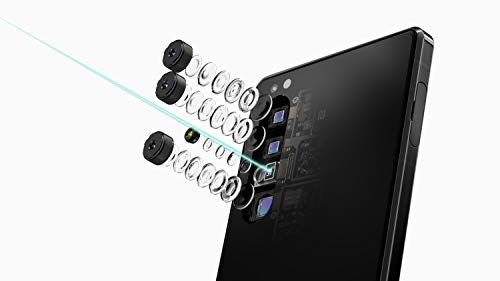
The DXOMARK review of the Sony Xperia 1 II highlights a significant improvement for Sony, earning an overall camera score of 112. The device is lauded for its advanced manual controls, excellent low-noise performance in bright light, and a high-quality ultra-wide lens. However, the camera struggles against top-tier rivals due to limited dynamic range in low light, inconsistent autofocus, and low detail from the telephoto lens. In terms of video, the Xperia 1 II offers improved, stable autofocus, but falls short with ineffective stabilization and poor, low-light exposure. Despite these, the phone offers a strong, professional-style photography experience for users who prefer manual adjustments over automated point-and-shoot.
The Sony Xperia 1 II is positioned as a niche, premium flagship targeting photographers and audiophiles with a traditional, waterproof metal-and-glass design featuring a 6.5-inch 4K OLED display and a 3.5mm headphone jack. Key pros include the Snapdragon 865 chipset, 5G connectivity, and a dedicated two-stage camera shutter button, all housed in a distinctive 21:9 aspect ratio, according to Techzine.eu. However, the device features a 60Hz screen refresh rate, a complex, disjointed camera software experience, and mediocre night mode performance. Further cons noted by Techzine.eu include a mediocre side-mounted fingerprint sensor, no face unlock, and slow 21W charging. Despite its creative potential, the high €1,100 price tag and niche usability make it a specialized choice rather than a mainstream recommendation.
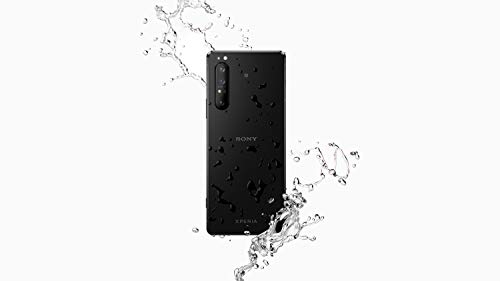
The Sony Xperia 1 II is a premium, niche flagship that integrates Sony's high-end camera and display technology into a sleek, IP65/IP68 water-resistant design. Key features include a 6.5-inch 4K HDR OLED display with a 21:9 aspect ratio, the Snapdragon 865 processor, a 3.5mm headphone jack, and stereo speakers. The camera system, developed with Sony's Alpha division, is the centerpiece, featuring Photo Pro and Cinema Pro apps with 20fps burst shooting and excellent eye-autofocus. Additional pros include reliable 4,000mAh battery life with both fast-wired and wireless charging capabilities. However, the $1,200 device has notable drawbacks, including the lack of 5G support for US bands and a display limited to a 60Hz refresh rate. Furthermore, the front-facing camera underperforms, and the, high price makes it less competitive against rivals from Samsung or Google.
The Sony Xperia 1 II is hailed by What Hi-Fi? as a premier "entertainment powerhouse" that bridges specialized audio-visual technology with mobile hardware. Its 6.5-inch 21:9 4K HDR OLED display offers exceptional, color-accurate visuals with Creator mode, though it lacks a high refresh rate and maximum brightness compared to rivals. The device excels in audio with a 3.5mm jack, Hi-Res support, and clear stereo sound, alongside a pro-level camera system offering manual controls, despite a high price point and austere design. What Hi-Fi? +4
In a 2020 Forbes review, the Sony Xperia 1 II is described as a "stick shift" device, prioritizing manual control and Alpha camera features over the automated, AI-driven photography of competitors. Pros include a, sleek design, a 3.5mm headphone jack, a 4K 21:9 OLED display, and powerful performance via the Snapdragon 865 chipset. Cons include an underwhelming stock camera app, poor video stabilization, a dim screen in sunlight, limited 3x zoom, and a high $1,200 price tag.
The Sony Xperia 1 II is characterized as a niche, premium device tailored for media enthusiasts and photographers, featuring a 6.5-inch 4K HDR OLED display, Snapdragon 865 chipset, and a 3.5mm headphone jack. Key strengths include exceptional screen quality, fast autofocus via Alpha camera tech, and reliable battery life with wireless charging. However, the device faces limitations with a high price, an excessively tall 21:9 design, no high refresh rate, and low maximum screen brightness.
The Sony Xperia 1 II is a $1,200 niche flagship optimized for photography enthusiasts and creators, featuring advanced Alpha camera technology and a 70mm-equivalent telephoto lens. Key strengths include the Photo Pro/Cinema Pro manual apps, highly accurate Eye AF, a 6.5-inch 4K OLED screen, and a 3.5mm headphone jack. However, the device is criticized for a lackluster selfie camera, a lack of a dedicated night mode, and a screen that can be dim outdoors.
The ZDNet review portrays the Sony Xperia 1 II as a premium, niche device tailored for media consumption and creative professionals, highlighting its 6.5-inch 4K HDR OLED display with a 21:9 aspect ratio, 3.5mm headphone jack, and front-firing speakers. Powered by a Snapdragon 865 chipset, the phone delivers strong performance alongside improved battery life and professional-grade camera controls, making it an "entertainment powerhouse". However, the device is hindered by a high price, a slippery and awkward form factor, and a 4K screen that lacks a high refresh rate and can appear dim in direct sunlight. For more details, visit ZDNet.
The Sony Xperia 1 II is presented as a niche flagship smartphone integrating Sony's Bravia and Alpha technologies for strong media and photography performance, despite its high price. Its strengths include a 4K HDR OLED display, excellent front-firing stereo speakers, a 3.5mm headphone jack, and an Alpha-inspired camera system with professional controls and fast autofocus. However, the display lacks a high refresh rate and struggles in bright sunlight, while the camera's automatic mode is less punchy than rivals and performance decreases in very low light conditions.
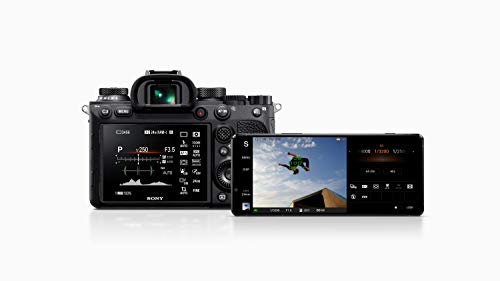
The Sony Xperia 1 II is a high-end smartphone designed for photography enthusiasts, integrating features from Sony's dedicated camera divisions, though its automatic camera modes and selfie camera are less competitive than rivals. Key advantages include its extensive manual camera controls, fast Eye Autofocus, 20fps burst shooting, 4K HDR OLED display, and the return of the 3.5mm headphone jack, while its major drawbacks are its high price and a display that is sometimes dim outdoors.
According to Expert Reviews, the Sony Xperia 1 II is a media-centric flagship phone featuring an industry-leading 4K OLED display and pro-level camera controls, but is held back by a standard 60Hz refresh rate and a very high price. While ideal for photo and video enthusiasts, its niche focus and cost make it less appealing to the mass market compared to rivals.
Engadget describes the Sony Xperia 1 II as the company's best phone in years, targeting creative enthusiasts with its high-end camera features derived from Sony's Alpha line, though its high price and niche focus may not appeal to the mass market. The phone features a sharp 6.5-inch 4K HDR OLED display, excellent front-firing stereo speakers, and a 3.5mm headphone jack, but the screen is only 60Hz and the glossy finish makes it slippery. Its professional-grade Photo Pro and Cinema Pro apps offer extensive manual camera control and fast, accurate autofocus with eye-tracking, though simple point-and-shoot results may require more effort compared to rivals.
According to a Wired review, the Sony Xperia 1 II is a high-end smartphone targeting creative enthusiasts, featuring a 4K HDR OLED display, advanced camera system, and audiophile-focused audio components. While praised for its performance, manual camera controls, battery life, and expandable storage, its significant drawbacks include a high price, 60Hz display refresh rate, dim screen outdoors, inconsistent automatic camera mode, and the US version's lack of 5G support.
Dominik Bärlocher’s review on Digitec characterizes the Sony Xperia 1 II as a polarizing "love-hate" device, rejecting mainstream trends for a professional-grade, niche experience. The device is highly praised for its Photo Pro app, which brings Sony Alpha camera technology to a smartphone, along with a "monolithic" design, 4K OLED display, and 3.5mm headphone jack. However, significant drawbacks include a notoriously unreliable, sensitive side-mounted fingerprint sensor and the absence of a modern face unlock feature. While the manual camera mode is top-tier, the standard camera app is considered average, and the software is marred by irritating, intrusive "Side Sense" tutorials.
The Handyhase review highlights the Sony Xperia 1 II as a high-performance device for photography enthusiasts, featuring a top-tier Snapdragon 865 processor, 5G capabilities, and a 6.5-inch 4K OLED display in a 21:9 format. Key strengths include a versatile ZEISS triple-camera system with professional,, rapid-focus controls and the retention of a 3.5mm headphone jack, though the glossy back is prone to fingerprints. Despite its high price, the device impresses with a two-day battery life and exceptional multimedia performance, notes Handyhase.
The Sony Xperia 1 II is described as an "emotionally exhausting" device that balances brilliance with frustration, featuring a premium 21:9 4K OLED screen without a notch. Key pros include the professional Photo Pro app offering unparalleled manual control, while major cons include an average, unreliable standard camera app and a finicky side-mounted fingerprint sensor. Despite bloatware like Side Sense and, the device is considered a specialized "photo lover's dream" that requires mastering manual settings, rather than a phone for the casual user.
The Galaxus review of the Sony Xperia 1 II characterizes the device as an "emotionally exhausting" experience, highlighting a significant, positive shift in strategy that integrates Sony's Alpha camera technology into the Photo Pro app. Pros include this superior manual camera mode, a dedicated shutter button, and a 21:9 notch-free display, though these are balanced by average, over-brightened results from the standard camera app. Major cons center on an unreliable, small-surface-area side-mounted fingerprint sensor and intrusive software, which may make the high price hard to justify for casual users.
According to the heise.de review, II is a high-tech flagship that misses its full potential due to a high price and late market entry, despite strong performance GB of RAM. The device K OLED screen, though it lacks a high refresh rate ( Hz) and suffers from limited brightness. Camera pros include dedicated Photo Pro/Cinema Pro apps and Zeiss lenses for enthusiasts, though the automatic mode is only average. While mm jack and supporting wireless charging, the slow charging speed is a notable con, making it a specialized, rather than mainstream, recommendation. heise online +4
A four-month test of the Sony Xperia 1 II highlights a 6.5-inch 4K OLED display, 3.5mm headphone jack, and excellent stereo speakers as standout features. However, the device suffers from easily scratched front glass, erratic automatic brightness, and a lack of software polish, according to inside-digital.de. While offering a niche, professional-grade camera experience, the 4,000 mAh battery delivers below-average endurance compared to competitors, with relatively slow charging speeds.
The Phototrend review positions the Sony Xperia 1 II as a bridge between Sony's mobile and professional Alpha camera divisions, featuring a 21:9 4K HDR OLED display and the return of the 3.5mm headphone jack. Key advantages include the Photo Pro and Cinema Pro apps for manual control, fast Eye AF, and natural image rendering, making it a specialized tool for creators rather than a mainstream device. Conversely, cons include a steep learning curve for the pro apps, an underwhelming default auto mode, a 60Hz screen refresh rate, and slow charging capabilities. Overall, the device is considered a photographer's tool that rewards manual,,, settings adjustments.
The Sony Xperia 1 II is a high-end, 5G-enabled flagship featuring a 6.5-inch 4K HDR OLED display with a unique 21:9 aspect ratio and a 3.5mm headphone jack. While praised for its exceptional color accuracy and premium design, the device lacks a high refresh rate and struggles with peak brightness in direct sunlight. Powered by the Snapdragon 865, the phone delivers strong performance, but its tall, narrow build can make one-handed operation difficult. The camera system, leveraging Alpha technology, offers excellent autofocus and advanced manual controls, yet its automated shooting mode can underperform in high-contrast situations compared to competitors. Although it boasts a 4,000 mAh battery, the device offers only average, "decent" endurance that fails to stand out from the competition. Consequently, the Xperia 1 II is viewed as a specialized, expensive device suited for creatives rather than a typical mass-market flagship.
The Sony Xperia 1 II is a high-end, 5G-enabled smartphone featuring a premium design, a 6.5-inch 4K HDR OLED display, and a 21:9 aspect ratio. Performance is driven by the Snapdragon 865 chipset, with key highlights including a 3.5mm headphone jack, front-facing stereo speakers, and a dedicated Photo Pro app, though it lacks a higher refresh rate. Despite its impressive manual camera controls, 20fps burst shooting, and excellent audio, the device is held back by slow 21W charging, lower screen brightness, and a high price point.
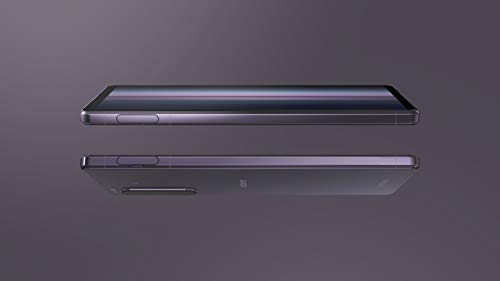
The Sony Xperia 1 II is positioned as a premium device tailored for creatives, featuring a 21:9 4K HDR OLED display, a distinct, slim design with a 3.5mm jack, and robust build quality. Key strengths include specialized "Photo Pro" and "Cinema Pro" applications offering manual controls, ZEISS-branded lenses, and fast Snapdragon 865 performance with 5G connectivity. However, the device is held back by a high price tag, a 60Hz screen refresh rate,,, subpar brightness, and occasional software/overheating issues.
The Sony Xperia 1 II targets creative professionals with a 6.5-inch 4K HDR OLED display in a 21:9 aspect ratio, offering a notch-free viewing experience powered by the Snapdragon 865 chipset. Key strengths include a camera system with ZEISS optics and manual "Pro" modes, along with a 3.5mm headphone jack and improved 4,000mAh battery life. However, the high price point, limited 60Hz screen, and underwhelming automatic photo processing compared to competitors are notable drawbacks.
The Sony Xperia 1 II is characterized as a comprehensive, photography-focused flagship that bridges the gap between smartphone functionality and Alpha camera technology, featuring a 21:9 4K OLED display and the Snapdragon 865 chipset. Key advantages include its advanced autofocus, 20fps burst shooting, and the reintroduction of the 3.5mm headphone jack. However, the device is criticized for a steep camera learning curve, mediocre auto-mode performance in certain lighting, and a high $1,200 price point. The tall design makes one-handed use difficult, and, while capable, the telephoto lens falls short of competitors.
The Sony Xperia 1 II is positioned as a professional, photography-focused device designed for enthusiasts, featuring a 21:9, 6.5-inch 4K OLED display and the Snapdragon 865 processor. Key pros include a 3.5mm headphone jack, excellent manual controls via "Photo Pro" and "Cinema Pro" apps, and rapid autofocus with eye-tracking. However, notable cons include a limited 60Hz refresh rate, disappointing screen brightness for outdoor use, and a lackluster auto-camera mode. El EspañolThe device offers a near-stock Android experience, though it faces stiff competition in automated photography compared to rivals. While the build quality is praised, the tall design is both a strength for media consumption and a drawback for portability. Battery life is adequate, but the high-resolution screen leads to only average endurance. El Español
The Sony Xperia 1 features a unique 21:9 aspect ratio and a 4K HDR OLED display, offering an excellent, albeit dim, cinematic experience in a slender design. While powered by a fast Snapdragon 855 processor, the device is hindered by a frequently unreliable side-mounted fingerprint sensor. Pros include impressive manual camera controls via the Cinema Pro app, though the overall camera experience is limited by a lack of a dedicated night mode. With a small 3,330mAh battery and no wireless charging, the high price point makes it a niche choice for media enthusiasts rather than a top recommendation for average users.
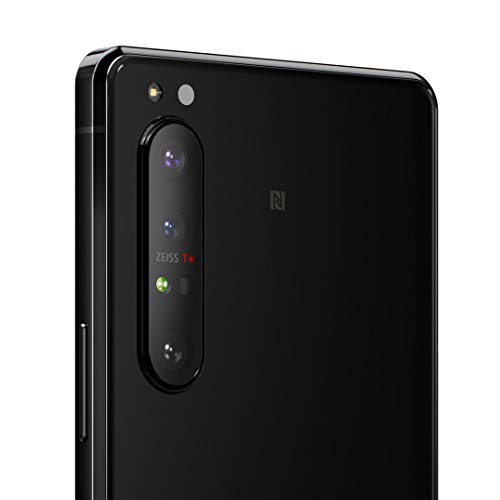
The Sony Xperia 1 II, as analyzed by TuttoAndroid, is a premium 5G flagship featuring a 6.5-inch 4K HDR OLED display, Snapdragon 865 chipset, and advanced camera technology inherited from Sony's Alpha and Bravia divisions. The device highlights a 21:9 aspect ratio design, a 3.5mm headphone jack, and a triple-lens camera system with Zeiss optics. Key pros include exceptional display quality, versatile pro-level manual camera controls, and great performance, while cons focus on a 60Hz display refresh rate, high price point, and inconsistent automatic photo mode.
The Sony Xperia 1 II is positioned as a specialized flagship focusing on professional-grade photography and cinema, featuring a 6.5-inch 4K HDR OLED display with a 21:9 aspect ratio and Snapdragon 865 processor. Key advantages include integrated Alpha camera technology, dedicated manual apps, the return of the 3.5mm headphone jack, stereo speakers, and Despite its strengths, the device is criticized for its high launch price of approximately €1,199, a 60Hz screen refresh rate, and subpar performance of the 8MP selfie camera. The display brightness is also noted as being lower than competitors, and the standard, non-manual camera experience is considered underwhelming.
The Sony Xperia 1 II is designed for creative professionals, featuring a 21:9 4K HDR OLED screen, a 3.5mm headphone jack, and an Alpha-inspired camera system that excels with manual controls and fast Eye Autofocus. While the build offers IP68 water resistance and dedicated photo/cinema apps, the device is held back by a 60Hz refresh rate, low peak brightness, and a high price point. Despite superior manual camera performance, the automatic mode sometimes lags in dynamic range, and the side-mounted fingerprint scanner can be inconsistent.
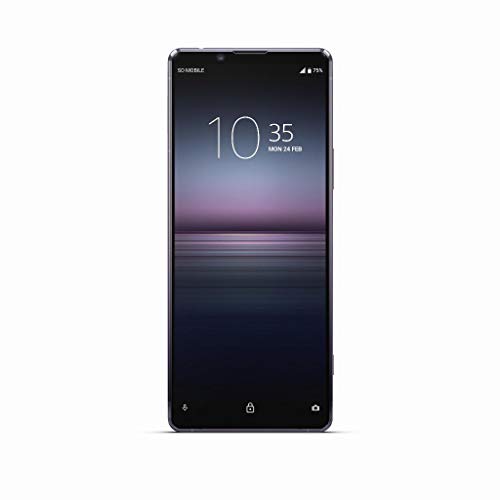
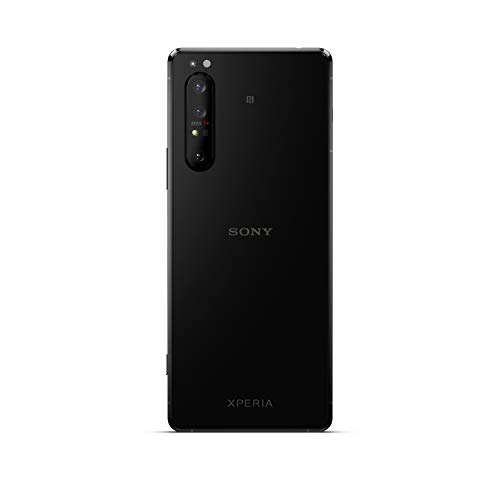
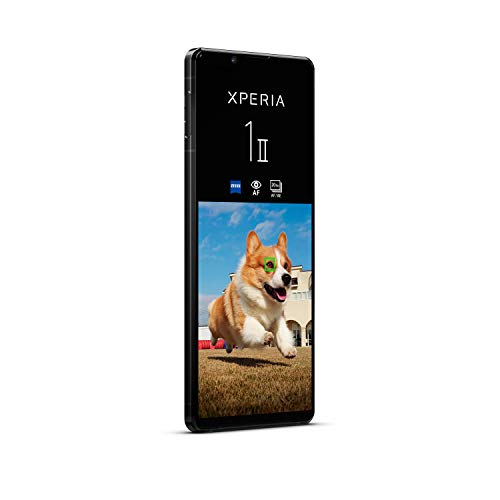
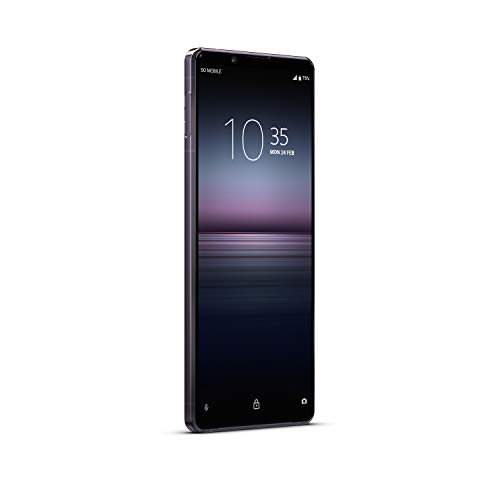
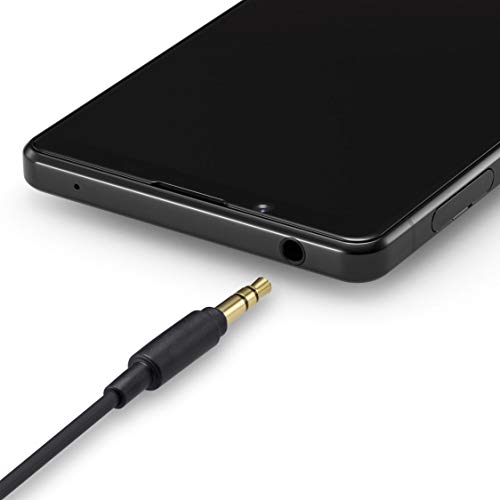
The Sony Xperia 1 II (Purple) is a high-end Android device featuring a 6.5-inch 4K HDR OLED display and a 21:9 aspect ratio, aimed at cinema and photography users. Key strengths include a professional-grade camera system with ZEISS optics and Eye Autofocus, alongside 5G support, a 3.5mm headphone jack, and expandable storage. Conversely, the device is limited by a 60Hz screen refresh rate, lower max brightness, a high price point, and slower charging speeds compared to competitors.
The Sony Xperia 1 II is a specialized flagship designed for media consumption and content creators, featuring a unique, narrow 21:9 design and a 4K OLED display. Key pros include the return of the 3.5mm headphone jack, excellent front-firing speakers, and improved battery life. However, cons include a limited 60Hz screen refresh rate, a display that can be too dim outdoors, and a very high The camera system, developed with Alpha engineers, offers professional-level manual controls, fast Eye Autofocus, and a dedicated shutter button, making it excellent for photography enthusiasts. Despite this, the automatic mode often struggles with exposure, and the device lacks a dedicated night mode compared to competitors. Additionally, video stabilization underperforms compared to industry leaders. Performance is top-tier with the Snapdragon 865 chipset, though the design is noted for being quite slippery. While the device supports 5G internationally, the US variant is notably limited to 4G LTE.
Techzine identifies the Sony Xperia 1 II as a premium, niche device tailored for creative professionals, featuring an uninterrupted 6.5-inch 21:9 4K OLED display and a powerful Snapdragon 865 chipset. Notable strengths include the integration of Alpha camera technology, a 3.5mm headphone jack, and a dedicated, physical shutter button. However, the device is held back by a disappointing, unreliable side-mounted fingerprint scanner, a capped 60Hz refresh rate, and slow 21W charging. Techzine GlobalThe camera system shines with consistent, natural color reproduction across its lenses and professional-grade Photo Pro/Cinema Pro apps. Conversely, these apps are described as overly complex and "beta-like," lacking intuitive automatic exposure in video modes and failing to compete in low-light scenarios. Furthermore, the presence of pre-installed, unremovable bloatware deters from the overall experience. Techzine Global
The Sony Xperia 1 II targets photography and multimedia enthusiasts with a 21:9 4K HDR OLED display, Snapdragon 865 processor, and a reintroduced 3.5mm headphone jack. It boasts a professional-grade triple-camera system with Zeiss optics, featuring dedicated Photo Pro and Cinema Pro apps for manual control. However, the camera lacks consistent point-and-shoot performance, and the screen is limited to a 60Hz refresh rate. While offering excellent build quality and performance, its high price, steep learning curve for the camera, and lack of a high-refresh display make it a niche device for power users.
According to user reviews on Tweakers, the Sony Xperia 1 II is considered a premium, niche device featuring a high-quality 6.5-inch 21:9 4K OLED display, a 3.5mm headphone jack, and a fast, clean software experience. The camera system, equipped with Photo Pro and Cinema Pro apps, offers exceptional manual control, fast autofocus, and consistent color, though it lacks the advanced, AI-driven computational photography found in competing, automatic-focused smartphones. While praised for its, design, the device has a very slippery glass back and is frequently criticized for limited screen brightness in direct sunlight and a sometimes-unresponsive fingerprint sensor. For a detailed look at the user feedback, visit Tweakers.

Compare