Scored using Smartphones Methodology v3.0
Smartphones Methodology v3.0
Mathematical & Unbiased Scoring
Products in this category are scored under Frontum Smartphones Methodology v3.0: the technical score from the specifications is the base, and independent expert and video reviews (up to ±0.5 points), owner opinions (up to ±0.3) and best-of lists (up to +0.3) move it up or down.
Explore Smartphones Methodology v3.0

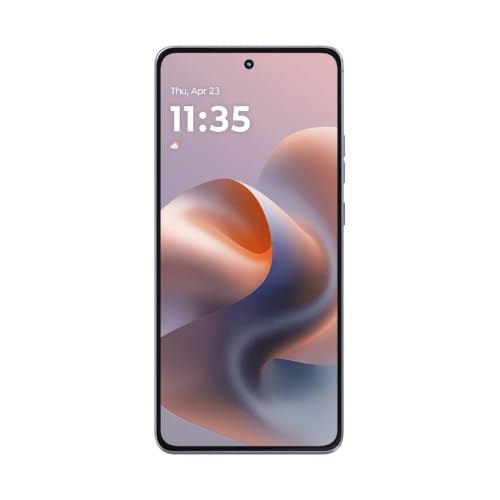
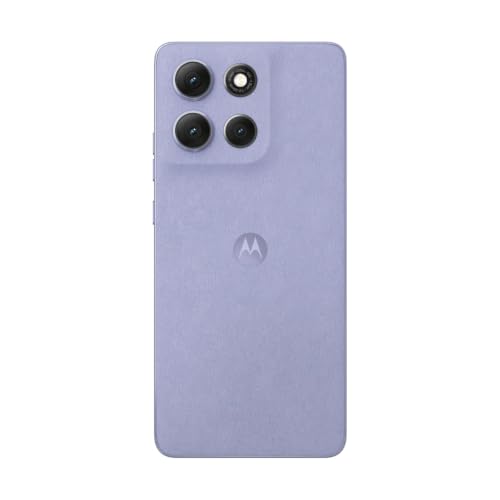
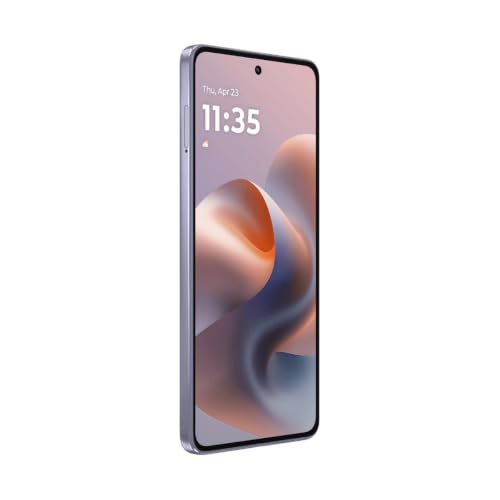
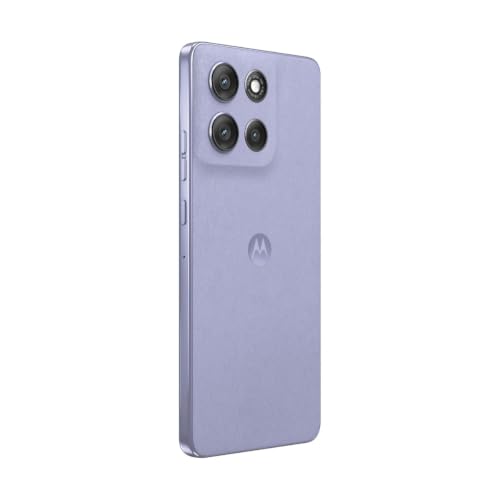
Motorola Moto G86 Power (8GB + 512GB) review: 196 specs compared

Avg. price:~£290RAM capacity:8 GBInternal storage:512 GBScreen size:6.67 inchesMain camera megapixels:50 MP & 8 MP

Motorola Moto G86 Power (8GB + 512GB) Review: Compare 196 technical specifications and 17 expert and video reviews to see how this product ranks in the Smartphones category and whether it is worth buying.
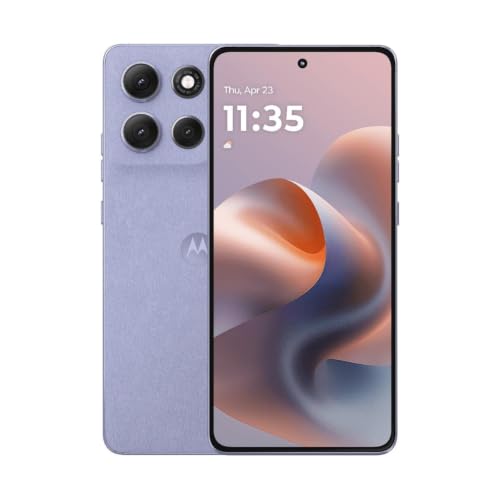
Motorola Moto G86 Power (8GB + 512GB)
7.4/10

Overall score

Score
7.4/ 10
✕
What it is
Our main score for this model, 1–10. It combines specs, best-of lists, expert reviews and owners.
How we count it
Parts: Technical score 35%, List score 30%, Reviews score 25%, Sentiment score 10%
Marks: Each part gets a mark out of 10. For reviews, lists and owners, a typical model in this category gets about 8 and the best one gets 10.
No data yet: A part with no data shows "?". It counts as the mark of a weaker model in this category (4 in 5 models with data score higher). This way, models with reviews, lists and owners usually come out ahead.
Score distribution
â–¼
<55-66-77-88-99-10
Score components

35%

7.3

Technical score

30%

?

List scoreNot enough data yet, so we use 7.5, the mark of a weaker model in this category

25%

7.9

Reviews score

10%

6.4

Sentiment score

â–²Better than 61% of smartphones
7.9

Value for money

Value for money
7.9/ 10
✕
What it is
An indicator that combines the smartphone's overall rating with its cost.
When it matters
When you are looking for a smartphone with a good balance between quality and price.
Score distribution
â–¼
<55-66-77-88-99-10
Score components

70%

7.4

Overall score

30%

9.0

Price

â–²Better than 70%
7.3

Technical score

Technical score
7.3/ 10
✕
What it is
How good the specs are compared with the other models in this category, 1–10.
How we count it
Areas: We rate the specs in each area against the other models in this category.
Weighting: The areas that matter most to buyers count more. The shares are shown under Score components.
Share: The technical score is 35% of the overall score.
Score distribution
â–¼
<55-66-77-88-99-10
Score components

25%

7.4

Performance

18%

6.8

Camera

15%

8.3

Display

15%

6.7

Battery

10%

8.0

Software

10%

7.5

Connectivity

4%

4.6

Audio

3%

8.5

Design

â–²Better than 68%
7.9

Reviews score

Reviews score
7.9/ 10
✕
What it is
Average grade from independent test sites, magazines and video reviewers, 1–10.
How we count it
Grades: Each review's own score is converted to 1–10; without one, we grade the review ourselves. Big test sites count more, short reviews half as much as full tests. A video review counts half.
Score: The average grade is 80% of the review mark; the number of reviews is the other 20% (1 review = 5, the typical number in this category = 8, the most-reviewed model = 10).
Enough data: With few reviews, the average grade is pulled toward the typical grade of this category. No reviews yet: 7.5 for now.
Share: Reviews count 25% of the overall score.
Score distribution
â–¼
<55-66-77-88-99-10

80%

7.9

Average grade

20%

7.8

Popularity

Grades by review (17)
7 reviews: 7 with a printed score, 0 estimated from the review. 10 video reviews, each counting half as much as a written test. Reviews count 25% of the overall score.
User ratings collected online are not part of this score.
â–¼Worse than 51%
?

List score

List score
7.5/ 10
✕
What it is
How often independent test sites, magazines and video reviewers put this model in their best-of lists for this category.
How we count it
Points: The model in the most lists of this category gets 10; the others get 8 to 10 in proportion. In no list yet: 7.5. Lists count 30% of the overall score.
Enough data: Every list counts, even a single one. With fewer than 5 best-of lists in the category, this part is left out.
Lists with this model (0)
Not in any best-of list yet, so this part counts as 7.5. Models in a list get 8 to 10.
Not in any best-of list yet

What reviewers say about the Motorola Moto G86 Power (8GB + 512GB)

Based on 7 · 11

Reviewers agree the battery lasts very long and the phone feels tough, but complain about poor update support and charging.
Praised
Mixed views
Criticised
Pick a topic to see who said what

What owners say about the Motorola Moto G86 Power (8GB + 512GB)

Based on 197 owners sharing their experience in online comments

26%positive9%mixed65%negative

Owners praise battery, smooth performance, display and value, but report limited software support, charging limits, network faults and reliability failures.

What owners dislike

  • Owners say the phone gets only one year of Android updates, and some were left on Android 15 or 16 with few further updates expected.29
  • Owners report lag, freezing and slow app launches, especially in games like Free Fire and PUBG, and some say the screen stutters during normal use.15
  • Owners say the 33W charger is slow for a 6,700 mAh battery, often taking 1 hour 40 minutes or more to charge fully.14
  • Owners report the phone gets warm during charging and gaming, and some note heat in normal tasks, especially in heavy use or with a case.14
  • Owners report sudden shutdowns, bootloops and dead phones within months, with some needing motherboard repairs under warranty.14
  • Owners report weak 5G and calling problems, including calls not connecting, dropping to LTE after calls, and poor signal in some areas.12
  • Owners say the UFS 2.2 storage and Dimensity 7400 chipset feel dated, with UFS 3.1 storage and a stronger processor expected at this price.9
  • Owners say service centres refused warranty claims for internal damage and offered weak replacements, leaving them unhappy with after-sales support.8
  • Owners say the battery drains quickly, with one reporting 80% lasting about four hours, and some blame it on software updates.7
  • Owners say photos look over-processed, with unnatural colours and over-sharpening from automatic AI enhancement, and selfie quality is weak.7

Points mentioned by at least 3 owners, most mentioned first.

Loading...
Loading category ranking...

Technical Specifications of smartphone Motorola Moto G86 Power (8GB + 512GB)

Technical score
Technical score
7.3/ 10
✕
What it is
How good the specs are compared with the other models in this category, 1–10.
How we count it
Areas: We rate the specs in each area against the other models in this category.
Weighting: The areas that matter most to buyers count more. The shares are shown under Score components.
Share: The technical score is 35% of the overall score.
Score distribution
â–¼
<55-66-77-88-99-10
Score components:

25%

7.4

Performance

18%

6.8

Camera

15%

8.3

Display

15%

6.7

Battery

10%

8.0

Software

10%

7.5

Connectivity

4%

4.6

Audio

3%

8.5

Design

7.3
Reviews score
7.9
List score
?
Value for money
Value for money
7.9/ 10
✕
What it is
An indicator that combines the smartphone's overall rating with its cost.
When it matters
When you are looking for a smartphone with a good balance between quality and price.
Score distribution
â–¼
<55-66-77-88-99-10
Score components:

70%

7.4

Overall score

30%

9.0

Price

7.9
Processor model
MediaTek Dimensity 7300
This smartphone uses the MediaTek Dimensity 7300 processor which is faster than processors in 58.7% of smartphones and equal to processors in 1.1% of smartphones.
Storage type
?
RAM capacity
8 GB
This smartphone has a RAM capacity of 8 GB which is larger than the RAM capacity of 28.7% of smartphones and equal to that of 30.5% of smartphones.
Internal storage
512 GB
This smartphone has an internal storage capacity of 512 GB which is larger than the storage of 77.4% of smartphones and equal to that of 17.1% of smartphones.
CPU boost clock speed
2.5 GHz
The CPU boost clock speed of this smartphone is 2.5 GHz which is higher than the boost speed of 51.1% of smartphones and equal to that of 6.1% of smartphones.
Show more
What reviewers say
Operating system
Android
This smartphone runs Android, which is more mainstream than the system in 4.8% of smartphones and the same as in 95.2% of smartphones.
Android 15
Android version
Android 15
This smartphone runs Android version Android 15 which is newer than that found in 70.5% of smartphones and equal to that in 25% of smartphones.
Direct OS updates
no
This smartphone does not support direct OS updates. 20.1% of smartphones offer this.
Promised software updates
?
Open-source OS
yes
This smartphone runs an open-source operating system. 5.2% of smartphones offer this.
Show more
What reviewers say
Multi-lens main camera
yes
This smartphone includes a multi-lens main camera system. 93.7% of smartphones include multi-lens setups.
Main camera megapixels
50 MP & 8 MP
This smartphone has a main camera resolution of 50 MP & 8 MP which is higher than that of 46.7% of smartphones and equal to that of 5.7% of smartphones.
Main camera aperture
f/1.8 & f/2.2
This smartphone has a main camera aperture of f/1.8 & f/2.2 which is narrower than that of 52.7% of smartphones and equal to that of 5.2% of smartphones.
Main camera sensor area
32 mm²
This smartphone has a main camera sensor area of 32 mm² which is larger than the main camera sensor area of 42.7% of smartphones and equal to that of 8.2% of smartphones.
Main camera pixel size
0.8 µm
This smartphone has a main camera pixel size of 0.8 µm which is larger than in 35.5% of smartphones and equal to the size in 21.9% of smartphones.
1.6 binned
Show more
What reviewers say
Number of SIM slots
2
This smartphone has 2 SIM slots, which is more than in 3.7% of smartphones and equal to the number in 96.2% of smartphones.
1 SIM, 1 eSIM
Cellular module
yes
This smartphone includes a cellular module. 100% of smartphones include cellular modules.
eSIM support
no
Motorola Moto G86 Power (8GB + 512GB) does not have eSIM support. 19.9% of smartphones offer this.
5G connectivity
yes
This smartphone supports 5G connectivity. 66.6% of smartphones support 5G.
LTE support
yes
This smartphone supports LTE. 99.7% of smartphones include LTE connectivity.
Show more
Screen size
6.67 inches
This smartphone has a screen size of 6.67 inches which is larger than the screens of 38.3% of smartphones and equal to those of 13% of smartphones.
Screen resolution
1220x 2712 px
This smartphone has a screen resolution of 1220x2712 px which is higher than that of 77.5% of smartphones and equal to that of 1.9% of smartphones.
Pixel density
446 ppi
This smartphone has a pixel density of 446 ppi which is higher than that of 78.1% of smartphones and equal to that of 1.8% of smartphones.
Display type
OLED/AMOLED
This smartphone uses a OLED/AMOLED display type. 58.4% of smartphones use this display technology.
Refresh rate
120 Hz
This smartphone supports a refresh rate of 120 Hz which is higher than in 34.4% of smartphones and equal to that in 55.6% of smartphones.
Show more
What reviewers say
Battery capacity
6,720 mAh
This smartphone has a battery capacity of 6,720 mAh which is larger than the batteries in 85.8% of smartphones.
Charging speed
30 W
This smartphone supports charging speeds of 30 W which is slower than in 61.1% of smartphones and equal to speeds in 4.7% of smartphones.
Fast charging
yes
This smartphone supports fast charging. 93.2% of smartphones support fast charging.
GSMArena full wired charge time
?
Wireless charging
no
This smartphone does not support wireless charging. 25.1% of smartphones support wireless charging.
Show more
What reviewers say
Stereo speakers
yes
This smartphone includes stereo speakers. 64.3% of smartphones provide stereo audio.
3.5 mm headphone jack
no
This smartphone does not have a headphone jack. 45.1% of smartphones offer this.
Number of microphones
2
This smartphone includes 2 microphones, which is more than in 10.3% of smartphones and equal to the number in 66.9% of smartphones.
FM radio
?
aptX Lossless
no
This smartphone does not support aptX Lossless Bluetooth audio. 12.5% of smartphones offer this.
Show more
Height
161.2 mm
This smartphone has a height of 161.2 mm which is shorter than 74.2% of smartphones and equal to that of 0.7% of smartphones.
Width
74.7 mm
This smartphone has a width of 74.7 mm which is narrower than 74.4% of smartphones and equal to that of 1.4% of smartphones.
Thickness
8.7 mm
This smartphone has a thickness of 8.7 mm which is thicker than 69.4% of smartphones and equal to that of 1.7% of smartphones.
Weight
198 g
This smartphone weighs 198 g which is heavier than 52.3% of smartphones and equal to the weight of 1.9% of smartphones.
Device volume
105 cm³
This smartphone has a device volume of 105 cm³ which is larger than 57% of smartphones and equal to that of 3.4% of smartphones.
Show more
What reviewers say

Motorola Moto G86 Power (8GB + 512GB) vs the average smartphone

246810TotalPerformanceSoftwareCameraConnectivityDisplayBatteryAudioDesign
  • 34.4% larger battery capacity
    This smartphone has a larger battery capacity than the average smartphone (6,720 mAh vs 5,000 mAh). The average smartphone battery is 5,000 mAh.
    6,720 mAh vs 5,000 mAh
  • 6.82x higher screen brightness
    This smartphone has a higher screen brightness than the average smartphone (4,500 nits vs 660 nits). The average smartphone brightness is 660 nits.
    4,500 nits vs 660 nits
  • Has optical image stabilization
    This smartphone has optical image stabilization (OIS), the average smartphone does not. 48.4% of smartphones feature OIS.
  • 3,500 nits higher peak brightness
    This smartphone has a higher peak brightness than the average smartphone (4,500 nits vs 1,000 nits). The average peak brightness is 1,000 nits.
    4,500 nits vs 1,000 nits
  • 2x more storage
    This smartphone offers more internal storage than the average smartphone (512 GB vs 256 GB). The average smartphone provides 256 GB of internal storage.
    512 GB vs 256 GB
  • 33.3% smaller process node
    This smartphone uses a smaller process node than the average smartphone (4 nm vs 6 nm). The average process node size is 6 nm.
    4 nm vs 6 nm
  • 2.33x faster memory speed
    This smartphone supports faster memory speed than the average smartphone (6,400 MHz vs 2,750 MHz). The average smartphone supports 2,750 MHz memory speed.
    6,400 MHz vs 2,750 MHz
  • Supports HDR10 support
    This smartphone supports HDR10, the average smartphone does not. 42.6% of smartphones are HDR10 compatible.
  • 8.2% higher review score
    Reviews score
    7.9/ 10
    ✕
    What it is
    Average grade from independent test sites, magazines and video reviewers, 1–10.
    How we count it
    Grades: Each review's own score is converted to 1–10; without one, we grade the review ourselves. Big test sites count more, short reviews half as much as full tests. A video review counts half.
    Score: The average grade is 80% of the review mark; the number of reviews is the other 20% (1 review = 5, the typical number in this category = 8, the most-reviewed model = 10).
    Enough data: With few reviews, the average grade is pulled toward the typical grade of this category. No reviews yet: 7.5 for now.
    Share: Reviews count 25% of the overall score.
    Score distribution
    â–¼
    <55-66-77-88-99-10

    80%

    7.9

    Average grade

    20%

    7.8

    Popularity

    Grades by review (17)
    7 reviews: 7 with a printed score, 0 estimated from the review. 10 video reviews, each counting half as much as a written test. Reviews count 25% of the overall score.
    User ratings collected online are not part of this score.
    7.9 vs 7.3
  • 3.1% better value for money
    Motorola Moto G86 Power (8GB + 512GB) has better value for money than the average smartphone (7.9 vs 7.7).
    7.9 vs 7.66
  • 2x more storage
    This smartphone offers more internal storage than the average smartphone (512 GB vs 256 GB). The average smartphone provides 256 GB of internal storage.
    512 GB vs 256 GB
  • 33.3% smaller process node
    This smartphone uses a smaller process node than the average smartphone (4 nm vs 6 nm). The average process node size is 6 nm.
    4 nm vs 6 nm
  • 2.33x faster memory speed
    This smartphone supports faster memory speed than the average smartphone (6,400 MHz vs 2,750 MHz). The average smartphone supports 2,750 MHz memory speed.
    6,400 MHz vs 2,750 MHz
  • Newer DDR memory version
    This smartphone supports a newer DDR version than the average smartphone (5 vs 4). The average DDR version is 4.
    5 vs 4
  • 10.2% faster GPU clock
    This smartphone has a higher GPU frequency than the average smartphone (1,047 MHz vs 950 MHz). The average smartphone GPU frequency is 950 MHz.
    1,047 MHz vs 950 MHz
  • Higher CPU base clock speed
    This smartphone has a higher CPU base clock speed than the average smartphone (4x2.5 GHz & 4x2 GHz vs 2x2.2 GHz & 6x2 GHz). The average smartphone has a base clock speed of 2x2.2 GHz & 6x2 GHz.
    4x2.5 GHz & 4x2 GHz vs 2x2.2 GHz & 6x2 GHz
  • 2x more L1
    This smartphone has more L1 cache than the average smartphone (64 KB vs 32 KB). The average L1 cache is 32 KB.
    64 KB vs 32 KB
  • 14.3% higher maximum RAM
    This smartphone supports more maximum RAM than the average smartphone (16 GB vs 14 GB). The average smartphone supports 14 GB RAM.
    16 GB vs 14 GB
  • 12% higher Geekbench 6 single-core benchmark score
    This smartphone scores better in Geekbench 6 single-core than the average smartphone (1,055 vs 942). The average smartphone scores 942 in single-core.
    1,055 vs 942
  • 1 year/s newer release date
    This smartphone has a newer release date than the average smartphone (2025 vs 2024). 1.00% of smartphones are released annually.
    April 2025
    2025 vs 2024
  • 4.2% higher CPU boost clock speed
    This smartphone has a higher CPU boost clock speed than the average smartphone (2.5 GHz vs 2.4 GHz). The average smartphone has a boost clock speed of 2.4 GHz.
    2.5 GHz vs 2.4 GHz
  • 16.7% higher Geekbench 6 multi-core benchmark score
    This smartphone scores better in Geekbench 6 multi-core than the average smartphone (2,955 vs 2,533). The average smartphone scores 2,533 in multi-core.
    2,955 vs 2,533
  • Newer Android version
    This smartphone features a newer Android version than the average smartphone (Android 15 vs Android 14). The average version is Android 14.
    Android 15 vs Android 14
  • Has optical image stabilization
    This smartphone has optical image stabilization (OIS), the average smartphone does not. 48.4% of smartphones feature OIS.
  • Supports RAW photo capture
    This smartphone supports RAW photo capture, the average smartphone does not. 37.3% of smartphones allow RAW files.
  • Higher front camera megapixels
    This smartphone has more front camera megapixels than the average smartphone (32 MP vs 16 MP). The average front camera has 16 MP megapixels.
    32 MP vs 16 MP
  • Newer Wi-Fi version
    This smartphone has more advanced Wi-Fi than the average smartphone (Wi-Fi 6 (802.11ax), Wi-Fi 5 (802.11ac), Wi-Fi 4 (802.11n) vs Wi-Fi 5 (802.11ac), Wi-Fi 4 (802.11n)).
    Wi-Fi 6 (802.11ax), Wi-Fi 5 (802.11ac), Wi-Fi 4 (802.11n) vs Wi-Fi 5 (802.11ac), Wi-Fi 4 (802.11n)
  • Newer Bluetooth version
    This smartphone supports a newer Bluetooth version than the average smartphone (5.3 vs 5.2). The average version is Bluetooth 5.2.
    5.3 vs 5.2
  • 6.82x higher screen brightness
    This smartphone has a higher screen brightness than the average smartphone (4,500 nits vs 660 nits). The average smartphone brightness is 660 nits.
    4,500 nits vs 660 nits
  • 3,500 nits higher peak brightness
    This smartphone has a higher peak brightness than the average smartphone (4,500 nits vs 1,000 nits). The average peak brightness is 1,000 nits.
    4,500 nits vs 1,000 nits
  • Higher screen resolution
    This smartphone has a higher screen resolution than the average smartphone (1220x2712 px vs 1080x2400 px). The average smartphone resolution is 1080x2400 px.
    1220x2712 px vs 1080x2400 px
  • Higher contrast ratio
    This smartphone has a higher contrast ratio than the average smartphone (5000000:1 vs 1000000:1). The average smartphone contrast ratio is 1000000:1.
    AMOLED/OLED displays have an effectively infinite contrast ratio
    5,000,000:1 vs 1,000,000:1
  • Supports HDR10 support
    This smartphone supports HDR10, the average smartphone does not. 42.6% of smartphones are HDR10 compatible.
  • 12.9% higher pixel density
    This smartphone has a higher pixel density than the average smartphone (446 ppi vs 395 ppi). The average smartphone has a pixel density of 395 ppi.
    446 ppi vs 395 ppi
  • Has a curved display
    This smartphone features a curved display, the average smartphone does not. 24.1% of smartphones have curved screens.
  • Better display glass type
    This smartphone features a better display glass type than the average smartphone (Corning Gorilla Glass 7i vs Corning Gorilla Glass 5). The average smartphone uses Corning Gorilla Glass 5 protection.
    Corning Gorilla Glass 7i vs Corning Gorilla Glass 5
  • 34.4% larger battery capacity
    This smartphone has a larger battery capacity than the average smartphone (6,720 mAh vs 5,000 mAh). The average smartphone battery is 5,000 mAh.
    6,720 mAh vs 5,000 mAh
  • 1.5 m deeper water resistance
    This smartphone has a deeper water resistance rating than the average smartphone (1.5 m vs 0 m). The average depth rating is 0 m.
    1.5 m vs 0 m
  • 1.3 mm narrower
    This smartphone is narrower than the average smartphone (74.7 mm vs 76 mm). The average smartphone width is 76 mm.
    74.7 mm vs 76 mm
  • 2.4 mm shorter
    This smartphone is shorter than the average smartphone (161.2 mm vs 163.6 mm). The average smartphone height is 163.6 mm.
    161.2 mm vs 163.6 mm
  • Better IP rating
    This smartphone has a better IP rating than the average smartphone (IP68 vs IP67). The average IP rating is IP67.
    IP68 vs IP67
  • No LDAC support
    This smartphone does not support LDAC, the average smartphone does. 60.1% of smartphones support LDAC.
  • Narrower main camera aperture
    This smartphone has a narrower main camera aperture than the average smartphone (f/1.8 & f/2.2 vs f/1.8 & f/2.2 & f/2.4 & f/2.4). The average smartphone aperture is f/1.8 & f/2.2 & f/2.4 & f/2.4.
    f/1.8 & f/2.2 vs f/1.8 & f/2.2 & f/2.4 & f/2.4
  • Lacks focus mode
    This smartphone does not have a focus mode, the average smartphone does. 60.8% of smartphones include a dedicated focus mode.
  • No Wi-Fi password sharing
    This smartphone does not support Wi-Fi password sharing, the average smartphone does. 58.3% of smartphones allow easy Wi-Fi sharing.
  • No reverse wired charging
    This smartphone does not support reverse wired charging, the average smartphone does. 61.5% of smartphones support reverse wired charging.
  • Lacks instant markup
    This smartphone does not support instant markup, the average smartphone does. 52.5% of smartphones include instant markup tools.
  • 17.9% lower sentiment score
    6.4 vs 7.8
  • Worse processor
    This smartphone uses a worse processor than the average smartphone (MediaTek Dimensity 7300 vs Qualcomm Snapdragon 7 Gen 3).
    MediaTek Dimensity 7,300 vs Qualcomm Snapdragon 7 Gen 3
  • 17.9% lower sentiment score
    6.4 vs 7.8
  • Worse processor
    This smartphone uses a worse processor than the average smartphone (MediaTek Dimensity 7300 vs Qualcomm Snapdragon 7 Gen 3).
    MediaTek Dimensity 7,300 vs Qualcomm Snapdragon 7 Gen 3
  • 30.2% lower 3DMark Wild Life Extreme benchmark
    This smartphone scores lower in 3DMark Wild Life Extreme than the average smartphone (855 vs 1,224.5). The average smartphone scores 1,224.5.
    855 vs 1,224.5
  • Lacks focus mode
    This smartphone does not have a focus mode, the average smartphone does. 60.8% of smartphones include a dedicated focus mode.
  • No Wi-Fi password sharing
    This smartphone does not support Wi-Fi password sharing, the average smartphone does. 58.3% of smartphones allow easy Wi-Fi sharing.
  • Lacks instant markup
    This smartphone does not support instant markup, the average smartphone does. 52.5% of smartphones include instant markup tools.
  • Narrower main camera aperture
    This smartphone has a narrower main camera aperture than the average smartphone (f/1.8 & f/2.2 vs f/1.8 & f/2.2 & f/2.4 & f/2.4). The average smartphone aperture is f/1.8 & f/2.2 & f/2.4 & f/2.4.
    f/1.8 & f/2.2 vs f/1.8 & f/2.2 & f/2.4 & f/2.4
  • No reverse wired charging
    This smartphone does not support reverse wired charging, the average smartphone does. 61.5% of smartphones support reverse wired charging.
  • 9.1% slower charging speed
    This smartphone has a slower charging speed than the average smartphone (30 W vs 33 W). The average smartphone charges at 33 W.
    30 W vs 33 W
  • No LDAC support
    This smartphone does not support LDAC, the average smartphone does. 60.1% of smartphones support LDAC.
  • 0.4 mm thicker
    This smartphone is thicker than the average smartphone (8.7 mm vs 8.3 mm). The average smartphone has a thickness of 8.3 mm.
    8.7 mm vs 8.3 mm
  • 2.9% larger volume
    This smartphone has a larger volume than the average smartphone (105 cm³ vs 102 cm³). The average smartphone volume is 102 cm³.
    105 cm³ vs 102 cm³

Video reviews

Hands-on testing, unboxing, and real-world video evaluations

9.0
Gyani Prani
≈ estimated
08/12/2025
Full review · camera, battery and gaming tests
Verdict
The Motorola Moto G86 Power is a very good phone for its price, though not suited to serious gamers.
8.0
Not a car guy
≈ estimated
19/09/2025
Hands-on review · design, camera and daily use
Verdict
The Motorola Moto G86 Power is worth a look for budget buyers, though storage, low-light photos and the front camera are its limits.
8.0
GSMDome
≈ estimated
17/09/2025
Full review · battery, camera, software and gaming tests
Verdict
The Motorola Moto G86 Power is good for video and commuting, but battery life and charging disappoint.
8.0
malik ji
≈ estimated
28/08/2025
Long-term review · six days of daily use
Verdict
The Motorola Moto G86 Power is a good phone with strong battery life, but software lag and camera results hold it back.
7.0
Alex Kidman
≈ estimated
27/08/2025
Hands-on review · battery test, benchmarks and camera checks
Verdict
The Motorola Moto G86 Power has a strong battery for basic needs, but an average camera, plain design and short updates.
8.0
Techy Kiran
≈ estimated
13/08/2025
Hands-on review · battery, durability and software
Verdict
The Motorola Moto G86 Power is a good smartphone with strong battery life and durability, though its software update promise is shorter than rivals.
7.0
VJ MEHTA
≈ estimated
08/08/2025
Long-term review · fifteen days of use
Verdict
The Motorola Moto G86 Power is a good pick if you want long battery life, but lag and camera results are weak points.
9.0
Trakin Tech
≈ estimated
30/07/2025
Unboxing and first look · camera and selfie tests
Verdict
The Motorola Moto G86 Power is a complete mid-range phone with a strong battery and camera, and only minor drawbacks such as short OS support.
Hands-on video, no verdict
Overview video

Expert reviews

In-depth analysis and verdict from leading tech publications
7.0
trustedreviews.com
✓ explicit
24/09/2025
Hands-on review · Big-battery phone
Verdict
The Moto G86 Power is a big-battery phone with an OLED screen and 512GB storage, but average performance and weak cameras keep it from standing out.
7.6
notebookcheck.net
✓ explicit
08/10/2025
Lab test · Battery and display
Verdict
The Moto G86 Power is a solid mid-range phone with exceptional battery life, but its graphics trail faster rivals.
9.0
gadgetguy.com.au
✓ explicit
22/08/2025
Hands-on review · Battery and cameras
Verdict
The Moto G86 Power is built for long days away from a charger, with a battery that can last a weekend, but its short update promise is a letdown.
7.0
pockettactics.com
✓ explicit
22/09/2025
Hands-on review · Battery and gaming
Verdict
The Moto G86 Power is a budget phone whose battery lasts days, but gaming is only average and it gets just one major Android update.
7.0
indianexpress.com
✓ explicit
16/12/2025
Hands-on review · Battery endurance
Verdict
The Moto G86 Power is a battery standout for buyers who want to charge once and forget it, while its cameras and performance stay average.
7.0
pcwelt.de
✓ explicit
15/12/2025
Hands-on test · Rugged battery phone
Verdict
The Moto G86 Power is a durable phone whose huge battery lasts a full weekend, but its cheap-looking plastic design and short software support hold it back.
8.6
razorman.net
✓ explicit
02/03/2026
Hands-on review · Durable mid-range
Verdict
The Moto G86 Power is a durable mid-range phone with a two-day battery and a bright screen, but preinstalled apps and only two Android upgrades count against it.

Third-party reviews

What customers like about Motorola Moto G86 Power (8GB + 512GB)

  • Extremely long battery life, often lasting two days or an entire weekend on a single charge.
  • Very bright and vibrant 120Hz P-OLED display with excellent color reproduction, readable in direct sunlight.
  • Solid and durable build quality, including IP68/IP69 water and dust resistance and MIL-STD 810H rating.
  • Ample and expandable storage options (up to 512GB internal plus microSD slot).
  • Clean, nearly stock Android experience (Hello UI based on Android 15) with useful exclusive Moto gestures/features.
  • Main 50MP camera (Sony LYTIA 600 sensor) performs well in good lighting, producing sharp, well-exposed images.
  • Reliable overall performance for everyday tasks and casual gaming.
  • Good value for the price, offering features typically found in more expensive phones.
  • Dual stereo speakers with Dolby Atmos support for good audio quality at a normal volume.
  • Strong network/signal reception on 4G and 5G bands.

What customers don't like about Motorola Moto G86 Power (8GB + 512GB)

  • Mediocre performance for demanding tasks and graphic-intensive gaming; occasional stutters under heavy multitasking.
  • Underwhelming and inconsistent camera performance, especially for the ultrawide lens and in low-light conditions.
  • Terrible video stabilization, requiring a gimbal for usable footage.
  • Slow charging speeds with the bundled charger (a faster one may be needed and purchased separately).
  • Limited software support, with only one major OS upgrade and 3-4 years of security updates promised.
  • Aggressive background app killing, which can affect multitasking for some users.
  • Speakers lack bass and can sound shrill at higher volumes.
  • Rear panel material (Soft Luxe Texture) feels less than premium to some users.
  • Phone comes with some pre-installed bloatware/junk apps that need to be uninstalled initially.

Verdict

The Motorola Moto G86 Power (8GB+512GB variant) is a mid-range 5G smartphone running Android 15, primarily characterized by its massive 6,720mAh battery and a vibrant 6.67-inch 120Hz Super HD pOLED display protected by Gorilla Glass 7i. Powered by the MediaTek Dimensity 7300 (or 7400 in some regions) processor, it boasts an excellent IP68/IP69 and MIL-STD-810H durability rating, a 50MP main camera with OIS, a 32MP selfie camera, and dual stereo speakers with Dolby Atmos. Pros include the exceptional battery life that can last up to two days, a sharp and bright display, and a generous amount of expandable storage. Cons typically involve mediocre camera performance in challenging light conditions, a bulky feel for some users, and a limited software support policy (often only one major OS update depending on the region).

Compare Motorola Moto G86 Power (8GB + 512GB) with other smartphones

1Product to compare no. 1
VS
2Product to compare no. 2
VS
3Product to compare no. 3 (optional)

Graphic comparison of Motorola Moto G86 Power (8GB + 512GB) and other smartphones

No results found