Scored using Smartphones Methodology v3.0
Smartphones Methodology v3.0
Mathematical & Unbiased Scoring
Products in this category are scored under Frontum Smartphones Methodology v3.0: the technical score from the specifications is the base, and independent expert and video reviews (up to ±0.5 points), owner opinions (up to ±0.3) and best-of lists (up to +0.3) move it up or down.
Explore Smartphones Methodology v3.0

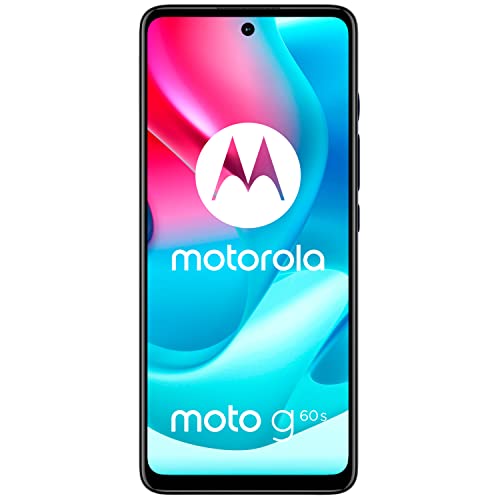
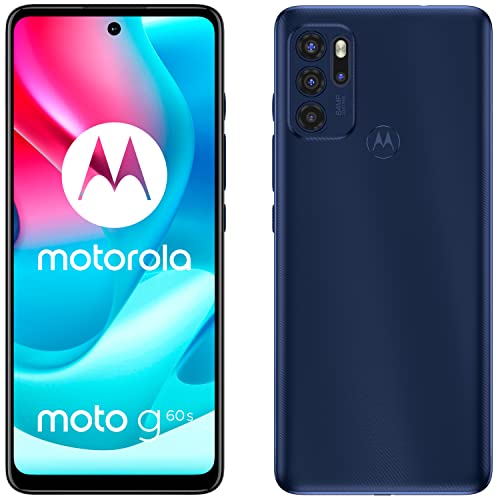
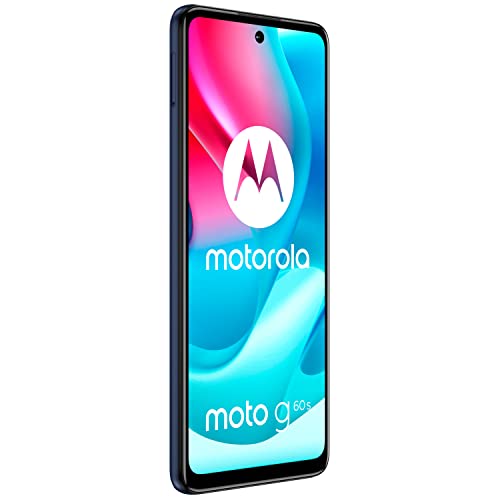
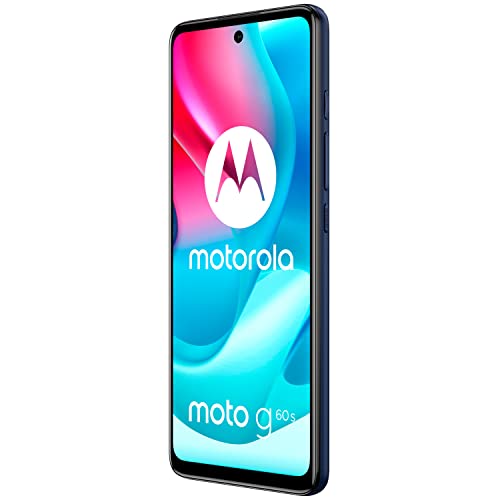
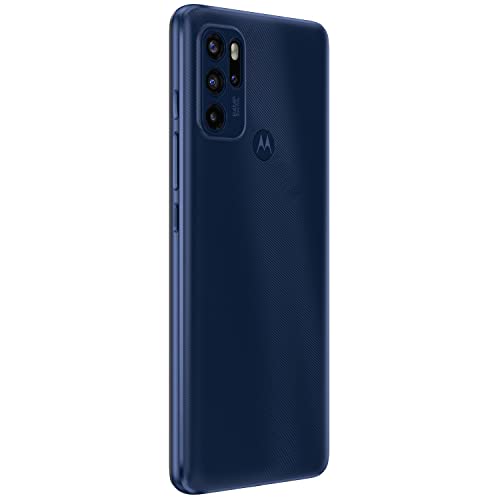
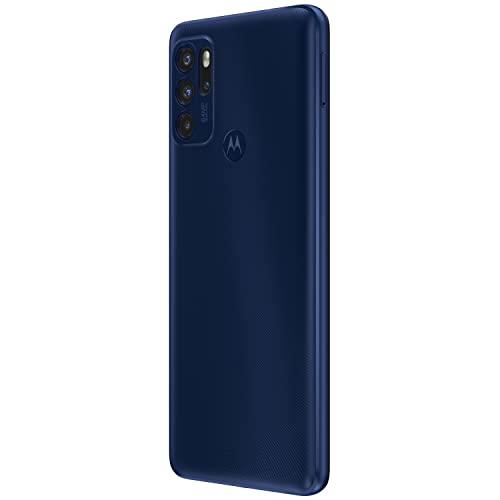
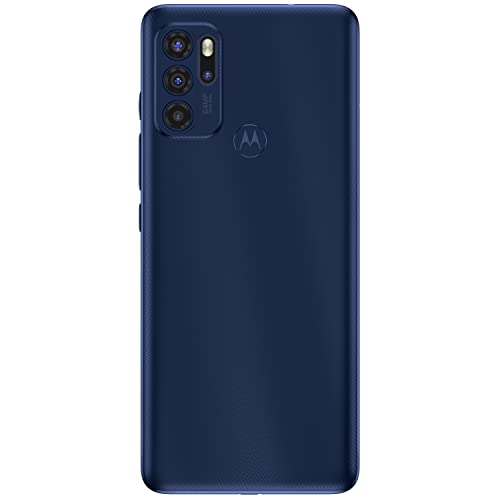
Motorola Moto G60s (6GB + 128GB) review: 196 specs compared

Avg. price:~£240RAM capacity:6 GBInternal storage:128 GBScreen size:6.8 inchesMain camera megapixels:64 MP & 8 MP & 5 MP & 2 MP

Motorola Moto G60s (6GB + 128GB) Review: Compare 196 technical specifications and 39 expert and video reviews to see how this product ranks in the Smartphones category and whether it is worth buying.

Motorola Moto G60s (6GB + 128GB)
7.3/10

Overall score

Score
7.3/ 10
✕
What it is
Our main score for this model, 1–10. It combines specs, best-of lists, expert reviews and owners.
How we count it
Parts: Technical score 35%, List score 30%, Reviews score 25%, Sentiment score 10%
Marks: Each part gets a mark out of 10. For reviews, lists and owners, a typical model in this category gets about 8 and the best one gets 10.
No data yet: A part with no data shows "?". It counts as the mark of a weaker model in this category (4 in 5 models with data score higher). This way, models with reviews, lists and owners usually come out ahead.
Score distribution
â–¼
<55-66-77-88-99-10
Score components

35%

5.9

Technical score

30%

?

List scoreNot enough data yet, so we use 7.5, the mark of a weaker model in this category

25%

7.9

Reviews score

10%

10

Sentiment score

â–²Better than 53% of smartphones
7.9

Value for money

Value for money
7.9/ 10
✕
What it is
An indicator that combines the smartphone's overall rating with its cost.
When it matters
When you are looking for a smartphone with a good balance between quality and price.
Score distribution
â–¼
<55-66-77-88-99-10
Score components

70%

7.3

Overall score

30%

9.3

Price

â–²Better than 70%
5.9

Technical score

Technical score
5.9/ 10
✕
What it is
How good the specs are compared with the other models in this category, 1–10.
How we count it
Areas: We rate the specs in each area against the other models in this category.
Weighting: The areas that matter most to buyers count more. The shares are shown under Score components.
Share: The technical score is 35% of the overall score.
Score distribution
â–¼
<55-66-77-88-99-10
Score components

25%

4.7

Performance

18%

6.5

Camera

15%

6.3

Display

15%

5.7

Battery

10%

7.7

Software

10%

6.5

Connectivity

4%

5.1

Audio

3%

6.0

Design

â–¼Worse than 77%
7.9

Reviews score

Reviews score
7.9/ 10
✕
What it is
Average grade from independent test sites, magazines and video reviewers, 1–10.
How we count it
Grades: Each review's own score is converted to 1–10; without one, we grade the review ourselves. Big test sites count more, short reviews half as much as full tests. A video review counts half.
Score: The average grade is 80% of the review mark; the number of reviews is the other 20% (1 review = 5, the typical number in this category = 8, the most-reviewed model = 10).
Enough data: With few reviews, the average grade is pulled toward the typical grade of this category. No reviews yet: 7.5 for now.
Share: Reviews count 25% of the overall score.
Score distribution
â–¼
<55-66-77-88-99-10

80%

7.7

Average grade

20%

8.6

Popularity

Grades by review (39)
14 reviews: 7 with a printed score, 7 estimated from the review. 25 video reviews, each counting half as much as a written test. Reviews count 25% of the overall score.
User ratings collected online are not part of this score.
â–¼Worse than 51%
?

List score

List score
7.5/ 10
✕
What it is
How often independent test sites, magazines and video reviewers put this model in their best-of lists for this category.
How we count it
Points: The model in the most lists of this category gets 10; the others get 8 to 10 in proportion. In no list yet: 7.5. Lists count 30% of the overall score.
Enough data: Every list counts, even a single one. With fewer than 5 best-of lists in the category, this part is left out.
Lists with this model (0)
Not in any best-of list yet, so this part counts as 7.5. Models in a list get 8 to 10.
Not in any best-of list yet

What reviewers say about the Motorola Moto G60s (6GB + 128GB)

Based on 14 · 29

Reviewers love the very fast charging and long battery life, but find the build disappointing and 5G support lacking.
Praised
Mixed views
Criticised
Pick a topic to see who said what

What owners say about the Motorola Moto G60s (6GB + 128GB)

Based on 221 owners sharing their experience in online comments

70%positive11%mixed19%negative

Owners praise blazing performance and charging speed, while battery drain and mediocre cameras and display quality cause the most frustration.

What owners dislike

  • Owners say photos look poor, especially in normal mode and at night, and the front camera is soft unless filters or portrait mode are used.25
  • Owners report the battery drains quickly, especially with the 120 Hz or high-resolution screen on, and some get only about six hours of screen time.19
  • Owners find the screen too dim outdoors in strong sunlight, which makes it hard to read.12
  • Owners say the speaker is mono, not stereo, and is quiet, with the volume too low for music or video.10
  • Owners report washed-out or shifted colours, with yellow and orange tones looking off, and a screen they consider cheap-looking.9
  • Some owners report freezes and random restarts, for example when opening the camera or during WhatsApp calls, and a few say the phone reboots on its own.8
  • Some owners say the phone gets warm during light everyday tasks, and a few say it heats up quickly even when only a game like Clash Royale is open.4
  • Some owners report ghost touches and multitouch failures, such as being unable to aim and move at the same time in Call of Duty Mobile.4
  • Owners say the phone handles everyday tasks well but struggles with heavy games such as Genshin Impact, so it is not ideal for demanding gaming.3

Points mentioned by at least 3 owners, most mentioned first.

Loading...
Loading category ranking...

Technical Specifications of smartphone Motorola Moto G60s (6GB + 128GB)

Technical score
Technical score
5.9/ 10
✕
What it is
How good the specs are compared with the other models in this category, 1–10.
How we count it
Areas: We rate the specs in each area against the other models in this category.
Weighting: The areas that matter most to buyers count more. The shares are shown under Score components.
Share: The technical score is 35% of the overall score.
Score distribution
â–¼
<55-66-77-88-99-10
Score components:

25%

4.7

Performance

18%

6.5

Camera

15%

6.3

Display

15%

5.7

Battery

10%

7.7

Software

10%

6.5

Connectivity

4%

5.1

Audio

3%

6.0

Design

5.9
Reviews score
7.9
List score
?
Value for money
Value for money
7.9/ 10
✕
What it is
An indicator that combines the smartphone's overall rating with its cost.
When it matters
When you are looking for a smartphone with a good balance between quality and price.
Score distribution
â–¼
<55-66-77-88-99-10
Score components:

70%

7.3

Overall score

30%

9.3

Price

7.9
Processor model
MediaTek Helio G95
This smartphone uses the MediaTek Helio G95 processor model which is slower than processors in 81.5% of smartphones and equal to processors in 0.4% of smartphones.
Storage type
?
RAM capacity
6 GB
This smartphone has a RAM capacity of 6 GB which is smaller than the RAM capacity of 71.5% of smartphones and equal to that of 10.8% of smartphones.
Internal storage
128 GB
This smartphone has an internal storage capacity of 128 GB which is smaller than the storage of 61.1% of smartphones and equal to that of 28.4% of smartphones.
CPU boost clock speed
2.05 GHz
The CPU boost clock speed of this smartphone is 2.05 GHz which is lower than the boost speed of 82.8% of smartphones and equal to that of 1.1% of smartphones.
Show more
What reviewers say
Operating system
Android
This smartphone runs Android, which is more mainstream than the system in 4.8% of smartphones and the same as in 95.2% of smartphones.
Android 12
Android version
Android 12
This smartphone runs Android version Android 12 which is older than that found in 67.1% of smartphones and equal to that in 13.1% of smartphones.
Direct OS updates
no
This smartphone does not support direct OS updates. 20.1% of smartphones offer this.
Promised software updates
?
Open-source OS
yes
This smartphone runs an open-source operating system. 5.2% of smartphones offer this.
Show more
What reviewers say
Multi-lens main camera
yes
This smartphone includes a multi-lens main camera system. 93.7% of smartphones include multi-lens setups.
Main camera megapixels
64 MP & 8 MP & 5 MP & 2 MP
This smartphone has a main camera resolution of 64 MP & 8 MP & 5 MP & 2 MP which is higher than that of 81.9% of smartphones and equal to that of 0.3% of smartphones.
Main camera aperture
f/1.7 & f/2.2 & f/2.4
This smartphone has a main camera aperture of f/1.7 & f/2.2 & f/2.4 which is wider than that of 83.7% of smartphones and equal to that of 2.1% of smartphones.
Main camera sensor area
31.4 mm²
This smartphone has a main camera sensor area of 31.4 mm² which is smaller than the main camera sensor area of 57.4% of smartphones and equal to that of 5.8% of smartphones.
Main camera pixel size
0.7 µm
This smartphone has a main camera pixel size of 0.7 µm which is smaller than in 64.6% of smartphones and equal to the size in 10.4% of smartphones.
1.4 binned
Show more
What reviewers say
Number of SIM slots
2
This smartphone has 2 SIM slots, which is more than in 3.7% of smartphones and equal to the number in 96.2% of smartphones.
Cellular module
yes
This smartphone includes a cellular module. 100% of smartphones include cellular modules.
eSIM support
no
This smartphone does not have eSIM support. 19.9% of smartphones offer this.
5G connectivity
no
This smartphone does not have 5G connectivity. 66.7% of smartphones offer this.
LTE support
yes
This smartphone supports LTE. 99.7% of smartphones include LTE connectivity.
Show more
What reviewers say
Screen size
6.8 inches
This smartphone has a screen size of 6.8 inches which is larger than the screens of 83.8% of smartphones and equal to those of 4.6% of smartphones.
Screen resolution
1080x 2460 px
This smartphone has a screen resolution of 1080x2460 px which is higher than that of 65.7% of smartphones and equal to that of 4.4% of smartphones.
Pixel density
395 ppi
This smartphone has a pixel density of 395 ppi which is higher than that of 42.2% of smartphones and equal to that of 8.6% of smartphones.
Display type
IPS LCD
This smartphone uses a IPS LCD display type. 0% of smartphones use this display technology.
Refresh rate
120 Hz
This smartphone supports a refresh rate of 120 Hz which is higher than in 34.4% of smartphones and equal to that in 55.6% of smartphones.
Show more
What reviewers say
Battery capacity
5,000 mAh
This smartphone has a battery capacity of 5,000 mAh which is larger than the batteries in 28.2% of smartphones and equal to those in 29% of smartphones.
Charging speed
50 W
This smartphone supports charging speeds of 50 W which is faster than in 63.7% of smartphones and equal to speeds in 0.3% of smartphones.
Fast charging
yes
This smartphone supports fast charging. 93.2% of smartphones support fast charging.
GSMArena full wired charge time
120 min
This smartphone reaches a full wired charge in 120 min which is slower than 89.6% of smartphones and equal to the time of 0.8% of smartphones.
Wireless charging
no
This smartphone does not support wireless charging. 25.1% of smartphones support wireless charging.
Show more
What reviewers say
Stereo speakers
no
This smartphone does not have stereo speakers. 64.3% of smartphones offer this.
3.5 mm headphone jack
yes
This smartphone includes a 3.5 mm headphone jack. 45.1% of smartphones offer this port.
Number of microphones
2
This smartphone includes 2 microphones, which is more than in 10.3% of smartphones and equal to the number in 66.9% of smartphones.
FM radio
yes
This smartphone includes an FM radio. 34.3% of smartphones offer FM radio functionality.
aptX Lossless
no
This smartphone does not support aptX Lossless Bluetooth audio. 12.5% of smartphones offer this.
Show more
What reviewers say
Height
169.7 mm
This smartphone has a height of 169.7 mm which is taller than 87.2% of smartphones.
Width
75.9 mm
This smartphone has a width of 75.9 mm which is narrower than 50.9% of smartphones and equal to that of 2.4% of smartphones.
Thickness
9.6 mm
This smartphone has a thickness of 9.6 mm which is thicker than 86.5% of smartphones and equal to that of 0.2% of smartphones.
Weight
212 g
This smartphone weighs 212 g which is heavier than 75.1% of smartphones and equal to the weight of 1% of smartphones.
Device volume
124 cm³
This smartphone has a device volume of 124 cm³ which is larger than 86.6% of smartphones and equal to that of 0.2% of smartphones.
Show more
What reviewers say

Motorola Moto G60s (6GB + 128GB) vs the average smartphone

246810TotalPerformanceSoftwareCameraConnectivityDisplayBatteryAudioDesign
  • 0.13 inches inch larger screen size
    This smartphone has a larger screen size than the average smartphone (6.8 inches vs 6.67 inches). The average smartphone screen is 6.67 inches.
    6.8 inches vs 6.67 inches
  • Supports HDR10 support
    This smartphone supports HDR10, the average smartphone does not. 42.6% of smartphones are HDR10 compatible.
  • Higher-resolution main camera
    This smartphone has a higher main camera resolution than the average smartphone (64 MP & 8 MP & 5 MP & 2 MP vs 50 MP & 8 MP). The average smartphone main camera has 50 MP & 8 MP megapixels.
    64 MP & 8 MP & 5 MP & 2 MP vs 50 MP & 8 MP
  • Has a front LED flash
    This smartphone features a front-facing LED flash, the average smartphone does not. 7.5% of smartphones include a front flash.
  • 1 more flash LEDs
    This smartphone has more flash LEDs than the average smartphone (2 vs 1). The average smartphone has 1 flash LEDs.
    2 vs 1
  • Supports HDR10 video recording
    This smartphone supports HDR10 video recording, the average smartphone does not. 35.7% of smartphones support HDR10.
  • Has a dual-tone LED flash
    This smartphone features a dual-tone LED flash, the average smartphone does not. 40.8% of smartphones include dual-tone flash.
  • 16.7% lower TDP
    This smartphone has a lower TDP than the average smartphone (5 W vs 6 W). The average TDP for smartphones is 6 W.
    5 W vs 6 W
  • 28.2% higher sentiment score
    10.0 vs 7.8
  • 8.2% higher review score
    Reviews score
    7.9/ 10
    ✕
    What it is
    Average grade from independent test sites, magazines and video reviewers, 1–10.
    How we count it
    Grades: Each review's own score is converted to 1–10; without one, we grade the review ourselves. Big test sites count more, short reviews half as much as full tests. A video review counts half.
    Score: The average grade is 80% of the review mark; the number of reviews is the other 20% (1 review = 5, the typical number in this category = 8, the most-reviewed model = 10).
    Enough data: With few reviews, the average grade is pulled toward the typical grade of this category. No reviews yet: 7.5 for now.
    Share: Reviews count 25% of the overall score.
    Score distribution
    â–¼
    <55-66-77-88-99-10

    80%

    7.7

    Average grade

    20%

    8.6

    Popularity

    Grades by review (39)
    14 reviews: 7 with a printed score, 7 estimated from the review. 25 video reviews, each counting half as much as a written test. Reviews count 25% of the overall score.
    User ratings collected online are not part of this score.
    7.9 vs 7.3
  • 3% better value for money
    Motorola Moto G60s (6GB + 128GB) has better value for money than the average smartphone (7.89 vs 7.7).
    7.89 vs 7.66
  • 16.7% lower TDP
    This smartphone has a lower TDP than the average smartphone (5 W vs 6 W). The average TDP for smartphones is 6 W.
    5 W vs 6 W
  • Higher-resolution main camera
    This smartphone has a higher main camera resolution than the average smartphone (64 MP & 8 MP & 5 MP & 2 MP vs 50 MP & 8 MP). The average smartphone main camera has 50 MP & 8 MP megapixels.
    64 MP & 8 MP & 5 MP & 2 MP vs 50 MP & 8 MP
  • Has a front LED flash
    This smartphone features a front-facing LED flash, the average smartphone does not. 7.5% of smartphones include a front flash.
  • 1 more flash LEDs
    This smartphone has more flash LEDs than the average smartphone (2 vs 1). The average smartphone has 1 flash LEDs.
    2 vs 1
  • Supports HDR10 video recording
    This smartphone supports HDR10 video recording, the average smartphone does not. 35.7% of smartphones support HDR10.
  • Has a dual-tone LED flash
    This smartphone features a dual-tone LED flash, the average smartphone does not. 40.8% of smartphones include dual-tone flash.
  • Wider main camera aperture
    This smartphone has a wider main camera aperture than the average smartphone (f/1.7 & f/2.2 & f/2.4 vs f/1.8 & f/2.2 & f/2.4 & f/2.4). The average smartphone has a main camera aperture of f/1.8 & f/2.2 & f/2.4 & f/2.4.
    f/1.7 & f/2.2 & f/2.4 vs f/1.8 & f/2.2 & f/2.4 & f/2.4
  • 0.13 inches inch larger screen size
    This smartphone has a larger screen size than the average smartphone (6.8 inches vs 6.67 inches). The average smartphone screen is 6.67 inches.
    6.8 inches vs 6.67 inches
  • Supports HDR10 support
    This smartphone supports HDR10, the average smartphone does not. 42.6% of smartphones are HDR10 compatible.
  • Has a curved display
    This smartphone features a curved display, the average smartphone does not. 24.1% of smartphones have curved screens.
  • Higher screen resolution
    This smartphone has a higher screen resolution than the average smartphone (1080x2460 px vs 1080x2400 px). The average smartphone resolution is 1080x2400 px.
    1080x2460 px vs 1080x2400 px
  • 51.5% faster charging speed
    This smartphone supports a faster charging speed than the average smartphone (50 W vs 33 W). The average charging speed is 33 W.
    50 W vs 33 W
  • Has a 3.5 mm headphone jack
    This smartphone features a 3.5 mm headphone jack, the average smartphone does not. 45.1% of smartphones include a standard headphone jack.
  • Has FM radio
    This smartphone features an FM radio, the average smartphone does not. 34.3% of smartphones include an FM tuner.
  • Supports aptX
    This smartphone supports aptX, the average smartphone does not. 49.5% of smartphones are aptX compatible.
  • Worse processor
    This smartphone uses a worse processor than the average smartphone (MediaTek Helio G95 vs Qualcomm Snapdragon 7 Gen 3).
    MediaTek Helio G95 vs Qualcomm Snapdragon 7 Gen 3
  • Inferior display type
    This smartphone has an inferior display type compared to the average smartphone (IPS LCD vs OLED/AMOLED). 0.00% of smartphones use the superior display type.
    IPS LCD vs OLED/AMOLED
  • 2x larger process node
    This smartphone is manufactured on a larger process node than the average smartphone (12 nm vs 6 nm). The average smartphone uses a 6 nm process.
    12 nm vs 6 nm
  • No 5G connectivity
    This smartphone does not support 5G connectivity, the average smartphone does. 66.6% of smartphones are 5G compatible.
  • 50% less storage
    This smartphone offers less internal storage than the average smartphone (128 GB vs 256 GB). The average smartphone includes 256 GB of internal storage.
    128 GB vs 256 GB
  • No stereo speakers
    This smartphone does not have stereo speakers, the average smartphone does. 64.3% of smartphones feature stereo speakers.
  • 58 min slower full wired charge time
    This smartphone has a slower full wired charge time than the average smartphone (120 min vs 62 min). The average smartphone takes 62 min to charge.
    120 min vs 62 min
  • Lower IP rating
    This smartphone has a lower IP rating than the average smartphone (IP52 vs IP67). 0.00% of smartphones have a higher IP rating.
    IP52 vs IP67
  • Worse processor
    This smartphone uses a worse processor than the average smartphone (MediaTek Helio G95 vs Qualcomm Snapdragon 7 Gen 3).
    MediaTek Helio G95 vs Qualcomm Snapdragon 7 Gen 3
  • 2x larger process node
    This smartphone is manufactured on a larger process node than the average smartphone (12 nm vs 6 nm). The average smartphone uses a 6 nm process.
    12 nm vs 6 nm
  • 50% less storage
    This smartphone offers less internal storage than the average smartphone (128 GB vs 256 GB). The average smartphone includes 256 GB of internal storage.
    128 GB vs 256 GB
  • 30.1% lower Geekbench 6 single-core benchmark score
    This smartphone performs worse in Geekbench 6 single-core than the average smartphone (658 vs 942). The average smartphone scores 942 in the Geekbench 6 single-core test.
    658 vs 942
  • 2 GB less RAM
    This smartphone has less RAM than the average smartphone (6 GB vs 8 GB). The average smartphone has 8 GB of RAM.
    6 GB vs 8 GB
  • 14.6% lower CPU boost clock speed
    This smartphone has a lower CPU boost clock speed than the average smartphone (2.1 GHz vs 2.4 GHz). The average smartphone has a boost clock speed of 2.4 GHz.
    2.05 GHz vs 2.4 GHz
  • 60.9% lower memory bandwidth
    This smartphone has lower memory bandwidth than the average smartphone (10 GB/s vs 25.6 GB/s). The average smartphone has a bandwidth of 25.6 GB/s.
    10 GB/s vs 25.6 GB/s
  • 28.6% lower maximum RAM capacity
    This smartphone supports less maximum RAM than the average smartphone (10 GB vs 14 GB). The average smartphone supports 14 GB of RAM.
    10 GB vs 14 GB
  • 56.8% lower 3DMark Wild Life benchmark
    This smartphone performs worse in the 3DMark Wild Life benchmark than the average smartphone (1,346 vs 3,115). The average smartphone scores 3,115 in this benchmark.
    1,346 vs 3,115
  • 3 year/s older release date
    This smartphone is an older model than the average smartphone (2021 vs 2024). 3.00% of smartphones were released more recently.
    August 2021
    2021 vs 2024
  • 64.6% lower 3DMark Wild Life Unlimited benchmark
    This smartphone scores lower in 3DMark Wild Life Unlimited than the average smartphone (1,356 vs 3,827). The average smartphone scores 3,827.
    1,356 vs 3,827
  • 22.4% slower memory speed
    This smartphone has a lower memory speed than the average smartphone (2,133 MHz vs 2,750 MHz). The average smartphone has a memory speed of 2,750 MHz.
    2,133 MHz vs 2,750 MHz
  • 68.9% lower 3DMark Wild Life Extreme benchmark
    This smartphone scores lower in 3DMark Wild Life Extreme than the average smartphone (381 vs 1,224.5). The average smartphone scores 1,224.5.
    381 vs 1,224.5
  • 28% lower Geekbench 6 multi-core benchmark score
    This smartphone performs worse in Geekbench 6 multi-core than the average smartphone (1,825 vs 2,533). The average smartphone scores 2,533 in the Geekbench 6 multi-core test.
    1,825 vs 2,533
  • 5.3% slower GPU clock
    This smartphone has a lower GPU frequency than the average smartphone (900 MHz vs 950 MHz). The average smartphone has a GPU frequency of 950 MHz.
    900 MHz vs 950 MHz
  • 62.5% fewer shader units
    This smartphone includes fewer shader units than the average smartphone (96 vs 256). The average smartphone has 256 shader units.
    96 vs 256
  • Lower CPU base clock speed
    This smartphone has a lower CPU base clock speed than the average smartphone (2x2.05 GHz & 6x2 GHz vs 2x2.2 GHz & 6x2 GHz). The average smartphone has a base clock speed of 2x2.2 GHz & 6x2 GHz.
    2x2.05 GHz & 6x2 GHz vs 2x2.2 GHz & 6x2 GHz
  • Lacks focus mode
    This smartphone does not have a focus mode, the average smartphone does. 60.8% of smartphones include a dedicated focus mode.
  • No Wi-Fi password sharing
    This smartphone does not support Wi-Fi password sharing, the average smartphone does. 58.3% of smartphones allow easy Wi-Fi sharing.
  • No battery health monitoring
    This smartphone lacks battery health monitoring, the average smartphone includes it. 67.2% of smartphones provide battery health stats.
  • Older Android version
    This smartphone runs an older Android version than the average smartphone (Android 12 vs Android 14). The average smartphone runs Android version Android 14.
    Android 12 vs Android 14
  • Lacks instant markup
    This smartphone does not support instant markup, the average smartphone does. 52.5% of smartphones include instant markup tools.
  • Does not allow app offloading
    This smartphone does not support app offloading, the average smartphone does. 52.5% of smartphones support app offloading to save space.
  • 0.1 µm smaller main camera pixel size
    This smartphone has a smaller main camera pixel size than the average smartphone (0.7 µm vs 0.8 µm). The average smartphone has a pixel size of 0.8 µm.
    1.4 binned
    0.7 µm vs 0.8 µm
  • 1.9% smaller main camera sensor area
    This smartphone has a smaller main camera sensor area than the average smartphone (31.4 mm² vs 32 mm²). The average smartphone sensor area is 32 mm².
    31.4 mm² vs 32 mm²
  • No 5G connectivity
    This smartphone does not support 5G connectivity, the average smartphone does. 66.6% of smartphones are 5G compatible.
  • Older Bluetooth version
    This smartphone uses an older Bluetooth version than the average smartphone (5 vs 5.2). The average smartphone uses Bluetooth 5.2.
    5 vs 5.2
  • Inferior display type
    This smartphone has an inferior display type compared to the average smartphone (IPS LCD vs OLED/AMOLED). 0.00% of smartphones use the superior display type.
    IPS LCD vs OLED/AMOLED
  • 332 nits lower GSMArena max display brightness
    This smartphone has a lower GSMArena max display brightness than the average smartphone (562 nits vs 894 nits). The average smartphone scores 894 nits.
    562 nits vs 894 nits
  • 22.3% lower screen brightness
    This smartphone has a lower screen brightness than the average smartphone (513 nits vs 660 nits). The average smartphone has a brightness of 660 nits.
    513 nits vs 660 nits
  • 58 min slower full wired charge time
    This smartphone has a slower full wired charge time than the average smartphone (120 min vs 62 min). The average smartphone takes 62 min to charge.
    120 min vs 62 min
  • No reverse wired charging
    This smartphone does not support reverse wired charging, the average smartphone does. 61.5% of smartphones support reverse wired charging.
  • No stereo speakers
    This smartphone does not have stereo speakers, the average smartphone does. 64.3% of smartphones feature stereo speakers.
  • Lower IP rating
    This smartphone has a lower IP rating than the average smartphone (IP52 vs IP67). 0.00% of smartphones have a higher IP rating.
    IP52 vs IP67
  • 8.1% heavier
    This smartphone is heavier than the average smartphone (212 g vs 196.2 g). The average smartphone weighs 196.2 g.
    212 g vs 196.2 g
  • 1.3 mm thicker
    This smartphone is thicker than the average smartphone (9.6 mm vs 8.3 mm). The average smartphone has a thickness of 8.3 mm.
    9.6 mm vs 8.3 mm
  • 21.6% larger volume
    This smartphone has a larger volume than the average smartphone (124 cm³ vs 102 cm³). The average smartphone volume is 102 cm³.
    124 cm³ vs 102 cm³
  • 6.1 mm taller
    This smartphone is taller than the average smartphone (169.7 mm vs 163.6 mm). The average smartphone has a height of 163.6 mm.
    169.7 mm vs 163.6 mm

Video reviews

Hands-on testing, unboxing, and real-world video evaluations

7.0
Gadget Trends
≈ estimated
27/06/2022
Hands-on review · performance, battery and charging tests
Verdict
Motorola Moto G60s is a good budget phone, but not a great one, with strong charging and battery life.
5.0
GSMDome
≈ estimated
06/02/2022
Full review · daily use, gaming and camera tests
Verdict
Motorola Moto G60s is mainly a fast-charging phone, but its dim screen and weak battery life limit it to indoor use.
7.0
Concept Creator
≈ estimated
29/01/2022
Hands-on review · battery, build and camera tests
Verdict
Motorola Moto G60s is not the most convincing overall, but it is a strong competitor on price, especially for battery life.
7.0
Ash Does Tech
≈ estimated
14/11/2021
Hands-on review · one week of daily use
Verdict
Motorola Moto G60s is a decent budget phone with clear gaps, mainly no 5G and an ageing processor.
9.0
Mahammad
≈ estimated
30/08/2021
Hands-on review · camera, battery and software
Verdict
Motorola Moto G60s is a good phone worth recommending, despite a few minor drawbacks.
8.0
Ash Does Tech
≈ estimated
21/11/2021
Camera comparison · photo and video tests against the G30
Verdict
Motorola Moto G60s and G30 both take nice photos, with the G60s preferred in several situations and decent low-light results.
8.0
Ash Does Tech
≈ estimated
07/11/2021
First impressions · unboxing and setup
Verdict
Motorola Moto G60s looks and feels great so far, but the creator plans a fuller test later to judge it properly.
Not graded
Hands-on video, no verdict

Expert reviews

In-depth analysis and verdict from leading tech publications

7.0
techradar.com
✓ explicit
22/10/2021
Hands-on review · Budget 4G phone
Verdict
The Moto G60s is a solid big-screen 4G phone with very fast charging, but weak low-light photos and no 5G hold it back.
8.0
root-nation.com
≈ estimated
08/10/2021
Hands-on review · Budget big-screen phone
Verdict
The Moto G60s is a big, heavy budget phone whose 50W charger stands out, though its cameras disappoint and it's awkward to use one-handed.
7.0
trustedreviews.com
✓ explicit
26/01/2022
Hands-on review · Value 4G phone
Verdict
The Moto G60s is a dependable 4G phone with a large screen and very fast charging, but it lacks 5G and its cameras trail some rivals.
7.0
techadvisor.com
✓ explicit
10/12/2021
Lab test · Budget Android phone
Verdict
The Moto G60s has fast charging and a smooth 120Hz screen, but stutters, weak cameras and a cheap build make it hard to recommend over rivals.
5.0
chrisfugiel.pl
≈ estimated
14/04/2022
Hands-on test · Budget Motorola phone
Verdict
The Moto G60s has excellent battery life and 50W charging, but it lacks 5G, drops signal in some places and has disappointing cameras.
8.1
notebookcheck.net
✓ explicit
26/09/2021
Lab test · Mid-range phone
Verdict
The Moto G60s is a sturdy mid-range phone with accurate GPS and decent low-light shots, but it is only splash-resistant and lacks 5G.
8.7
tariftip.de
✓ explicit
02/09/2021
Full review · Mid-range phone
Verdict
The Moto G60s is a big-screen, long-lasting phone that charges fast, but it is heavy, lacks 5G and has no stereo speakers.
7.0
valuetech.de
≈ estimated
10/05/2021
Full review · Budget gaming phone
Verdict
The Moto G60s suits young budget gamers thanks to its long battery and fast charging, though its processor and mono speaker are modest.
8.0
fr.root-nation.com
≈ estimated
08/10/2021
Hands-on test · Large budget phone
Verdict
The Moto G60s is a large budget phone whose fast charging and 120Hz screen stand out, though its photos are inconsistent and its screen struggles in sunlight.
8.0
sitegeek.fr
✓ explicit
22/09/2021
Hands-on test · Budget smartphone
Verdict
The Moto G60s is a likeable budget phone whose quick charging and 64 MP camera stand out, though the plastic body feels cheap.
8.0
larepublica.pe
≈ estimated
24/02/2022
Hands-on review · Mid-range phone
Verdict
The Moto G60s is a dependable mid-range phone with a big 120Hz screen, strong battery and smooth performance, though its viewing angles are poor.
8.0
androidplanet.nl
≈ estimated
22/12/2021
Hands-on review · Budget fast-charger phone
Verdict
The Moto G60s is a budget phone with a large 120Hz screen and strong battery life, but its slow processor and weak cameras limit it.
7.0
itdaily.be
≈ estimated
16/12/2021
Full review · Budget phone
Verdict
The Moto G60s is a solid choice for office workers, with fast charging and long battery life, but its macro camera and multitasking let it down.
8.1
notebookcheck.nl
✓ explicit
27/09/2021
Lab test · Budget phone
Verdict
The Moto G60s charges quickly and lasts well on its large battery, but it is only splash-resistant and lacks 5G.

Third-party reviews

What customers like about Motorola Moto G60s (6GB + 128GB)

  • Ultra-fast 50W charging that can reach 76% in roughly 30 minutes
  • Large 6.8-inch display with a smooth 120Hz refresh rate and good color accuracy
  • Excellent battery longevity from a 5000mAh cell, often lasting up to two days with moderate use
  • Clean, near-stock Android software experience with useful 'Moto' additions like gestures
  • Solid value for money at its price point, including a 50W charger in the box
  • Dedicated 3.5mm headphone jack and a fast, reliable rear fingerprint scanner

What customers don't like about Motorola Moto G60s (6GB + 128GB)

  • Lacks 5G connectivity, which may limit future-proofing compared to rivals
  • Camera system is average, struggling with low-light performance and inconsistent HDR
  • Poor video stabilization, especially in 4K mode, leading to shaky footage
  • Bulky and heavy design that can be difficult to use with one hand
  • LCD panel has lower maximum brightness, making it harder to see in direct sunlight
  • Missing stereo speakers, relying on a single mono speaker that can sound muddy at high volumes
  • Dedicated Google Assistant button is prone to accidental presses and cannot be remapped

Verdict

The Motorola Moto G60s (6GB + 128GB) is a value-oriented smartphone defined by its smooth 120Hz display and powerful 50W fast charging capability. Key specifications include a large 6.8-inch FHD+ screen, a capable MediaTek Helio G95 processor, and a versatile quad-camera system with a 64MP main sensor. Its main pros are the exceptional battery longevity provided by the 5000mAh cell and the inclusion of the rapid charger in the box, a rarity in this segment. Potential cons include the phone's large, plastic build which some may find cumbersome, and the lack of 5G connectivity compared to some competitors.

Compare Motorola Moto G60s (6GB + 128GB) with other smartphones

1Product to compare no. 1
VS
2Product to compare no. 2
VS
3Product to compare no. 3 (optional)

Graphic comparison of Motorola Moto G60s (6GB + 128GB) and other smartphones

No results found