Scored using Smartphones Methodology v3.0
Smartphones Methodology v3.0
Mathematical & Unbiased Scoring
Products in this category are scored under Frontum Smartphones Methodology v3.0: the technical score from the specifications is the base, and independent expert and video reviews (up to ±0.5 points), owner opinions (up to ±0.3) and best-of lists (up to +0.3) move it up or down.
Explore Smartphones Methodology v3.0

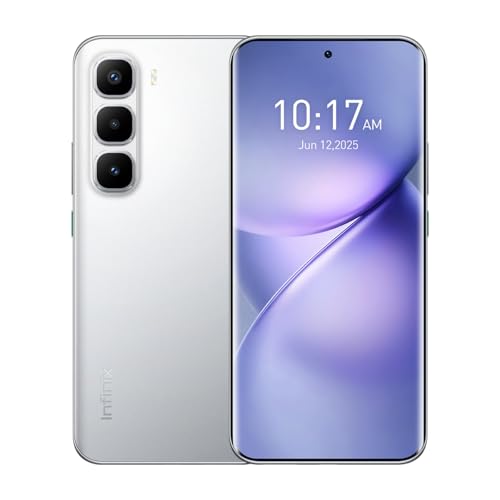
Infinix Note 50 Pro 4G (12GB + 256GB) review: 196 specs compared

Avg. price:~£160RAM capacity:12 GBInternal storage:256 GBScreen size:6.78 inchesMain camera megapixels:50 MP & 8 MP

Infinix Note 50 Pro 4G (12GB + 256GB) Review: Compare 196 technical specifications and 39 expert and video reviews to see how this product ranks in the Smartphones category and whether it is worth buying.
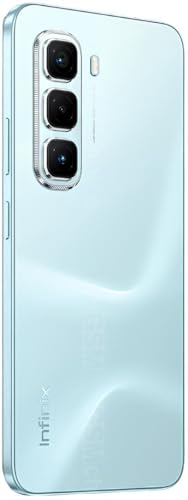
Infinix Note 50 Pro 4G (12GB + 256GB)
7.8/10

Overall score

Score
7.8/ 10
✕
What it is
Our main score for this model, 1–10. It combines specs, best-of lists, expert reviews and owners.
How we count it
Parts: Technical score 35%, List score 30%, Reviews score 25%, Sentiment score 10%
Marks: Each part gets a mark out of 10. For reviews, lists and owners, a typical model in this category gets about 8 and the best one gets 10.
No data yet: A part with no data shows "?". It counts as the mark of a weaker model in this category (4 in 5 models with data score higher). This way, models with reviews, lists and owners usually come out ahead.
Score distribution
▼
<55-66-77-88-99-10
Score components

35%

7.1

Technical score

30%

?

List scoreNot enough data yet, so we use 7.5, the mark of a weaker model in this category

25%

8.6

Reviews score

10%

8.9

Sentiment score

▲Better than 79% of smartphones
8.4

Value for money

Value for money
8.4/ 10
✕
What it is
An indicator that combines the smartphone's overall rating with its cost.
When it matters
When you are looking for a smartphone with a good balance between quality and price.
Score distribution
▼
<55-66-77-88-99-10
Score components

70%

7.8

Overall score

30%

9.7

Price

★Better than 98%
7.1

Technical score

Technical score
7.1/ 10
✕
What it is
How good the specs are compared with the other models in this category, 1–10.
How we count it
Areas: We rate the specs in each area against the other models in this category.
Weighting: The areas that matter most to buyers count more. The shares are shown under Score components.
Share: The technical score is 35% of the overall score.
Score distribution
▼
<55-66-77-88-99-10
Score components

25%

6.8

Performance

18%

7.1

Camera

15%

7.0

Display

15%

7.1

Battery

10%

8.0

Software

10%

7.0

Connectivity

4%

6.9

Audio

3%

7.4

Design

▲Better than 62%
8.6

Reviews score

Reviews score
8.6/ 10
✕
What it is
Average grade from independent test sites, magazines and video reviewers, 1–10.
How we count it
Grades: Each review's own score is converted to 1–10; without one, we grade the review ourselves. Big test sites count more, short reviews half as much as full tests. A video review counts half.
Score: The average grade is 80% of the review mark; the number of reviews is the other 20% (1 review = 5, the typical number in this category = 8, the most-reviewed model = 10).
Enough data: With few reviews, the average grade is pulled toward the typical grade of this category. No reviews yet: 7.5 for now.
Share: Reviews count 25% of the overall score.
Score distribution
▼
<55-66-77-88-99-10

80%

8.6

Average grade

20%

8.6

Popularity

Grades by review (39)
6 reviews: 2 with a printed score, 4 estimated from the review. 33 video reviews, each counting half as much as a written test. Reviews count 25% of the overall score.
User ratings collected online are not part of this score.
★Better than 92%
?

List score

List score
7.5/ 10
✕
What it is
How often independent test sites, magazines and video reviewers put this model in their best-of lists for this category.
How we count it
Points: The model in the most lists of this category gets 10; the others get 8 to 10 in proportion. In no list yet: 7.5. Lists count 30% of the overall score.
Enough data: Every list counts, even a single one. With fewer than 5 best-of lists in the category, this part is left out.
Lists with this model (0)
Not in any best-of list yet, so this part counts as 7.5. Models in a list get 8 to 10.
Not in any best-of list yet

What reviewers say about the Infinix Note 50 Pro 4G (12GB + 256GB)

Based on 6 · 36

Reviewers love the fast charging, excellent display and premium build, but video recording is almost universally criticized.
Praised
Mixed views
Criticised
Pick a topic to see who said what

What owners say about the Infinix Note 50 Pro 4G (12GB + 256GB)

Based on 164 owners sharing their experience in online comments

58%positive10%mixed32%negative

Owners praise the phone’s value, smooth performance, display, and battery, while overheating, weak gaming power, and software bugs cause frustration.

What owners dislike

  • Owners say the Helio G100 chip struggles with demanding games, with frame rates dropping and only low settings being playable.12
  • Owners report the phone gets hot during gaming and sometimes even with normal use, with the heat cutting frame rates.10
  • Owners report apps crashing, the phone freezing, and random restarts, with performance slowing down after a few weeks.10
  • Owners say the camera is slow and unreliable, with settings not saved and the rear camera bugging out, though photos are fine in good light.7
  • Owners say the battery drains fast while multitasking or even when idle overnight, and the 90W charger takes over an hour to fill it.7
  • Owners say the phone is overpriced for what it offers, and the charging speed does not match the 90W rating.7
  • Owners report the screen going black after a week, ghost touches, and a display that breaks easily when touched or dropped.5
  • Owners say the phone's Wi-Fi keeps disconnecting, and the hotspot shows other devices but they fail to connect.4
  • Owners say the box lacked the promised headphones, free screen protector and gifts, and some expected pre-order extras never arrived.4
  • Owners say software updates are rare and bugs stay unfixed, so the phone is stuck on an old Android version.4

Points mentioned by at least 3 owners, most mentioned first.

Loading...
Loading category ranking...

Technical Specifications of smartphone Infinix Note 50 Pro 4G (12GB + 256GB)

Technical score
Technical score
7.1/ 10
✕
What it is
How good the specs are compared with the other models in this category, 1–10.
How we count it
Areas: We rate the specs in each area against the other models in this category.
Weighting: The areas that matter most to buyers count more. The shares are shown under Score components.
Share: The technical score is 35% of the overall score.
Score distribution
▼
<55-66-77-88-99-10
Score components:

25%

6.8

Performance

18%

7.1

Camera

15%

7.0

Display

15%

7.1

Battery

10%

8.0

Software

10%

7.0

Connectivity

4%

6.9

Audio

3%

7.4

Design

7.1
Reviews score
8.6
List score
?
Value for money
Value for money
8.4/ 10
✕
What it is
An indicator that combines the smartphone's overall rating with its cost.
When it matters
When you are looking for a smartphone with a good balance between quality and price.
Score distribution
▼
<55-66-77-88-99-10
Score components:

70%

7.8

Overall score

30%

9.7

Price

8.4
Processor model
MediaTek Helio G100
This smartphone uses the MediaTek Helio G100 processor model which is slower than processors in 76.1% of smartphones and equal to processors in 0.9% of smartphones.
Storage type
?
RAM capacity
12 GB
This smartphone has a RAM capacity of 12 GB which is larger than the RAM capacity of 59.3% of smartphones and equal to that of 24.3% of smartphones.
Internal storage
256 GB
This smartphone has an internal storage capacity of 256 GB which is larger than the storage of 38.9% of smartphones and equal to that of 38.4% of smartphones.
CPU boost clock speed
2.2 GHz
The CPU boost clock speed of this smartphone is 2.2 GHz which is lower than the boost speed of 68% of smartphones and equal to that of 14.1% of smartphones.
Show more
What reviewers say
Operating system
Android
This smartphone runs Android, which is more mainstream than the system in 4.8% of smartphones and the same as in 95.2% of smartphones.
Android 15
Android version
Android 15
This smartphone runs Android version Android 15 which is newer than that found in 70.5% of smartphones and equal to that in 25% of smartphones.
Direct OS updates
no
This smartphone does not support direct OS updates. 20.1% of smartphones offer this.
Promised software updates
?
Open-source OS
yes
This smartphone runs an open-source operating system. 5.2% of smartphones offer this.
Show more
What reviewers say
Multi-lens main camera
yes
This smartphone includes a multi-lens main camera system. 93.7% of smartphones include multi-lens setups.
Main camera megapixels
50 MP & 8 MP
This smartphone has a main camera resolution of 50 MP & 8 MP which is higher than that of 46.7% of smartphones and equal to that of 5.7% of smartphones.
Main camera aperture
f/1.9 & f/2.2
This smartphone has a main camera aperture of f/1.9 & f/2.2 which is narrower than that of 87.7% of smartphones and equal to that of 1.9% of smartphones.
Main camera sensor area
50 mm²
This smartphone has a main camera sensor area of 50 mm² which is larger than the main camera sensor area of 65.4% of smartphones and equal to that of 16.5% of smartphones.
Main camera pixel size
1 µm
This smartphone has a main camera pixel size of 1 µm which is larger than in 57.7% of smartphones and equal to the size in 20% of smartphones.
2 binned
Show more
What reviewers say
Number of SIM slots
2
This smartphone has 2 SIM slots, which is more than in 3.7% of smartphones and equal to the number in 96.2% of smartphones.
Cellular module
yes
This smartphone includes a cellular module. 100% of smartphones include cellular modules.
eSIM support
?
5G connectivity
no
This smartphone does not have 5G connectivity. 66.7% of smartphones offer this.
LTE support
yes
This smartphone supports LTE. 99.7% of smartphones include LTE connectivity.
Show more
What reviewers say
Screen size
6.78 inches
This smartphone has a screen size of 6.78 inches which is larger than the screens of 72.9% of smartphones and equal to those of 9.5% of smartphones.
Screen resolution
1080x 2436 px
This smartphone has a screen resolution of 1080x2436 px which is higher than that of 64.4% of smartphones and equal to that of 0.9% of smartphones.
Pixel density
393 ppi
This smartphone has a pixel density of 393 ppi which is lower than that of 60.5% of smartphones and equal to that of 2.8% of smartphones.
Display type
OLED/AMOLED
This smartphone uses a OLED/AMOLED display type. 58.4% of smartphones use this display technology.
Refresh rate
144 Hz
This smartphone supports a refresh rate of 144 Hz which is higher than in 90% of smartphones and equal to that in 8.4% of smartphones.
Show more
What reviewers say
Battery capacity
5,200 mAh
This smartphone has a battery capacity of 5,200 mAh which is larger than the batteries in 64.3% of smartphones and equal to those in 2.3% of smartphones.
Charging speed
90 W
This smartphone supports charging speeds of 90 W which is faster than in 86.6% of smartphones and equal to speeds in 3.5% of smartphones.
Fast charging
yes
This smartphone supports fast charging. 93.2% of smartphones support fast charging.
GSMArena full wired charge time
?
Wireless charging
no
This smartphone does not support wireless charging. 25.1% of smartphones support wireless charging.
Show more
What reviewers say
Stereo speakers
yes
This smartphone includes stereo speakers. 64.3% of smartphones provide stereo audio.
3.5 mm headphone jack
no
This smartphone does not have a headphone jack. 45.1% of smartphones offer this.
Number of microphones
2
This smartphone includes 2 microphones, which is more than in 10.3% of smartphones and equal to the number in 66.9% of smartphones.
FM radio
yes
This smartphone includes an FM radio. 34.3% of smartphones offer FM radio functionality.
aptX Lossless
no
This smartphone does not support aptX Lossless Bluetooth audio. 12.5% of smartphones offer this.
Show more
What reviewers say
Height
163.3 mm
This smartphone has a height of 163.3 mm which is shorter than 53.9% of smartphones and equal to that of 1.5% of smartphones.
Width
74.4 mm
This smartphone has a width of 74.4 mm which is narrower than 78.3% of smartphones and equal to that of 0.9% of smartphones.
Thickness
7.3 mm
This smartphone has a thickness of 7.3 mm which is thinner than 94% of smartphones and equal to that of 1.2% of smartphones.
Weight
198 g
This smartphone weighs 198 g which is heavier than 52.3% of smartphones and equal to the weight of 1.9% of smartphones.
Device volume
89 cm³
This smartphone has a device volume of 89 cm³ which is smaller than 89.8% of smartphones and equal to that of 1.6% of smartphones.
Show more
What reviewers say

Infinix Note 50 Pro 4G (12GB + 256GB) vs the average smartphone

246810TotalPerformanceSoftwareCameraConnectivityDisplayBatteryAudioDesign
  • 2.73x faster charging speed
    This smartphone supports a faster charging speed than the average smartphone (90 W vs 33 W). The average charging speed is 33 W.
    90 W vs 33 W
  • Has optical image stabilization
    This smartphone has optical image stabilization (OIS), the average smartphone does not. 48.4% of smartphones feature OIS.
  • 4 GB more RAM
    This smartphone has more RAM capacity than the average smartphone (12 GB vs 8 GB). The average smartphone has 8 GB of RAM.
    12 GB vs 8 GB
  • 56.3% larger main camera sensor area
    This smartphone has a larger main camera sensor area than the average smartphone (50 mm² vs 32 mm²). The average main camera sensor area is 32 mm².
    50 mm² vs 32 mm²
  • 20% higher refresh rate
    This smartphone has a higher refresh rate than the average smartphone (144 Hz vs 120 Hz). The average smartphone refresh rate is 120 Hz.
    144 Hz vs 120 Hz
  • Supports reverse wireless charging
    This smartphone supports reverse wireless charging, the average smartphone does not. 23.4% of smartphones offer reverse wireless charging.
  • 59.7% higher screen brightness
    This smartphone has a higher screen brightness than the average smartphone (1,054 nits vs 660 nits). The average smartphone brightness is 660 nits.
    1,054 nits vs 660 nits
  • 0.11 inches inch larger screen size
    This smartphone has a larger screen size than the average smartphone (6.8 inches vs 6.67 inches). The average smartphone screen is 6.67 inches.
    6.78 inches vs 6.67 inches
  • 17.8% higher review score
    Reviews score
    8.6/ 10
    ✕
    What it is
    Average grade from independent test sites, magazines and video reviewers, 1–10.
    How we count it
    Grades: Each review's own score is converted to 1–10; without one, we grade the review ourselves. Big test sites count more, short reviews half as much as full tests. A video review counts half.
    Score: The average grade is 80% of the review mark; the number of reviews is the other 20% (1 review = 5, the typical number in this category = 8, the most-reviewed model = 10).
    Enough data: With few reviews, the average grade is pulled toward the typical grade of this category. No reviews yet: 7.5 for now.
    Share: Reviews count 25% of the overall score.
    Score distribution
    ▼
    <55-66-77-88-99-10

    80%

    8.6

    Average grade

    20%

    8.6

    Popularity

    Grades by review (39)
    6 reviews: 2 with a printed score, 4 estimated from the review. 33 video reviews, each counting half as much as a written test. Reviews count 25% of the overall score.
    User ratings collected online are not part of this score.
    8.6 vs 7.3
  • 9.1% better value for money
    Infinix Note 50 Pro 4G (12GB + 256GB) has better value for money than the average smartphone (8.36 vs 7.7).
    8.36 vs 7.66
  • 14.1% higher sentiment score
    8.9 vs 7.8
  • 62.5% cheaper
    Infinix Note 50 Pro 4G (12GB + 256GB) is cheaper than the average smartphone (£160 vs £260).
    £160 vs £260
  • 4 GB more RAM
    This smartphone has more RAM capacity than the average smartphone (12 GB vs 8 GB). The average smartphone has 8 GB of RAM.
    12 GB vs 8 GB
  • 55.1% faster memory speed
    This smartphone supports faster memory speed than the average smartphone (4,266 MHz vs 2,750 MHz). The average smartphone supports 2,750 MHz memory speed.
    4,266 MHz vs 2,750 MHz
  • 16.7% lower TDP
    This smartphone has a lower TDP than the average smartphone (5 W vs 6 W). The average TDP for smartphones is 6 W.
    5 W vs 6 W
  • 5.3% faster GPU clock
    This smartphone has a higher GPU frequency than the average smartphone (1,000 MHz vs 950 MHz). The average smartphone GPU frequency is 950 MHz.
    1,000 MHz vs 950 MHz
  • 1 year/s newer release date
    This smartphone has a newer release date than the average smartphone (2025 vs 2024). 1.00% of smartphones are released annually.
    March 2025
    2025 vs 2024
  • Newer Android version
    This smartphone features a newer Android version than the average smartphone (Android 15 vs Android 14). The average version is Android 14.
    Android 15 vs Android 14
  • Has optical image stabilization
    This smartphone has optical image stabilization (OIS), the average smartphone does not. 48.4% of smartphones feature OIS.
  • 56.3% larger main camera sensor area
    This smartphone has a larger main camera sensor area than the average smartphone (50 mm² vs 32 mm²). The average main camera sensor area is 32 mm².
    50 mm² vs 32 mm²
  • 1 more flash LEDs
    This smartphone has more flash LEDs than the average smartphone (2 vs 1). The average smartphone has 1 flash LEDs.
    2 vs 1
  • 0.2 µm larger main camera pixel size
    This smartphone has a larger main camera pixel size than the average smartphone (1 µm vs 0.8 µm). The average pixel size is 0.8 µm.
    2 binned
    1 µm vs 0.8 µm
  • Higher front camera megapixels
    This smartphone has more front camera megapixels than the average smartphone (32 MP vs 16 MP). The average front camera has 16 MP megapixels.
    32 MP vs 16 MP
  • Has a heart rate monitor
    This smartphone features a heart rate monitor, the average smartphone does not. 4.8% of smartphones include a built-in heart rate sensor.
  • Newer Bluetooth version
    This smartphone supports a newer Bluetooth version than the average smartphone (5.4 vs 5.2). The average version is Bluetooth 5.2.
    5.4 vs 5.2
  • 20% higher refresh rate
    This smartphone has a higher refresh rate than the average smartphone (144 Hz vs 120 Hz). The average smartphone refresh rate is 120 Hz.
    144 Hz vs 120 Hz
  • 59.7% higher screen brightness
    This smartphone has a higher screen brightness than the average smartphone (1,054 nits vs 660 nits). The average smartphone brightness is 660 nits.
    1,054 nits vs 660 nits
  • 0.11 inches inch larger screen size
    This smartphone has a larger screen size than the average smartphone (6.8 inches vs 6.67 inches). The average smartphone screen is 6.67 inches.
    6.78 inches vs 6.67 inches
  • Has an always-on display
    This smartphone features an always-on display, the average smartphone does not. 49.1% of smartphones offer always-on functionality.
  • Higher screen resolution
    This smartphone has a higher screen resolution than the average smartphone (1080x2436 px vs 1080x2400 px). The average smartphone resolution is 1080x2400 px.
    1080x2436 px vs 1080x2400 px
  • 300 nits higher peak brightness
    This smartphone has a higher peak brightness than the average smartphone (1,300 nits vs 1,000 nits). The average peak brightness is 1,000 nits.
    1,300 nits vs 1,000 nits
  • 160 nits higher GSMArena max display brightness
    This smartphone has a higher GSMArena max display brightness than the average smartphone (1,054 nits vs 894 nits). The average max brightness is 894 nits.
    1,054 nits vs 894 nits
  • 2.73x faster charging speed
    This smartphone supports a faster charging speed than the average smartphone (90 W vs 33 W). The average charging speed is 33 W.
    90 W vs 33 W
  • Supports reverse wireless charging
    This smartphone supports reverse wireless charging, the average smartphone does not. 23.4% of smartphones offer reverse wireless charging.
  • 4% larger battery capacity
    This smartphone has a larger battery capacity than the average smartphone (5,200 mAh vs 5,000 mAh). The average smartphone battery is 5,000 mAh.
    5,200 mAh vs 5,000 mAh
  • 2x faster reverse wireless charging speed
    This smartphone supports a faster reverse wireless charging speed than the average smartphone (10 W vs 5 W). The average speed is 5 W.
    10 W vs 5 W
  • 50% faster wireless charging speed
    This smartphone supports a faster wireless charging speed than the average smartphone (30 W vs 20 W). The average speed is 20 W.
    30 W vs 20 W
  • Supports aptX Adaptive
    This smartphone supports aptX Adaptive, the average smartphone does not. 33.7% of smartphones include aptX Adaptive support.
  • Has FM radio
    This smartphone features an FM radio, the average smartphone does not. 34.3% of smartphones include an FM tuner.
  • 1 mm thinner
    This smartphone is thinner than the average smartphone (7.3 mm vs 8.3 mm). The average smartphone thickness is 8.3 mm.
    7.3 mm vs 8.3 mm
  • 12.7% smaller volume
    This smartphone has a smaller device volume than the average smartphone (89 cm³ vs 102 cm³). The average smartphone volume is 102 cm³.
    89 cm³ vs 102 cm³
  • 1.6 mm narrower
    This smartphone is narrower than the average smartphone (74.4 mm vs 76 mm). The average smartphone width is 76 mm.
    74.4 mm vs 76 mm
  • Worse processor
    This smartphone uses a worse processor than the average smartphone (MediaTek Helio G100 vs Qualcomm Snapdragon 7 Gen 3).
    MediaTek Helio G100 vs Qualcomm Snapdragon 7 Gen 3
  • Narrower main camera aperture
    This smartphone has a narrower main camera aperture than the average smartphone (f/1.9 & f/2.2 vs f/1.8 & f/2.2 & f/2.4 & f/2.4). The average smartphone aperture is f/1.8 & f/2.2 & f/2.4 & f/2.4.
    f/1.9 & f/2.2 vs f/1.8 & f/2.2 & f/2.4 & f/2.4
  • No 5G connectivity
    This smartphone does not support 5G connectivity, the average smartphone does. 66.6% of smartphones are 5G compatible.
  • Lacks focus mode
    This smartphone does not have a focus mode, the average smartphone does. 60.8% of smartphones include a dedicated focus mode.
  • No aptX HD
    This smartphone does not support aptX HD, the average smartphone does. 50.2% of smartphones support aptX HD.
  • No Wi-Fi password sharing
    This smartphone does not support Wi-Fi password sharing, the average smartphone does. 58.3% of smartphones allow easy Wi-Fi sharing.
  • Lacks instant markup
    This smartphone does not support instant markup, the average smartphone does. 52.5% of smartphones include instant markup tools.
  • Worse main camera video quality
    This smartphone records worse main camera video than the average smartphone. 15.40x of smartphones support 4K video recording.
    1440x30 fps vs 2160x30 fps
  • Worse processor
    This smartphone uses a worse processor than the average smartphone (MediaTek Helio G100 vs Qualcomm Snapdragon 7 Gen 3).
    MediaTek Helio G100 vs Qualcomm Snapdragon 7 Gen 3
  • 8.3% lower CPU boost clock speed
    This smartphone has a lower CPU boost clock speed than the average smartphone (2.2 GHz vs 2.4 GHz). The average smartphone has a boost clock speed of 2.4 GHz.
    2.2 GHz vs 2.4 GHz
  • 68.6% lower 3DMark Wild Life Extreme benchmark
    This smartphone scores lower in 3DMark Wild Life Extreme than the average smartphone (384 vs 1,224.5). The average smartphone scores 1,224.5.
    384 vs 1,224.5
  • 14.3% lower maximum RAM capacity
    This smartphone supports less maximum RAM than the average smartphone (12 GB vs 14 GB). The average smartphone supports 14 GB of RAM.
    12 GB vs 14 GB
  • 22.2% lower Geekbench 6 multi-core benchmark score
    This smartphone performs worse in Geekbench 6 multi-core than the average smartphone (1970 vs 2,533). The average smartphone scores 2,533 in the Geekbench 6 multi-core test.
    1,970 vs 2,533
  • 75% fewer shader units
    This smartphone includes fewer shader units than the average smartphone (64 vs 256). The average smartphone has 256 shader units.
    64 vs 256
  • 33.2% lower memory bandwidth
    This smartphone has lower memory bandwidth than the average smartphone (17.1 GB/s vs 25.6 GB/s). The average smartphone has a bandwidth of 25.6 GB/s.
    17.1 GB/s vs 25.6 GB/s
  • Lacks focus mode
    This smartphone does not have a focus mode, the average smartphone does. 60.8% of smartphones include a dedicated focus mode.
  • No Wi-Fi password sharing
    This smartphone does not support Wi-Fi password sharing, the average smartphone does. 58.3% of smartphones allow easy Wi-Fi sharing.
  • Lacks instant markup
    This smartphone does not support instant markup, the average smartphone does. 52.5% of smartphones include instant markup tools.
  • Narrower main camera aperture
    This smartphone has a narrower main camera aperture than the average smartphone (f/1.9 & f/2.2 vs f/1.8 & f/2.2 & f/2.4 & f/2.4). The average smartphone aperture is f/1.8 & f/2.2 & f/2.4 & f/2.4.
    f/1.9 & f/2.2 vs f/1.8 & f/2.2 & f/2.4 & f/2.4
  • Worse main camera video quality
    This smartphone records worse main camera video than the average smartphone. 15.40x of smartphones support 4K video recording.
    1440x30 fps vs 2160x30 fps
  • No 5G connectivity
    This smartphone does not support 5G connectivity, the average smartphone does. 66.6% of smartphones are 5G compatible.
  • 25% lower touch sampling rate
    This smartphone has a lower touch sampling rate than the average smartphone (180 Hz vs 240 Hz). The average smartphone has a sampling rate of 240 Hz.
    180 Hz vs 240 Hz
  • 0.5% lower pixel density
    This smartphone has a lower pixel density than the average smartphone (393 ppi vs 395 ppi). The average smartphone has a pixel density of 395 ppi.
    393 ppi vs 395 ppi
  • No aptX HD
    This smartphone does not support aptX HD, the average smartphone does. 50.2% of smartphones support aptX HD.
  • Lower IP rating
    This smartphone has a lower IP rating than the average smartphone (IP64 vs IP67). 0.00% of smartphones have a higher IP rating.
    IP64 vs IP67

Video reviews

Hands-on testing, unboxing, and real-world video evaluations

9.0
Isa Marcial Global
≈ estimated
12/02/2026
Hands-on review · battery tests and camera features
Verdict
Infinix Note 50 Pro 4G is among the best devices in its category, with only minor drawbacks in video recording.
9.5
Joshua Densing
✓ explicit
10/08/2025
Long-term use · about a month of daily use
Verdict
Infinix Note 50 Pro 4G is a near-perfect phone for a tight budget, with the camera as its only clear weak spot.
9.0
YugaGaming
≈ estimated
17/06/2025
Hands-on review · five-game gaming test with temperatures
Verdict
Infinix Note 50 Pro 4G is worth considering for budget gamers with realistic expectations, despite a few drawbacks.
9.0
BYTES UNLOCKED
≈ estimated
07/06/2025
Full review · 1–2 weeks of use · camera and battery
Verdict
Infinix Note 50 Pro 4G is the most feature-packed value-for-money budget flagship of 2025, with some drawbacks.
8.0
Naseem Speach
≈ estimated
19/05/2025
Long-term test · two months of daily use
Verdict
Infinix Note 50 Pro 4G is a solid budget phone whose battery and screen shine, though ads and weak update support are drawbacks.
8.0
Mr Raza
≈ estimated
07/05/2025
Long-term test · 30 days of use · camera and rival comparison
Verdict
Infinix Note 50 Pro 4G is the best phone at this price right now, though waiting for a discount is sensible.
9.0
Bracket Reviews
≈ estimated
26/04/2025
Full review · unboxing, performance, camera and battery
Verdict
Infinix Note 50 Pro 4G is an attractive, well-rounded phone that gives more than its price, and is the best choice for buyers.
9.0
AllRoundReview
≈ estimated
25/04/2025
Hands-on review · build, display, charging and camera tests
Verdict
Infinix Note 50 Pro 4G stands out in the midrange for buyers who can do without 5G and heavy gaming.
9.0
YugaTech
≈ estimated
25/04/2025
Hands-on review · battery, gaming and camera tests
Verdict
Infinix Note 50 Pro 4G offers good value for the money, with strong charging and design, though its camera is weaker.
9.0
Liz Tech
≈ estimated
23/04/2025
Hands-on review · charging, battery and gaming tests
Verdict
Infinix Note 50 Pro 4G's camera, battery, gaming and AI features are all very useful for the money.
8.0
Mary Bautista
≈ estimated
23/04/2025
Hands-on review · gaming, charging and camera tests
Verdict
Infinix Note 50 Pro 4G offers good value for the money, though its software and audio are weaker, and the Pro Plus suits durability needs.
9.0
Naseem Speach
≈ estimated
18/04/2025
Long-term test · one month of daily use
Verdict
Infinix Note 50 Pro 4G is not perfect, but it is a surprisingly capable phone that changed the reviewer's view of mid-range devices.
More graded video reviews (9)
creator’s own scoreestimated by us

Expert reviews

In-depth analysis and verdict from leading tech publications
8.0
techweez.com
✓ explicit
03/06/2025
Full review · Budget metal-frame phone
Verdict
The Infinix Note 50 Pro is a metal-framed budget phone with a bright 144Hz AMOLED screen and 90W charging, but it lacks 5G.
9.0
unbox.ph
≈ estimated
02/02/2026
Full review · Budget metal-frame phone
Verdict
The Infinix Note 50 Pro is a budget phone with a metal frame, flat 144Hz AMOLED and decent cameras, but its lack of 5G is its biggest drawback.
8.0
yugatech.com
≈ estimated
02/02/2026
First impressions · Gaming phone
Verdict
The Infinix Note 50 Pro is a budget phone with a 144Hz screen and 90W charging, and it ran Call of Duty Mobile smoothly at medium settings.
8.0
gsmarena.com
≈ estimated
02/02/2026
Lab-tested review · Midrange 4G phone
Verdict
The Infinix Note 50 Pro 4G is a well-built, well-equipped phone with fast charging and a bright OLED, but its modest chip and lack of 5G hold it back.
9.0
pinoymetrogeek.com
≈ estimated
23/04/2025
Hands-on review · Midrange gaming phone
Verdict
The Infinix Note 50 Pro is a value-packed midrange phone whose fast charging, 144Hz screen and gaming that stays cool suit buyers who want a flagship look.
6.9
allroundreview.com
✓ explicit
27/04/2025
Hands-on review · Midrange phone
Verdict
The Infinix Note 50 Pro 4G is a stylish midrange phone with a bright screen, quick charging and a capable camera, though gaming and video are limited.

Third-party reviews

What customers like about Infinix Note 50 Pro 4G (12GB + 256GB)

  • Premium glass-metal body and overall build quality, giving a high-end feel.
  • Immersive 6.78-inch AMOLED display with a 144Hz refresh rate and 1300 nits peak brightness.
  • Very fast 90W wired charging and 30W wireless charging, a rare feature in its price range.
  • Solid primary 50MP camera with OIS and useful AI features (like AI Eraser), producing good daylight photos with sharp details and vibrant colors.
  • Good overall performance for daily tasks and most games, with little to no major hiccups.
  • Long battery life, with many users reporting it lasts all day or even two days with moderate use.
  • JBL-tuned stereo speakers offer loud and clear audio.
  • Includes useful extra features like an IP64 rating for dust and splash resistance, a heart rate/SpO2 sensor, an IR blaster, and a rich retail package with a charger and case included.
  • Offers good value for money, packing features typically found in much pricier devices.

What customers don't like about Infinix Note 50 Pro 4G (12GB + 256GB)

  • Limited to 4G connectivity in a 5G era, which is considered a drawback for future-proofing.
  • Average to bad battery life during heavy use, particularly intense gaming sessions, and can heat up with hotspot use.
  • Only offers 2 major OS updates and 3 years of security updates, which is less than some competitors.
  • Display's HDR implementation is lacking, and there is no 4K video recording support (limited to 1440p).
  • Secondary cameras (ultrawide and macro) are of limited use and have inconsistent quality compared to the main sensor.
  • Modest performance compared to flagship phones, not suitable for the most demanding users.
  • Limited regional availability.

Verdict

The Infinix Note 50 Pro 4G (12GB+256GB) is a premium-feeling mid-range smartphone featuring a 6.78-inch, 144Hz AMOLED display and a 6nm MediaTek Helio G100 Ultimate processor. Key specifications include a versatile 50MP main camera with OIS and an 8MP ultrawide lens, a substantial 5,200mAh battery, and a sleek metal frame with an IP64 rating. The main pros are its incredibly fast 90W wired and 30W wireless charging capabilities, JBL-tuned stereo speakers, and a robust build quality with extras like an IR blaster and heart rate sensor. The primary cons are that the chipset lacks 5G connectivity and its ISP limits video recording to 1440p resolution.

Compare Infinix Note 50 Pro 4G (12GB + 256GB) with other smartphones

1Product to compare no. 1
VS
2Product to compare no. 2
VS
3Product to compare no. 3 (optional)

Graphic comparison of Infinix Note 50 Pro 4G (12GB + 256GB) and other smartphones

No results found