Scored using Smartphones Methodology v1.0
Smartphones Methodology v1.0
Mathematical & Unbiased Scoring
Products in this category are scored under Frontum Smartphones Methodology v1.0: technical specifications plus authentic consumer ratings, with 0% commercial bias.
Explore Smartphones Methodology v1.0

Honor Magic4 (8GB + 256GB) Review | 197 Data compared

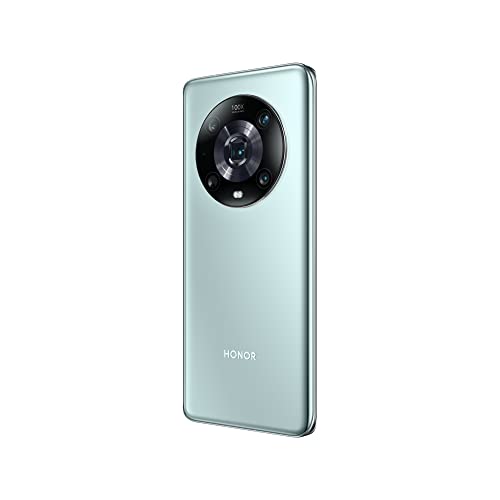
Avg. price:~£700RAM capacity:8 GBInternal storage:256 GBScreen size:6.81 inchesMain camera megapixels:50 MP & 50 MP & 8 MP

Honor Magic4 (8GB + 256GB) Review: Compare 197 technical specifications and user reviews to see how this product ranks in the Smartphones category and whether it is worth buying.
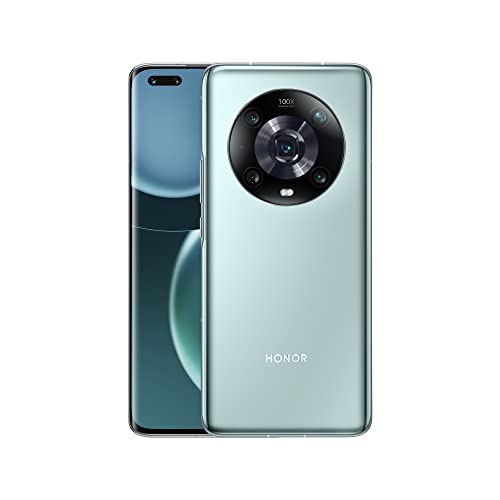
Honor Magic4 (8GB + 256GB)
7.8/10

Overall score

Score
7.8/ 10
✕
What it is
An overall evaluation of the smartphone's quality, based on technical analyses and user reviews.
When it matters
When you need a quick reference to identify the best smartphones on the market.
Score distribution
â–¼
<55-66-77-88-99-10
Score components

90%

7.9

Technical score

10%

7.6

User score

â–²Better than 83% of smartphones
7.5

Value for money

Value for money
7.5/ 10
✕
What it is
An indicator that combines the smartphone's overall rating with its cost.
When it matters
When you are looking for a smartphone with a good balance between quality and price.
Score distribution
â–¼
<55-66-77-88-99-10
Score components

70%

7.8

Overall score

30%

6.8

Price

â–²Better than 58%
7.9

Technical score

Technical score
7.9/ 10
✕
What it is
An assessment of the smartphone's technical performance, covering eight key areas: performance & hardware, software, camera, connectivity, display, battery, audio, and design.
When it matters
When you want to compare smartphones based on technical performance and available features.
Score distribution
â–¼
<55-66-77-88-99-10
Score components

25%

7.7

Performance & Hardware

18%

8.6

Camera

15%

7.9

Display

15%

7.7

Battery

10%

7.7

Software

10%

7.6

Connectivity

4%

7.9

Audio

3%

7.6

Design

â–²Better than 84%
7.6

User score

User score
7.6/ 10
✕
What it is
A rating that combines user reviews and the total number of reviews received by the smartphone
When it matters
When you want to know how a smartphone handles daily tasks and how reliable it remains over time according to user feedback.
Score distribution
â–¼
<55-66-77-88-99-10
Score components

70%

8.4

User ratings

30%

5.6

Number of reviews

Based on ratings from across the web.
â–¼Worse than 82%
Loading...
Loading category ranking...

Technical Specifications of smartphone Honor Magic4 (8GB + 256GB)

Technical score
Technical score
7.9/ 10
✕
What it is
An assessment of the smartphone's technical performance, covering eight key areas: performance & hardware, software, camera, connectivity, display, battery, audio, and design.
When it matters
When you want to compare smartphones based on technical performance and available features.
Score distribution
â–¼
<55-66-77-88-99-10
Score components:

25%

7.7

Performance & Hardware

18%

8.6

Camera

15%

7.9

Display

15%

7.7

Battery

10%

7.7

Software

10%

7.6

Connectivity

4%

7.9

Audio

3%

7.6

Design

7.9
User score
User score
7.6/ 10
✕
What it is
A rating that combines user reviews and the total number of reviews received by the smartphone
When it matters
When you want to know how a smartphone handles daily tasks and how reliable it remains over time according to user feedback.
Score distribution
â–¼
<55-66-77-88-99-10
Score components

70%

8.4

User ratings

30%

5.6

Number of reviews

Based on ratings from across the web.
7.6
Popularity
Popularity
5.6/ 10
✕
What it is
An indicator based on the number of reviews received by the smartphone.
When it matters
When you prefer to purchase a product chosen and reviewed by many other consumers.
Score distribution
â–¼
<55-66-77-88-99-10
Popularity:
Honor Magic4 (8GB + 256GB) has a popularity of 5.6 points, which is higher than 50.9% of smartphones.
5.6
Value for money
Value for money
7.5/ 10
✕
What it is
An indicator that combines the smartphone's overall rating with its cost.
When it matters
When you are looking for a smartphone with a good balance between quality and price.
Score distribution
â–¼
<55-66-77-88-99-10
Score components:

70%

7.8

Overall score

30%

6.8

Price

7.5
Brand name
Honor
Processor model
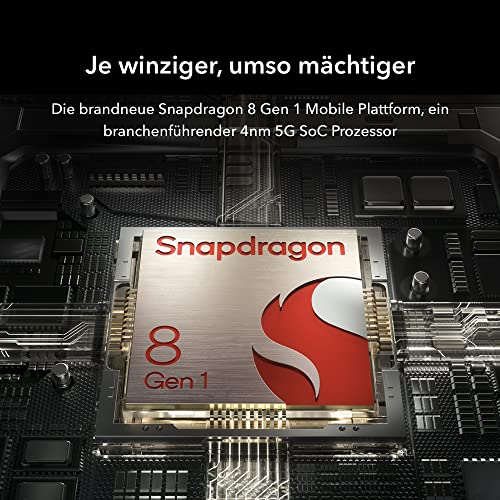
Qualcomm Snapdragon 8 Gen 1
This smartphone uses the Qualcomm Snapdragon 8 Gen 1 processor which is faster than processors in 81.3% of smartphones and equal to processors in 1.3% of smartphones.
RAM capacity
8 GB
This smartphone has a RAM capacity of 8 GB which is larger than the RAM capacity of 28.5% of smartphones and equal to that of 30.4% of smartphones.
Internal storage
256 GB
This smartphone has an internal storage capacity of 256 GB which is larger than the storage of 38.8% of smartphones and equal to that of 38.3% of smartphones.
CPU boost clock speed
3 GHz
The CPU boost clock speed of this smartphone is 3 GHz which is higher than the boost speed of 75.3% of smartphones and equal to that of 3.7% of smartphones.
Show more
Operating system
Android
This smartphone uses the Android operating system, which outperforms that of 1%.
Android 12
Android version
Android 12
This smartphone runs Android version Android 12 which is older than that found in 67.1% of smartphones and equal to that in 13.2% of smartphones.
Direct OS updates
no
This smartphone does not receive direct OS updates. 20.6% of smartphones receive direct updates.
Open-source OS
yes
This smartphone uses an open-source OS. 94.6% of smartphones use an open-source OS.
Dark mode
yes
This smartphone offers dark mode. 95.8% of smartphones support this feature.
Show more
Multi-lens main camera
yes
This smartphone includes a multi-lens main camera system. 93.7% of smartphones include multi-lens setups.
Main camera megapixels
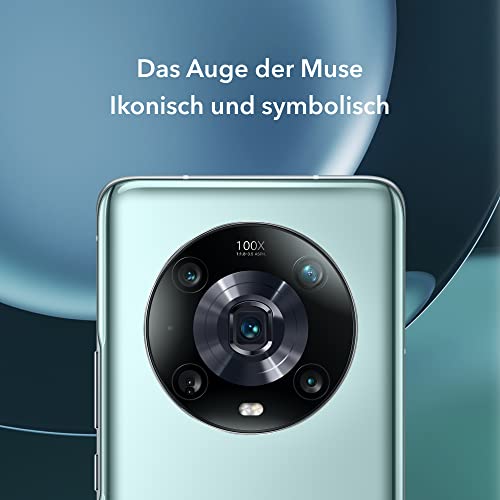
50 MP & 50 MP & 8 MP
This smartphone has a main camera resolution of 50 MP & 50 MP & 8 MP which is higher than that of 68.6% of smartphones and equal to that of 1.8% of smartphones.
Main camera aperture
f/1.8 & f/2.2 & f/3.4
This smartphone has a main camera aperture of f/1.8 & f/2.2 & f/3.4 which is wider than that of 52% of smartphones and equal to that of 0.2% of smartphones.
Main camera sensor area
50 mm²
This smartphone has a main camera sensor area of 50 mm² which is larger than the main camera sensor area of 65.5% of smartphones and equal to that of 16.5% of smartphones.
Main camera pixel size
1 µm
This smartphone has a main camera pixel size of 1 µm which is larger than in 57.7% of smartphones and equal to the size in 20% of smartphones.
2 binned
Show more
Number of SIM slots
2
This smartphone has 2 SIM slots, which is more than in 3.8% of smartphones and equal to the number in 96.1% of smartphones.
Cellular module
yes
This smartphone includes a cellular module. 100% of smartphones include cellular modules.
5G connectivity
yes
This smartphone supports 5G connectivity. 66.9% of smartphones support 5G.
LTE support
yes
This smartphone supports LTE. 99.7% of smartphones include LTE connectivity.
Wi-Fi connectivity
yes
This smartphone supports Wi-Fi connectivity. 100% of smartphones offer Wi-Fi support.
Show more
Screen size
6.81 inches
This smartphone has a screen size of 6.81 inches which is larger than the screens of 89% of smartphones and equal to those of 0.7% of smartphones.
Screen resolution
1224x 2664 px
This smartphone has a screen resolution of 1224x2664 px which is higher than that of 76% of smartphones.
Pixel density
431 ppi
This smartphone has a pixel density of 431 ppi which is higher than that of 74.4% of smartphones and equal to that of 0.9% of smartphones.
Display type
OLED/AMOLED
This smartphone uses a OLED/AMOLED display type. 58.6% of smartphones use this display technology.
Refresh rate
120 Hz
This smartphone supports a refresh rate of 120 Hz which is higher than in 34.7% of smartphones and equal to that in 55.2% of smartphones.
Show more
Battery capacity
4,800 mAh
This smartphone has a battery capacity of 4,800 mAh which is smaller than the batteries in 73% of smartphones and equal to those in 1.2% of smartphones.
Charging speed
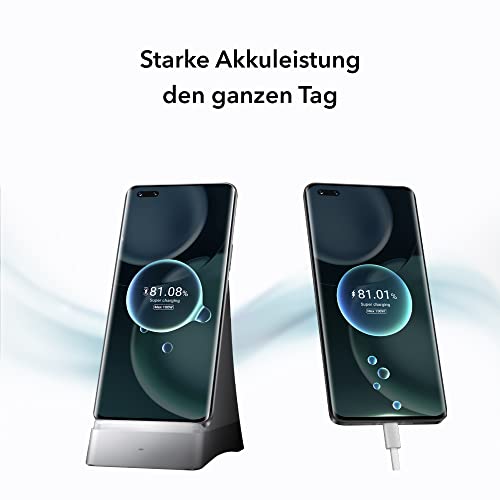
66 W
This smartphone supports charging speeds of 66 W which is faster than in 67.8% of smartphones and equal to speeds in 4.9% of smartphones.
Fast charging
yes
This smartphone supports fast charging. 93.1% of smartphones support fast charging.
GSMArena full wired charge time
?
Wireless charging
yes
This smartphone supports wireless charging. 25.2% of smartphones support wireless charging.
Show more
Stereo speakers
yes
This smartphone includes stereo speakers. 64.4% of smartphones provide stereo audio.
3.5 mm headphone jack
no
This smartphone does not include a 3.5 mm headphone jack. 45.5% of smartphones offer this port.
Number of microphones
2
This smartphone includes 2 microphones, which is more than in 10.5% of smartphones and equal to the number in 66.6% of smartphones.
FM radio
yes
This smartphone includes an FM radio. 34.2% of smartphones offer FM radio functionality.
aptX Lossless
no
This smartphone does not support aptX Lossless. 12.9% of smartphones provide aptX Lossless.
Show more
Height
163.6 mm
This smartphone has a height of 163.6 mm which is shorter than 48.7% of smartphones and equal to that of 2.3% of smartphones.
Width
74.5 mm
This smartphone has a width of 74.5 mm which is narrower than 76.7% of smartphones and equal to that of 1.3% of smartphones.
Thickness
8.8 mm
This smartphone has a thickness of 8.8 mm which is thicker than 71.6% of smartphones and equal to that of 3.7% of smartphones.
Weight
199 g
This smartphone weighs 199 g which is heavier than 55.1% of smartphones and equal to the weight of 3.2% of smartphones.
Device volume
96,496 cm³
This smartphone has a device volume of 96,496 cm³ which is smaller than 55.6% of smartphones and equal to that of 1.4% of smartphones.
Show more

Honor Magic4 (8GB + 256GB) vs the average smartphone

246810TotalPerformance & HardwareSoftwareCameraConnectivityDisplayBatteryAudioDesign
  • 5 x higher optical zoom
    This smartphone offers higher optical zoom than the average smartphone (5 x vs 0 x).
    5 x vs 0 x
  • Has optical image stabilization
    This smartphone has optical image stabilization (OIS), the average smartphone does not. 48.3% of smartphones feature OIS.
  • Supports wireless charging
    This smartphone supports wireless charging, the average smartphone does not. 25.2% of smartphones are wireless charging compatible.
  • 3.07x higher 3DMark Wild Life benchmark
    This smartphone scores higher in 3DMark Wild Life than the average smartphone (9,564 vs 3,115). The average smartphone scores 3,115.
    9,564 vs 3,115
  • 56.3% larger main camera sensor area
    This smartphone has a larger main camera sensor area than the average smartphone (50 mm² vs 32 mm²). The average main camera sensor area is 32 mm².
    50 mm² vs 32 mm²
  • 32x more L1
    This smartphone has more L1 cache than the average smartphone (1024 KB vs 32 KB). The average L1 cache is 32 KB.
    1,024 KB vs 32 KB
  • 0.14 inches inch larger screen size
    This smartphone has a larger screen size than the average smartphone (6.8 inches vs 6.67 inches). The average smartphone screen is 6.67 inches.
    6.81 inches vs 6.67 inches
  • 33.3% smaller process node
    This smartphone uses a smaller process node than the average smartphone (4 nm vs 6 nm). The average process node size is 6 nm.
    4 nm vs 6 nm
  • 3.07x higher 3DMark Wild Life benchmark
    This smartphone scores higher in 3DMark Wild Life than the average smartphone (9,564 vs 3,115). The average smartphone scores 3,115.
    9,564 vs 3,115
  • 32x more L1
    This smartphone has more L1 cache than the average smartphone (1024 KB vs 32 KB). The average L1 cache is 32 KB.
    1,024 KB vs 32 KB
  • 33.3% smaller process node
    This smartphone uses a smaller process node than the average smartphone (4 nm vs 6 nm). The average process node size is 6 nm.
    4 nm vs 6 nm
  • 25% higher CPU boost clock speed
    This smartphone has a higher CPU boost clock speed than the average smartphone (3 GHz vs 2.4 GHz). The average smartphone has a boost clock speed of 2.4 GHz.
    3.0 GHz vs 2.4 GHz
  • 2.5x higher memory bandwidth
    This smartphone has higher memory bandwidth than the average smartphone (64 GB/s vs 25.6 GB/s). The average memory bandwidth is 25.6 GB/s.
    64 GB/s vs 25.6 GB/s
  • Newer DDR memory version
    This smartphone supports a newer DDR version than the average smartphone (5 vs 4). The average DDR version is 4.
    5 vs 4
  • Higher CPU base clock speed
    This smartphone has a higher CPU base clock speed than the average smartphone (1x3 GHz & 3x2.5 GHz & 4x1.8 GHz vs 2x2.2 GHz & 6x2 GHz). The average smartphone has a base clock speed of 2x2.2 GHz & 6x2 GHz.
    1x3 GHz & 3x2.5 GHz & 4x1.8 GHz vs 2x2.2 GHz & 6x2 GHz
  • Better processor
    This smartphone features a better processor than the average smartphone (Qualcomm Snapdragon 8 Gen 1 vs Qualcomm Snapdragon 7 Gen 3).
    Qualcomm Snapdragon 8 Gen 1 vs Qualcomm Snapdragon 7 Gen 3
  • Supports newer OpenGL version
    This smartphone supports a newer OpenGL version than the average smartphone (3.3 vs 3.2). The average version is 3.2.
    3.3 vs 3.2
  • 3x more shader units
    This smartphone features more shader units than the average smartphone (768 vs 256). The average smartphone has 256 shader units.
    768 vs 256
  • 2.04x higher 3DMark Wild Life Extreme benchmark
    This smartphone performs better in 3DMark Wild Life Extreme than the average smartphone (2,502 vs 1,226). The average smartphone scores 1,226.
    2,502 vs 1,226
  • 50% more L3 cache
    This smartphone has more L3 cache than the average smartphone (6144 KB vs 4096 KB). The average L3 cache is 4096 KB.
    6,144 KB vs 4,096 KB
  • 14.3% higher maximum RAM
    This smartphone supports more maximum RAM than the average smartphone (16 GB vs 14 GB). The average smartphone supports 14 GB RAM.
    16 GB vs 14 GB
  • 16.4% faster memory speed
    This smartphone supports faster memory speed than the average smartphone (3200 MHz vs 2750 MHz). The average smartphone supports 2750 MHz memory speed.
    3,200 MHz vs 2,750 MHz
  • Higher on-device AI tier
    This smartphone runs on the productivity AI tier, while the average smartphone runs on fundamental, enabling stronger on-device AI features.
    Ultra Fusion Computational Photography, AI Film Index, Magic Color, AI Smart Resolution
    productivity vs fundamental
  • Includes cross-site tracking protection
    This smartphone supports cross-site tracking prevention, the average smartphone does not. 32.2% of smartphones include this feature.
  • 5 x higher optical zoom
    This smartphone offers higher optical zoom than the average smartphone (5 x vs 0 x).
    5 x vs 0 x
  • Has optical image stabilization
    This smartphone has optical image stabilization (OIS), the average smartphone does not. 48.3% of smartphones feature OIS.
  • 56.3% larger main camera sensor area
    This smartphone has a larger main camera sensor area than the average smartphone (50 mm² vs 32 mm²). The average main camera sensor area is 32 mm².
    50 mm² vs 32 mm²
  • Supports RAW photo capture
    This smartphone supports RAW photo capture, the average smartphone does not. 37.1% of smartphones allow RAW files.
  • Uses a BSI sensor
    This smartphone uses a BSI sensor, the average smartphone does not. 40.5% of smartphones include BSI sensors.
  • Has a multi-lens front camera
    This smartphone features a multi-lens front camera, the average smartphone does not. 18% of smartphones have multiple front lenses.
  • Supports laser autofocus
    This smartphone features laser autofocus, the average smartphone does not. 21.4% of smartphones include laser AF.
  • Better main camera video
    This smartphone records better main camera video than the average smartphone. 22.60x of smartphones support 4K or higher.
    2160x60 fps vs 2160x30 fps
  • 1 more flash LEDs
    This smartphone has more flash LEDs than the average smartphone (2 vs 1). The average smartphone has 1 flash LEDs.
    2 vs 1
  • Supports HDR10 video recording
    This smartphone supports HDR10 video recording, the average smartphone does not. 35.9% of smartphones support HDR10.
  • Has a dual-tone LED flash
    This smartphone features a dual-tone LED flash, the average smartphone does not. 41.4% of smartphones include dual-tone flash.
  • 0.2 µm larger main camera pixel size
    This smartphone has a larger main camera pixel size than the average smartphone (1 µm vs 0.8 µm). The average pixel size is 0.8 µm.
    2 binned
    1.0 µm vs 0.8 µm
  • Higher-resolution main camera
    This smartphone has a higher main camera resolution than the average smartphone (50 MP & 50 MP & 8 MP vs 50 MP & 8 MP). The average smartphone main camera has 50 MP & 8 MP megapixels.
    50 MP & 50 MP & 8 MP vs 50 MP & 8 MP
  • Has an RGB LED flash
    This smartphone features an RGB LED flash, the average smartphone does not. 3.9% of smartphones include RGB flash.
  • Newer USB version
    This smartphone supports a newer USB version than the average smartphone (3.1 vs 2). The average version is USB 2.0.
    3.1 vs 2.0
  • Newer Wi-Fi version
    This smartphone supports a newer Wi-Fi version than the average smartphone (Wi-Fi 6 (802.11ax), Wi-Fi 5 (802.11ac), Wi-Fi 4 (802.11n) vs Wi-Fi 5 (802.11ac), Wi-Fi 4 (802.11n)). The average smartphone uses Wi-Fi Wi-Fi 5 (802.11ac), Wi-Fi 4 (802.11n).
    Wi-Fi 6 (802.11ax), Wi-Fi 5 (802.11ac), Wi-Fi 4 (802.11n) vs Wi-Fi 5 (802.11ac), Wi-Fi 4 (802.11n)
  • 0.14 inches inch larger screen size
    This smartphone has a larger screen size than the average smartphone (6.8 inches vs 6.67 inches). The average smartphone screen is 6.67 inches.
    6.81 inches vs 6.67 inches
  • Supports HDR10 support
    This smartphone supports HDR10, the average smartphone does not. 42.7% of smartphones are HDR10 compatible.
  • Higher screen resolution
    This smartphone has a higher screen resolution than the average smartphone (1224x2664 px vs 1080x2400 px). The average smartphone resolution is 1080x2400 px.
    1224x2664 px vs 1080x2400 px
  • 45% higher screen brightness
    This smartphone has a higher screen brightness than the average smartphone (957 nits vs 660 nits). The average smartphone brightness is 660 nits.
    957 nits vs 660 nits
  • 9.1% higher pixel density
    This smartphone has a higher pixel density than the average smartphone (431 ppi vs 395 ppi). The average smartphone has a pixel density of 395 ppi.
    431 ppi vs 395 ppi
  • Has a curved display
    This smartphone features a curved display, the average smartphone does not. 24.5% of smartphones have curved screens.
  • Supports wireless charging
    This smartphone supports wireless charging, the average smartphone does not. 25.2% of smartphones are wireless charging compatible.
  • 2x faster charging speed
    This smartphone supports a faster charging speed than the average smartphone (66 W vs 33 W). The average charging speed is 33 W.
    66 W vs 33 W
  • Supports aptX Adaptive
    This smartphone supports aptX Adaptive, the average smartphone does not. 34.5% of smartphones include aptX Adaptive support.
  • Has FM radio
    This smartphone features an FM radio, the average smartphone does not. 34.2% of smartphones include an FM tuner.
  • Supports aptX
    This smartphone supports aptX, the average smartphone does not. 50% of smartphones are aptX compatible.
  • 1.5 m deeper water resistance
    This smartphone has a deeper water resistance rating than the average smartphone (1.5 m vs 0 m). The average depth rating is 0 m.
    1.5 m vs 0 m
  • 1.5 mm narrower
    This smartphone is narrower than the average smartphone (74.5 mm vs 76 mm). The average smartphone width is 76 mm.
    74.5 mm vs 76 mm
  • Better IP rating
    This smartphone has a better IP rating than the average smartphone (IP68 vs IP67). The average IP rating is IP67.
    IP68 vs IP67
  • No live text recognition
    This smartphone does not support live text recognition, the average smartphone does. 50.9% of smartphones offer real-time text recognition.
  • No memory card slot
    This smartphone does not have a memory card slot, the average smartphone does. 53.5% of smartphones feature expandable storage.
  • Lacks app tracking protection
    This smartphone does not have app tracking protection, the average smartphone does. 70.2% of smartphones include app tracking protection.
  • 13.7% slower GPU clock
    This smartphone has a lower GPU frequency than the average smartphone (820 MHz vs 950 MHz). The average smartphone has a GPU frequency of 950 MHz.
    820 MHz vs 950 MHz
  • Narrower main camera aperture
    This smartphone has a narrower main camera aperture than the average smartphone (f/1.8 & f/2.2 & f/3.4 vs f/1.8 & f/2.2 & f/2.4 & f/2.4). The average smartphone aperture is f/1.8 & f/2.2 & f/2.4 & f/2.4.
    f/1.8 & f/2.2 & f/3.4 vs f/1.8 & f/2.2 & f/2.4 & f/2.4
  • Older Android version
    This smartphone runs an older Android version than the average smartphone (Android 12 vs Android 14). The average smartphone runs Android version Android 14.
    Android 12 vs Android 14
  • 4% smaller battery capacity
    This smartphone has a smaller battery capacity than the average smartphone (4800 mAh vs 5000 mAh). The average smartphone has a capacity of 5000 mAh.
    4,800 mAh vs 5,000 mAh
  • 2.69x more expensive
    Honor Magic4 (8GB + 256GB) is more expensive than the average smartphone (£700 vs £260).
    £700 vs £260
  • 2.69x more expensive
    Honor Magic4 (8GB + 256GB) is more expensive than the average smartphone (£700 vs £260).
    £700 vs £260
  • 5.8% lower user score
    User score
    7.6/ 10
    ✕
    What it is
    A rating that combines user reviews and the total number of reviews received by the smartphone
    When it matters
    When you want to know how a smartphone handles daily tasks and how reliable it remains over time according to user feedback.
    Score distribution
    ▼▼
    <55-66-77-88-99-10
    Honor Magic4
    the average smartphone
    Honor Magic4 (8GB + 256GB) has a lower user score than the average smartphone (7.56 vs 8.000).
    7.56 vs 8
  • 13.7% slower GPU clock
    This smartphone has a lower GPU frequency than the average smartphone (820 MHz vs 950 MHz). The average smartphone has a GPU frequency of 950 MHz.
    820 MHz vs 950 MHz
  • No live text recognition
    This smartphone does not support live text recognition, the average smartphone does. 50.9% of smartphones offer real-time text recognition.
  • Lacks app tracking protection
    This smartphone does not have app tracking protection, the average smartphone does. 70.2% of smartphones include app tracking protection.
  • Older Android version
    This smartphone runs an older Android version than the average smartphone (Android 12 vs Android 14). The average smartphone runs Android version Android 14.
    Android 12 vs Android 14
  • Narrower main camera aperture
    This smartphone has a narrower main camera aperture than the average smartphone (f/1.8 & f/2.2 & f/3.4 vs f/1.8 & f/2.2 & f/2.4 & f/2.4). The average smartphone aperture is f/1.8 & f/2.2 & f/2.4 & f/2.4.
    f/1.8 & f/2.2 & f/3.4 vs f/1.8 & f/2.2 & f/2.4 & f/2.4
  • Lower front camera megapixels
    This smartphone has lower front camera megapixels than the average smartphone (12 MP vs 16 MP). The average smartphone has a 16 MP front camera.
    12 MP vs 16 MP
  • Narrower front camera aperture
    This smartphone has a narrower front camera aperture than the average smartphone (f/2.4 vs f/2.2). The average smartphone front aperture is f/2.2.
    f/2.4 vs f/2.2
  • No memory card slot
    This smartphone does not have a memory card slot, the average smartphone does. 53.5% of smartphones feature expandable storage.
  • 4% smaller battery capacity
    This smartphone has a smaller battery capacity than the average smartphone (4800 mAh vs 5000 mAh). The average smartphone has a capacity of 5000 mAh.
    4,800 mAh vs 5,000 mAh
  • 2 year/s older release date
    This smartphone is an older model than the average smartphone (2022 vs 2024). 2.00% of smartphones were released more recently.
    March 2022
    2022 vs 2024
  • 0.5 mm thicker
    This smartphone is thicker than the average smartphone (8.8 mm vs 8.3 mm). The average smartphone has a thickness of 8.3 mm.
    8.8 mm vs 8.3 mm
  • 1.4% heavier
    This smartphone is heavier than the average smartphone (199 g vs 196.2 g). The average smartphone weighs 196.2 g.
    199 g vs 196.2 g

Video reviews

Hands-on testing, unboxing, and real-world video evaluations

Expert reviews

In-depth analysis and verdict from leading tech publications

D
digitaltrends.com
11/01/2023
Summary of the review
W
whatgadget.net
12/11/2022
Summary of the review
P
phonearena.com
02/11/2022
Summary of the review
E
expertreviews.co.uk
13/10/2022
Summary of the review
S
stuff.tv
08/07/2022
Summary of the review
T
techadvisor.com
27/05/2022
Summary of the review
T
theverge.com
12/05/2022
Summary of the review
C
charlestech.fr
26/05/2024
Summary of the review
N
nextpit.fr
01/03/2022
Summary of the review
T
tomsguide.fr
17/05/2022
Summary of the review
L
leclaireur.fnac.com
25/05/2022
Summary of the review
G
global.techradar.com
17/05/2022
Summary of the review
C
cnetfrance.fr
17/05/2022
Summary of the review
J
journaldugeek.com
17/05/2022
Summary of the review
L
lesnumeriques.com
17/05/2022
Summary of the review
F
frandroid.com
31/05/2022
Summary of the review
D
dday.it
09/03/2022
Summary of the review
W
wired.it
02/06/2022
Summary of the review
T
tech.everyeye.it
26/05/2022
Summary of the review
D
dday.it
26/05/2022
Summary of the review

Third-party reviews

Based on ratings from across the web.
Reviews last updated: August 2026 · How we calculate this

What we like about Honor Magic4 (8GB + 256GB)

  • Extremely fast 100W wired and wireless charging speeds, with the wired charging getting the phone to 100% in around 30 minutes.
  • High-quality, bright 120Hz LTPO OLED display with vivid colors and excellent touch response.
  • Premium build quality and an ergonomic design that feels good in the hand despite its size.
  • Versatile and capable camera system that produces detailed and punchy daytime photos and good 3.5x optical zoom shots.
  • Powerful performance, handling gaming and daily tasks smoothly due to the Snapdragon 8 Gen 1 chipset and ample RAM.
  • Excellent, well-balanced stereo speakers with good volume and minimal distortion.
  • Reliable and fast under-display ultrasonic fingerprint scanner and secure 3D face unlock.
  • Comes with Google Mobile Services (GMS) on the global version, a major plus over past Huawei devices.
  • Useful extra features like an IR blaster (remote control functionality) and IP68 water/dust resistance rating.
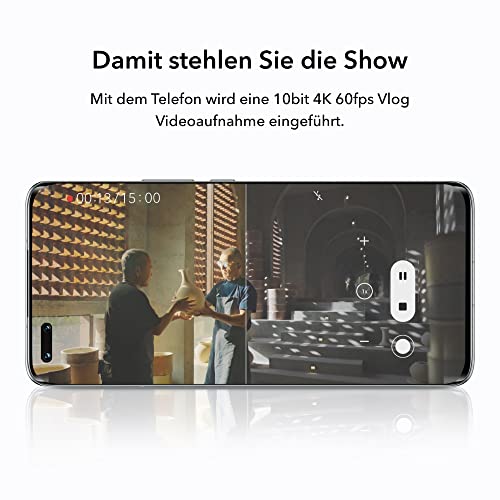
  • Good video recording quality, including 4K at 60fps and a cinematic 'Movie' mode with LUTs.

What we don't like about Honor Magic4 (8GB + 256GB)

  • Aggressive pricing puts it in direct competition with more established Apple and Samsung flagships, often at a higher price point.
  • Software experience can be inconsistent, with occasional stuttering, odd lagging, and aggressive background app management.
  • Battery life is considered average and can be a mixed bag depending on usage (heavy use often requires nightly charging), with some users reporting the battery drains faster over time.
  • Camera software has some issues, including overly aggressive image processing (especially in low light/night mode which can look unnatural and soft) and shutter lag when taking rapid photos.
  • The phone can run hot, particularly during intensive use or while charging, a common issue with the Snapdragon 8 Gen 1 chip.
  • The physical design is large, heavy, and somewhat slippery, making one-handed use difficult for some users.
  • The large, pill-shaped cutout on the display for the front cameras is a design choice that some users find annoying or distracting.
  • Some users report poor network/cellular reception compared to other phones.
  • Lack of expandable storage (no MicroSD card slot) may be a drawback for some users.
  • Software updates have been described as few and far between or inconsistent.

Verdict

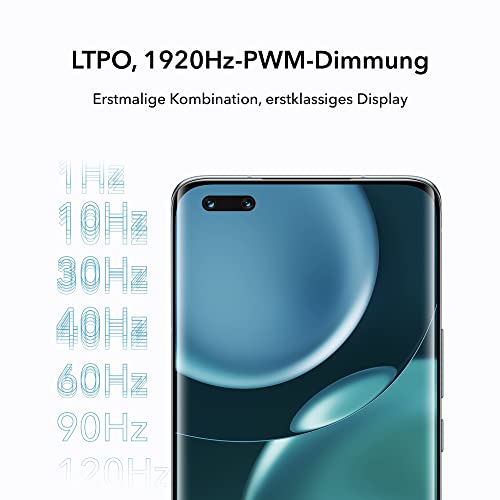
The Honor Magic4 (8GB + 256GB) is a flagship 5G smartphone powered by the high-performance Qualcomm Snapdragon 8 Gen 1 processor. It features a stunning 6.81-inch LTPO OLED quad-curved display with a 120Hz adaptive refresh rate and 1920Hz PWM dimming for reduced eye strain. Photography is a major focus, with a versatile rear triple-camera system that includes 50MP wide, 50MP ultrawide, and an 8MP periscope telephoto lens with 5x optical zoom (or 64MP telephoto with 3.5x optical zoom depending on the specific regional variant), all supporting 4K video recording. A large 4,800mAh (or 4,600mAh for the Pro version) battery is a key feature, especially with its impressive 66W (or 100W on Pro) wired and optional 100W wireless SuperCharge capabilities. Pros include excellent overall performance, a bright and smooth display, powerful and fast charging technology, an IP54 or IP68 water and dust resistance rating (depending on model/region), and the inclusion of Google Play Services. However, cons can include average battery life (despite fast charging), a lack of optical image stabilization (OIS) on the main camera sensor, and no expandable storage via a microSD card slot.

Compare Honor Magic4 (8GB + 256GB) with other smartphones

1Product to compare no. 1
VS
2Product to compare no. 2
VS
3Product to compare no. 3 (optional)

Graphic comparison of Honor Magic4 (8GB + 256GB) and other smartphones

No results found