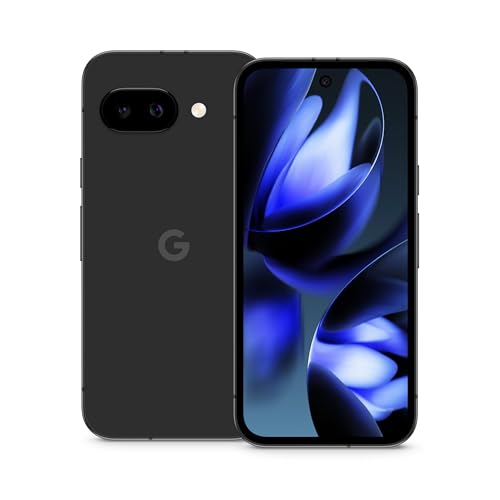
Google Pixel 9 (12GB + 128GB) review. Compare 197 technical specifications and user reviews to see how this product ranks in the Smartphones category and whether it is worth buying.
Overall score
What it is: An overall evaluation of the smartphone's quality, based on technical analyses and user reviews.
When it matters: When you need a quick reference to identify the best smartphones on the market.
Score components:
90.0%
Technical Score
10.0%
User score
Technical Score
What it is: An assessment of the smartphone's technical performance, covering eight key areas: performance & hardware, software, camera, connectivity, display, battery, audio, and design.
When it matters: When you want to compare smartphones based on technical performance and available features.
Score components:
25.0%
Performance & Hardware
18.0%
Camera
15.0%
Display
15.0%
Battery
10.0%
Software
10.0%
Connectivity
4.0%
Audio
3.0%
Design
User score
What it is: A rating that combines user reviews and the total number of reviews received by the smartphone
When it matters: When you want to know how a smartphone handles daily tasks and how reliable it remains over time according to user feedback.
Score components:
70.0%
User reviews
30.0%
Popularity






Available: ranking among products currently available (including other versions of this product).
All: ranking among all products in the database.
#10 in Best Google Phones
#30 in Best Smartphones Under £500
#40 in Best Mid-Range Smartphones
#66 in Best Android Smartphones
#73 in Best Smartphones
#73 in Best NFC Smartphones
#73 in Best 5G Smartphones
#73 in Best AI Smartphones
#211 in Best Value Smartphones
#879 in Best Battery Life Smartphones
What it is: An assessment of the smartphone's technical performance, covering eight key areas: performance & hardware, software, camera, connectivity, display, battery, audio, and design.
When it matters: When you want to compare smartphones based on technical performance and available features.
Score components:
25.0%
Performance & Hardware
18.0%
Camera
15.0%
Display
15.0%
Battery
10.0%
Software
10.0%
Connectivity
4.0%
Audio
3.0%
Design
What it is: A rating that combines user reviews and the total number of reviews received by the smartphone
When it matters: When you want to know how a smartphone handles daily tasks and how reliable it remains over time according to user feedback.
Score components:
70.0%
User reviews
30.0%
Popularity
What it is: An indicator that combines the smartphone's overall rating with its cost.
When it matters: When you are looking for a smartphone with a good balance between quality and price.
Score components:
60.0%
Overall score
40.0%
Price
Importance: MEDIUM
Importance: HIGH
Importance: HIGH
Good value: >12 GB
Importance: HIGH
Good value: >256 GB
Importance: MEDIUM
Good value: >3.2 GHz
Importance: MEDIUM
Importance: HIGH
Good value: >1500
Importance: MEDIUM
Good value: >4000
Importance: MEDIUM
Good value: 8+
Importance: MEDIUM
Importance: MEDIUM
Good value: >950 MHz
Importance: MEDIUM
Good value: >700
Importance: MEDIUM
Good value: >1000
Importance: MEDIUM
Good value: >2500
Importance: MEDIUM
Good value: >6000
Importance: MEDIUM
Good value: >8000
Importance: HIGH
Good value: >12000
Importance: MEDIUM
Good value: >5000
Importance: MEDIUM
Good value: >1800
Importance: MEDIUM
Good value: >3200 MHz
Importance: MEDIUM
Good value: 5
Importance: MEDIUM
Good value: > 50 GB/s
Importance: LOW
Good value: 4
Importance: MEDIUM
Good value: >16 GB
Importance: HIGH
Good value: <6 nm
Importance: MEDIUM
Good value: >9 W
Importance: MEDIUM
Importance: LOW
Good value: >8192 KB
Importance: LOW
Good value: >2048 KB
Importance: LOW
Good value: >512 KB
Importance: MEDIUM
Good value: >100000 million
Importance: LOW
Good value: 3.3
Importance: LOW
Good value: 3.2
Importance: LOW
Good value: 2.0/3.0
Importance: LOW
Importance: MEDIUM
Importance: LOW
Importance: HIGH
Importance: LOW
Importance: HIGH
Importance: LOW
Importance: LOW
Importance: LOW
Importance: LOW
Importance: LOW
Importance: MEDIUM
Importance: LOW
Importance: LOW
Importance: LOW
Importance: LOW
Importance: LOW
Importance: MEDIUM
Importance: MEDIUM
Importance: MEDIUM
Importance: MEDIUM
Importance: MEDIUM
Importance: LOW
Importance: LOW
Importance: MEDIUM
Importance: MEDIUM
Importance: MEDIUM
Importance: MEDIUM
Importance: LOW
Importance: LOW
Importance: LOW
Importance: LOW
Importance: LOW
Importance: LOW
Importance: LOW
Importance: LOW
Importance: MEDIUM
Importance: HIGH
Good value: >50 MP
Importance: HIGH
Importance: HIGH
Good value: >60
Importance: MEDIUM
Good value: ≥1.2 µm
Importance: HIGH
Good value: >2.5x
Importance: HIGH
Importance: LOW
Importance: LOW
Importance: LOW
Importance: LOW
Good value: ≥2
Importance: LOW
Importance: LOW
Importance: HIGH
Importance: HIGH
Good value: >16 MP
Importance: MEDIUM
Importance: LOW
Importance: LOW
Importance: LOW
Importance: MEDIUM
Importance: MEDIUM
Importance: LOW
Importance: LOW
Importance: LOW
Importance: MEDIUM
Importance: LOW
Importance: MEDIUM
Importance: MEDIUM
Importance: MEDIUM
Importance: LOW
Importance: LOW
Importance: LOW
Importance: LOW
Importance: MEDIUM
Importance: LOW
Importance: LOW
Importance: LOW
Importance: LOW
Importance: LOW
Importance: LOW
Importance: MEDIUM
Good value: >130
Importance: MEDIUM
Good value: >120
Importance: MEDIUM
Good value: ≥2
Importance: LOW
Importance: MEDIUM
Importance: HIGH
Importance: HIGH
Importance: MEDIUM
Importance: LOW
Good value: >5.2
Importance: MEDIUM
Importance: LOW
Importance: MEDIUM
Importance: LOW
Good value: 3.1/3.2
Importance: LOW
Importance: LOW
Importance: LOW
Good value: ≥2
Importance: LOW
Importance: MEDIUM
Importance: LOW
Importance: HIGH
Importance: LOW
Importance: LOW
Importance: LOW
Importance: LOW
Importance: LOW
Importance: LOW
Importance: LOW
Importance: LOW
Importance: LOW
Importance: LOW
Importance: LOW
Importance: MEDIUM
Good value: ≥6.6 inches
Importance: HIGH
Importance: HIGH
Good value: >400 ppi
Importance: HIGH
Importance: HIGH
Good value: ≥120 Hz
Importance: HIGH
Importance: MEDIUM
Good value: >300 Hz
Importance: MEDIUM
Good value: >800 nits
Importance: MEDIUM
Good value: >1300 nits
Importance: MEDIUM
Good value: >1000 nits
Importance: MEDIUM
Importance: MEDIUM
Importance: LOW
Importance: LOW
Importance: MEDIUM
Importance: LOW
Importance: LOW
Importance: HIGH
Importance: HIGH
Good value: >5000 mAh
Importance: HIGH
Good value: >60 W
Importance: MEDIUM
Importance: MEDIUM
Good value: <45 min
Importance: MEDIUM
Importance: LOW
Good value: >40 W
Importance: LOW
Importance: LOW
Good value: >10 W
Importance: LOW
Importance: HIGH
Importance: MEDIUM
Importance: MEDIUM
Good value: >800
Importance: LOW
Importance: LOW
Importance: MEDIUM
Importance: LOW
Importance: MEDIUM
Good value: ≥3
Importance: LOW
Importance: LOW
Importance: MEDIUM
Importance: LOW
Importance: MEDIUM
Importance: LOW
Importance: LOW
Good value: <162 mm
Importance: LOW
Good value: <75 mm
Importance: LOW
Good value: <8 mm
Importance: MEDIUM
Good value: <190 g
Importance: LOW
Good value: <98cm³
Importance: LOW
Importance: LOW
Importance: LOW
Importance: LOW
Importance: MEDIUM
Importance: LOW
Good value: ≥1.5 m
Importance: LOW
Importance: MEDIUM
Good value: >8
Importance: LOW
Importance: LOW
Importance: HIGH
Importance: MEDIUM
Importance: HIGH
Good value: >60
Importance: MEDIUM
Importance: MEDIUM
Good value: >800 nits
Importance: MEDIUM
Good value: >1300 nits
Importance: LOW
Good value: >2048 KB
Importance: LOW
Importance: HIGH
Good value: >256 GB
Importance: MEDIUM
Good value: ≥6.6 inches
Importance: LOW
Importance: MEDIUM
Importance: LOW
Good value: >40 W
Importance: HIGH
Good value: >5000 mAh
Importance: HIGH
Good value: >16 MP
Importance: HIGH
Good value: >60 W
(Reviews last updated: August 2026)
(Reviews last updated: August 2026)
Based on the review, here is a three-paragraph summary of the Google Pixel 9 experience: The Google Pixel 9 represents a significant design shift, moving toward an iPhone-like aesthetic with rounded corners and flat frames that the reviewer found sturdy and "handy" over time. While the Porcelain white finish was a highlight, the build quality raised some durability concerns. Despite the use of Gorilla Glass Victus 2, the screen suffered a noticeable scratch from a minor drop on a wooden desk, leading the reviewer to suggest that tougher protection like Gorilla Glass Armor would have been preferable. In terms of performance, the Pixel 9 addressed long-standing "dealbreaker" issues from previous generations. The inclusion of the Exynos 5400 modem provided reliable cellular reception, a major win over the bug-prone Pixel 8. Daily tasks were handled smoothly without major bugs, though the device does overheat under heavy loads and is not recommended for intense gaming. Additionally, while the UI animations are smooth, the overall software speed feels slightly "dialled down" compared to snappier competitors like Samsung or OnePlus.
The Irish Mirror characterizes the Google Pixel 9 as a refined, "iPhone-like" evolution featuring a premium design with a matte back and bright 6.3-inch Actua display. Key strengths include an upgraded 48MP ultrawide camera with macro capabilities, unique AI tools like "Add Me," and seven years of software support. However, the device suffers from slow charging speeds, lacks a dedicated telephoto lens, and the Tensor G4 chip can overheat during intense usage.
The Google Pixel 9 is defined as a solid flagship with a 2,700-nit Actua display and significantly improved, long-lasting battery life. Despite these improvements, the device faces criticism for a $100 price increase and a less ergonomic, slippery, flat-edged industrial design. Furthermore, the review highlights that the Tensor G4-powered device focuses heavily on "gimmicky" AI features, such as "Add Me," rather than raw performance, which lags behind competitors.
The Google Pixel 9 features a refined, flat aluminum design with an improved, brighter 6.3-inch OLED display, as detailed in the review from The GATE. Performance is enhanced by the Tensor G4 chip and 12 GB of RAM, driving new AI capabilities like the "Add Me" photo feature. Key strengths include a high-quality 50 MP main camera and an upgraded 48 MP ultrawide sensor with Macro Focus. TheGATE.caDespite these improvements, the review notes the absence of a dedicated telephoto lens, which is reserved for the Pro model. Other drawbacks include limited base storage and the fact that the 45W charger required for faster charging is sold separately. TheGATE.ca
The Pixel 9 is described as a highly polished, premium device representing a significant evolution in design and performance, featuring an improved, grippy matte chassis and a faster ultrasonic fingerprint scanner. Key advantages include the snappier daily experience driven by the Tensor G4 chip, 12GB of RAM, and the optimizations in Android 15, which collectively improve battery life and system fluidity. Despite its strengths, the device is held back by the use of older UFS 3.1 storage and the absence of a dedicated telephoto camera lens, which is more noticeable in the current lineup. Additionally, the glossy back panel is noted as a design drawback, and the phone sometimes struggles to justify its $799 price point when compared to the feature-rich Pixel 9 Pro. While the Pixel Screenshots app and AI tools like Magic Editor provide a superior software experience, issues persist with the disparity between the camera viewfinder and final image processing. The device is ultimately considered a fantastic, albeit expensive, option that offers the best "non-Pro" Pixel experience to date.
The Lifehacker review highlights the Google Pixel 9 as a standout, premium base model that often renders the Pro version unnecessary due to its improved design, 35% brighter display, and capable 48MP ultrawide lens. While the phone boasts exceptional battery life, lasting over 22 hours in testing, it suffers from software-locked features—such as 50MP mode—and underbaked "Add Me" AI, which often produces flawed images. Despite strong performance in daily tasks, the Tensor G4 chip causes significant overheating during intense gaming, making the device uncomfortable to hold.
The Google Pixel 9 features a refined, ergonomic design with flat sides and a 6.3-inch Actua display that hits 2,700 nits, though it is prone to fingerprint smudges. Performance is boosted by a 12GB RAM/Tensor G4 combination and an improved modem that eliminates prior connectivity issues, according to Android Headlines. The camera system shines with a 50MP main sensor, new AI tools like "Add Me," and improved battery life, but is limited by slow 27W charging and a lack of Pro-exclusive features.
The Mashable SEA review characterizes the Google Pixel 9 as a high-quality device hindered by excessive, often unnecessary AI features that feel like bloatware. While the hardware is impressive, the core critique focuses on the forced nature of AI tools like "Add Me" and weather summaries, which prioritize demonstrating AI capability over solving user problems. Key strengths include outstanding battery life exceeding 19 hours, a vibrant 2,700-nit display, a superior 48MP ultrawide camera, and the useful "Pixel Screenshots" feature. Conversely, the device suffers from a less ergonomic, flat-edged design, and the Tensor G4 chip/12GB RAM combo fails to outpace older competitors like the Galaxy S23 in benchmarks. The review notes a price hike to $799, stripping away the competitive advantage of affordability. Ultimately, the review concludes that while it is a functional phone, its identity is overshadowed by over-engineered AI additions.
Digital Trends’ review highlights the Google Pixel 9 as a major refinement in build quality and design, featuring a durable, premium feel with a brighter 6.3-inch Actua display and a faster ultrasonic fingerprint sensor. The device excels with a highly efficient Tensor G4 chip, providing better thermals and reliable all-day battery life, alongside a capable 48MP ultrawide camera that delivers cleaner, more accurate, and versatile photos. While praised for its fluid software experience and seven-year update commitment, the review notes drawbacks including a $100 price increase and the lack of a dedicated telephoto lens compared to competitors. Additionally, the Pixel 9 still relies on slower 27W wired charging, and while some AI features are useful, others are dismissed as "underbaked" gimmicks.
The 9to5Google review highlights the Pixel 9 as a significant, high-quality redesign featuring a 6.3-inch display, flatter aluminum sides, and improved durability with Gorilla Glass Victus 2. Key pros include a fast, accurate ultrasonic fingerprint sensor, a 2,700-nit Actua display, and improved, snappy performance from the Tensor G4 chip and 12GB of RAM. However, cons include a $100 price increase to a $799 starting point and slow 27W wired charging. While battery life is solid, the lack of a dedicated telephoto camera and the higher price point make it a premium device that is overshadowed by the nearby price of the Pro model.
In a one-year review, the Google Pixel 9 is praised for its premium, comfortable build, reliable Tensor G4 performance, and consistent all-day battery life, though charging remains slow. However, the device faces criticism for lacking a telephoto lens and limiting advanced AI/camera features to the Pro model, while the display durability proved lower than expected. Ultimately, at a $799 price point, the Pixel 9 is deemed a tough sell compared to the Pixel 9 Pro or upcoming alternatives, making it a "fine" phone that is best bought at a discount.
The Google Pixel 9 features a premium redesign with flat metal frames, a "floating" camera bar, and a significantly brighter 120Hz display. It includes an upgraded, faster ultrasonic fingerprint sensor, 12GB of RAM, and the Tensor G4 chipset, which supports enhanced on-device AI capabilities. Pros highlighted include improved battery life, excellent haptics, and new camera features like "Add Me" for group shots. However, the device faces cons such as a $100 price increase, a lack of a dedicated telephoto lens compared to competitors, and the restriction of some "Pro" features to higher-end models. Additional criticisms include slow charging speeds and a 128GB base storage option that feels outdated for a 2025 flagship. Despite these drawbacks, the device is considered a solid, high-quality offering in the premium, non-pro market segment.
The Google Pixel 9 elevates its design to a premium level, featuring a refined build with a 6.3-inch OLED display that reaches 2700 nits. It is equipped with a 50MP main camera and a 48MP ultrawide, delivering exceptional photo quality, alongside new AI features like the "Add Me" photo tool. While the Tensor G4 chip ensures efficient daily use, the device faces limitations with a slower 27W charging speed and a higher price point that rivals top-tier competitors.
In a review, the Google Pixel 9 is described as achieving an "ideal Android iPhone experience" with harmonious hardware and software. It is praised for its reliable 4,700 mAh battery, premium design, 6.3-inch OLED screen with a 120Hz refresh rate, and 50MP main and 48MP ultrawide cameras. However, the review notes the Google Tensor G4 chipset lags behind rivals in raw power and observed occasional app crashes, stutters, and limitations in 27W wired charging speed and camera bokeh edge detection.
The Pixel 9 review from Moor Insights & Strategy highlights Google's shift to a premium hardware-centric approach, praising the device's satin finish and durable design. While the custom Tensor G4 chip efficiently handles AI tasks, it doesn't lead in gaming benchmarks. The phone's strengths include AI integration, such as the Add Me feature and AI-driven Satellite SOS, and strong camera performance, though a $100 price increase and some Pro-exclusive AI features are noted as potential drawbacks. The review also commends the Pixel 9's 7-year update commitment and ultrasonic fingerprint sensor, noting solid battery life despite slower charging speeds compared to some competitors.
The Google Pixel 9 is deemed a capable smartphone with significant improvements over its predecessor, potentially negating the need for the Pro version for most users. It features an excellent design, a brighter 6.3-inch display with thin bezels, and a high-quality camera system with 50MP main and 48MP ultrawide lenses. A major pro is its improved battery life, lasting over a day with a 4,700 mAh capacity, along with faster biometrics and seven years of software updates. However, the Pixel 9 has cons, including a Tensor G4 processor that performs poorly in benchmarks compared to rivals, although daily use is smooth. The main camera lacks optical zoom, using only digital zoom up to 8x, and its 27W wired charging is slower than some competitors. The glossy back is also prone to fingerprints.
The Google Pixel 9 is described as Google's best non-Pro flagship to date, featuring a premium build, comfortable 6.3-inch Actua display, and a strong camera system with a 50MP main and 48MP ultrawide sensor. Pros include exceptional photo quality, the "Add Me" AI feature, and seven years of software support, while cons include the lack of a telephoto lens and exclusive Pro features. Despite having a fast fingerprint sensor and solid battery life, the review notes the Pixel 9's processing power lags behind competitors and its £800 price tag is difficult to justify compared to the more affordable Pixel 8a and the superior Pixel 9 Pro.
MobileSyrup's review states the Google Pixel 9 is Google's best-engineered smartphone with a premium build, improved display, and a faster fingerprint scanner, alongside an upgraded ultrawide camera, excellent thermal stability, and better battery life. However, the device's Tensor G4 chip lags behind competitors in performance, and its significantly increased price point, coupled with only 128GB of base storage and advanced AI features locked behind a subscription, make it a difficult recommendation despite being "the best Pixel yet".
The Google Pixel 9 features a new design, excellent camera, and strong battery life, but its performance weaknesses and high price make it difficult to recommend at full cost. While the display is vibrant and competes well, the Tensor G4 chipset lags behind competitors, impacting multitasking and raising concerns about long-term performance and software updates.
According to a CNET review, the Google Pixel 9 is highlighted for its premium design, all-day battery life, and reliable camera system, rather than its generative AI features. Pros include an iPhone-like aesthetic, an upgraded 48-megapixel ultrawide camera, seven years of software updates, and practical AI tools like Add Me and Pixel Screenshots. However, cons include a $799 starting price ($100 more than its predecessor), the lack of a dedicated telephoto lens compared to competitors like the Samsung Galaxy S24, and AI tools that are not considered essential for an upgrade unless coming from an older model.
The Google Pixel 9 and 9 Pro XL feature a redesigned aesthetic with flatter edges, a new camera island, and a strong focus on on-device AI capabilities via the Tensor G4 chip. While the Pro XL offers a 6.8-inch display and the standard a 6.3-inch screen, both models excel in photo editing with new tools like "Add Me" and "Reimagine". SpiegelThe camera systems remain a highlight, boasting a 50MP main sensor, improved 48MP ultra-wide, and a 42MP selfie camera on the Pro model. Battery life has seen improvements across the series. SpiegelHowever, the devices lag behind competitors in high-end gaming performance and face criticism for slow 37W charging. Additionally, the 128GB base storage is considered inadequate for a phone intended for a seven-year update lifespan. SpiegelDismissMore input optionsMicrophoneStopStartSendAsk about
The Google Pixel 9 is a refined, premium device featuring a standout 6.3-inch Actua OLED display with 2,700 nits peak brightness, though it lacks an LTPO panel for advanced power management. Camera performance is a highlight with an improved 48MP ultra-wide lens and AI features like "Add Me," while the lack of a dedicated telephoto lens limits zoom capabilities. Powered by the Tensor G4 chip with 12GB of RAM, the device offers excellent battery life lasting up to two days, despite 27W charging speeds that lag behind competitors.
According to the Tages-Anzeiger review, the Google Pixel 9 series features a premium design with flat edges, a redesigned camera bar, significantly brighter displays, and improved battery life, particularly on the base model. The devices heavily emphasize AI tools like "Add Me" and the Pixel Screenshots app, along with a seven-year software support commitment. However, the Tensor G4 chip lacks the raw power for high-end gaming compared to competitors, and the Pixel 9 Pro Fold's camera hardware is inferior to the Pro models, despite its improved, thinner design. The base Pixel 9 lacks a telephoto lens, while the Pro XL, hailed as the best "candybar" phone, can feel large and heavy.
The Google Pixel 9 is hailed as a refined, top-tier smartphone in the €800 range, addressing previous shortcomings with a brighter 6.3-inch display, improved design, and a faster ultrasonic fingerprint sensor. Performance is boosted by the economical Tensor G4 chip and a larger 4,700 mAh battery, resulting in over 15 hours of battery life and smooth daily operation, despite lower benchmark scores than competitors. Key drawbacks include the absence of a dedicated telephoto lens, only moderate camera improvements over the Pixel 8, and relatively slow charging speeds.
The Clubic review positions the Google Pixel 9 as a premium, highly refined flagship featuring a durable design with Gorilla Glass Victus 2 and an IP68 rating, plus a bright 6.3-inch OLED display. Key advantages include its compact, ergonomic form factor, excellent camera quality from the 50MP main/48MP ultrawide sensors, and advanced AI features powered by the Tensor G4 chip and 12GB of RAM. Performance, however, is a notable constraint, as the Tensor G4 lags behind competitors like the Samsung Galaxy S24 in raw power, potentially limiting gaming performance. Furthermore, the device faces criticism for its slow 27W charging speed and a 128GB base storage configuration that feels restrictive for a high-end device. Finally, while the battery provides all-day longevity, the overall value proposition is impacted by the fact that some advanced AI features require a subscription. Despite these limitations, the Pixel 9 is described as a versatile "all-rounder" that bridges the gap between standard and Pro models.
The Google Pixel 9 narrowly edges out the Samsung Galaxy S24 due to superior display quality, advanced connectivity (Wi-Fi 7), and better photo performance, with a brighter 6.3-inch OLED screen. Conversely, the Galaxy S24 offers better value, greater portability (167g vs 198g), and a dedicated 3x telephoto lens for increased shooting flexibility. While the Pixel 9 boasts a larger battery, the S24 is praised for its efficiency and significantly lower price point.
The Digitec review by Lorenz Keller positions the Google Pixel 9 as a refined, high-quality device that makes the "Pro" version feel largely unnecessary, thanks to its improved, brighter 6.3-inch screen and a durable, premium build. Key performance improvements include better battery life from the 4,700 mAh cell and Tensor G4 chip, along with a significantly faster, more reliable ultrasonic fingerprint sensor. While the camera system is highly capable and includes improved selfie autofocus, the device lacks a dedicated optical zoom lens, and its 27W wired charging is relatively slow. Overall, the Pixel 9 is deemed a complete, top-tier smartphone for around 800 francs, offering seven years of software updates. It is highlighted as the best choice for everyday use, with its main competition coming from within Google's own range, specifically the Pro or the 8a.
According to L’Éclaireur Fnac’s lab test, the Google Pixel 9 features a premium, ergonomic build with IP68 certification and high-quality speakers, though its 6.3-inch Actua OLED display is deemed a weak point despite 2,700 nits peak brightness. Powered by the Tensor G4 and 12GB of RAM, it offers smooth performance and advanced AI features, alongside a 50MP main and 48MP ultrawide camera that deliver sharp, true-to-life images. However, the device is prone to overheating during intensive tasks, and suffers from slow 27W charging, no telephoto lens, and inconsistent display performance compared to rivals.
The 01net review highlights the Google Pixel 9 as a refined, premium device featuring a durable, iPhone-like design, a bright 6.3-inch Actua display, and 12GB of RAM that boosts multitasking capabilities. It is praised for its superior camera system, particularly the improved 48MP ultrawide sensor, and a faster ultrasonic fingerprint sensor, though the Tensor G4 chip lags behind competitors in raw performance and gaming benchmarks. While offering a seven-year software support promise, the device is held back by a higher price point, slow 27W charging, and the absence of a dedicated telephoto lens.
The Google Pixel 9 earns a 4/5 star rating from Les Numériques, featuring a refined design with flat edges and a highly bright 6.3-inch Actua OLED display. Key pros include exceptional color accuracy (Delta E 0.68) and a robust, modern aesthetic, though it lacks the LTPO tech found on Pro models. The camera system, featuring an upgraded 48MP ultrawide, provides excellent HDR performance, but the absence of a dedicated telephoto lens is noted as a drawback. Performance is powered by the Tensor G4 with 12GB of RAM, offering reliable daily usage, while the two-day battery life outperforms competitors like the iPhone 15. However, slow 27W charging and the lack of an included charger are highlighted as cons.
The Frandroid review rates the Google Pixel 9 as a strong 7/10 flagship, praising its premium flat-edged design and bright 6.3-inch Actua OLED display. Key strengths include improved battery life and a capable camera system featuring an upgraded 48MP ultrawide sensor. However, the review notes the lack of a dedicated telephoto lens and a notable price increase over the previous model as significant drawbacks. Performance-wise, the Tensor G4 chip lags behind competitors in raw power and gaming, although daily usage remains smooth. The device faces stiff competition at its new price point, especially considering it lacks certain "Pro" exclusive AI features. Ultimately, the Pixel 9 is considered a solid, stylish device that is held back from a higher score by its price-to-performance ratio.
The Hipertextual review highlights the Google Pixel 9 as a significant, premium redesign boasting a "sublime" camera system, positioning it as a new leader in mobile photography with an improved 6.3-inch Actua display and faster ultrasonic sensor. While praise is given to the clean Android software and optimized AI features, the analysis points to a notable price increase and a Tensor G4 chip that lacks the raw benchmark power of its main competitors. Cons also include the absence of a dedicated telephoto lens and relatively slow 27W charging, marking this entry-level flagship as a more expensive, albeit refined, device.
The Google Pixel 9 series features a refined design with a new camera visor, an improved ultrasonic fingerprint scanner, and very bright displays, though it lacks Qi2 charging support and starts with limited storage on Pro models. Performance is solid, with the Pro models featuring a vapor chamber for better cooling, though the Tensor G4 chip lags behind competitors in raw benchmarks and battery life is reliable but not market-leading. The camera system excels with a 5X telephoto lens and new AI features like "Add Me," while AI tools like Reimagine raise ethical concerns and the series comes at the highest price point yet.
The Google Pixel 9 is praised for delivering a high-quality, premium experience that makes the Pro model unnecessary for most users, featuring a refined design with a 2,700-nit Actua display and a fast ultrasonic fingerprint sensor. Significant upgrades include a 48 MP ultra-wide lens, improved battery life lasting over 15 hours, and 12 GB of RAM, all supported by a seven-year update policy. While lacking the raw processing power of competitors and advanced telephoto capabilities, the device is considered an excellent value, though it charges at a relatively slow 27W.
The Everyeye.it review describes the Google Pixel 9 as a premium-designed device, featuring flat aluminum edges, a refined camera visor, and a 6.3-inch Actua OLED display that reaches 2,700 nits. Key pros include the Tensor G4 chip with 12GB of RAM for fluid performance, a faster ultrasonic fingerprint sensor, and enhanced camera capabilities, such as a new 48MP ultrawide lens and the "Add Me" AI feature. However, the review outlines several cons, noting that advanced AI features are often locked behind subscriptions or higher-tier Pro models, and the base model lacks a dedicated telephoto lens, relying on digital zoom. Additionally, charging speeds are relatively slow at 27W, and the 128GB base storage is considered insufficient for a high-end device.
According to a Corriere della Sera review, the Google Pixel 9 marks a shift towards a premium, mainstream Android device that acts as a direct competitor to the iPhone 16. The device is highlighted for its compact, refined build and genuinely useful, deep AI integration that enhances daily usability. While praised for its mature software experience, the review notes the Tensor G4 processor falls short of top-tier performance benchmarks, and some key AI features are not yet fully available in Italy.
The Google Pixel 9 features a significant redesign with a refined camera island, a premium recycled aluminum frame, and a notably bright 6.3-inch Actua OLED display (2,700 nits). Camera performance remains a highlight, utilizing a 50MP main sensor, an upgraded 48MP ultrawide, and AI tools like "Add Me" for group shots, though it lacks a dedicated telephoto lens. Despite high praise for the display and build quality, the Tensor G4 chipset lags in raw performance compared to competitors, particularly in gaming, and certain AI features are exclusive to the Pro models.
The Google Pixel 9 is lauded as a top-tier, compact Android flagship with a 6.3-inch Actua display, featuring a refined design, excellent build quality, and superior ergonomics. It is powered by the Tensor G4 chip, prioritizing AI integration and everyday fluidity, complemented by a robust camera system and a remarkable 7-year software update guarantee. While highly praised, the device's primary drawbacks include a high price point and evolutionary rather than revolutionary hardware upgrades, prompting suggestions to monitor for price drops.
Tweakers' review of the Google Pixel 9 and 9 Pro XL highlights a significant leap in hardware quality, noting a refined, durable design and one of the brightest displays they have tested on the 9 Pro XL. Key advantages include an exceptional camera system across all lenses, a "clean" Android experience, and a seven-year update commitment. However, the Tensor G4 chipset lacks the raw power of competitors, and charging speeds, while improved, still trail some rivals. Despite premium pricing, the Pixel 9 Pro XL is considered a top-tier competitor to Apple and Samsung, offering significantly improved battery life compared to its predecessor.
The TechnologyInsider review by Frank Everaardt describes the €899 Google Pixel 9 as a compact, 6.3-inch device boasting a premium build, high-quality Actua OLED display, and seven years of software support. It features the Tensor G4 chip with 12GB of RAM for AI-driven tasks and improved cameras, including a 48MP ultrawide sensor and an autofocus selfie camera. While performance is smooth, the Tensor G4 lags in benchmarks compared to competitors, and the device lacks a dedicated telephoto lens, features slower 27W charging, and has a smaller battery capacity than some rivals.
The Google Pixel 9, reviewed by TechFi, is a premium device featuring top-tier construction with a matte metal frame, a vibrant 6.3-inch Actua display, and a highly improved ultrasonic fingerprint sensor. The device boasts strong performance with 12GB of RAM, an upgraded 48MP ultrawide camera, and excellent battery life, according to analysis. However, the phone faces criticism for its €100 price increase and a boxy design that is less comfortable to hold than its predecessor. Furthermore, the Tensor G4 chip lags behind competitors in raw power, and the device lacks a dedicated telephoto lens.
The Tweakers.net review of the Google Pixel 9 highlights a refined, durable design featuring Gorilla Glass Victus 2 and a highly bright 6.3-inch Actua display. A significant upgrade is the faster, more reliable ultrasonic fingerprint sensor, though the device lacks a dedicated telephoto lens compared to competitors. While the Tensor G4 chip improves power efficiency and battery life, it falls behind in raw performance and gaming stability. Value for money is a concern due to a price increase, with notable cons including slow 27W charging, 128GB base storage, and AI features requiring subscriptions. Conversely, pros include seven years of software support and excellent camera performance.
The Google Pixel 9 Pro XL introduces a modern, high-end design featuring flat edges, a distinct camera bar, and a vibrant 6.8-inch Super Actua OLED display that offers excellent brightness. The device is equipped with an ultrasonic fingerprint sensor for fast unlocking and runs on the Tensor G4 chip, providing a smooth, user-friendly experience. The camera system stands out with high-quality 50MP and 48MP lenses, complemented by new AI features, and the battery shows significant improvement, lasting over a full day. However, the phone falls behind competitors in raw performance, particularly during intensive gaming. It is also heavy and large, which may make it uncomfortable to hold for long periods, and it features slow charging speeds compared to its rivals. Despite its impressive features, the high price point makes the device harder to justify in a crowded flagship market.
The Pixel 9 series, featuring the 9, 9 Pro, and 9 Pro XL, marks a shift toward a premium, flat-edged design with significantly upgraded M4 OLED displays that offer exceptional brightness. While the Tensor G4 chip lacks top-tier benchmark performance, it delivers improved efficiency and better thermal management, complimented by a faster, more reliable ultrasonic fingerprint scanner. Key advantages include superior camera performance—highlighted by a new 50MP ultrawide sensor and improved telephoto capabilities—and a seven-year software support promise. Despite these improvements, charging speeds remain slow compared to competitors, and the base Pixel 9 lacks both a dedicated telephoto lens and an LTPO display. Furthermore, the substantial price increase forces the devices into direct competition with top-tier Apple and Samsung models. The "AI-first" features, while innovative, are often restricted by regional availability or future subscription requirements, reducing the overall value proposition.
The Google Pixel 9 features a refined, industrial design with flat edges, Gorilla Glass Victus 2, and a faster ultrasonic fingerprint sensor. It boasts a highly bright 6.3-inch Actua display, improved AI capabilities via the Tensor G4 chip, and better battery life compared to its predecessor. However, the device lacks a dedicated telephoto lens, has slower 27W charging, and faces increased competition regarding its price point.
The Google Pixel 9 features a refined, premium design with a high-quality glass back and flat aluminum edges, featuring an iconic camera island that prevents wobbling. Its display offers exceptional brightness, while the camera delivers superior point-and-shoot quality alongside a clean software experience. However, the Tensor G4 chipset leads to performance flaws, including thermal issues under heavy load and a mediocre battery life of approximately five hours screen-on time. Additionally, the €100 price increase to €899 makes the device less competitive, with many AI features feeling iterative rather than revolutionary. The review concludes that while the Pixel 9 is a solid device, it faces stiff competition from the Samsung Galaxy S24 and OnePlus 12. Due to the high cost, the recommendation is to wait for a price drop or purchase the more cost-effective Pixel 8.

Compare