
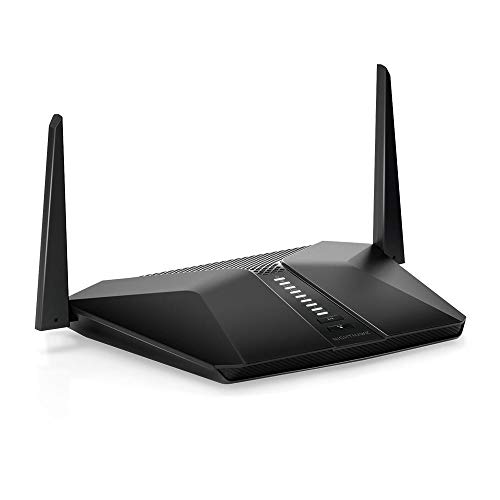
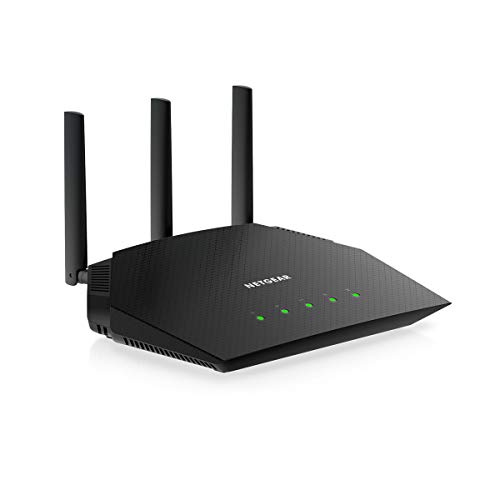
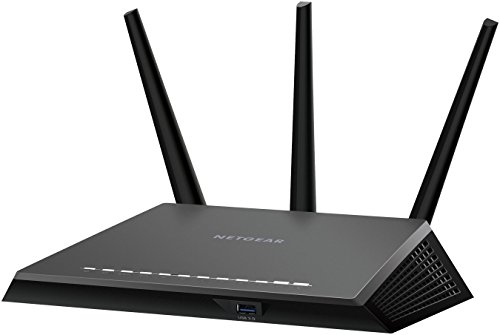
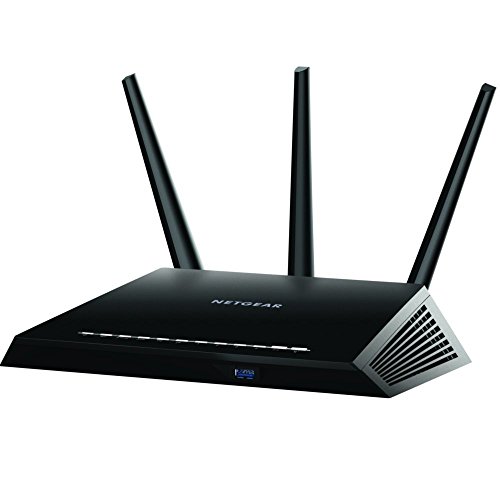
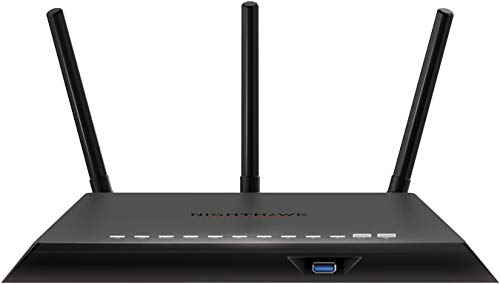
Are Netgear routers good?
Netgear routers have an average overall score of 7.8, ranking #4 among all router brands, and a user rating of 8.9, placing them at #8 based on user reviews.
Netgear routers are reliable and perform well for most home and small business networks. They deliver fast Wi-Fi speeds and support multiple devices. Many models include robust security features like WPA3 encryption and automatic firmware updates.
Netgear routers are user-friendly, with easy setup through a mobile app or web interface. They provide consistent performance for streaming, gaming, and browsing. Compatibility with modern standards like Wi-Fi 6 ensures high-speed connections and reduced latency.
The best Netgear routers are as follows.
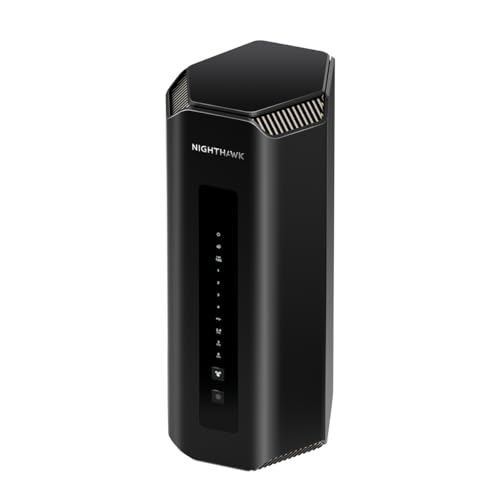
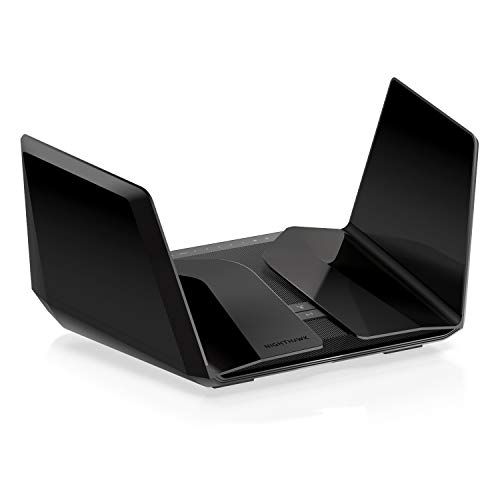
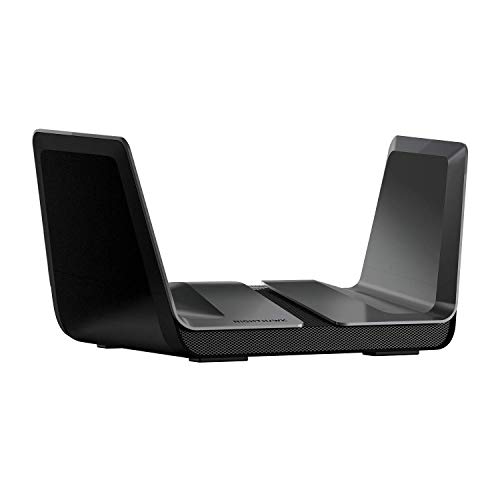
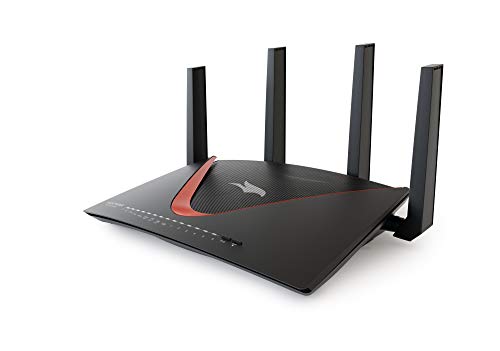
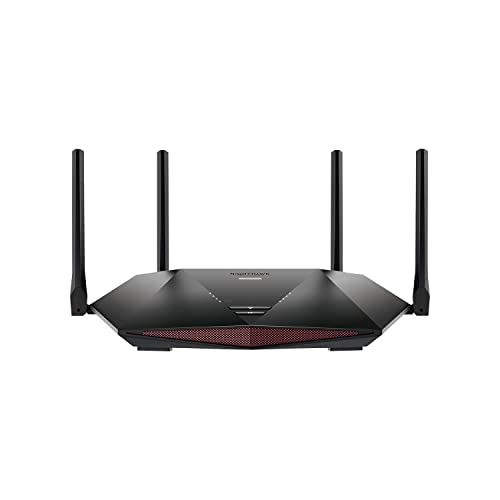
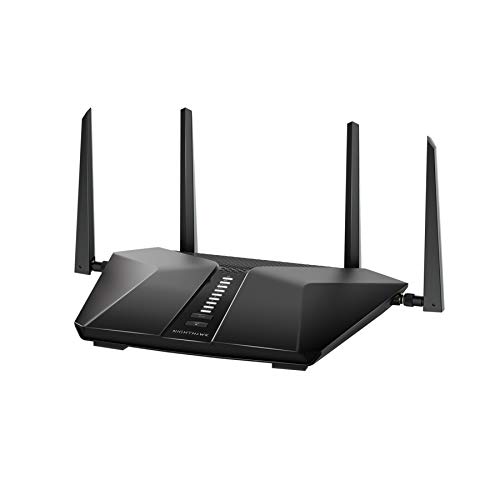
- Netgear Nighthawk RS700S (Overall score: 8.26 points)
- Netgear Nighthawk RAXE300 (Overall score: 8.12 points)
- Netgear Nighthawk RAXE500 (Overall score: 8.07 points)
The chart below ranks router brands by average overall score.
[horizontal-chart-12358809363490758653123200512821428302133513557861]
What are the main advantages of Netgear routers?
The main advantages of Netgear routers are as follows.
- High speed support: Netgear routers support Wi-Fi 6 with speeds up to 10.8 Gbps on tri-band models, which suits households with multiple 4K streams and online gaming at the same time. They also reduce latency with advanced QoS for stable connections.
- Wide coverage: Mesh-ready models like Orbi cover up to 560 m² with a single system. Additional satellites extend coverage without dead zones, which is effective for multi-floor houses or large apartments.
- Strong security features: Netgear Armor integrates Bitdefender protection for all connected devices. It includes automatic updates and real-time threat detection, which helps block malware, ransomware, and phishing attacks.
- Multi-device handling: Routers support up to 50–100 devices at once without performance drops (depending on the model). OFDMA and MU-MIMO technologies distribute bandwidth efficiently among smartphones, PCs, and smart home devices.
- Easy setup and management: The Nighthawk app enables quick installation through a smartphone in under 10 minutes. It also manages parental controls, speed tests, and firmware updates in a single interface.
- Advanced customization: Enthusiast models include VLAN support, VPN passthrough, port forwarding, and gaming optimization features. These give flexibility to professionals and gamers who need more control over their network.
What are the main disadvantages of Netgear routers?
The main disadvantages of Netgear routers are as follows.
- The disadvantages of Netgear routers are as follows:
- Higher price: High-end models such as Orbi Wi-Fi 6 and Nighthawk AX12 cost 300–£550, which is more than many competitors with similar coverage.
- Bulky design: Some tri-band and gaming models use large antennas and heavy builds, which take space and are less discreet in home setups.
- Limited free security: Netgear Armor includes only a short trial, and users must pay an annual subscription of about £60 for continued protection.
- Firmware stability: Some models receive frequent updates that improve performance, but certain releases caused bugs and temporary Wi-Fi drops reported by users.
- Heat and power use: High-performance models consume more energy and can run hot under heavy load, which may reduce hardware lifespan if ventilation is poor.
Who makes Netgear routers?
Netgear, Inc. designs and sells Netgear-branded routers.
The company is an American networking vendor founded in 1996 as a subsidiary of Bay Networks and spun off in 2002; headquarters sit in San Jose, California, and it reports public results on NASDAQ under the ticker NTGR.
Netgear focuses on consumer and SMB networking gear (routers, mesh systems, switches, modems, access points), and it contracts manufacturing to original design manufacturers rather than running its own fabs.
How popular are Netgear routers?
Netgear routers are among the leading brands worldwide, with shipments in 2024 estimated at around 10 million units and a global market share of about 6 %, which placed the company in the global top 5 vendors. The Nighthawk series remained strong in the premium segment, while Orbi mesh systems gained popularity in households and small offices.
Netgear performed best in North America, where its share reached about 15 %, while in Europe it stayed near 7 % and in Asia closer to 3 %.
What are the main Netgear router series?
The main Netgear router series are as follows.
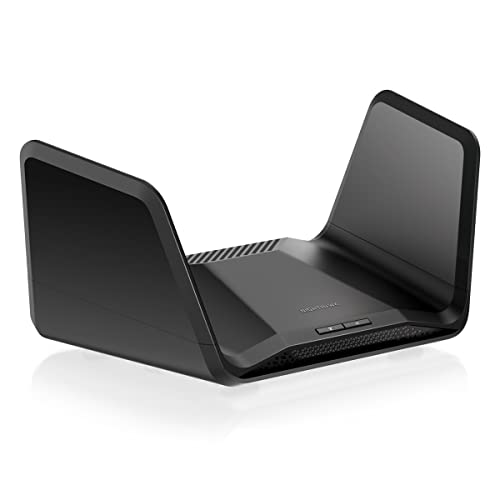
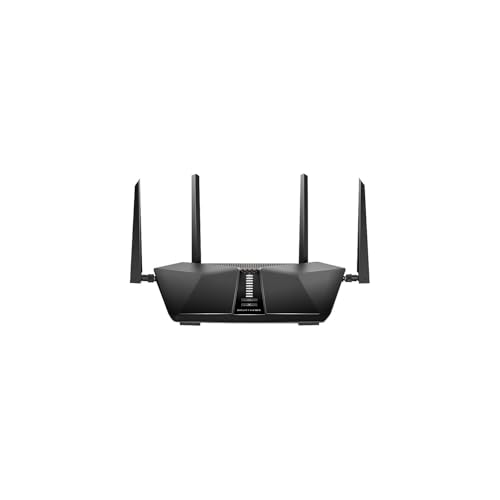
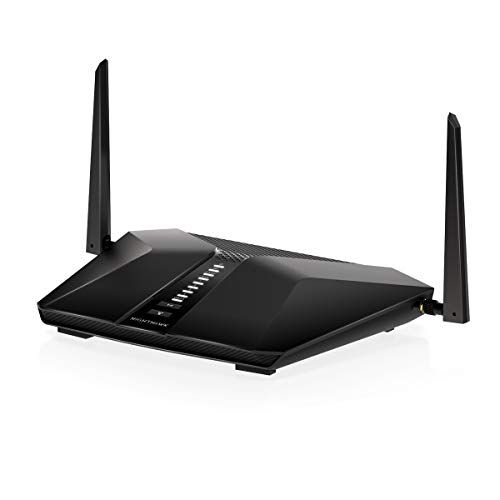
- Nighthawk series: High-performance routers built for gaming, streaming, and heavy usage. They support Wi-Fi 6 and Wi-Fi 7 models, high speeds, multiple antennas, and advanced features like QoS and gaming optimization. These routers target power users and households with many connected devices.
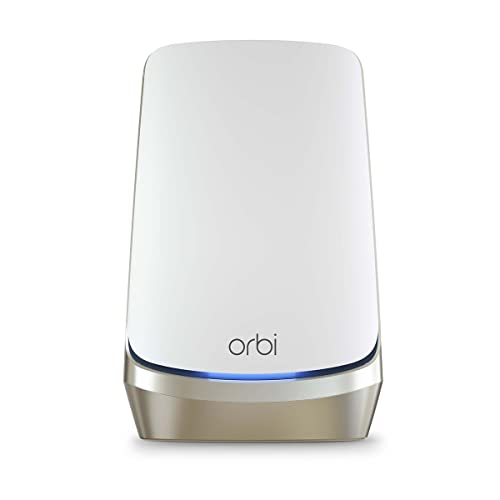
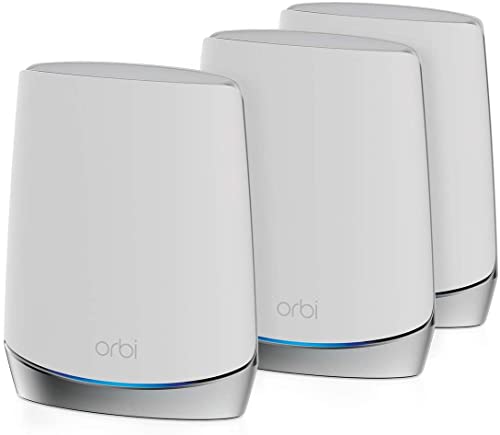
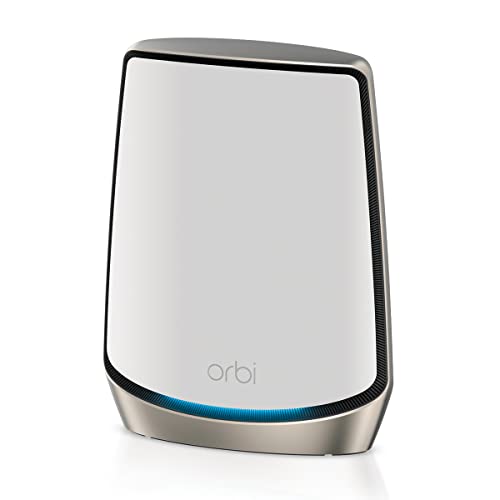
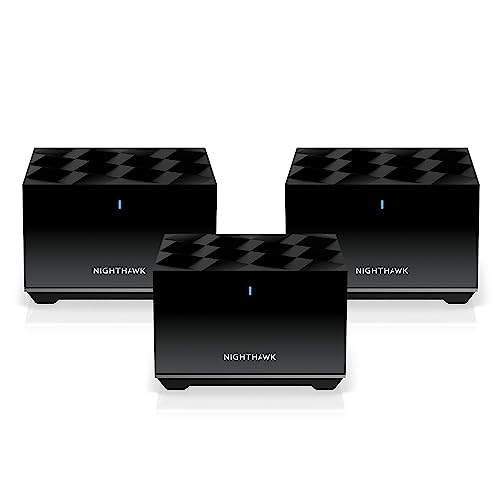
- Orbi series: Mesh Wi-Fi systems designed to cover large areas with consistent wireless signal. Orbi units connect together to extend coverage without dead zones. They come in standard models, Pro versions for business use, and advanced systems with Wi-Fi 6E support.
- ProSafe series: Routers focused on business networking. They include VPN features, advanced security, and multiple WAN options. They suit small and medium-sized offices that need reliability and strong management features.
- ProGaming series: Specialized gaming routers with features like geo-filtering, low latency optimization, and bandwidth allocation. They are designed to reduce lag and prioritize gaming traffic for a more stable connection.
- Basic/Smart series: Entry-level routers targeted at home users with simpler needs. They support standard Wi-Fi performance, easy setup, and basic parental controls. These models suit households that want straightforward connectivity without advanced functions.
- M-series (Mobile Wi-Fi): Portable mobile routers that use 4G or 5G networks. They act as hotspots for multiple devices on the go, ideal for travel or areas without fixed broadband.
How much do Netgear routers cost?
Netgear routers cost between £35 and £600 depending on the model and specifications.
Entry-level routers aimed at basic home use stay in the lower range (around £35 to £90), while mid-range dual-band and Wi-Fi 6 routers usually cost between £110 and £220. Premium models, especially in the Nighthawk series, reach £260 to £600 because they include high-speed Wi-Fi 6E or tri-band setups with advanced gaming and streaming features.
The following chart shows the price distribution of Netgear routers.
[vertical-chart-00813154657944311866020681191430025989632540166736]
What should you consider while choosing the best Netgear router?
You should consider the following factors while choosing the best Netgear router.
- Wi-Fi standard: Select between Wi-Fi 6, Wi-Fi 6E, or Wi-Fi 7 based on your speed requirements and device compatibility. Wi-Fi 7 routers like the RS700S series use all frequencies simultaneously and deliver higher maximum speeds than older standards, while Wi-Fi 6E models such as the RAXE500 series include an extra 6 GHz frequency band for faster connections near the router.
- Frequency bands: Choose between dual-band and tri-band configurations depending on device load and usage patterns. Tri-band routers split internet traffic across three frequency bands (2.4 GHz, 5 GHz, and 6 GHz) which prevents connection slowdowns when multiple devices connect simultaneously, while dual-band routers with 2.4 GHz and 5 GHz bands work well for basic usage but may experience reduced speeds under heavy load.
- Coverage: Decide between single router solutions like Nighthawk models or mesh systems such as Orbi based on your home size. Nighthawk routers excel in smaller areas with concentrated device usage, whereas Orbi mesh systems with multiple nodes provide superior coverage across larger square footage through dedicated backhaul connections between units.
- Ethernet: Match Ethernet specifications to your internet plan and wired device requirements. Routers with 10 Gbps ports like the RS700S series support the highest internet speeds, while models with 2.5 Gbps ports handle most high-speed connections, and standard 1 Gbps ports work for basic broadband plans.
- Device capacity: Consider simultaneous device support based on household connectivity needs. High-end models like the Nighthawk M6 Pro support up to 32 devices simultaneously, which suits homes with numerous smart devices, gaming consoles, and streaming equipment.
- Port configuration: Evaluate USB and Ethernet port requirements for connected devices and network storage needs. Advanced Nighthawk models include multiple USB 3.0 ports for external storage or printer sharing, while Orbi systems prioritize Ethernet ports across multiple units for distributed wired connections.
The chart below shows the Wi-Fi speed distribution of Netgear routers.
[vertical-chart-02576111110492552780097911567743841050523794027767]