
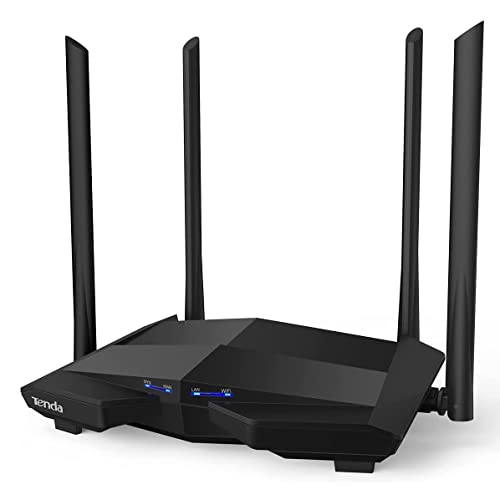
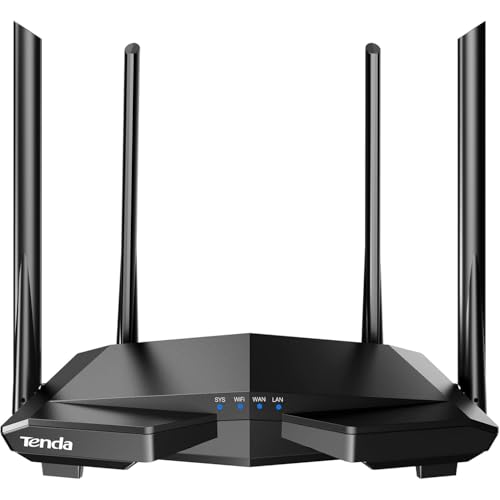
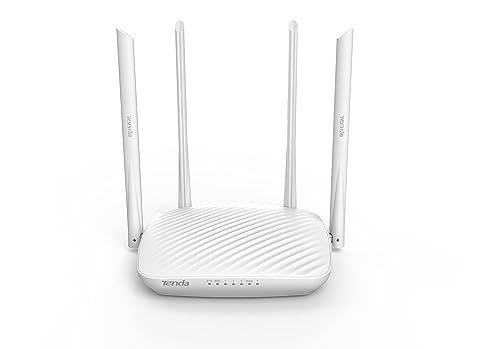
Are Tenda routers good?
Tenda routers have an average overall score of 6.5, ranking #15 among all router brands, and a user rating of 8.8, placing them at #11 based on user reviews.
Tenda routers are good for users who want affordable networking devices with simple setup and reliable performance for everyday use. They focus on low to mid-range models that deliver stable Wi-Fi connections suitable for browsing, streaming, and light gaming.
Tenda routers usually include dual-band connectivity, WPA3 security, and basic management features through their mobile app, which helps users control devices, limit bandwidth, and set parental controls with ease.
The best Tenda routers are as follows.
- Tenda MX12 (Overall score: 7.42 points)
- Tenda RX3 (Overall score: 7.25 points)
- Tenda RX9 Pro (Overall score: 6.95 points)
The chart below ranks router brands by average overall score.
[horizontal-chart-12358809363490758653123200512821428302133513557861]
What are the main advantages of Tenda routers?
The main advantages of Tenda routers are as follows.
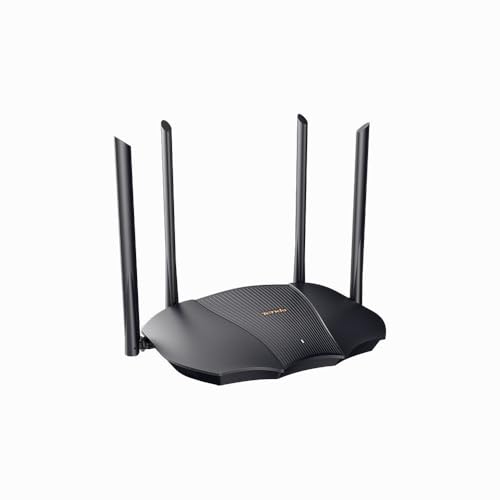
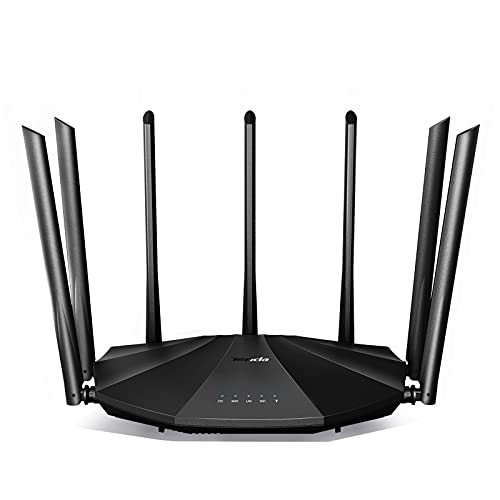
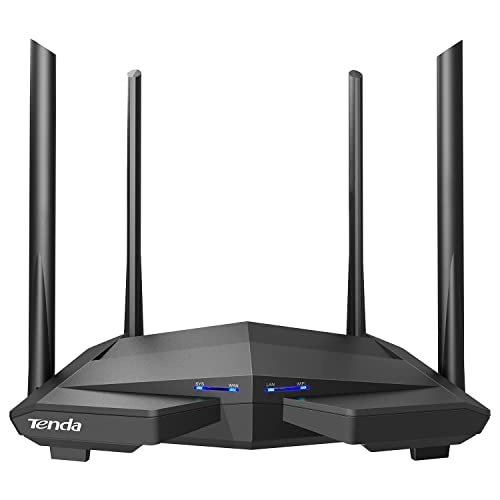
- Strong coverage with high-gain antennas: Many Tenda models include 4 to 6 external 5 dBi antennas that extend Wi-Fi coverage up to 200 m², which is suitable for medium to large homes. This helps maintain stable connections across multiple rooms.
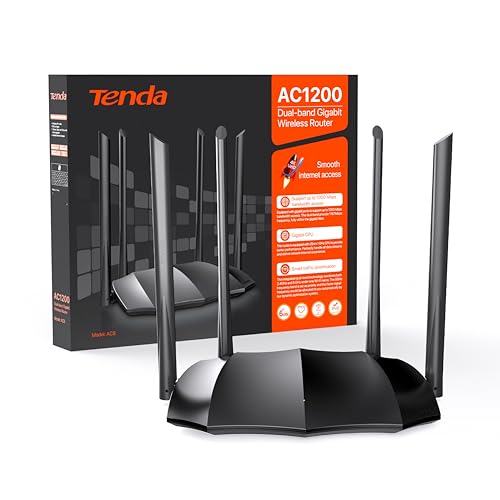
- High-speed dual-band support: Tenda routers support 2.4 GHz speeds up to 300 Mbps and 5 GHz speeds up to 867 Mbps (AC1200 models), which means faster streaming, smooth 4K video, and stable gaming connections.
- Easy app control: The Tenda WiFi app gives direct access to parental controls, guest networks, and real-time device management. It also supports remote control, so users can manage the network even outside the home.
- Affordable price range: Tenda routers are priced competitively, often between £17 and £60, which is lower than many competitors with similar specifications. This makes them accessible for budget-conscious buyers.
- MU-MIMO and Beamforming technology: Higher-end models integrate MU-MIMO that handles multiple devices simultaneously and Beamforming that focuses signals directly to connected devices. This improves speed and reduces lag when many users are online.
- Strong security features: WPA3 encryption is included in newer models, and features such as guest Wi-Fi, device isolation, and parental filters strengthen network protection.
What are the main disadvantages of Tenda routers?
The main disadvantages of Tenda routers are as follows.
- Limited advanced features: Compared with premium brands, Tenda routers often lack advanced customization options such as VPN servers, advanced QoS, or detailed traffic analytics.
- Average hardware power: Many models use entry-level chipsets with 16 MB to 128 MB flash memory and 64 MB to 128 MB RAM, which limits performance under heavy loads or with many connected devices.
- Lower maximum speeds: While suitable for home use, most Tenda routers top at AC1200 or AC2100 speeds, which is lower than high-end routers that support AX6000 or more.
- Software updates: Firmware updates are less frequent than brands like Asus or Netgear, which can leave some models with outdated security patches.
- Limited range in some models: Budget Tenda routers with fewer antennas may struggle to maintain strong signals beyond 100 m², especially through walls or multiple floors.

Who makes Tenda routers?
Tenda routers are made by Tenda Technology, a Chinese networking equipment manufacturer founded in 1999.
The company is headquartered in Shenzhen, China, and specializes in producing routers, mesh Wi-Fi systems, range extenders, powerline adapters, and network switches. Tenda is part of Shenzhen Tenda Technology Co., Ltd., which has grown into one of the major networking device producers in China.
The company employs thousands of staff worldwide and exports its products to more than 100 countries. It has a large production facility in Shenzhen with automated manufacturing lines and also invests in research and development for networking hardware.
How popular are Tenda routers?
Tenda routers are fairly popular worldwide, with shipments in 2024 estimated at about 8 million units and a global market share close to 5 %, which placed the brand in the global top 5 vendors. The Tenda AC and Nova mesh series drove most sales, targeting budget and mid-range home users.
Tenda performed strongest in Asia, where its share reached nearly 10 %, while in Europe it stayed around 4 % and in North America below 2 %.
What are the main Tenda router series?
The main Tenda router series are as follows.
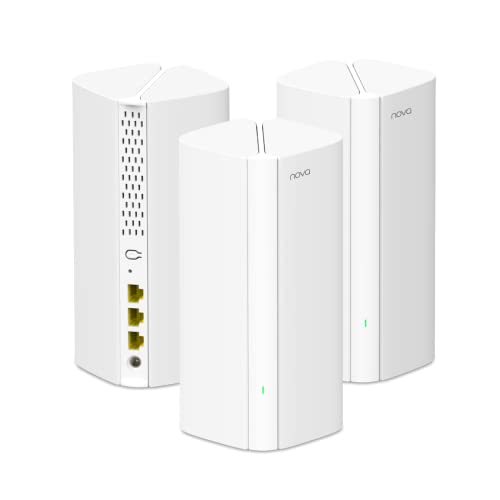
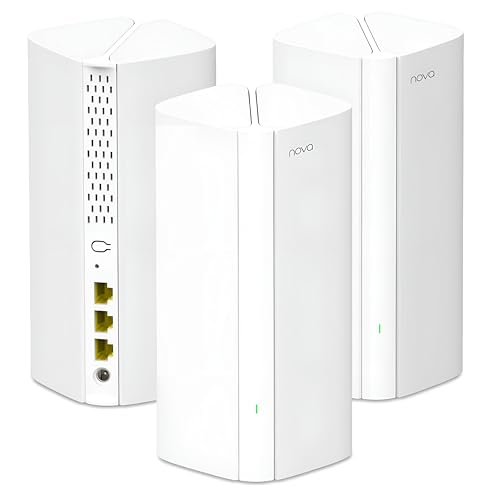
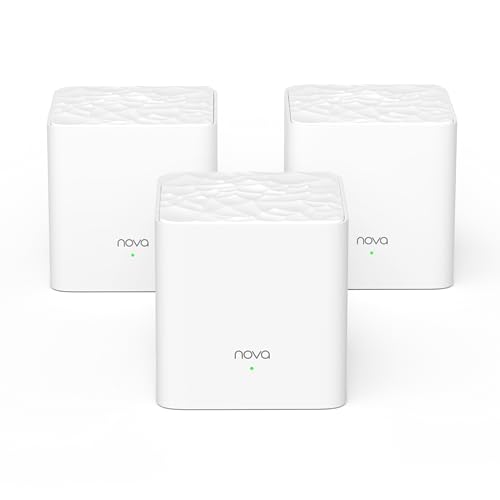
- Nova Mesh series: Whole-home mesh Wi-Fi systems that use multiple units for seamless coverage. They focus on stable connections, simple setup, and support for larger houses or multi-floor spaces.
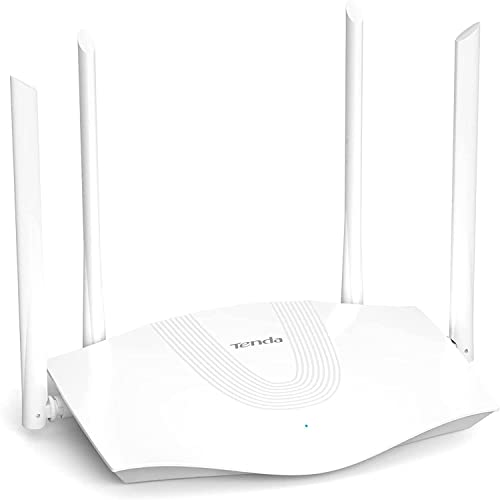
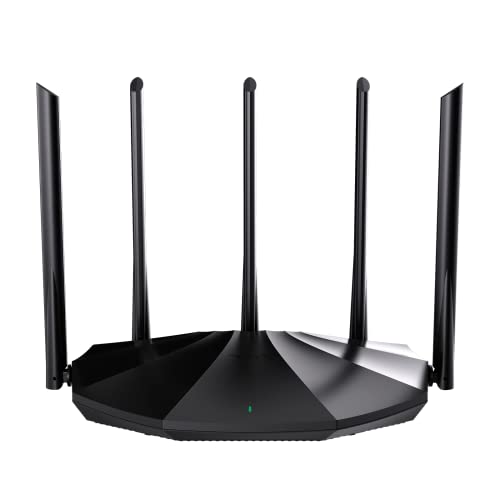
- AC series: Dual-band Wi-Fi 5 routers designed for everyday use. They combine affordability with features like parental controls, guest networks, and multiple antennas for wider coverage.
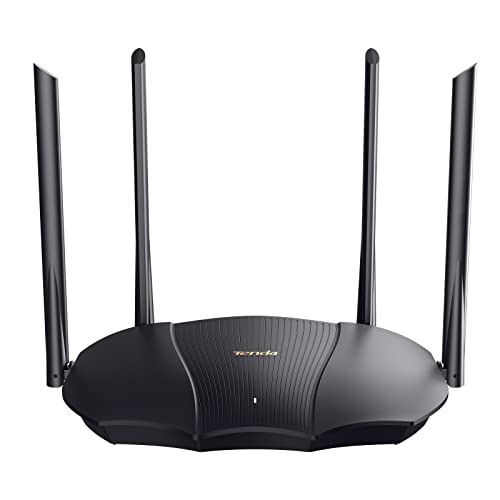
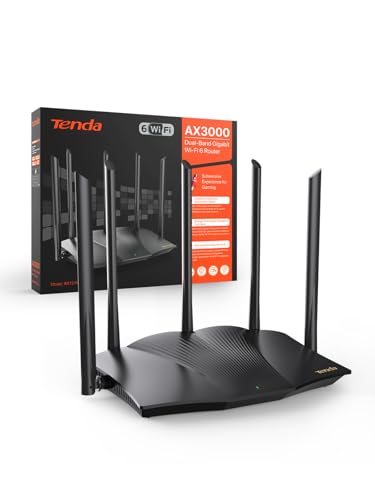
- AX series: Wi-Fi 6 routers built for faster speeds, lower latency, and more device connections. They suit gaming, 4K streaming, and households with many smart devices.
- Gaming series: High-performance routers with stronger processors and optimized firmware. They prioritize gaming traffic, reduce lag, and deliver stable speeds under heavy load.
- 4G/5G LTE series: Routers with SIM card support for mobile internet. They work in places without fixed-line broadband and can share cellular connections with multiple devices.
- Business series: Routers and gateways made for small offices and enterprises. They include VPN support, stronger security functions, and higher capacity to manage many users.
How much do Tenda routers cost?
Tenda routers cost between £17 and £90, so they belong to the budget and entry-level range of networking devices.
The cheapest models focus on basic home use with single-band connectivity, while the more expensive ones reach higher speeds and add features such as dual-band support, multiple antennas, and MU-MIMO technology. This price range positions Tenda below premium brands, which means you can get a functional router for less money.
The following chart shows the price distribution of Tenda routers.
[vertical-chart-09170351025435087131009199492816524250344009216669]
What should you consider while choosing the best Tenda router?
When selecting the best Tenda router, you should consider the following factors:
- Wi-Fi standards: Modern Tenda routers support different Wi-Fi generations from Wi-Fi 4 (802.11n) to Wi-Fi 7. The AC series like AC15 and AC10 use Wi-Fi 5 (802.11ac) with dual-band operation, while the AX21 features Wi-Fi 6 technology for superior device management. The latest BE3600 model supports Wi-Fi 7 for maximum future compatibility. Wi-Fi 6 and 7 models handle multiple devices more efficiently through advanced technologies like MU-MIMO and OFDMA.
- Coverage: Different Tenda series target specific coverage needs based on antenna configuration and transmitter power. The F series like F3 and F6 use 3-4 external antennas with 5-6 dBi gain for basic home coverage. The AC series models feature higher gain antennas and beamforming technology for medium-sized homes. Mesh systems like MW6 provide intelligent roaming and adaptive signal distribution for larger spaces with seamless device transitions between nodes.
- Performance: Processor power directly affects how many devices the router can handle simultaneously. Entry-level models like F3 use basic chips suitable for light usage, while the AC10 v3 features a 1 GHz CPU for better multi-device performance. High-end models like RX9 Pro include 1.6 GHz dual-core processors for intensive applications and gaming. Business models like AC19 feature enterprise-grade hardware for heavy loads in professional environments.
- Antenna: Antenna count and gain significantly impact signal quality and range. The AC7 uses five 6 dBi antennas compared to AC6's four 5 dBi antennas, resulting in better multi-user performance. Models with higher transmitter power (up to 23 dBm) and dedicated antennas for each frequency band provide stronger signal strength and reduced interference. External antennas typically perform better than internal designs for coverage.
- Connectivity: LAN and WAN port specifications determine wired connection capabilities. Basic models like F3 include 100 Mbps ports suitable for standard internet plans. Advanced models feature Gigabit Ethernet ports for high-speed wired connections and faster file transfers. Business routers often include additional ports and VLAN support for complex network setups.
- Features: Security protocols vary between models from basic WPA2 to advanced WPA3 encryption. Modern Tenda routers include mobile app management, parental controls, and guest network capabilities. Business models add enterprise-grade security features, VPN support, and advanced configuration options. Some models feature automatic security updates and threat detection for enhanced protection.
The chart below shows the Wi-Fi speed distribution of Tenda routers.
[vertical-chart-16495558613943955432181506439883361677421304232050]