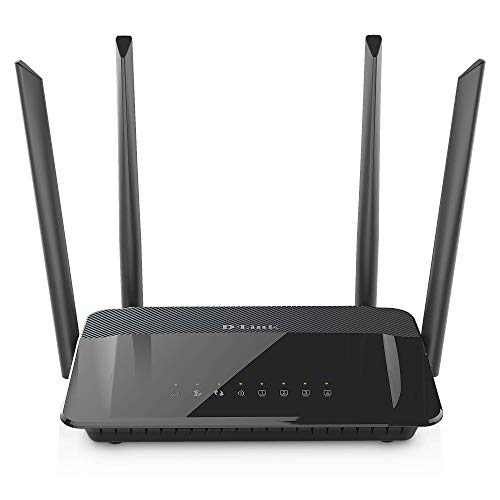

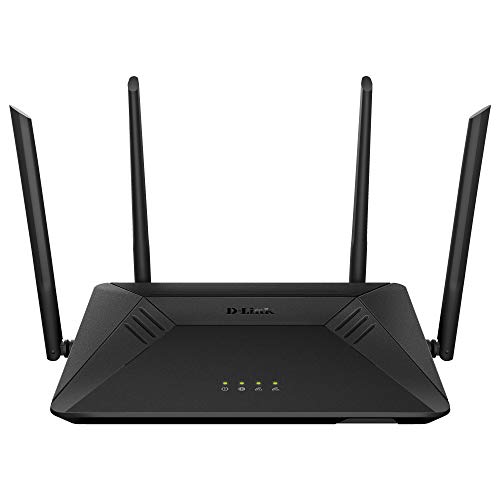
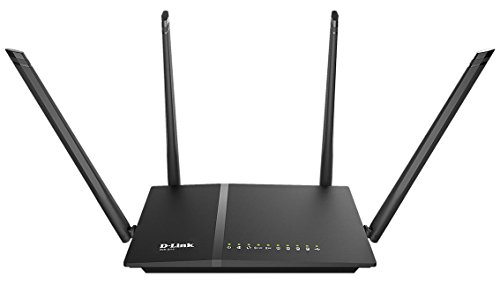
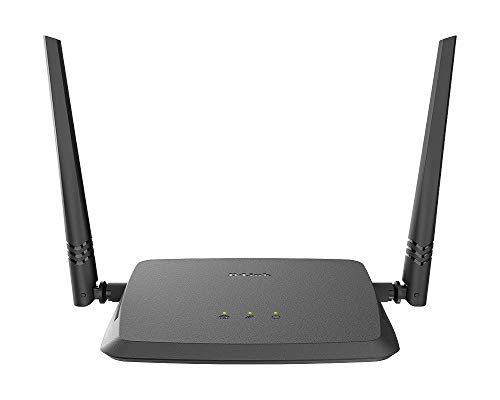
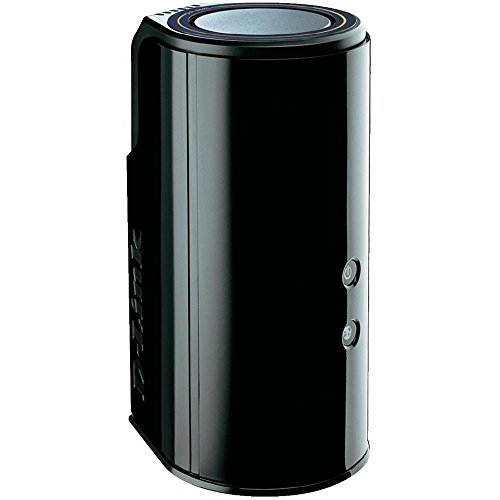
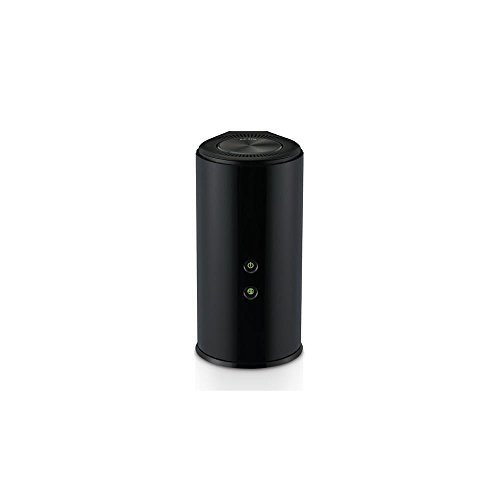
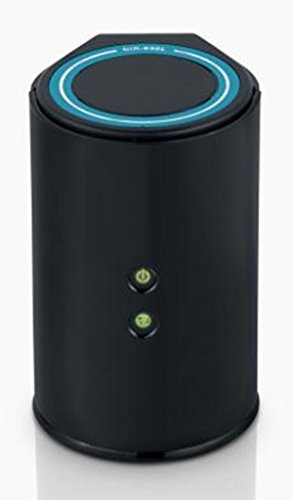
Are D-Link routers good?
D-Link routers have an average overall score of 6.7, ranking #(?) among all router brands, and a user rating of 8.8, placing them at #(?) based on user reviews.
D-Link routers are a solid choice for many users. They provide reliable performance for home and small office networks. Most models support standard Wi-Fi protocols like 802.11ac and 802.11ax. Users get decent speeds and coverage for typical internet tasks.
D-Link focuses on affordability, with many routers priced between £30 and £130. Setup is straightforward, often through a mobile app or web interface. Some models include features like parental controls and guest networks.
However, D-Link routers have limitations. Build quality can feel less premium compared to competitors like ASUS or Netgear. Firmware updates are inconsistent, and some users report bugs or outdated interfaces. Advanced features like robust QoS or VPN support are often limited to higher-end models.
The best D-Link routers are as follows.
- Tenda MX12 (Overall score: 7.42 points)
- Tenda RX3 (Overall score: 7.25 points)
- Trendnet TEW 827DRU (Overall score: 7.23 points)
The chart below ranks router brands by average overall score.
[horizontal-chart-12358809363490758653123200512821428302133513557861]
What are the main advantages of D-Link routers?
The main advantages of D-Link routers are as follows.
- Wide product range: D-Link routers cover entry-level models from £30 to advanced gaming or business devices above £260, so they fit different budgets and usage needs.
- Strong Wi-Fi speeds: Many models use Wi-Fi 6 with speeds up to 5.4 Gbps, which supports 4K streaming, VR gaming, and multiple devices without bottlenecks.
- Mesh capability: Several models integrate with D-Link’s Wi-Fi Mesh system, so users can expand coverage across large homes with seamless roaming between nodes.
- Advanced security: D-Link integrates WPA3 encryption, guest networks, and sometimes parental controls that allow precise control over connected devices and usage times.
- Multi-gig connectivity: Higher-end models include 2.5 Gbps WAN/LAN ports and multiple Gigabit Ethernet ports, which support fast fiber connections and stable wired networks for gaming or NAS systems.
- Easy setup and management: D-Link routers use the D-Link Wi-Fi app for configuration, firmware updates, and traffic management, which reduces setup time compared to web-only interfaces.
What are the main disadvantages of D-Link routers?
The main disadvantages of D-Link routers are as follows.
- Mixed build quality: Budget models often use cheaper plastic housings and antennas that reduce durability compared to premium competitors.
- Firmware delays: Some models receive fewer firmware updates, so security patches and feature improvements may lag behind brands like Asus or TP-Link.
- Average software: The D-Link management app is less advanced than systems from Asus or Google, which integrate more AI-based traffic optimization.
- Limited premium features: Features like integrated VPN servers, QoS customization, or gaming acceleration are weaker or absent in many mid-range models.
- Inconsistent performance: Entry-level models may struggle with more than 15–20 connected devices, so they are less suited for smart homes with many IoT products.

Who makes D-Link routers?
D-Link routers are made by D-Link Corporation, a Taiwanese multinational company founded in 1986 in Taipei.
The company was originally called Datex Systems Inc. and changed its name to D-Link Corporation in 1994. It focuses on networking equipment such as routers, switches, access points, and smart home solutions.
D-Link employs thousands of people worldwide and operates regional offices in Asia, Europe, North America, South America, the Middle East, and Africa. Its headquarters remain in Taipei, Taiwan, while the company sells products in over 100 countries.
How popular are D-Link routers?
D-Link routers are moderately popular worldwide, with shipments in 2024 estimated at around 6 million units and a global market share near 4 %, which placed the brand in the global top 5 vendors. The EXO and Eagle Pro AI series drove most sales, targeting home and small office users with Wi-Fi 6 connectivity.
D-Link performed strongest in Asia and parts of Europe, where its share reached about 5 %, while in North America it stayed smaller at around 2 %.
What are the main D-Link router series?
The main D-Link router series are as follows.
- The main D-Link router series are as follows:
- DIR series: This is the standard line of wireless routers for home and small offices. Models in this series support different Wi-Fi standards, from basic Wi-Fi 4 to advanced Wi-Fi 6, and come with dual-band or tri-band options. They are designed for general use with stable connectivity and basic security.
- EXO series: This range targets advanced home users and gamers. It includes routers with Wi-Fi 6, MU-MIMO, and high-speed dual-band or tri-band performance. The series also integrates security features such as McAfee protection and smart home compatibility with Google Assistant or Alexa.
- Covr series: These are D-Link’s mesh Wi-Fi systems. They use multiple units to create a seamless network that eliminates dead zones and maintains consistent speeds across larger homes. The series is designed for easy expansion and supports both dual-band and tri-band systems.
- DSR series: This series is aimed at small and medium businesses. The routers feature VPN support, advanced firewall protection, and multiple WAN ports for reliable connectivity. They focus on security and stability in business environments.
- DSL series: These routers combine DSL modems with Wi-Fi routers. They are designed for users who connect through DSL lines and need an all-in-one solution. Models in this range support VDSL2 and ADSL2+ connections with integrated wireless features.
- DVG and DVG-2000 series: These are VoIP gateway routers. They integrate voice and data, so they are often used in businesses that require both internet and phone connectivity through the same device.
- Industrial and enterprise routers: D-Link also produces rugged and enterprise-grade routers that are designed for heavy workloads, high traffic, and specific use cases such as outdoor deployment or industrial automation. They come with advanced network management and reliability features.
How much do D-Link routers cost?
D-Link routers cost between £30 and £260, depending on the series and specifications.
Entry-level models usually stay at the lower end of this range and cover basic browsing, streaming, and small household use. Mid-range routers sit between £70 and £130 and include stronger processors, dual-band or tri-band support, and higher throughput that suits medium-sized homes.
High-end D-Link routers cost from £170 to £260, which places them in the same bracket as gaming or professional networking devices. These models include advanced features such as MU-MIMO, Wi-Fi 6, and multiple high-gain antennas that improve speed and stability for many connected devices.
The following chart shows the price distribution of D-Link routers.
[vertical-chart-18349935882421070452065389971502612365230686237888]
What should you consider while choosing the best D-Link router?
You should consider the following factors while choosing the best D-Link router.
- Wi-Fi technology: D-Link routers span Wi-Fi 5 and Wi-Fi 6 generations, with model classes ranging from around AC1200 up to AC5300. Newer Wi-Fi 6 models handle more devices and offer better efficiency, but they also cost more.
- Band configuration: Dual-band routers suit lighter households, while tri-band models add extra capacity for heavier traffic, more simultaneous users, and better high-load stability.
- Coverage and antennas: Coverage depends on antenna design, transmit power, and whether the router supports mesh expansion. Larger homes usually need stronger antennas or a mesh-ready model.
- Ports and wired speed: Check how many LAN ports you need, whether the router includes USB, and whether Gigabit or multi-gig Ethernet matters for NAS, gaming, or fast broadband.
- Software and features: D-Link models vary in QoS depth, parental controls, app quality, and security extras, so it is worth checking the exact firmware feature set rather than assuming all series behave the same.
The chart below shows the Wi-Fi speed distribution of D-Link routers.
[vertical-chart-10278137059776612511037969001536951522912628899256]