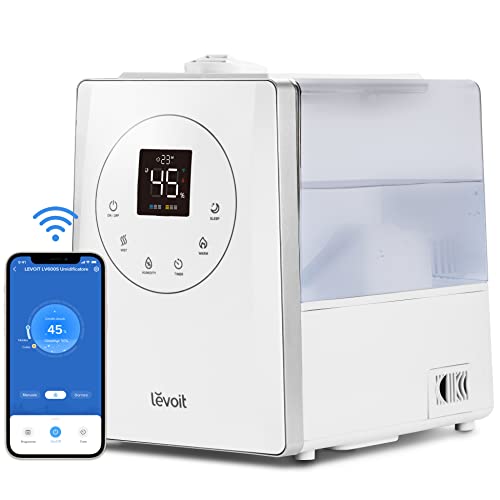
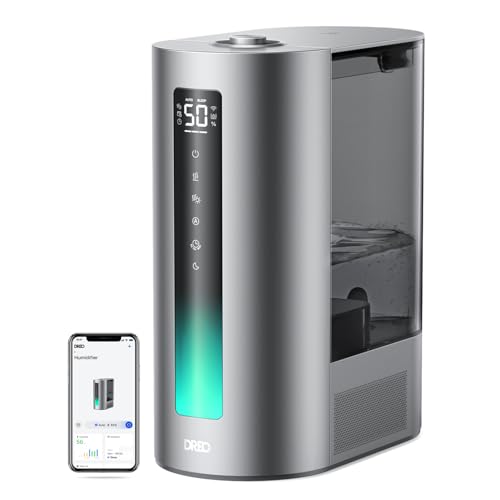
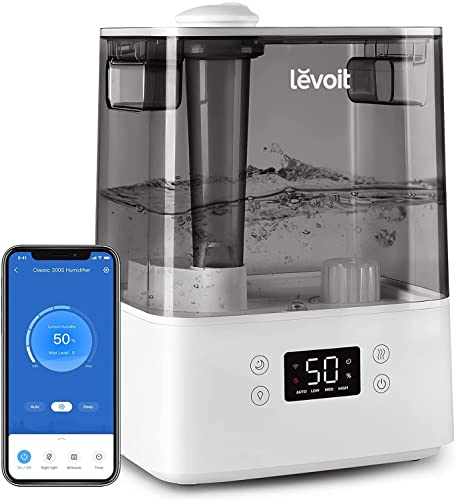
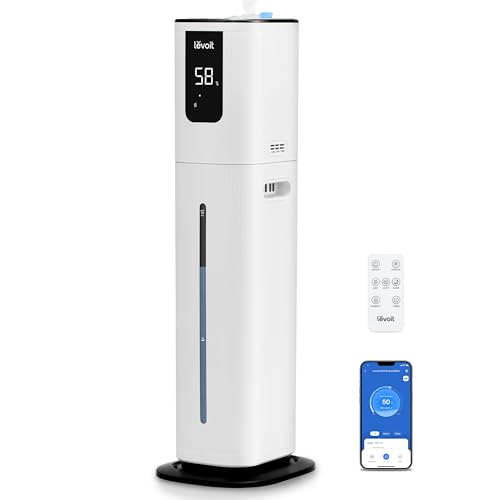
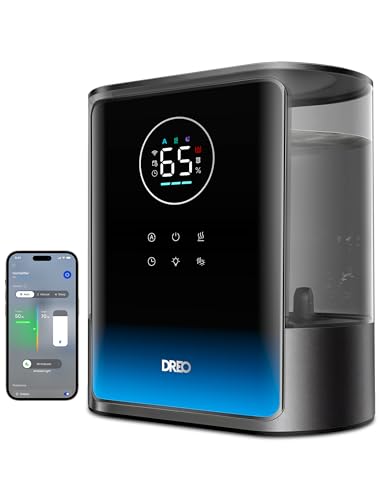
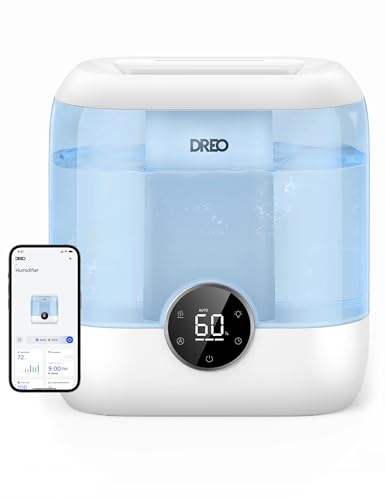
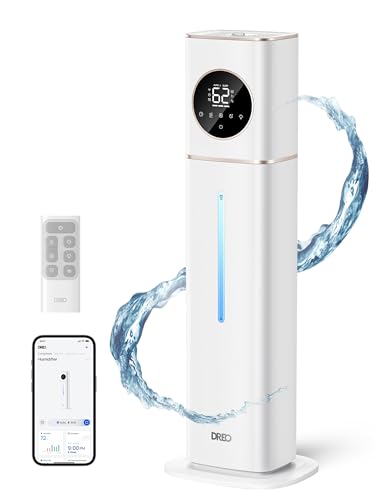
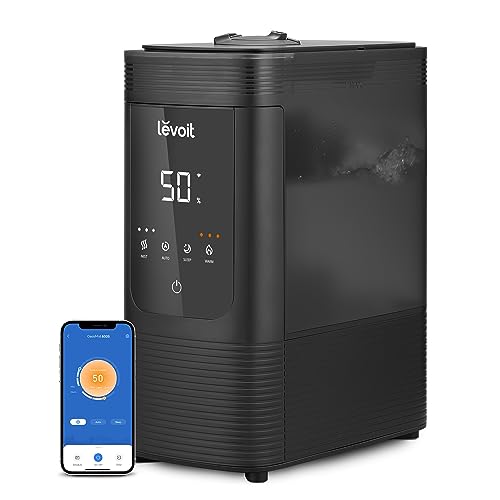
How do top-fill humidifiers make refilling easier?
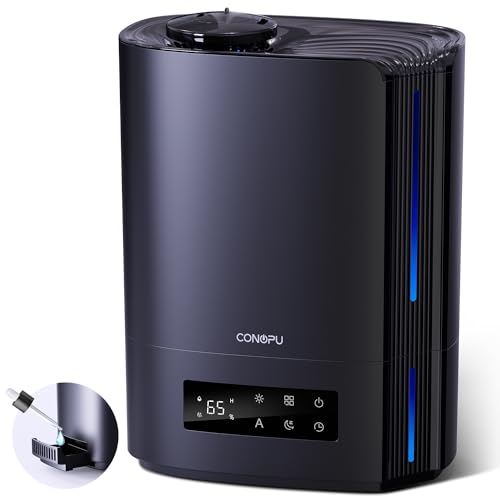
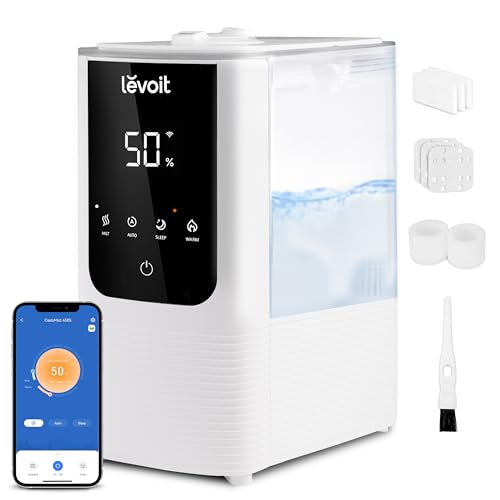
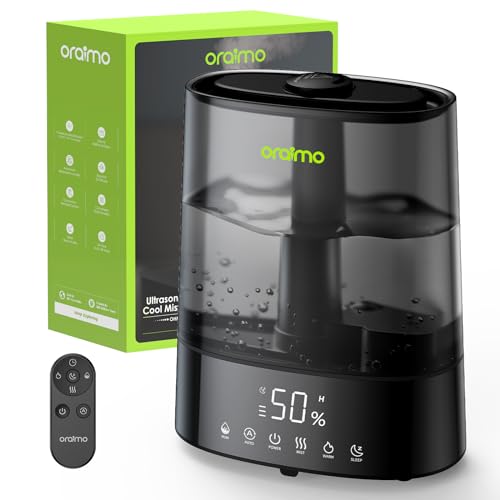
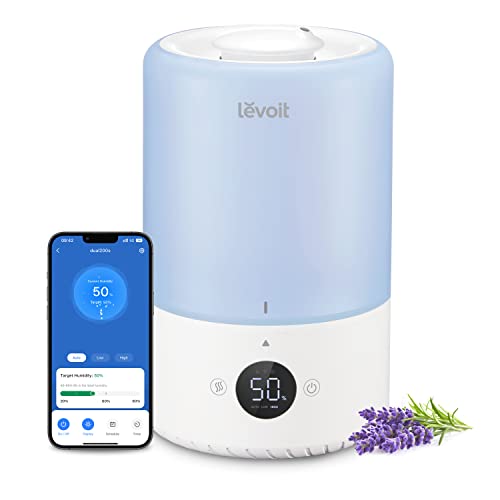
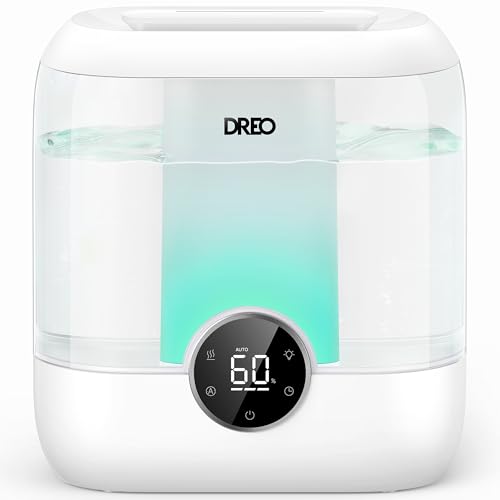
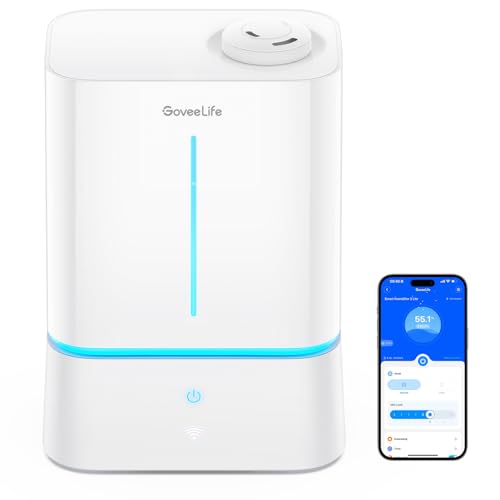
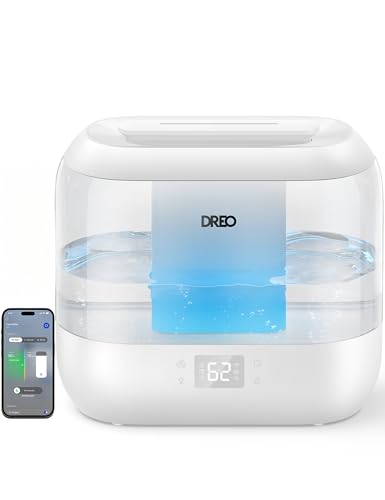
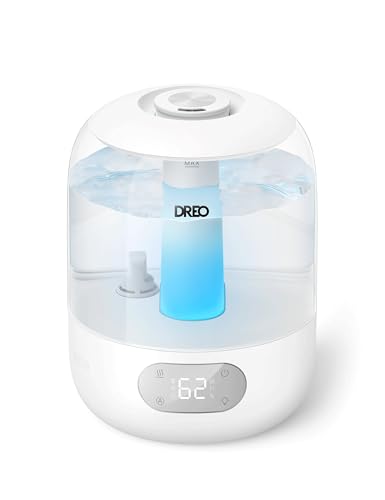
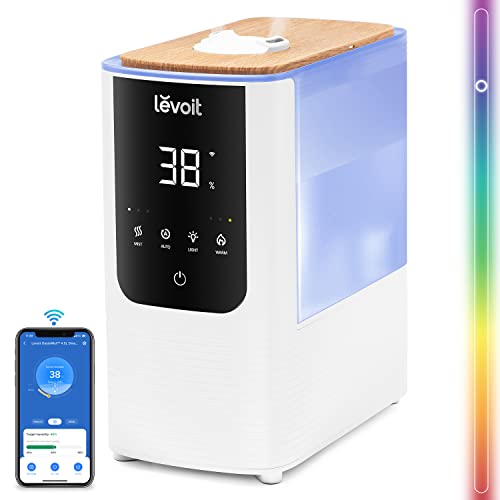
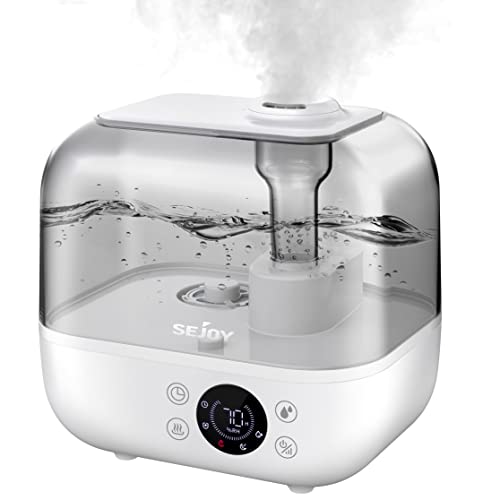
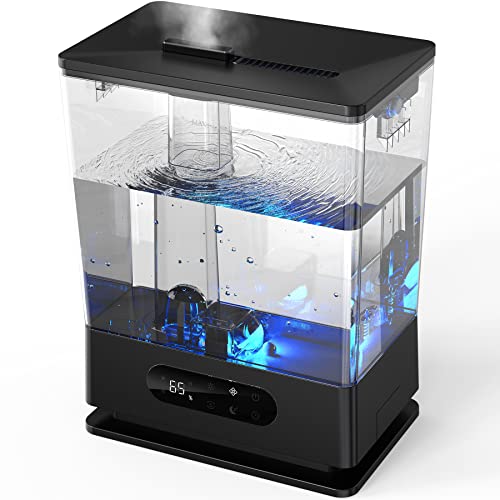
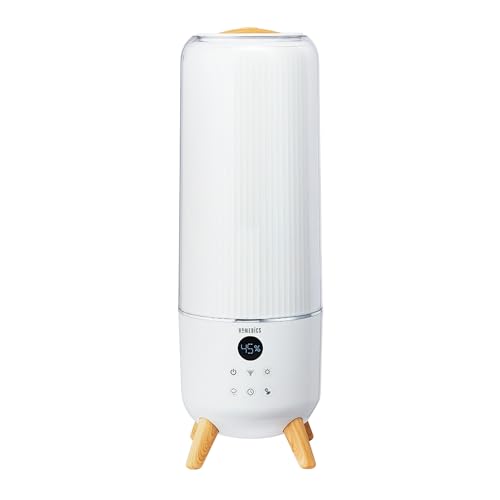
Top-fill humidifiers make refilling easier by letting you pour water directly into an upper opening instead of lifting a filled tank out of the base. This is most useful when the opening is wide, the lid stays securely in place, and a handle or stable housing keeps the jug from slipping.
A practical top-fill design leaves enough clearance above the unit for a controlled pour and shows the water level clearly. The opening should also let you reach the bottom, tray, float, and mist path; otherwise filling is convenient but emptying and cleaning remain difficult.
Use a separate jug for heavier tanks and wipe spills immediately. Keep water away from controls and sockets, and choose a model with automatic low-water shut-off and a stable base so the easier refill routine does not create a safety or over-humidification problem.
What are the main limitations of top-fill humidifiers?
Top-fill humidifiers are not automatically easier to live with because the top opening can hide a narrow base, a fixed mist chimney, or corners that cannot be wiped. A tank that cannot be removed may also be harder to empty fully, carry to a sink, or dry between uses.
Water poured from above can spill onto controls or the surrounding surface if the lid is awkward or the opening is too small. Leave clearance above the appliance, use a jug with a controlled pour, and keep the unit away from sockets, books, wood, and other moisture-sensitive surfaces. Top-fill access does not remove mineral or hygiene problems: ultrasonic units can disperse minerals from hard water, while evaporative units still need wick care. Check the actual water-contact path, not only the words top fill, and prefer a design with a removable tray, automatic shut-off, and a hygrostat.
What tank capacity and runtime suit top-fill humidifiers?
A practical top-fill humidifier target is a 2–6 L tank with at least 8–12 hours of runtime at the output needed for the room. Small 0.3–1 L units are convenient on a desk but often need refilling overnight; a larger reservoir helps only if the opening, handle, and base make filling and cleaning safe.
Runtime depends on mist rate. A 4 L tank running at 200 ml/h contains about 20 hours of theoretical water before automatic cycling, while maximum output shortens that figure. Choose several output levels and a hygrostat so the unit can pause near 40–50% RH instead of emptying at full power.
Check the fill height above the appliance and the weight when full. A broad opening may be easy to pour into but still awkward under a low shelf, and a full 6 L tank weighs about 6 kg before the housing is counted.
How should you clean a top-fill humidifier?
Clean a top-fill humidifier by emptying the reservoir daily, rinsing it, and leaving the opening exposed so the tank and base can dry. The wide lid helps only when you can reach the bottom, corners, float, nozzle, and any removable tray with a cloth or soft brush.
Descale mineral deposits according to the manual, commonly weekly or every one to two weeks in hard-water areas. Ultrasonic models may need distilled or demineralized water if white dust appears; evaporative models need their wick or filter washed or replaced as specified.
Unplug the unit before wiping the base and controls, keep electrical parts dry, and rinse away every cleaning residue. Do not add essential oils unless a dedicated compartment is provided. Inspect the lid seal and mist outlet after cleaning so a loose part cannot direct water onto furniture or sockets.
How much do top-fill humidifiers cost?
Top-fill humidifiers generally cost about £30-£130, while compact personal models can start near £20 and premium smart or high-capacity units can reach about £220.
Below £40, expect a smaller tank, a simple lid, and fewer humidity controls; inspect whether the opening really allows the base to be cleaned. Around £40-£100 usually buys a 2–6 L model with adjustable output, automatic shut-off, a hygrostat, and a more accessible water path. Above £100, the useful extras are stronger output, quieter cycling, app control, a larger serviceable tank, or a better-supported filter system—not the top-fill label alone.